Masjid al-Sajdah / Abu Dharr al-Ghifari
- Home
- Ziyarat
- Madinah Ziyarat
- Masjid al-Sajdah / Abu Dharr al-Ghifari
مسجد السجدة / أبو ذر الغفاري
Ziart Overview
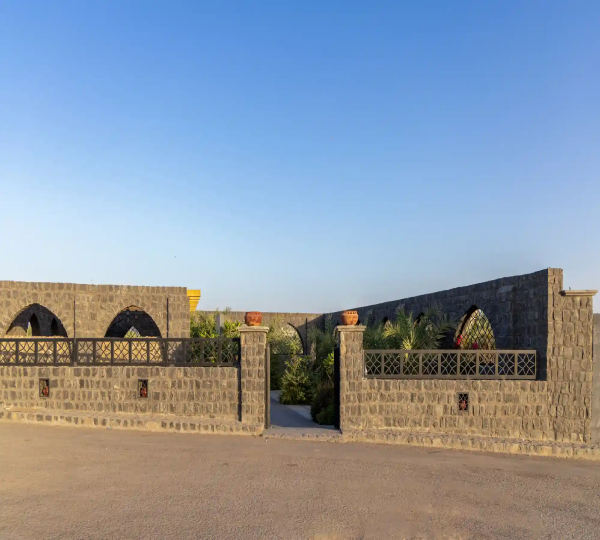
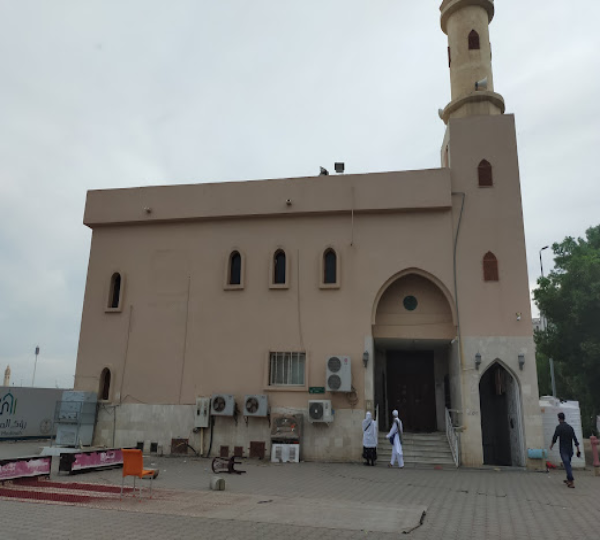
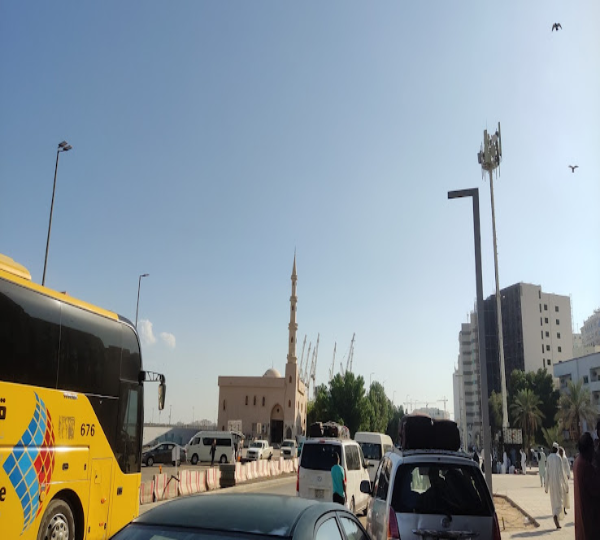
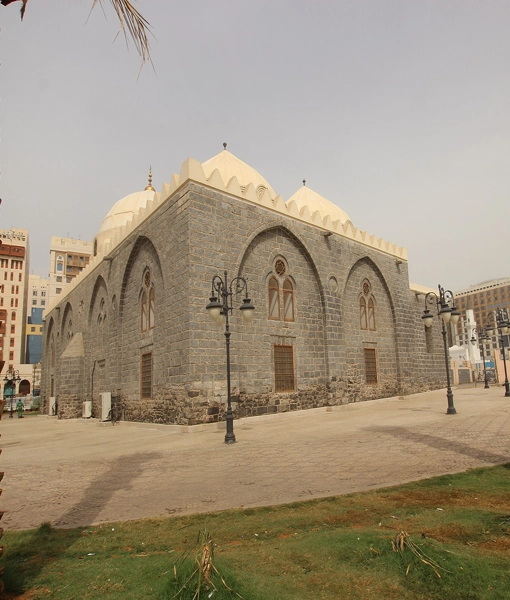
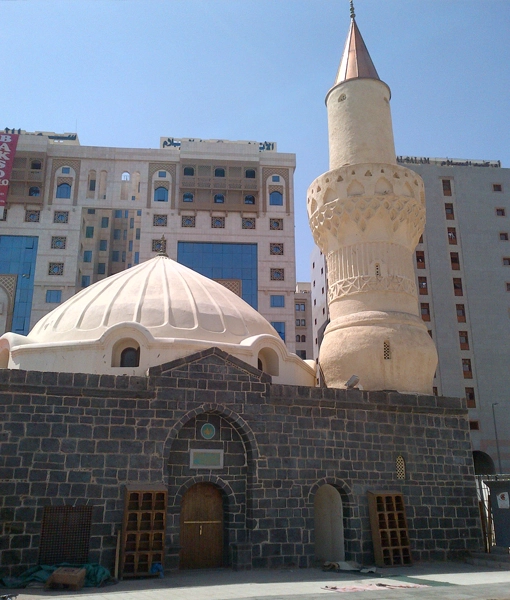
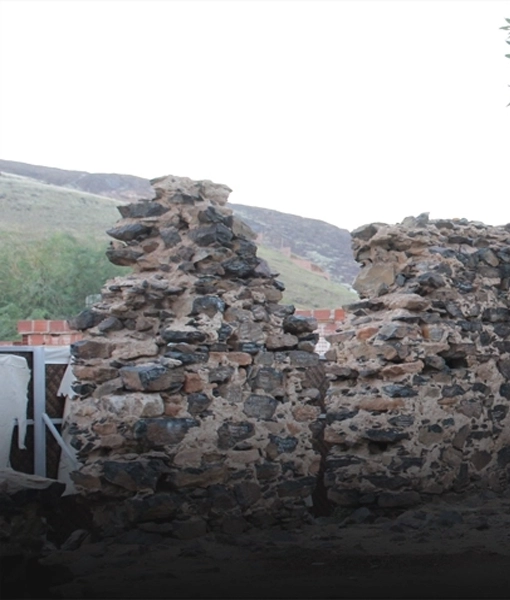
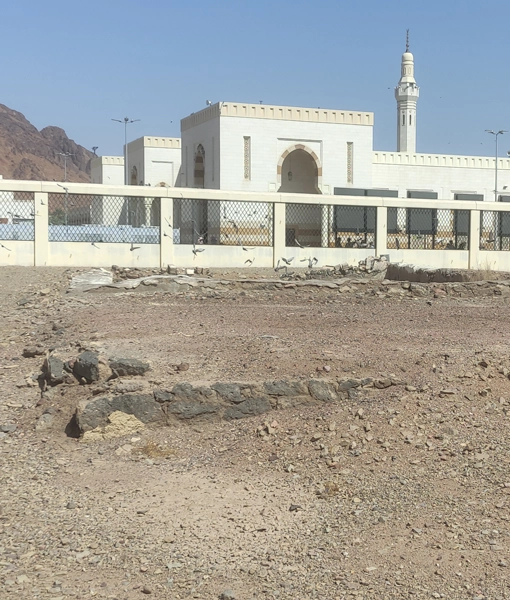
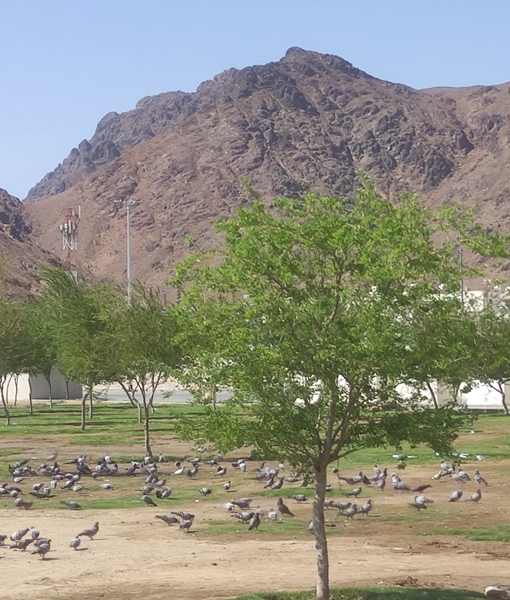
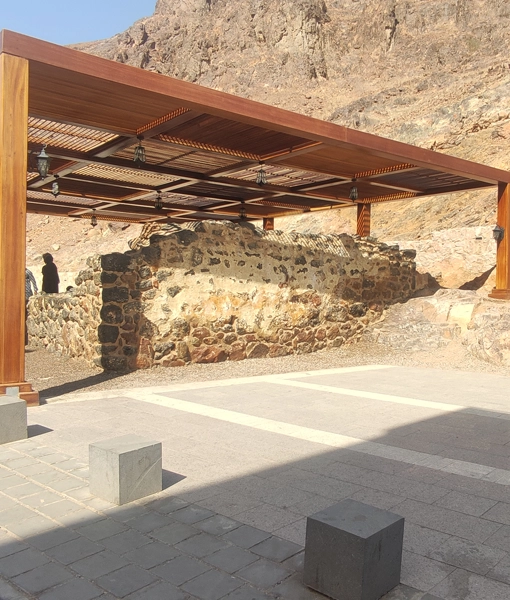
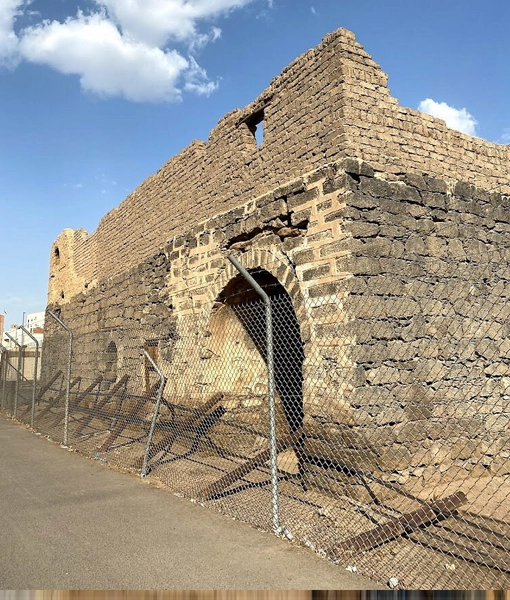
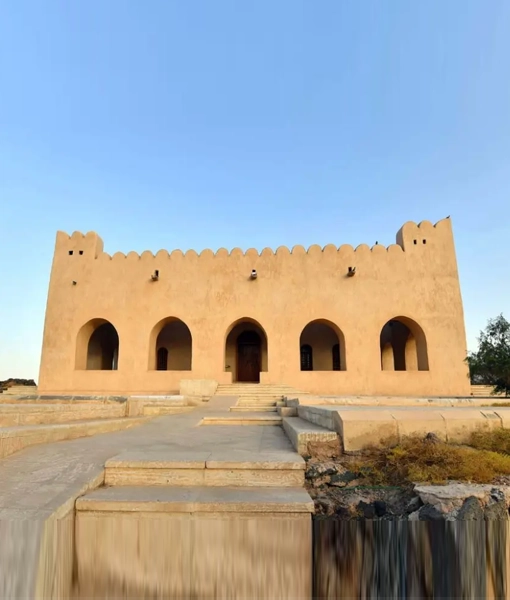
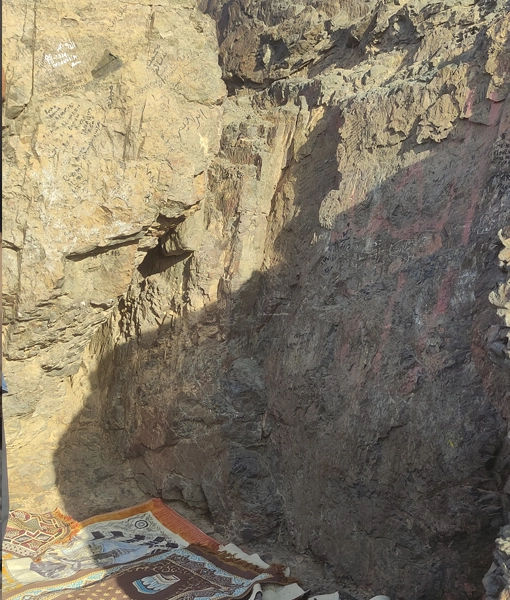
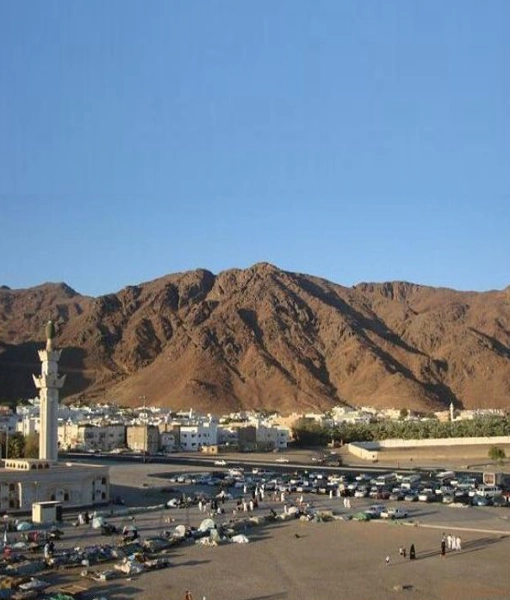
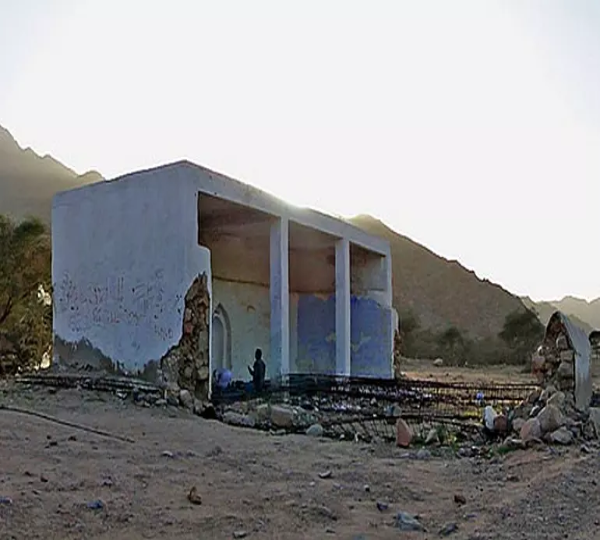
- Where the Prophet (S.A.W.) Performed Sujood Masjid Al Sajjdah is located approximately 700-900 meters north-west of Masjid Al-Nabawi, slightly outside the main ring of the Prophet’s Mosque courtyards. This location, historically a more open area, was suitable for quiet, solitary devotion away from the main gathering place. To find it today, pilgrims often look for its proximity to the historical route leading towards the area of Uhud. Unlike the grand scale of some newer constructions, Masjid Al Sajjdah possesses a beautiful, unpretentious simplicity. Architectural Features The original structure was, like many historical mosques, a simple marker on the sacred ground. It was formally constructed and expanded over the centuries by different Muslim rulers, keen to preserve the sites of the Sunnah.
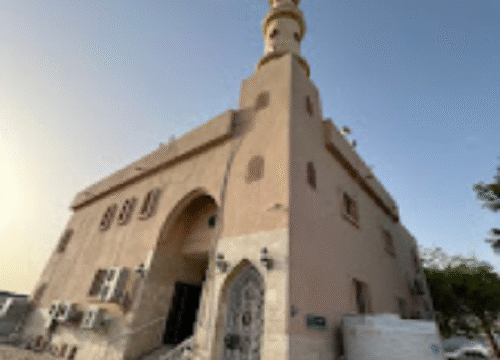
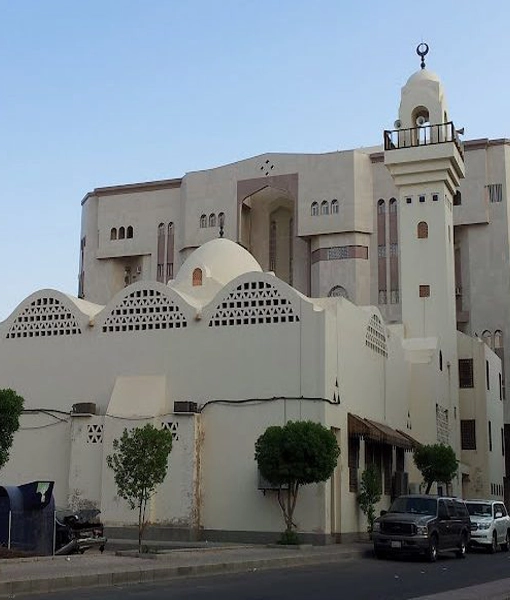
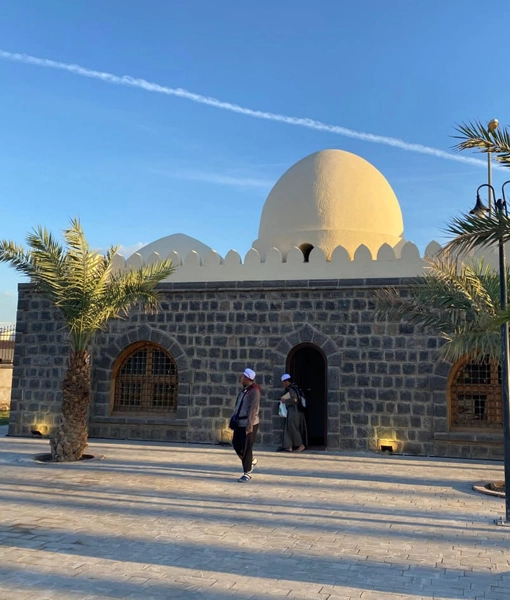
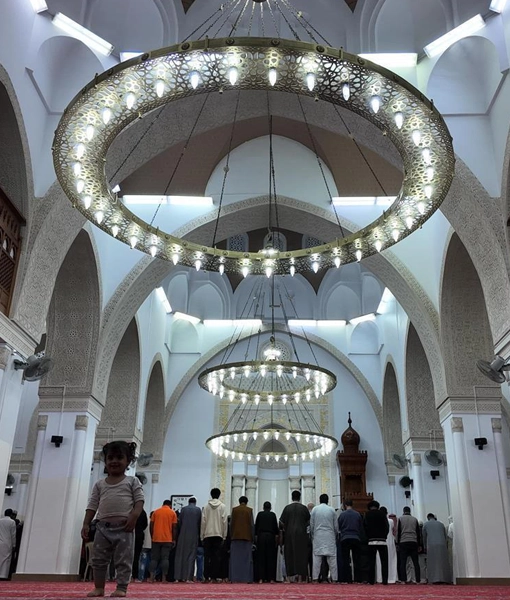
- • Simple and Rectangular: The mosque maintains a modest, rectangular shape, reflecting its purpose as a humble place of worship and commemoration.
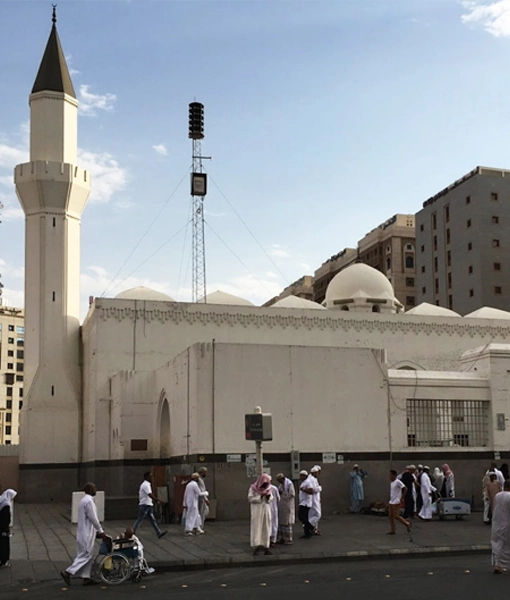
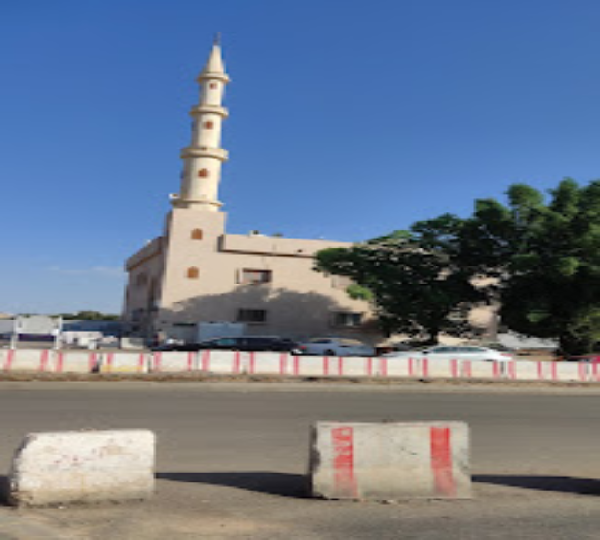
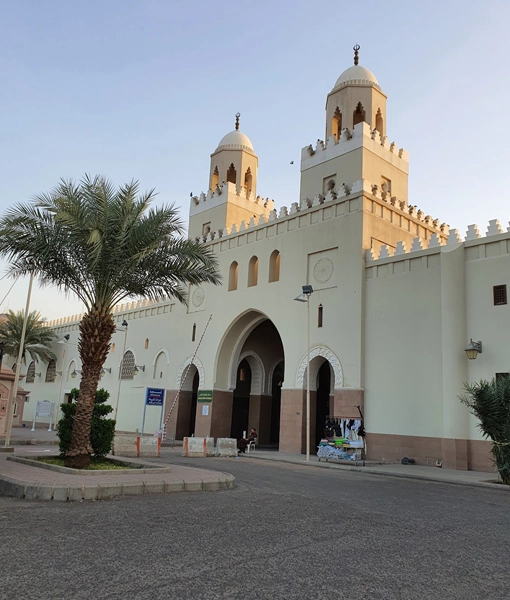
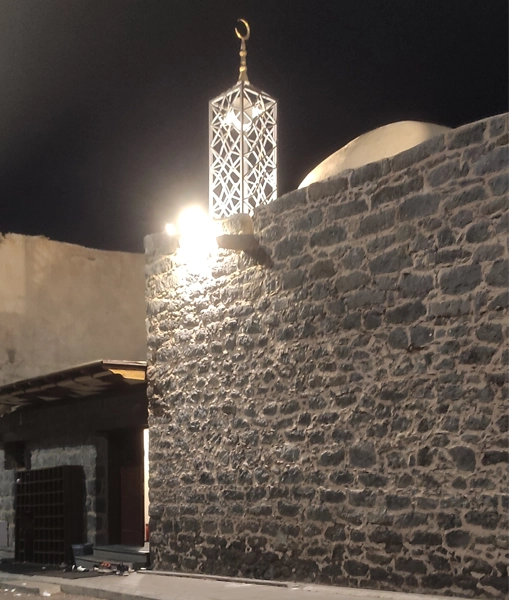
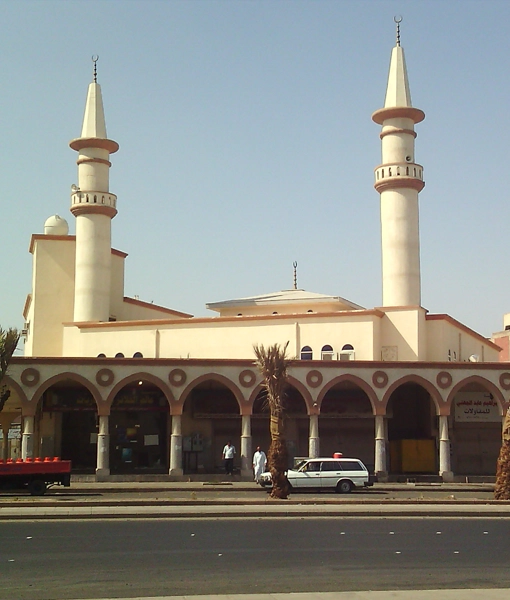
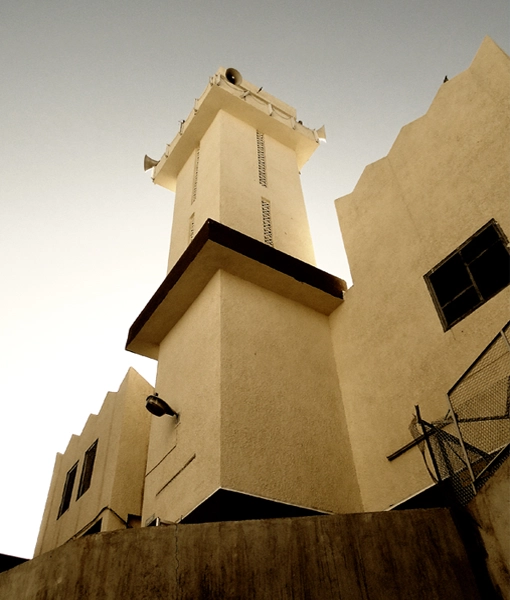
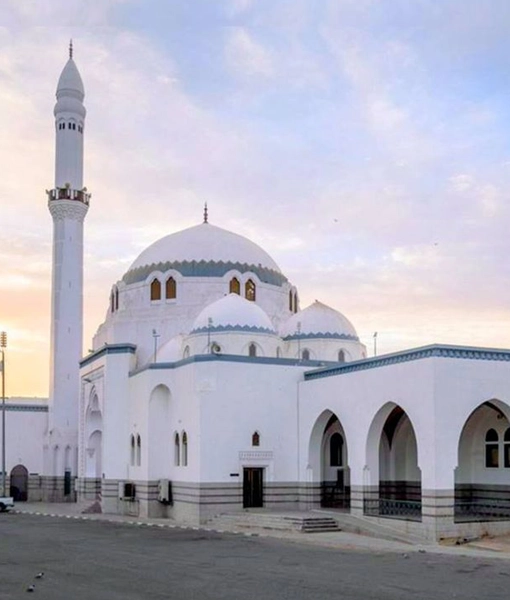
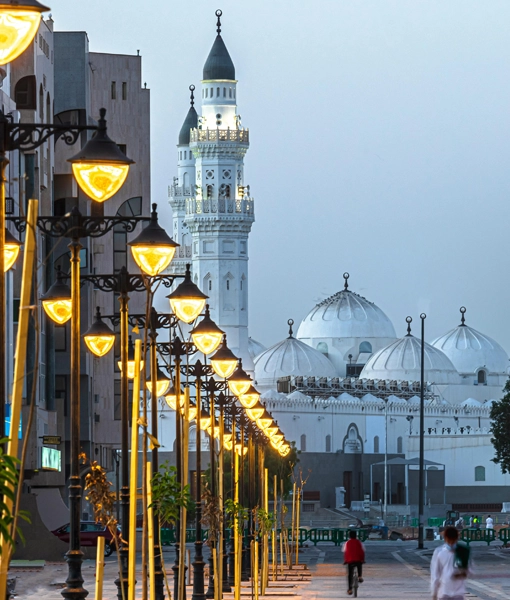
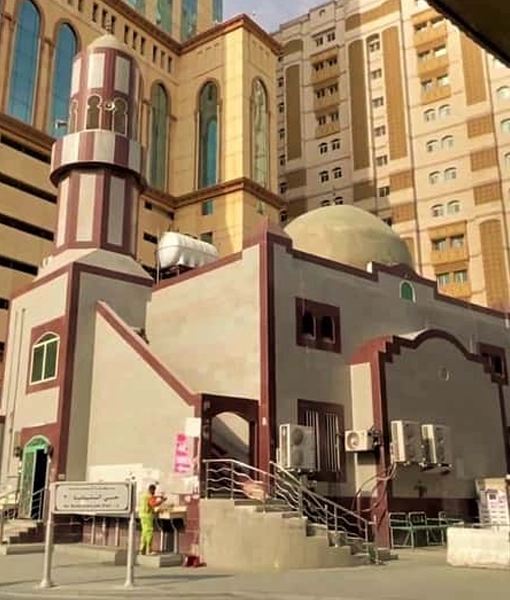
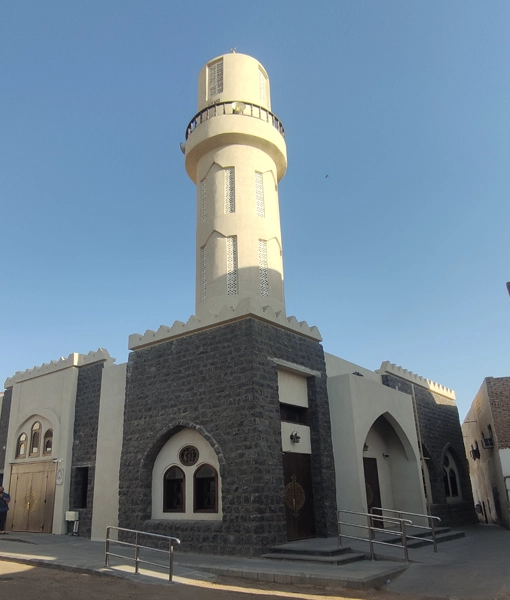
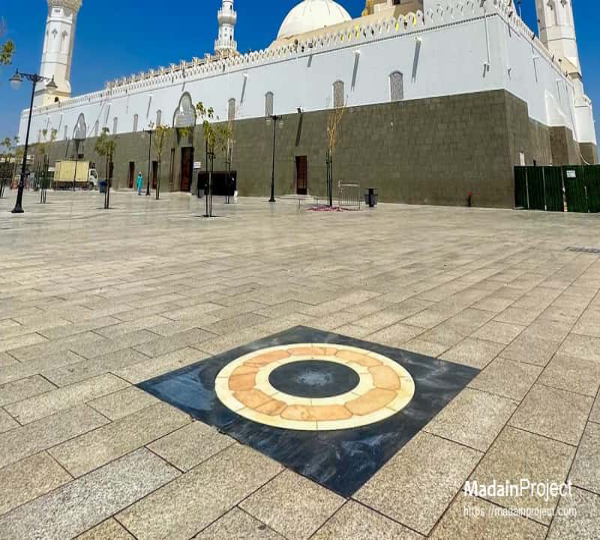
• Modern Renovation: While the site is ancient, the current physical structure has been extensively renovated to ensure its preservation, featuring white stone and a single dome and minaret. The design is clean and modern yet respectful of the site’s history, emphasizing a tranquil atmosphere suitable for contemplation.
• A Symbol of Serenity: Its smaller scale, compared to the sprawling Al-Nabawi, lends it an air of intense serenity. The space invites the pilgrim to slow down, to breathe, and to emulate the very act of prostration that defines its history.
The Spot Where Heaven Met Earth
Standing a little further away from the immediate buzz of Masjid Al-Nabawi, in a quiet, historical part of Madinah, is a mosque whose name evokes a moment of intense devotion Masjid Al Sajjdah. Literally meaning ‘The Mosque of Prostration,’ this sacred site, also known as Masjid Abu Dhar Al-Ghiffari after the esteemed companion, marks a location of profound spiritual significance. It is a place where the Prophet Muhammad (S.A.W.) engaged in an extraordinarily long prostration (Sujood), a moment of deep communion with his Lord that left an indelible mark on the landscape of Madinah. For the pilgrim seeking a deeper connection to the devotion of the Prophet (S.A.W.), Masjid Al Sajjdah is a quiet, powerful sanctuary, a place where one can truly feel the weight and tranquility of Sujood.
The Miracle of the Long Prostration
The name ‘Masjid Al Sajjdah’ is a direct reference to the key event that hallowed this ground. The most renowned narration tells of the Prophet (S.A.W.) praying here one day. During his prayer, he went into prostration (Sujood) and remained in it for an exceptionally long period, much longer than was his usual custom. Concerned, one of the companions present, Abu Dhar Al-Ghiffari (R.A.), drew near, fearing that something might have happened to the Prophet (S.A.W.). When the Prophet (S.A.W.) finally raised his head, he explained the reason for his extended Sujood. He informed the companion that the Angel Jibreel (Gabriel) had appeared to him while he was in prostration and conveyed a message from Allah: a glad tidings that Allah would forgive any member of his community who did not associate any partners with Him. Overwhelmed with gratitude and joy at this divine assurance for his Ummah, the Prophet (S.A.W.) extended his prostration as an act of heartfelt thanks (Shukr). This long, intense act of Sujood is a powerful lesson for all believers: it shows the depth of the Prophet’s (S.A.W.) concern for his followers and the immense power of Sujood as a means of expressing gratitude and connecting with the Creator. It is a story that transforms the simple act of prostration during
prayer from a ritual into a profound spiritual embrace. He made three specific requests from Allah (S.W.T.):
He asked that his Ummah would not be destroyed by a general famine.
- He asked that they would not be annihilated by a flood.
- He asked that they would not be made to kill one another.

A Companion's Enduring Legacy
The mosque is also widely known as Masjid Abu Dhar Al-Ghiffari, a name directly linked to the venerable companion Abu Dhar Al-Ghiffari (R.A.), who witnessed the miracle and was among the earliest converts to Islam. Renowned for his deep spirituality, austerity, and unwavering commitment to the truth, Abu Dhar’s (R.A.) presence at this sacred site not only authenticates the historical account but also allows pilgrims to connect with the devotion of the early Muslim community. This dual naming—the event and the witness—reinforces the mosque’s profound significance as a place where a divine promise was revealed and where one of the most pious companions stood to bear witness to that promise.
The Pilgrim's Experience: A Place for Contemplation
Masjid Al Sajjdah may not attract the massive crowds of the central mosques, and that is precisely its charm—it offers a unique spiritual retreat for pilgrims. Visiting this mosque provides a moment of quiet reflection away from the main throng of Madinah, making it an ideal spot to perform voluntary prayers (Nafl) and contemplate the mercy of Allah and the devotion of His Messenger (S.A.W.). For many, the visit is a conscious act of gratitude, as they perform two rak′ahs of Shukr (thankfulness) to emulate the Prophet’s (S.A.W.) reaction to the glad tidings. Standing and prostrating on the very ground where a promise of forgiveness was revealed is a profoundly moving experience. As part of the Ziyarat (visitation) circuit, the mosque holds an important place among other historical sites that commemorate the lives of the Companions. For pilgrims, it is more than a place of prayer—it is a reminder to renew the pledge of brotherhood and to supplicate to Allah for the unity the Prophet (S.A.W.) so deeply desired. It stands as a call to action, inspiring every believer to strive for peace and harmony within the Ummah.
The Power of Prostration
Masjid Al Sajjdah, the Sanctuary of Prostration, stands as a serene and powerful monument to the strength of faith and the deep love of the Prophet Muhammad (S.A.W.) for his Ummah. It serves as a reminder that the most profound moments of connection with the Divine often arise in the humblest of positions—with the forehead touching the ground in complete surrender. For every pilgrim, this sacred place offers an opportunity to renew faith, reflect on the divine promise of forgiveness, and perform a prostration that echoes the long, grateful Sujood of the Messenger of Allah (S.A.W.).