مسجد المنارتين
Ziart Overview
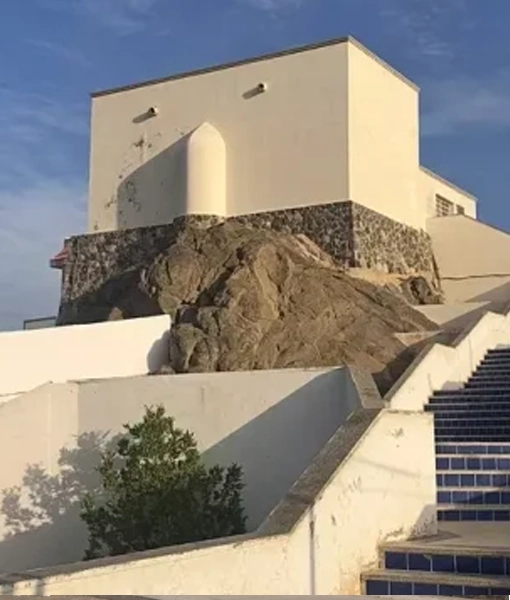
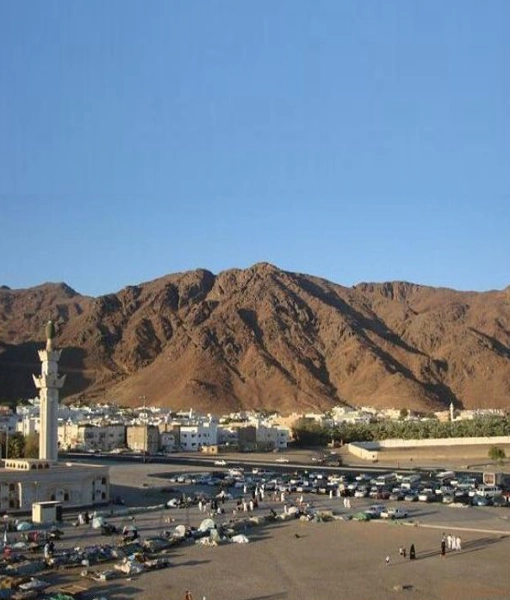
- Location: The mosque is located on the road between Makkah and Madinah, just outside the southern part of Madinah. It is situated on a high point and is a prominent landmark for travelers entering the city from the south.
- Historical Significance: The name “Al-Munaratayn” means “The Two Minarets.” It is believed to have been named for two historical watchtowers or landmarks in the area. The mosque is situated in a location where the Prophet Muhammad (S.A.W.) reportedly rested on his journeys, particularly on his way to or from Makkah. It marks the spot where the Prophet (S.A.W.) is said to have stayed for a period of time before entering Madinah. It is also believed to be a site where he made a supplication for blessings upon the city.
- The Event: The most significant event associated with the mosque is its connection to the Prophet’s (S.A.W.) migration (Hijra) from Makkah to Madinah. This mosque marks the area where he spent time and was met by the people of Madinah before he proceeded to the city.
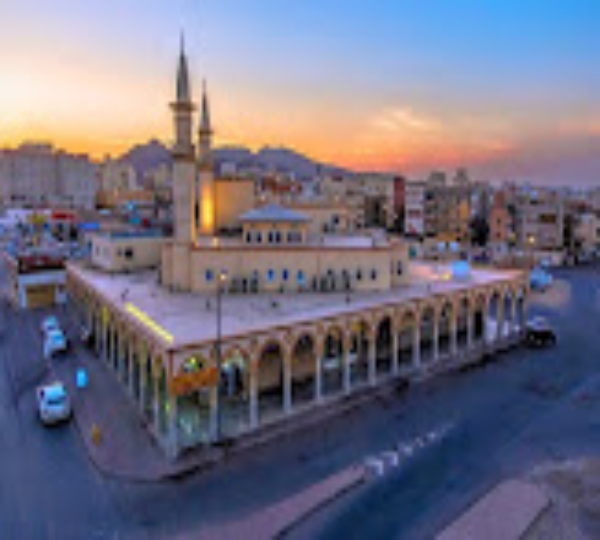
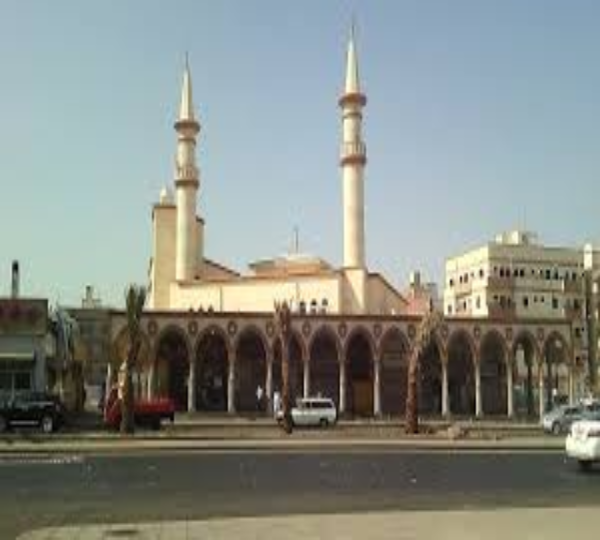
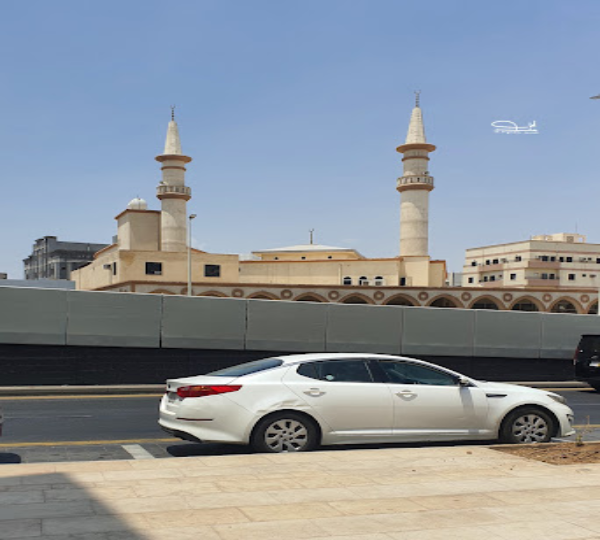
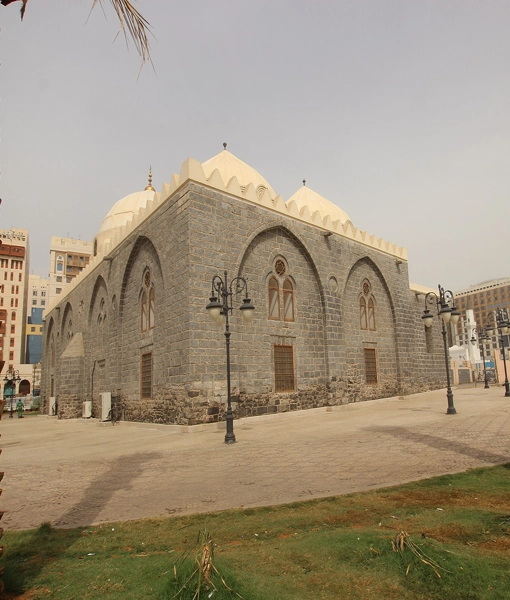
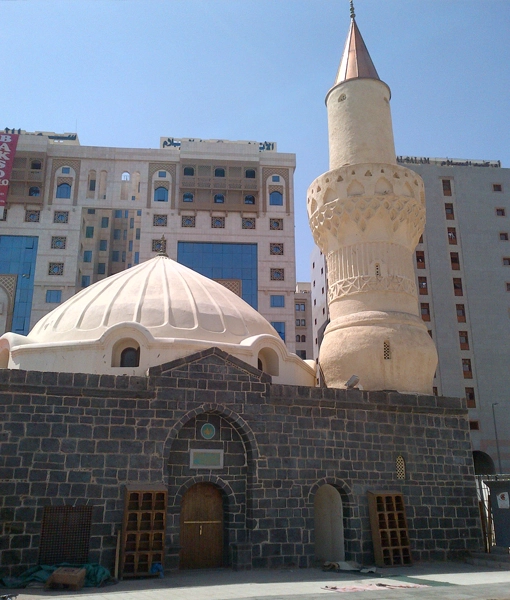
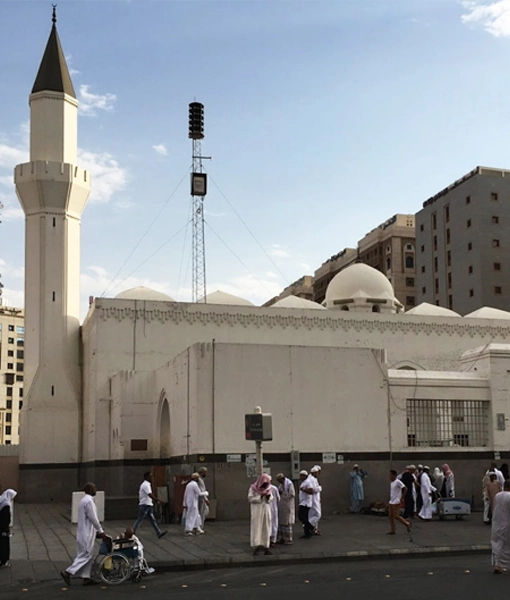
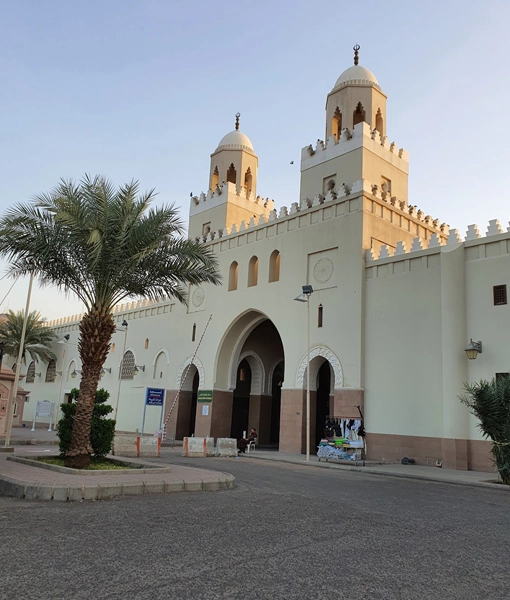
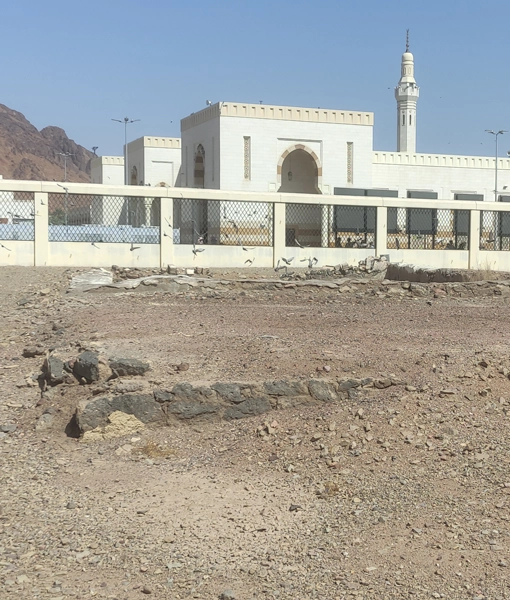
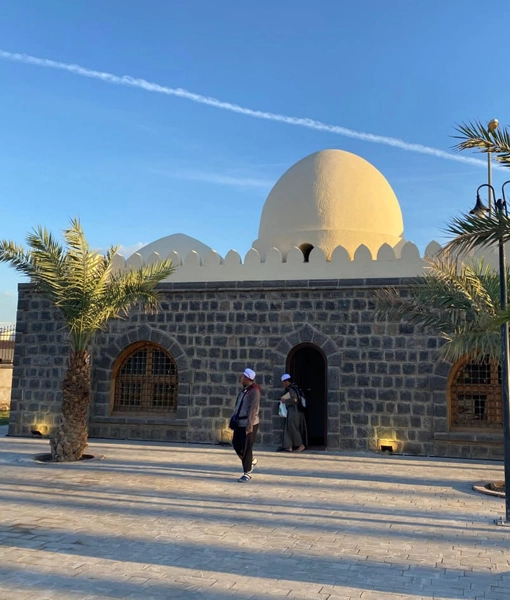
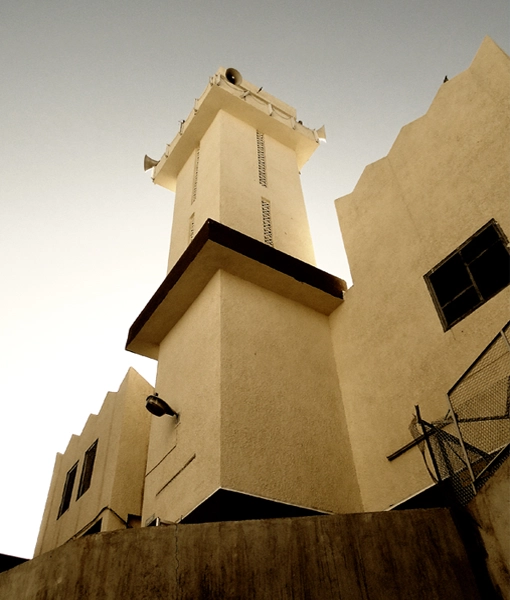
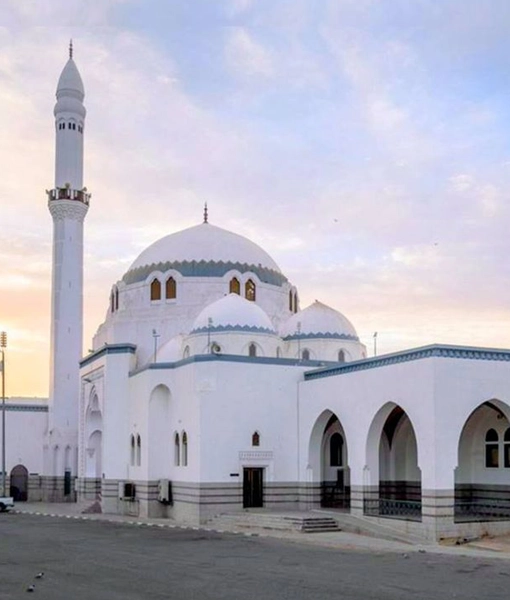
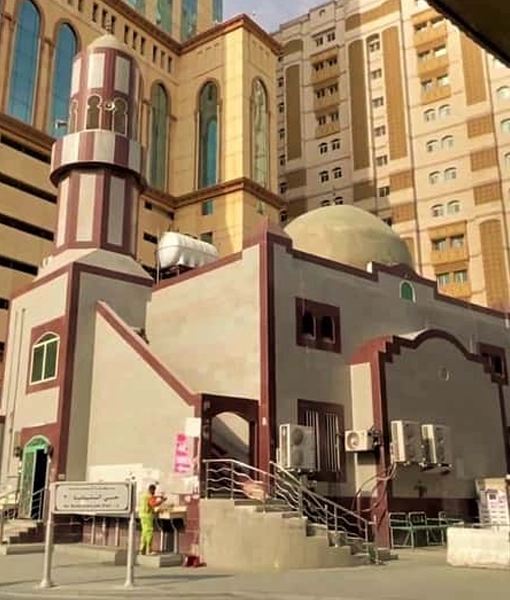
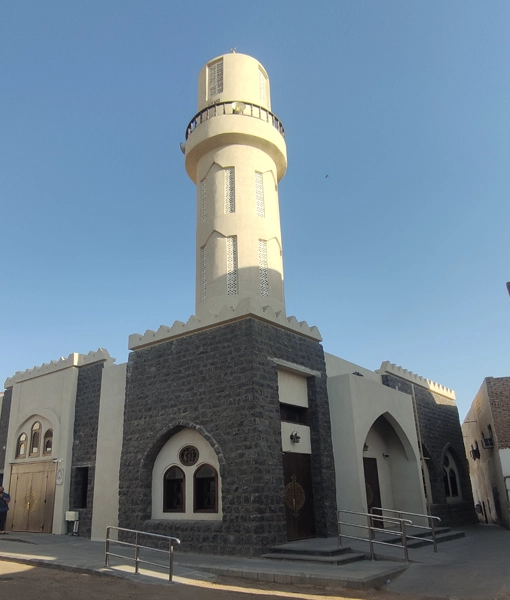
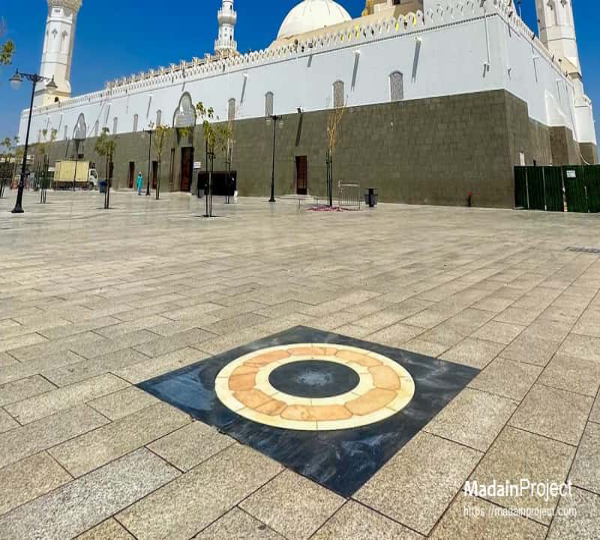
- Architectural Features & Development: The mosque has been renovated and rebuilt several times. The current structure is a simple and elegant mosque. It has a modern design with two minarets, which likely gives it its name in its current form, even though the name may have originated from earlier watchtowers.
- Current Status for Pilgrims: The mosque is an active place of worship. It is a popular Ziyarat site, particularly for those on a guided tour who wish to see the various stops the Prophet (S.A.W.) made on his journey. Its location makes it a great spot for prayer and reflection.
I have more than enough information to construct a detailed blog post that follows the requested format. I will now proceed with writing the content, blending the history with the location and the pilgrim’s experience, as I did for the previous topics. The blog post will include an introduction, sections on the mosque’s name and location, the pivotal historical event, the mosque’s architecture, and a conclusion for pilgrims.# Masjid Al-Munaratayn: The Gateway of a Blessed Arrival
On the outskirts of Madinah, at a point where the open land begins to give way to the city, stands a mosque with a name that echoes a profound journey. This is Masjid Al-Munaratayn, “The Mosque of the Two Minarets,” a sacred landmark that marks a pivotal moment in the Prophet Muhammad’s (S.A.W.) migration from Makkah. For any pilgrim, visiting this mosque is not just a journey to a historical site; it is a spiritual reconnection to the final steps of the Hijra, the moment when the city of Madinah eagerly awaited the arrival of its blessed guest.

The Location of a Prophetic Stop
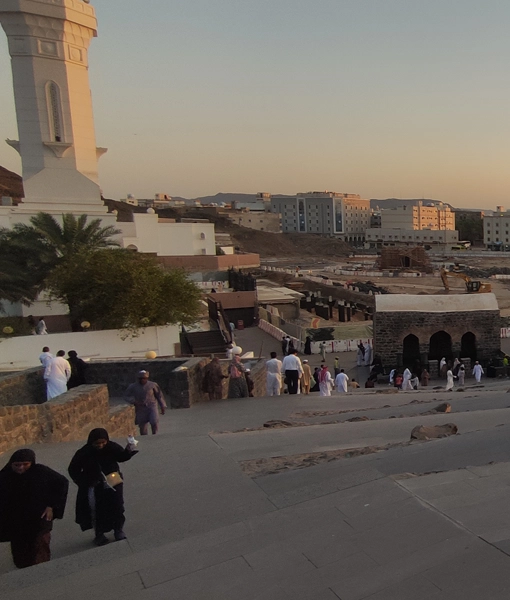
Masjid Al-Munaratayn is located on the southern approach to Madinah, on the main road that leads towards Makkah. Its position on a slightly elevated area makes it a prominent landmark for travelers, acting as a gateway to the city. The name “Al-Munaratayn” is believed to be derived from two watchtowers or landmarks that once stood in the area, or perhaps simply from the two modern minarets that now define its silhouette.
The mosque’s spiritual significance is tied to its location as a resting point for the Prophet (S.A.W.). It is believed to be the spot where he and his companion, Abu Bakr (R.A.), made a stop after their stay in Quba, before making their triumphant entry into Madinah. This was a moment of immense anticipation, as the people of the city had learned of their arrival and had come out to greet them.
The Moment of Awaited Arrival
The story of Masjid Al-Munaratayn is intertwined with the joyous and triumphant entry of the Prophet (S.A.W.) into Madinah. After his perilous journey from Makkah, he spent a few days in Quba, where he built the first mosque in Islam. Before he made his grand entry into the city itself, it is believed he rested and stayed for a short period at this location.
It was from here that the Prophet (S.A.W.) was seen by the people of Madinah, who had been anxiously waiting to greet him. This moment marked the end of the long and arduous migration and the beginning of a new era for Islam. The site of Masjid Al-Munaratayn is a physical commemoration of this transition, from the uncertainty of migration to the joy and security of a new home.
An Architectural Journey of Preservation
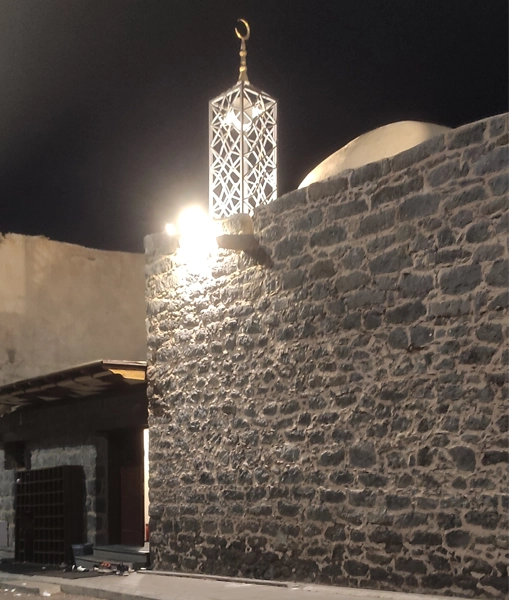
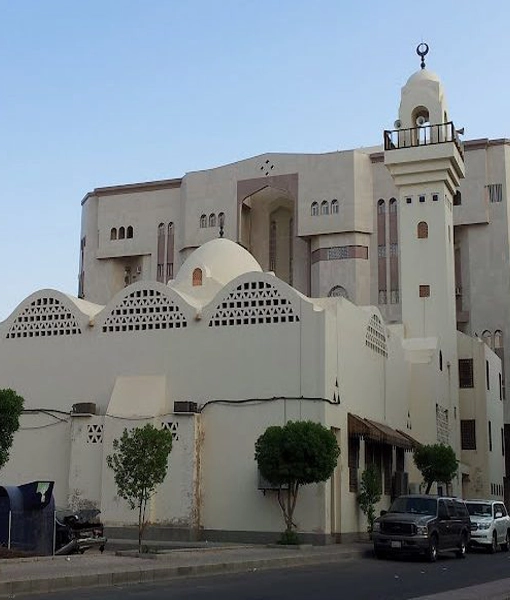
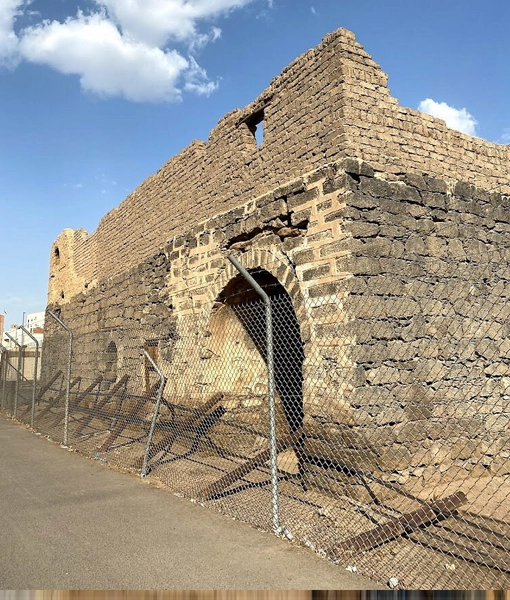
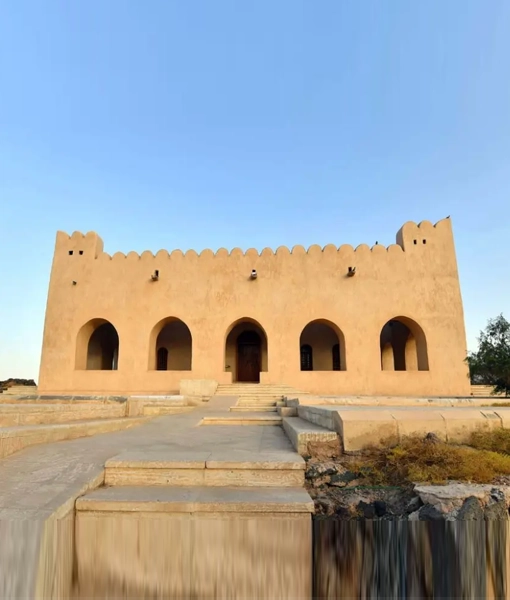
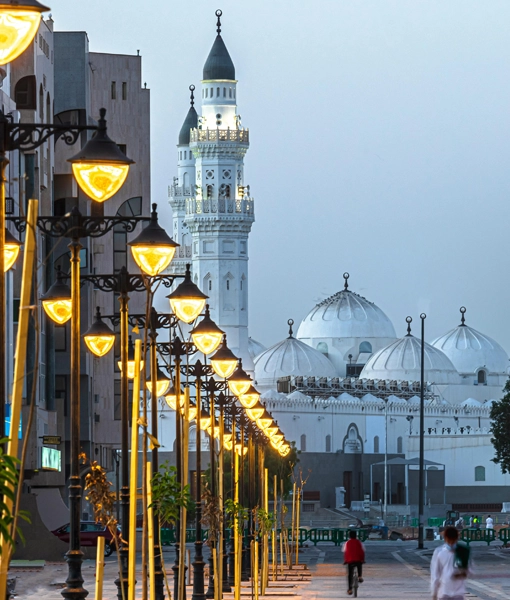
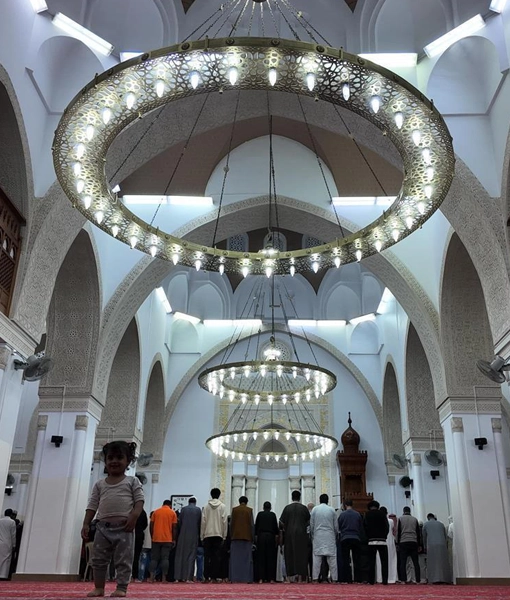
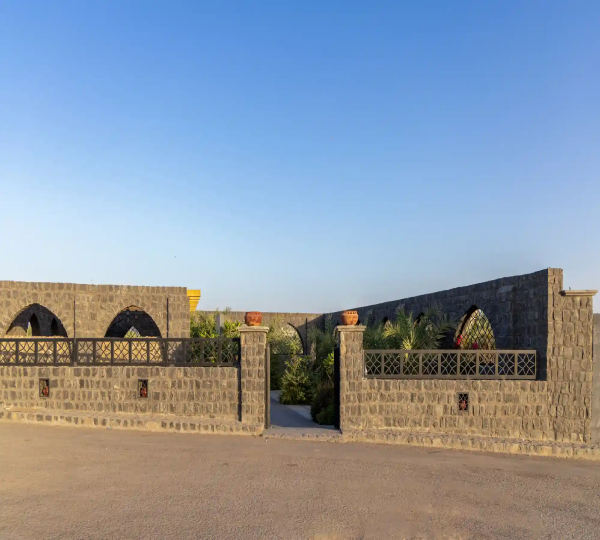
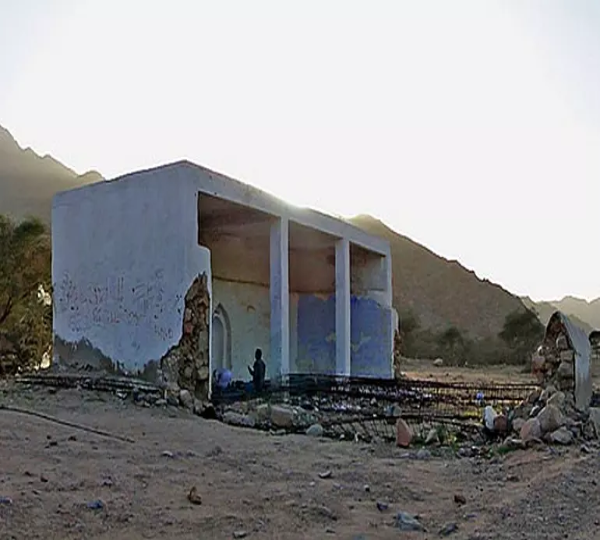
Like many of the early prayer spots, Masjid Al-Munaratayn has been rebuilt and renovated several times over the centuries. Its current structure is a modern and elegant mosque, a testament to the continuous reverence for this sacred location. The mosque is simple in its design, with two beautiful minarets that give it its name. Its white walls and graceful arches provide a peaceful contrast to the surrounding landscape, offering a serene place of worship.
The mosque’s main purpose today is to serve as a functional place of worship for the local community and a significant stop for pilgrims. Its location on a high point makes it a great spot for visitors to offer prayers and contemplate the immense historical and spiritual significance of the Hijra.
The Pilgrim's Experience: A Call to Journey
For a pilgrim, a visit to Masjid Al-Munaratayn is a powerful and introspective experience. It is a place that calls one to reflect on the meaning of the Hijra, not just as a historical event, but as a spiritual journey. It reminds us of the sacrifices the Prophet (S.A.W.) and his companions made to preserve their faith and of the immense love and welcome they received in their new city.
Standing in this mosque, you can feel a deep connection to that moment of transition, of leaving one life behind and beginning a new one for the sake of Allah. Offering a prayer here is an act of gratitude for the blessed arrival of the Prophet (S.A.W.) in Madinah and a pledge to follow his example of unwavering faith and trust in Allah’s plan.
A Legacy of Hope and New Beginnings
Masjid Al-Munaratayn is more than a historical landmark; it is a timeless symbol of hope and new beginnings. It reminds us that every difficult journey, undertaken for the sake of Allah, will ultimately lead to a blessed destination. It stands as a testament to the fact that with faith and steadfastness, every act of sacrifice will be rewarded. For all who visit, this sacred sanctuary is a beacon of inspiration, a place where the final steps of a journey became the first steps of a glorious new era for Islam.