عروة بن الزبير (رضي الله عنه)
Ziart Overview
- Historical Figure: Urwa ibn al-Zubayr (r.a.) was a highly respected scholar and a major figure among the Tabi’in (the generation after the companions). He was the son of the companion Zubayr ibn al-Awwam (r.a.) and Asma bint Abi Bakr (r.a.), making him the nephew of Aisha (r.a.) and the grandson of Abu Bakr Al-Siddiq (r.a.). He was known for his immense knowledge of Hadith and Fiqh.
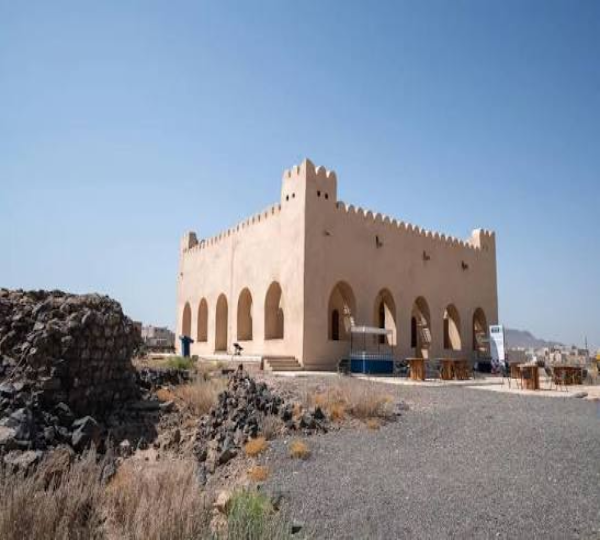
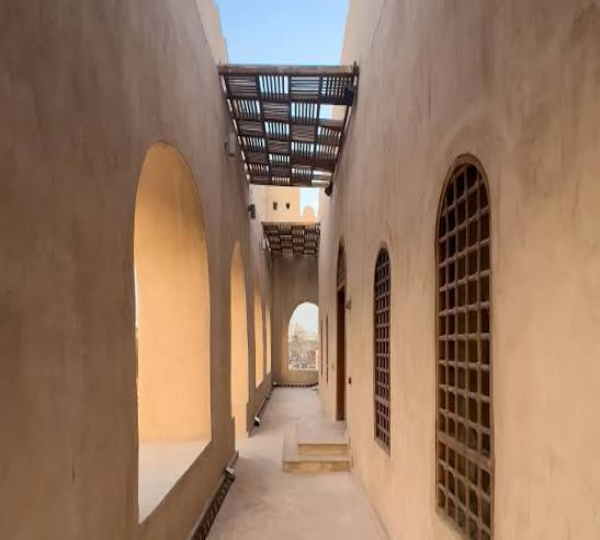
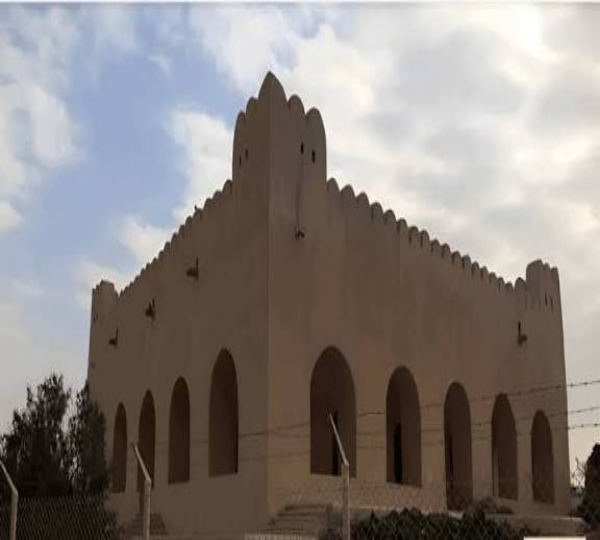
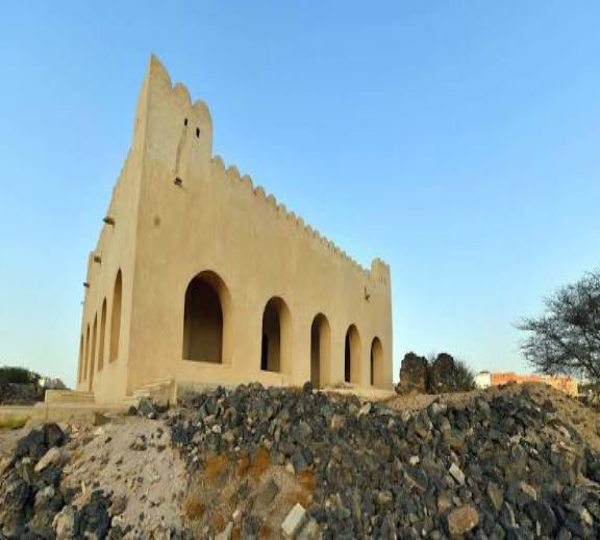
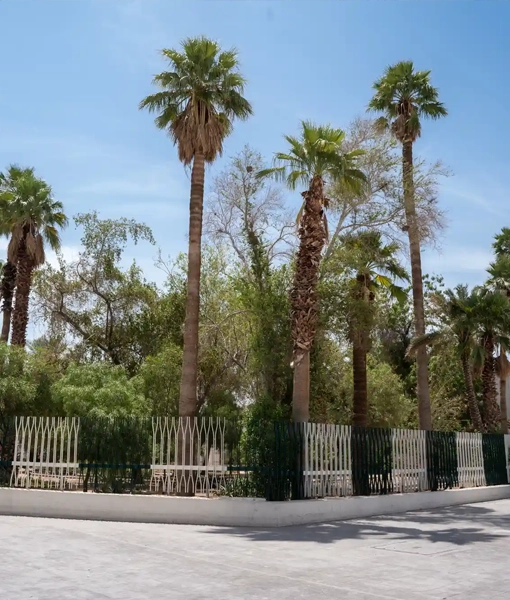
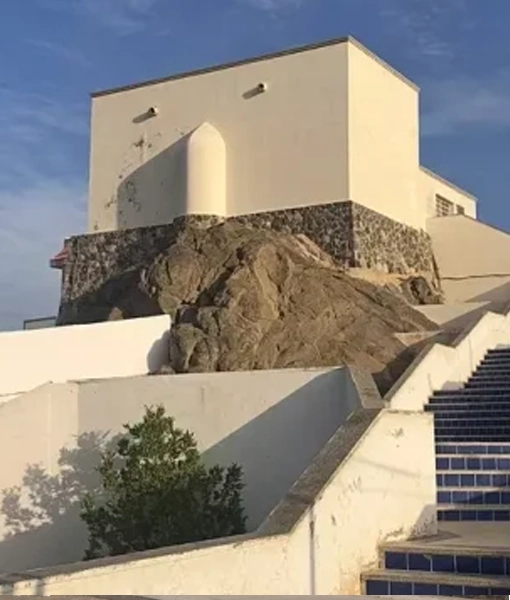
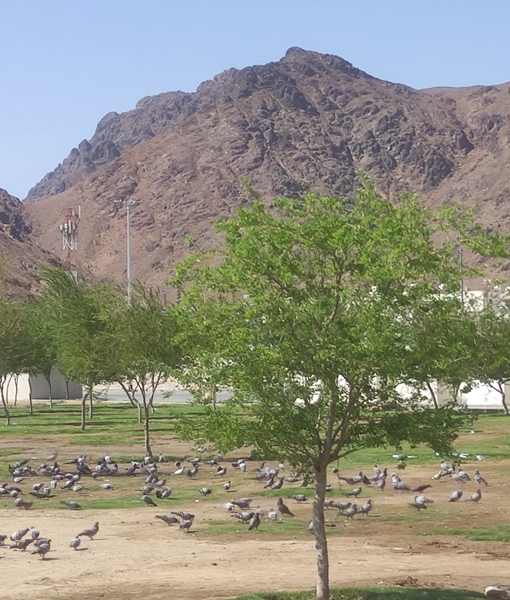
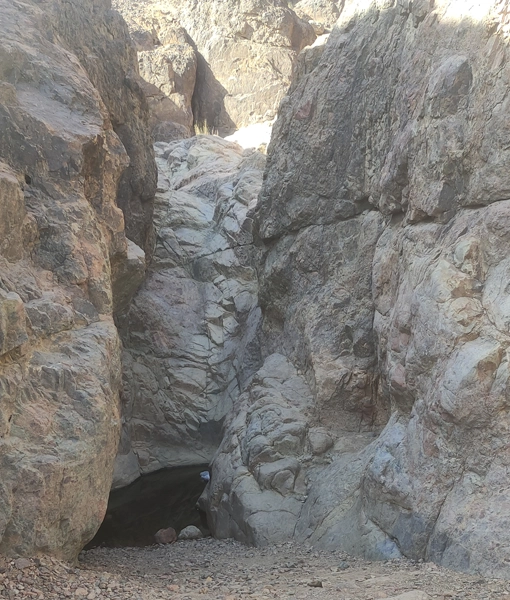
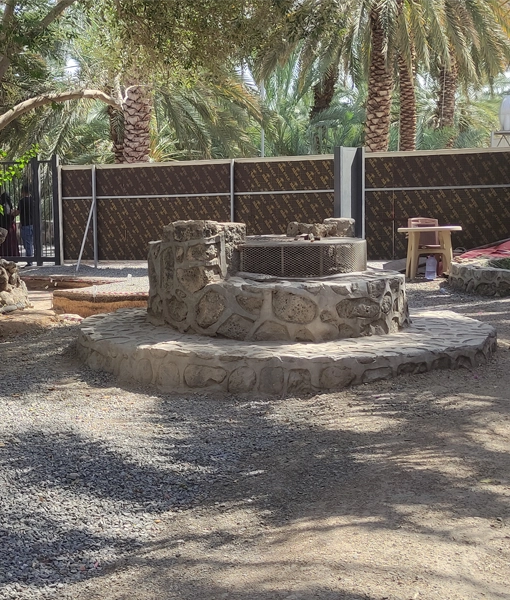
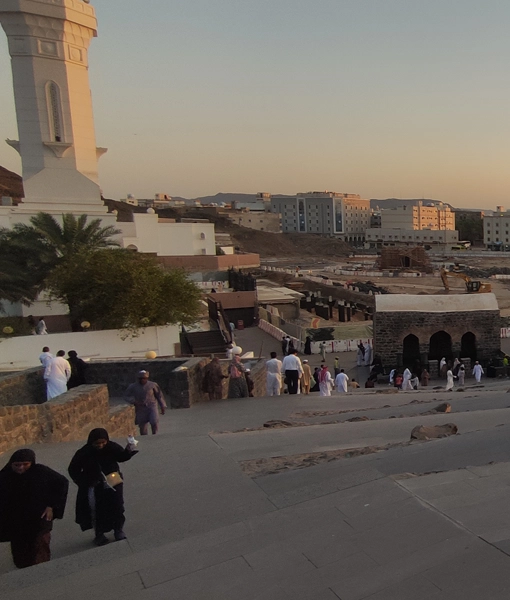
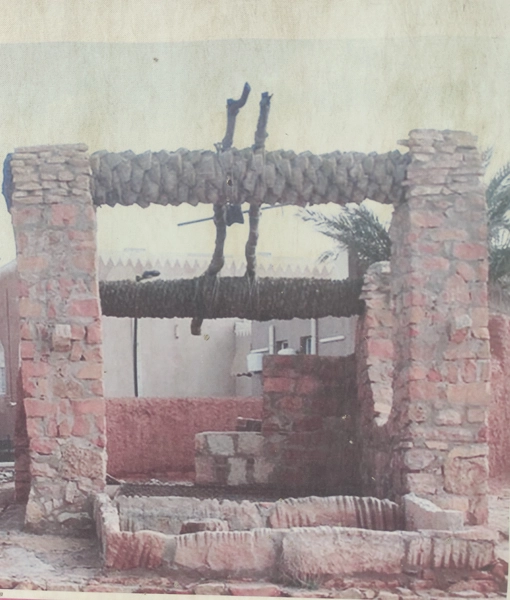
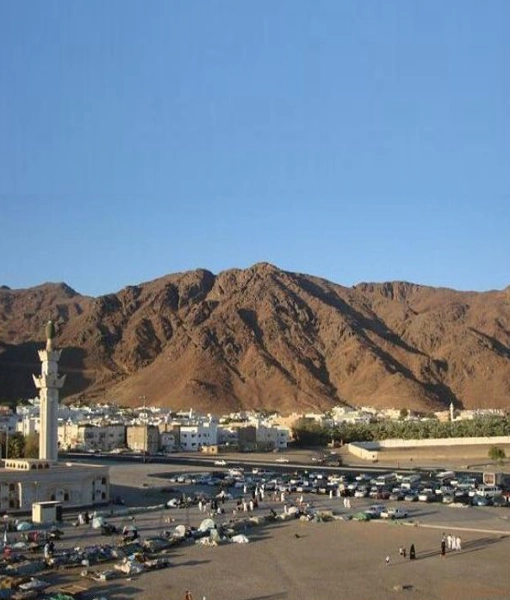
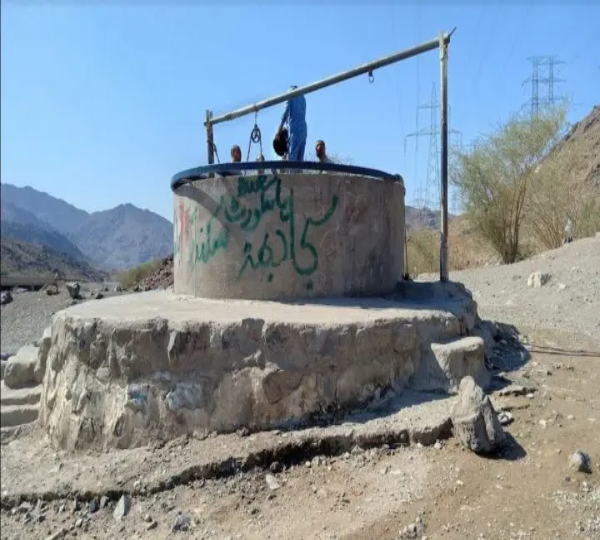
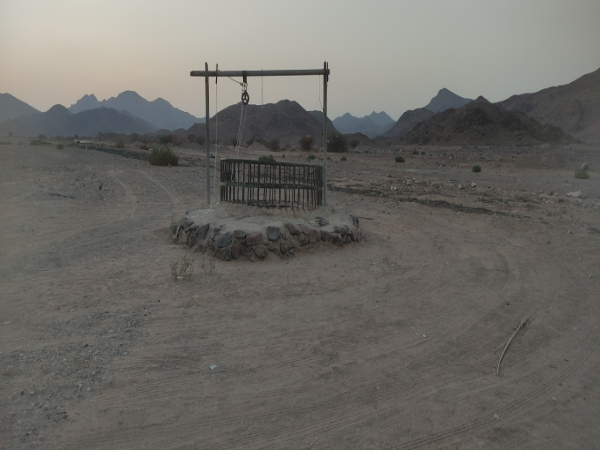
- Location and Historical Significance: The ruins of his palace and the well are located in a valley outside of Madinah, not far from Quba. The palace was not an extravagant dwelling but rather a compound built as a country home. The well, known as Bi’r Urwa (The Well of Urwa), is the key feature. It was a functioning well that Urwa ibn al-Zubayr built and from which he provided water to travelers and the local community, demonstrating his generosity and foresight.
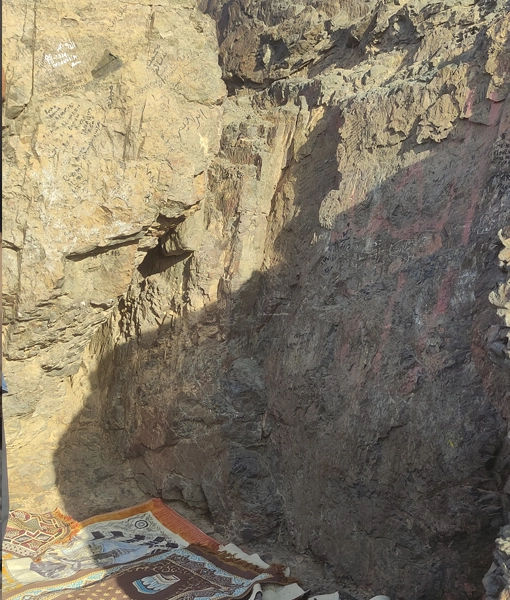
- The Well: The well is particularly famous. Urwa ibn al-Zubayr had it built with a very advanced system for its time, with channels that distributed water to the surrounding fields and gardens. This act of public charity and his meticulous planning made the well a famous landmark.
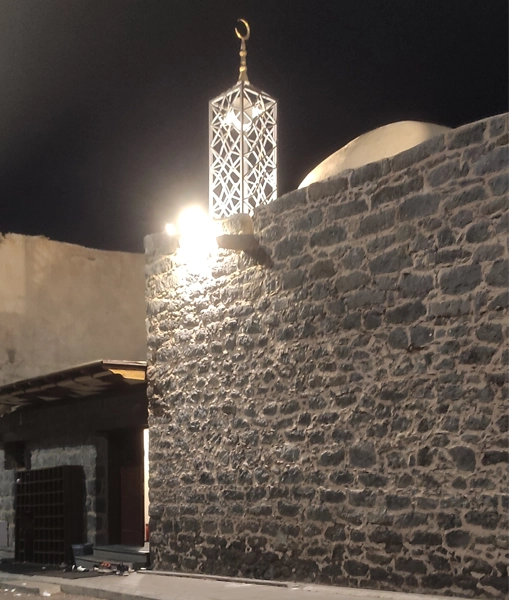
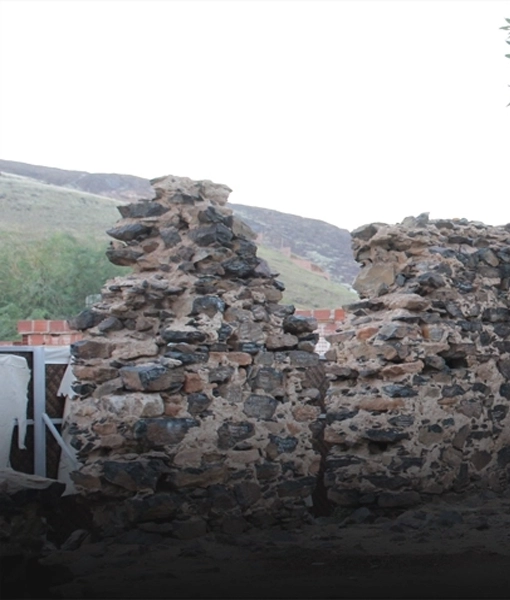
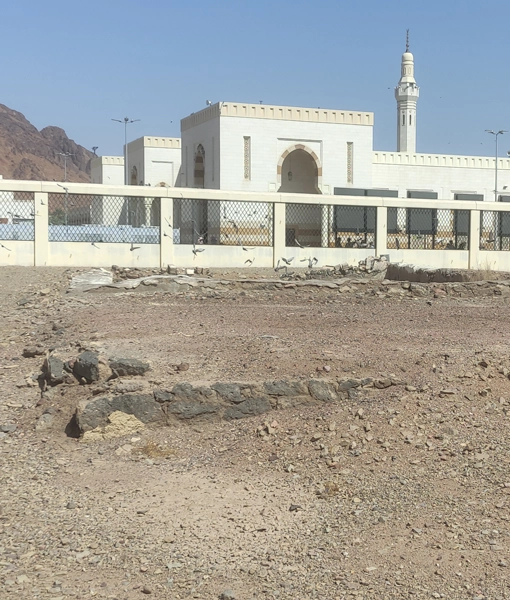
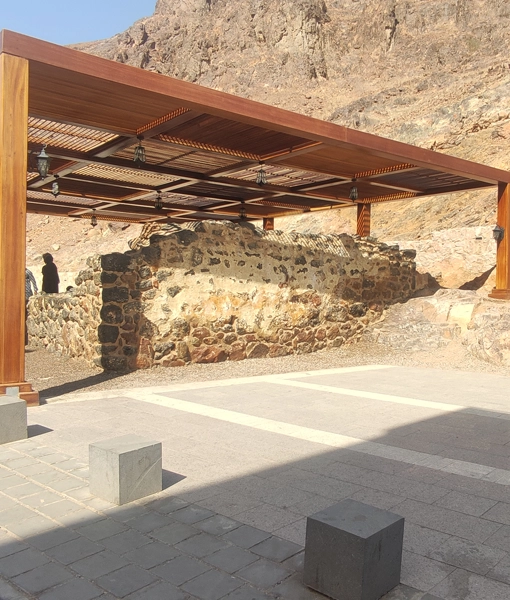
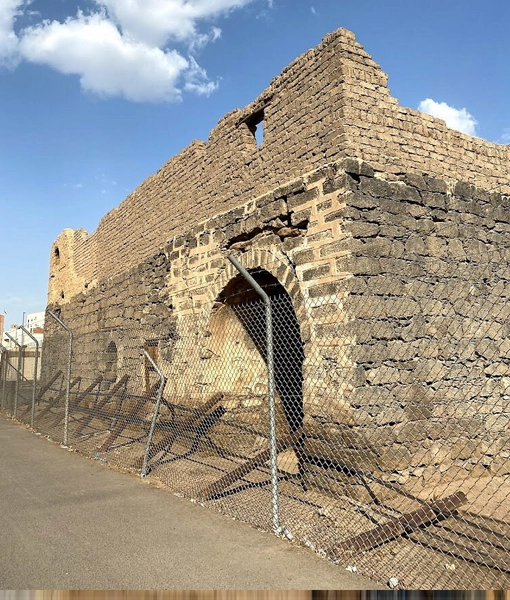
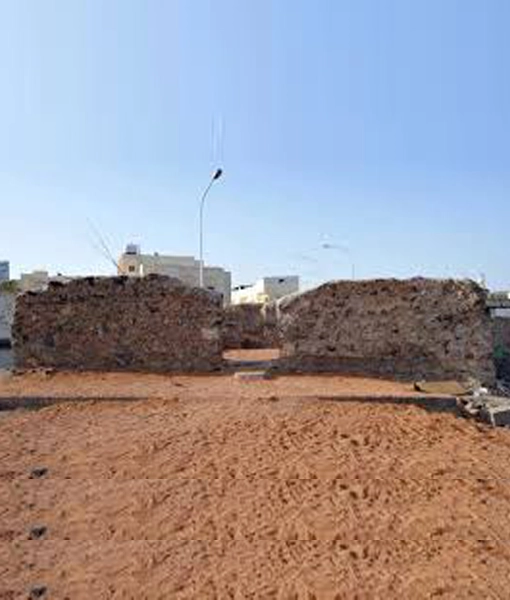
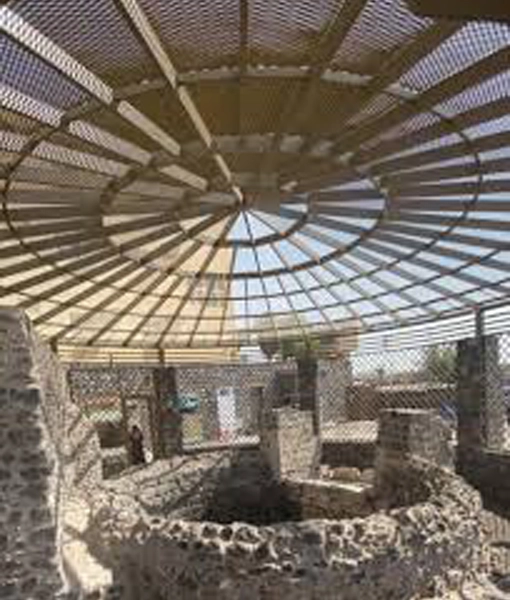
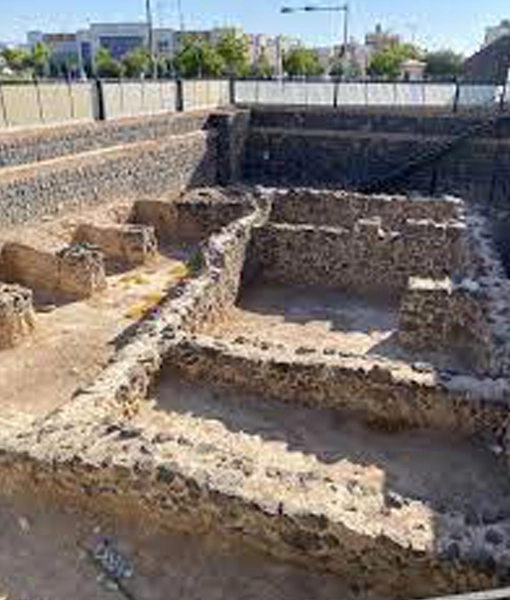
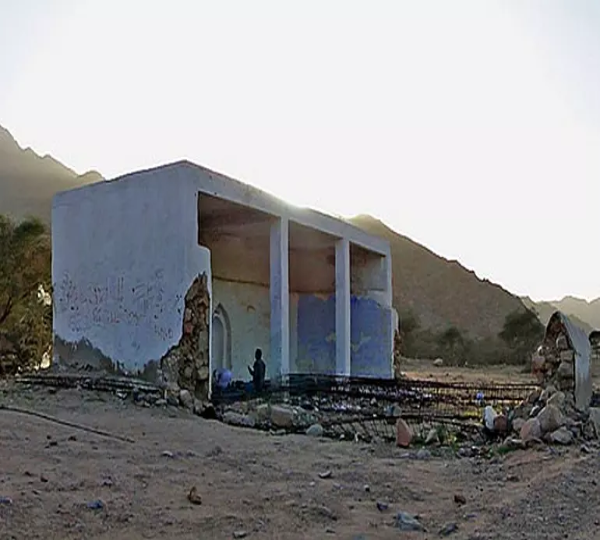
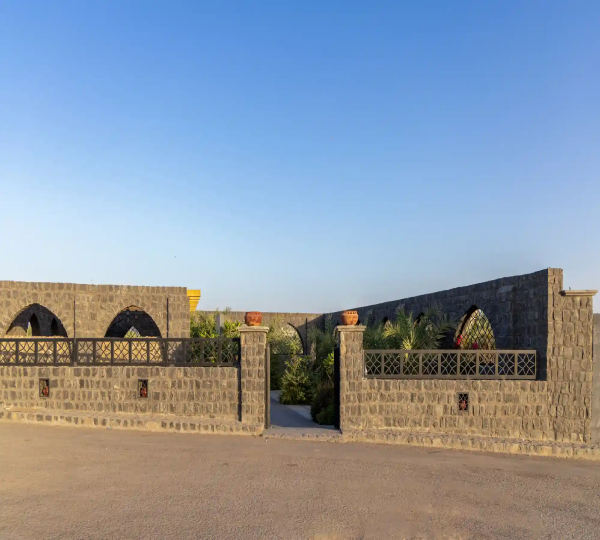
- Current Status: The original palace is in ruins, with only the remains of its stone foundations visible. The well, Bi’r Urwa, still exists, although it is no longer in use in the same way. The site is a historical landmark and a Ziyarat site for pilgrims who are interested in the lives of the great scholars and pious predecessors. It is an off-the-beaten-path location, making it a place of quiet contemplation.
I have enough information to construct a detailed blog post that follows the requested format. The narrative will focus on the life of Urwa ibn al-Zubayr and how his generosity and wisdom are reflected in the physical remains of his palace and well. The blog post will include an introduction, sections on the person of Urwa ibn al-Zubayr, the significance of the palace and well, their current state, and a conclusion for pilgrims.# The Palace and Well of Urwa ibn al-Zubayr (r.a.): A Legacy of Generosity
In the quiet outskirts of Madinah, in a valley not far from the sacred mosque of Quba, lie the serene ruins of a home and a well that tell a beautiful story of piety, generosity, and foresight. This is the site of the Palace and Well of Urwa ibn al-Zubayr (r.a.), a monument to a man who was not only a giant of knowledge but also a beacon of humility and charity. For any pilgrim, a visit here is a journey into the life of one of the greatest scholars of the Tabi’in, a reminder that true nobility is found not in wealth, but in one’s contribution to the community.
A Giant of Knowledge and Piety
To understand the spiritual significance of this place, one must first appreciate the stature of the man it is named after. Urwa ibn al-Zubayr (r.a.) was a figure of immense importance in the early Islamic era. He was the son of the revered companion Zubayr ibn al-Awwam (r.a.), and the grandson of Abu Bakr Al-Siddiq (r.a.). His mother was Asma bint Abi Bakr (r.a.), the half-sister of the Prophet’s (S.A.W.) wife, Aisha (r.a.), under whose tutelage he grew up. He became one of the most respected jurists and narrators of Hadith of the Tabi’in, a generation that learned directly from the companions of the Prophet (S.A.W.).
His palace, therefore, was not a place of luxury but a center of knowledge and a home for a person whose life was a testament to the purity of the early Muslims. It was a place where he lived and from which he served the community.
A Legacy Etched in Stone and Water
The most significant remnants of this site are the ruins of his palace and the famous well known as Bi’r Urwa (The Well of Urwa). The palace was a large compound, built from stone, designed not for show but for functionality and to accommodate his family and guests. Its ruins today, with only the stone foundations remaining, are a powerful symbol of the transient nature of this world and the enduring value of good deeds.
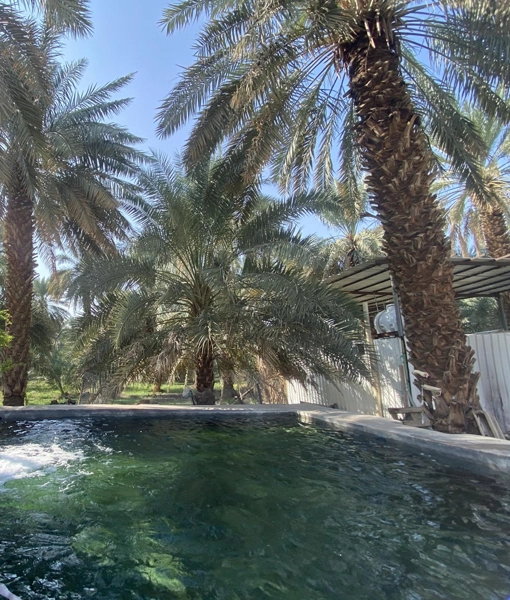
However, the well is the true spiritual heart of the location. Urwa ibn al-Zubayr had this well dug, and it was renowned for its abundant and sweet water. He built a sophisticated system of irrigation channels to distribute the water to his surrounding gardens and to the nearby fields. But his charity went further. It is said that he allowed any passerby to take water from his well without charge, a remarkable act of generosity in a region where water was a precious commodity. This act of public charity made the well a famous landmark and a source of blessings for the entire community.
The well of Urwa stands as a timeless lesson in the power of giving. It reminds us that our wealth and possessions are not truly ours but are entrusted to us to be shared for the benefit of others. His act of providing water for the people is a form of continuous charity (Sadaqah Jariyah), an act of goodness that continues to be a source of blessings for him long after his passing.

A Site of Quiet Contemplation
Today, the palace is in ruins, but the well still exists as a monument to Urwa’s generosity. The site is a Ziyarat for pilgrims who seek to connect with the lives of the great scholars and pious figures of early Islam. It is not as prominently visited as the major mosques, which adds to its sense of quiet sanctity.
For a pilgrim, a visit here is a call to reflect on the legacy of men like Urwa ibn al-Zubayr. It is a reminder that piety is not just found in prayer but also in generosity, humility, and the use of one’s resources to serve humanity. Standing by the well, one can offer a prayer of gratitude to Allah for the righteous predecessors and can reflect on how one can follow their example in their own life.
The Wellspring of Goodness
The Palace and Well of Urwa ibn al-Zubayr are more than just historical landmarks; they are a profound testament to the virtues of knowledge, humility, and charity. They remind us that the legacy of a righteous person is not measured by the grandeur of their homes but by the goodness they leave behind for the benefit of others. For all who visit, this spiritual site is a beacon of inspiration, a place where a well continues to quench the thirst of pilgrims’ hearts with the timeless lesson of generosity.