الجمعة
Ziart Overview
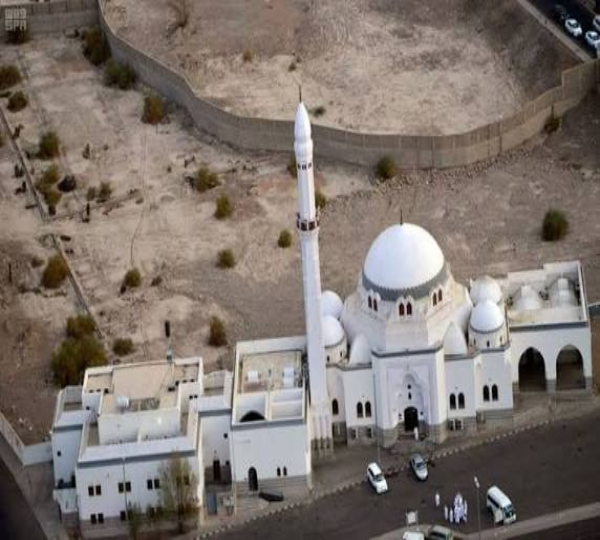
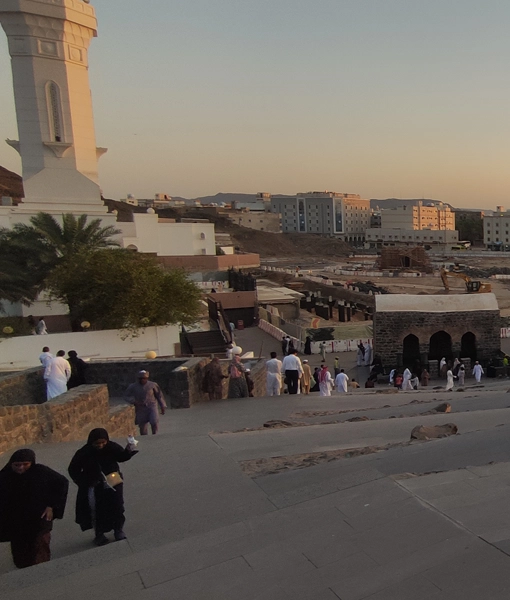
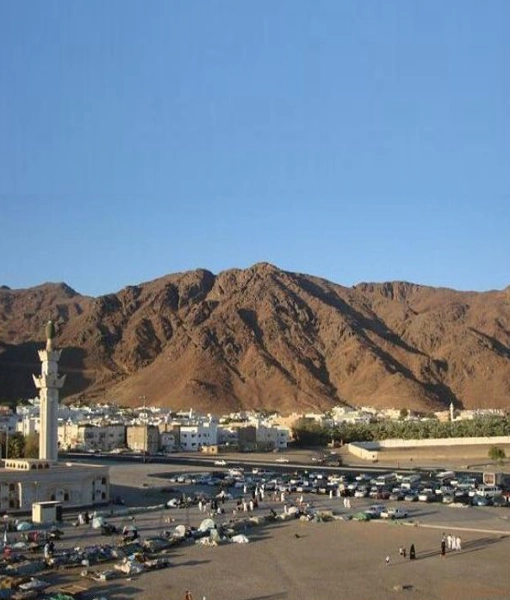
- Location: Masjid al-Juma is located in the Al-Aqiq valley, about 2.5 kilometers from Masjid Al-Nabawi. It is situated on the outskirts of Madinah.
- Historical Significance: The name “Masjid al-Juma” means “The Friday Mosque.” It holds the unique distinction of being the first place where the Prophet Muhammad (S.A.W.) led a Friday prayer in the city of Madinah. This momentous event took place during his migration from Makkah, after he had spent a few days in Quba. The mosque was built to commemorate this event.
- The Event: After the Prophet (S.A.W.) arrived in Quba, he stayed for four days and built Masjid Quba. On the fifth day, a Friday, he continued his journey towards Madinah. When he reached the valley of Bani Salim, he led the first Friday prayer in Islam. The mosque was later built on this site.
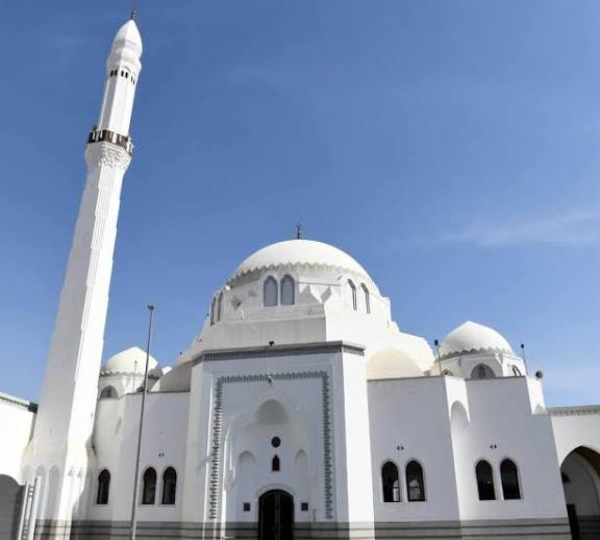
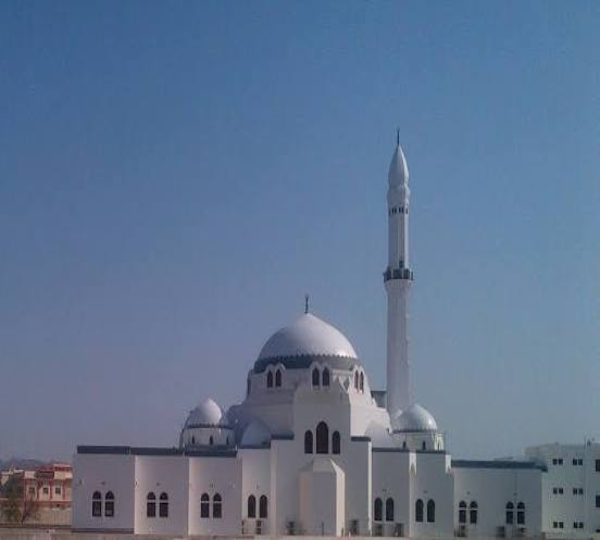
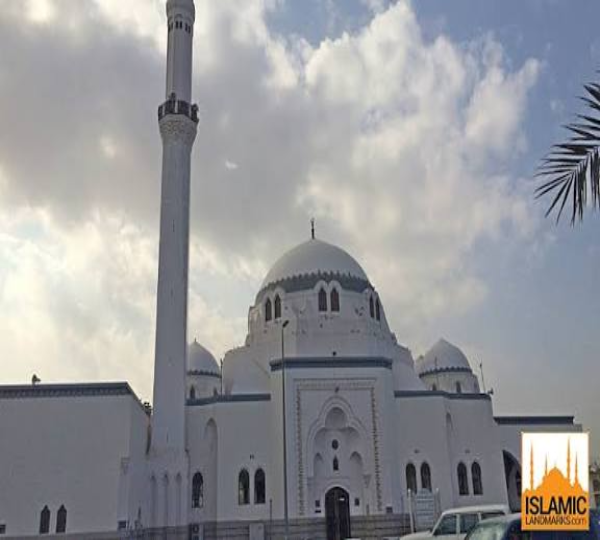
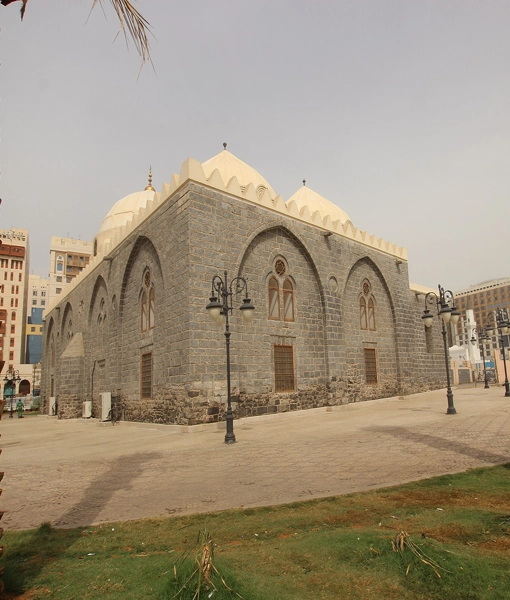
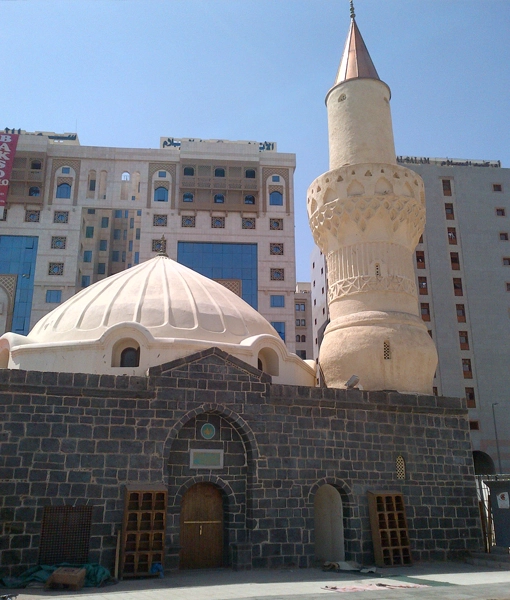
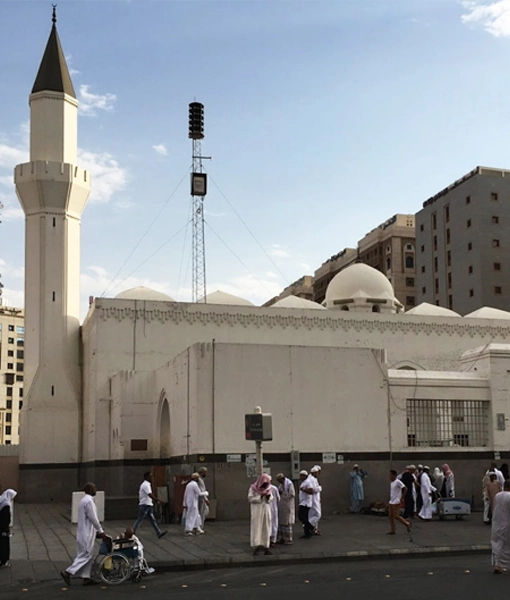
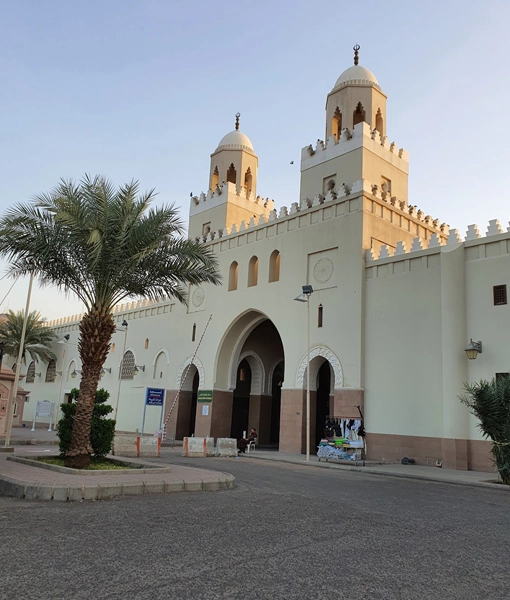
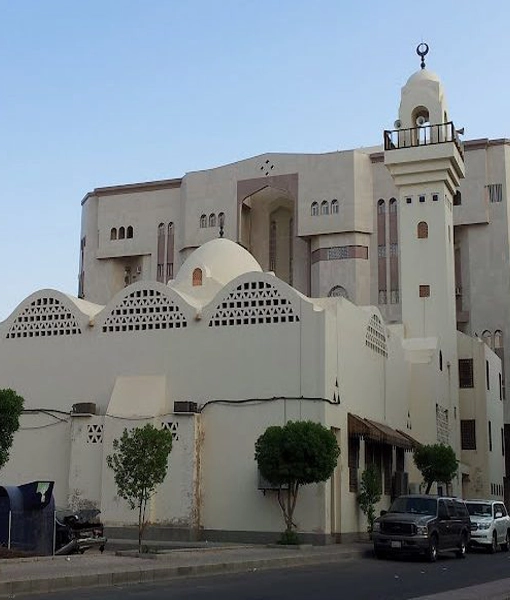
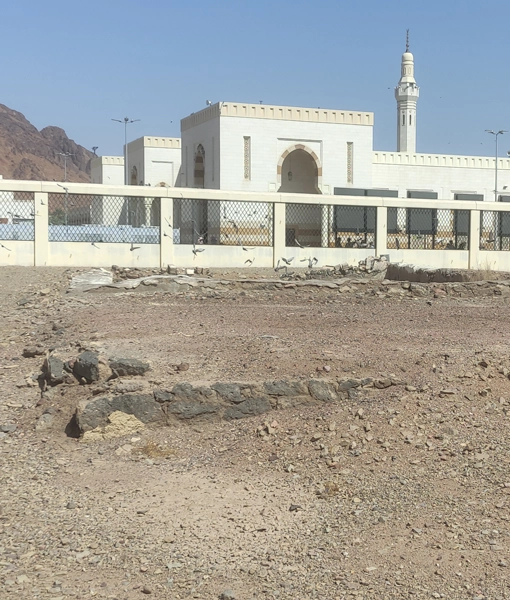
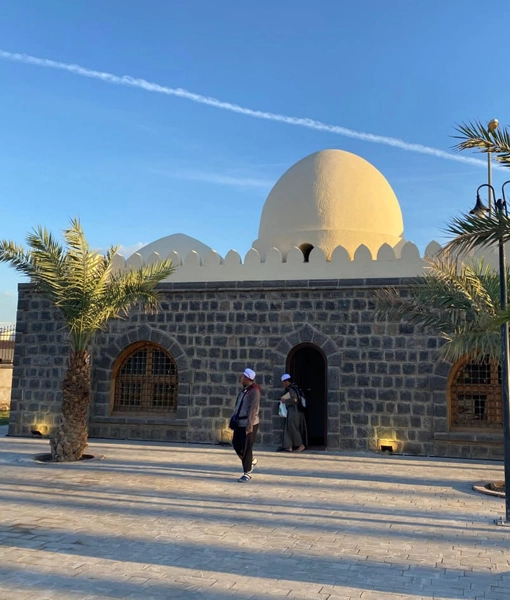
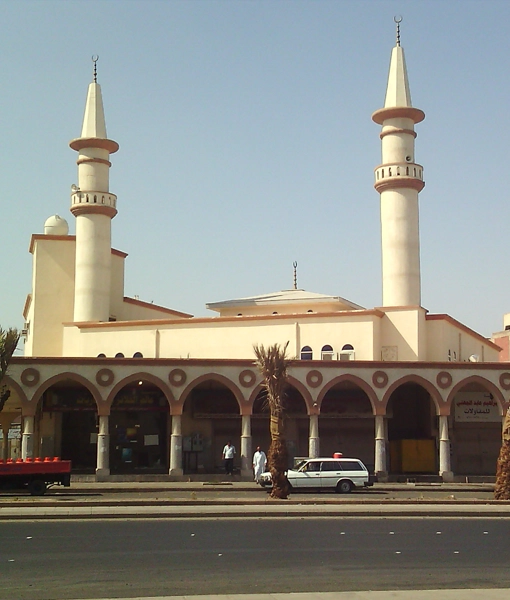
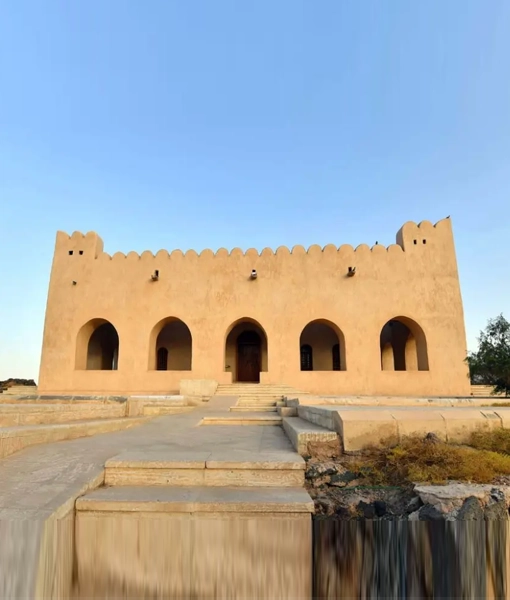
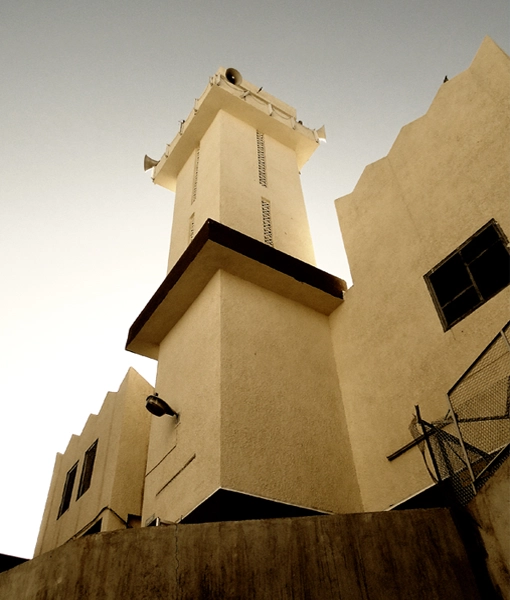
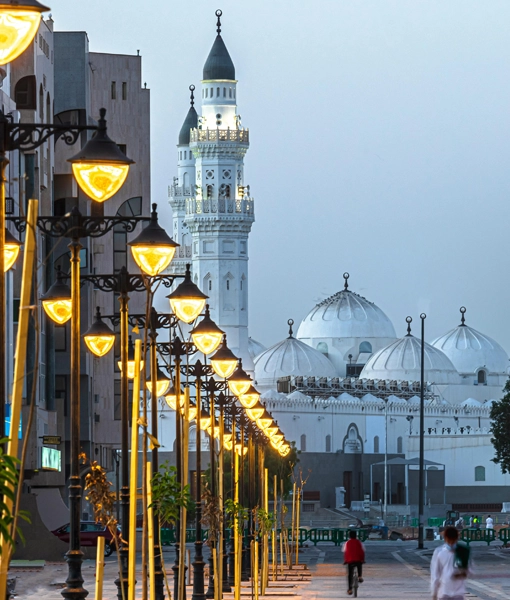
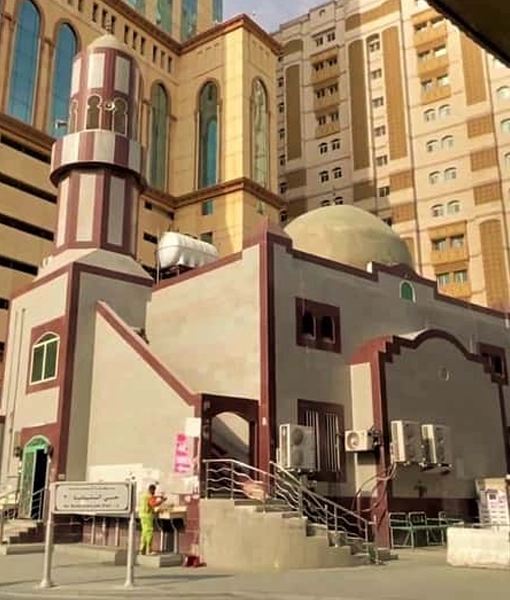
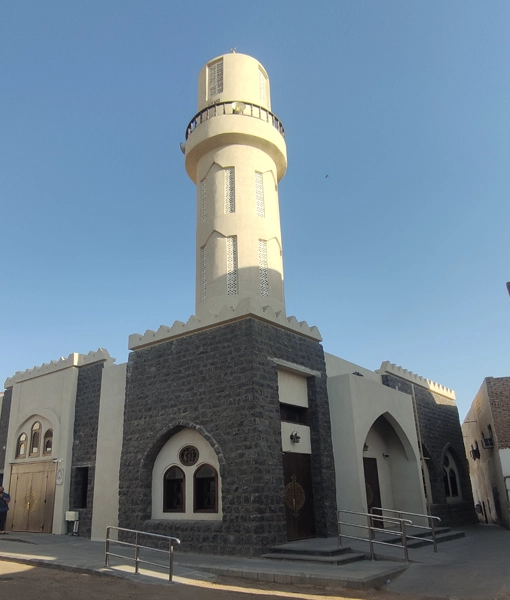
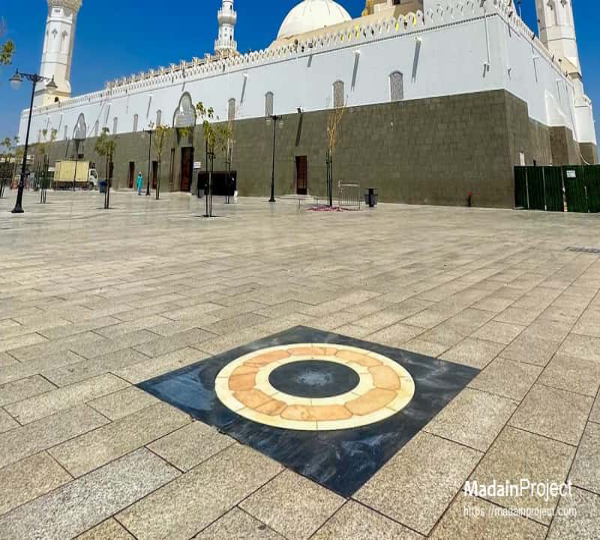
- Architectural Features & Development: The mosque has been rebuilt and renovated several times over the centuries. The current structure is a modern and beautiful mosque with a white dome and a single minaret. It has a spacious prayer hall and is well-maintained.
- Current Status for Pilgrims: The mosque is an active place of worship and a popular Ziyarat site. It is often visited by pilgrims on their way to or from Masjid Quba. It provides a quiet place for reflection and prayer, allowing visitors to connect with the immense spiritual significance of the first Friday prayer in Islam.
I have more than enough information to construct a detailed blog post that follows the requested format. I will now proceed with writing the content, blending the history with the location and the pilgrim’s experience, as I did for the previous topics. The blog post will include an introduction, sections on the mosque’s name and location, the pivotal historical event, the mosque’s architecture, and a conclusion for pilgrims.# Masjid al-Juma: The Sanctuary of the First Friday
In the sprawling and sacred city of Madinah, every mosque holds a story, but none has a distinction as unique as Masjid al-Juma. Its name, meaning “The Friday Mosque,” is a direct tribute to a moment that transformed the spiritual and social life of the early Muslim community. This mosque marks the very spot where the Prophet Muhammad (S.A.W.) led the first Friday congregational prayer in the blessed city, an event that laid the foundation for a central pillar of worship for Muslims worldwide. For any pilgrim, visiting this mosque is not just a journey to a historical site; it is a profound connection to the beginning of a sacred tradition that binds the hearts of believers every week.
The Location of a Spiritual Cornerstone
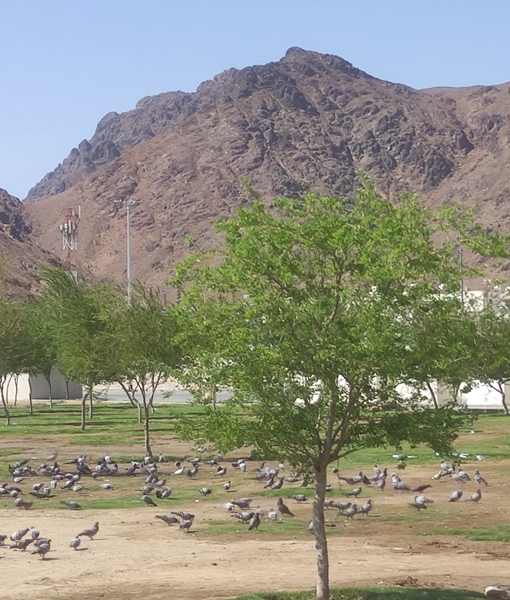
Masjid al-Juma is situated in the Al-Aqiq valley, a short distance from Masjid Al-Nabawi and on the road that leads from the historical Masjid Quba. Its location, just outside the main city, highlights its significance as a stopping point during the Prophet’s (S.A.W.) migration from Makkah to Madinah. After spending a few days at the village of Quba, he continued his journey towards the city. It was at this very spot, in the territory of the Banu Salim ibn Auf clan, that the time for the Friday prayer came.
The mosque’s position today is a testament to the continuous reverence for this sacred event. While it has been rebuilt and renovated many times, its location remains the same, a constant reminder of the day when a community came together for a new form of worship under the leadership of their Prophet (S.A.W.).
The First Jumah: A Day of Unity and Rejoicing
The story of Masjid al-Juma is a beautiful and inspiring one. After a long and perilous journey, the Prophet (S.A.W.) had finally found a new home in Madinah. On a Friday, as he continued his triumphant entry into the city from Quba, he was greeted with immense joy and anticipation. When he reached this valley, the time for the Friday prayer came, and he led the congregational prayer for the very first time.
This was a momentous occasion. The Friday prayer, or Salat al-Juma, was an institution established by divine command, and its first performance was on this holy ground. The sermon the Prophet (S.A.W.) delivered here was filled with immense spiritual guidance, calling upon the believers to have piety, to be righteous, and to be grateful to Allah for the blessings He had bestowed upon them. The event cemented the Friday prayer as a central pillar of worship, a weekly gathering that symbolized the unity, strength, and communal identity of the Muslim Ummah.

An Architectural Journey of Preservation
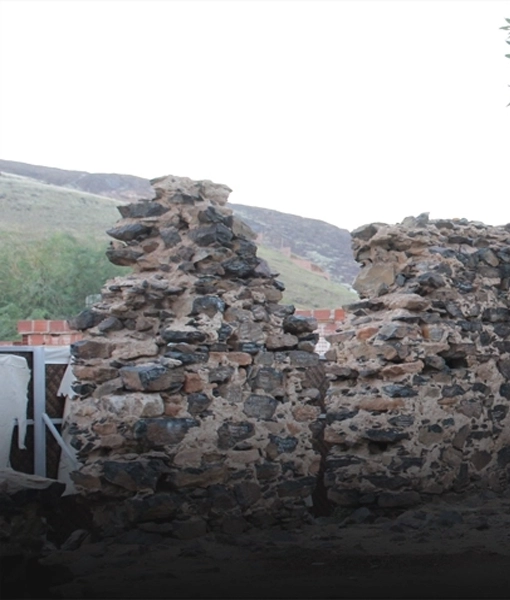
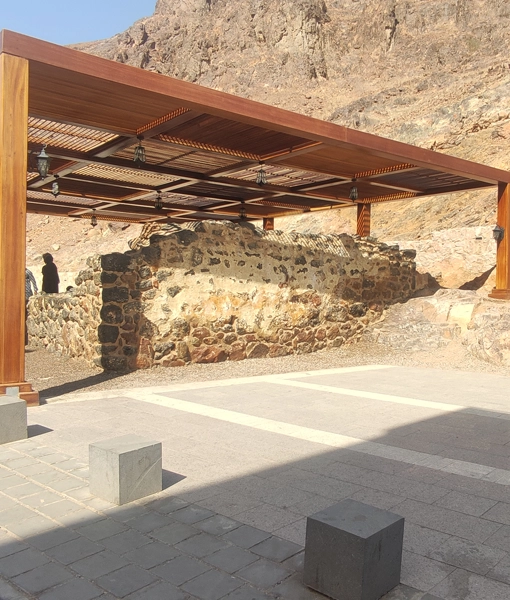
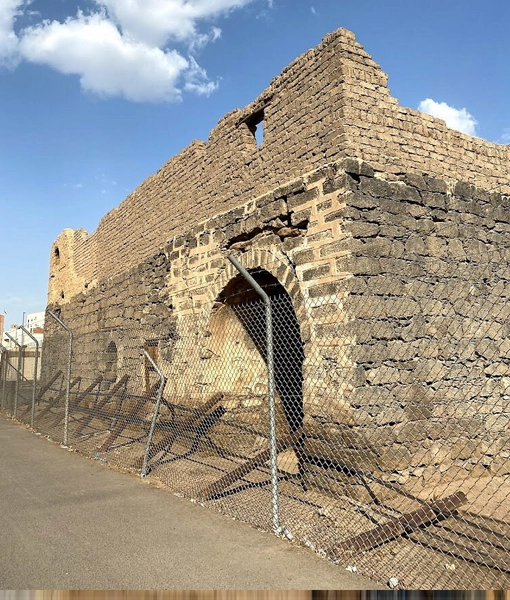
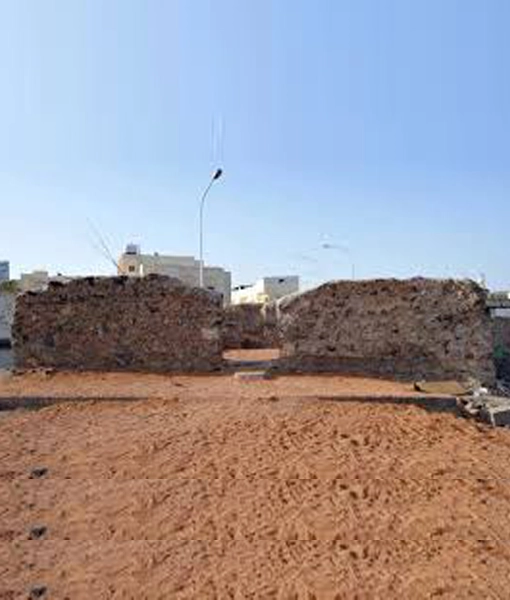
Masjid al-Juma, like many of the early prayer spots, began as a simple, open space marked by a few stones. Over the centuries, its profound significance led to the construction of a permanent structure. The mosque has been rebuilt and renovated numerous times, with the current building being a modern and elegant mosque.
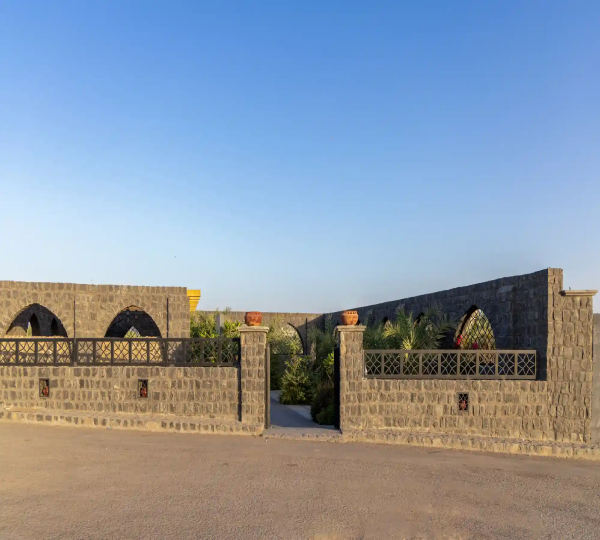
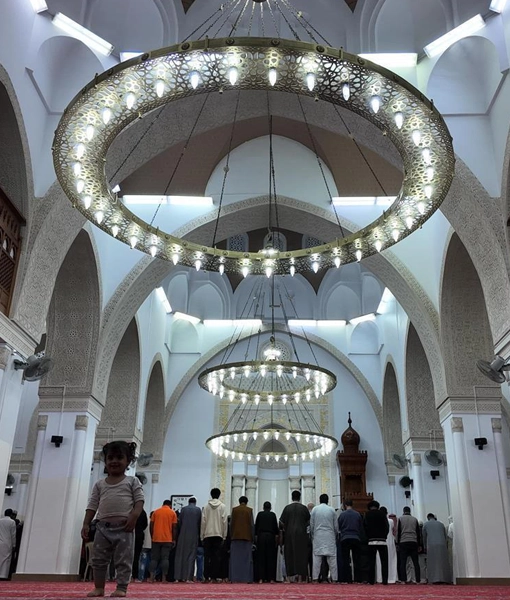
Its architecture is a blend of traditional and contemporary styles, featuring a single white dome and a beautiful minaret. The interior is spacious and serene, providing a peaceful environment for prayer. The continuous preservation of this mosque is a testament to the importance of the Friday prayer in Islam and the reverence held for the place where this tradition began.
The Pilgrim's Experience: A Call to Unity
For pilgrims visiting Madinah, a stop at Masjid al-Juma is a deeply moving experience. It is a place that calls one to reflect on the immense spiritual and social significance of the Friday prayer. Standing in the prayer hall, you are reminded of the early Muslims who, on that first day, came together to pray and listen to the Prophet’s (S.A.W.) sermon, cementing a bond of brotherhood that would transcend all tribal and social differences.
Offering a prayer here is a beautiful way to connect with the very essence of the Friday prayer. It is a moment to renew one’s commitment to the unity of the Ummah and to seek blessings from Allah for the Prophet (S.A.W.) and his companions who established this beautiful tradition.
A Legacy of Unity and Faith
Masjid al-Juma is more than a historical landmark; it is a timeless symbol of unity, brotherhood, and the profound power of communal worship. It reminds us that Islam is not a solitary path but a collective journey, and that coming together in prayer strengthens our faith and our bonds with one another. For all who visit, this sacred sanctuary is a beacon of inspiration, a place where a tradition began, and where the echoes of the first Friday prayer continue to fill the hearts of believers with hope and a sense of belonging.