Beir al-Ruma

بير الرمة

Ziart Overview

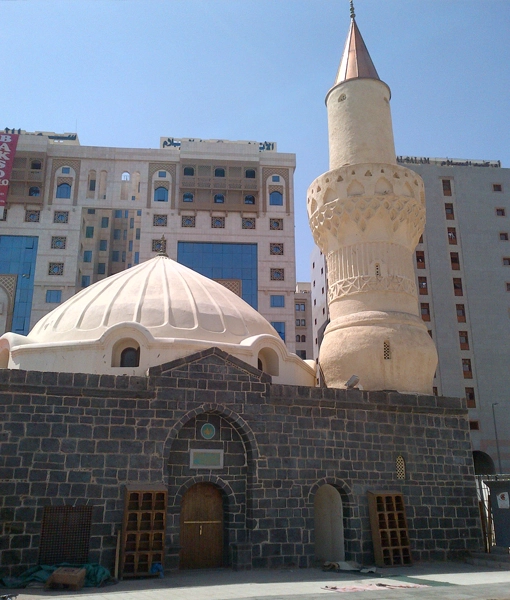
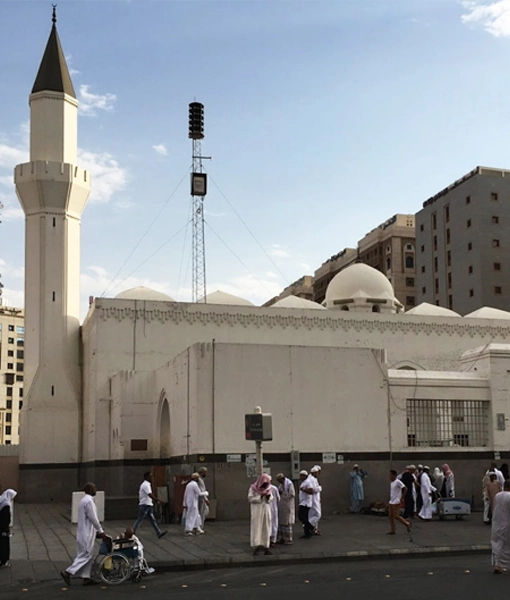
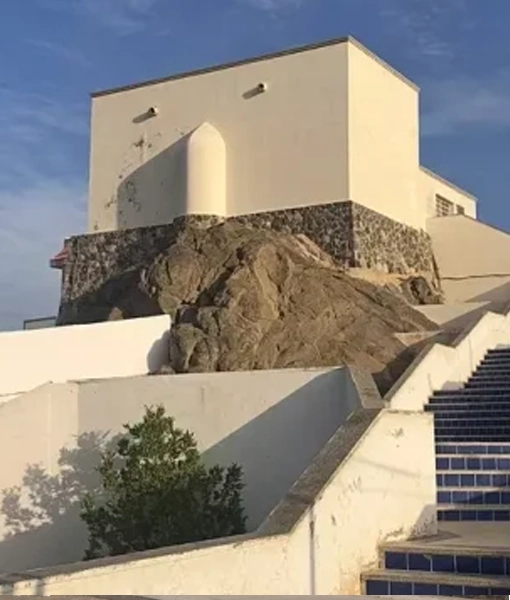
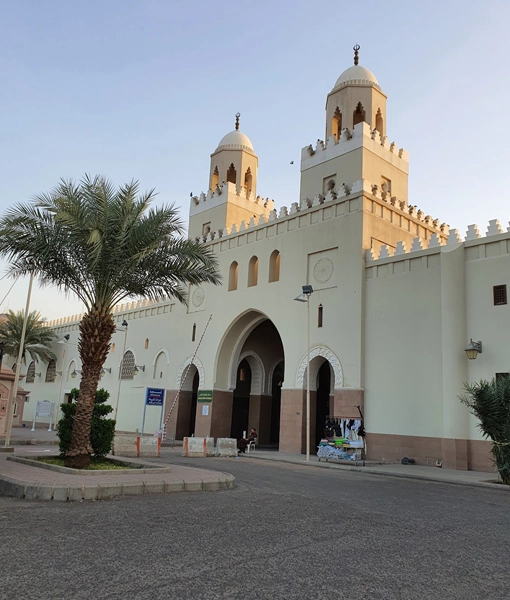
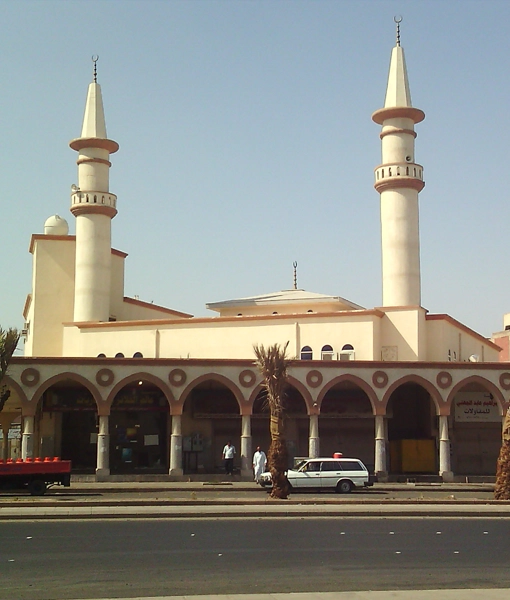
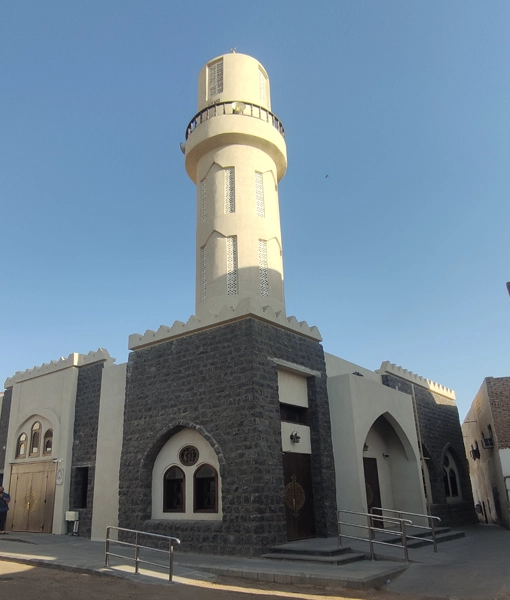
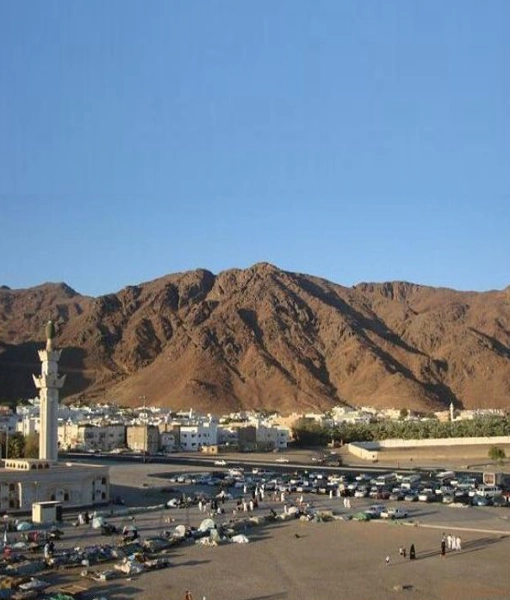
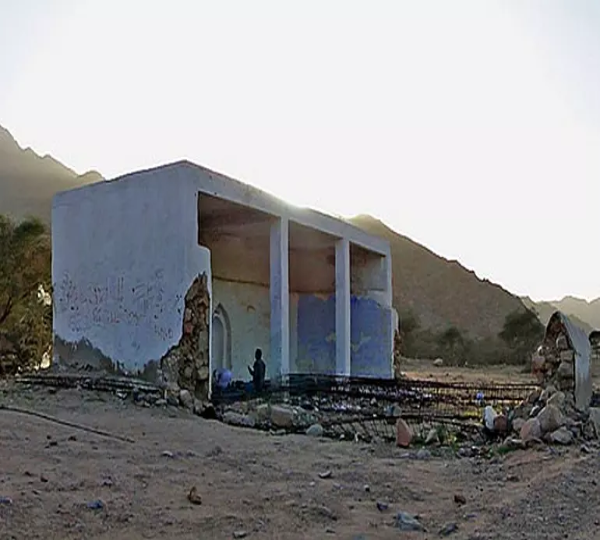
  • Location: Beir al-Ruma, or the Well of Ruma, is located in the northern area of Madinah, not far from the historical area of the Prophet’s Mosque.
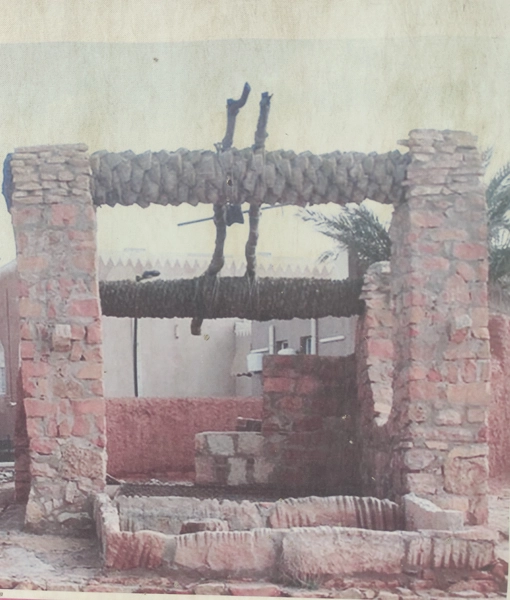
  • Historical Significance: The well’s significance is tied to one of the greatest acts of charity and sacrifice in early Islam, performed by Uthman ibn Affan (R.A.), the third Caliph. When the Muslims migrated to Madinah, the only source of fresh, usable water was this well, which belonged to a Jewish man named Ruma. The owner was charging high prices for the water, creating a hardship for the poor Muslims.
  • The Event: The Prophet Muhammad (S.A.W.) said, “Who will buy the Well of Ruma and make it for the Muslims, and he will have a better one in Paradise?” Uthman ibn Affan (R.A.), known for his immense wealth and generosity, immediately stepped forward. He first bought half of the well for a massive sum, offering the water to Muslims for free on his designated days. Eventually, he bought the entire well and dedicated it entirely to the Muslim community.
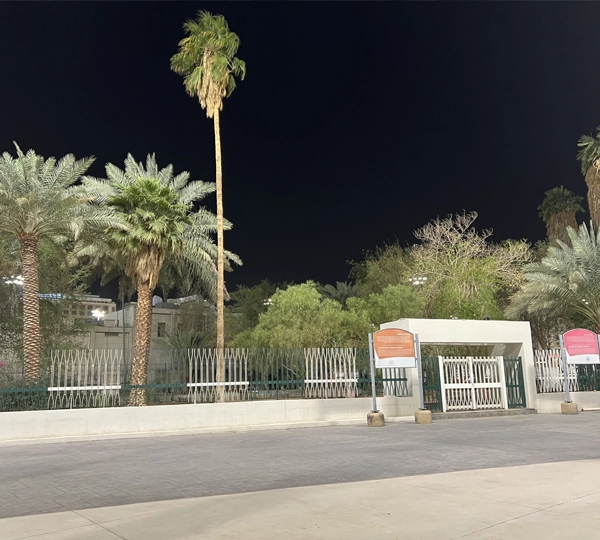
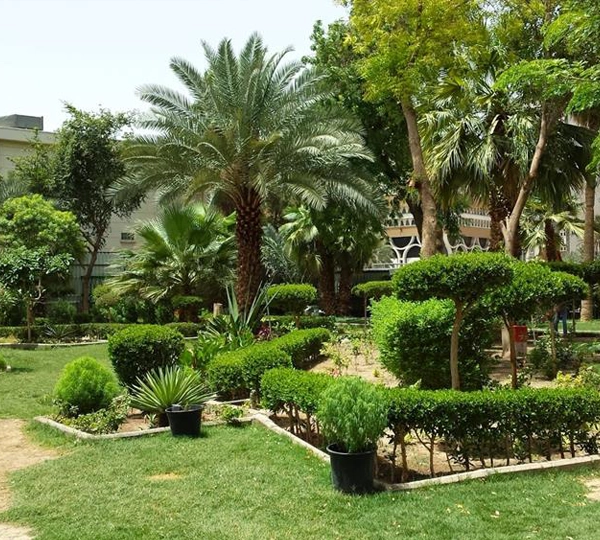
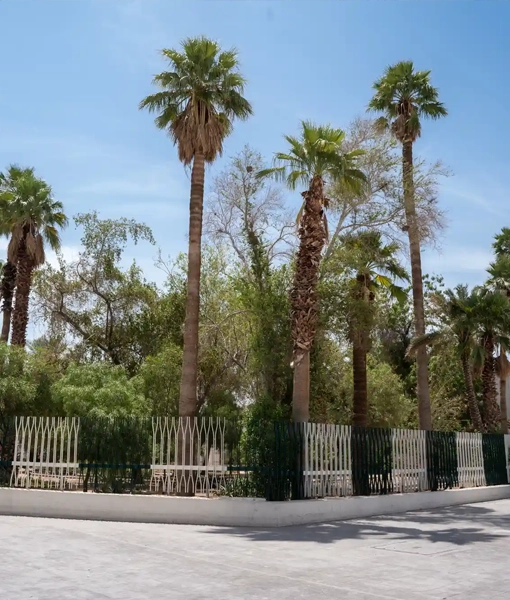
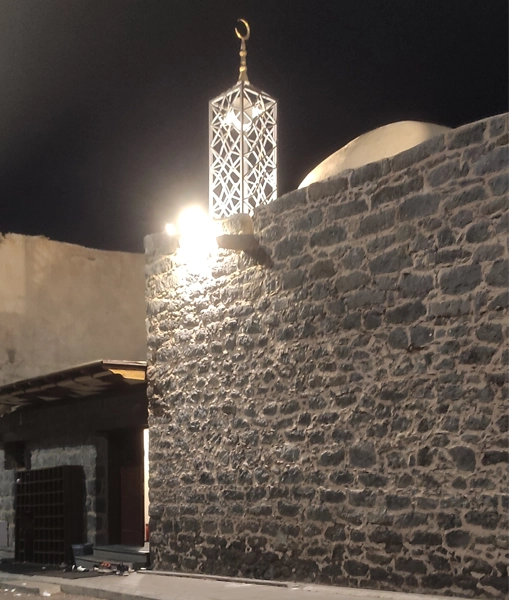
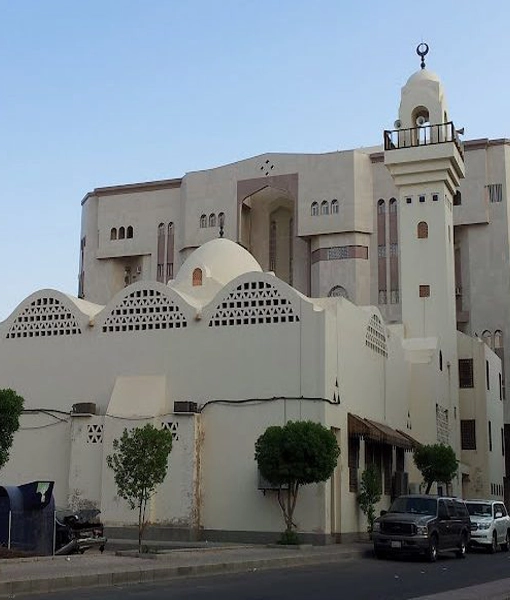
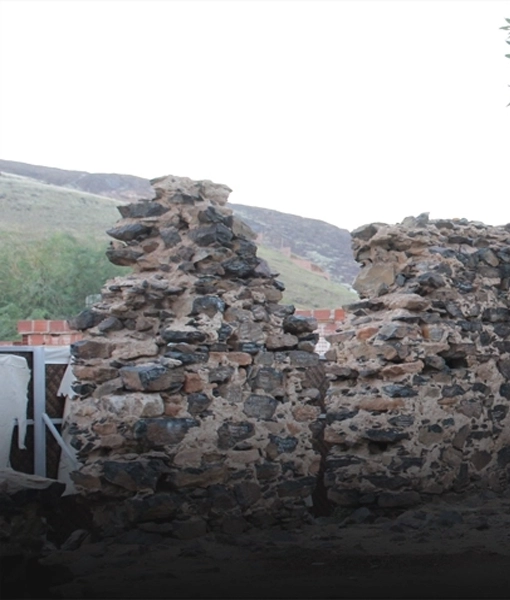
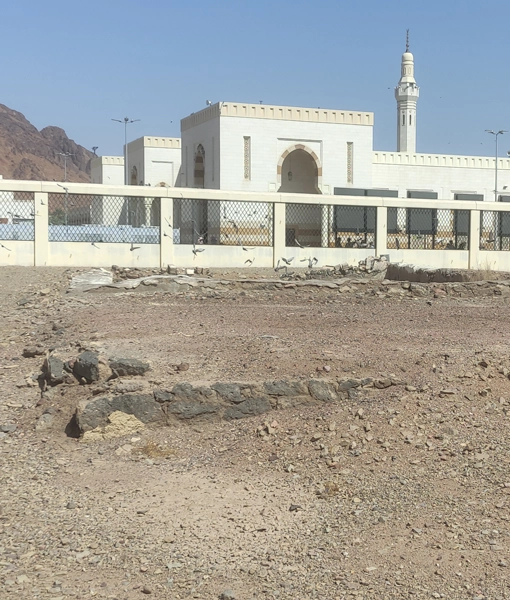
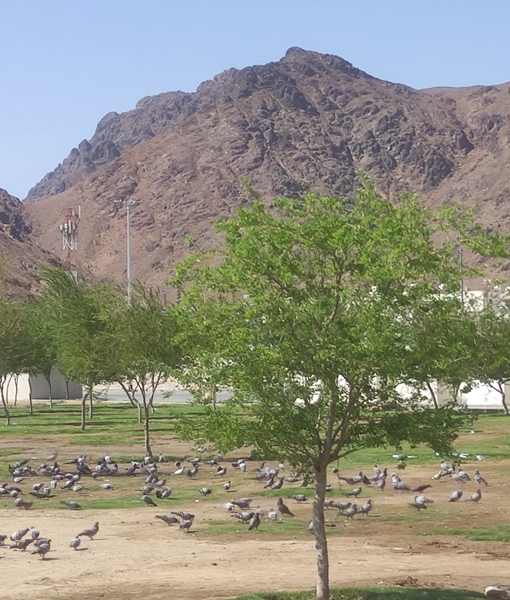
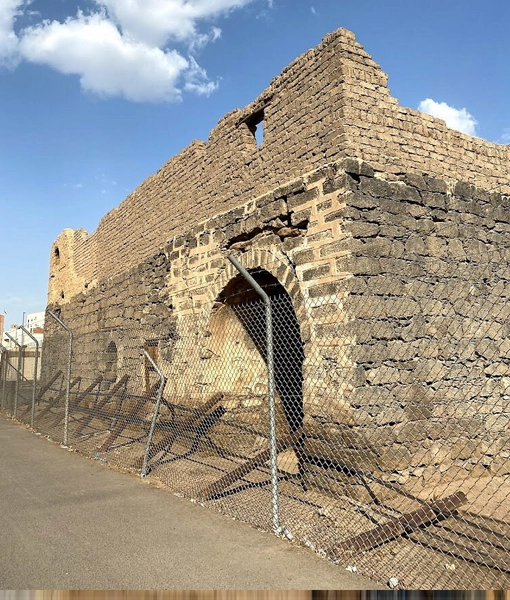
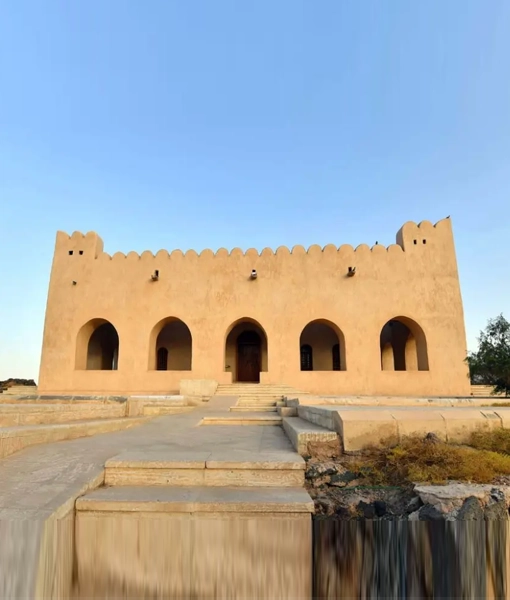
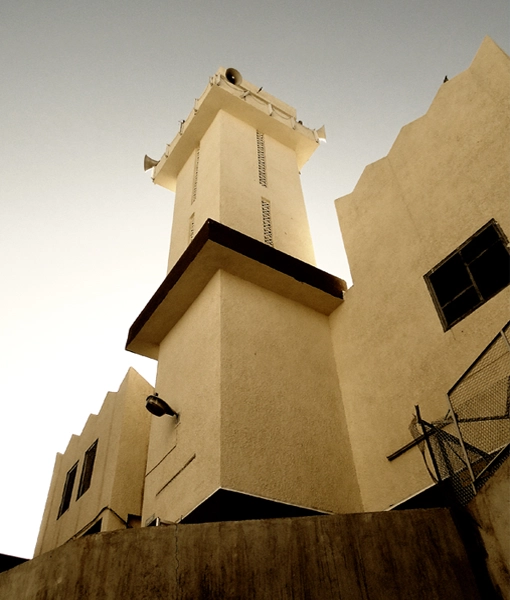
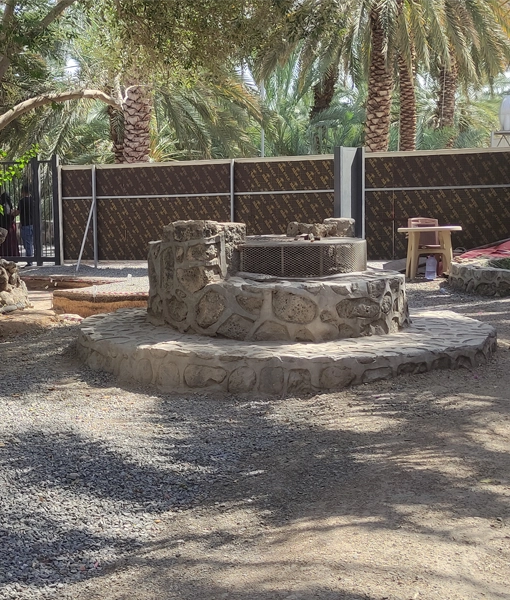
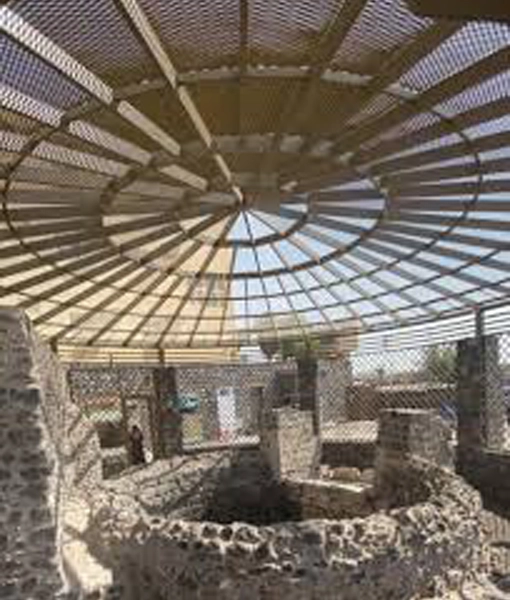
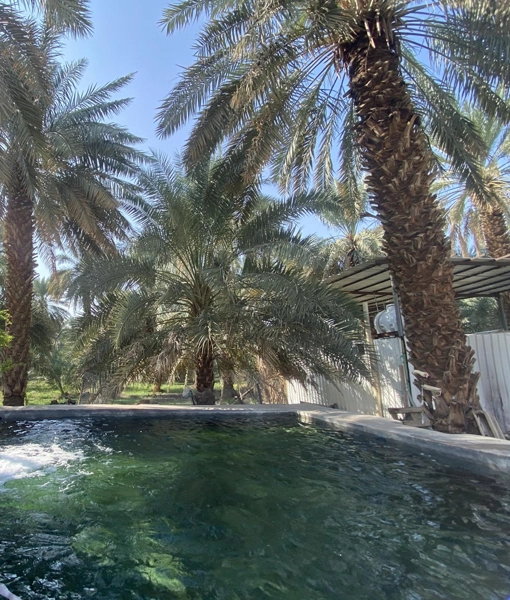
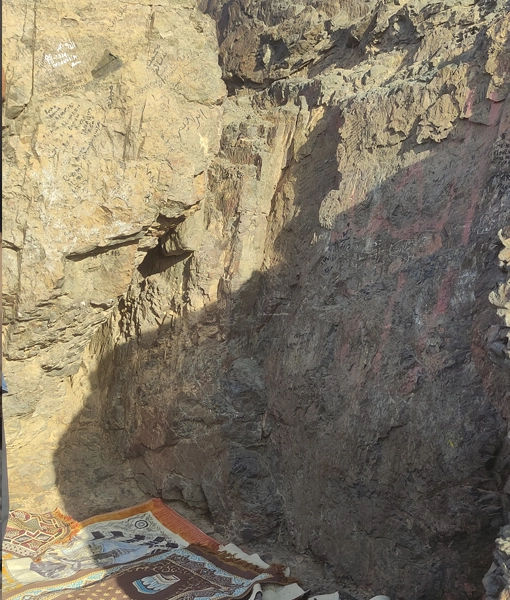
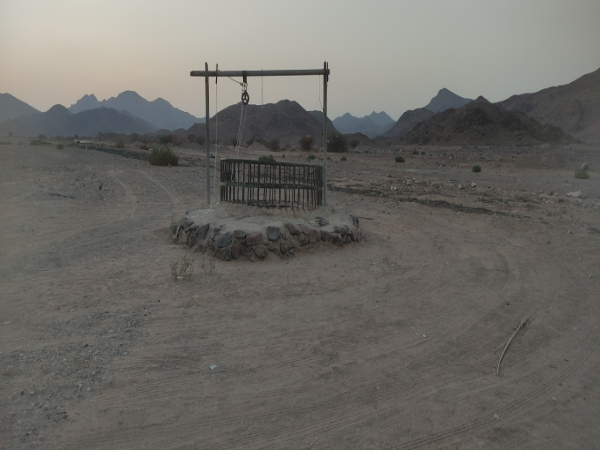
  • Architectural Features & Development: The well is an ancient, historic structure. The surrounding area has been developed into a blessed garden and palm grove, which is sometimes referred to as the Waqf of Uthman (the endowment of Uthman). The well itself is protected and serves as a historical landmark.
  • Current Status for Pilgrims: The well is an important Ziyarat site. Pilgrims visit the area to reflect on the immense generosity of Uthman (R.A.) and the community spirit of early Islam. The surrounding palm groves that developed from the well’s water are often still considered part of the charitable endowment.

In the blessed city of Madinah, where every source of goodness is revered, stands a well that is not just a source of water but a profound testament to selfless charity. This is Beir al-Ruma, the “Well of Ruma,” a site hallowed not by the footsteps of a Prophet alone, but by a timeless act of sacrifice performed by one of his greatest companions, Uthman ibn Affan (R.A.). For any pilgrim, visiting this well is a deep spiritual connection to the very essence of Islamic brotherhood and the boundless rewards of giving.

The Location of a Precious Commodity

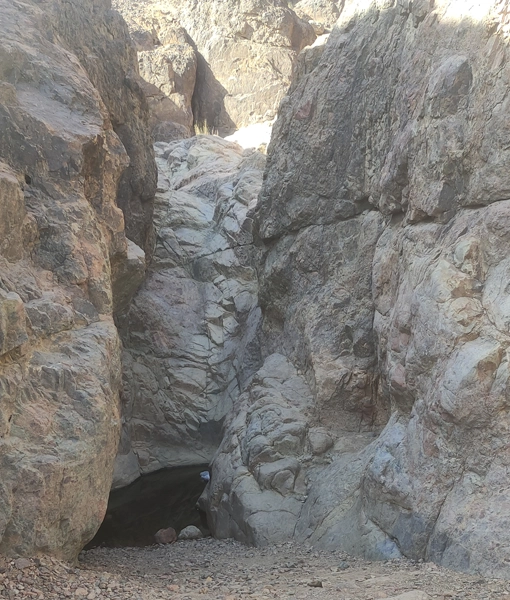
Beir al-Ruma is located on the northern side of Madinah. Its position in the early days of Islam was crucial, as it was one of the few sources of fresh, usable water for the inhabitants. In a desert city, a reliable source of water was a precious commodity, a matter of survival that tested the ethics and humanity of the community.

The well takes its name from Ruma, the Jewish man who owned it at the time of the Prophet’s (S.A.W.) migration. The well’s very existence in that period highlights the economic challenges faced by the poor Muslims who had just arrived from Makkah and were struggling to establish themselves.

The Divine Incentive and the Generous Hand

The spiritual significance of Beir al-Ruma stems from a moment of profound prophetic guidance and the immediate response of a devoted companion. When the Muslim community was suffering from the hardship of needing to buy water from the well’s owner at an exorbitant price, the Prophet Muhammad (S.A.W.) made an announcement to the community:

“Who will buy the Well of Ruma and make it for the Muslims, and he will have a better one in Paradise?”

This divine incentive, promising a reward far greater than any earthly wealth, was immediately seized upon by Uthman ibn Affan (R.A.), known for his immense wealth and immense generosity. Uthman (R.A.) approached the owner and offered to buy the well. The owner initially refused to sell the entire well, but Uthman (R.A.) made an ingenious offer: he bought half of the well for a staggering sum, securing the right to the water on alternating days. Uthman (R.A.) then declared his share of the water free for all Muslims. The owner, seeing that everyone was now taking water on Uthman’s days and no one was buying water on his own days, realized his folly. He soon sold the remaining half of the well to Uthman (R.A.), who then dedicated the entire well, in perpetuity, to the poor and rich alike.

This act of selfless sacrifice, turning a private, for-profit asset into a public, charitable endowment (Waqf), is one of the most celebrated acts of generosity in Islamic history.
A Legacy that Continues to Flow

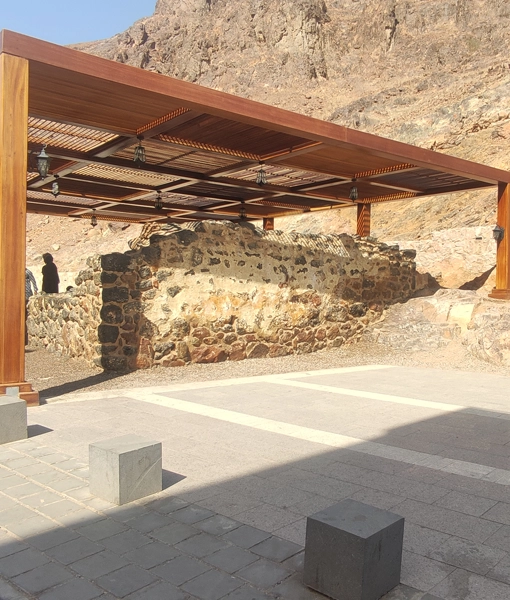
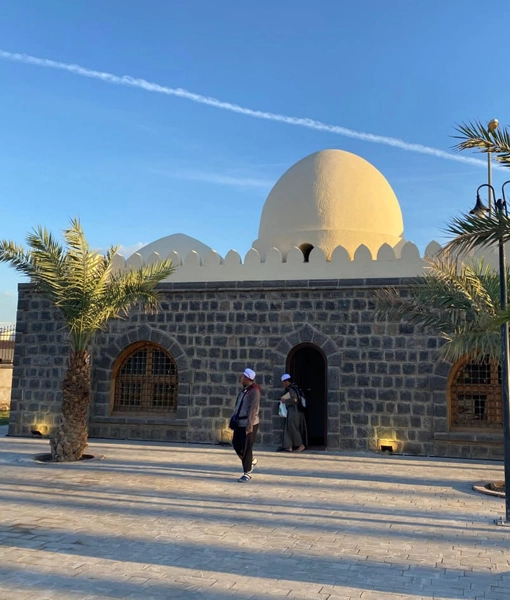
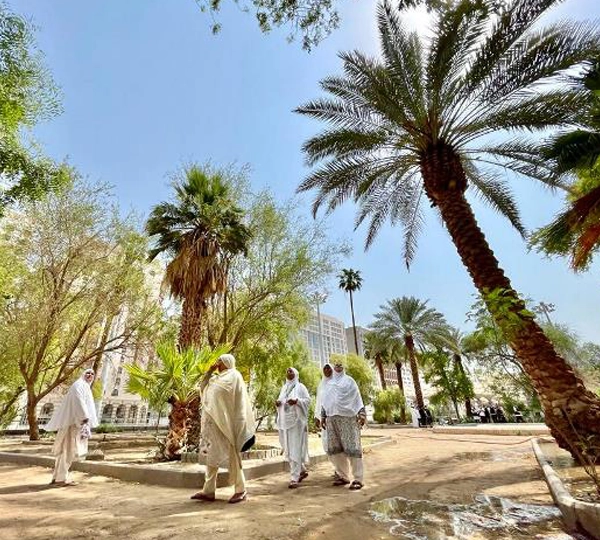
The well of Ruma stands today as a protected historical site. It is a testament to the enduring nature of charity. The surrounding land, which benefited from the water of the well, developed into lush palm groves and a blessed garden, often referred to as the Waqf of Uthman. Even today, the dates and produce from this land are traditionally considered part of Uthman’s (R.A.) charitable endowment.
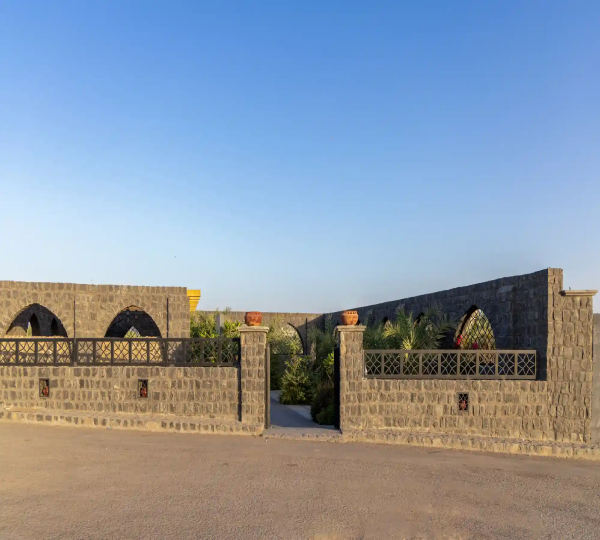
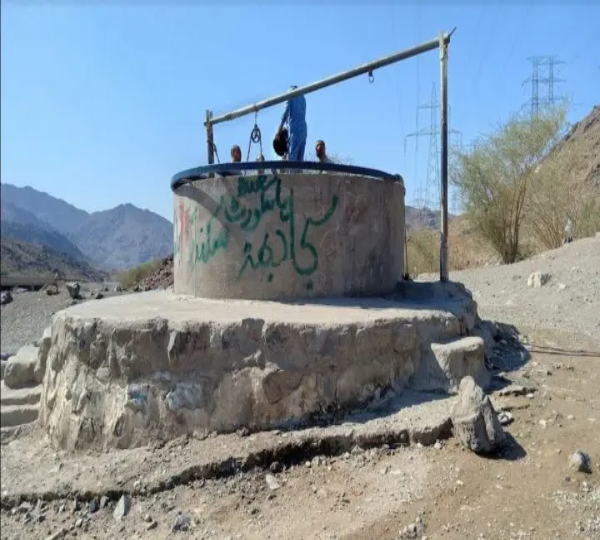
The well itself is carefully preserved, a silent witness to a historical transaction that secured the thirst-quenching needs of a community. While the mechanisms of drawing water have modernized, the spiritual significance remains eternal.

The Pilgrim's Experience: A Call to Charity

For pilgrims visiting Madinah, a stop at Beir al-Ruma is a deeply moving experience. It is a place that calls one to reflect on the immense generosity of Uthman ibn Affan (R.A.) and the spiritual economy of Islam, where the reward for a charitable deed in this world is an infinitely better reward in the Hereafter.

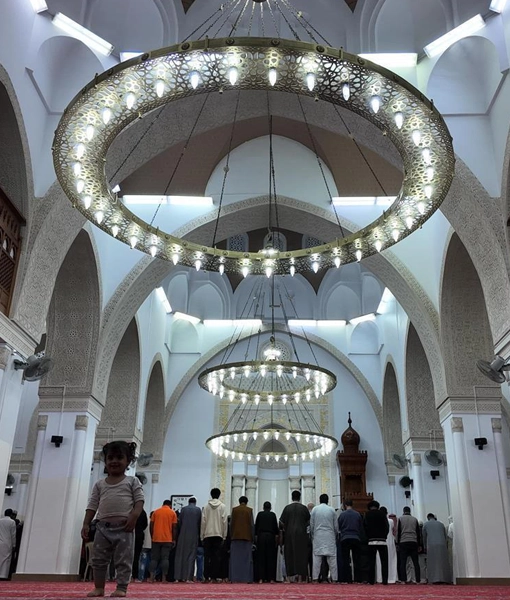
Standing near the well, you are reminded that the best charity is that which relieves hardship from others. Offering a prayer here is a beautiful way to honor the legacy of Uthman (R.A.) and to seek the courage and faith to dedicate one’s own wealth and resources for the benefit of the community.

A Wellspring of Divine Reward

Beir al-Ruma is more than a historical landmark; it is a timeless symbol of selfless giving and the profound blessings that flow from sacrificing for the sake of Allah. It reminds us that true wealth is what we send forth for our eternal life. For all who visit, this sacred sanctuary is a beacon of inspiration, a place where a companion bought water for a community and, in doing so, bought a paradise for himself.

Other Ziyarat You Should Know