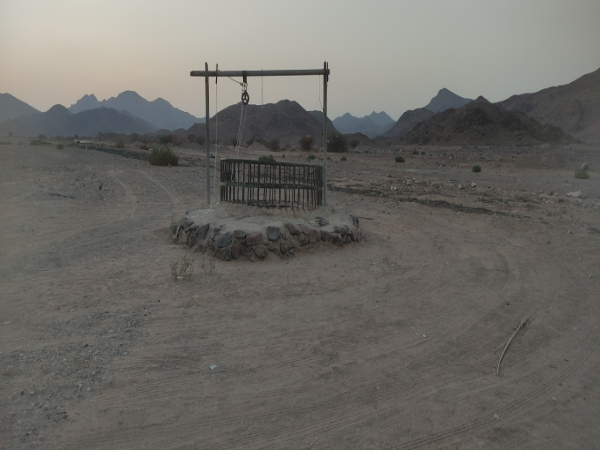
ثقیفہ بنی ساعدہ
A Garden Where History Breathes
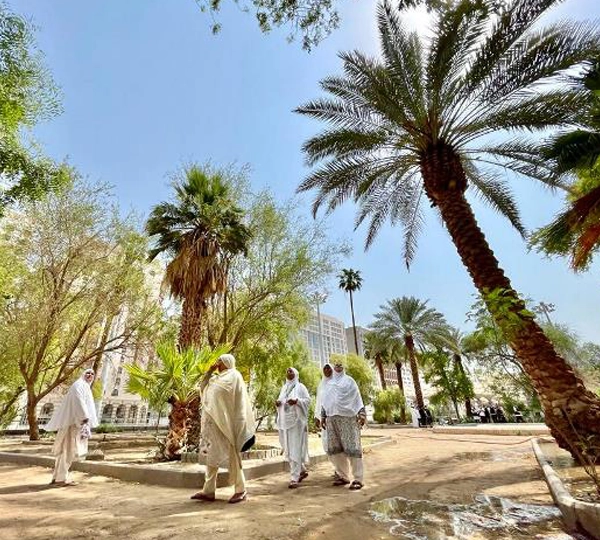
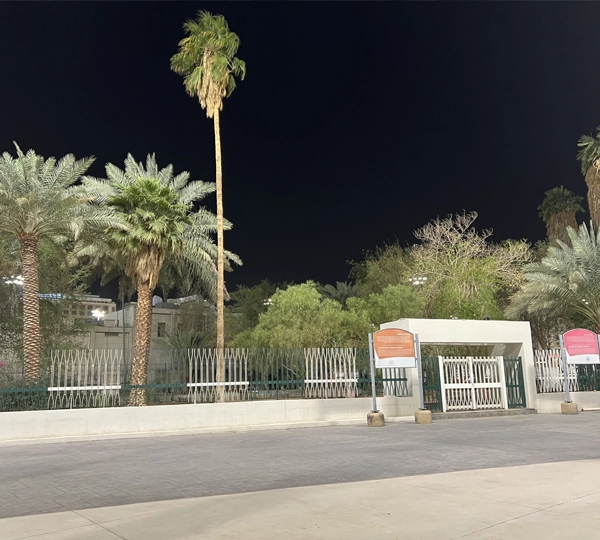
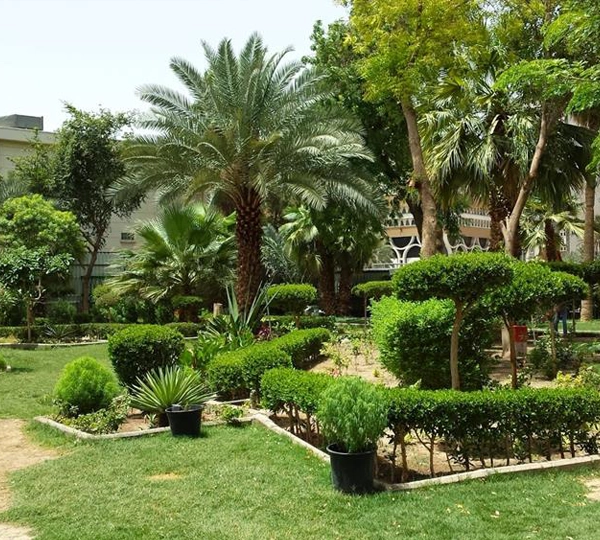
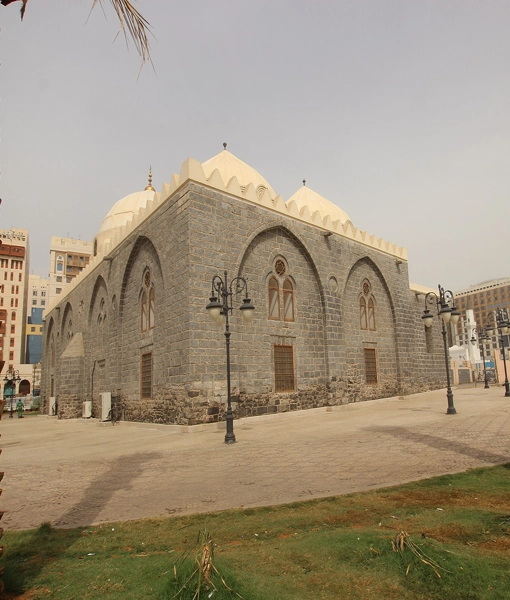
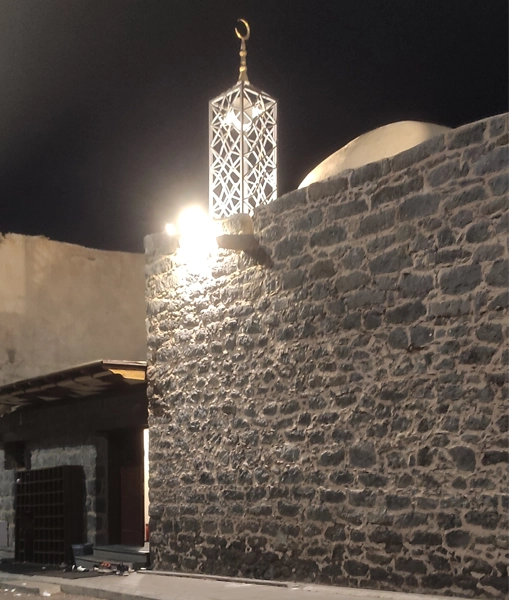
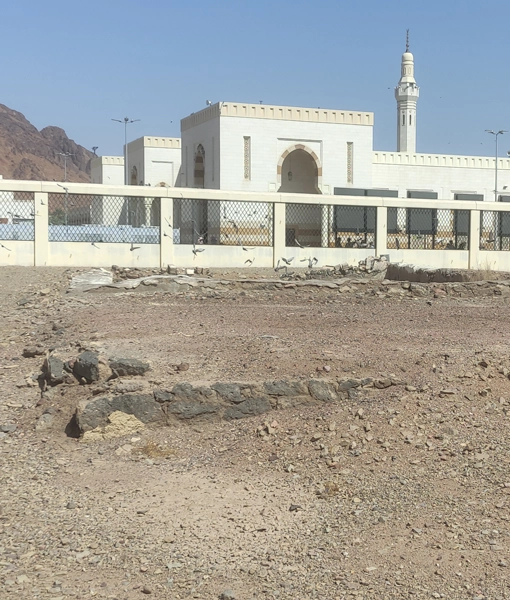
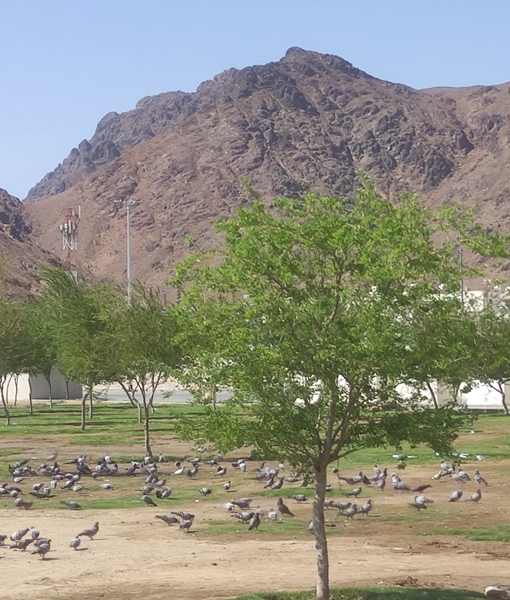
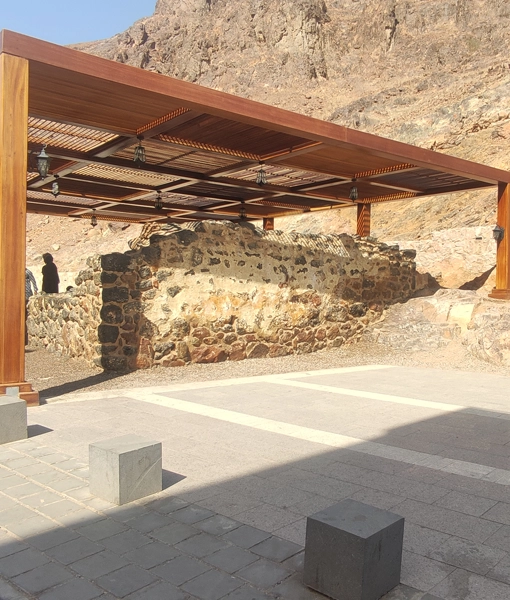
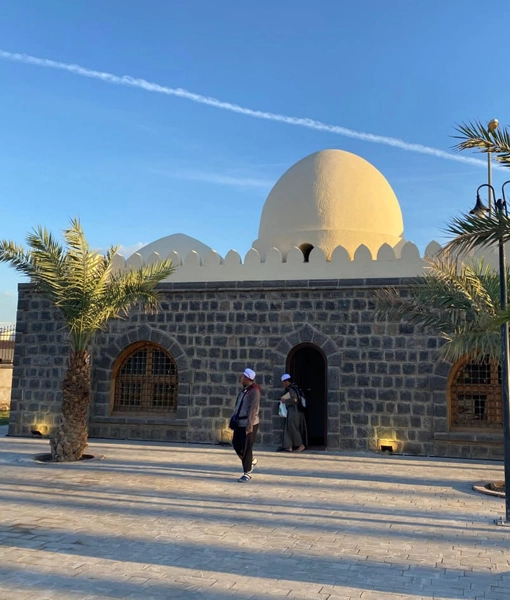
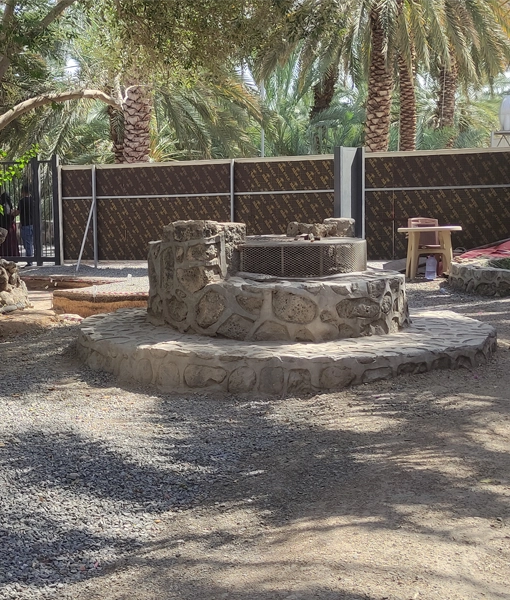
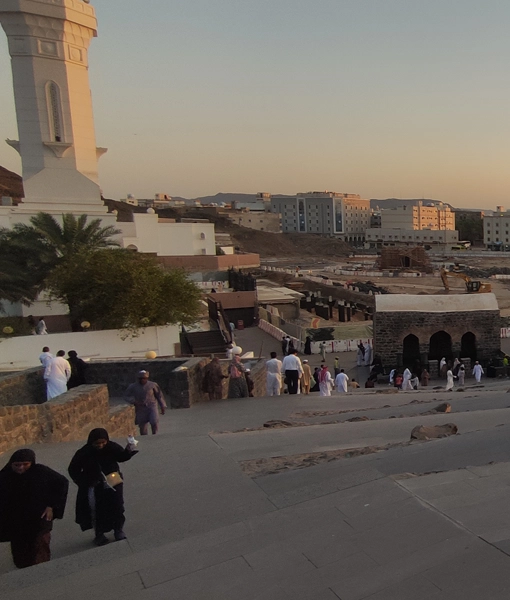
when you step out of the northwestern gate of Masjid Al-Nabawi and walk a short distance, you find yourself in a serene, beautifully andscaped garden. Its tranquil atmosphere, with swaying palm trees and the gentle murmur of fountains, offers a peaceful respite from the bustling crowds of Madinah. You might not immediately realize it, but you are standing on one of the most significant pieces of ground in all of Islam—the site of Saqifah Bani Sa’adah. This garden is not merely a place of rest; it is the silent witness to a moment that secured the future of the entire Muslim Ummah.
The Simple Place Where Everything Changed
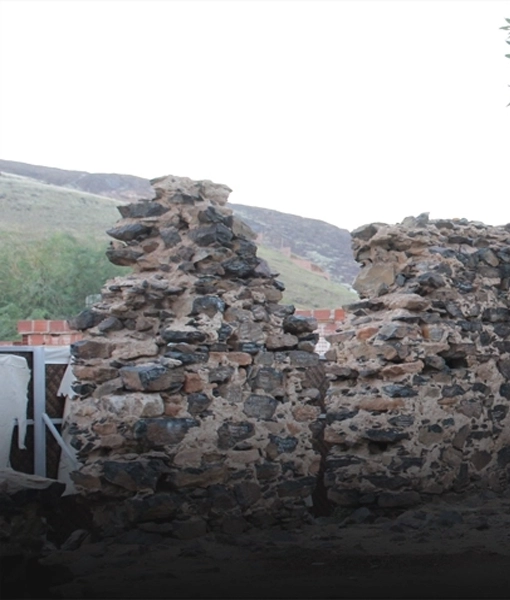
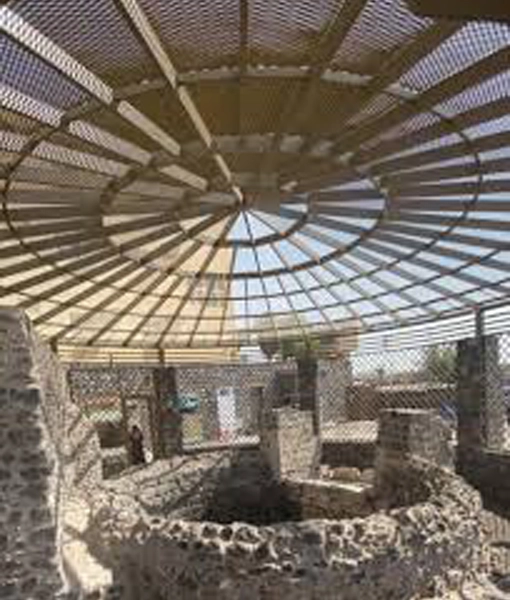
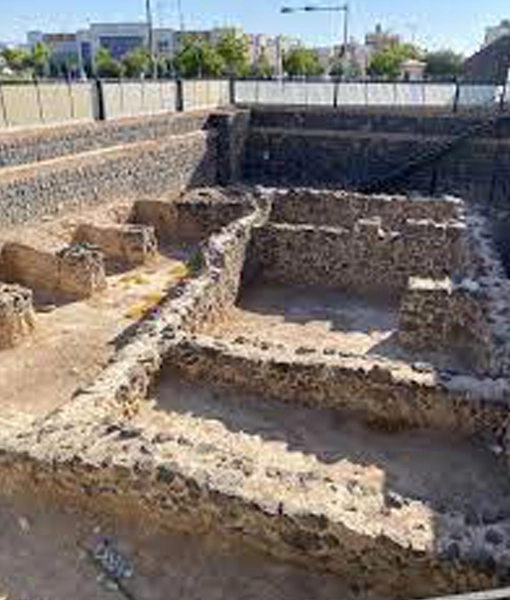
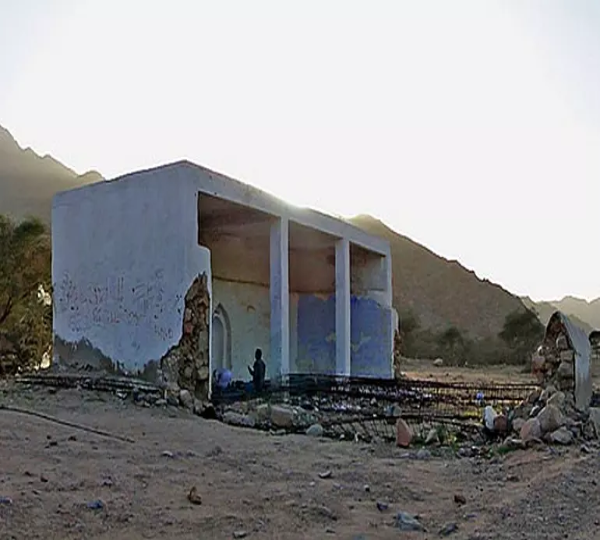
To understand the profound significance of this garden, one must imagine what it looked like over 1400 years ago. This was not a grand conference hall or a palace. It was a humble, roofed structure—a sort of tribal shed or loggia—made of palm fronds and branches, offering shade from the desert sun. It belonged to the Banu Sa’idah clan of the Khazraj tribe and served as a regular meeting place for their local affairs. Its simplicity is a powerful reminder that monumental events often unfold in the most unpretentious of settings.It was to this unassuming spot that the companions of the Prophet Muhammad (S.A.W.) converged in a state of profound grief. The news of his passing had left the community reeling, and in their sorrow, they faced an immediate, urgent question: who would lead them now? The answers to that question, the passionate arguments, the wisdom, and the ultimate pledge of unity, all transpired right here, on this very ground that now blossoms with flowers and trees.
A Walk Through the Dialogue of Khilafah
As you walk through the garden today, let your imagination take you back to that sorrowful day. Here, perhaps near that quiet fountain, the Ansar—the “Helpers” of Madinah—first gathered. Their grief was mixed with a deep sense of responsibility. They had welcomed the Prophet (S.A.W.) and his companions, the Muhajirun, to their city. They had fought beside him in every battle, shedding their blood to protect the faith. In their minds, it was only fitting that the leadership remain with them, with a voice saying, “The leader from us, and the minister from you.” It was a plea rooted in honor and loyalty to a cause they had so bravely championed.But the history of this place tells us a different story, one of even greater vision. As the Ansar deliberated, a small but decisive group of Muhajirun—Abu Bakr as-Siddiq, Umar ibn al-Khattab, and Abu Ubaidah ibn al-Jarrah—heard of the meeting and rushed to the site. Their purpose was not to contest authority but to ensure the unity of the community. They understood that in this critical moment, a consensus was needed to prevent a tribal splintering of the Ummah.
Now, picture those three men standing here, their faces etched with sorrow and determination. It was here that Umar ibn al-Khattab spoke, followed by Abu Bakr (R.A.), who delivered a speech that would become a beacon of political wisdom. He did not dismiss the Ansar’s immense sacrifices but instead praised them, calling them the “Helpers of Allah and his Messenger.” Yet, he also gently but firmly explained that the leadership of the Ummah must remain with the Quraysh, the Prophet’s own tribe, for they held the authority and recognition necessary to prevent internal strife. He offered to step aside, suggesting Umar or Abu Ubaidah take the lead.It was in this very space—where you may now sit on a bench in quiet contemplation—that Umar ibn al-Khattab, in a moment of emotional and decisive clarity, stepped forward and became the first to give his allegiance, or Bay’ah, to Abu Bakr (R.A.). He recognized Abu Bakr’s (R.A.) unique position, and with his pledge, the others followed suit. It was a powerful, spontaneous act of unity that settled the question of succession and solidified the foundations of the nascent Islamic state.

The Garden as a Physical Reminder Of Legacy
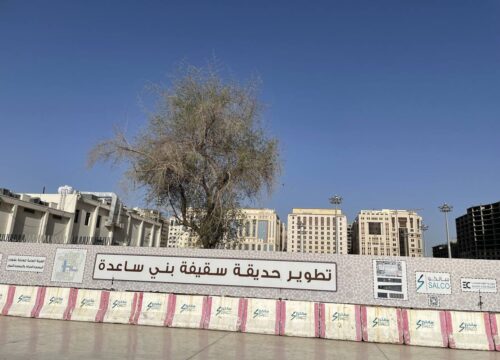
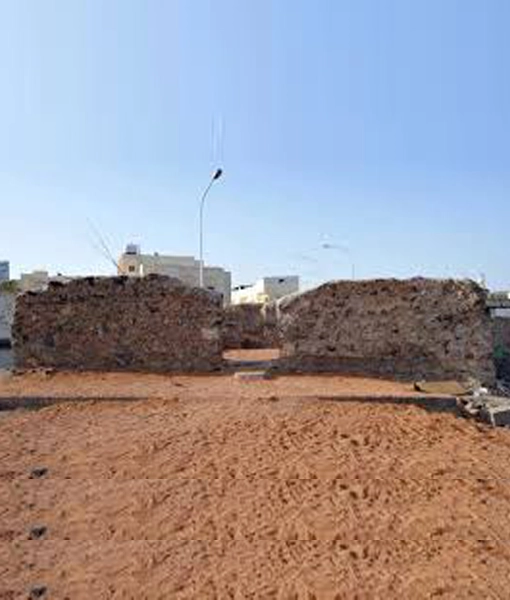
The journey of Saqifah Bani Sa’adah from a simple shed to the beautiful garden it is today is a physical reflection of the Ummah’s own journey. For centuries, the spot was marked and revered, but as Madinah expanded, the site was eventually integrated into the larger urban landscape. However, its historical significance was never forgotten. The modern garden we see today is a deliberate act of preservation, ensuring that the legacy of that fateful day is not lost.
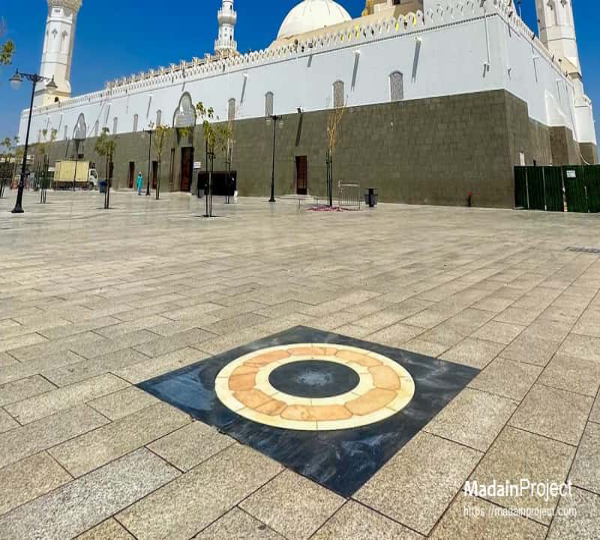
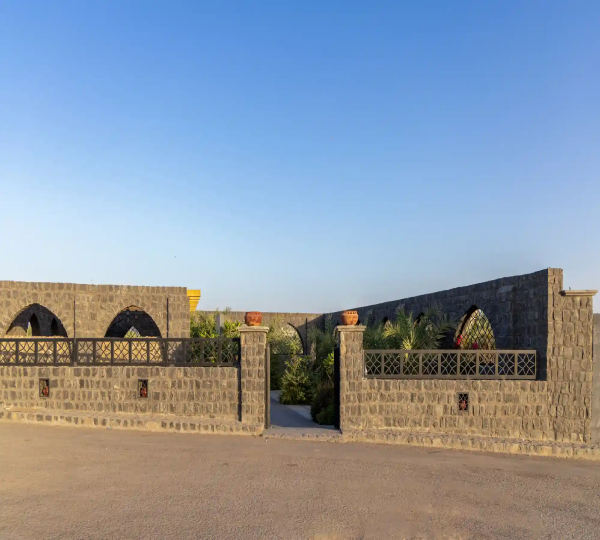
This serene location is more than just a historical landmark. It represents the very essence of Shura (consultation) and the paramount importance of putting the community’s interests above all else. For a pilgrim, walking through this garden is an act of spiritual connection. You are walking on the same ground where the Companions, in their darkest hour, exemplified the values of faith, wisdom, and selflessness. It is a place to reflect on the immense responsibility of leadership and the power of unity.
A Final Reflection for the Traveler
As you leave the peaceful garden of Saqifah Bani Sa’adah, you carry with you not just the memory of a beautiful park, but the profound understanding that here, in this very spot, the sorrow of a lost leader gave birth to the hope of a lasting community. This garden is a reminder that in moments of crisis, with wisdom and unity, a collective decision can become the bedrock of a glorious future. It stands as an enduring tribute to the early Muslims who, through their actions on this very ground, secured the future of Islam for all generations to come.