ume E Ayal

أم أيال

The Well of Healing and the Miracle of Blessed Saliva

  • A Witness to Prophetic Miracles, Where Bitter Water Became a Source of Sweetness and Cure, Attesting to the Power of Divine Intercession.

    The journey of the Umrah pilgrim through the holy lands is a quest to walk the path of faith, finding spiritual resonance in the sites touched by the Prophet Muhammad (S.A.W.). If Masjid E Bani Aneef taught us the profound significance of human compassion, then Bi’r al-Shifa (بئر الشفاء)—The Well of Healing—stands as a stark reminder of the miraculous power vested in the Messenger of Allah (S.A.W.) by the Creator.

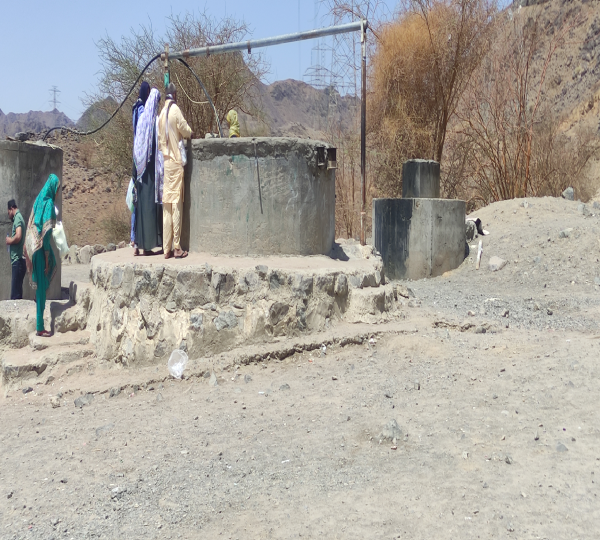
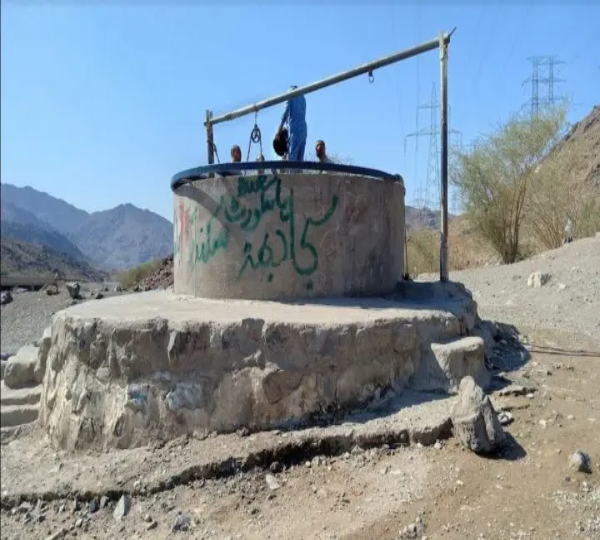
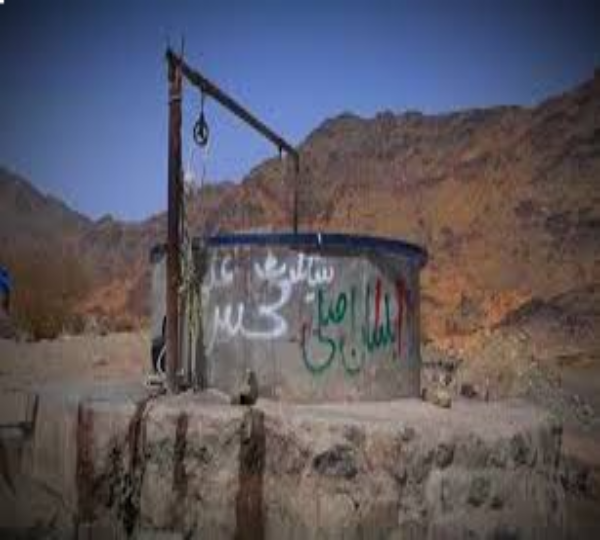
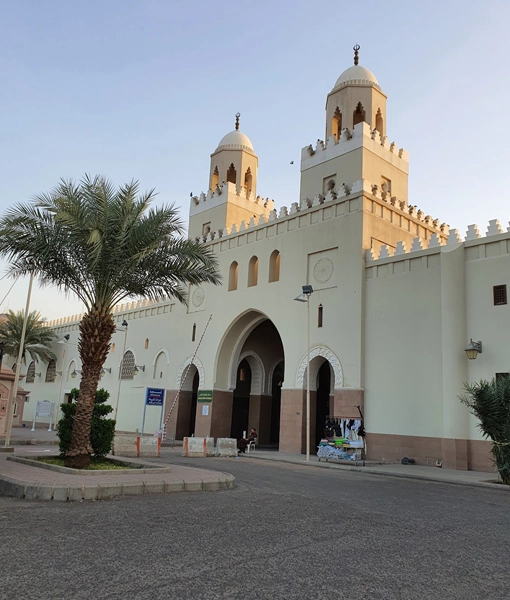
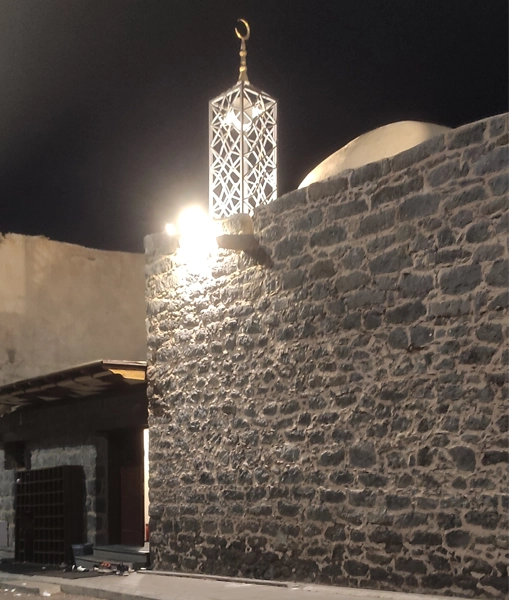
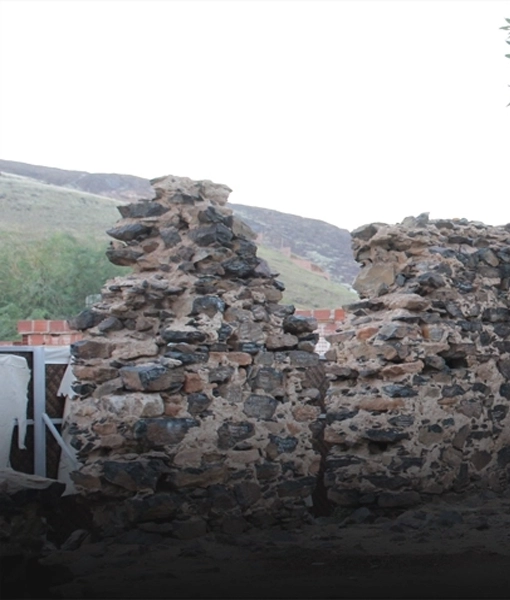
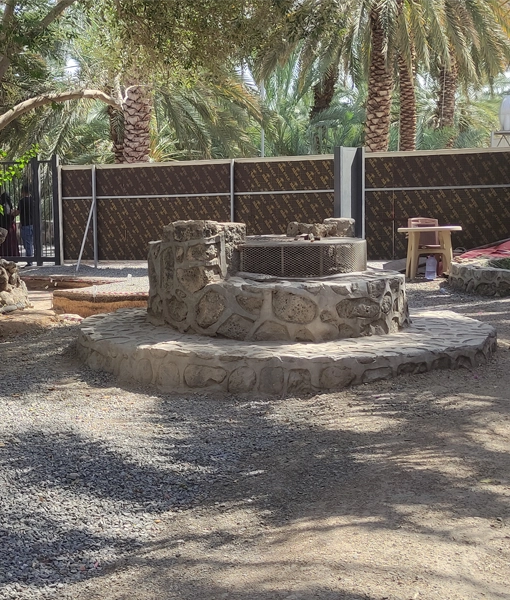
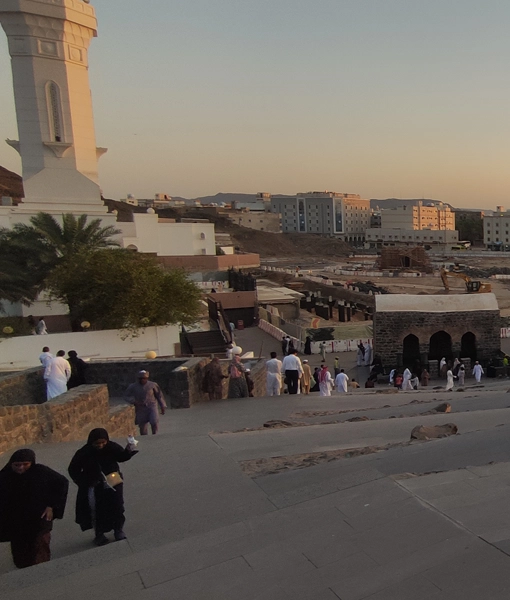
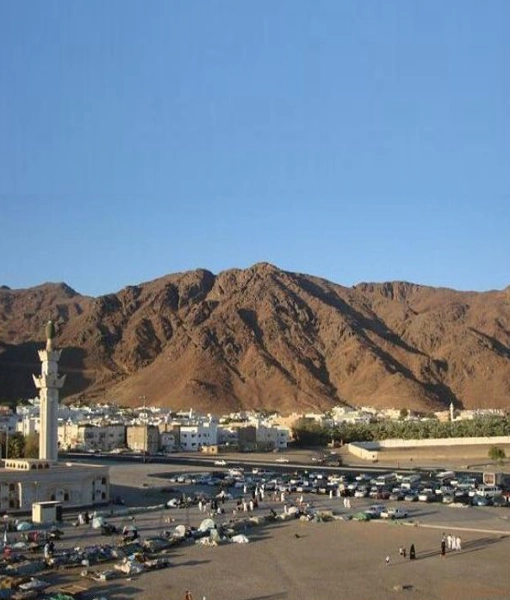
    Located outside the main city of Madinah, this well, once a source of sickness and bitterness, was transformed into a continuous spring of sweet, wholesome water by a simple, yet monumental, act of prophecy. A visit to Bi’r al-Shifa is a powerful lesson in Tawakkul (reliance on Allah) and a direct encounter with one of the physical miracles that affirmed the Prophethood.

Bitter Water and Human Suffering

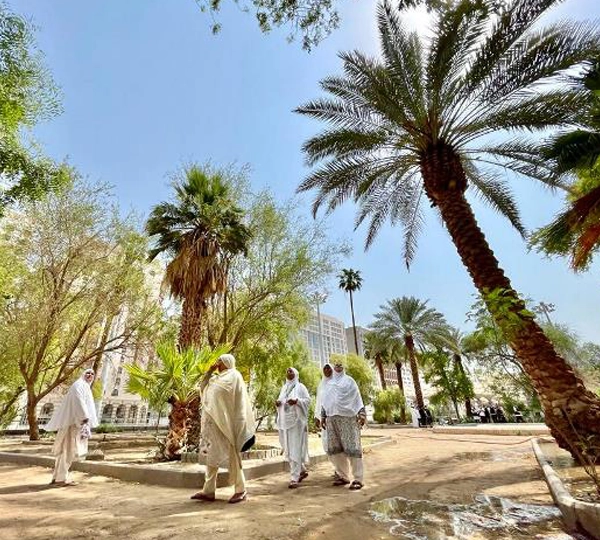
The history of Bi’r al-Shifa, also known as ‘Aab-e-Shifa’ (Water of Healing), begins not with a miracle, but with a hardship. In the early days of Islam, the well was originally dug by the local villagers to provide water for their daily needs and for the steady stream of travelers and pilgrims moving between Makkah and Madinah, including those on the path to the historic Battle of Badr.

However, the groundwater it yielded was of a poor quality—saline, bitter, and reputedly unhealthy. In a land where water is life, this well brought only distress. Locals and travelers who drank from it often fell ill, and even animals suffered after consuming its toxic supply. The well, meant to be a lifeline, had become a source of affliction.

A Drop of Blessed Saliva

The villagers, distressed by the continuous sickness and unable to use their water source, went to the Prophet Muhammad (S.A.W.) in Madinah and described their predicament—a common natural well yielding poisonous water.

The Prophet (S.A.W.), the Rahmatul-lil-‘Alamin (Mercy to all the Worlds), immediately saw to the suffering of his people. He travelled to the site of the well. What transpired next is a beautiful demonstration of the miraculous power granted to him by Allah (S.W.T.):

  1. The Blessed Act: The Prophet (S.A.W.) took a small amount of his blessed saliva (thufla) on his finger or tongue.
  2. The Divine Transformation: He then placed this saliva into the bitter, saline water of the well.
  3. The Immediate Result: By the command and will of Allah (S.W.T.), the nature of the water instantly changed. The bitterness vanished, the water turned sweet, and its impurities were cleansed.

This single, humble act transformed the well from a source of ailment to a spring of health. The locals, in their deep gratitude and faith, renamed the well Bi’r al-Shifa (The Well of Healing), as its water was henceforth not only pure and sweet but also reported to possess special healing properties for those who drank from it with faith.

A Living Miracle

What makes this Ziyarah particularly compelling is that, according to local tradition and visitors’ accounts over the centuries, the well has never returned to its previous bitter state. For over 1400 years, Bi’r al-Shifa has continued to yield sweet, palatable water. It stands as a profound, enduring physical miracle (mu’jizah) of the Prophet (S.A.W.).

The miracle here is two-fold:

  1. The Physical Change

The chemical and physical change of the water—a permanent reversal of its nature—is a tangible sign of divine intervention. It demonstrates that the blessing of the Prophet (S.A.W.) could alter the very composition of a natural element.
  1. The Healing Power (Shifa)

Beyond being simply sweet, the water is an ongoing testament to the concept of barakah (blessing). Many local residents and pilgrims have, for generations, reported consuming the water of Bi’r al-Shifa with the intention of healing, claiming relief from various ailments. This aligns with the wider Islamic belief in the power of blessed substances and the certainty of Shifa (cure) being in the Hands of Allah alone.

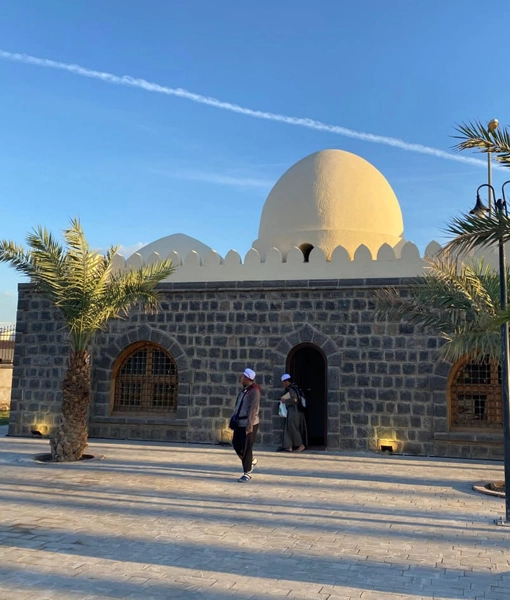
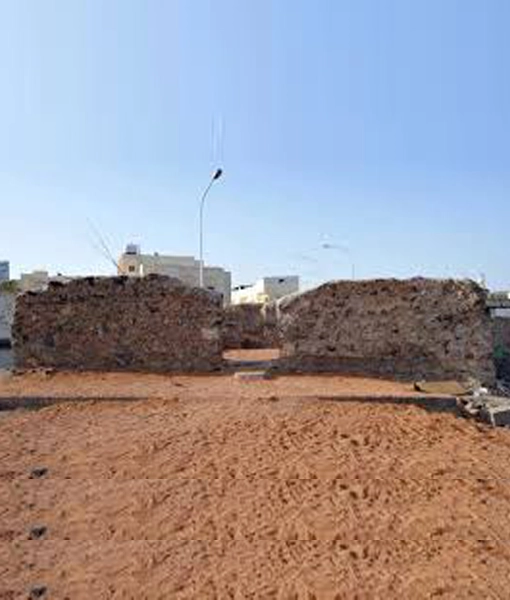
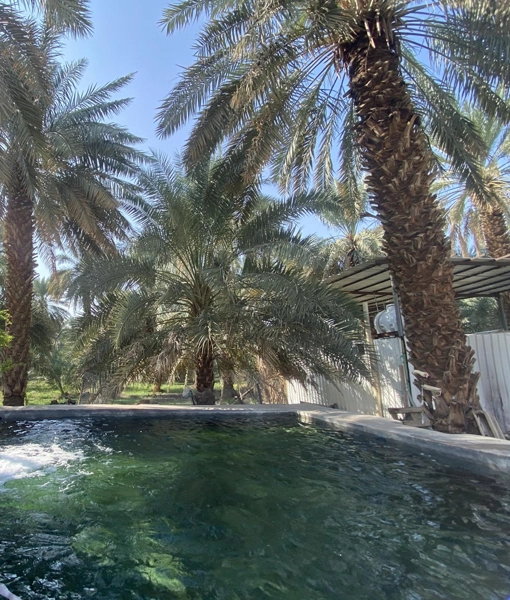
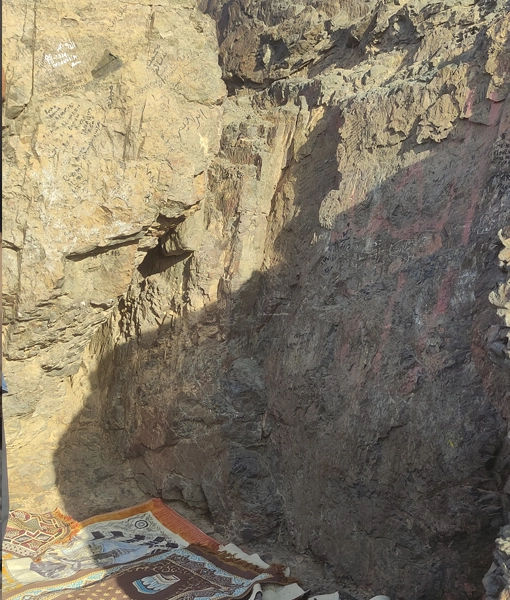
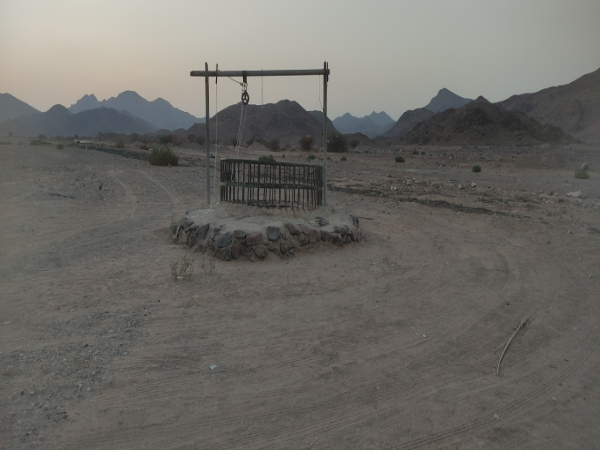
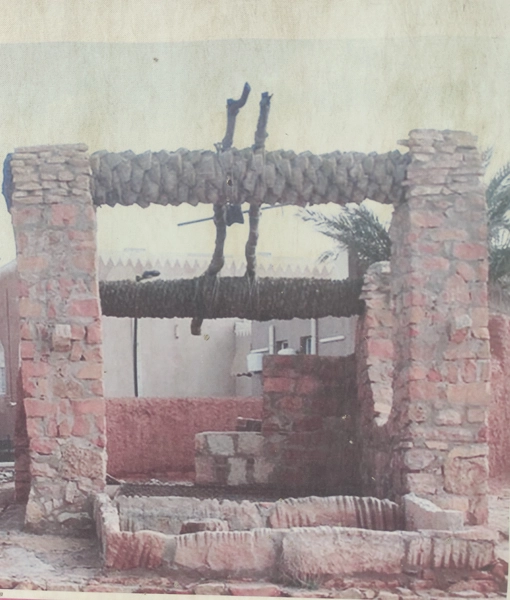
Today, visitors can access the well, which is often equipped with modern pumps to draw the pristine water. Many pilgrims take bottles to fill with this sacred water, carrying a piece of Madinah’s physical blessings back home, much like they carry the water of Zamzam from Makkah.

Lessons in Prophecy and Providence

Visiting Bi’r al-Shifa connects the pilgrim to three vital lessons embedded deep within the Islamic creed:

  1. The Confirmation of Prophethood

The miracle of Bi’r al-Shifa is a clear mu’jizah—an extraordinary sign that confirms the truth of the Prophet’s (S.A.W.) claim. He did not merely pray for the water to change; he used a physical, blessed medium—his own saliva—to enact a permanent, visible change that defied natural law, by Allah’s permission. It reminds us that every aspect of his blessed being was a source of barakah.
  1. The Concept of Barakah (Blessing)

This well teaches us that barakah is a real and transformative spiritual force. The blessed touch of the Prophet (S.A.W.) can turn something harmful into something beneficial, transforming a liability into a treasure. It encourages us to seek blessings in our own lives by following his Sunnah and adhering to his teachings.

  1. The Mercy of Allah (S.W.T.)

Above all, the story of Bi’r al-Shifa highlights the boundless mercy (Rahmah) of Allah (S.W.T.) channeled through His Messenger (S.A.W.). Allah (S.W.T.) did not simply answer a prayer; He provided a permanent solution to the community’s suffering, ensuring a consistent supply of sweet, healing water for centuries. This is the essence of divine Providence—the continuous, loving care of the Creator for His creation.
For your Umrah Plus website, Bi’r al-Shifa offers a powerful narrative of faith, miracles, and the enduring power of blessing, serving as an unshakeable pillar of the rich spiritual heritage waiting to be discovered just beyond the walls of Masjid an-Nabawi.
Other Ziyarat You Should Know