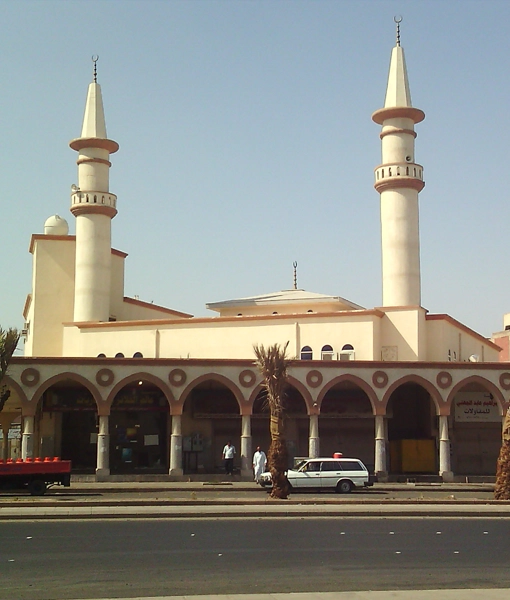
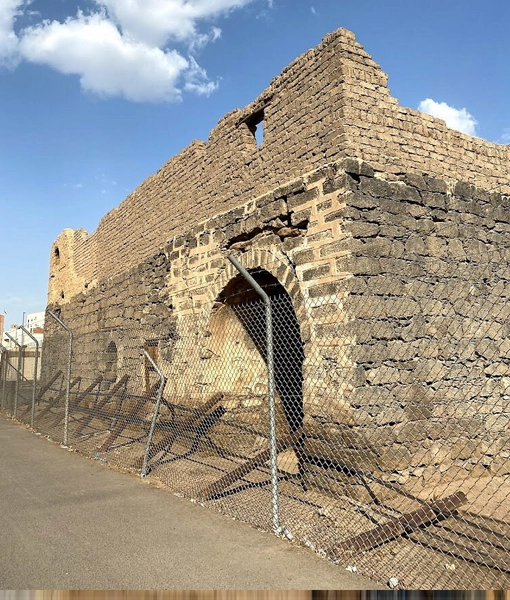
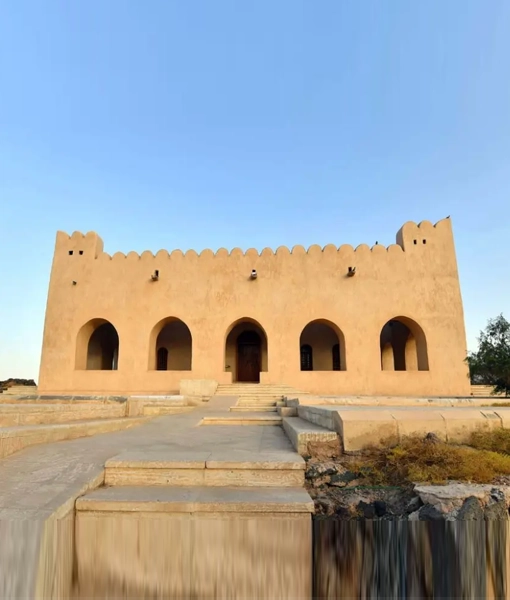
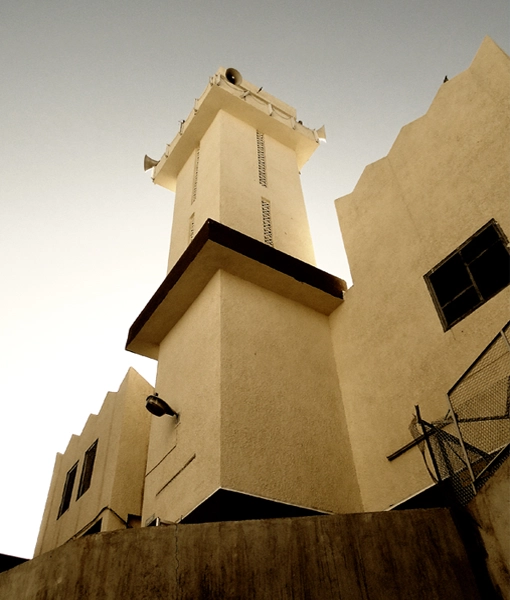
Masjid al-Fasah

مسجد الفسح

Ziart Overview

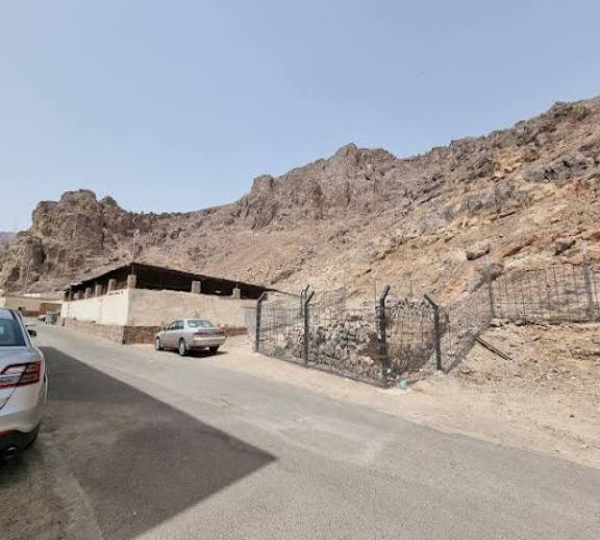
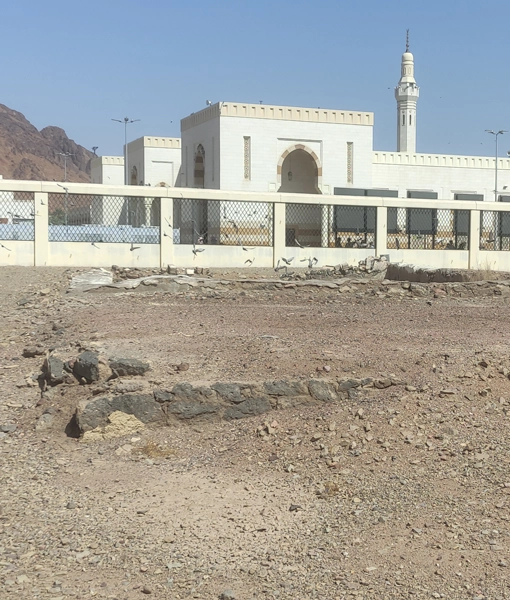
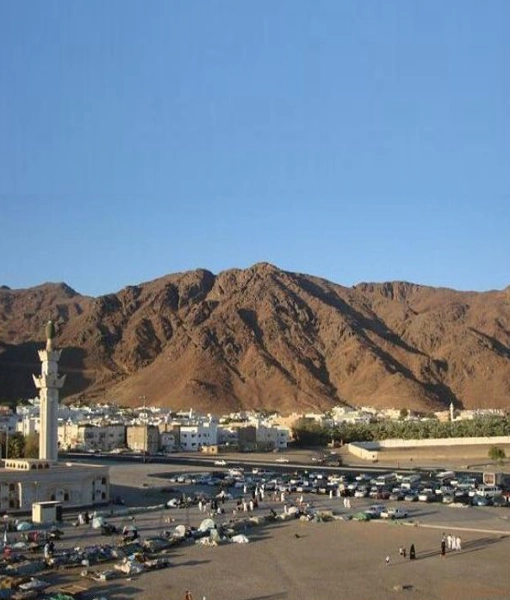
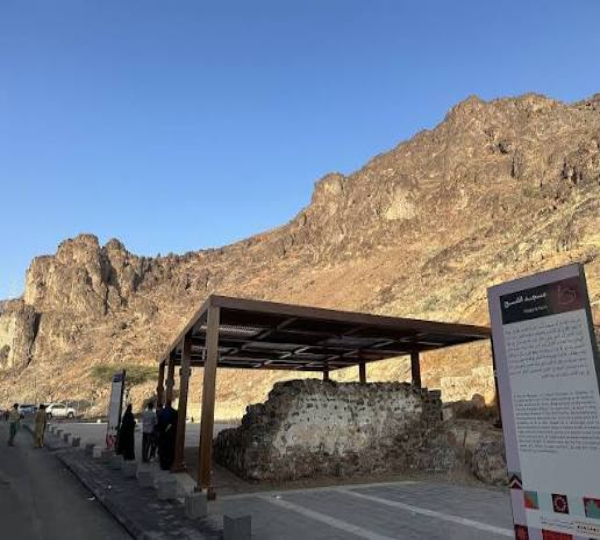
  • Location: The mosque is located on the slope of Mount Sila’ in Madinah, near the site of the Battle of the Trench. It is part of the cluster of historical mosques often referred to as the “Seven Mosques” or “Sab’a Masajid.” It is situated on the same line as Masjid Ali ibn Abi Talib and Masjid Al-Fath.
  • Historical Significance: Its name, “Al-Fasah,” means “elegance” or “purity.” It is believed to be the site where the Prophet Muhammad (S.A.W.) performed a specific prayer during the Battle of the Trench. It is said that he prayed at this spot, and due to his sincerity, the ground softened for him to perform a more comfortable prostration.
  • Alternative Names: It is also sometimes referred to by other names, but “Masjid al-Fasah” is the most common. It is part of the group of mosques that includes Masjid Al-Fath, Masjid Ali ibn Abi Talib, Masjid Salman al-Farsi, and others, each named after a key figure or event of the Battle of the Trench.
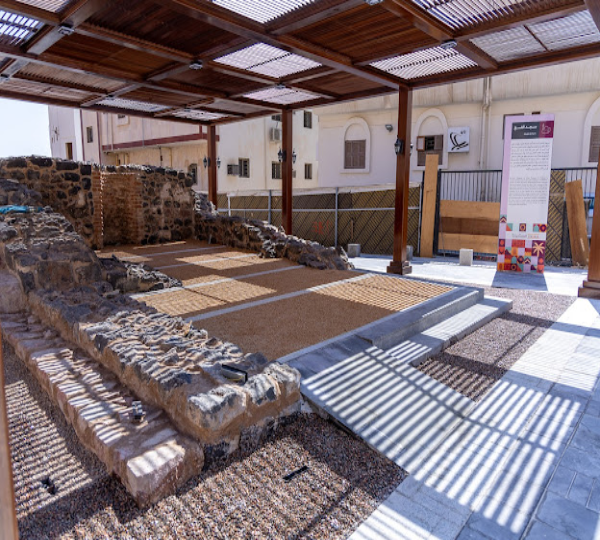
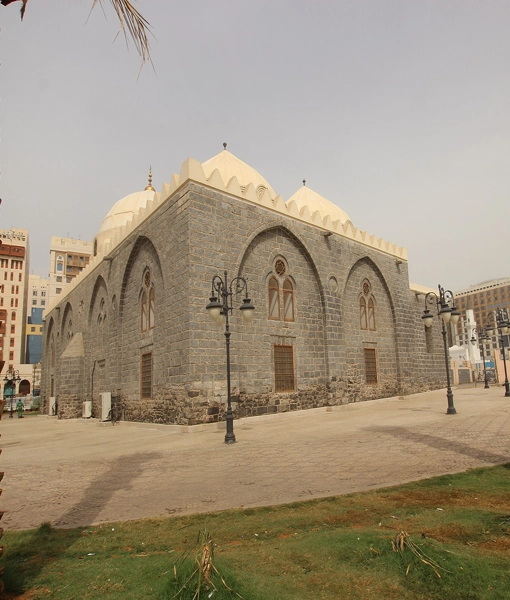
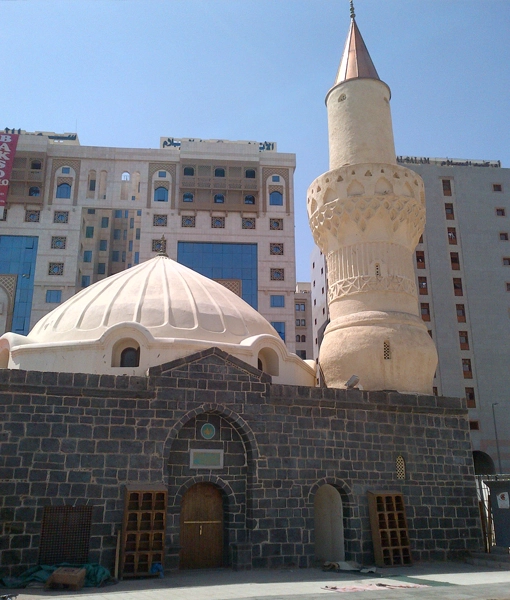
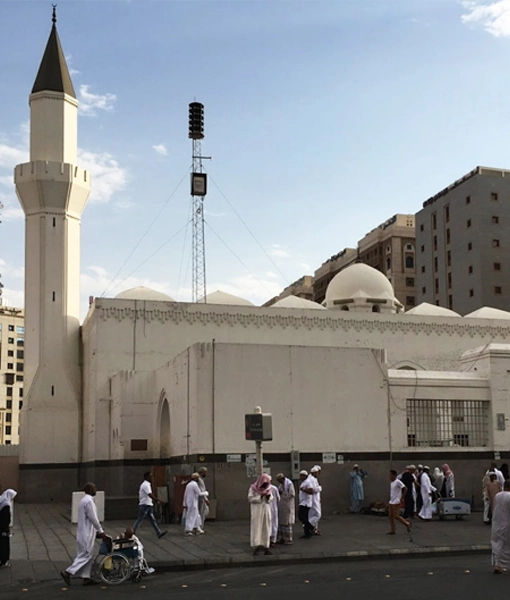
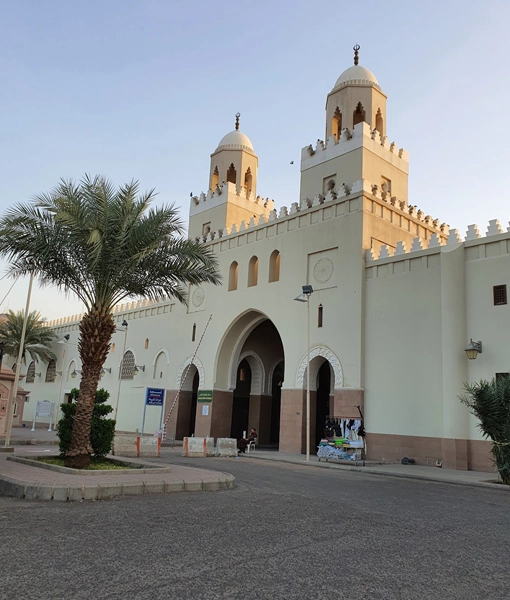
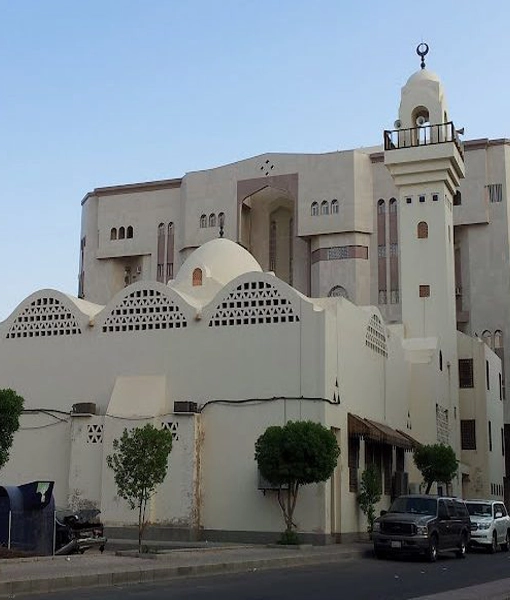
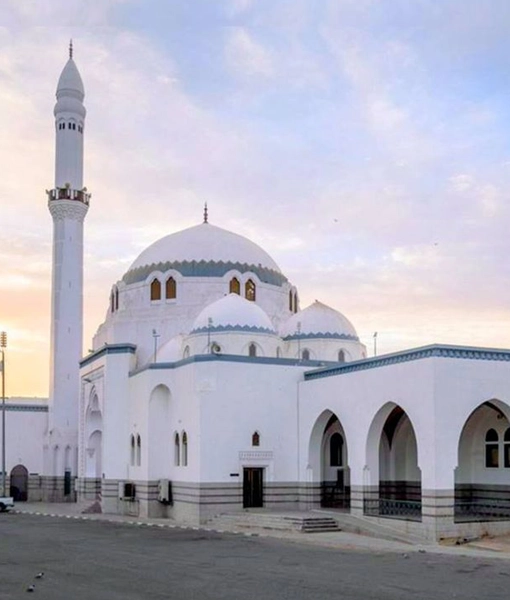
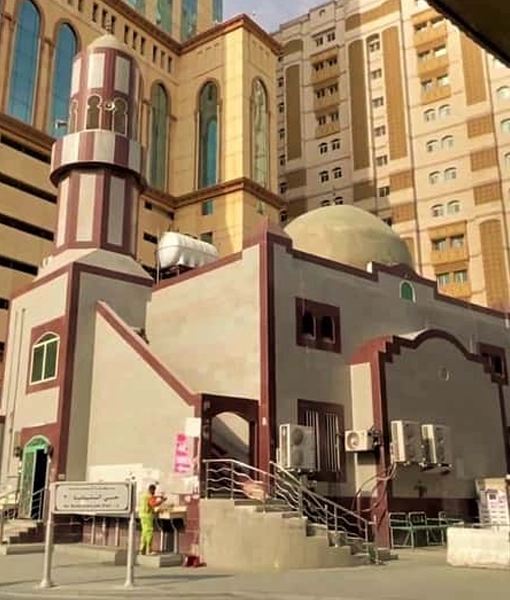
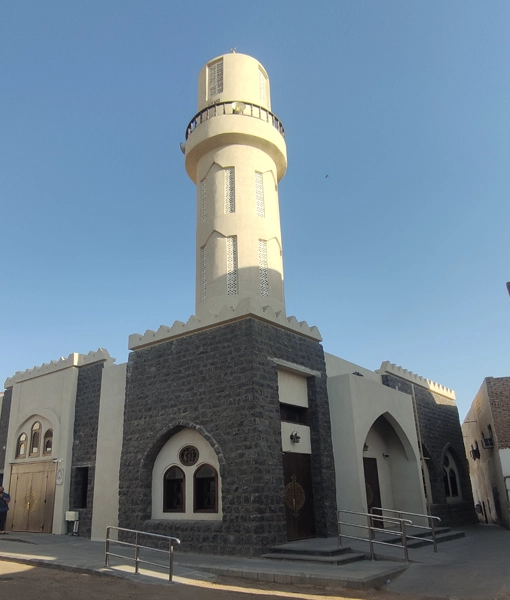
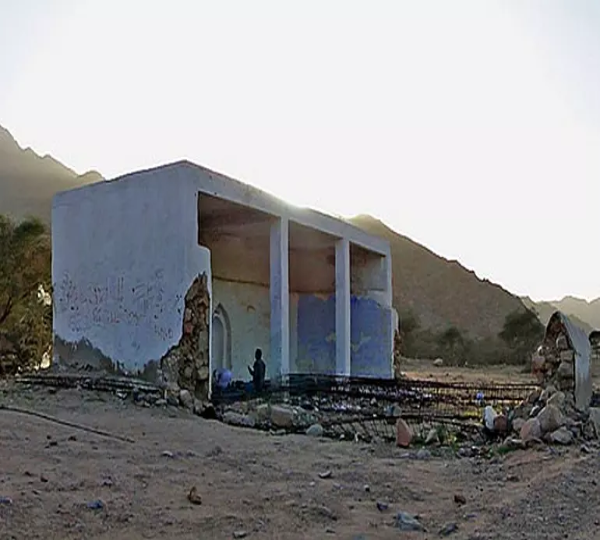
  • Architectural Features & Development: Like the other mosques in the “Seven Mosques” complex, it has been rebuilt and renovated several times over the centuries. The current structure is relatively small and simple, designed to be a functional place of worship while preserving its historical significance. It is part of a larger, renovated complex with a modern main mosque.
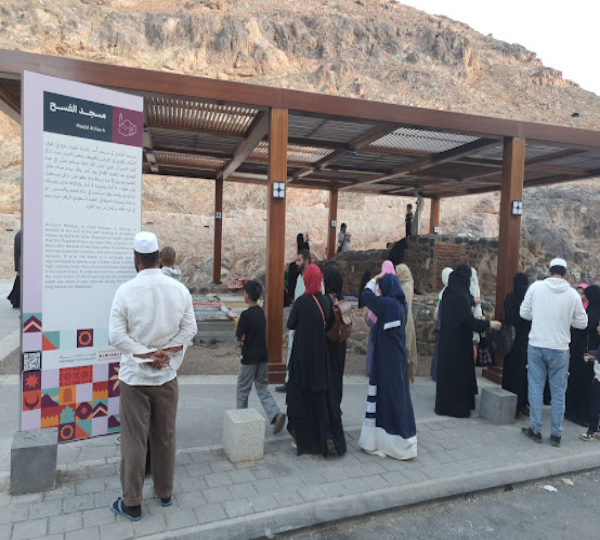
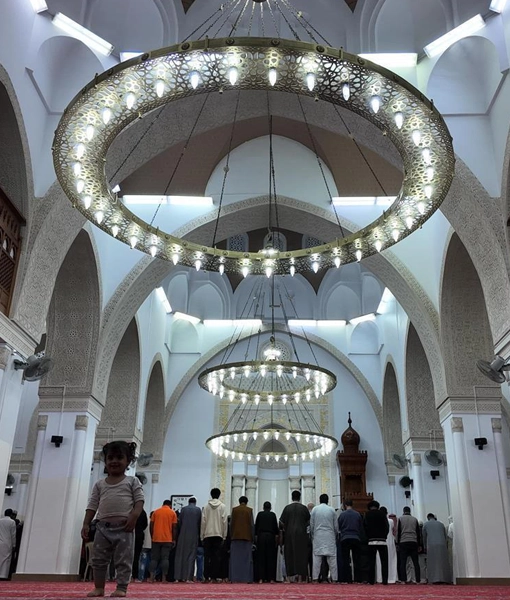
  • Current Status for Pilgrims: The mosque is an active place of worship. It is a popular Ziyarat site for pilgrims visiting the area of the Battle of the Trench. It offers a quiet place for reflection and prayer, allowing visitors to connect with the specific hardships and prayers of the Prophet (S.A.W.) during the siege.

I have more than enough information to construct a detailed blog post that follows the requested format. I will now proceed with writing the content, blending the history with the location and the pilgrim’s experience, as I did for the previous topics. The blog post will include an introduction, sections on the mosque’s name and location, the pivotal historical event, its architecture, and a conclusion for pilgrims.# Masjid al-Fasah: A Sanctuary of Sincere Supplication

On the slopes of Mount Sila’ in Madinah, overlooking the historical site of the Battle of the Trench, stands a mosque with a name that whispers a story of grace and divine acceptance. This is Masjid al-Fasah, a name that can be interpreted to mean “elegance” or “purity.” This mosque is not only a historical landmark but a sacred space that witnessed the Prophet Muhammad’s (S.A.W.) sincere prayer during a time of great hardship. For any pilgrim, visiting this sanctuary is a powerful invitation to contemplate the depth of the Prophet’s (S.A.W.) trust in Allah and the solace of prayer in the face of immense adversity.

The Location of a Prophetic Stand

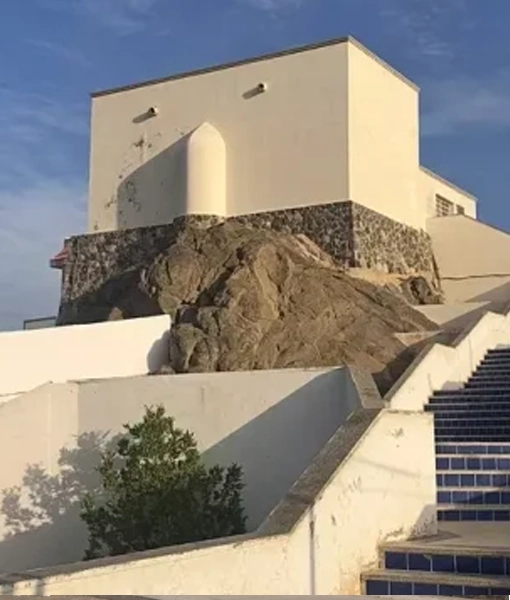
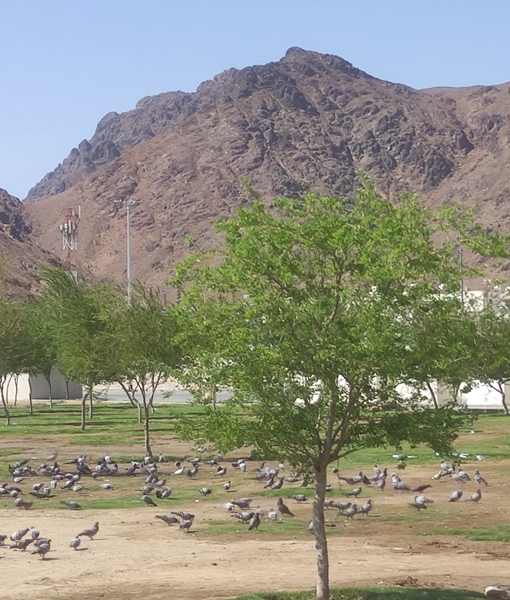
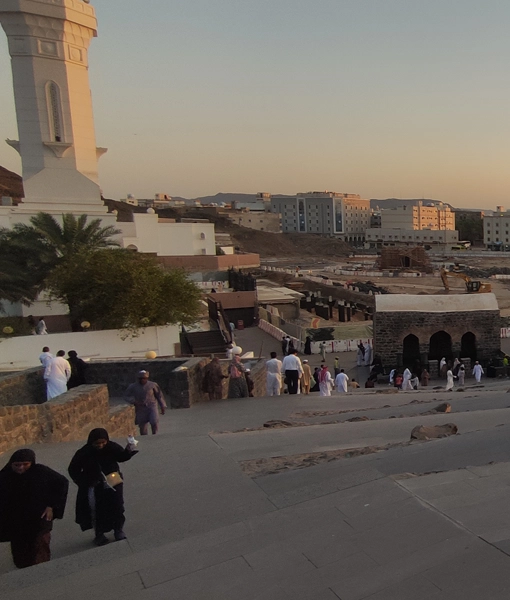
Masjid al-Fasah is located within the cluster of small, historic mosques often referred to as the “Seven Mosques,” all situated near the site of the Battle of the Trench (Ghazwat al-Khandaq). Its position on the western slope of Mount Sila’ is particularly significant. During the siege, this was a key strategic point where the Muslims were encamped, with the trench providing a barrier against the overwhelming enemy forces.

The ground here, like the rest of the battlefield, tells a story of immense patience and hardship. The Prophet (S.A.W.) and his companions endured a long, difficult siege, with harsh weather and a constant threat from the enemy. It was in this very environment that the Prophet (S.A.W.) would retreat to this specific spot to perform his prayers and make heartfelt supplications to Allah.
A Prayer of Purity and Devotion

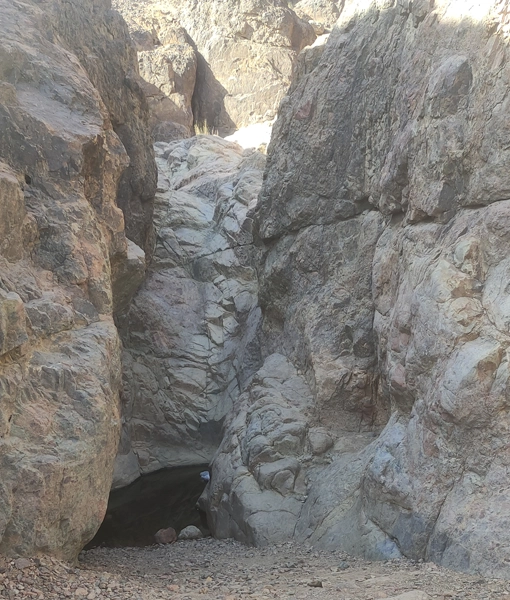
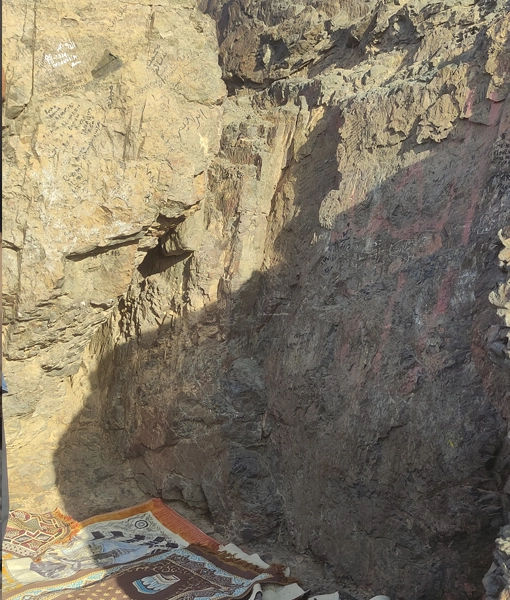
The most famous tradition associated with Masjid al-Fasah is the story of the Prophet’s (S.A.W.) prayer here during the Battle of the Trench. It is said that he would spend a great deal of time in this very place, in deep communion with Allah. The ground was hard and rocky, but it is narrated that due to the sincerity and purity of his intention, the earth softened for him to allow for a comfortable and complete prostration (sujood). This divine act of grace gave the mosque its name, a tribute to the elegance and ease that were bestowed upon the Prophet (S.A.W.) in his prayer.

This miracle is a powerful reminder that the purity of one’s intention can transform even the most difficult circumstances. It highlights the Prophet’s (S.A.W.) profound connection with Allah, a bond so strong that the physical world responded to his devotion. For a pilgrim, standing in this place, one is moved to reflect on the importance of sincerity in every act of worship, for it is the sincerity that makes a prayer truly beautiful and acceptable to Allah.

An Architectural Journey of Preservation

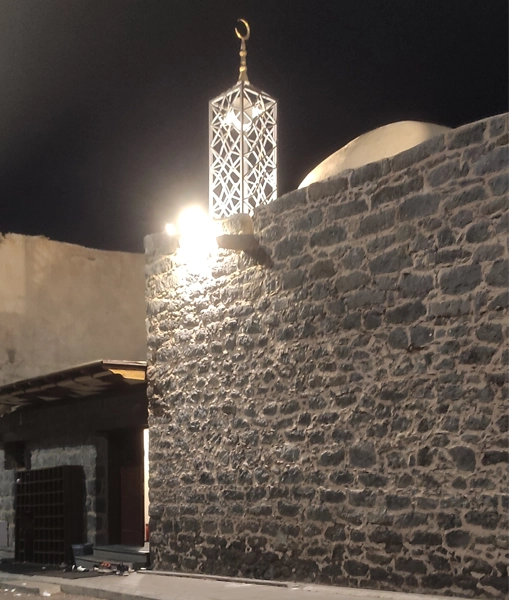
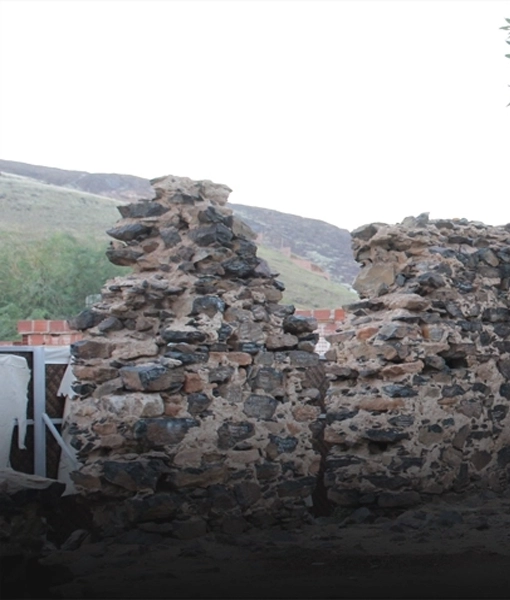
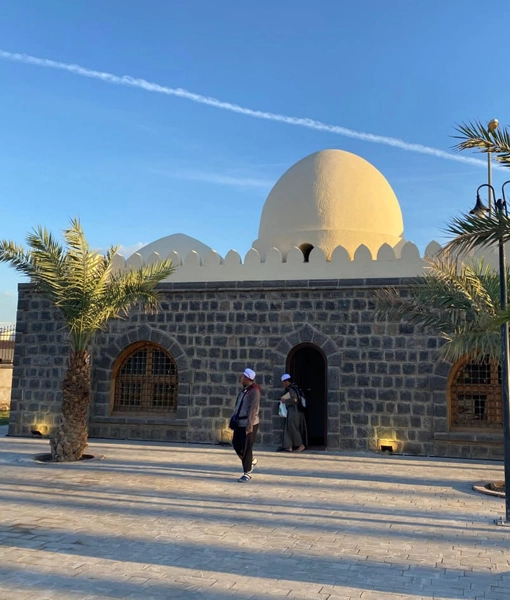
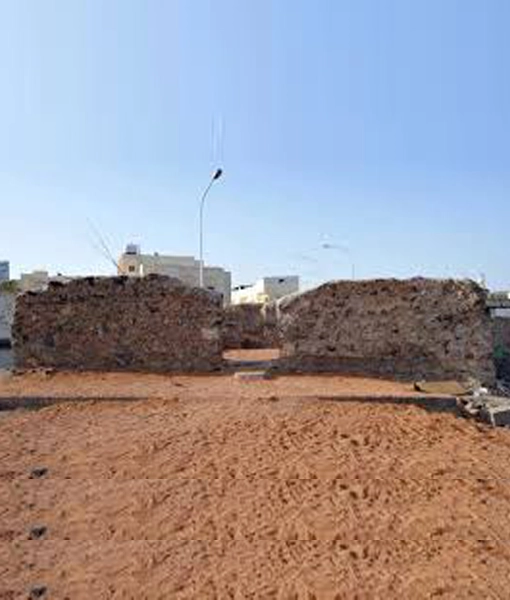
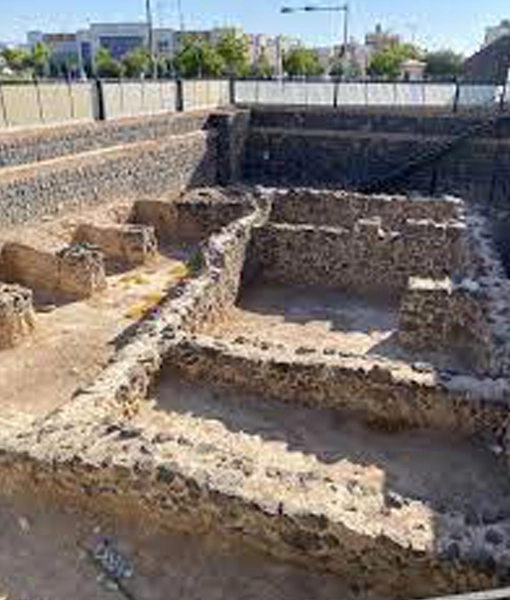
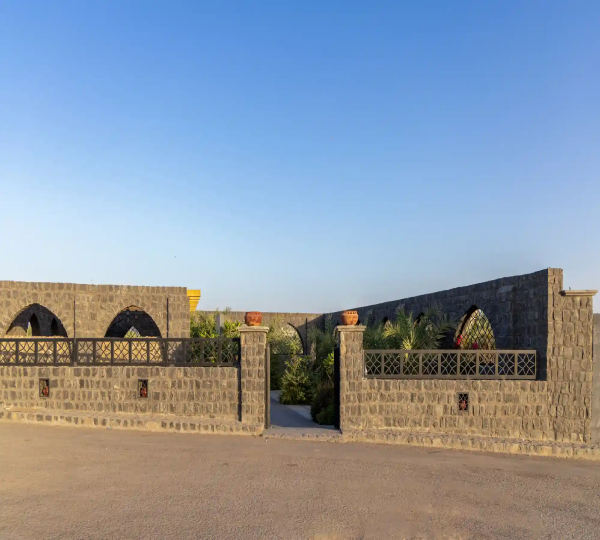
Masjid al-Fasah, like the other mosques in this historical cluster, began as a simple prayer spot marked by stones. Over the centuries, its spiritual importance led to the construction of a permanent structure to honor the site. The mosque has been rebuilt and renovated numerous times, with the current building being a small, elegant structure that is well-maintained and open for visitors.

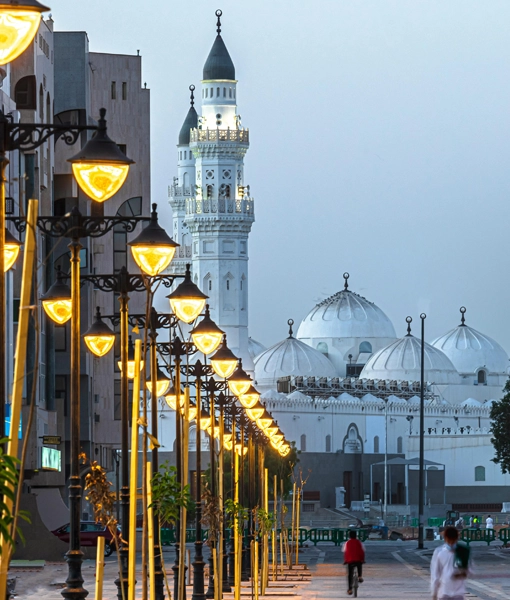
The mosque is part of a larger, renovated complex that includes a modern main mosque, but the smaller, historic structures like Masjid al-Fasah have been carefully preserved. Its modest size and simple design are a testament to its spiritual significance, serving as a functional place of worship for pilgrims who come to connect with the history of the Battle of the Trench.

The Pilgrim's Experience: A Call to Sincere Faith

For pilgrims visiting Madinah, a stop at Masjid al-Fasah is a deeply moving experience. The site is a key part of the Ziyarat tour of the battlefield, which also includes the mosque of Ali ibn Abi Talib and the main Al-Fath mosque.

As you stand on the slopes of Mount Sila’, you can almost feel the presence of the early Muslims who endured immense hardship for the sake of their faith. Masjid al-Fasah provides a quiet, introspective space to contemplate the Prophet’s (S.A.W.) immense patience, his unwavering trust in Allah, and his profound devotion. Offering a prayer here is an act of connecting with that sacred moment of sincere supplication and a pledge to emulate the Prophet’s (S.A.W.) example in one’s own life.

A Legacy of Prayer and Purity

Masjid al-Fasah is more than a historical landmark; it is a timeless symbol of the power of sincere prayer and the rewards of unwavering faith. It reminds every believer that even in the face of overwhelming odds and physical hardship, the human heart can find solace in a deep connection with Allah. For all who visit, this sacred sanctuary is a call to purify their intentions, to seek elegance in their devotion, and to find hope in the knowledge that every heartfelt prayer is answered by the most merciful of Lords.

Other Ziyarat You Should Know