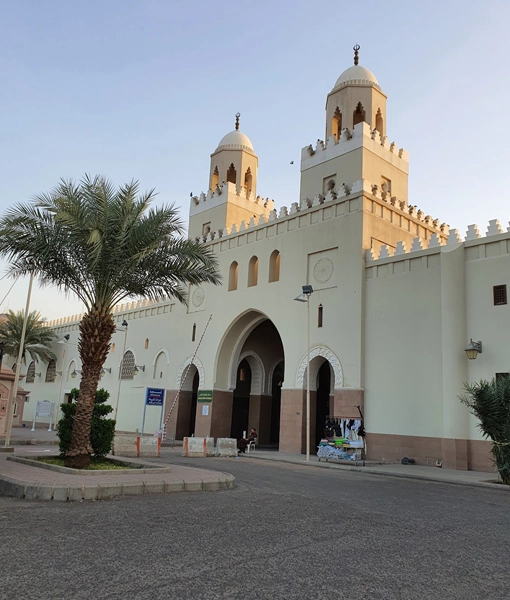
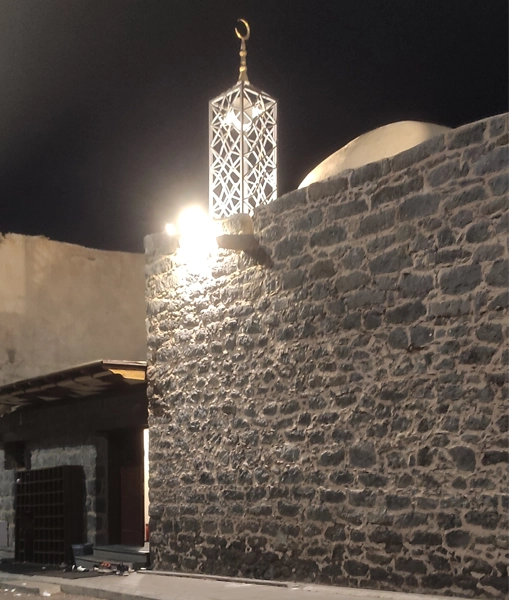
Cave of Bani Haram (Ghaar-e-Sajdah)

كهف بني حرام

Ziart Overview

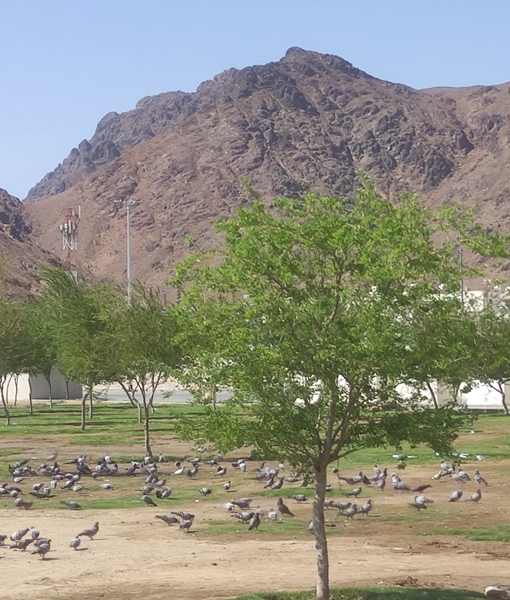
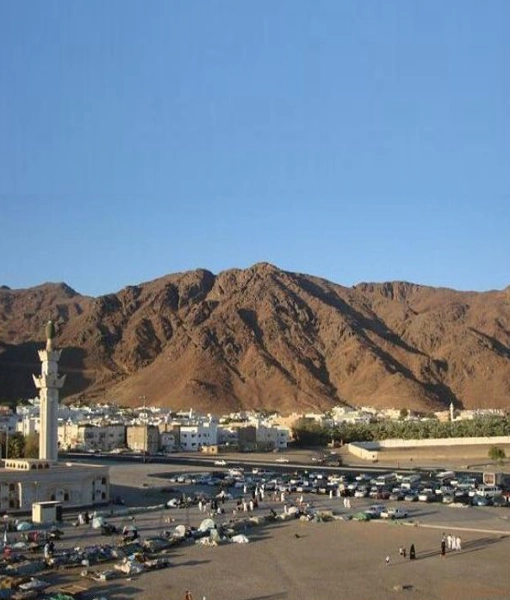
  • Location: The cave is located in the area of Bani Haram, on the side of Mount Sila’ (Sila’ Mountain) in Madinah, close to the area of the Battle of the Trench.
  • Historical Significance: The cave is named after the Bani Haram clan, who were Ansar living in this area. Its spiritual name, “Ghaar-e-Sajdah” (Cave of Prostration), is derived from a moment of profound devotion by the Prophet Muhammad (S.A.W.). It is believed that the Prophet (S.A.W.) would retreat to this small cave for moments of solitary prayer and supplication, especially during the hardship of the Battle of the Trench.
  • The Event: During the long and strenuous siege of Madinah, the Prophet (S.A.W.) would often seek quiet moments to communicate with his Lord. This cave provided him with a private space. It is believed that he performed a long prostration (sujood) here, thanking Allah for His help and seeking His intervention against the enemy forces.
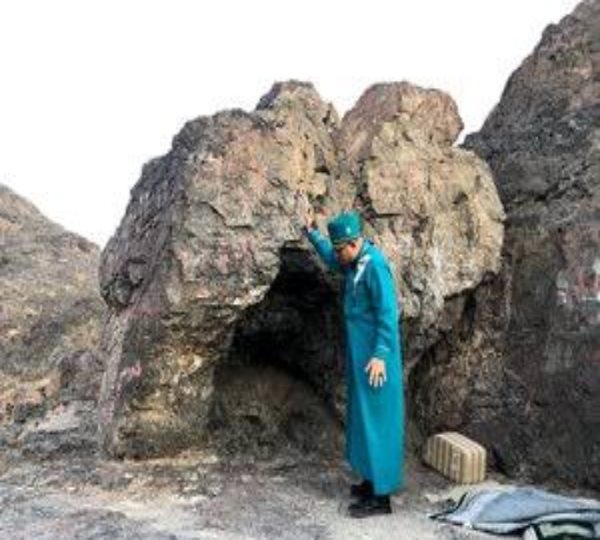
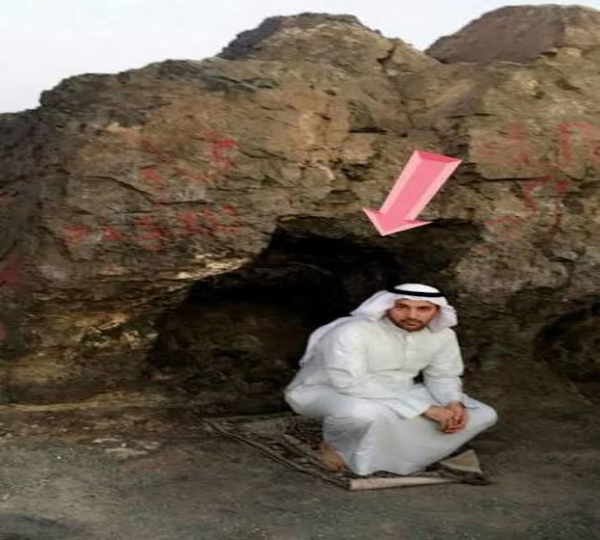
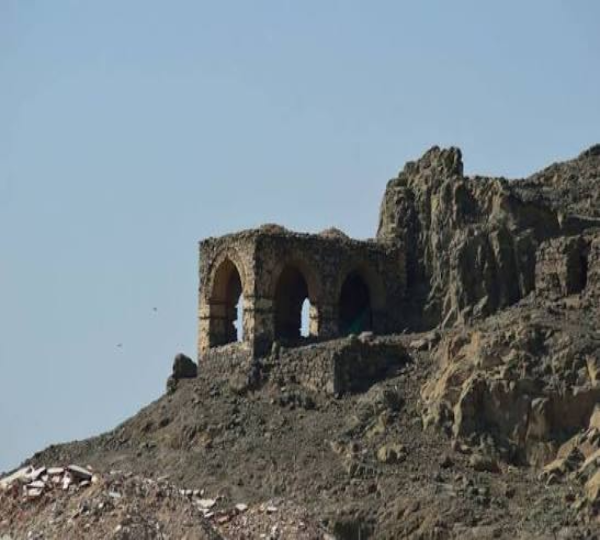
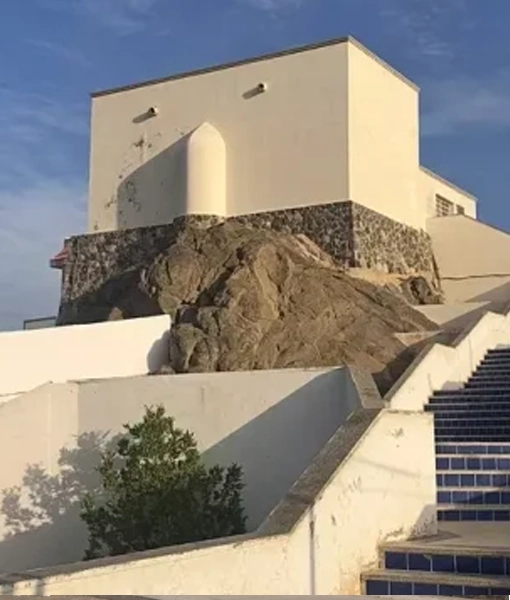
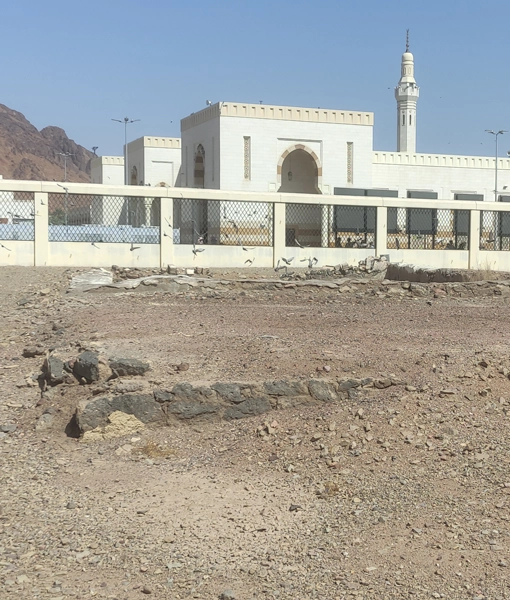
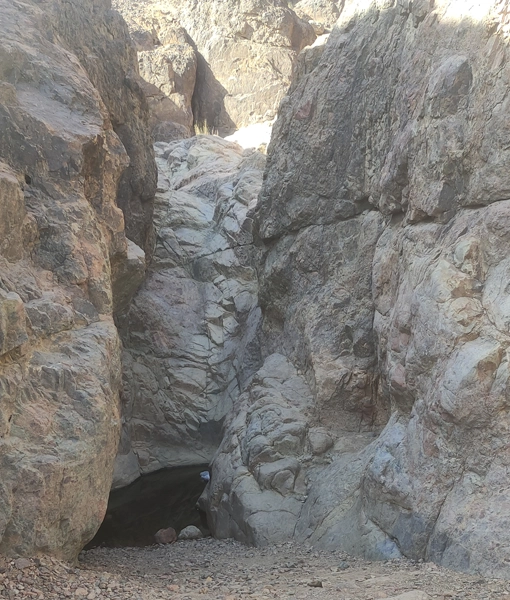
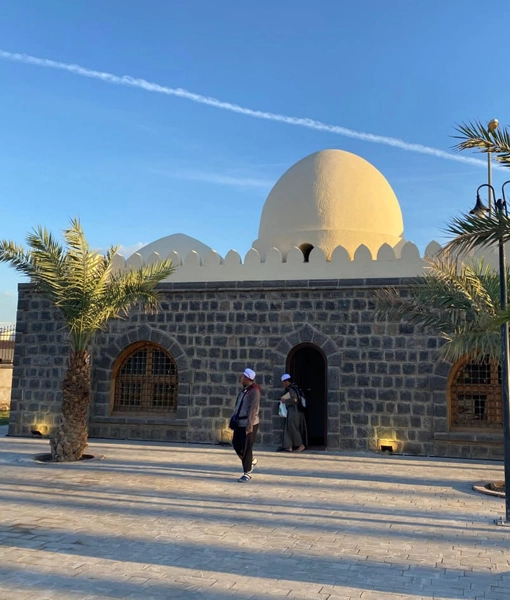
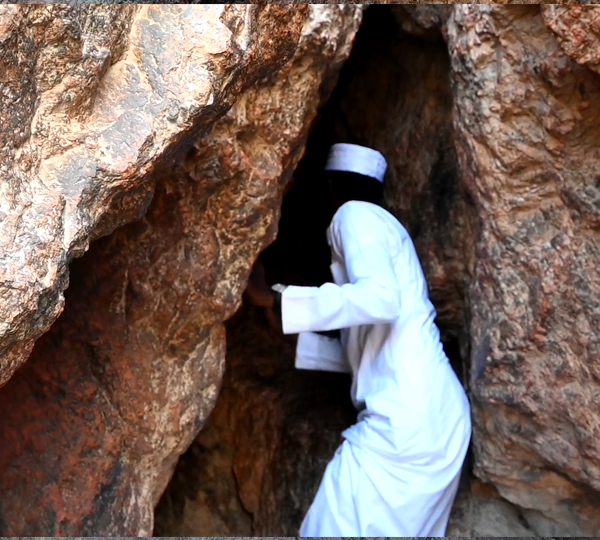
  • Current Status for Pilgrims: The cave is a historical landmark and a Ziyarat site. It is a very small natural formation on the slope of Mount Sila’. Pilgrims visit the area to reflect on the immense spiritual struggles of the Prophet (S.A.W.) and his companions. Due to its location on the mountain slope, access is often difficult, and it is primarily viewed from the vicinity of the Seven Mosques.
  • The Spiritual Message: The cave symbolizes the importance of turning to Allah in private supplication during times of trial and the power of devotion and patience.

High on the slopes of Mount Sila’ in Madinah, near the historic ground of the Battle of the Trench, lies a small, silent sanctuary carved into the rock. This is the Cave of Bani Haram, known by the spiritual title Ghaar-e-Sajdah (The Cave of Prostration). It is a place hallowed not by the noise of battle, but by the stillness of a Prophet’s heartfelt supplication. For any pilgrim, visiting this sacred spot is a profound connection to the inner spiritual life of the Prophet Muhammad (S.A.W.)—a reminder of the immense power of turning to Allah in solitude during times of ultimate trial.

The Location of a Spiritual Retreat

The Cave of Bani Haram is located on the side of Mount Sila’, overlooking the entire area of the Battle of the Trench. The surrounding land belonged to the loyal Bani Haram clan of the Ansar, who played a crucial role in defending Madinah. The cave’s location was strategic, yet secluded, providing a clear view of the city’s defenses while remaining a private space for contemplation.

The spiritual name, Ghaar-e-Sajdah, is its most important distinction. It signifies a moment of deep, personal devotion. This small, unadorned cave became a retreat for the Prophet (S.A.W.), a personal sanctuary where he could seek solace and strength from Allah during the most challenging days of the siege.

The Long Prostration: A Source of Strength

The story of the Cave of Bani Haram is inextricably linked to the immense spiritual struggle of the Battle of the Trench. The siege was long and brutal, marked by freezing cold, hunger, and the constant psychological pressure of a massive, united enemy force. While the Prophet (S.A.W.) maintained an outward appearance of unwavering command, he also knew where to find ultimate strength.

It is believed that he would retreat to the quiet solitude of this small cave for extended periods of prayer and supplication. The climax of this devotion is the tradition that he performed a prolonged prostration (sujood) here, raising his hands in prayer, humbling himself completely before Allah, and asking for divine intervention against the Confederate forces. This profound act of surrender and gratitude at the height of the crisis cemented the cave’s identity as the “Cave of Prostration.”

This event is a powerful lesson for every believer: that even the Prophet (S.A.W.), in the most stressful and life-threatening of circumstances, found his ultimate solace and strategy in turning away from the world and towards his Creator. His lengthy prostration here demonstrates the immense power of private devotion and the deep spiritual discipline that sustains a leader.

The Physical and Spiritual State of the Cave

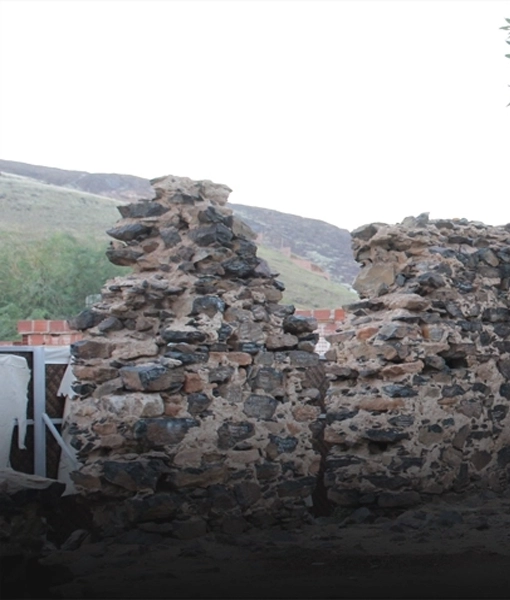
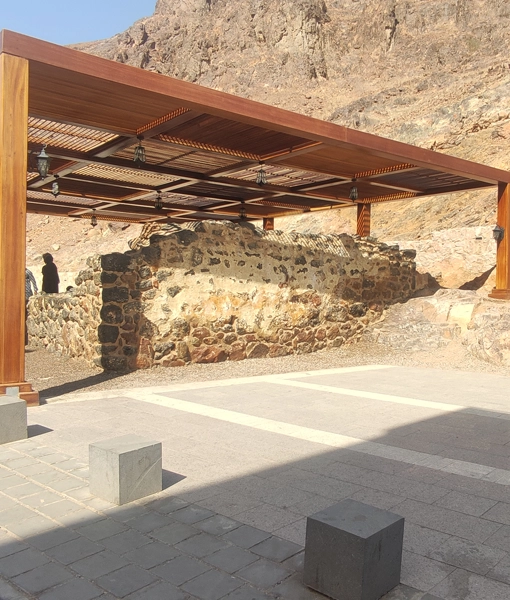
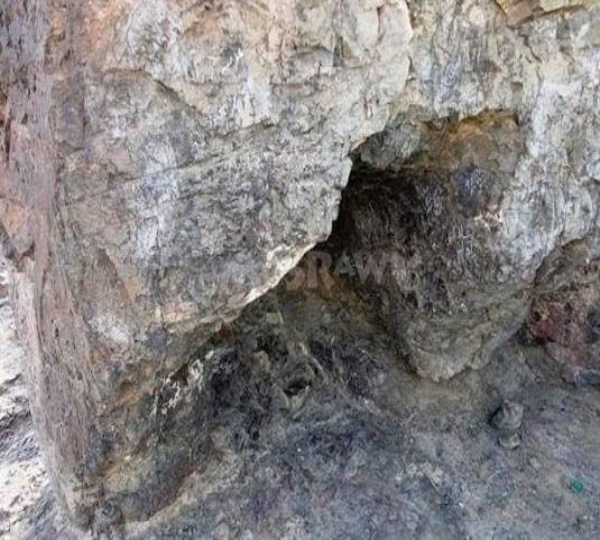
As a natural formation on the slope of Mount Sila’, the cave itself is a small, unadorned opening. Due to its location on a rocky slope, it is not easily accessible to the general public, and pilgrims are usually advised to view the cave and the surrounding area from the safety of the ground below, near the Seven Mosques. This inaccessibility adds to its aura of sanctity and privacy.
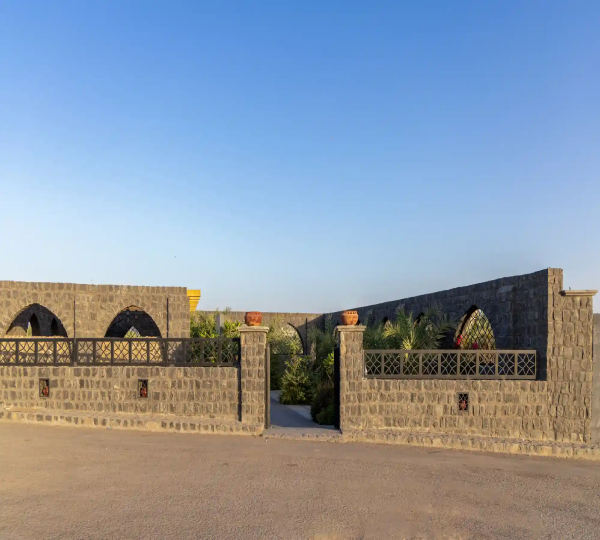
The very physical state of the cave—a natural, humble shelter—reminds us that the places of greatest spiritual significance are often the most simple. Its lack of any grand architecture or man-made structure ensures that the focus remains entirely on the spiritual act that consecrated it: the sincere prostration of the Prophet (S.A.W.).

The Pilgrim's Experience: A Call to Intimacy

For pilgrims visiting Madinah, the sight of the Cave of Bani Haram is a deeply moving experience. It is a moment to connect with the immense spiritual battles fought by the Prophet (S.A.W.) in his heart. It is a reminder that faith requires not only public action but also private devotion and retreat.

Standing in the area and gazing toward the cave, one is compelled to reflect on their own spiritual discipline. Offering a prayer in the vicinity is an act of following the Prophet’s (S.A.W.) example, a pledge to seek solace and strength in deep, sincere supplication when facing personal trials.

A Legacy of Devotion and Patience

The Cave of Bani Haram is more than a historical landmark; it is a timeless symbol of devotion, patience, and the ultimate power of sincere prayer in solitude. It reminds us that true strength lies in humility and complete surrender to Allah’s will. For all who visit this sacred slope, Ghaar-e-Sajdah is a beacon of inspiration, a place where a Prophet’s private prostration became a public victory for the entire Muslim Ummah.

Other Ziyarat You Should Know