Al Mehrás – The Spring in Uhud

المهراس – ربيع أحد

Ziart Overview

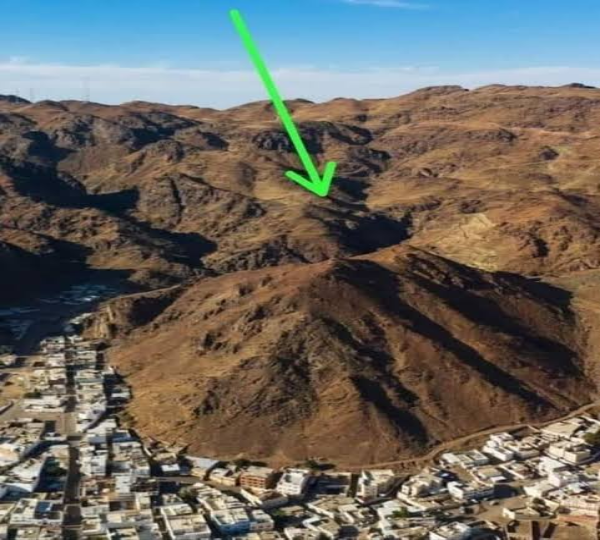
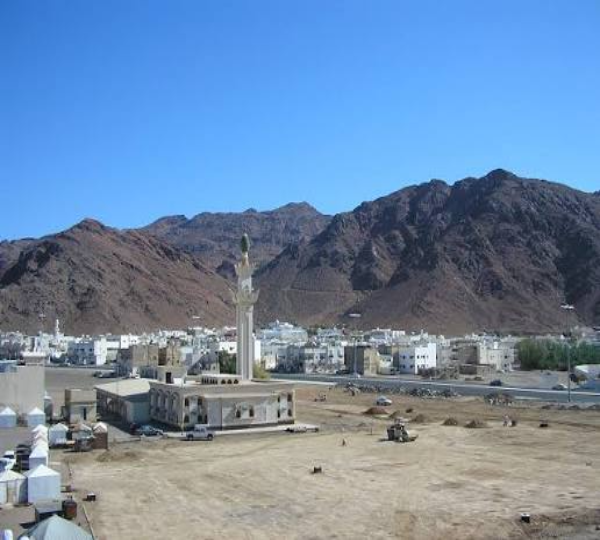
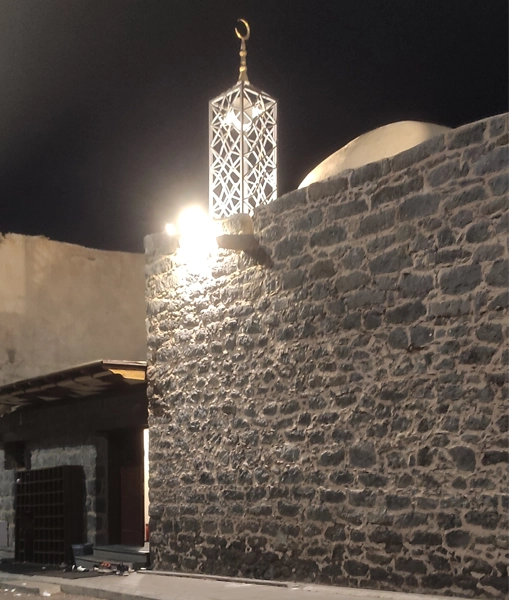
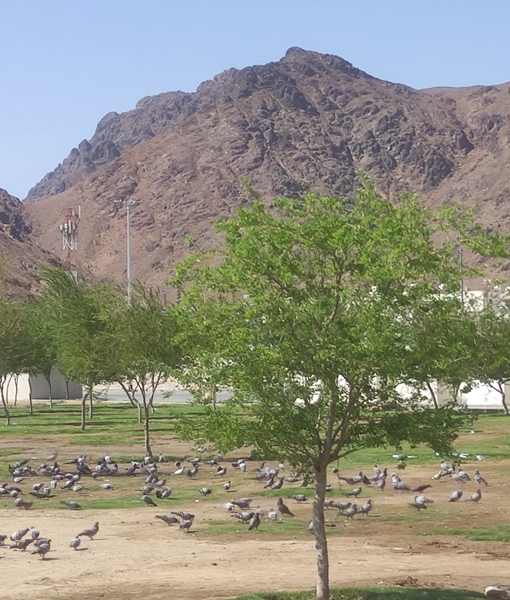
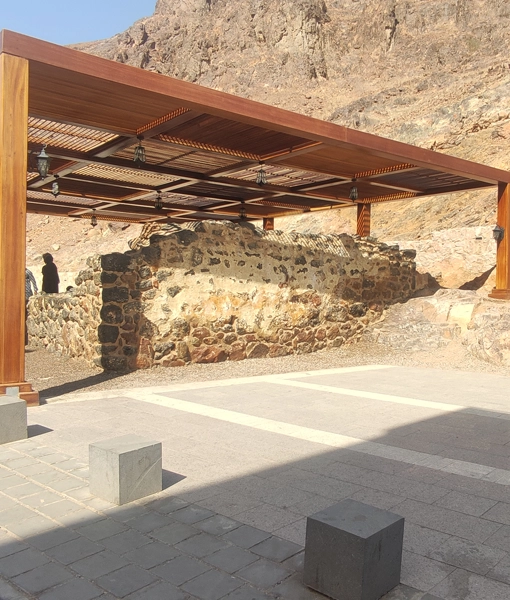
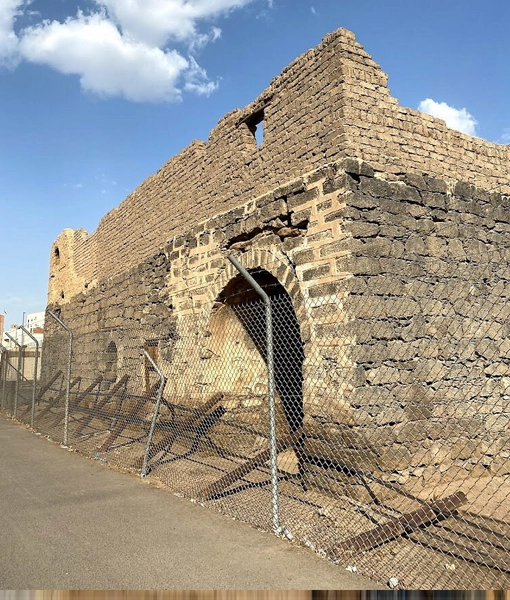
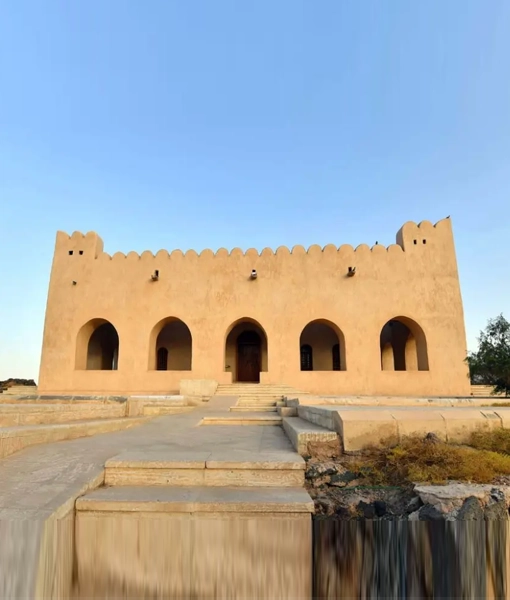
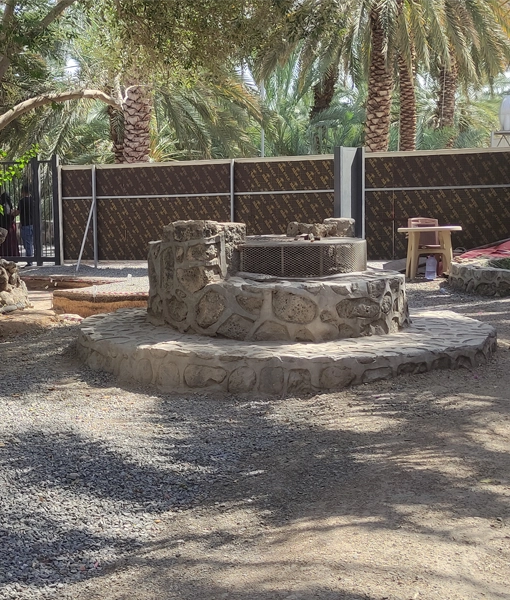
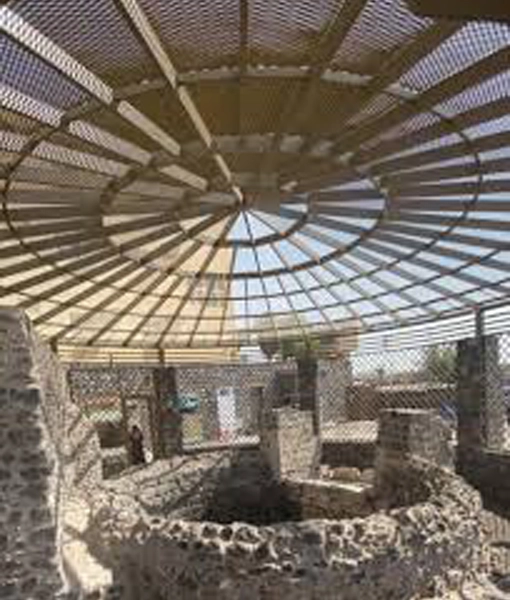
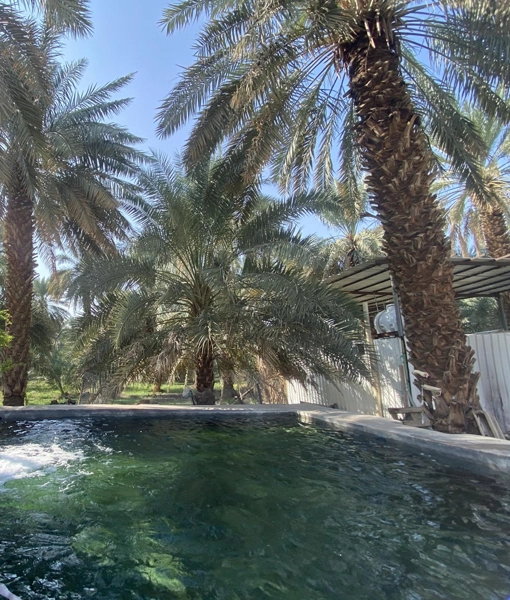
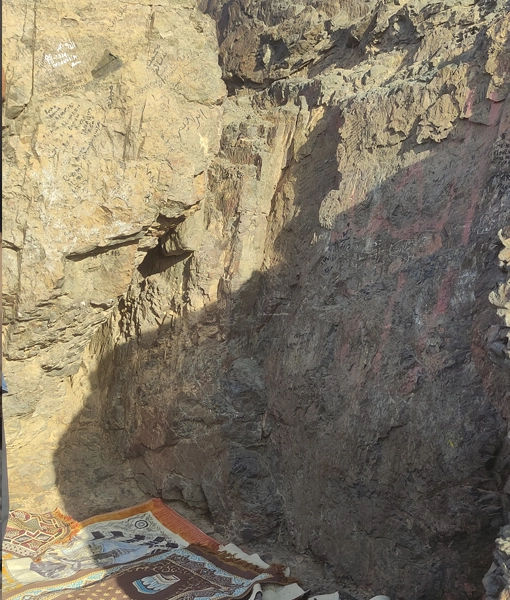
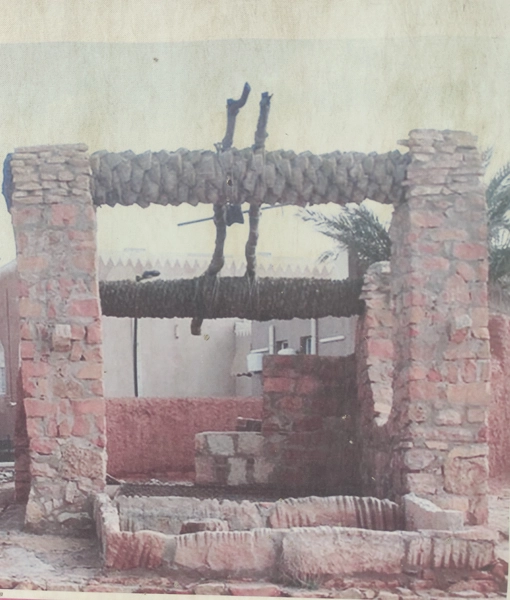
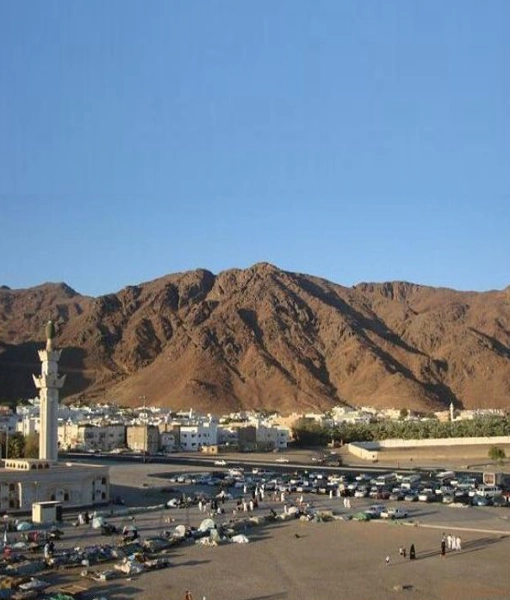
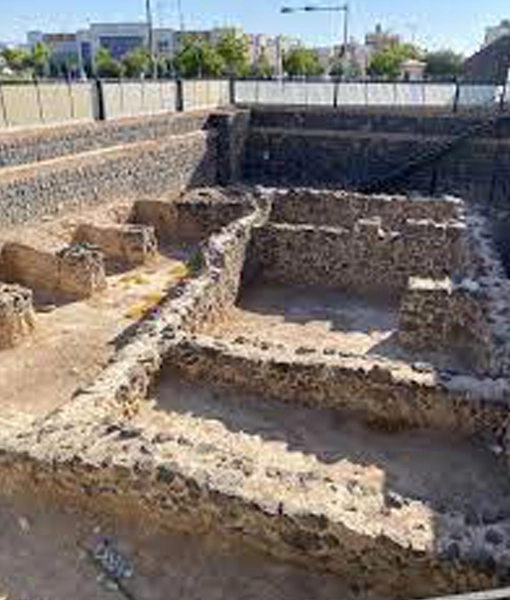
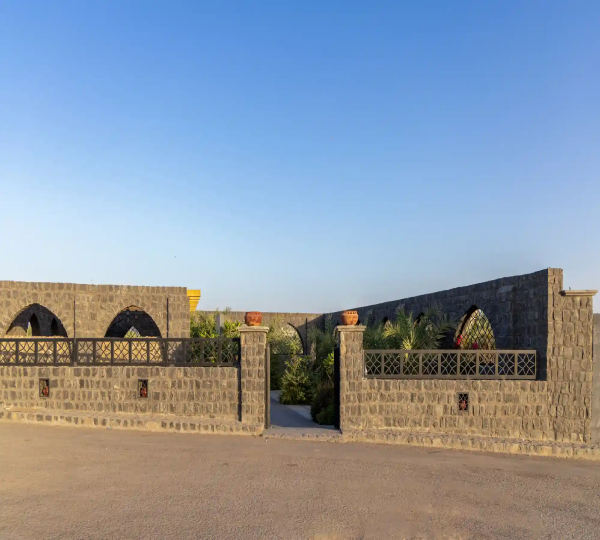
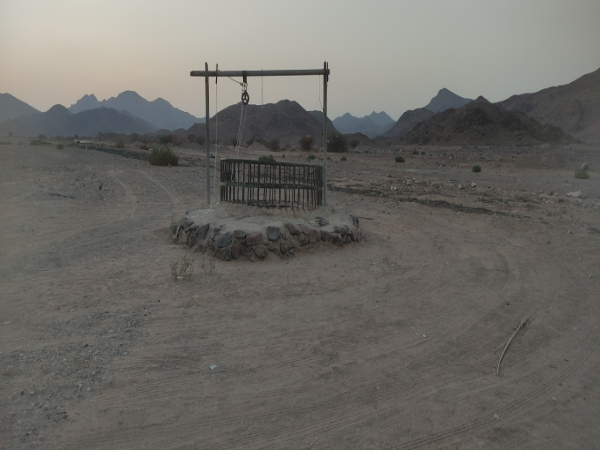
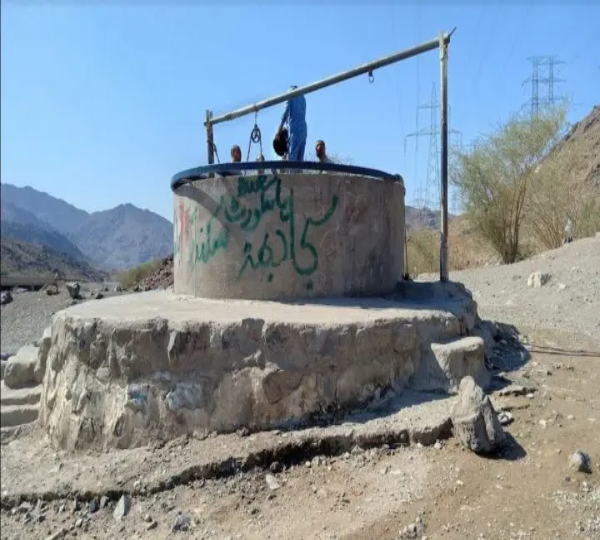
  • Location: Al-Mehrás is located at the foot of Mount Uhud, near the site of the Battle of Uhud. It is often described as a small, rocky spring or well.
  • Historical Significance: Its name, “Al-Mehrás,” is a rare term for a spring, well, or a place where water collects. Its spiritual significance stems from a deeply emotional and painful moment in the life of the Prophet Muhammad (S.A.W.) during the Battle of Uhud. After the tide of the battle turned against the Muslims, the Prophet (S.A.W.) was severely injured. His blessed face was cut, his tooth was broken, and his helmet was shattered. Exhausted and bleeding, he found refuge in a gully on the mountain. At this spot, his companion, Fatima (R.A.), his daughter, and Ali (R.A.) tended to his wounds. They brought water from a nearby spring to wash his face, and it is believed that this spring was Al-Mehrás.
  • The Emotional Weight: The story of Al-Mehrás is not about victory, but about resilience and immense sacrifice. It is a stark reminder of the physical suffering the Prophet (S.A.W.) endured for the sake of his faith and his community.
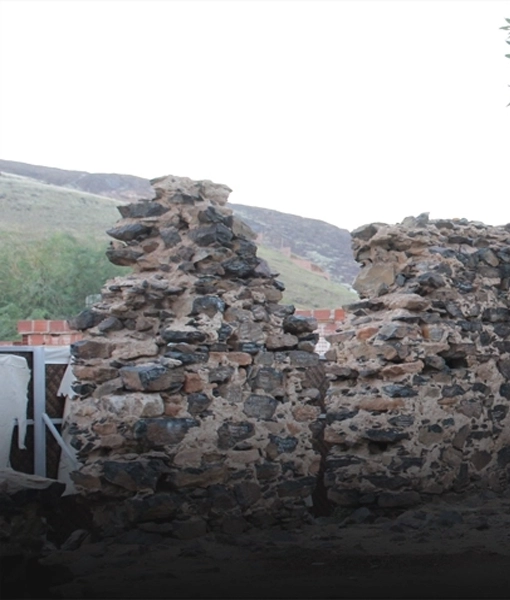
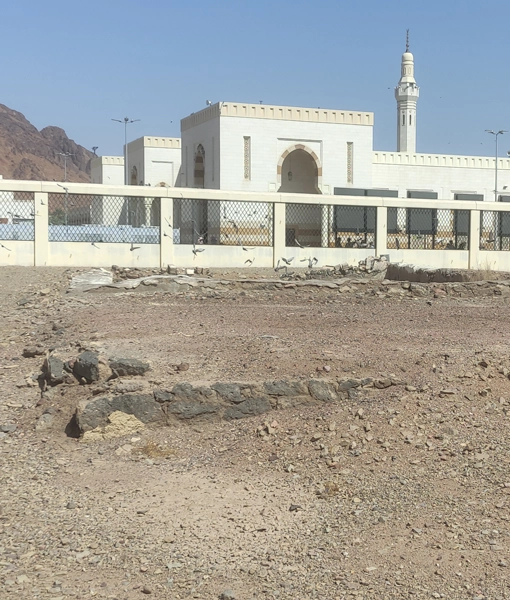
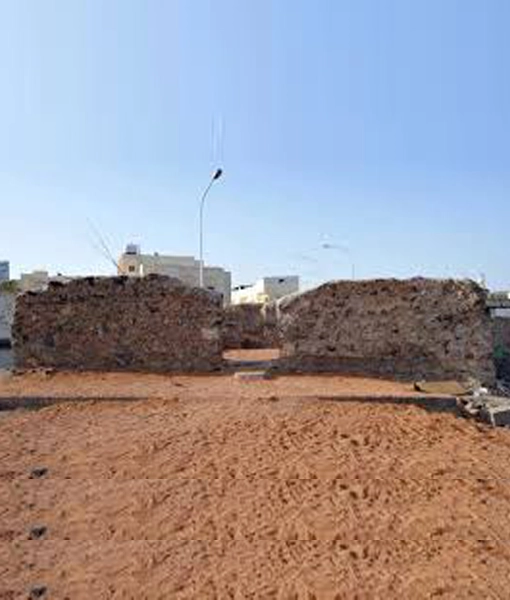
  • Current Status for Pilgrims: The spring no longer flows in the same way, and the exact spot is difficult to pinpoint due to the terrain and urban development. However, the general area is known and is part of the pilgrimage trail around Mount Uhud. The site is a popular, though not always clearly marked, place for pilgrims to stop and reflect on the Prophet’s (S.A.W.) suffering and the ultimate price of devotion.
  • The Lesson: The site serves as a profound lesson in the reality of jihad, the immense sacrifices required to uphold the truth, and the unwavering steadfastness of the Prophet (S.A.W.) even in the face of immense physical pain.

I have more than enough information to construct a detailed blog post that follows the requested format. I will now proceed with writing the content, blending the history with the location and the pilgrim’s experience, as I did for the previous topics. The blog post will include an introduction, sections on the spring’s location and its name, the pivotal historical event, its current state, and a conclusion for pilgrims.# Al-Mehrás: The Spring of Resilience

At the foot of the magnificent Mount Uhud, a landscape hallowed by the bravery of the early Muslims, lies a place of profound emotional significance. It is not a mosque, nor a cemetery, but a humble spring known as Al-Mehrás. Its name, a rare term for a watering place, carries within it a story of immense pain, unflinching devotion, and the unyielding resilience of the Prophet Muhammad (S.A.W.). For any pilgrim, visiting this site is a poignant reminder that the path of faith is not without its hardships, and that even the most blessed among humanity endured suffering for the sake of truth.

The Location of a Prophetic Trial

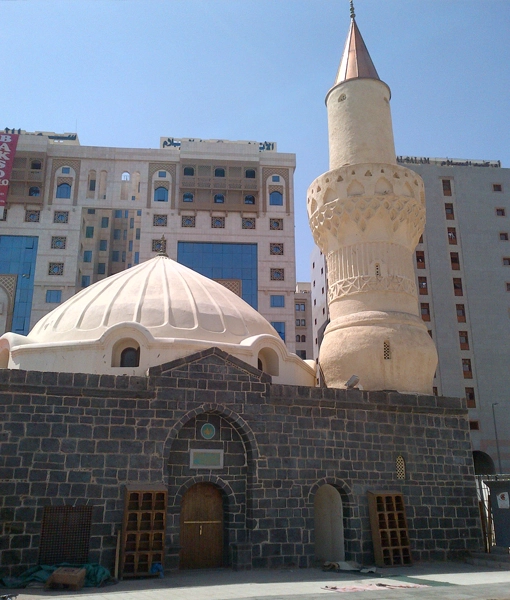
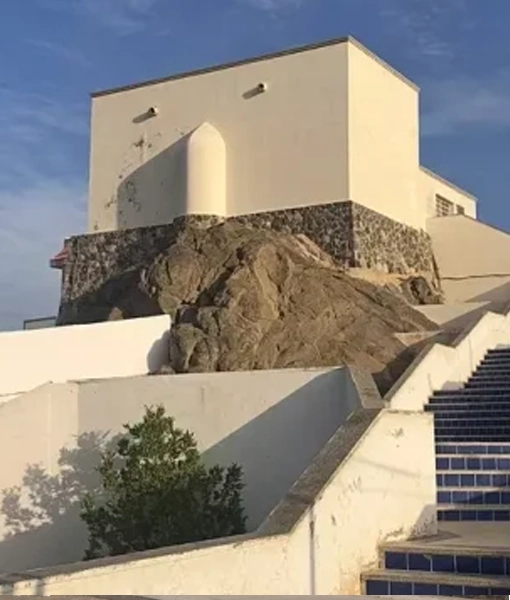
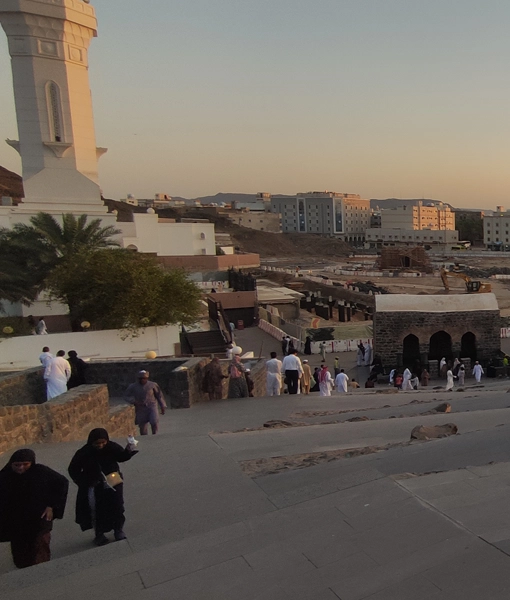
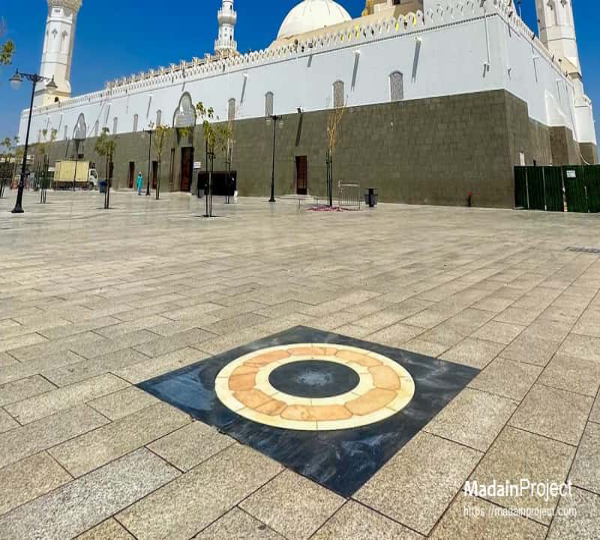
Al-Mehrás is situated on the hallowed ground of the Uhud battlefield, nestled near the foot of the mountain itself. While the area has changed over the centuries due to urban development and the vast crowds of pilgrims, the general location of the spring remains a point of deep spiritual and historical significance. Its proximity to the main battlefield of Uhud makes it a natural and essential stop on any pilgrim’s journey, offering a moment to reflect on the immense sacrifices made here.

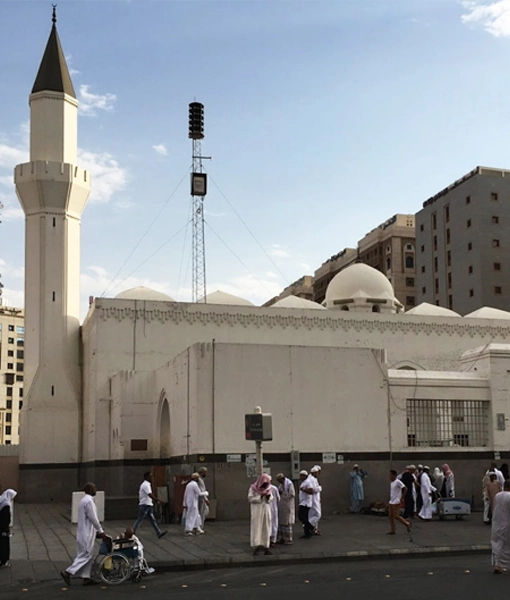
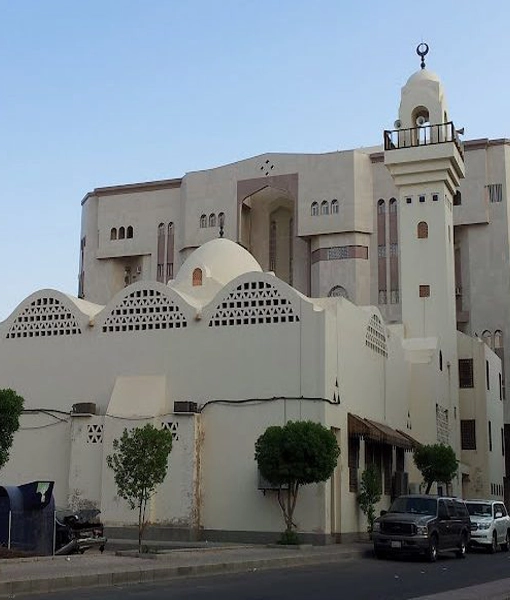
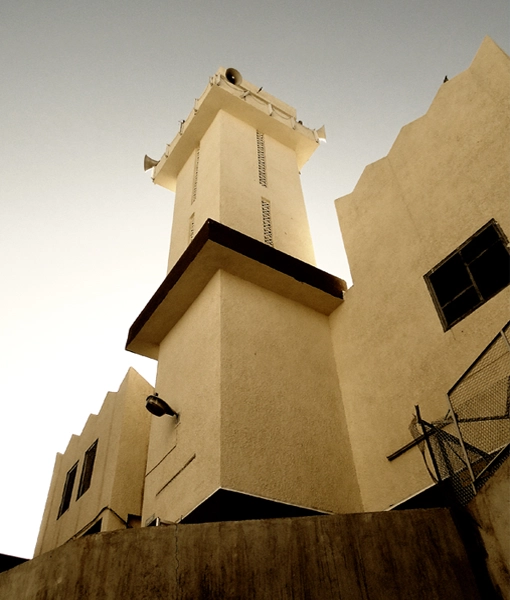
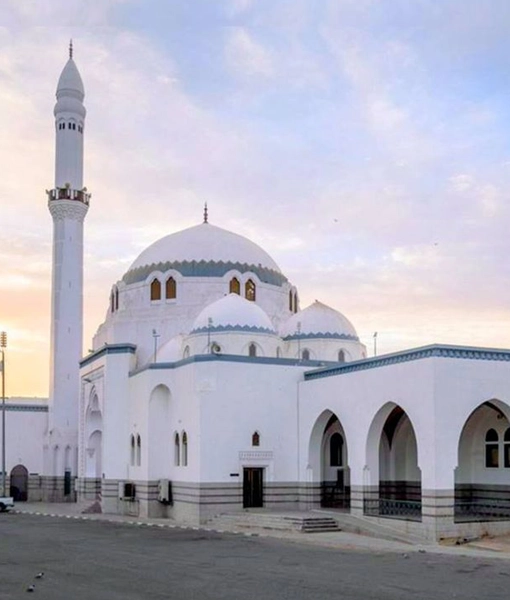
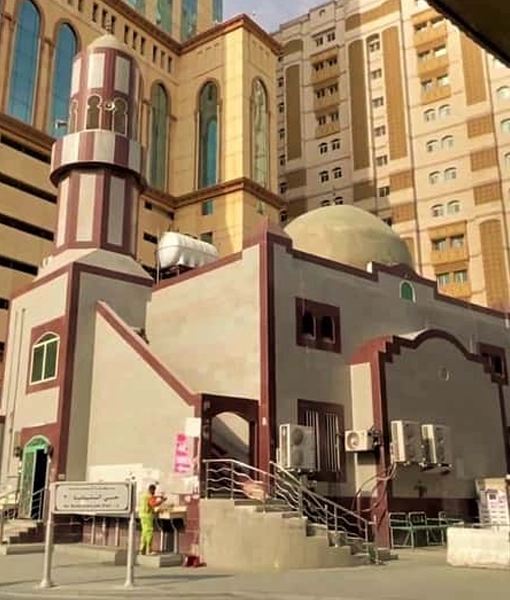
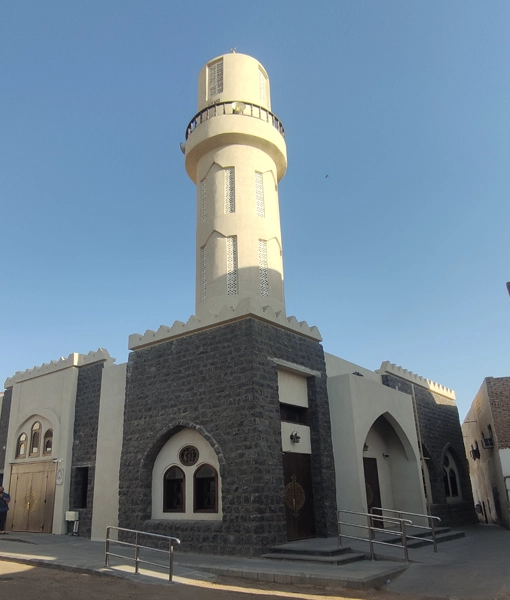
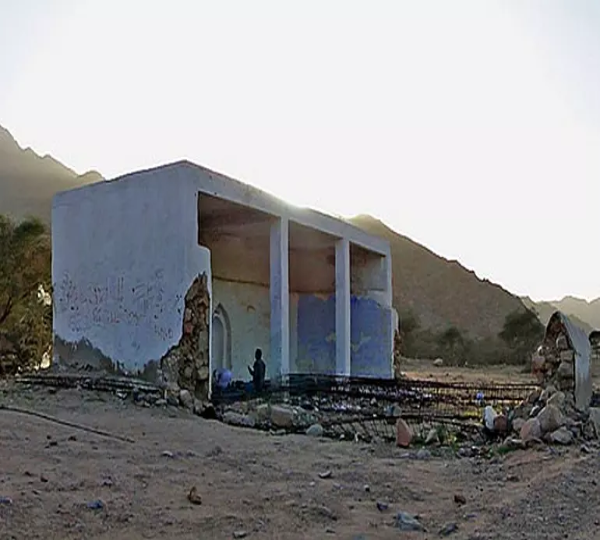
Unlike a mosque with its distinct minarets and domes, Al-Mehrás is a subtle testament to history. It is a place that feels deeply personal, as if one is stepping into a private moment of the Prophet’s (S.A.W.) life. The surrounding area, with its rugged terrain and natural gullies, still evokes the feeling of a battlefield, a place where immense suffering and courage met.

The Profound Wounds of Uhud

The story of Al-Mehrás is tied to the most challenging and heart-wrenching moment of the Battle of Uhud. After the initial Muslim victory was turned into a moment of chaos due to the disobedience of the archers at Jabal Rumaah, the pagan army regrouped and attacked. In the midst of this onslaught, the Prophet Muhammad (S.A.W.) was specifically targeted and was severely injured. His blessed face was cut, one of his teeth was broken, and his helmet was shattered, with a piece of it piercing his cheek.

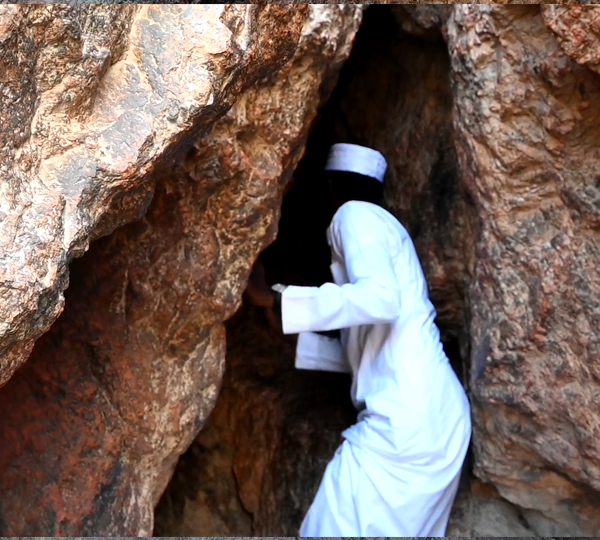
Exhausted, wounded, and bleeding, the Prophet (S.A.W.) found a moment of refuge in a narrow gully on the mountain. It was here that his beloved daughter, Fatima (R.A.), and his cousin, Ali (R.A.), found him. With immense love and care, they tried to clean his face. They brought water from a nearby spring, which is believed to have been Al-Mehrás, and with it, Fatima (R.A.) washed his wounds. However, the bleeding would not stop. It was a moment of profound sorrow, a sight that must have been unbearable for his companions to witness. This spring, therefore, holds the memory of that raw and painful reality, a place of immense physical suffering endured for the sake of Islam.

A Legacy of Sacrifice and Resilience

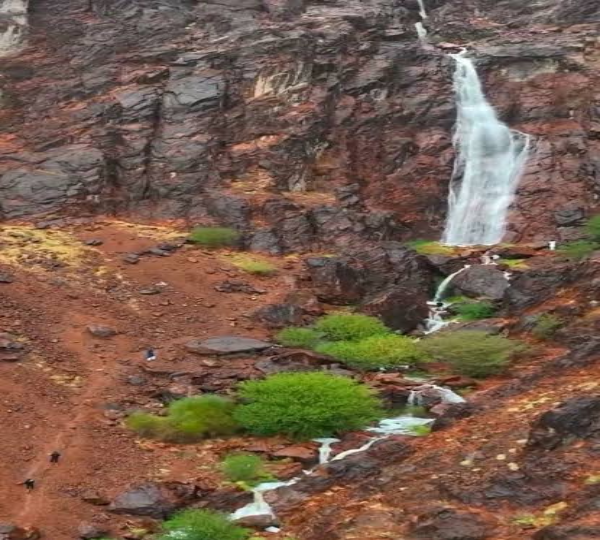
Today, the original spring of Al-Mehrás no longer flows in the same way, and the exact spot is not a clearly defined landmark. However, the spiritual essence of the place remains. For pilgrims, the general area stands as a powerful and solemn reminder of the immense physical pain that the Prophet (S.A.W.) endured for his Ummah. It is a testament to his unflinching steadfastness and his unwavering commitment to his divine mission, even in the face of brutal physical attacks.
A visit to this part of the Uhud battlefield is an act of deep reverence and contemplation. It is a place to reflect on the reality of sacrifice in the path of Allah and to realize that the foundations of Islam were built not just on faith and revelation, but also on the blood, sweat, and tears of the Prophet (S.A.W.) himself. Offering a silent prayer here is a way to express gratitude for his immense suffering and to renew a commitment to the faith for which he gave everything.

The Spring that Quenches the Soul

Al-Mehrás is more than a historical landmark; it is a sacred symbol of resilience and the profound cost of devotion. It reminds every believer that following the truth is not always easy and that the greatest victories are often forged in moments of immense trial. For all who visit, this sacred spring is a poignant lesson in empathy and unwavering faith, a place where a Prophet’s suffering became a timeless source of inspiration and a reminder that true courage lies in steadfastness even when faced with the most challenging of circumstances.

Other Ziyarat You Should Know