مسجد الغمامة
The Sanctuary of the Cloud
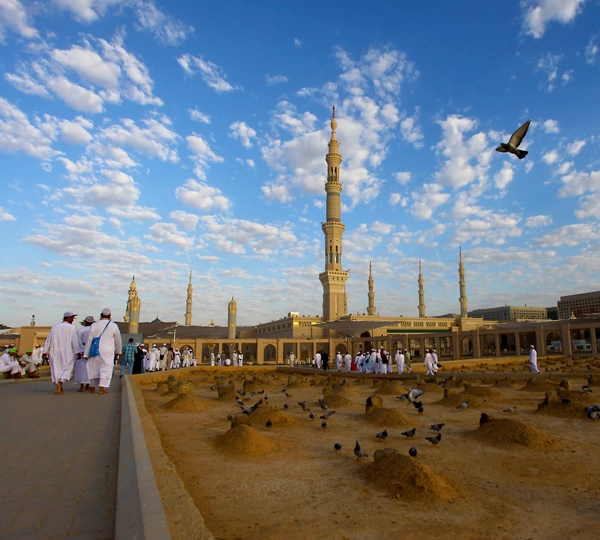
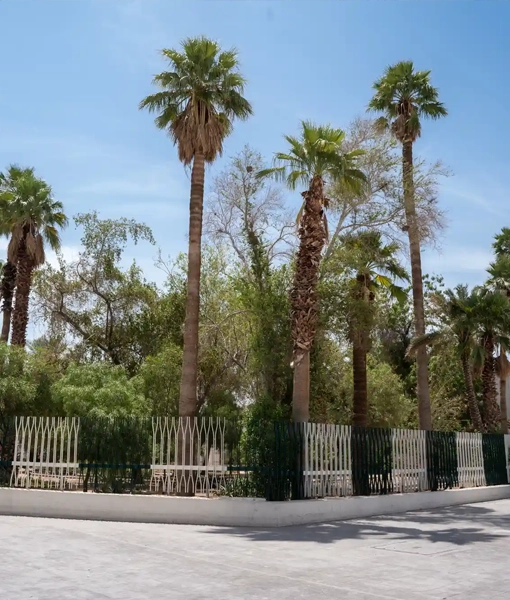
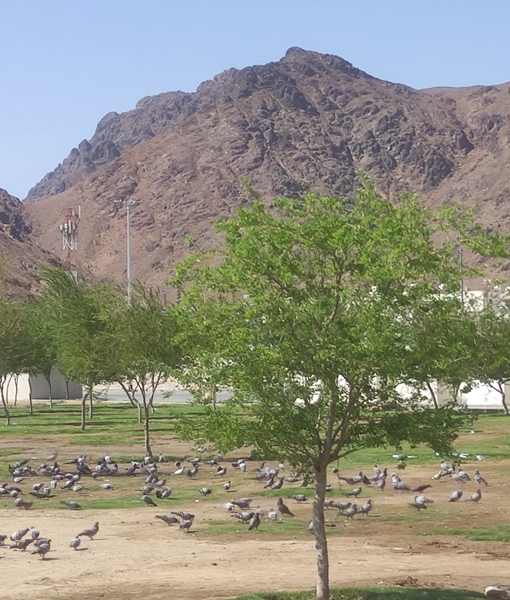
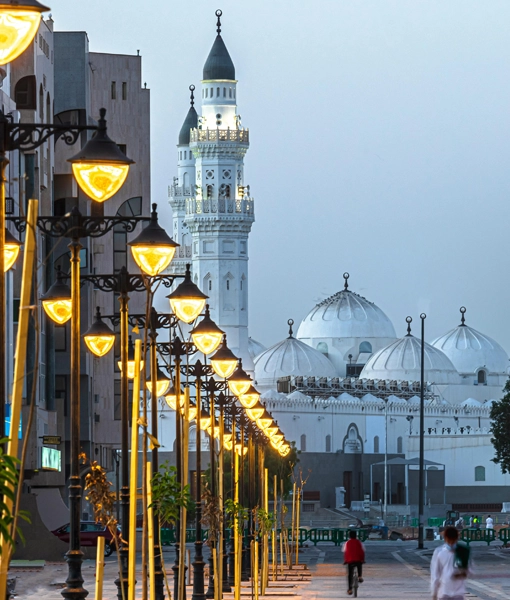
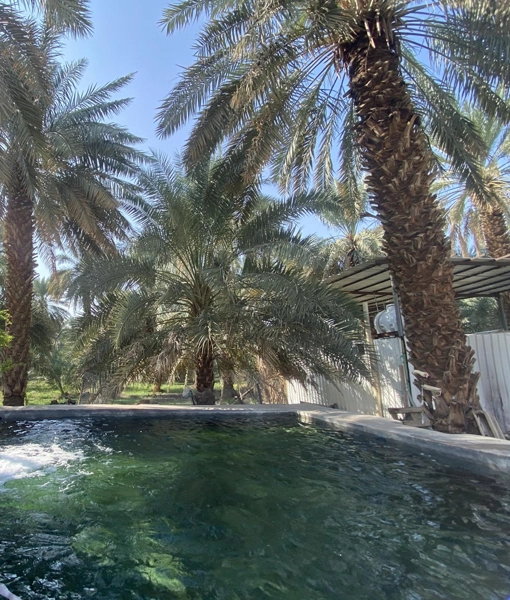
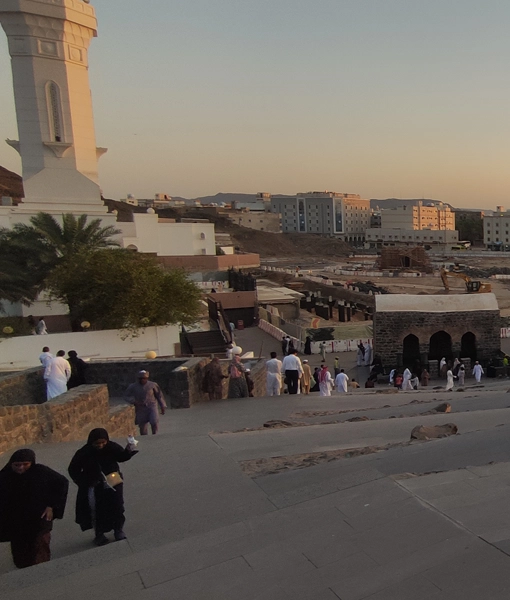
when you step out of the northwestern gate of Masjid Al-Nabawi and walk a short distance, you find yourself in a serene, beautifully andscaped garden. Its tranquil atmosphere, with swaying palm trees and the gentle murmur of fountains, offers a peaceful respite from the bustling crowds of Madinah. You might not immediately realize it, but you are standing on one of the most significant pieces of ground in all of Islam—the site of Saqifah Bani Sa’adah. This garden is not merely a place of rest; it is the silent witness to a moment that secured the future of the entire Muslim Ummah.
The Name that Tells a Story
The very name of the mosque, “Al Ghammah,” meaning “the cloud” in Arabic, is a testament to the miraculous event that took place on its ground. The most widely narrated account is that of a severe drought that had befallen Madinah. The people, desperate and suffering from a lack of water, came to the Prophet (S.A.W.). He then led them in Salat al-Istisqa, the prayer for rain, on this very spot, which was then a simple, open prayer ground.It is said that as the Prophet (S.A.W.) raised his blessed hands in supplication to Allah, a single cloud miraculously appeared and began to shade him. As the prayer concluded, the heavens opened, and a torrential downpour began, bringing immense relief to the parched city and its inhabitants. This divine sign of mercy gave the site its eternal name and solidified its place in the hearts of Muslims forever. But the name holds another layer of meaning. It is also believed that on a different occasion, when the Prophet (S.A.W.) was walking to this area for prayer, a cloud followed him and shaded him from the relentless heat of the sun.

A Legacy of Prayer: The Events that Hallowed the Ground
As you enter the sacred space of Masjid Al Ghammah, you are walking in the footsteps of the Prophet (S.A.W.) himself. This site was the preferred location for the Prophet’s (S.A.W.) final Eid prayers, both for Eid al-Fitr and Eid al-Adha. The Prophet (S.A.W.) would lead the congregation here, an open space that could accommodate the growing community of believers. The act of offering Eid prayers here connects the pilgrim to a deeply communal and joyous aspect of the Prophet’s (S.A.W.) life, a tradition that continues to this day in Muslim communities around the world.
Another profound historical event linked to this mosque is the funeral prayer for Najashi, the righteous Christian King of Abyssinia. After Najashi passed away, the Prophet (S.A.W.), upon receiving the news, gathered his companions on this very spot and performed the funeral prayer for him in absentia—an extraordinary honor that has only been narrated for this single occasion. The event underscores the universal nature of the Prophet’s (S.A.W.) mercy and his deep appreciation for those who offered sanctuary and support to the early Muslims. For a pilgrim, this story reminds them of Islam’s message of tolerance and gratitude.
From Open Ground to an Architectural Gem
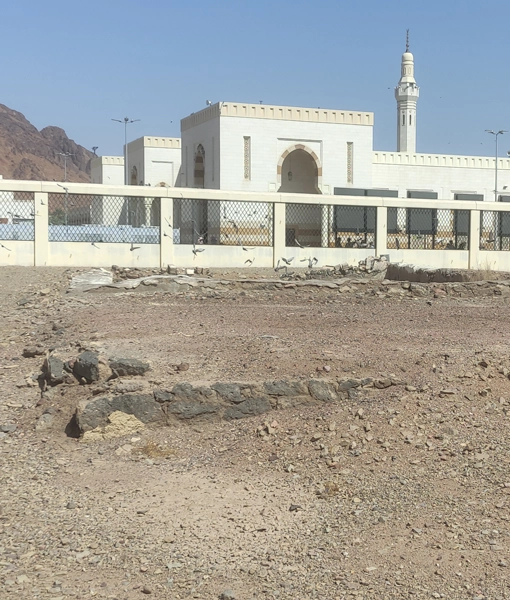
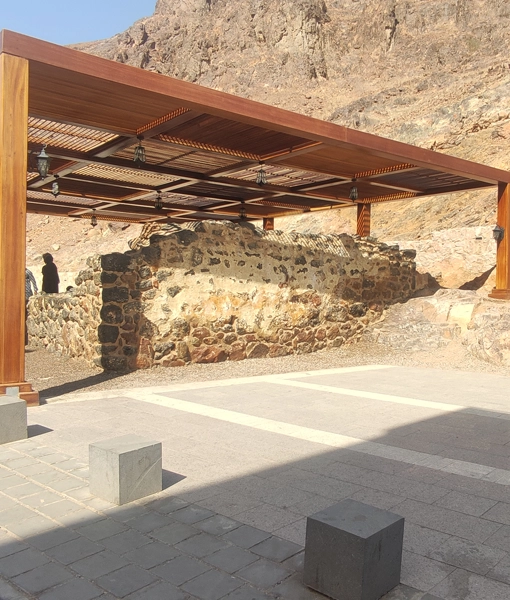
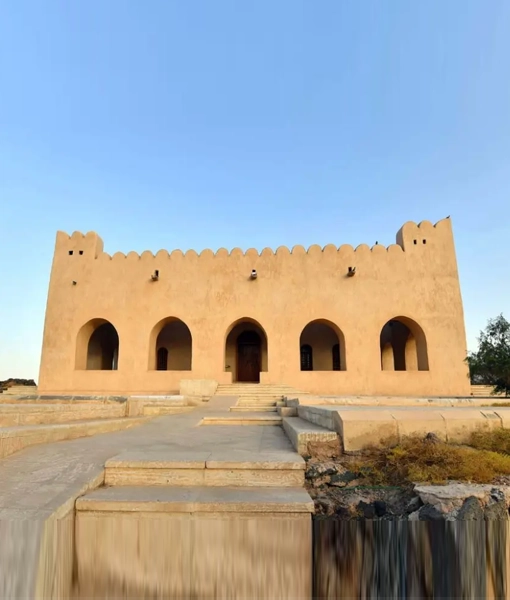
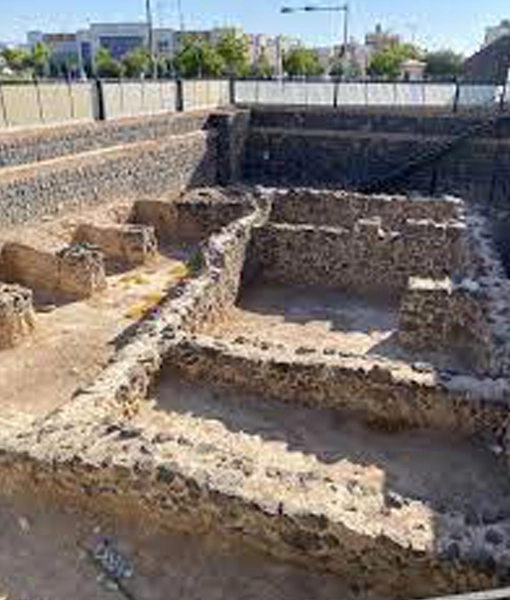
The history of Masjid Al Ghammah as a physical structure is a testament to the enduring love and reverence for this holy site. Originally, the spot was an open desert ground used for prayers. The first simple structure was built under the guidance of Caliph Umar ibn Abdul Aziz during his governorship of Madinah in the first century Hijri. He made a concerted effort to mark and preserve the locations where the Prophet (S.A.W.) had prayed, and Masjid Al Ghammah was among them.The mosque has since undergone numerous renovations and expansions by successive Caliphates and rulers, each adding to its beauty and ensuring its preservation.
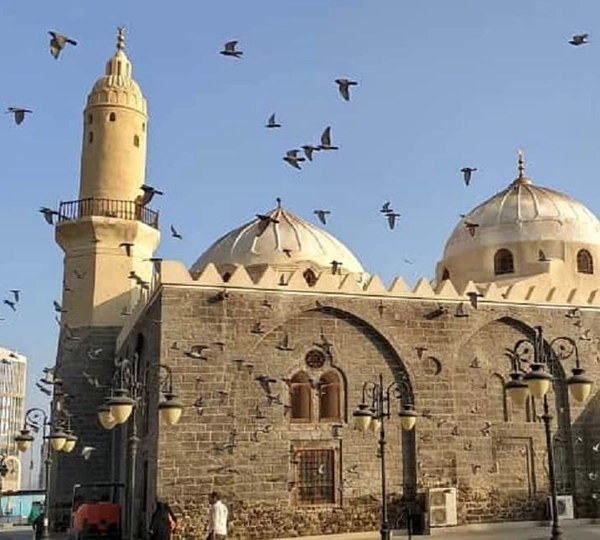
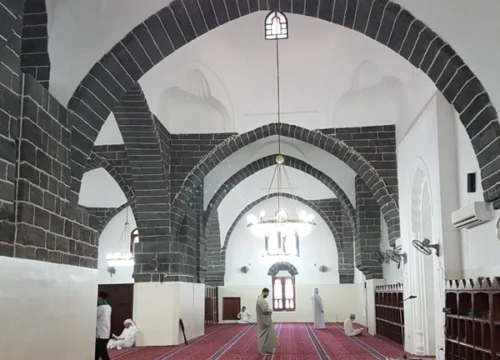
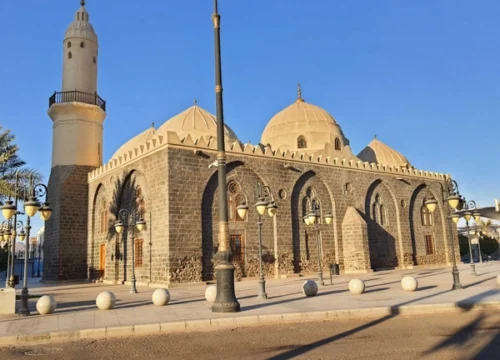
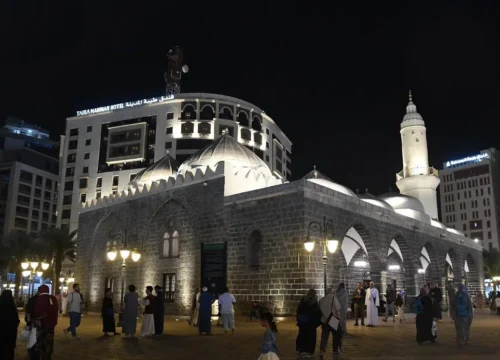
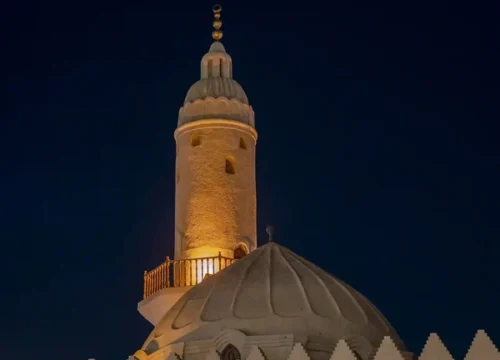
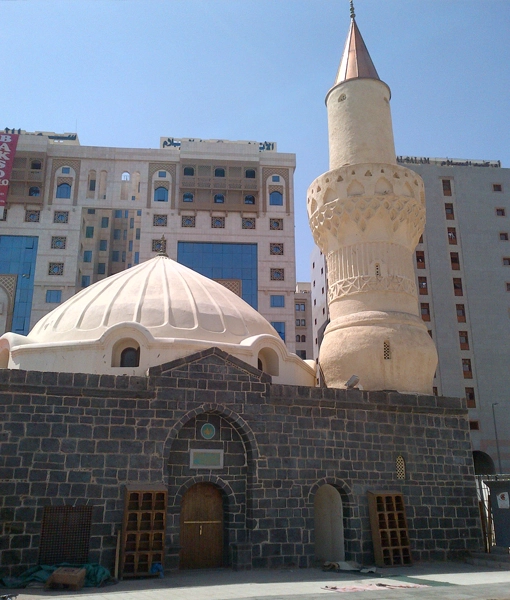
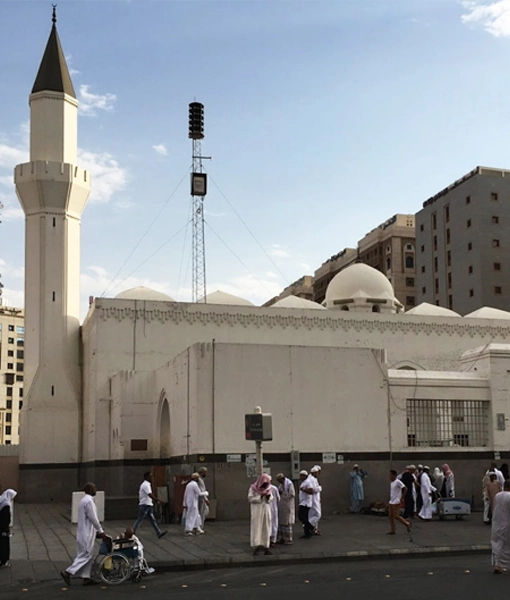
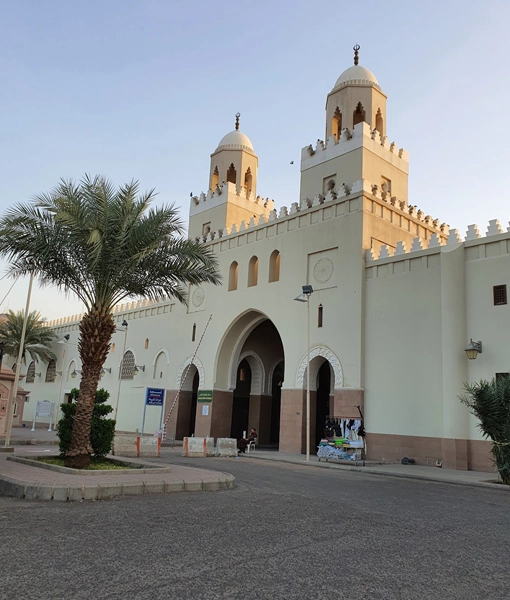
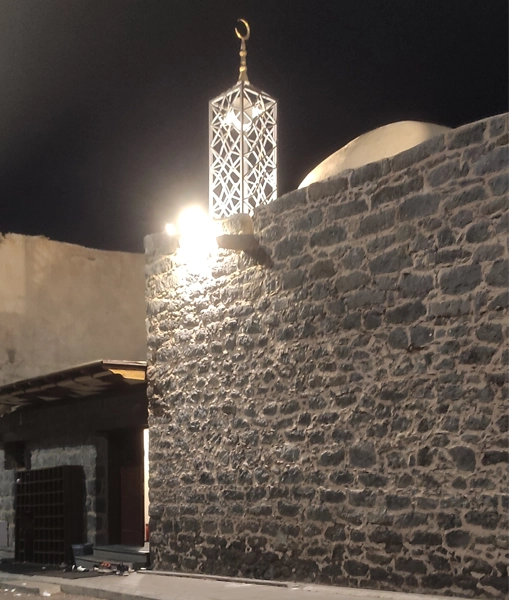
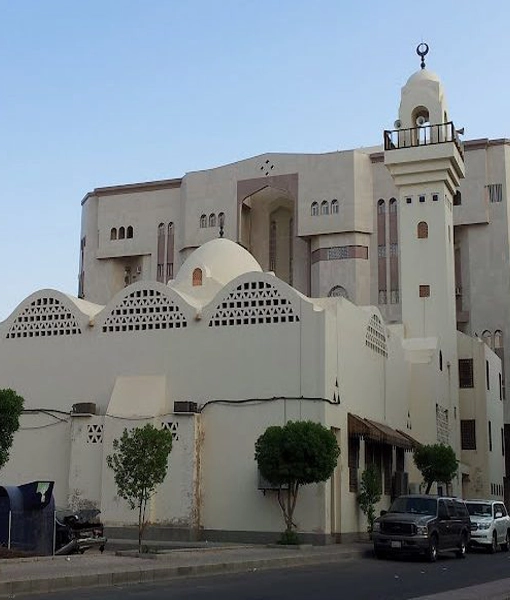
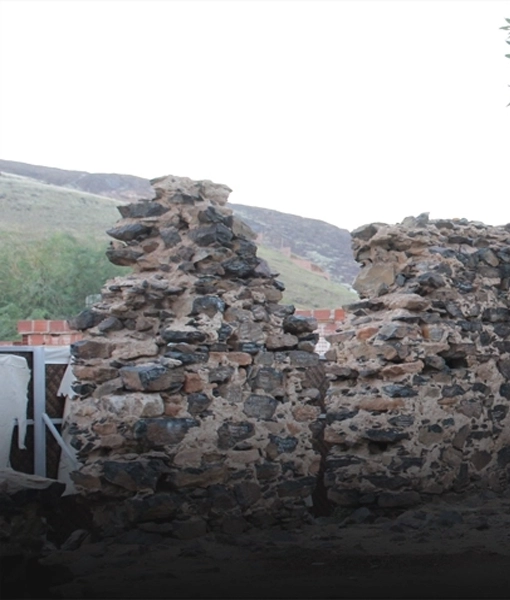
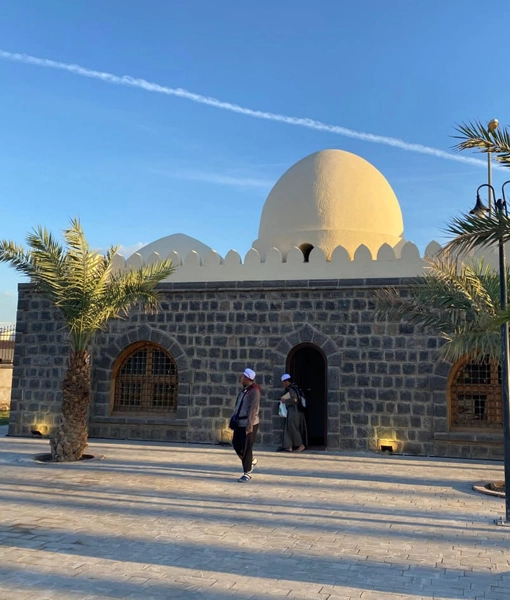
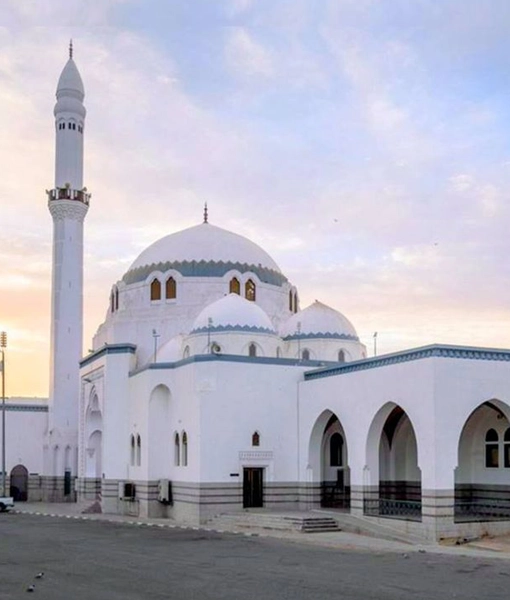
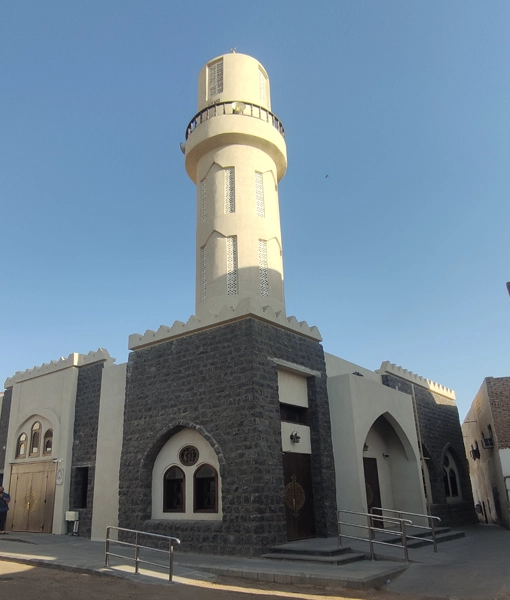
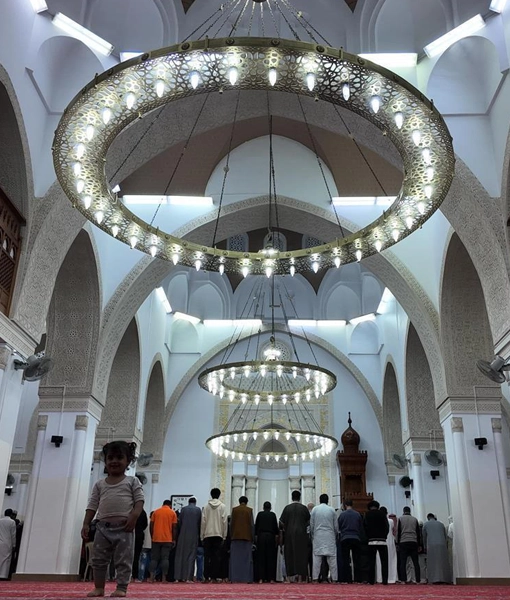
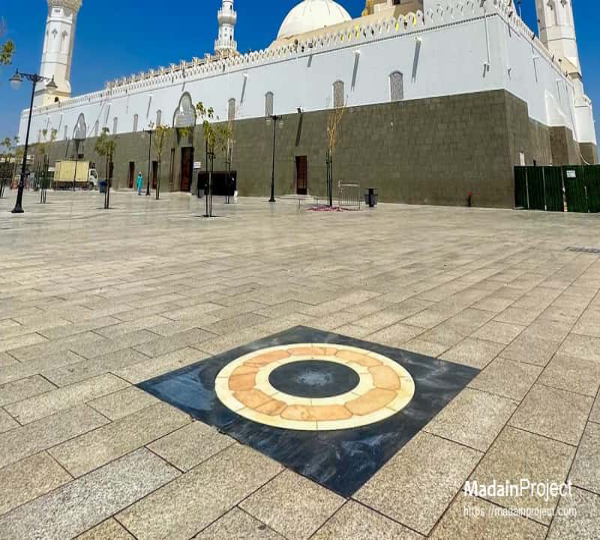
The current structure you see today is a masterpiece of Ottoman architecture, meticulously restored and maintained by the Saudi government to preserve its historical essence. The exterior is constructed from deep, black volcanic stones, with its contrasting white domes and minaret giving it a strikingly elegant and dignified appearance. The six magnificent domes over the prayer hall, with the largest one centered over the Mihrab, are a defining feature.The interior of the mosque is a study in simple beauty. The prayer hall is spacious and serene, with intricate arches and a tranquil atmosphere. Unlike many modern mosques, it retains a classic, timeless feel that encourages quiet reflection and deep focus on one’s prayers. Despite its close proximity to the Prophet’s Mosque, the five daily prayers are offered here, with an internal sound system ensuring no sound clashes with the main mosque’s call to prayer—a small but significant detail that speaks volumes about the respect for both places.
A Pilgrimage of the Heart
For any pilgrim, a visit to Masjid Al Ghammah is a deeply emotional and spiritual experience. It is a place that feels deeply personal, as if you are connecting with a private moment between the Prophet (S.A.W.) and his Lord. Here, you are not just a tourist or a visitor; you are a participant in a living legacy. As you walk into the mosque, you can feel the serenity. The cool stone floors, the elegant domes, and the natural light filtering through the windows all contribute to a sense of peace. Many pilgrims choose to offer two rak’ahs of voluntary prayer, not just as a ritual, but as an act of gratitude for the very mercy that was bestowed upon this ground. Standing in this space, one is reminded of the power of sincere prayer, of faith in the face of adversity, and of the profound bond between a Prophet and his community.
The Enduring Echo
Masjid Al Ghammah is more than just an old building. It is a living monument to a miracle and a testament to the enduring power of prayer. Its story is one of divine mercy, answered supplication, and the beautiful sunnah of the Prophet (S.A.W.). It reminds every believer that even in times of great drought—whether physical or spiritual—turning to Allah is the ultimate source of solace and salvation. For a pilgrim, it stands as a shining beacon of hope, a place where a cloud once appeared, and where the echoes of a Prophet’s prayer for rain continue to inspire faith and devotion in the hearts of millions.