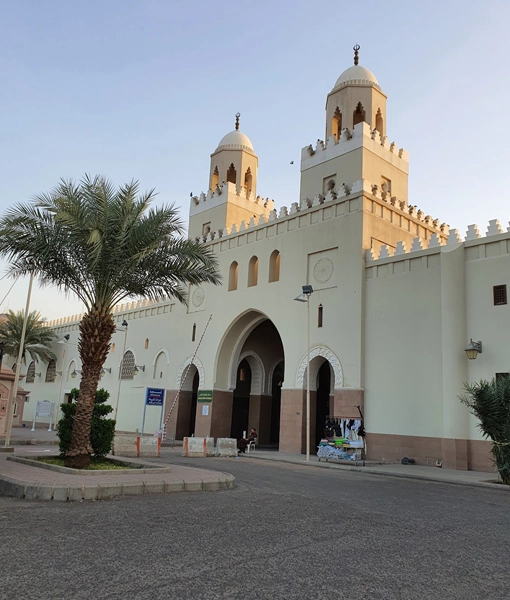
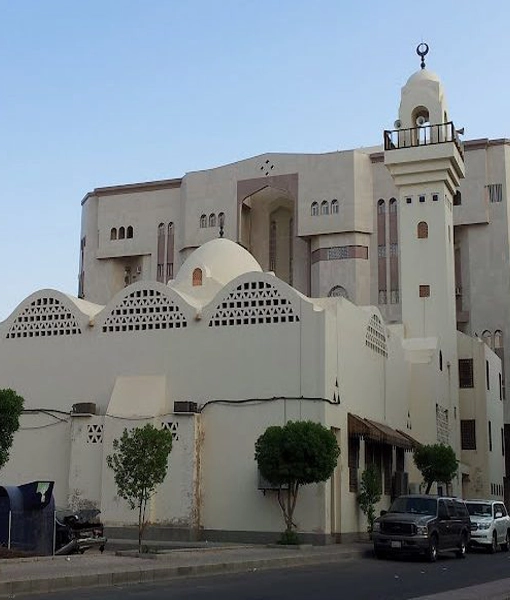
Masjid E Bani Aneef

مسجد بني أنيف

The Mosque of Compassion and the Sunnah of Visit

Standing on the Blessed Ground Where the Prophet (S.A.W) Prayed for a Sick Companion, a Site of Quiet Devotion Near Quba.

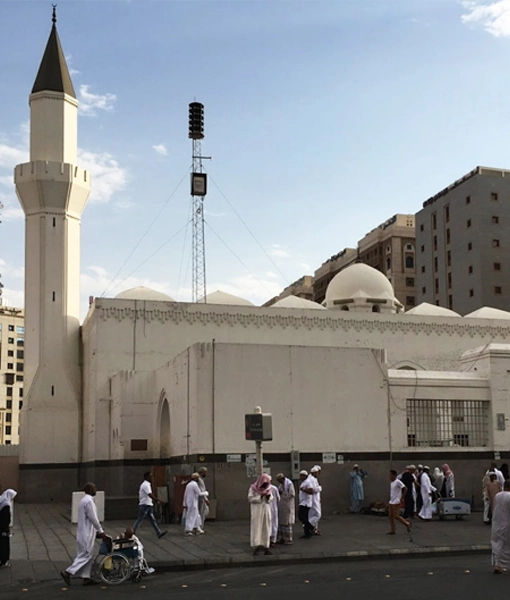
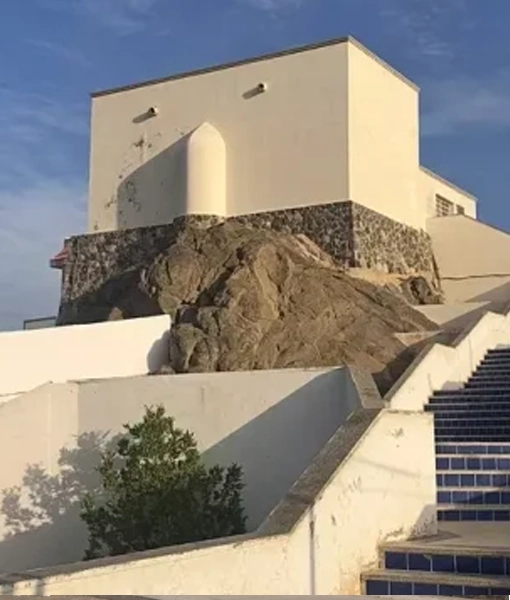
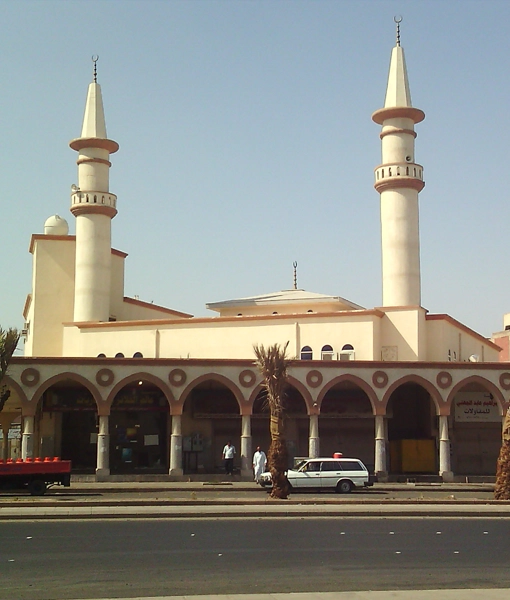
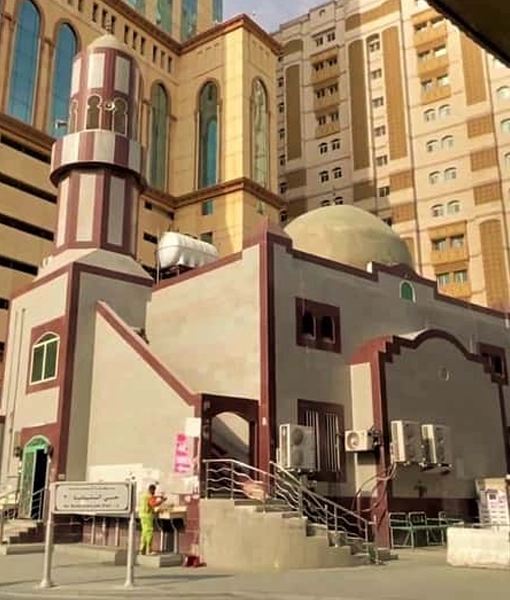
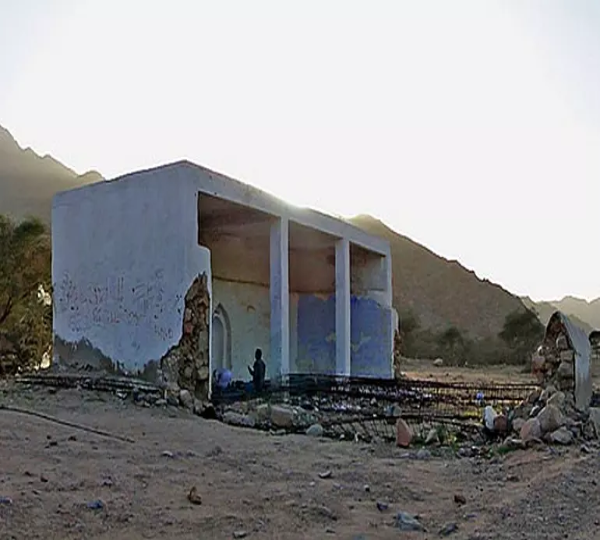
In the luminous tapestry of Madinah al-Munawwarah’s history, the grand events of battles, treaties, and governance often take center stage. Yet, the spiritual heart of the city beats most profoundly in the smaller, quieter moments—acts of profound compassion, kindness, and personal devotion by the Prophet Muhammad (S.A.W). One such moment, preserved for centuries, is marked by a modest and elegantly restored structure known as Masjid E Bani Aneef, or the Mosque of Banu Unaif.

Located just a short distance southwest of the first mosque in Islam, Masjid Quba, this sacred spot offers a tangible lesson in the Sunnah of visiting the sick and the immense respect shown by the early Muslims to the footsteps of their Prophet (S.A.W). For every pilgrim seeking to deepen their connection with the Seerah (Prophetic biography), a visit to Masjid E Bani Aneef is a powerful reminder that true faith is measured not just in grand deeds, but in gentle humanity.

A Quiet Corner of Prophetic Footsteps

The mosque takes its name from the Banu Unaif (or Banu Anif) tribe, a branch of the Ansar who were allies of the Banu Amr ibn Awf, the tribe that famously hosted the Prophet (S.A.W) upon his arrival in Quba during the Hijrah (migration). Their settlement lay strategically along the main route leading into Madinah, making their quarters a point of importance in the early Islamic community.

Masjid E Bani Aneef, sometimes also referred to as Masjid al-Musabbih (The Morning Mosque) due to accounts of the Prophet (S.A.W) having performed the Fajr (Dawn) prayer at or near this location, marks the exact spot where a momentous act of care took place.

The Visit to Talha ibn Al-Bara’ (R.A.)

The primary historical incident tied to this mosque revolves around the Companion Talha ibn Al-Bara’ (R.A.).

Talha (R.A.) was a sincere and dedicated Companion from the Banu Unaif tribe. When he fell gravely ill, the Prophet Muhammad (S.A.W), true to his character as the embodiment of mercy and human concern, personally made the journey to visit him and enquire about his health.

The Sunnah of visiting the sick holds an extremely high status in Islam. The Prophet (S.A.W) taught that when a person visits a sick brother or sister, they are walking in the gardens of Paradise until they return home. His personal visit to Talha (R.A.) was a beautiful, practical demonstration of this teaching.

It is reported that upon his visit, the Prophet (S.A.W) found Talha (R.A.) in his final hours. The Prophet (S.A.W) prayed near the location, and gave specific, loving instructions to the family regarding the preparation of the body for burial after his passing.

This single act—the Prophet of Allah (S.A.W) taking the time out of his overwhelming responsibilities to personally visit, comfort, and pray for a Companion in a distant quarter of Madinah—elevated the status of this ordinary patch of earth forever.

Preserving a Blessed Spot

The most touching detail of this Ziyarah is what happened immediately after the Prophet’s (S.A.W) visit.

The Banu Unaif tribe, witnessing the Prophet’s (S.A.W) mercy and recognizing the profound blessing of his presence, were deeply moved. They held the precise spot where the Prophet (S.A.W) stood for prayer in such high reverence that they actively sought to preserve it.

It is narrated that to ensure the location of the prayer spot was never forgotten, the tribe members would continually sprinkle water upon the blessed ground. This ritual of veneration—a simple, loving act of marking the spot to prevent it from being obscured by dust or use—ensured that when the time came, a mosque could be built exactly where the Messenger of Allah (S.A.W) had stood.

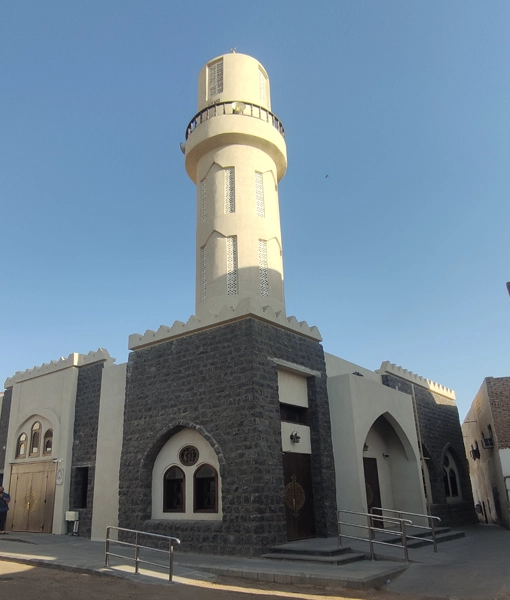
This is the essence of the Ansar’s love and devotion: an unadulterated appreciation for the Prophet’s (S.A.W) Sunnah and presence. They didn’t need a grand revelation; a simple, practical act of spraying water was their way of saying, “This spot is sacred because he stood here.” In time, a simple mosque was indeed constructed from the local black basalt stones, a testament to their enduring loyalty and faith, ensuring the site would serve as a place of worship for generations to come.

A Reflection of Early Islam

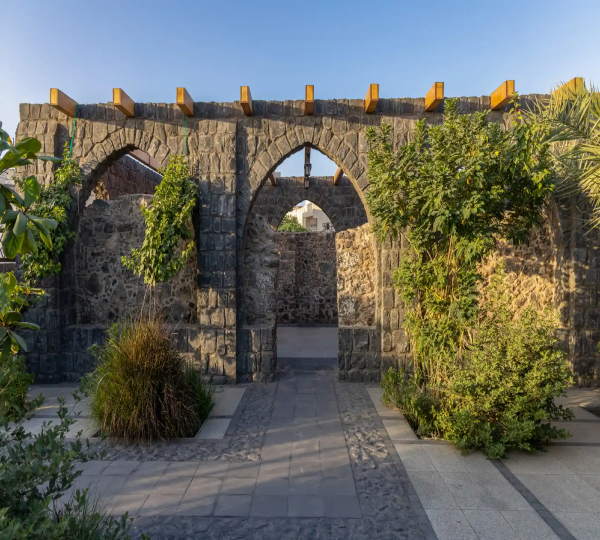
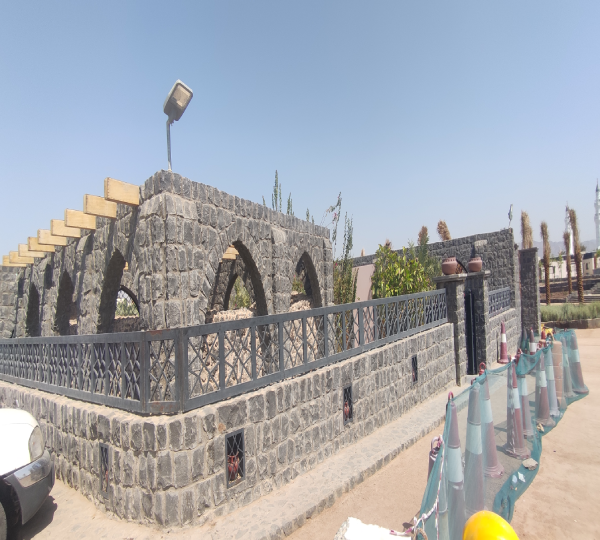
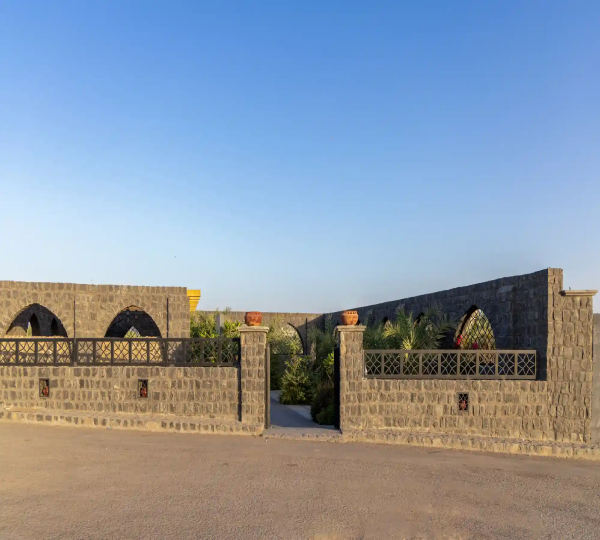
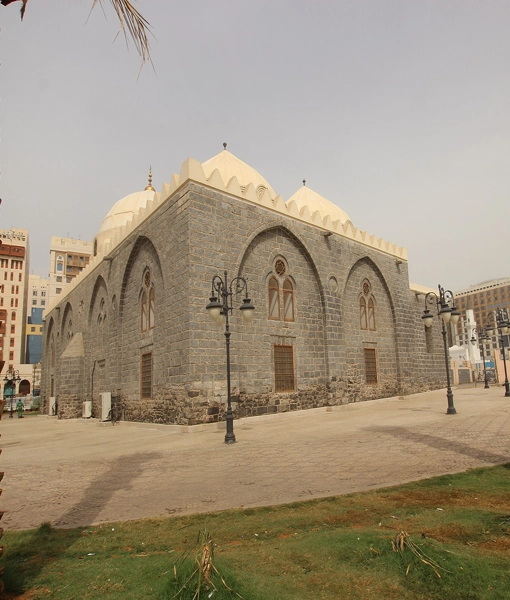
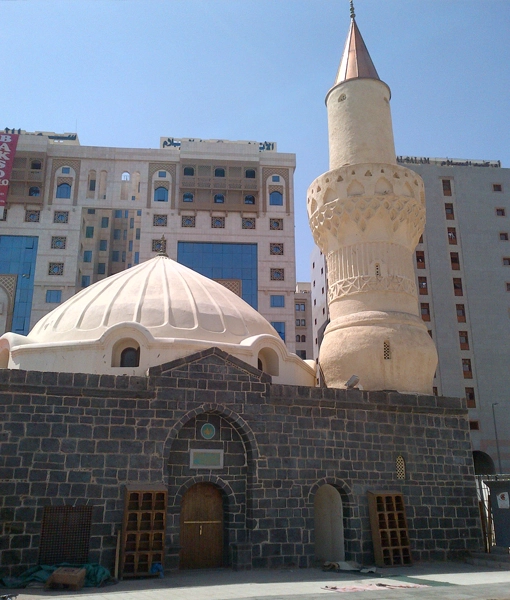
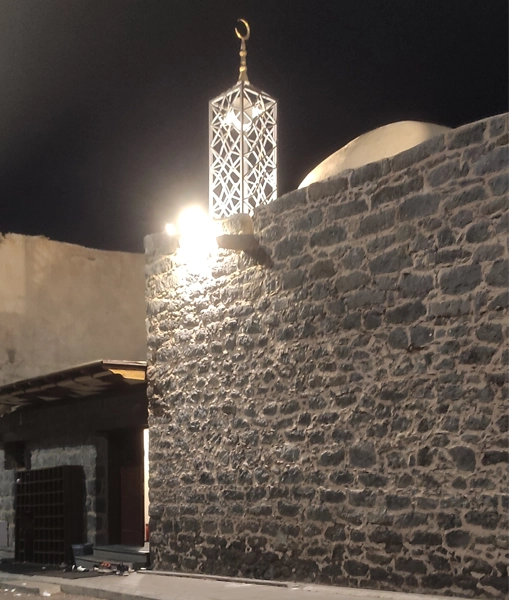
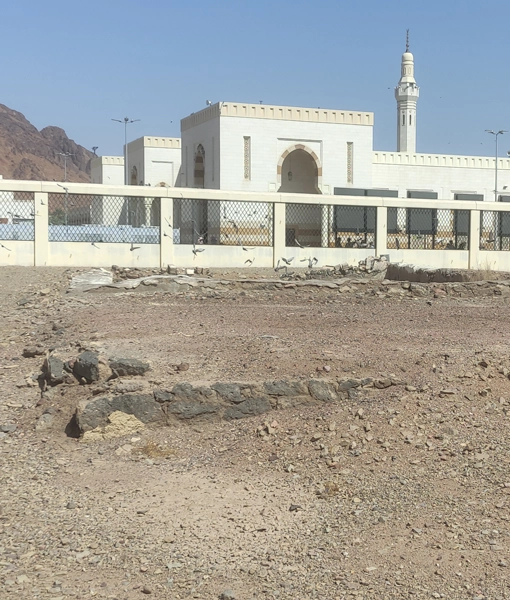
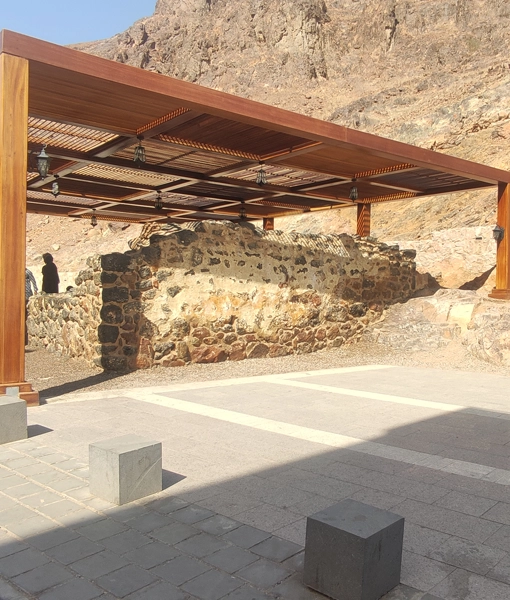
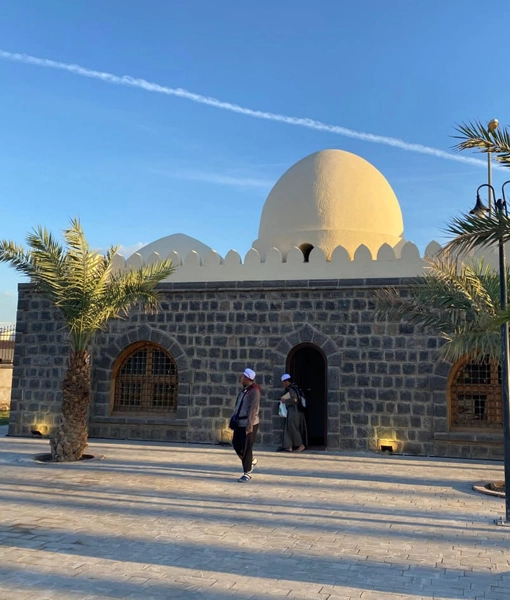
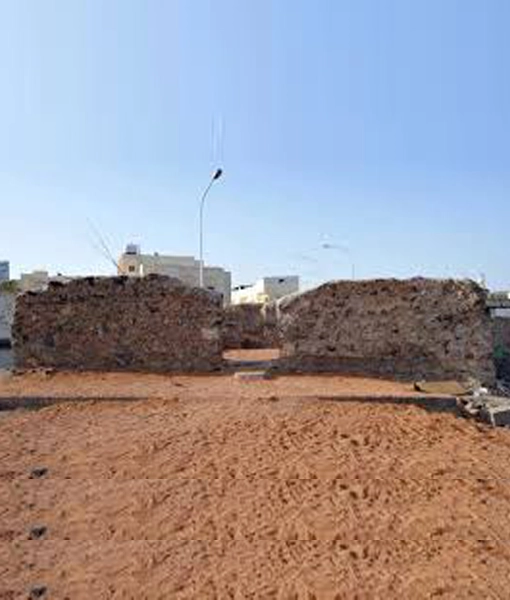
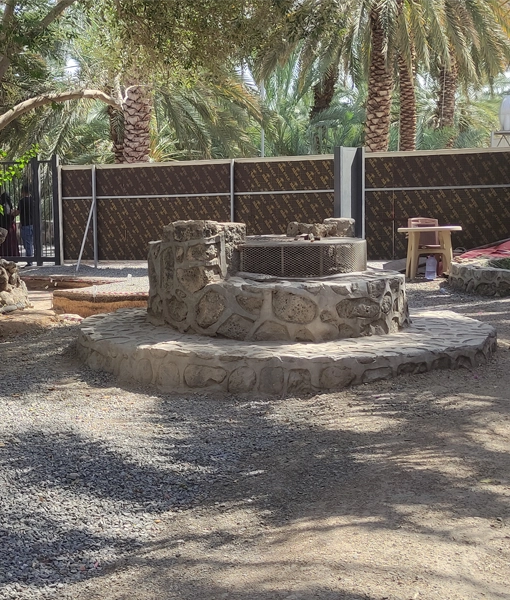
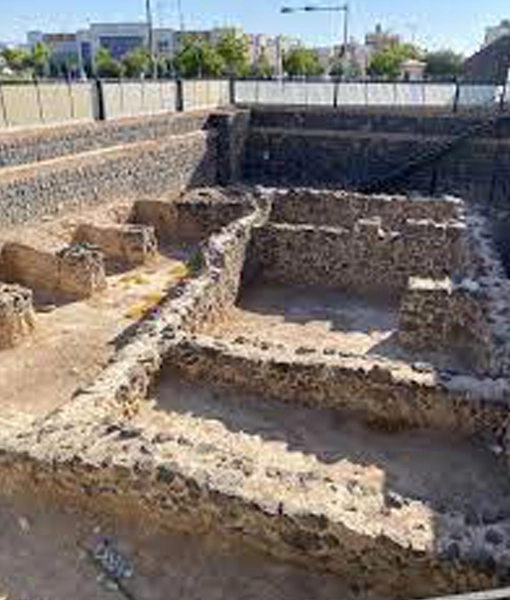
The structure of Masjid E Bani Aneef is a marvel of authentic Islamic heritage. Like many of the earliest mosques in Madinah, it was built with simplicity and function in mind, utilizing the abundant black basalt stones of the region.

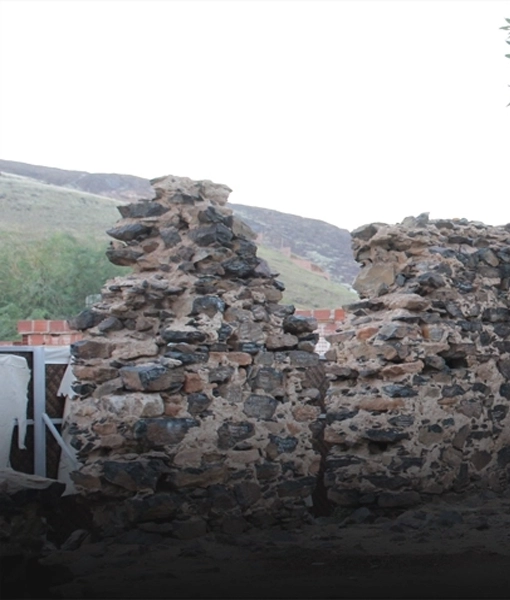
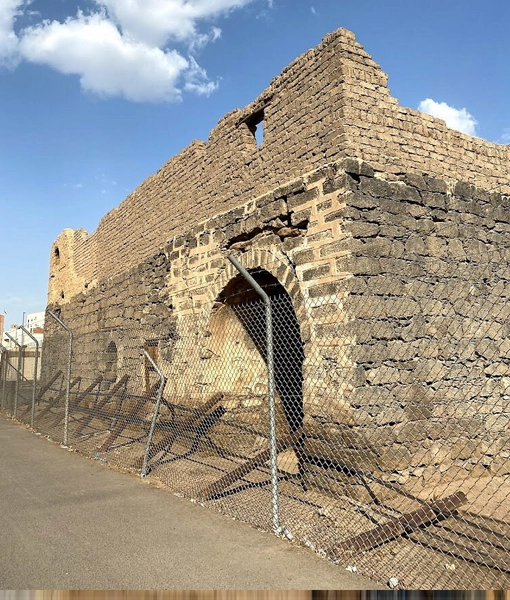
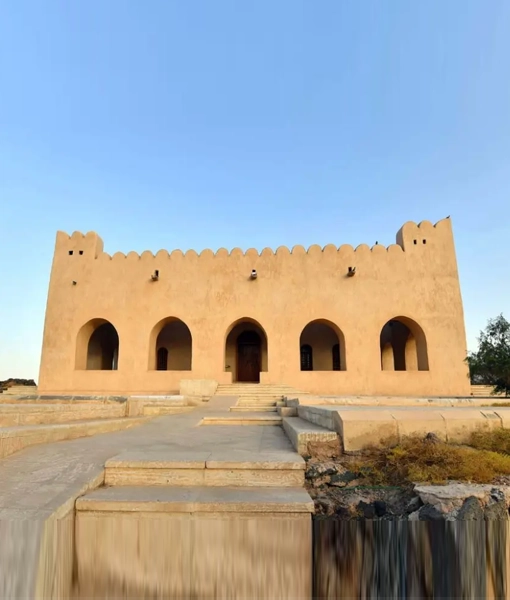
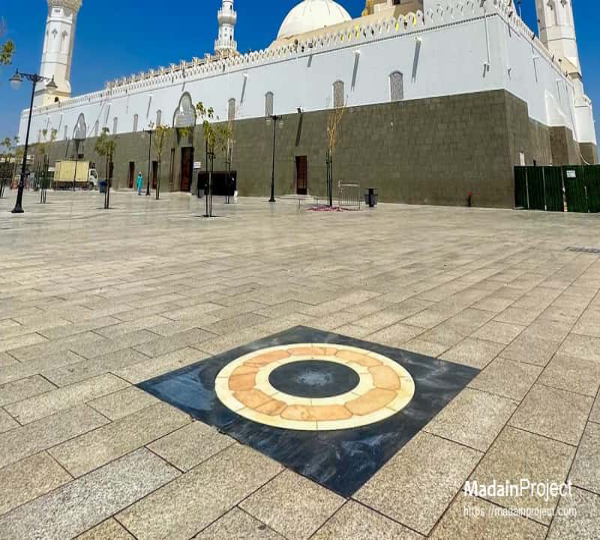
Over the centuries, the mosque faced periods of ruin and neglect, but its significance never faded from the community’s memory. In a recent preservation project, the mosque was meticulously restored. The architects chose to honour its original, modest character:

  • Black Basalt Stone Walls: The dark, sturdy stone provides a grounding, authentic connection to the local environment and the construction materials of the Prophet’s (S.A.W) era.
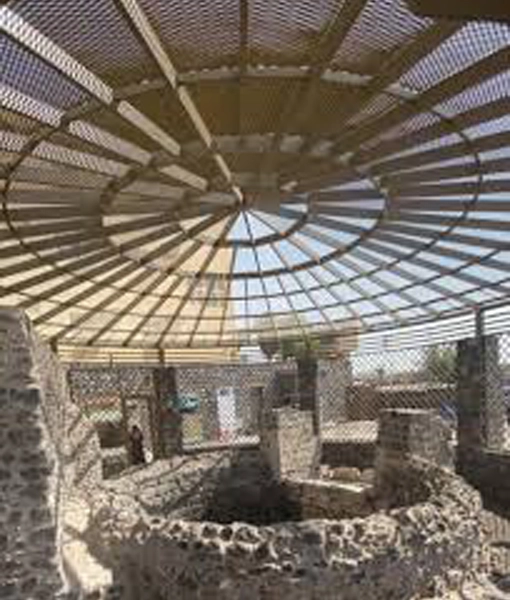
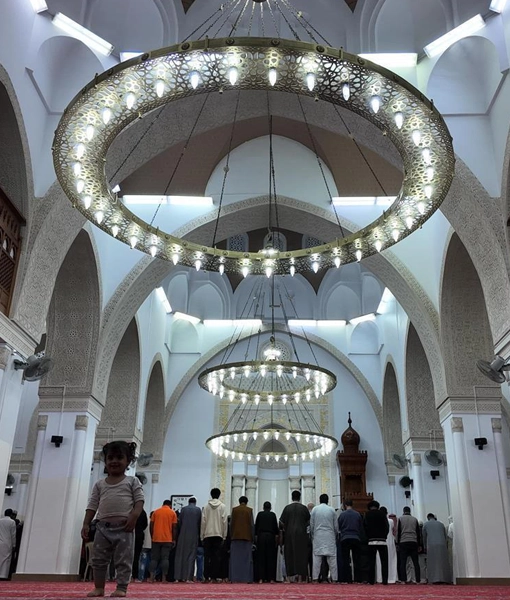
  • Open-Air Design: In keeping with its ancient form, the mosque often features an open or partially open roof, allowing sunlight and air to flow freely. This reflects the simplicity of the early Islamic places of worship before they acquired the elaborate domes and minarets of later eras.
  • A Symbol of Preservation: The restoration work is a shining example of Saudi Arabia’s commitment to preserving the physical remnants of the Seerah, transforming a decaying relic into a functioning, spiritually resonant place of worship once more.

Lessons from the Ziyarah

Just as Bi’r al-Arees provided a dual lesson in prophecy and providence, Masjid E Bani Aneef offers profound spiritual takeaways for the pilgrim:

  1. The Humanity of the Prophet (S.A.W)

The Prophet (S.A.W) was the leader of a burgeoning state, a commander of armies, and the recipient of Divine Revelation. Yet, he was, first and foremost, the most merciful of all beings. His visit to a sick Companion demonstrates that no person, regardless of their rank or duties, should ever be too busy to check on the suffering of another. It underscores the profound spiritual reward found in the simple, humble acts of human kindness.
  1. The Sunnah of Compassion

The mosque is a physical instruction manual on compassion in action. The Ziyarah of the sick is an essential part of the Prophet’s (S.A.W) way. When we stand in this mosque, we are reminded to emulate his deep empathy in our own lives, particularly in how we treat the vulnerable, the sick, and the needy. It teaches us that to visit the ill is to visit an ongoing act of worship.

  1. Devotion of the Ansar

The people of Banu Unaif showed us how a Companion’s love for the Prophet (S.A.W) should manifest: not just in listening to his words, but in preserving and commemorating his blessed actions. Their simple act of sprinkling water is a powerful symbol of their deep-seated devotion and their understanding of the value of every single step the Prophet (S.A.W) took.

When you perform your Umrah, and you find yourself in the beautiful, tranquil vicinity of Masjid Quba, take a few extra steps to visit Masjid E Bani Aneef. Stand on the blessed ground of the Banu Unaif, feel the rough, black stone walls, and remember the ultimate lesson this mosque teaches: the greatest acts of faith are often veiled in the simplest gestures of compassion. The memory of the Prophet’s (S.A.W) mercy, enshrined here, will surely enrich your pilgrimage and guide your heart.

Other Ziyarat You Should Know