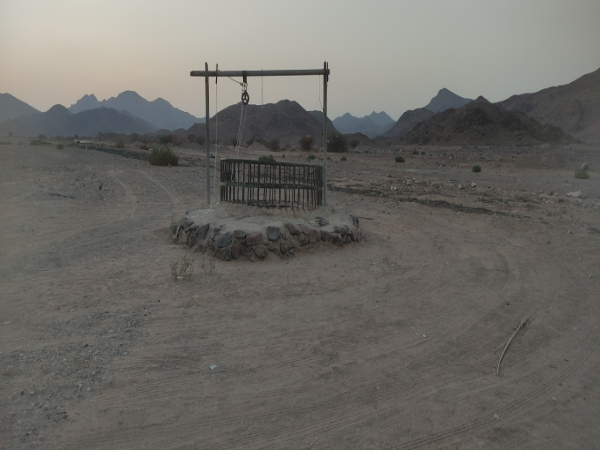
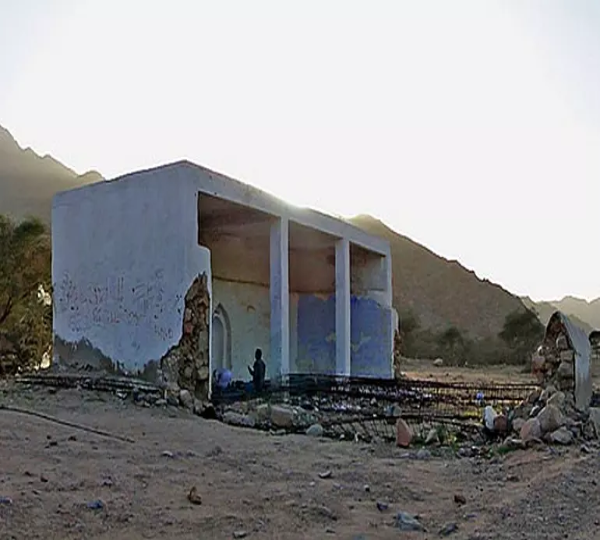
Masjid Al-Mustrah (Masjid Bani Haritha)

مسجد المستراح (مسجد بني حارثة)

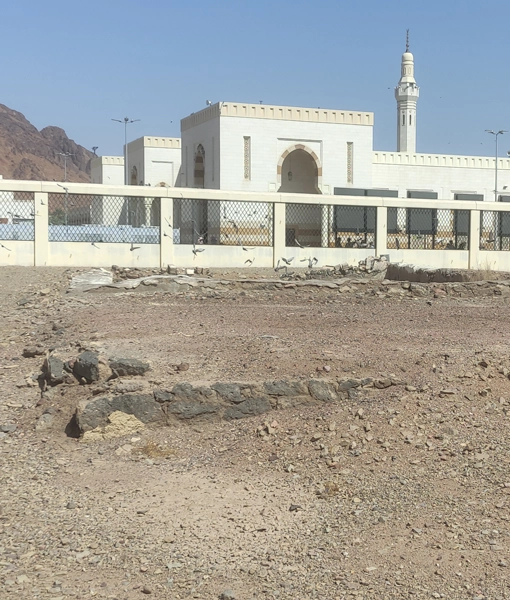
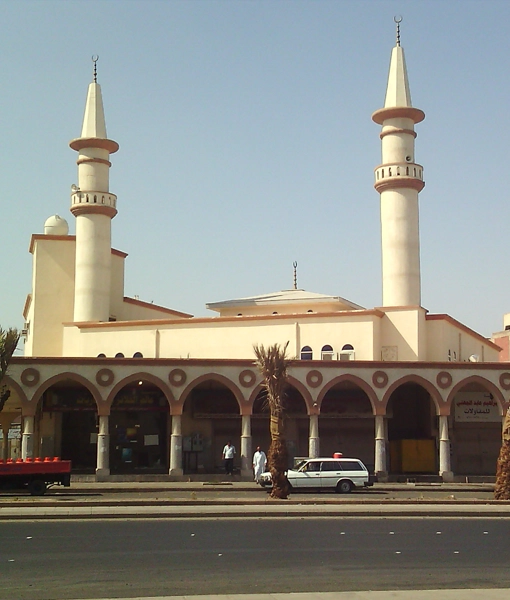
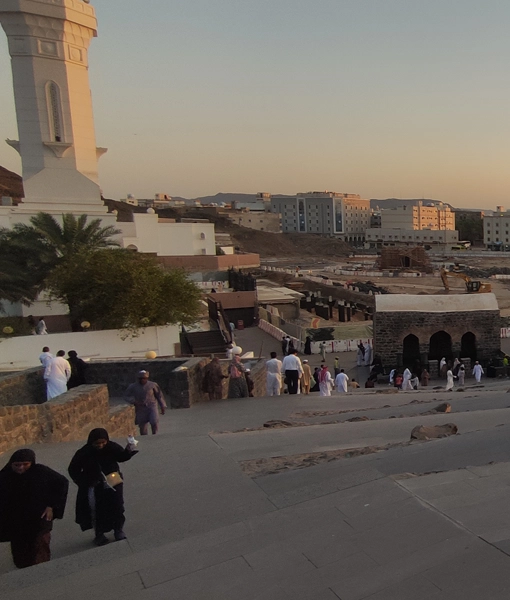
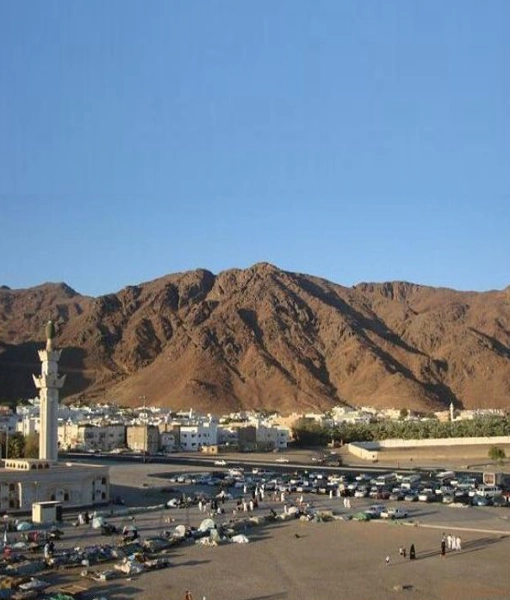
  • Location: The mosque is located on the main road that leads to the battlefield of Uhud, on the right side of the road for those coming from the direction of the Prophet’s Mosque. It is situated on the outskirts of Madinah, in the historical area of the Banu Haritha tribe.
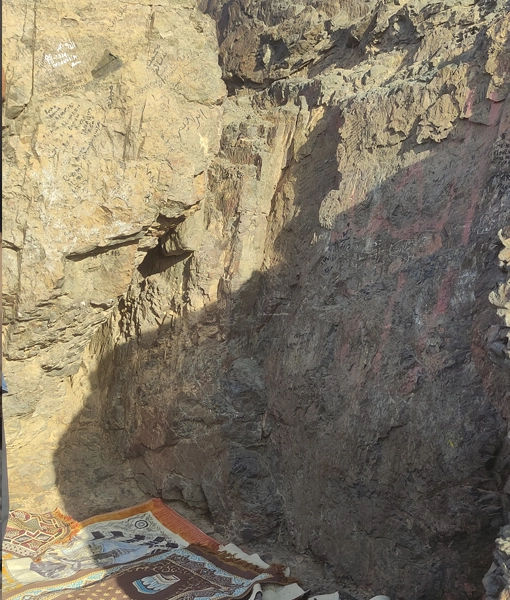
  • Historical Significance: Its name, “Al-Mustrah,” means “place of rest.” The mosque is named after a specific historical event that occurred after the Battle of Uhud. As the Prophet Muhammad (S.A.W.) and his companions were returning to Madinah after the battle, they stopped here to rest. This was a moment of immense physical and emotional fatigue after the challenging battle. It is a site that commemorates the Prophet’s (S.A.W.) resilience and the companions’ exhaustion and devotion.
  • Alternative Name: It is also known as “Masjid Bani Haritha” because it was built on the land of the Banu Haritha clan, a tribe of the Ansar. This name connects the mosque to the people who were instrumental in sheltering and supporting the Prophet (S.A.W.) and the early Muslims.
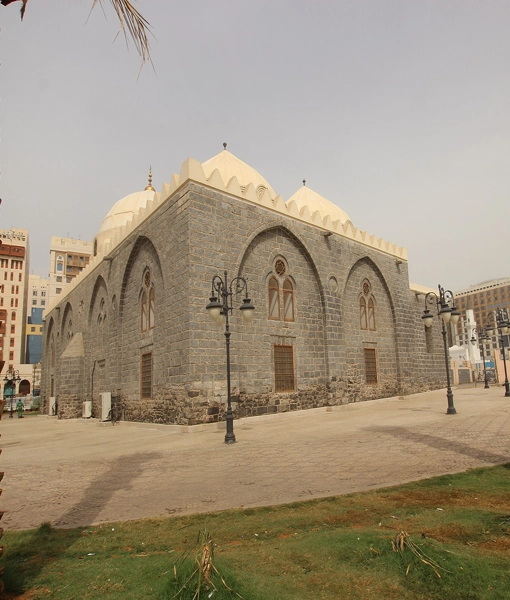
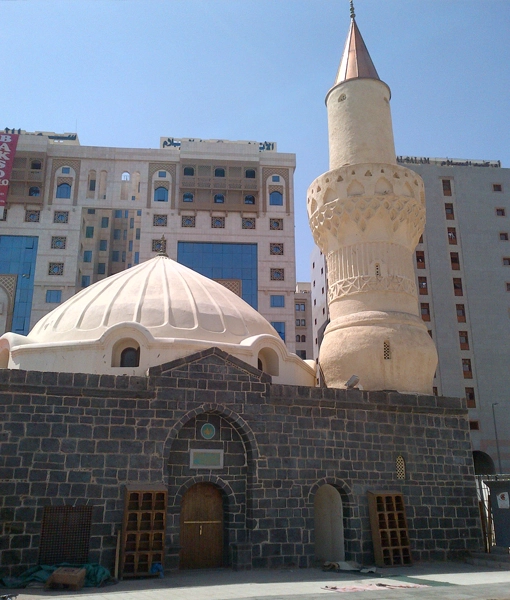
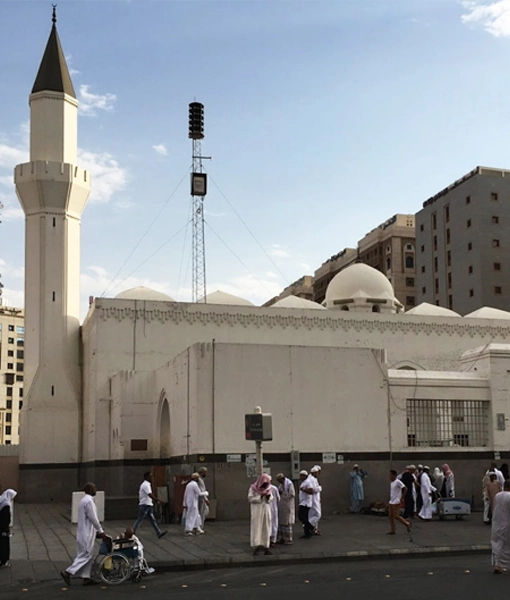
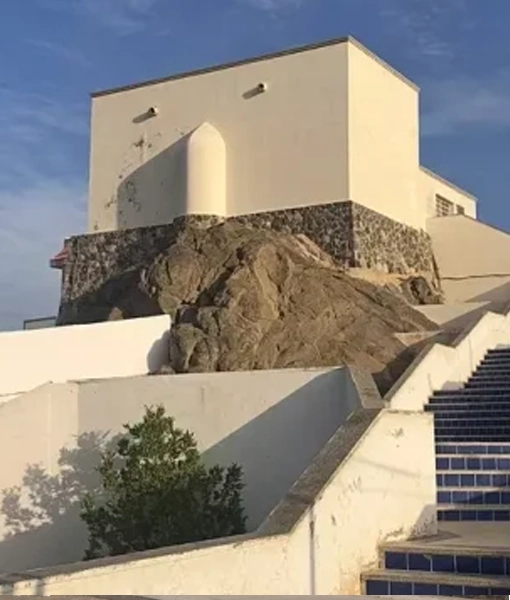
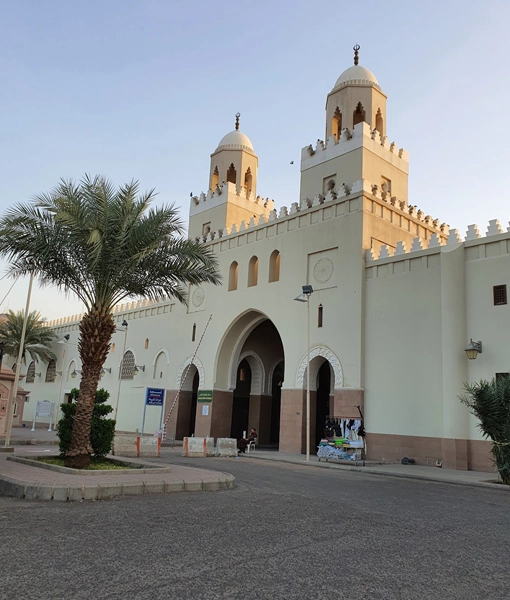
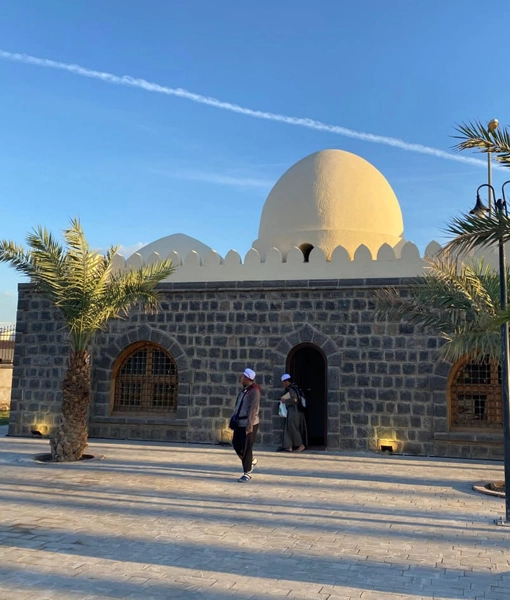
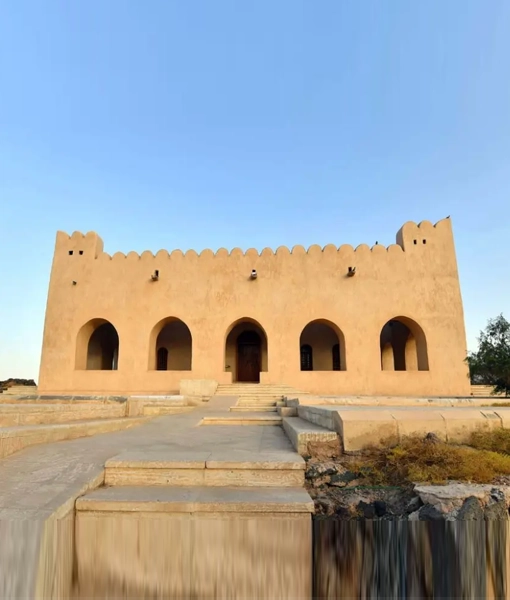
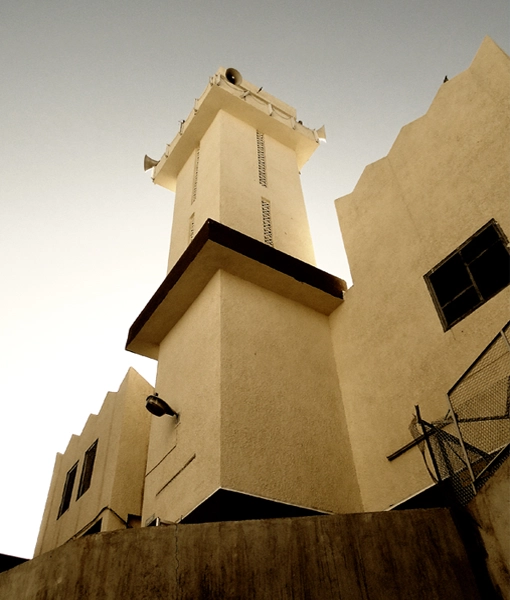
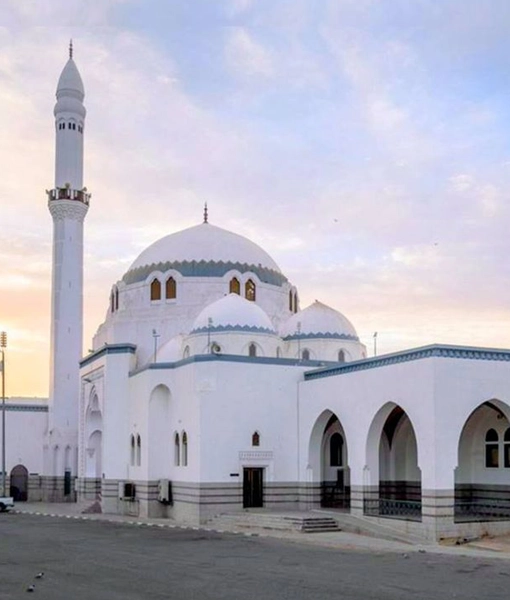
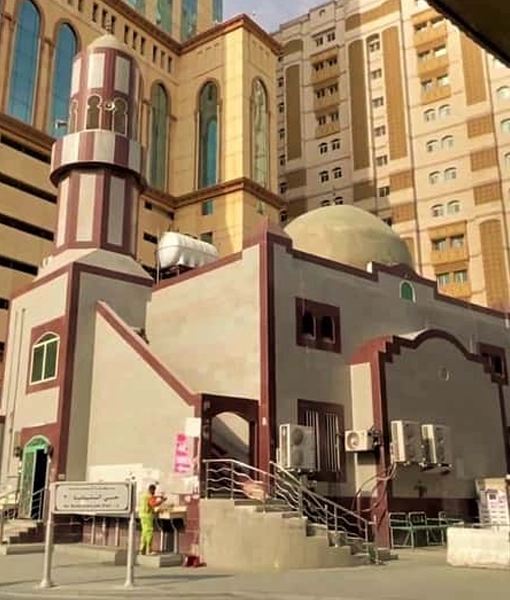
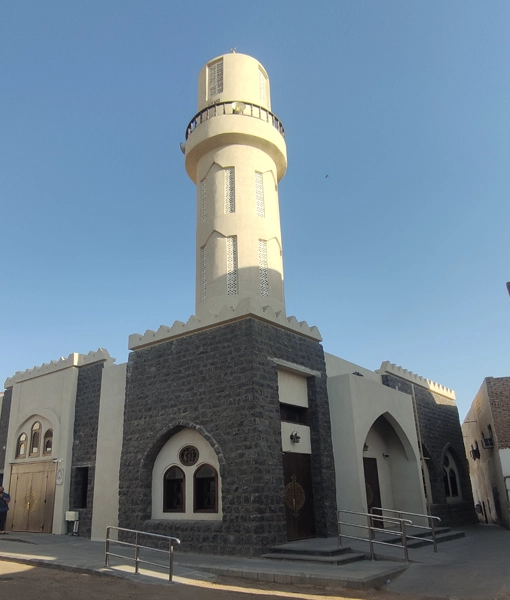
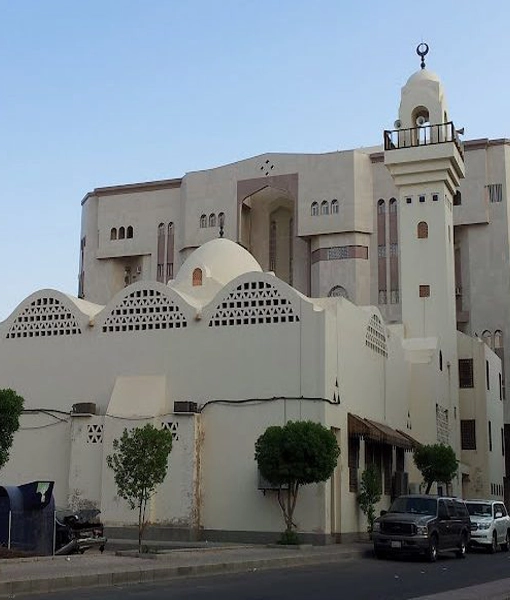
  • Architectural Features & Development: The mosque has been rebuilt and renovated several times over the centuries. The current structure is relatively modern and well-maintained. It is a small, simple mosque that serves as a landmark for pilgrims traveling to the Uhud battlefield. It’s often mistaken for other mosques in the area due to its modest size and location.
  • Current Status for Pilgrims: The mosque is an active place of worship. It is a popular, though not always as prominent as others, Ziyarat site for pilgrims visiting Mount Uhud and the cemetery of the martyrs. It provides a quiet place for reflection on the struggles and resilience of the early Muslims.

I have more than enough information to construct a detailed blog post that follows the requested format. I will now proceed with writing the content, blending the history with the location and the pilgrim’s experience, as I did for the previous topics. The blog post will include an introduction, sections on the mosque’s names and location, the historical event, the mosque’s architecture, and a conclusion for pilgrims. # Masjid Al-Mustrah: A Sanctuary of Respite

On the sacred route leading to the battlefield of Uhud in Madinah stands a mosque with a name that speaks of a profound human need: rest. This is Masjid Al-Mustrah, a sanctuary that marks the very spot where Prophet Muhammad (S.A.W.) and his companions paused to find a moment of peace and recuperation after the immense physical and emotional trials of the Battle of Uhud. For any pilgrim, visiting this mosque is not just a journey to a historical site, but a profound connection to the Prophet’s (S.A.W.) resilience, his compassion for his weary followers, and the ultimate victory of steadfastness over adversity.

A Place of Rest and Resilience

The name “Al-Mustrah,” meaning “place of rest” or “repose,” is a direct reference to the key event that hallowed this ground. It was here, after the grueling and difficult Battle of Uhud, that the Prophet (S.A.W.) and his army found a moment to rest and tend to their wounds before continuing their journey back to Madinah.

The battle had been a test of immense proportions. The Muslim army had faced a devastating setback, and many of their beloved companions had been martyred. The Prophet (S.A.W.) himself was injured. As the weary army made its way back, this location provided a brief but crucial reprieve. It was a moment to catch their breath, to regroup, and to find solace in the company of their blessed leader. The simple act of pausing here to rest is a powerful reminder that even the greatest of men need a moment of respite and that Allah provides comfort in times of trial.

The mosque’s second name, Masjid Bani Haritha, connects it to the original inhabitants of the area. It was built on the land of the Banu Haritha clan, a tribe of the Ansar who were among the most dedicated and loyal supporters of the Prophet (S.A.W.) and the early Muslim community. This name serves as a tribute to their generous hospitality and their pivotal role in sheltering and aiding the early Muslims.

An Architectural Journey of Preservation

Masjid Al-Mustrah began as a simple, open space where the Prophet (S.A.W.) and his companions took their rest. Over the centuries, the reverence for this historical event led to the construction of a permanent structure to honor the site. The mosque has been rebuilt and renovated on several occasions, with the current building being a relatively modern and well-maintained structure. Its simple yet elegant design is a tribute to its origins, focusing on spiritual function rather than architectural grandeur.

Located on the main road to Uhud, the mosque is easily accessible to pilgrims. Its modest size and unassuming presence often lead it to be overlooked by some, but for those who know its story, it stands as a poignant landmark. Its serene atmosphere provides a quiet space for visitors to reflect on the struggles and resilience of the early Muslims, and to contemplate the Prophet’s (S.A.W.) remarkable leadership in a moment of great adversity.
The Pilgrim's Experience: A Lesson in Steadfastness

For a pilgrim, a visit to Masjid Al-Mustrah offers a deeply personal and introspective experience. It is a place to connect with the raw emotions of that day after the Battle of Uhud: the grief for the fallen martyrs, the pain of the wounded, and the profound resilience that carried the community forward.

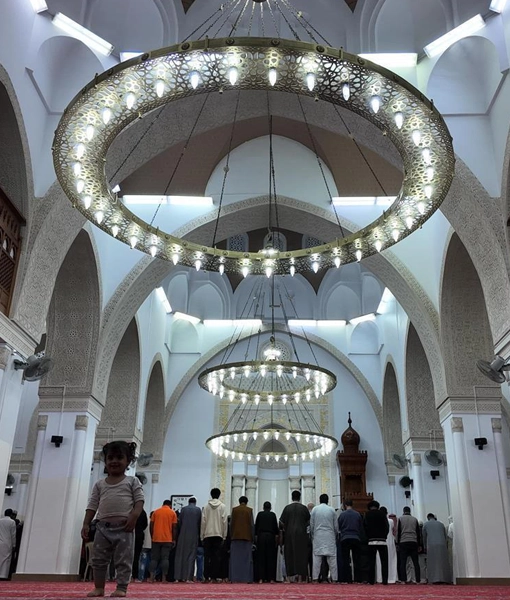
Standing in the prayer hall, you are reminded that even in moments of apparent defeat, there is always hope and the promise of divine support. Offering a prayer here is a beautiful way to honor the Prophet’s (S.A.W.) strength and perseverance and to seek from Allah the patience and steadfastness that will see you through your own life’s challenges. It is a powerful reminder that rest is necessary, but faith is the ultimate source of strength.
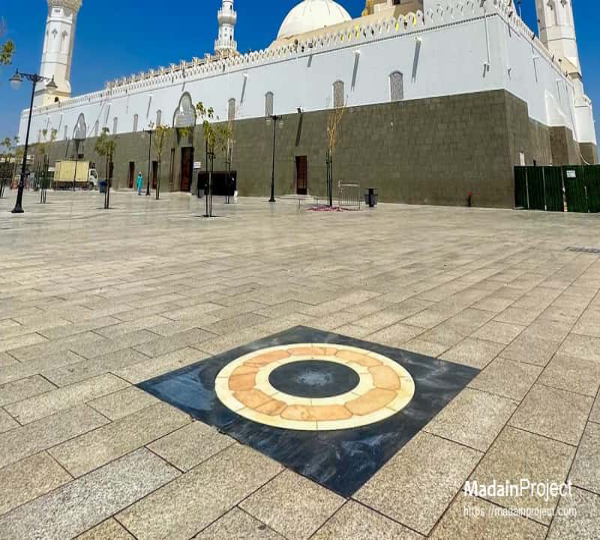
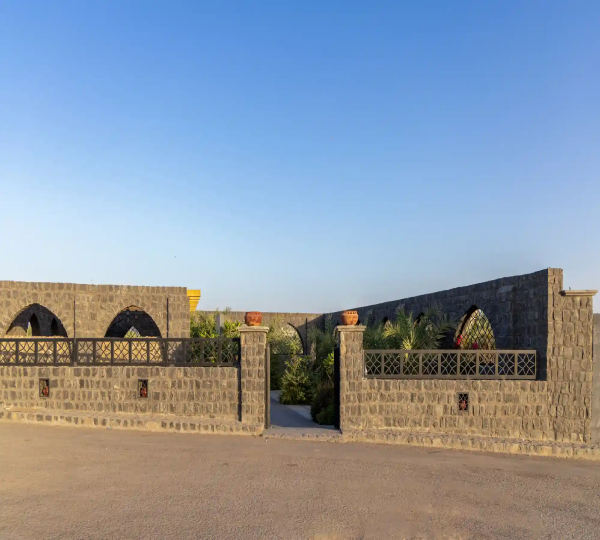
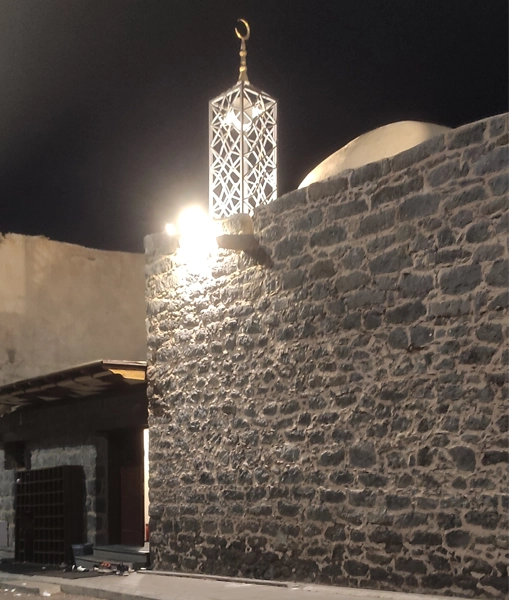
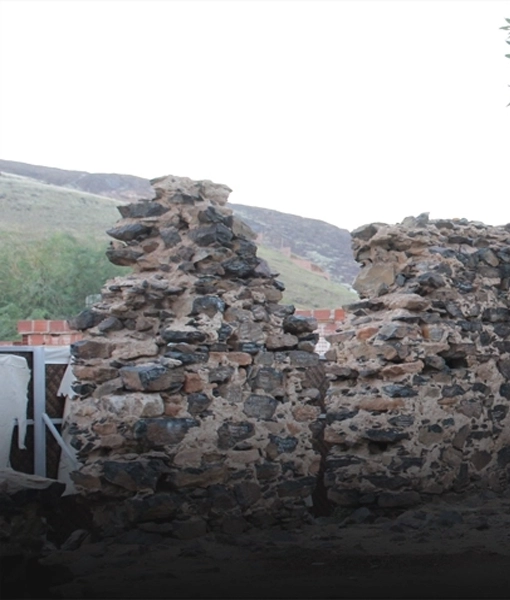
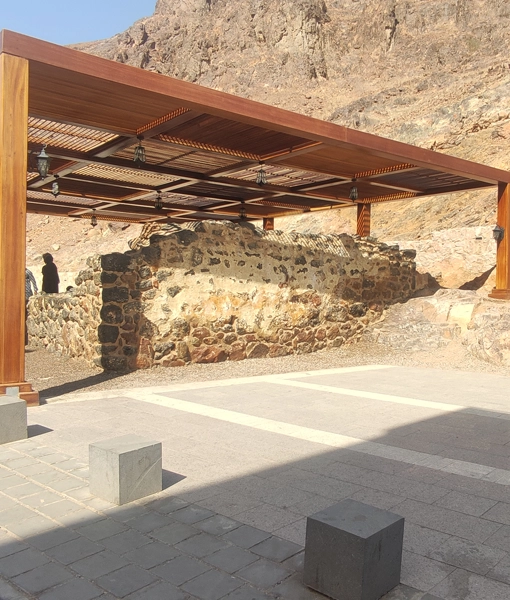
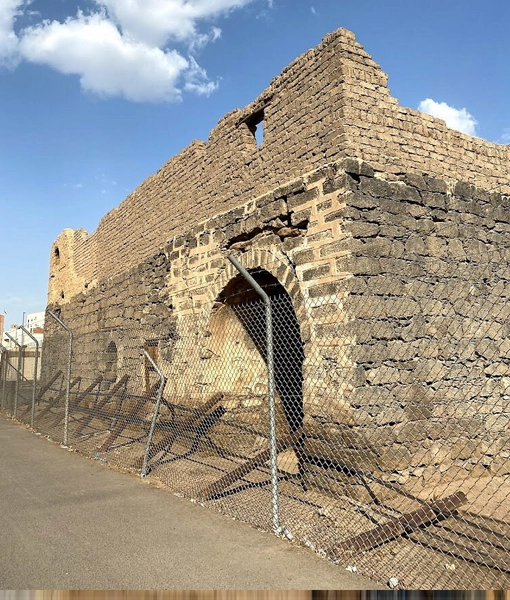
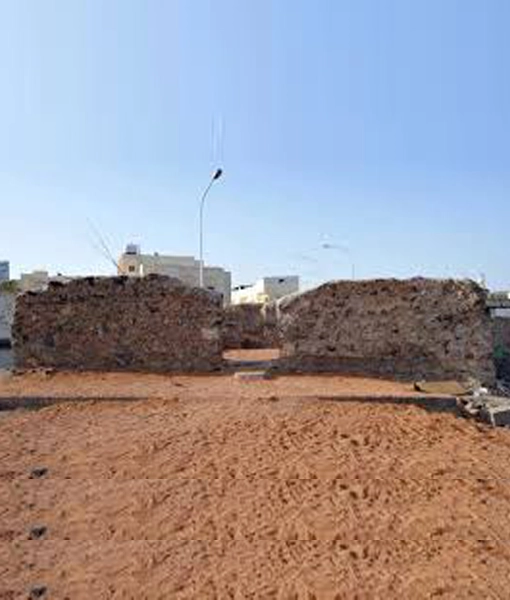
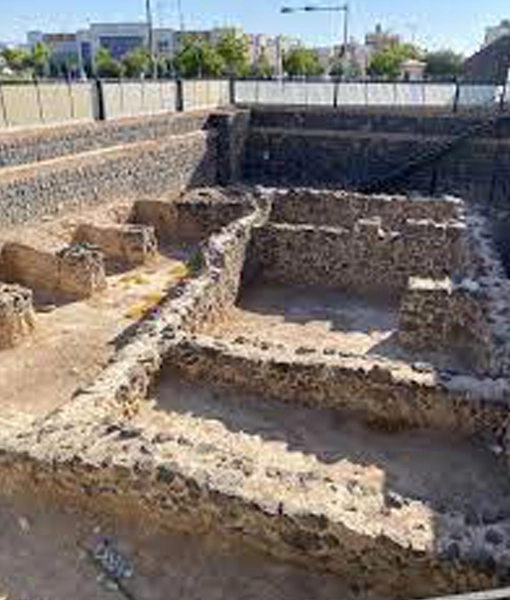
Over the centuries, the mosque faced periods of ruin and neglect, but its significance never faded from the community’s memory. In a recent preservation project, the mosque was meticulously restored. The architects chose to honour its original, modest character:

  •  
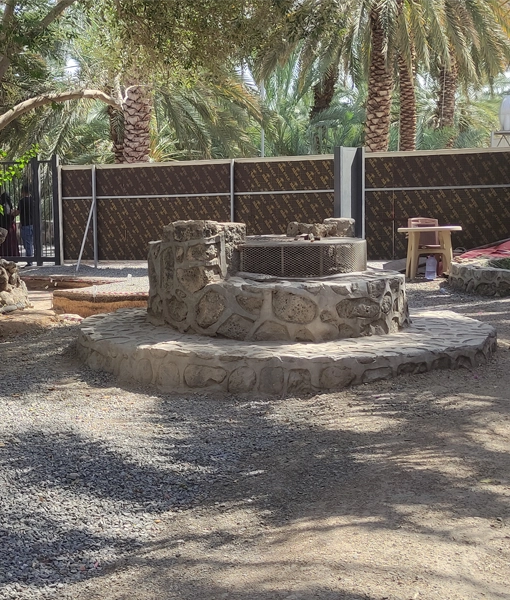
  • Black Basalt Stone Walls: The dark, sturdy stone provides a grounding, authentic connection to the local environment and the construction materials of the Prophet’s (S.A.W) era.
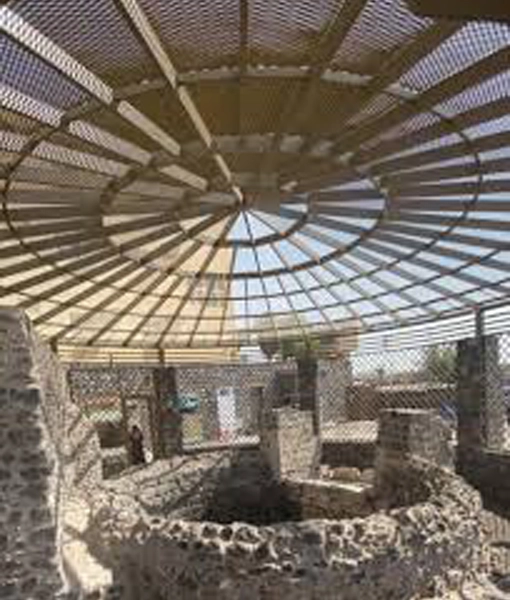
  • Open-Air Design: In keeping with its ancient form, the mosque often features an open or partially open roof, allowing sunlight and air to flow freely. This reflects the simplicity of the early Islamic places of worship before they acquired the elaborate domes and minarets of later eras.
  • A Symbol of Preservation: The restoration work is a shining example of Saudi Arabia’s commitment to preserving the physical remnants of the Seerah, transforming a decaying relic into a functioning, spiritually resonant place of worship once more.

Conclusion: A Legacy of Hope and Resilience

Masjid Al-Mustrah is more than just a historical landmark; it is a timeless symbol of resilience, leadership, and the profound human need for rest in the face of immense trial. It reminds every believer that the journey of faith is not without its hardships, but that with unwavering trust in Allah and the ability to pause and regroup, one can overcome any obstacle. For all who visit, it is a call to follow the Prophet’s (S.A.W.) example, to find solace in Allah in times of distress, and to carry on with steadfastness until the ultimate victory.

Other Ziyarat You Should Know