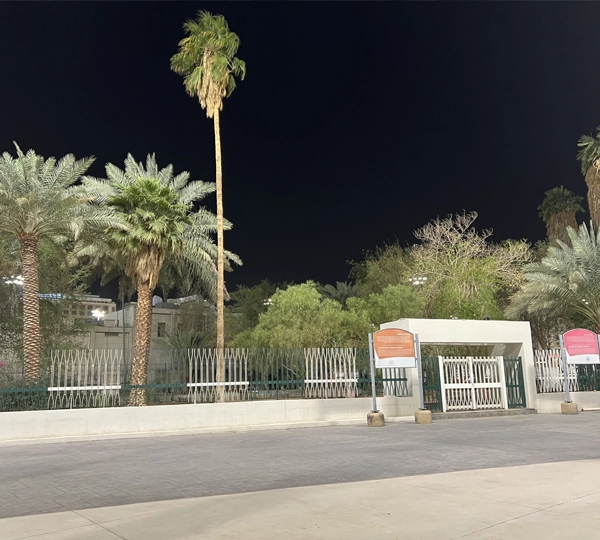
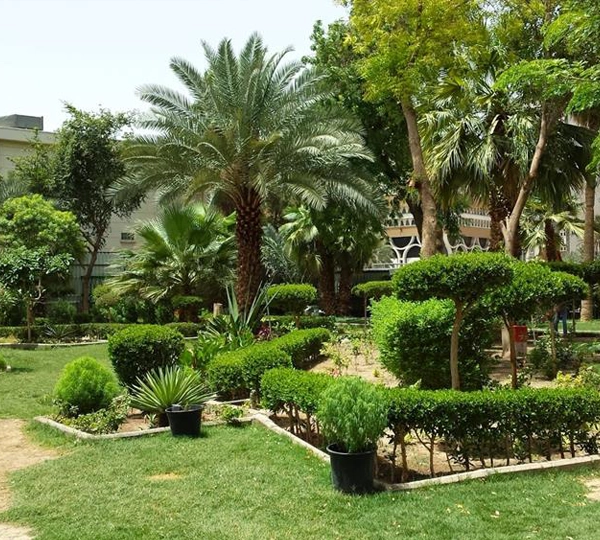
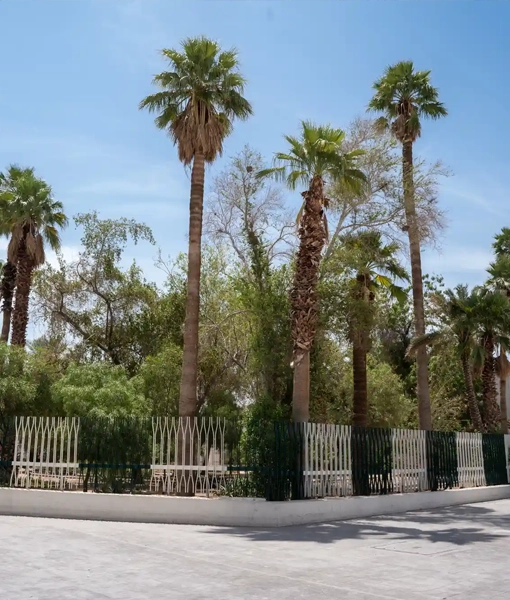
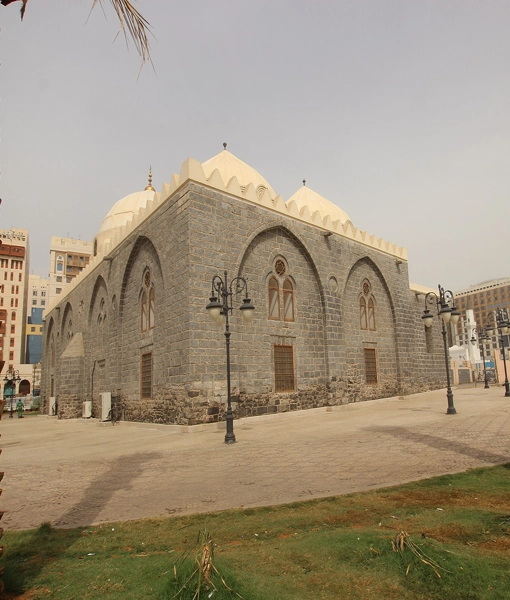
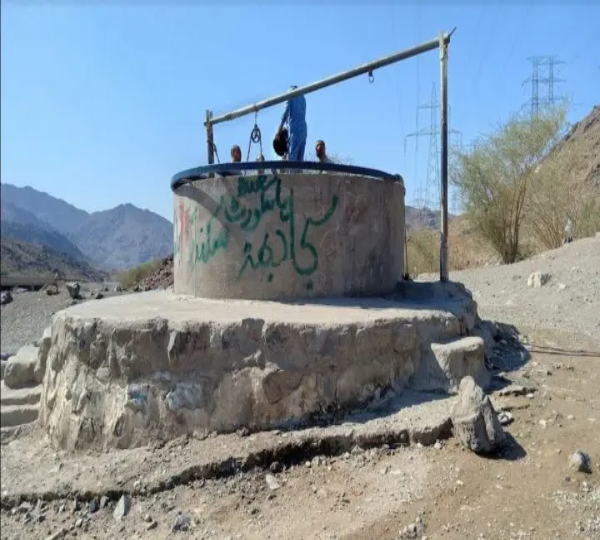
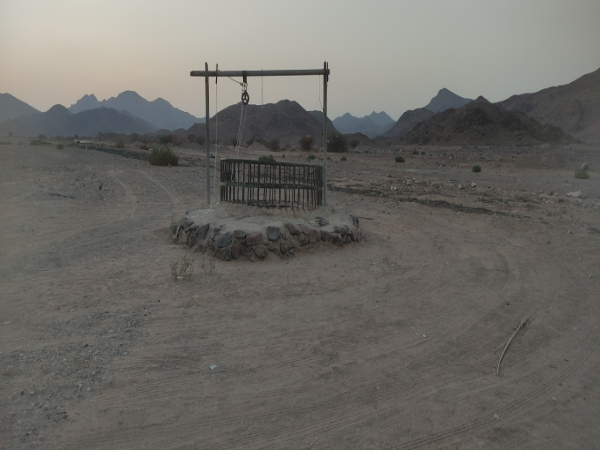
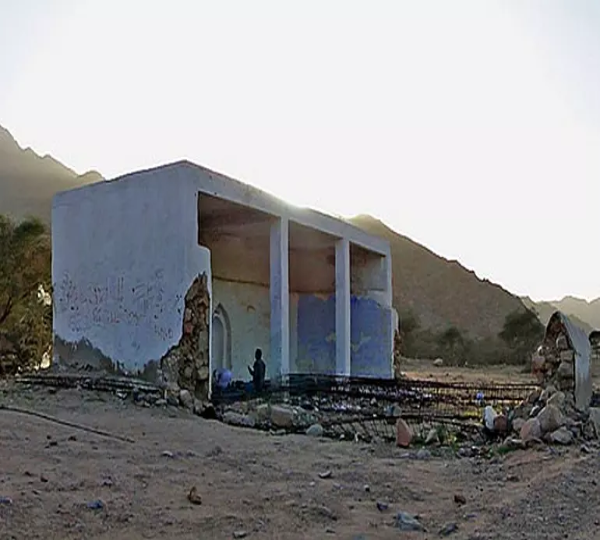
Wadi E khadra

وادي الخضراء

A Hidden Gem in the Sanctuary of Madinah

  • The Sacred Landscape of Madinah is woven with threads of deep history, Prophetic miracles, and enduring spiritual significance. While the raw, majestic beauty of Mount Uhud and the blessed tranquility of Masjid an-Nabawi draw the eyes and the hearts of millions, there are quieter, often overlooked places that hold equally powerful stories. Among these is Wādī al-Khaḍrā’ (وادي الخضراء), the “Green Valley,” a site of profound historical resonance and a silent witness to the early days of Islam and the final journey of the Messenger of Allah, Prophet Muhammad (S.A.W.), himself.

    For pilgrims and students of the Seerah (Prophetic biography), understanding Wādī al-Khaḍrā’ offers a richer, more nuanced view of the landscape that sheltered the nascent Muslim community. It connects the natural world with the miraculous events that unfolded here, grounding the spiritual journey in the very soil of Madinah.

Location and Name: A Haven of Life

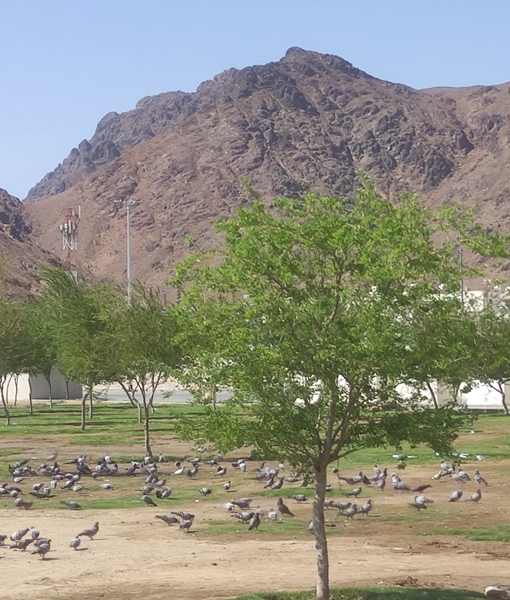
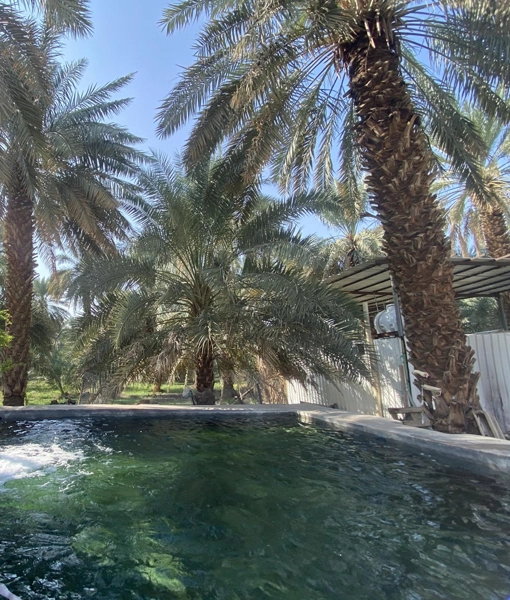
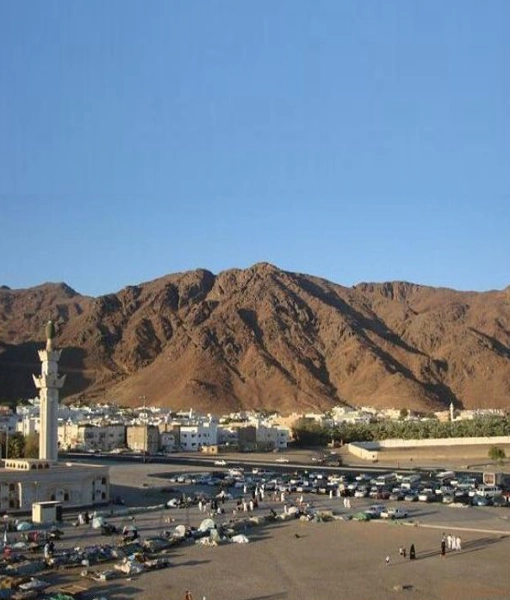
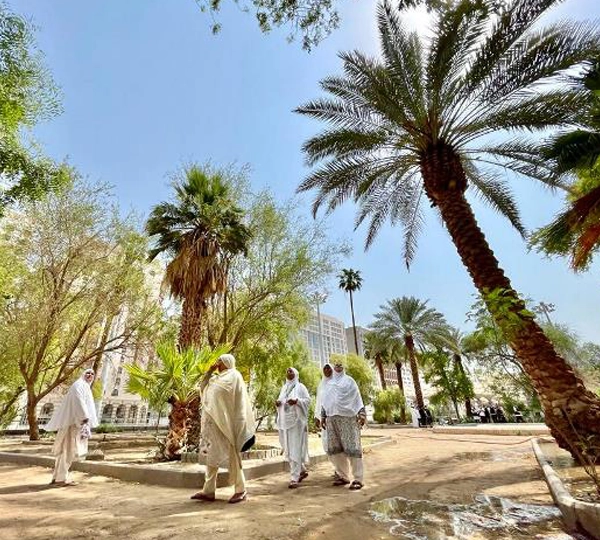
Wādī al-Khaḍrā’, as its name suggests, is historically one of the more fertile valleys surrounding Madinah. The literal translation, “The Green Valley,” reflects its reputation for relatively abundant greenery and agricultural activity, a vital feature in the otherwise arid environment of the Arabian Peninsula.

The valley lies to the southwest of the main Madinah city center. In the time of the Prophet (S.A.W.), it was a rural area, known for its date palms and cultivation. This agricultural importance meant it was a place of livelihood and sustenance, making it a living part of the Madinan community’s economy and daily life.

The Significance of the Valley in the Final Journey (Hijrah)

The most pivotal connection of Wādī al-Khaḍrā’ to the Seerah lies in the monumental event of the Hijrah (migration) from Makkah to Madinah in 622 CE. This journey marked the turning point of Islamic history, establishing the first Muslim state.

The Prophet Muhammad (S.A.W.) and his companion, Abū Bakr aṣ-Ṣiddīq (R.A.H.), did not take the direct and obvious route from Makkah to avoid the pursuing Quraysh. Their circuitous path led them to an area near this blessed valley, marking a significant milestone in their treacherous journey..

The Stop at Qubā: The Gateway to Madinah

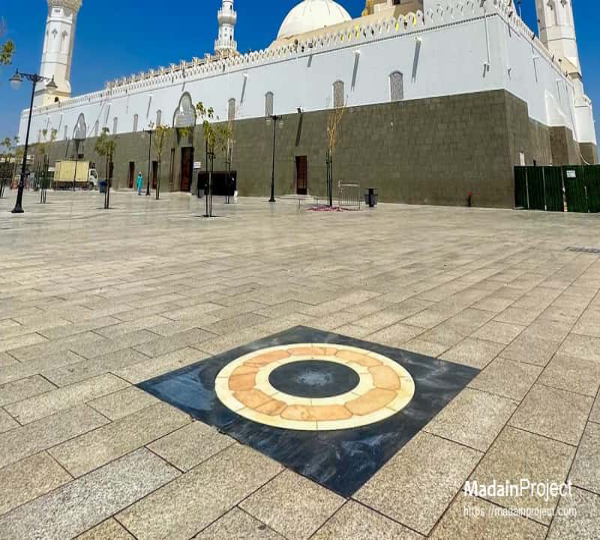
Before officially entering the main city of Madinah (Yathrib), the Prophet (S.A.W.) stopped at the village of Qubā’, which is situated on the outskirts, near Wādī al-Khaḍrā’.

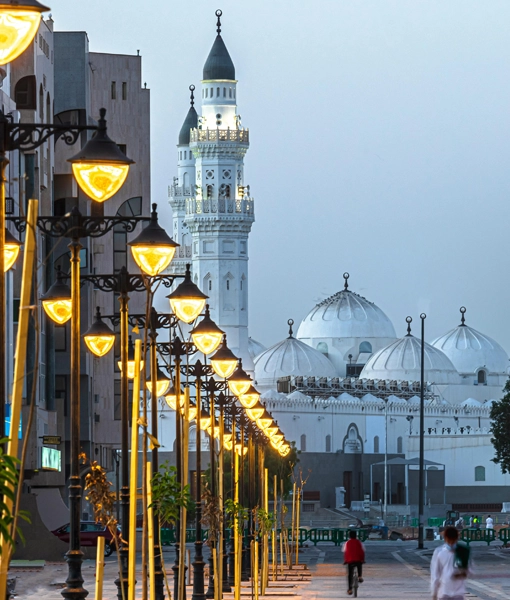
  • Foundation of Masjid Qubā’: It was here, in Qubā’, that the Prophet (S.A.W.) and his companions laid the foundation for the very first mosque in Islam, Masjid Qubā’. This act was deeply symbolic: before even entering the city, the community established its spiritual and communal anchor. This mosque remains a revered site, and a Hadith states that praying two rak’ah (units of prayer) in it is equal to performing an ’Umrah.
  • A Place of Waiting: The Prophet (S.A.W.) stayed in Qubā’ for several days, resting after the exhaustion and peril of the Hijrah. This period allowed the news of his safe arrival to spread and for arrangements to be made for his entry into the heart of the city.

Wādī al-Khaḍrā’ and the area of Qubā’ thus serve as the prologue to Madinan life, the calm before the foundational work of state-building began. It is a place of profound obedience and gratitude, where the Prophet (S.A.W.) paused his journey to thank Allah (S.W.T.) and begin the establishment of the Ummah’s physical and spiritual infrastructure

A Site of Sustenance and Agricultural Barakah

The Green Valley’s fertility was not just incidental; it was intrinsically linked to the Prophet’s (S.A.W.) prayer for Madinah.

After the Hijrah, life in Madinah was difficult for the Muhājirūn (emigrants from Makkah). The climate was different, and many fell ill. The Prophet (S.A.W.) supplicated to Allah (S.W.T.):

“O Allāh, bless us in our fruits, bless us in our town, bless us in our Sā’ and our Mudd. O Allāh, Abraham was Your slave, Your friend, and Your Prophet, and I am Your slave and Your Prophet. He prayed to You for Makkah, and I pray to You for Madinah for double what he prayed for Makkah.” (Narrated by Muslim)

This prayer for double the blessing (Barakah) was visible in the fertile lands surrounding Madinah, including Wādī al-Khaḍrā’. The valley continued to yield crops, particularly dates (Madinah is famous for its dates, such as the ’Ajwah), ensuring the survival and prosperity of the rapidly expanding community. The prosperity of the valley was a tangible sign of Allah’s (S.W.T.) acceptance of the Prophet’s (S.A.W.) supplication.

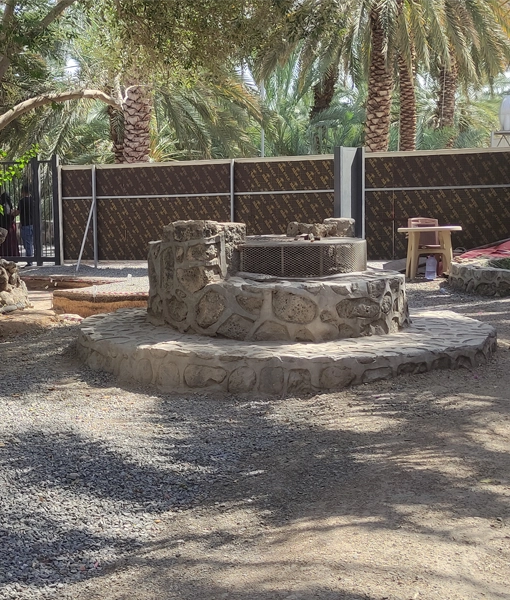
Just as the sweet water miracle of Bi’r Rawhā showcased a divine blessing in a vital necessity (water), Wādī al-Khaḍrā’ represents a different but equally crucial blessing: sustenance and agricultural fertility in the harsh landscape

Lessons from the Battle of Uhud (3 AH/625 CE)
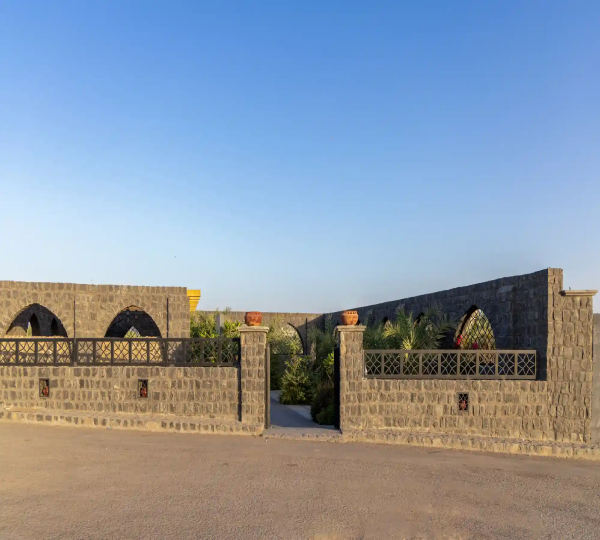
Wādī al-Khaḍrā’ also sits near the routes and battlegrounds of one of the most significant military engagements in early Islam: the Battle of Uhud.

The strategic geography of the valleys and plains outside Madinah played a crucial role in the movement of both the Muslim army and the advancing Quraysh forces. The Muslim army, when mobilizing to meet the Meccans, would have moved through or near valleys like Wādī al-Khaḍrā’ and the larger Wādī al-’Aqīq.

  • The Route of the Army: The movement of the small Muslim force, which eventually faced the enemy at the foot of Mount Uhud, highlights the tactical knowledge the Prophet (S.A.W.) had of his new home. The valleys were used both for cover and for rapid movement.
  • A Place of Recovery: Following the setback at Uhud, the survivors of the Muslim army returned to Madinah through the same valleys. Wādī al-Khaḍrā’ and its surrounding areas would have been the backdrop to the solemn return, a reminder of the sacrifices made in defense of the faith.

The contrast between the valley’s peaceful greenery and the intensity of the war preparations and aftermath serves as a powerful metaphor: the faith established by the Prophet (S.A.W.) was nurtured in peace but had to be defended through immense sacrifice.

The Prophetic Legacy of Planting and Stewardship

Beyond major historical events, Wādī al-Khaḍrā’ embodies the Prophet’s (S.A.W.) values of environmental stewardship and sustainable living.

The Prophet (S.A.W.) famously taught:

“There is none amongst the Muslims who plants a tree or sows a seed, and then a bird or a person or an animal eats from it, but is regarded as a charity for him.” (Narrated by Bukhārī and Muslim)

This principle was actively lived out in Madinah, which was transformed into an agricultural center. Wādī al-Khaḍrā’, as a prime agricultural area, was a practical implementation of this Prophetic teaching. Visiting it is a reminder that Islam does not separate the spiritual from the environmental; tending to the earth and ensuring the sustainability of resources is, in itself, an act of worship.

Wādī al-Khaḍrā’ in the Modern Era: A Call to Connection

In modern Madinah, rapid urbanization has inevitably encroached upon the surrounding valleys. The expansive construction projects and infrastructure have changed the physical appearance of the area. However, the spiritual and historical markers remain vital.

For the pilgrim, Wādī al-Khaḍrā’ serves as a crucial point of reflection:

  1. Connecting the Hijrah: It allows a physical connection to the final leg of the Hijrah, retracing the last miles before the Prophet (S.A.W.) settled in the city.
  2. Appreciating Divine Blessings: It provides a tangible link to the agricultural Barakah of Madinah, which was a direct answer to the Prophet’s (S.A.W.) prayer. It’s a place to pray for the continuation of that blessing in one’s own life and sustenance.
  3. Environmental Reflection: It reminds the Ummah of the importance of the land, agriculture, and the Prophet’s (S.A.W.) principles of ecology and conservation.

Wādī al-Khaḍrā’ stands today as a quiet, powerful testament to the complete ecosystem of life established in Madinah: not just the mosque and the market, but also the fields and the gardens. It is a lesson that true civilization (or Madīnah) is built on a strong spiritual center supported by a resilient, sustainable relationship with the land.

As you plan your pilgrimage, remember that the blessings of the Prophet’s (S.A.W.) sanctuary are scattered throughout its landscape. A moment spent reflecting in Wādī al-Khaḍrā’ is a moment spent connecting with the very foundations of the first Islamic community, nourished by the grace of Allah (S.W.T.) and the supplications of His final Messenger (S.A.W.).

Other Ziyarat You Should Know