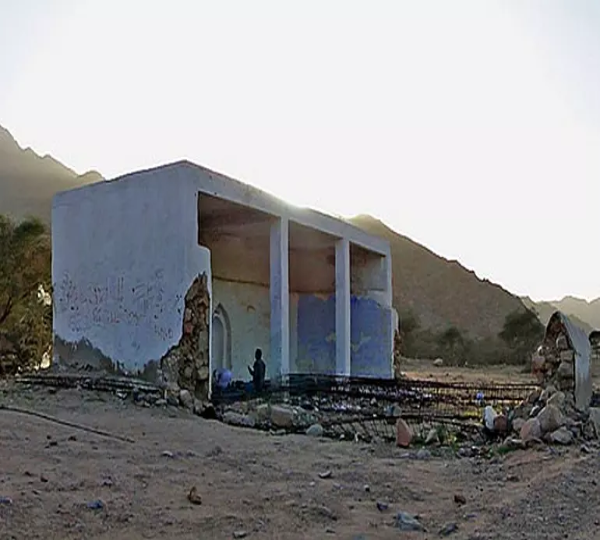
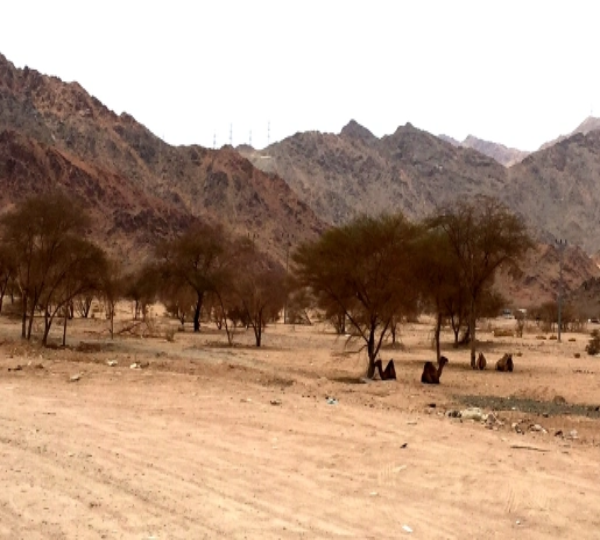
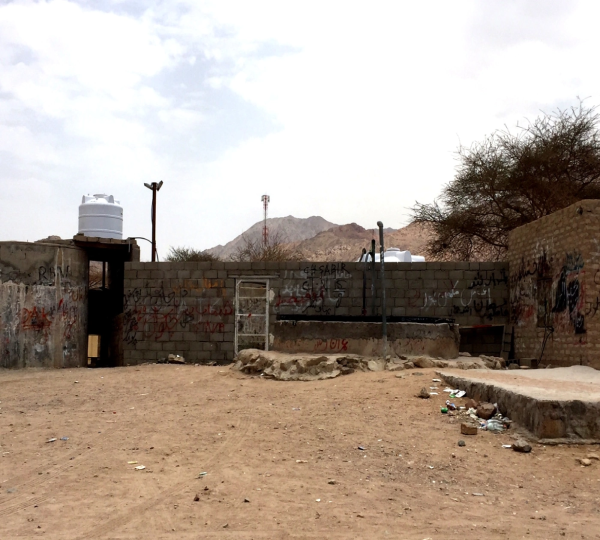
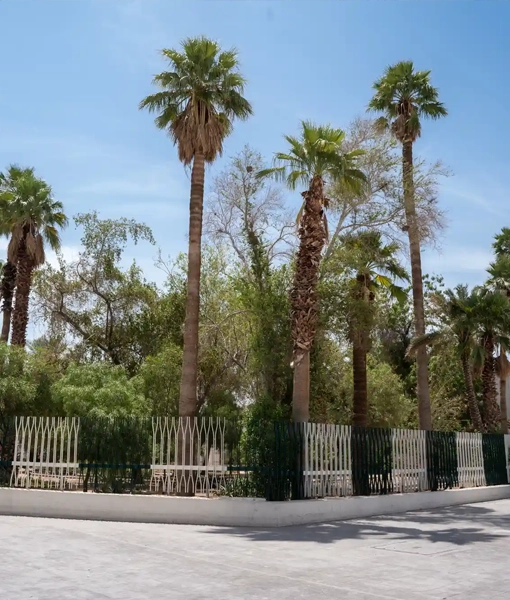
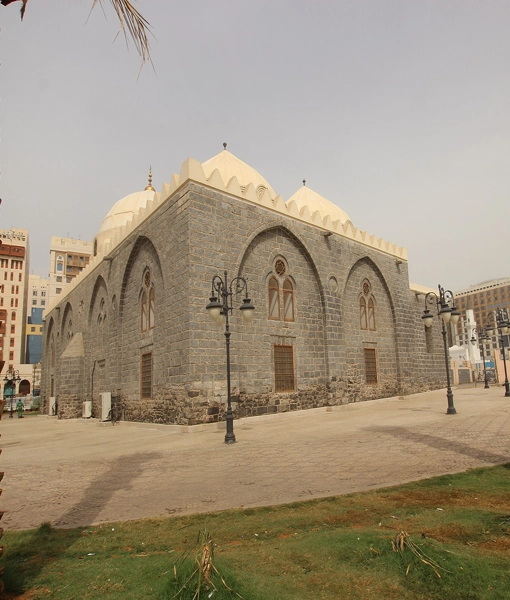
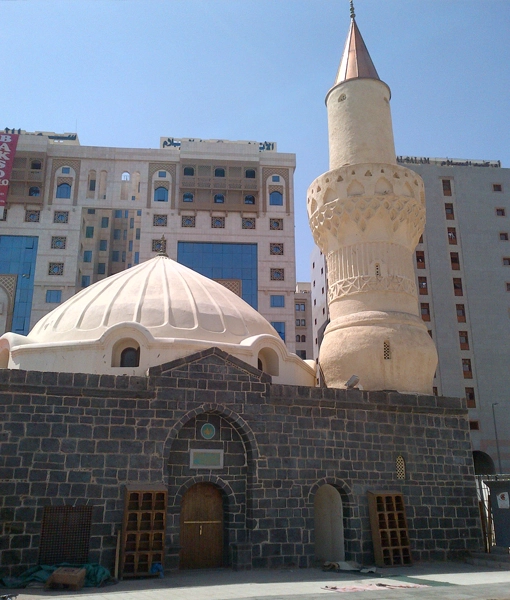
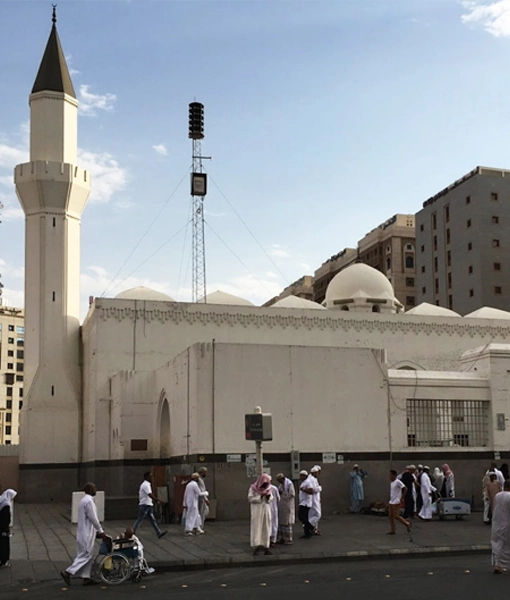
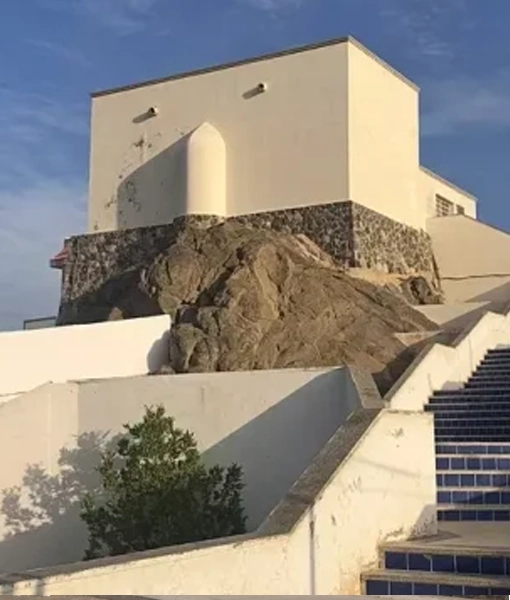
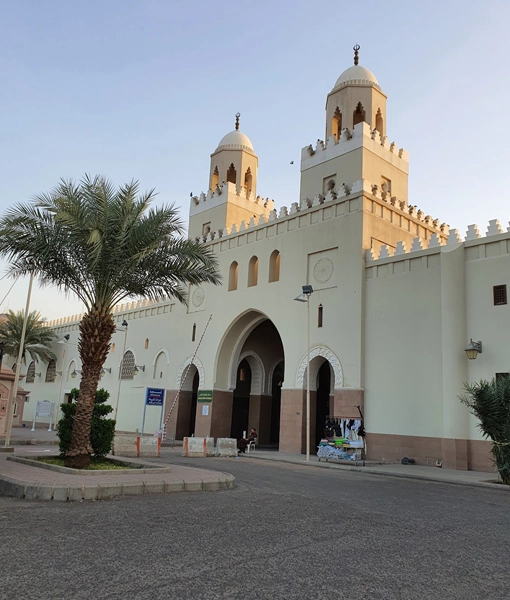
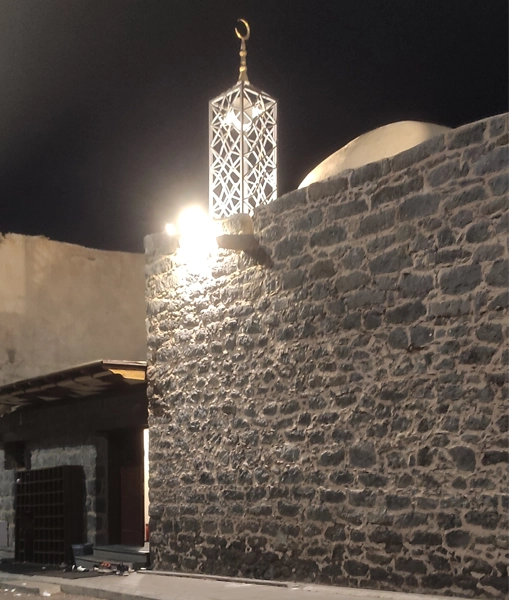
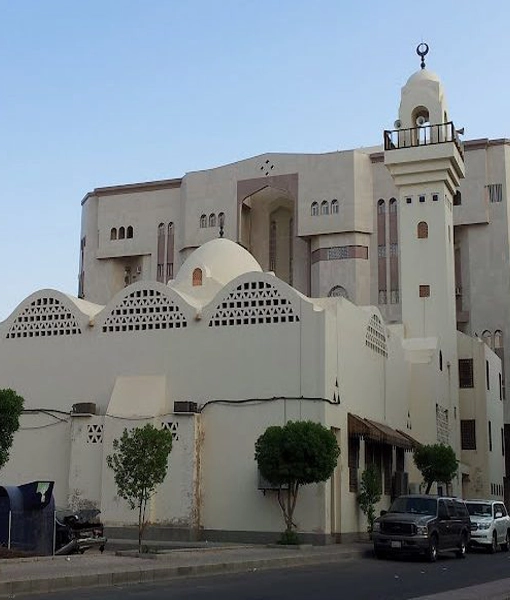
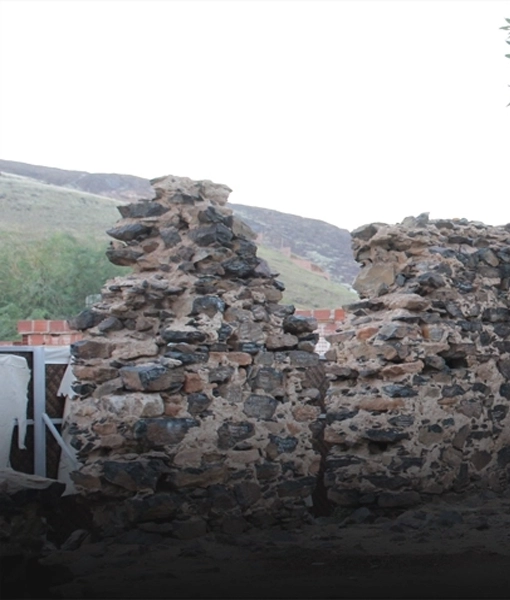
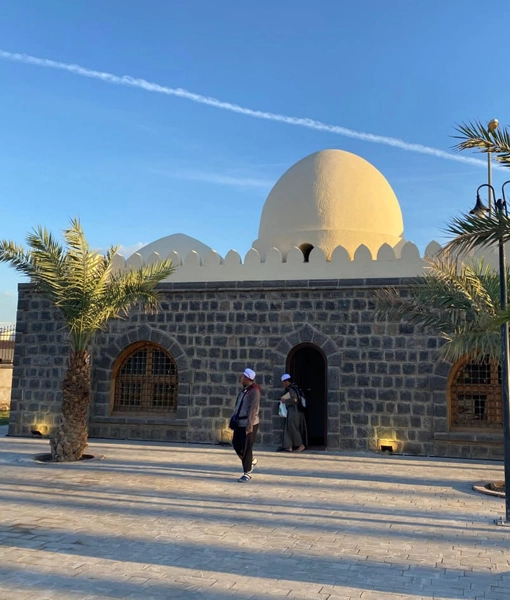
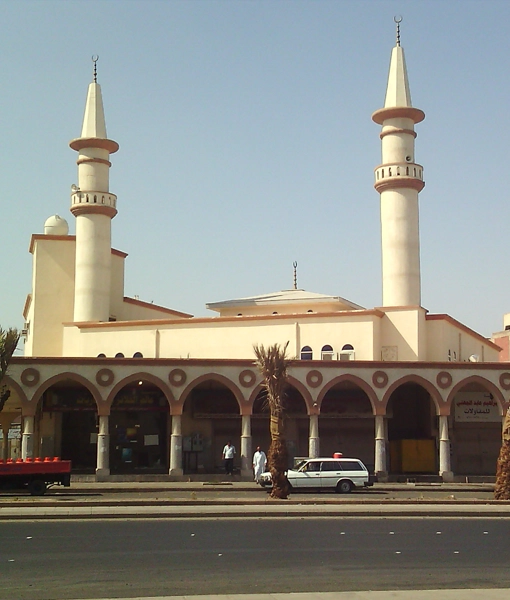
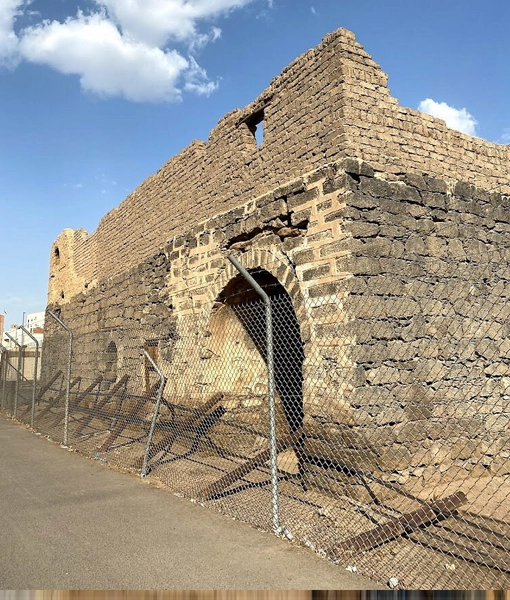
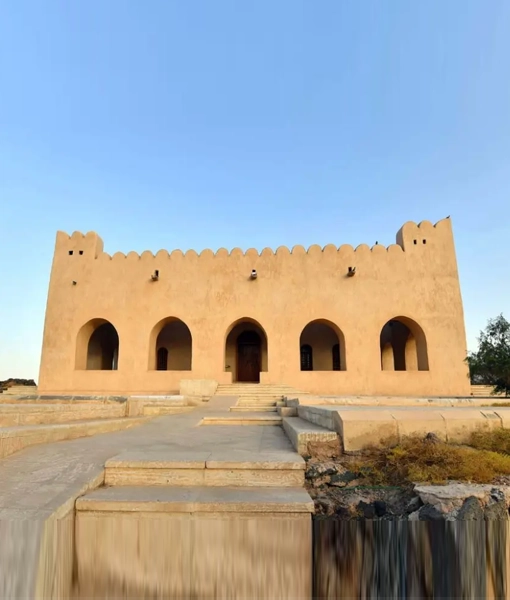
وادي الروحاء
The Valley of Prophets and the Sweetness of a Miracle
Journey to Ar-Rawhā: Where Sacred Waters Flow, Prophets Converged, and the Prophet Muhammad’s (S.A.W.) Blessing Endures.
In the sacred geography that stretches between the Illuminated City of Madinah and the Blessed City of Makkah, there exist countless landmarks hallowed by the footsteps of prophets, companions, and generations of devoted pilgrims. Among these, the Ar-Rawhā Valley and its ancient well, Bi’r Rawhā (also known as Beer e Roha), stand out as a site of profound spiritual weight, a place where history, miracle, and even prophecy about the End Times converge.
For every pilgrim embarking on their spiritual journey, understanding places like Bi’r Rawhā is not just about visiting a physical location; it is about connecting with a living legacy, a continuous stream of blessings that has flowed for millennia. Here, the very earth seems to whisper tales of divine presence and prophetic sanctity.
The Valley Where Prophets Converged
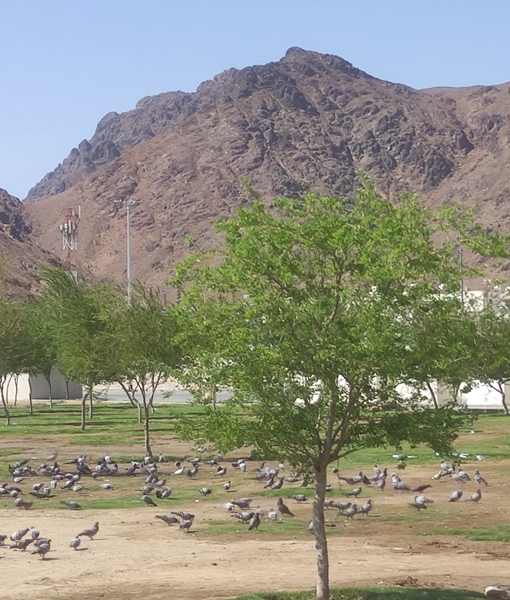
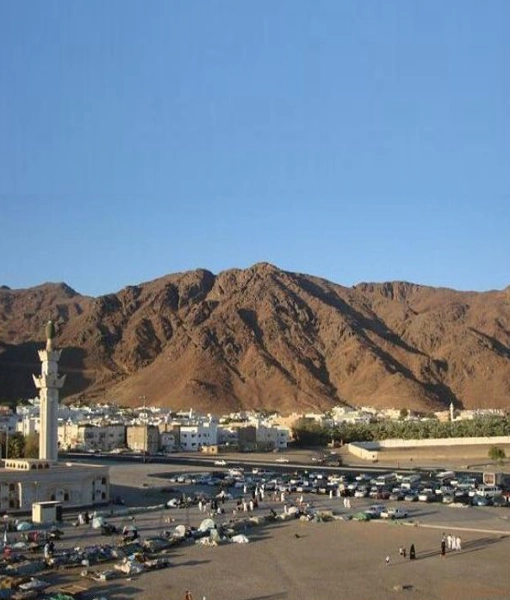
The Ar-Rawhā Valley (وادي الروحاء) is located approximately 80 kilometers (around 50 miles) west of Madinah, along the historic pilgrimage route to Makkah. Its name, “Rawhā,” is said to derive from the Arabic word meaning “ease” or “comfort,” reflecting its lushness compared to the surrounding desert, offering a place of respite for weary travelers.
However, its true significance transcends mere physical comfort. Ar-Rawhā is renowned in Islamic tradition as the “Valley of Prophets.” Numerous narrations from the Prophet Muhammad (S.A.W.) emphasize the immense sanctity of this valley. It is reported in various Hadith that many of Allah’s previous prophets (Alayhim as-salaˉm), including Musa (A.S.) and Yunus (A.S.)—and indeed, a vast number whose names we may not even know—passed through this very valley on their way to Makkah to perform Hajj or Umrah.
Imagine this: countless messengers of Allah, from the dawn of time, traversing these same paths, seeking closeness to their Lord. One powerful Hadith, narrated by Abu Hurayrah (R.A.H.), states that the Prophet Muhammad (S.A.W.) said:
“Seventy thousand Prophets prayed in the Valley of Ar-Rawhā.” (Though the exact number can vary in different narrations, the essence remains: a multitude of Prophets converged here).
These narrations instill in the visitor an awe-inspiring sense of continuity. When you stand in Ar-Rawhā, you are not just in a historical place; you are standing on ground trodden by the purest of souls, a veritable highway of divine connection spanning human history.

The Miracle of Sweet Water
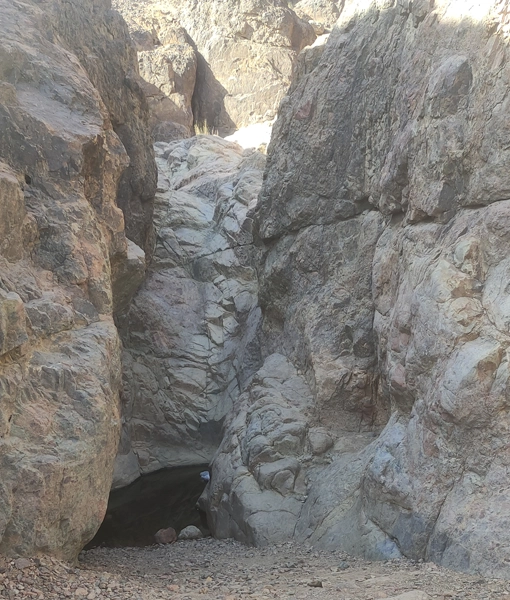
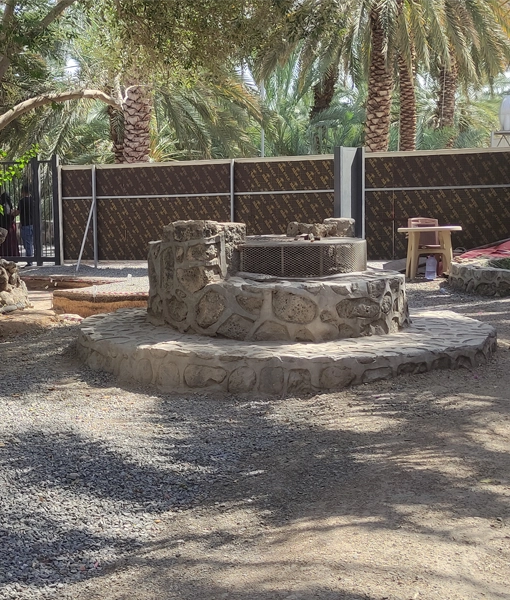
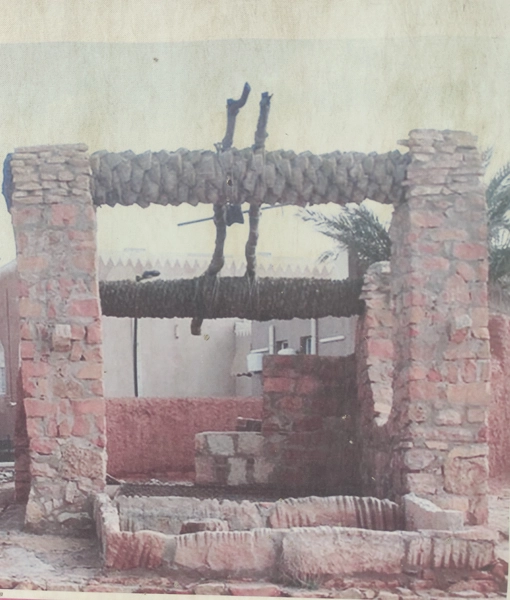
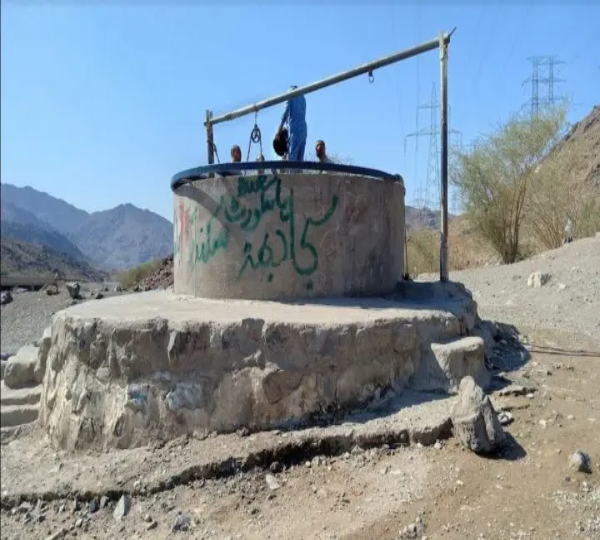
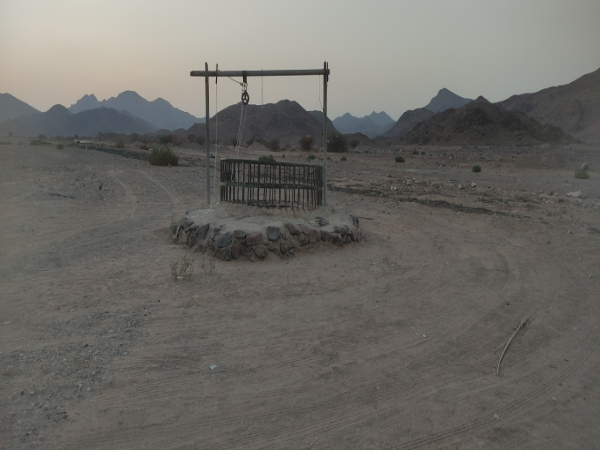
Central to the Valley of Ar-Rawhā is its ancient well, Bi’r Rawhā. Like many wells in the harsh desert environment, its water was not always hospitable. Accounts describe the water as initially bitter, brackish, or otherwise unsuitable for drinking, posing a significant challenge to travelers and residents.
It was during one of his journeys through the valley that the Prophet Muhammad (S.A.W.) came upon this well. Witnessing the difficulty posed by its water, he performed a miraculous act. He took some of the well’s water, perhaps gargled it or simply put some of his blessed saliva into it, and then returned the water to the well.
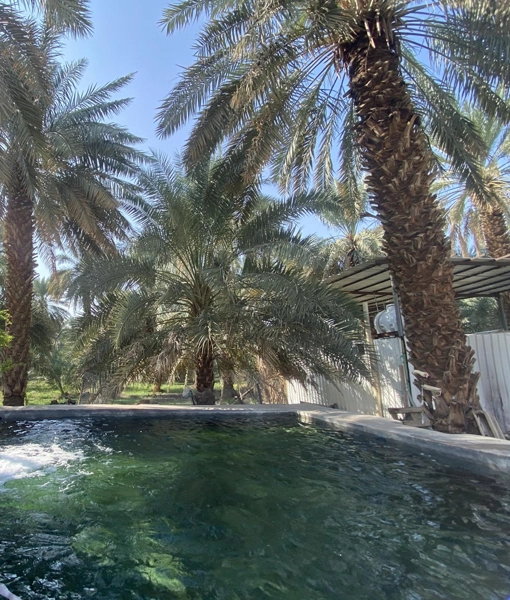
The effect was instantaneous and lasting. By the will of Allah (S.W.T.), the water of Bi’r Rawhā was instantly transformed. Its bitterness vanished, replaced by a refreshing sweetness and purity. This miracle, like that of Bi’r al-Shifa, was not a temporary change; the well is said to have continuously yielded sweet, pure water ever since, serving as an enduring sign of the Prophet’s (S.A.W.) blessing and the power granted to him by Allah (S.W.T.).
Spiritual Significance of the Miracle:
- Prophetic Authenticity: This miracle serves as a clear testament to the authenticity of Prophet Muhammad’s (S.A.W.) message. To physically alter the nature of water, a fundamental element of life, is beyond human capability and points directly to divine intervention.
- Barakah (Blessing): The transformation of Bi’r Rawhā is a profound lesson in Barakah. The Prophet’s (S.A.W.) blessed touch brought goodness, sustenance, and ease where there was hardship. It reminds us that Barakah can permeate even the most ordinary aspects of life and turn them into sources of immense benefit.
- Divine Care: This act showcases Allah’s (S.W.T.) continuous care for His creation, facilitated through His beloved Messenger (S.A.W.). Where humanity faced a challenge, divine mercy provided a solution that has endured for over a millennium.
A Stopping Point for Armies and Pilgrims
Beyond its miraculous water, Bi’r Rawhā played a practical role in early Islamic history:
- En Route to Badr: The Ar-Rawhā Valley was a crucial stopping point on the route from Madinah to the wells of Badr. Before the pivotal Battle of Badr, the Muslim army, led by the Prophet (S.A.W.), passed through this valley. It was from Ar-Rawhā that the Prophet (S.A.W.) dispatched a companion back to Madinah to serve as a temporary governor, illustrating its strategic importance.
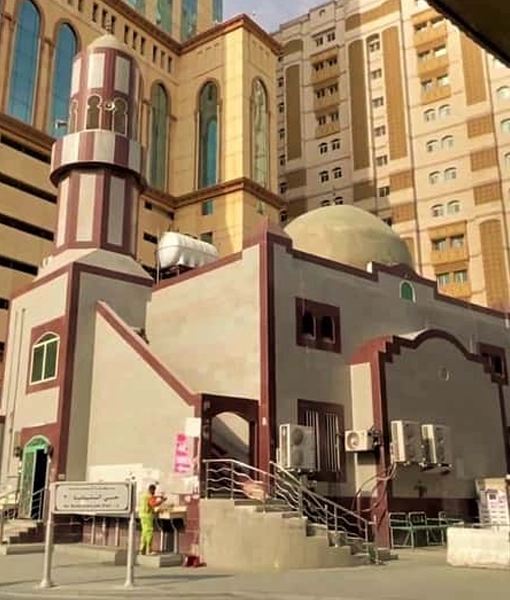
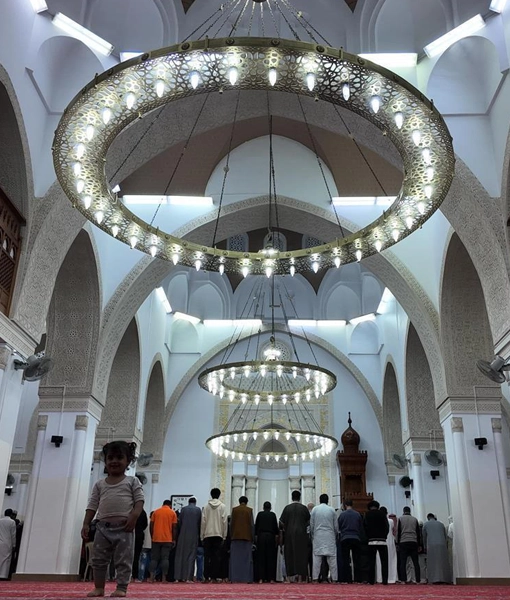
- A Place of Rest: For centuries, pilgrims and travelers traversing the challenging desert landscape between the two Holy Cities relied on wells like Bi’r Rawhā for sustenance. The sweet water of the well provided essential relief and a place for rest and prayer, reinforcing its role as a spiritual and logistical hub.
Prophet Isa (A.S.) in Ar-Rawhā
Perhaps one of the most intriguing aspects of Ar-Rawhā’s significance is its mention in prophecies concerning the End Times.
According to authentic Hadith, when Prophet Isa (Jesus, Alayhi as-salaˉm) returns to Earth before the Day of Judgment, he will perform Hajj or Umrah. And, specifically, he will pass through the Valley of Ar-Rawhā. A Hadith narrated by Abu Hurayrah (R.A.H.) mentions that Prophet Isa (A.S.) will perform Ihraˉm (the ritual state for Hajj/Umrah) from Ar-Rawhā.
This prophecy elevates Ar-Rawhā from a historical site to a place of eschatological importance, linking it directly to major events in the future of humanity. It reinforces the continuous sacredness of this valley across time, where prophets from different eras have converged and will continue to converge.
Reflections on the Eschatological Significance:
- Unity of Prophethood: This prophecy beautifully underscores the unity of Prophethood in Islam. Prophet Isa (A.S.) will return not as a new messenger, but as a follower of Prophet Muhammad (S.A.W.) and will perform the rituals established by Ibrahim (A.S.) and revived by Muhammad (S.A.W.).
- Continuity of Sacred Sites: It reaffirms the enduring sanctity of certain geographical locations, chosen by Allah (S.W.T.) as places of worship, devotion, and divine encounter across all ages.
A Ziyarah of Immense Depth
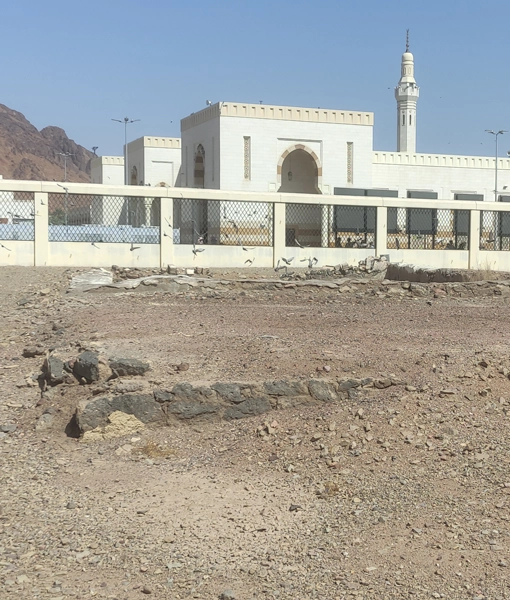
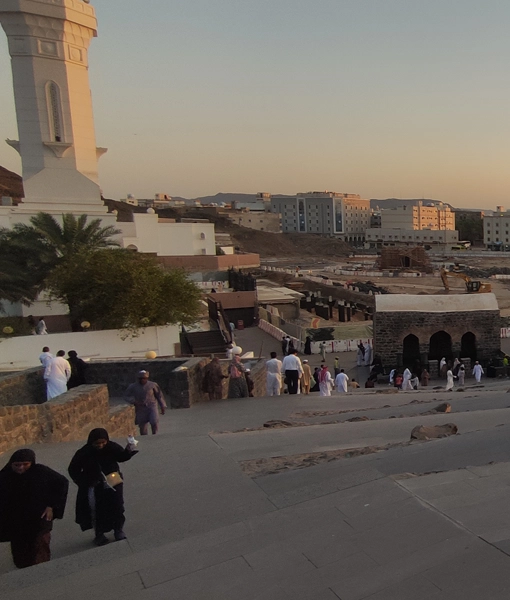
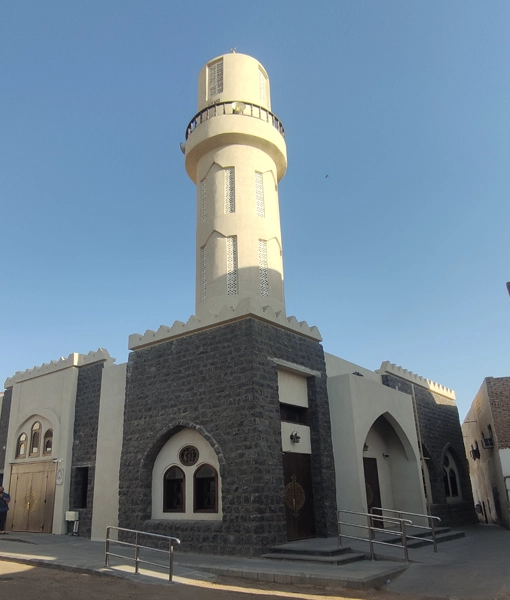
Today, Bi’r Rawhā remains a site of immense spiritual interest for pilgrims. While its exact location might be more challenging to find without experienced guides due to its rural setting, the journey to Ar-Rawhā is deeply rewarding.
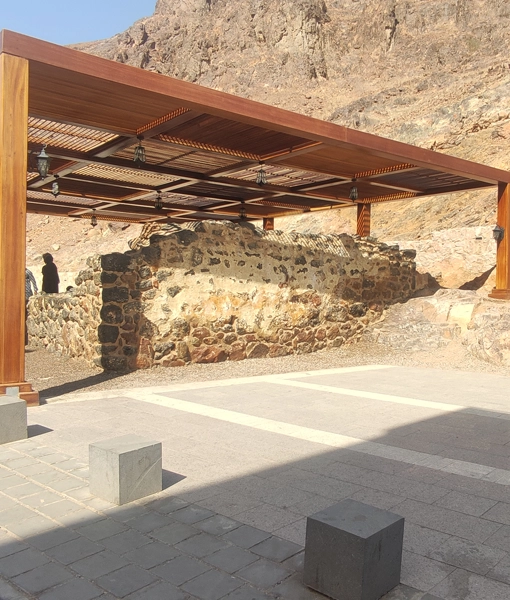
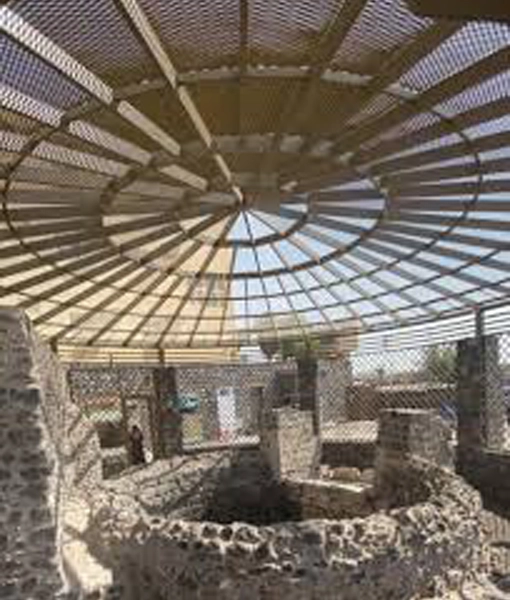
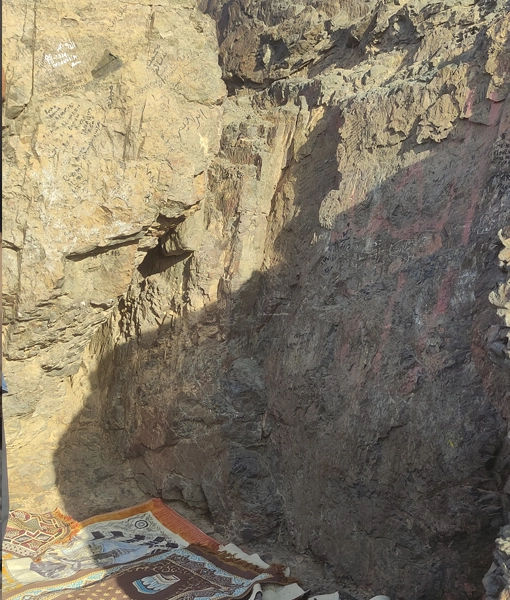
Visitors can witness the well, often encased in modern protective structures to preserve its integrity, and drink from its miraculously sweet water. The surrounding valley still retains a sense of serene beauty, inviting contemplation on the vastness of Allah’s (S.W.T.) creation and the profound blessings bestowed upon this land.
A Ziyarah to Bi’r Rawhā is more than just observing a historical landmark; it is an immersion into a unique confluence of:
- Ancient History: Walking where countless prophets walked.
- Prophetic Miracles: Drinking from water blessed by the Messenger of Allah (S.A.W.).
- Islamic History: Reflecting on the preparations for pivotal battles.
- Future Prophecies: Contemplating events to unfold before the Day of Judgment.
It is a journey that connects the past, present, and future, urging the pilgrim to reflect on the enduring power of faith, the universality of Allah’s (S.W.T.) message, and the continuous Barakah that graces the land of the Prophet (S.A.W.). May Allah grant us the opportunity to visit this blessed valley and drink from its sweet, miraculous waters.