Bear E Arees

بئر العريس

Where Prophecy Unfolded and a Sacred Seal Was Lost

A Journey to the ‘Well of the Ring’ in Madinah, a Site of Prophecy, Companionship, and Profound Historical Turning Points.

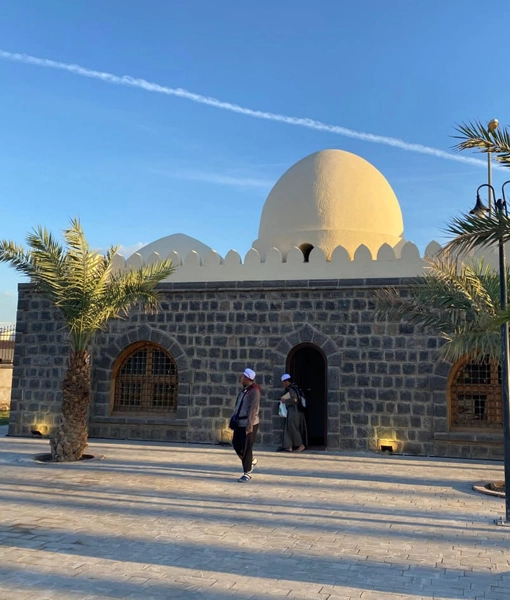
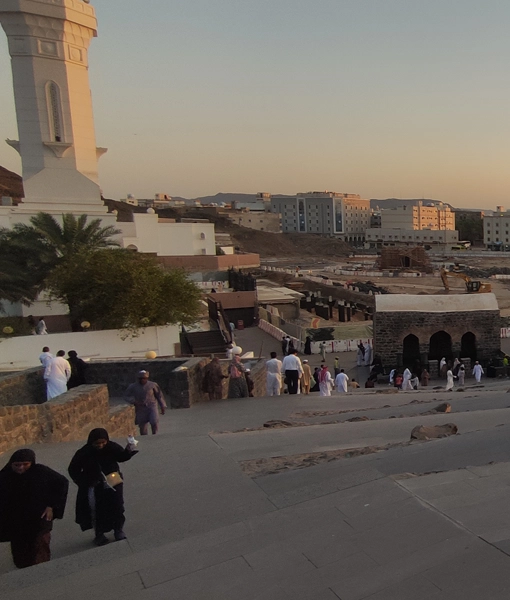
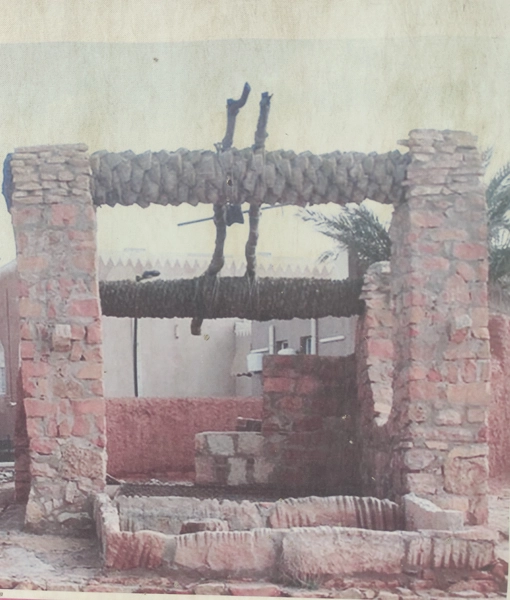
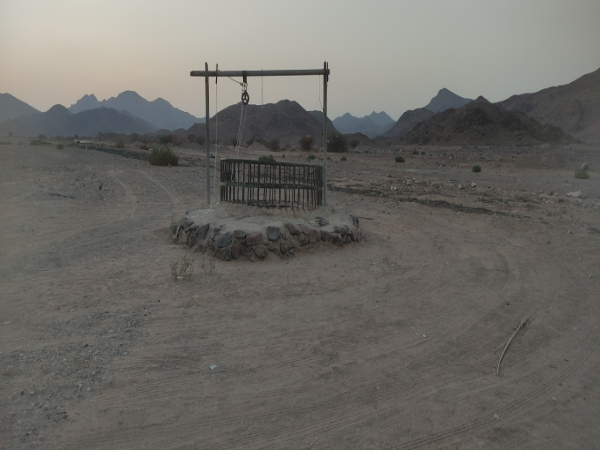
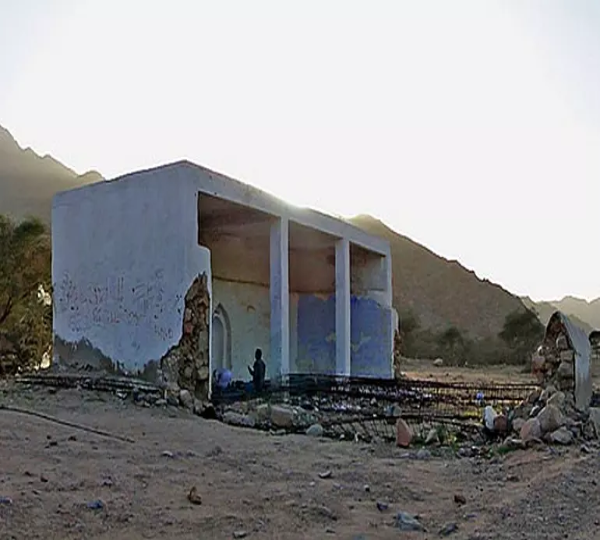
In the sacred landscape of Madinah al-Munawwarah, every stone, every date palm, and every ancient well whispers tales of the Prophet Muhammad (S.A.W) and his noble Companions. Among the most evocative of these sites, one stands near the revered Masjid Quba, marking a spot of immense spiritual and historical weight: Bi’r al-Arees—the Well of al-Arees, more famously known as Bi’r al-Khatam, the Well of the Ring.

Visiting a site like Bi’r al-Arees is not merely a historical tour; it is an act of Ziyarah—a spiritual pilgrimage that allows us to walk in the footsteps of the greatest generations of Islam, to reflect on the nature of prophecy, leadership, and divine wisdom. This single well, now a preserved landmark close to the serenity of Masjid Quba, encapsulates two distinct yet profoundly interlinked incidents that shape our understanding of the early Islamic state and its future.

Location and Early History

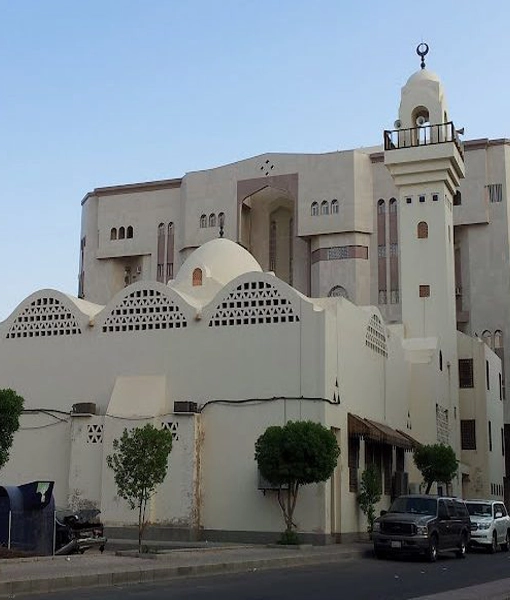
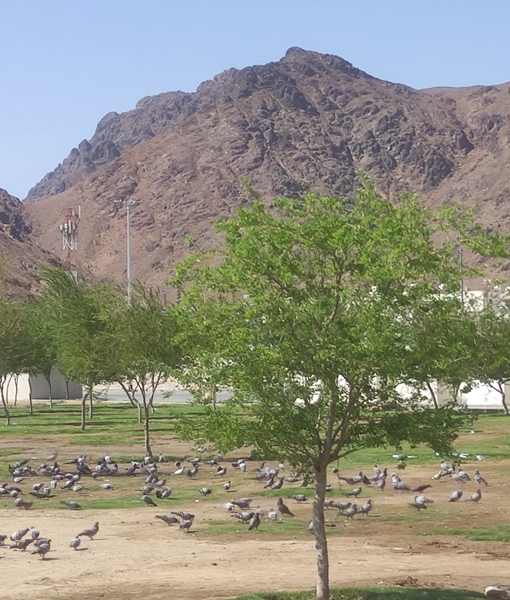
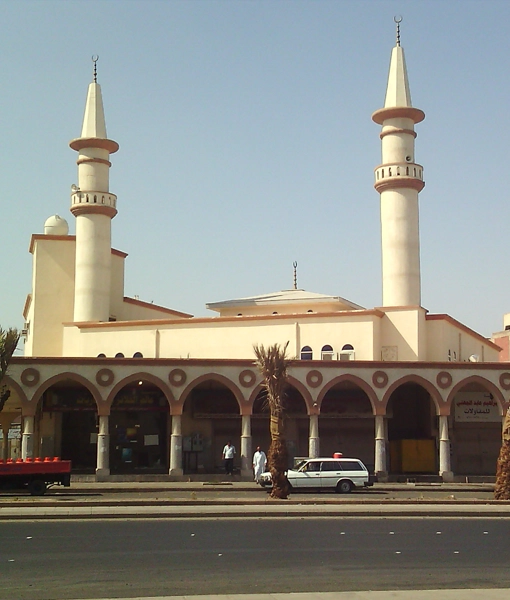
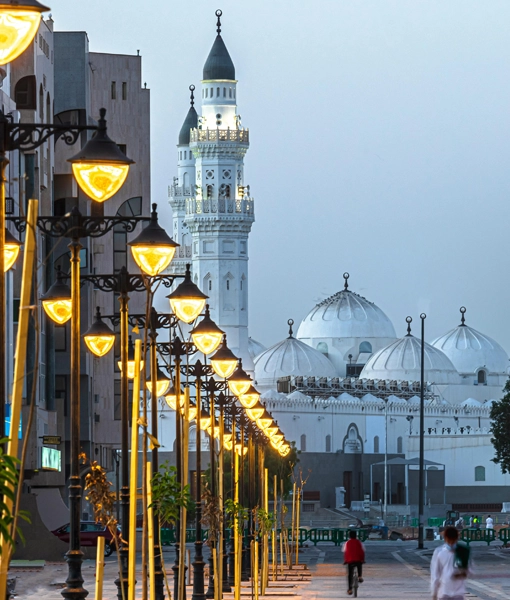
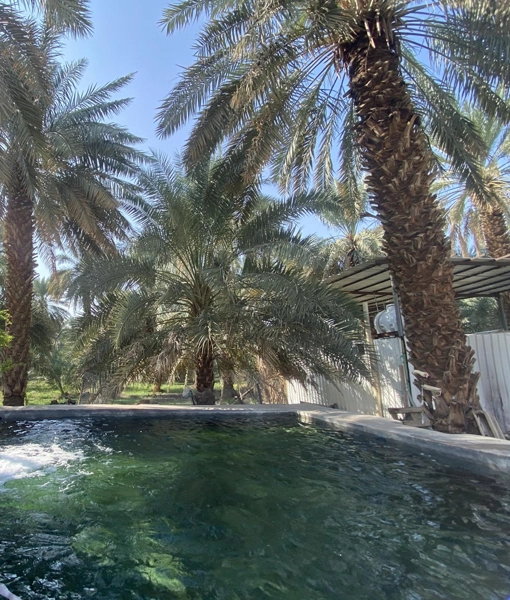
Bi’r al-Arees is situated approximately 38 meters west of the first mosque ever built in Islam, Masjid Quba. The area itself, a fertile ground on the outskirts of Madinah, was a hub of life and activity. The well was named after an early Jewish settler or owner, Arees. Like many wells in the arid Arabian Peninsula, its existence was vital, a source of life in the desert.

However, its significance was dramatically transformed by the presence of the Prophet Muhammad (S.A.W). It is reported in various narrations that the Prophet (S.A.W) loved visiting this well. He would sit by its edge, drink from its water, and even perform Wudu (ablution) from it. Some accounts mention that at one point, the well’s water was not sweet, but after the Prophet (S.A.W) blessed it, the water became sweet and refreshing, a small miracle that underscored the sanctity of the place.

This beloved well was thus sanctified by the Prophet’s (S.A.W) physical presence, yet its two greatest historical moments were yet to come, moments that would tie the well forever to the destiny of the Muslim Ummah (nation).

Glad Tidings of Jannah

  • The first of the two major incidents at Bi’r al-Arees provides us with one of the most heartwarming scenes of Companionship and a clear Bisharah (glad tidings) of Paradise.

    The renowned Companion and narrator of Hadith, Anas ibn Malik (R.A.), narrates this beautiful event. One day, the Messenger of Allah (S.A.W) came to Bi’r al-Arees. He sat down at the edge of the well with his legs dangling inside it. This posture was one of deep relaxation and ease, demonstrating the Prophet’s (S.A.W) comfort and sense of peace at this particular spot.

    While the Prophet (S.A.W) was seated, Abu Bakr as-Siddiq (R.A.) arrived. He asked for permission to enter, and the Prophet (S.A.W) granted it, saying, “Let him in, and give him the glad tidings of Paradise.”

    Shortly after, Umar ibn al-Khattab (R.A.) arrived and requested permission. Again, the Prophet (S.A.W) said, “Let him in, and give him the glad tidings of Paradise.”

  • Finally, Uthman ibn Affan (R.A.) arrived. When he requested permission, the Prophet (S.A.W) said, “Let him in, and give him the glad tidings of Paradise, which will be accompanied by a trial (or affliction) that will befall him.”

    Imagine the scene: the Prophet of Allah (S.A.W), seated in quiet contemplation, delivers the ultimate assurance to the three men who would become his immediate successors—the Rightly Guided Caliphs. This moment at the well’s edge stands as a clear testimony to their elevated status and the divine approval of their roles.

    Spiritual Reflections on the Bisharah:

    1. Recognition of Merit: The immediate and unconditional prophecy of Paradise for Abu Bakr and Umar confirms their supreme merit and closeness to the Prophet (S.A.W). Their lifelong devotion, sacrifice, and service were affirmed by the Almighty through His Messenger.
    2. Prophetic Foresight and Divine Will: The Prophet’s (S.A.W) addition of the “trial” for Uthman (R.A.) is a moment of profound prophetic foresight. It alluded to the great tribulations, civil strife, and eventually, the tragic martyrdom that would befall Uthman (R.A.) during the later years of his Caliphate. It is a powerful lesson that even the promise of Paradise does not negate the reality of life’s painful trials. The trial was a part of his divine decree and his path to eternal reward.
    3. The Continuity of Leadership: This gathering of four figures—the Prophet (S.A.W) and the three men who would lead the Ummah in succession—can be seen as a symbolic laying of the foundation for the Caliphate. It was a subtle, divine endorsement of the political and spiritual leadership that would follow the Prophet’s (S.A.W) passing.

The Lost Seal: A Symbol of a Golden Era's End

  • The second, and perhaps the more famous, incident at Bi’r al-Arees occurred decades later, during the Caliphate of Uthman ibn Affan (R.A.). This event gives the well its common name, Bi’r al-Khatam (The Well of the Ring).

    The Prophet Muhammad (S.A.W) possessed a silver signet ring, which he used as a seal for official letters sent to kings and rulers to validate his correspondence. The inscription on the ring, engraved in three lines, was: “Muhammad (top line), Rasūl (middle line), Allāh (bottom line).”

    After the Prophet’s (S.A.W) passing, this sacred ring of authority and office was passed on to the first Caliph, Abu Bakr as-Siddiq (R.A.), and he used it as the state seal. Upon his death, it was passed to the second Caliph, Umar ibn al-Khattab (R.A.), who also cherished and used it. Finally, it came into the hands of the third Caliph, Uthman ibn Affan (R.A.).

    fiercely tested.

  • It was in the sixth year of Uthman’s (R.A.) Caliphate, as he sat by Bi’r al-Arees, reflecting on the historical significance of the site and perhaps adjusting the ring on his finger, that the unimaginable happened: the sacred silver ring slipped from his grasp and fell into the well.

    The Companions were immediately seized by panic. They drained the well for three agonizing days, sifting through the mud and silt at the bottom, desperately searching for the relic that was not just a piece of jewellery, but a tangible symbol of the Prophet’s (S.A.W) authority and the continuity of the Caliphate. Despite their tireless efforts, the ring of the Prophet (S.A.W) was never recovered. It remains lost to history, entombed somewhere in the depths of Bi’r al-Arees.

    The Significance of the Loss – A Harbinger of Trial

    The loss of the ring was immediately viewed by many of the Companions as an extremely bad omen, especially when juxtaposed with the prophecy Uthman (R.A.) had received at the very same spot years earlier—a Bisharah of Paradise accompanied by a trial.

    In the eyes of the early Muslims, the seal represented the spiritual and temporal authority passed directly from the Prophet (S.A.W) himself. The loss of that unbroken lineage, symbolized by the physical object, was seen as a sign that the Golden Age of Islam—the era of perfect unity and unquestioned authority inherited directly from the Prophet (S.A.W)—was about to end.

    Indeed, shortly after this incident, the tranquility of the Ummah began to erode. Whispers of dissent turned into open rebellion, culminating in the siege of Uthman’s (R.A.) home and his eventual martyrdom. The era of internal conflict and political fragmentation, which the Prophet (S.A.W) had subtly warned about, tragically began.

    The loss of the ring, therefore, stands as one of the most poignant historical turning points in Islam. It physically marked the transition from the era of the Prophetic Sunnah and the Rightly Guided Caliphate into an age where wisdom, authority, and unity would be

The Well Today - A Lesson for Umrah
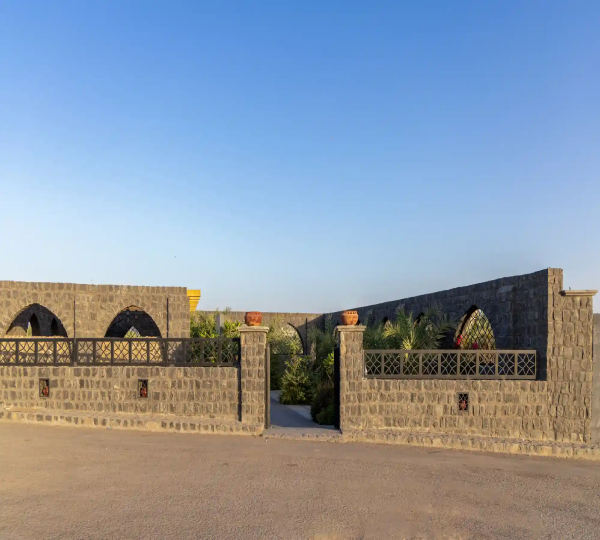
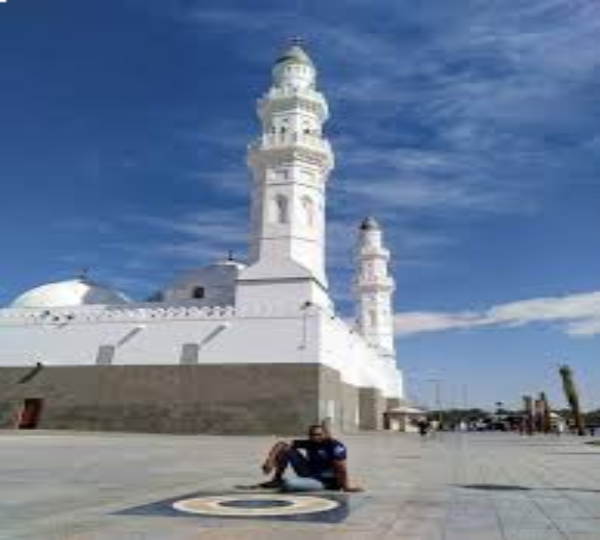
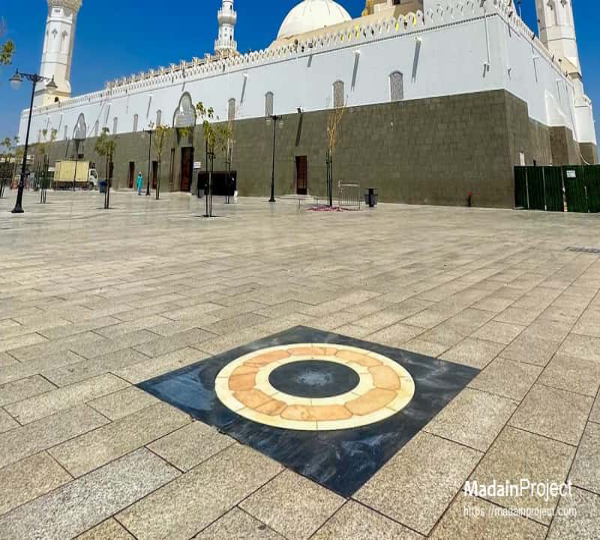
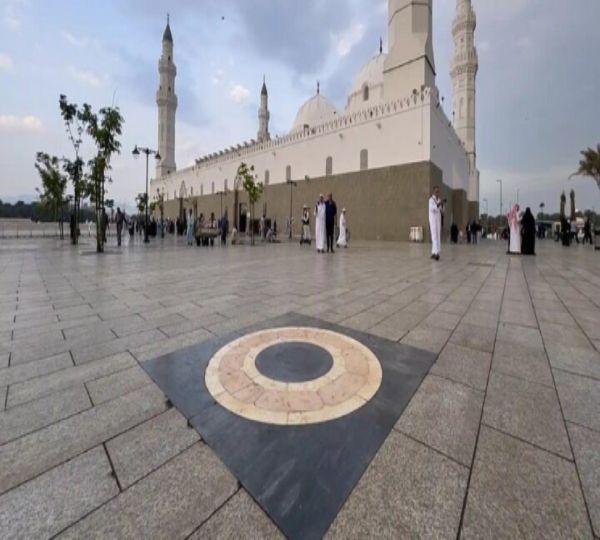
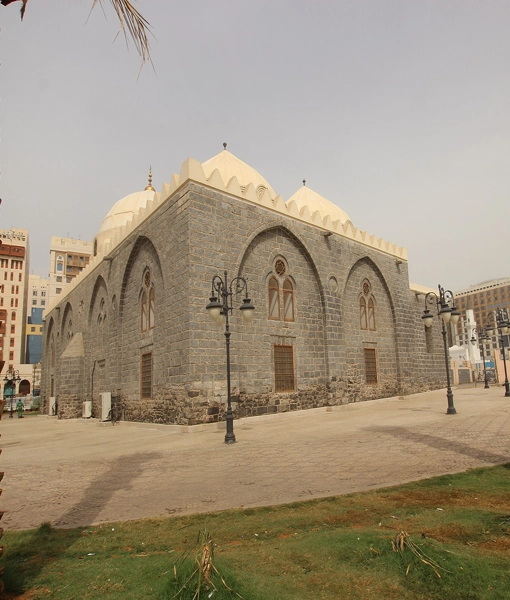
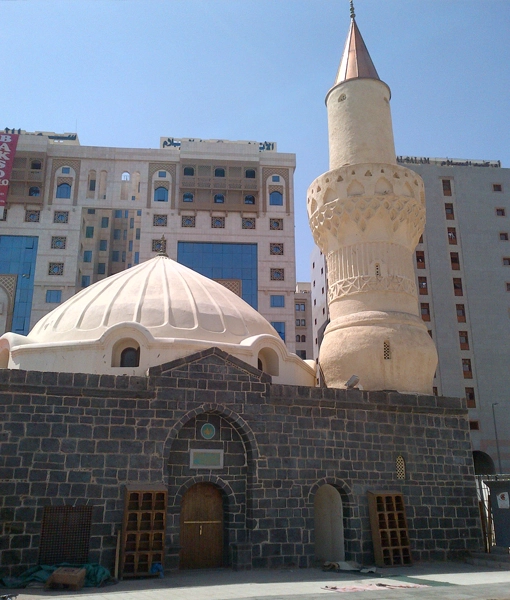
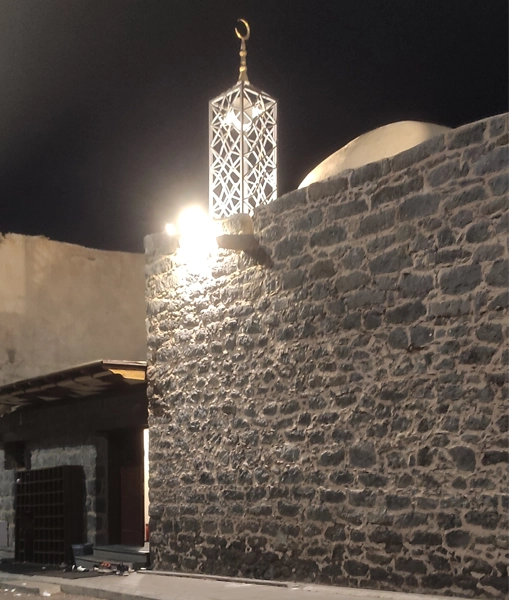
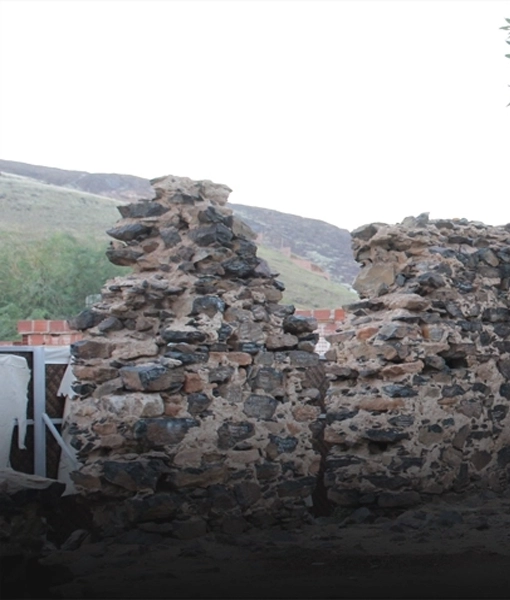
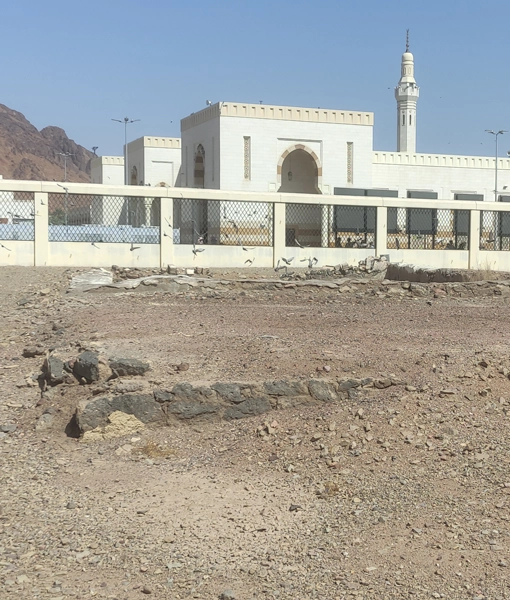
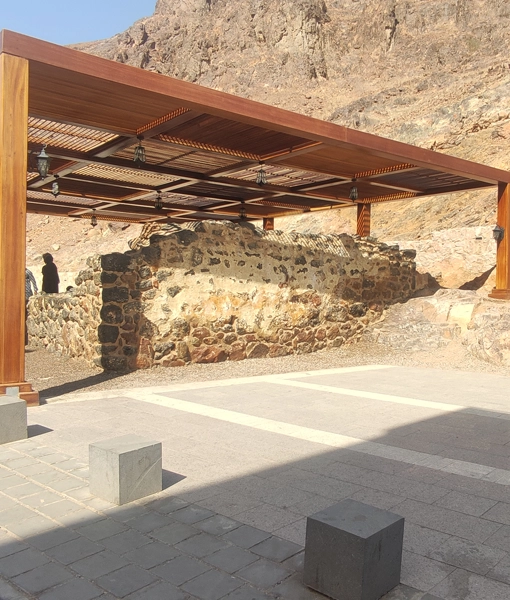
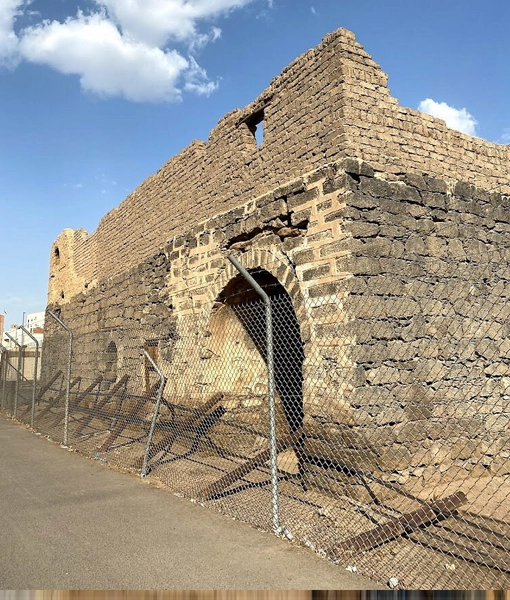
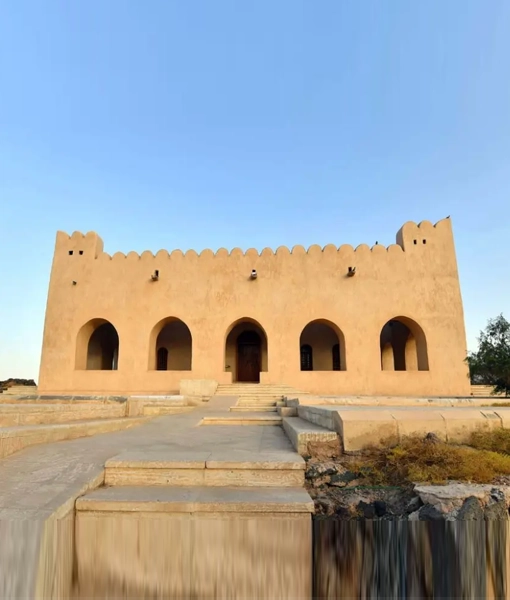
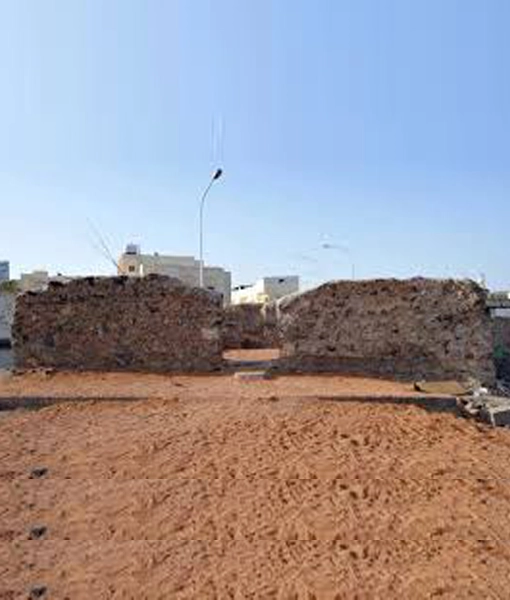
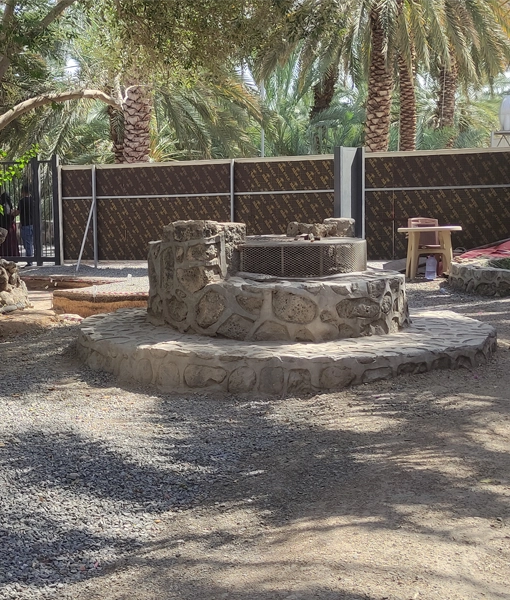
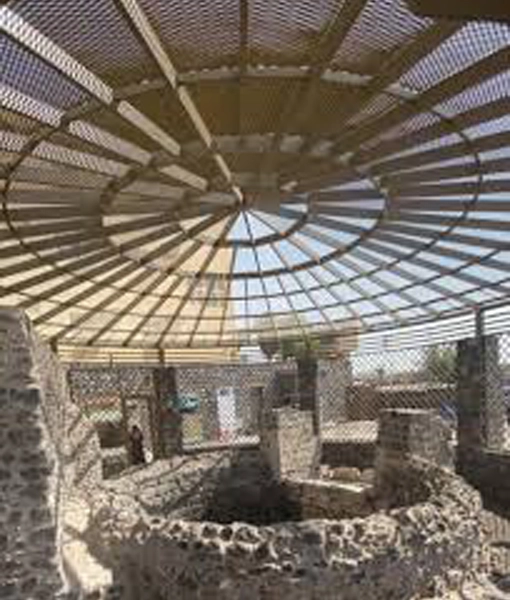
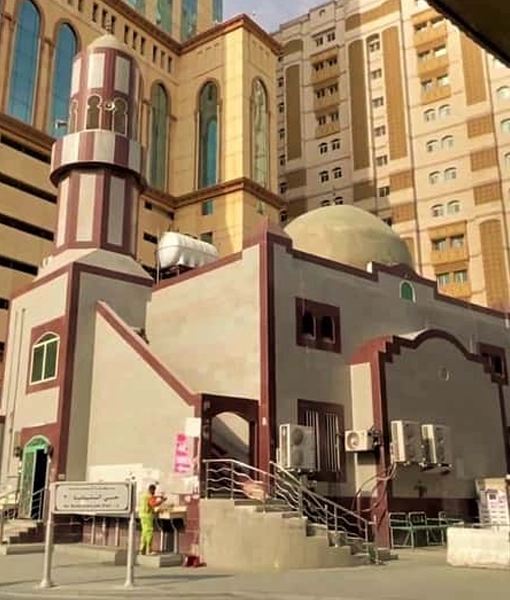
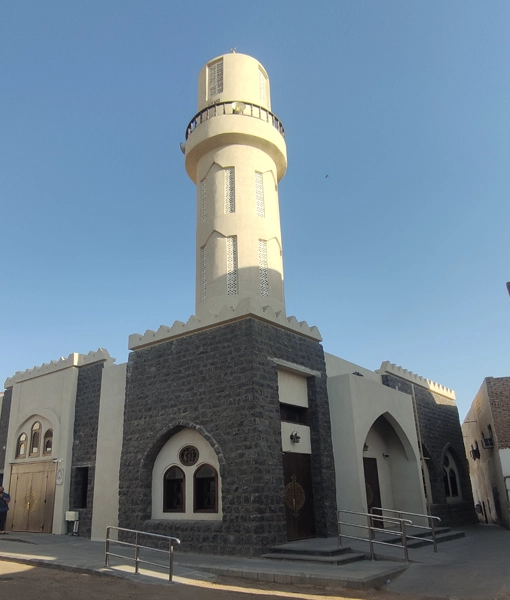
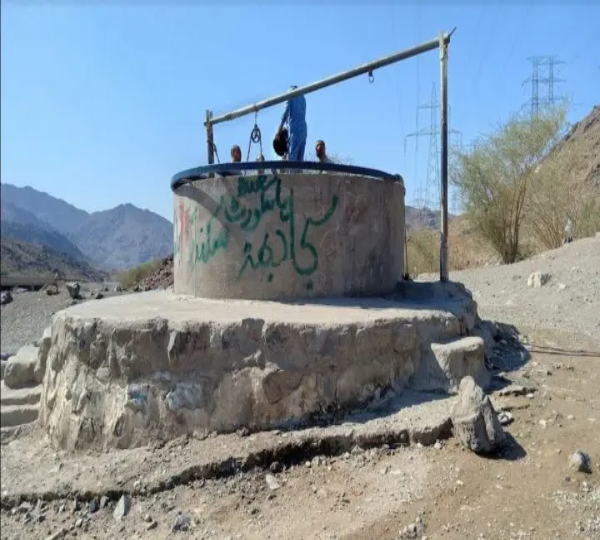
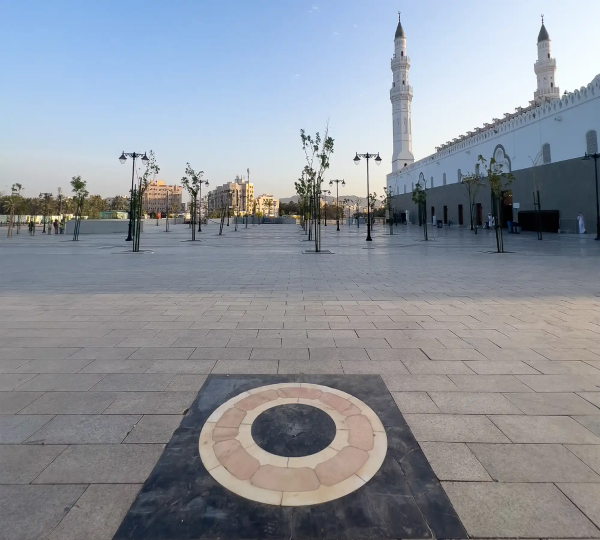
  • Today, Bi’r al-Arees, now known as the “Well of the Ring,” is a revered spot of Ziyarah near Masjid Quba. Though the well itself is no longer an accessible source of water, its location is preserved, marked by a roundel within a square, urging the visitor to pause and reflect.

    The story of Bi’r al-Arees offers a multi-layered lesson for every Muslim:

    • The Power of Divine Prophecy: It reminds us of the truth and foresight of the Prophet Muhammad (S.A.W), whose words, spoken in ease by the well, perfectly described the destiny of his greatest successors.
    • The Value of Companionship: It showcases the intimate relationship between the Prophet (S.A.W) and the Caliphs, a bond of love, trust, and shared mission that set the moral and political compass for the nascent Islamic state.

    A Call for Reflection on Trial (Fitnah): The tragedy of the lost ring serves as a timeless warning. It underscores how swiftly a golden era can turn to one of trial, urging us to hold fast to the Sunnah and to strive for unity, especially when external symbols of that unity fade away. The fitnah (trial) began, but Uthman (R.A.) earned his promised Paradise through his patience and sacrifice

Other Ziyarat You Should Know