Ghar E Takiya

غار تاكيه

The Battle and the Injury

  • After the initial Muslim victory, a group of archers disobeyed the Prophet’s (S.A.W.) clear instructions to remain on their post on the nearby Archers’ Hill (Jabal al-Rumah). This mistake allowed the Makkan cavalry, led by Khalid ibn al-Walid (who was not yet Muslim), to flank the Muslim army, turning the tide of the battle.
  • During the chaos, the Prophet Muhammad (S.A.W.) was seriously wounded. He was struck, a link from his helmet pierced his cheek, and he lost a tooth.

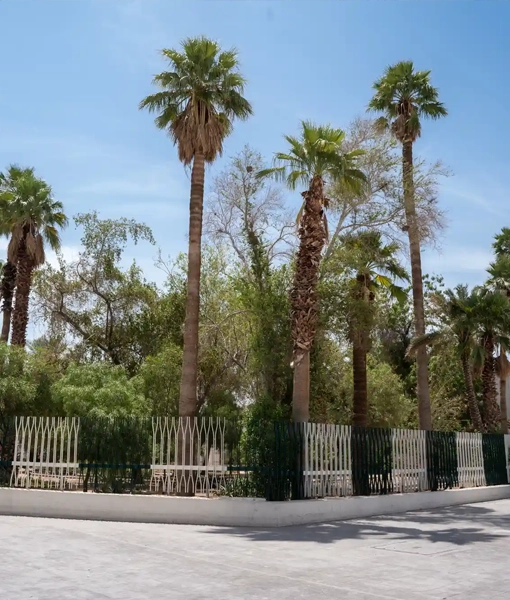
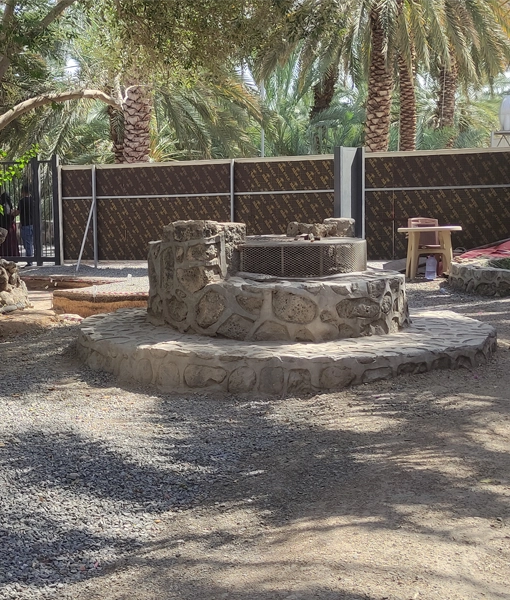
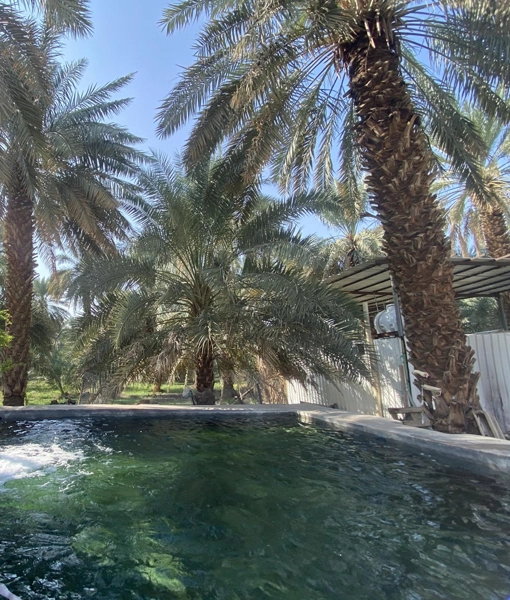
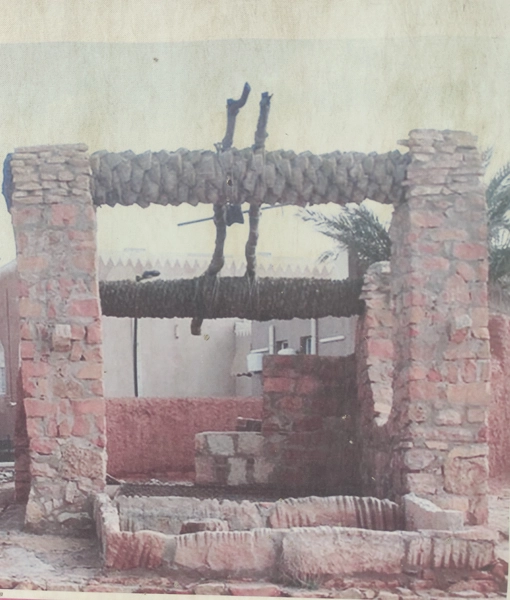
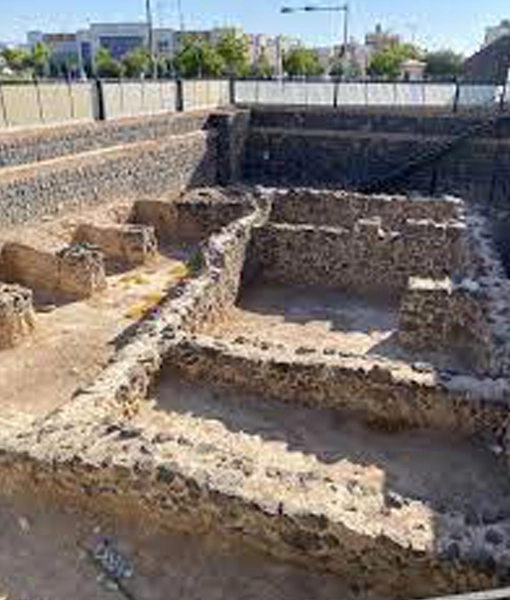
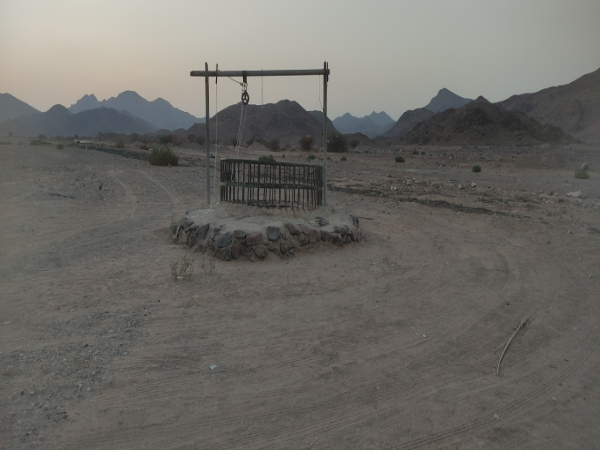
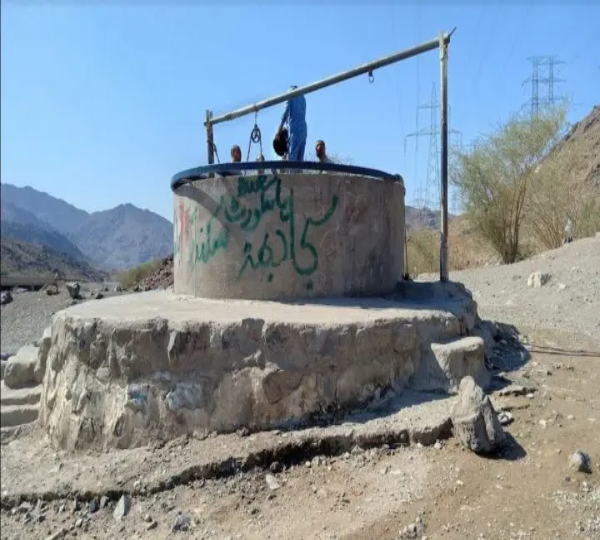
The well takes its name from Ruma, the Jewish man who owned it at the time of the Prophet’s (S.A.W.) migration. The well’s very existence in that period highlights the economic challenges faced by the poor Muslims who had just arrived from Makkah and were struggling to establish themselves.

The Retreat to the Cave

  • To protect the Prophet (S.A.W.) from the surging enemy forces, several devoted companions bravely shielded him, and he was eventually taken up the rugged slope of Mount Uhud.
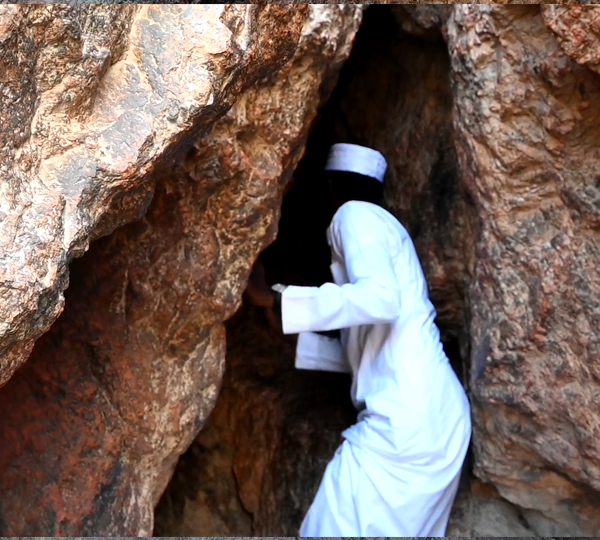
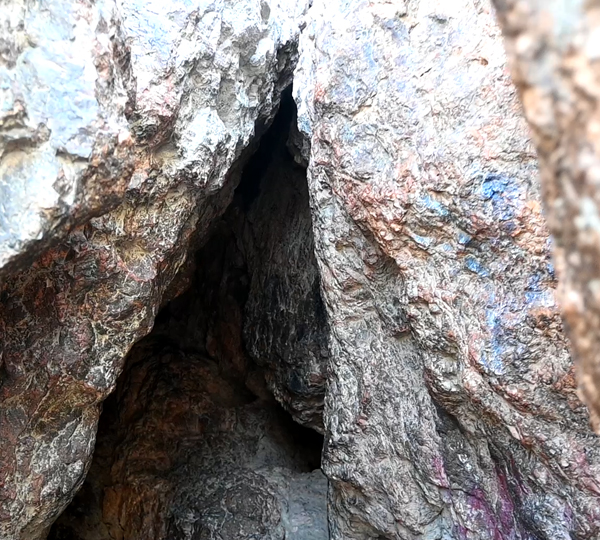
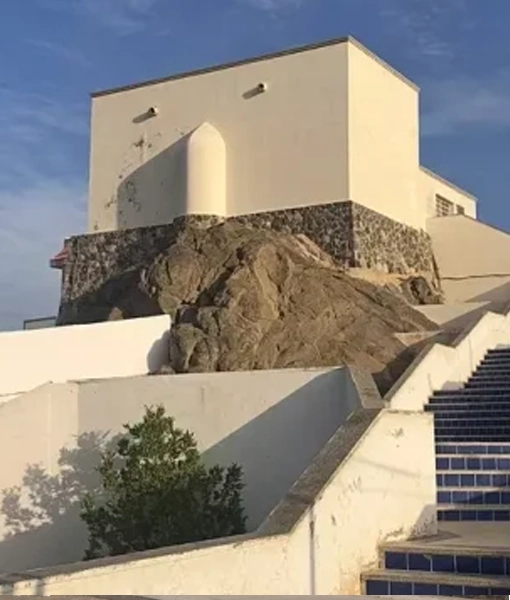
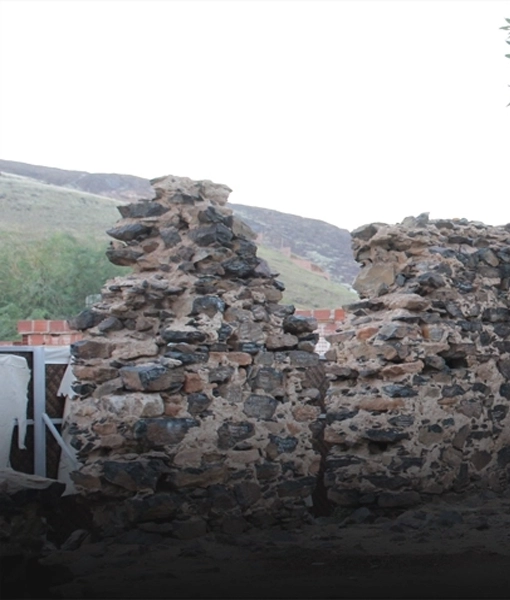
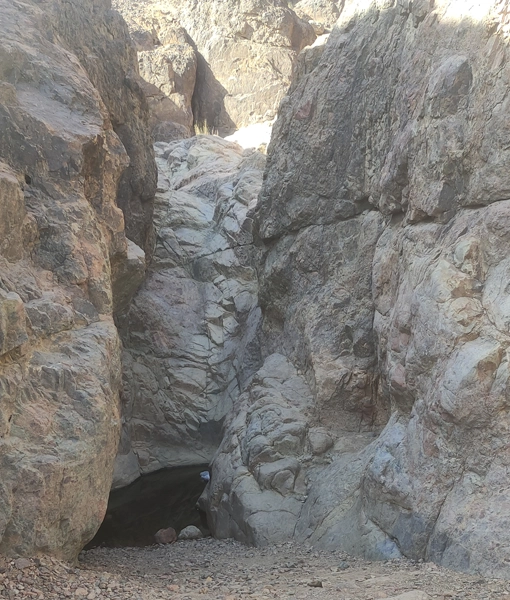
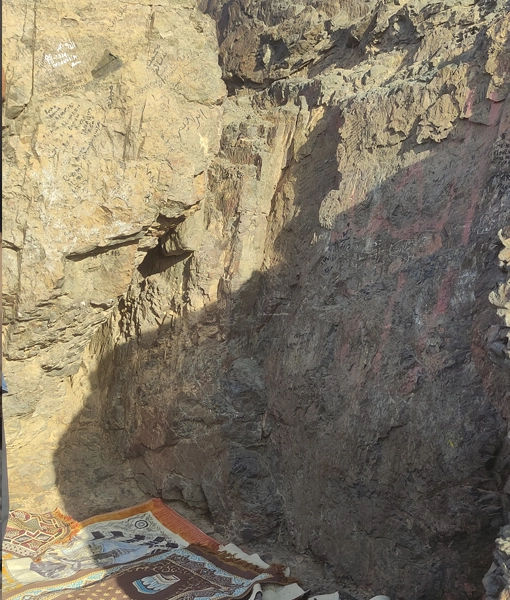
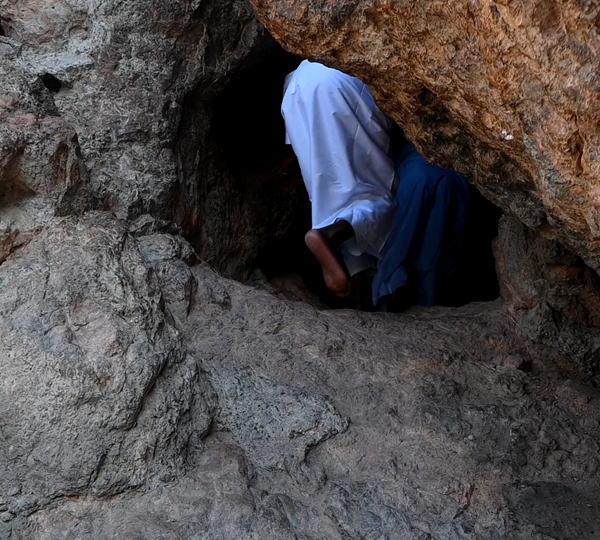
  • The Prophet (S.A.W.) took refuge in this small, naturally formed crevice—the Cave of Uhud—on the side of the mountain. From this vantage point, the remaining Muslim forces were able to regroup and the enemy eventually called off their pursuit, believing their goal had been accomplished.
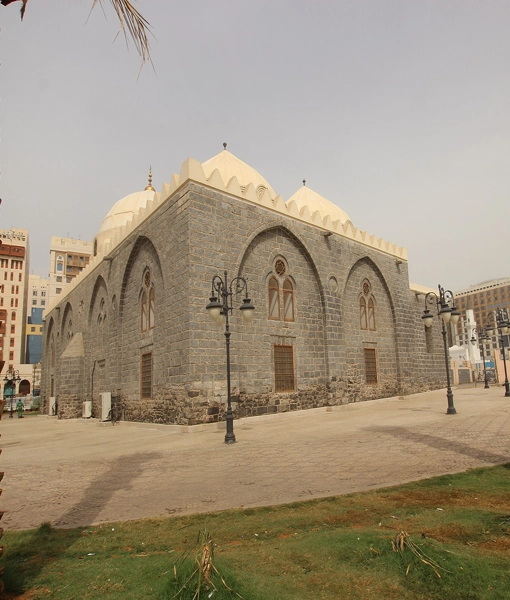
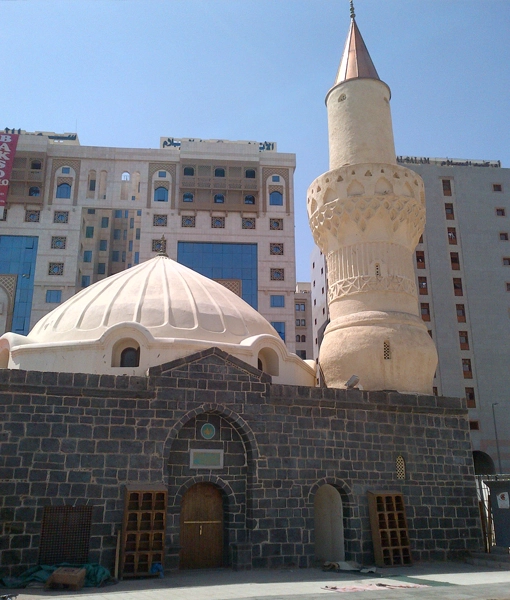
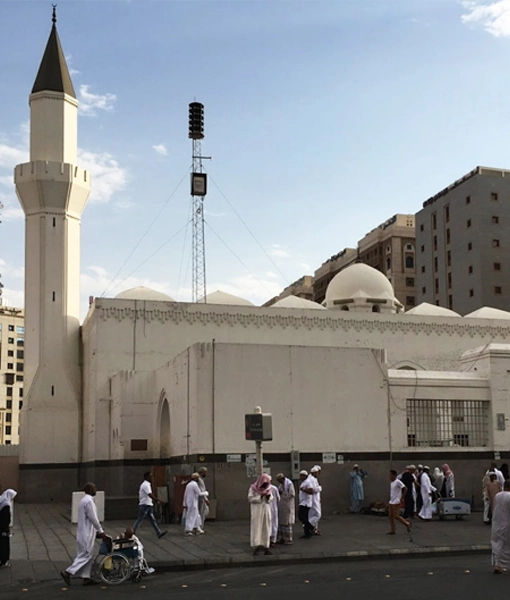
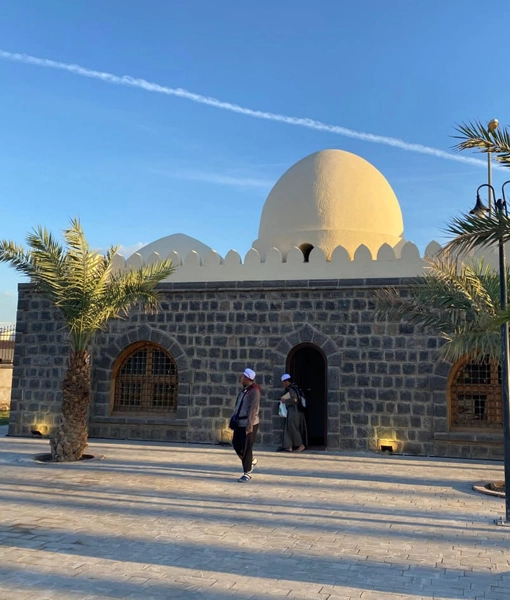
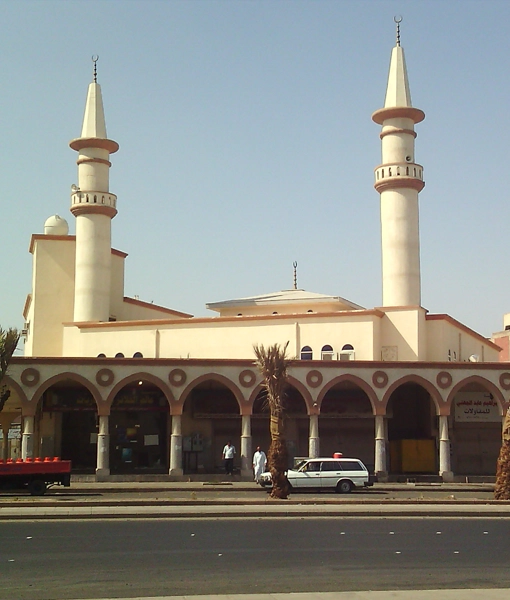
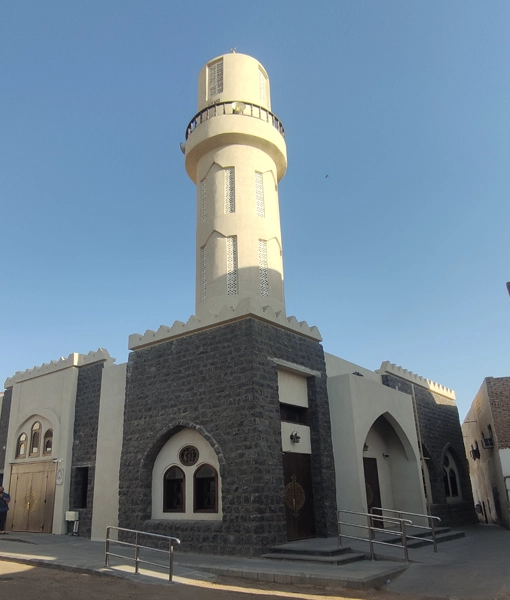
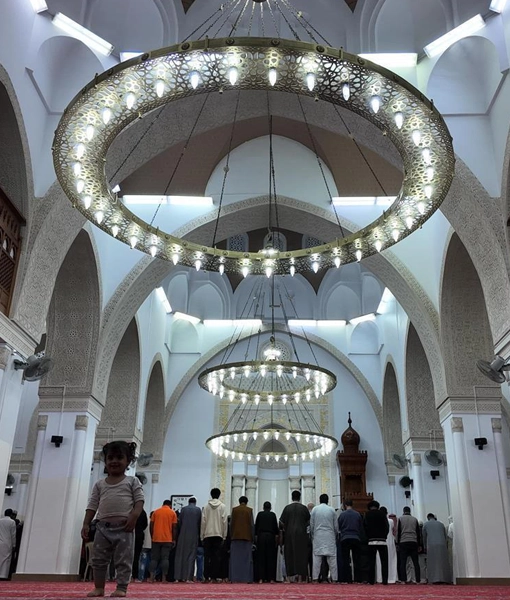
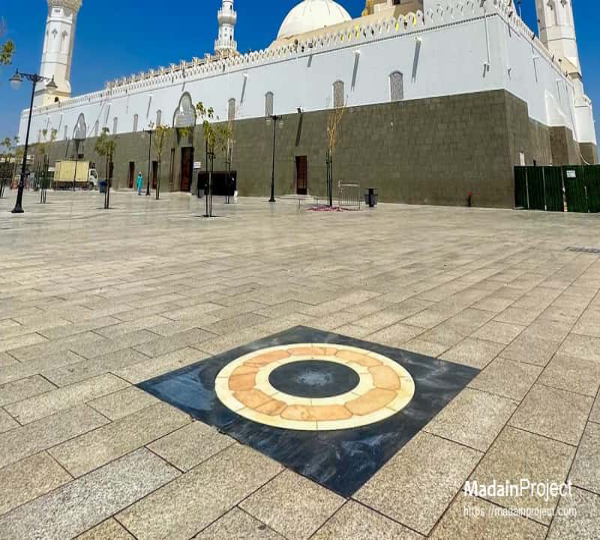
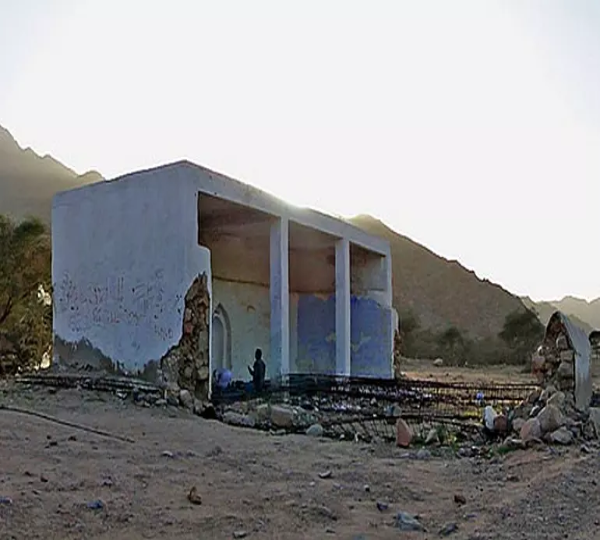
  • It is also narrated that the Prophet (S.A.W.) offered the Dhuhr prayer near the Cave on that day, in a location where the Masjid Al-Fasāḥ (or Masjid Dhi Qiblatayn – not the famous one) was later built.

“Who will buy the Well of Ruma and make it for the Muslims, and he will have a better one in Paradise?”

This divine incentive, promising a reward far greater than any earthly wealth, was immediately seized upon by Uthman ibn Affan (R.A.), known for his immense wealth and immense generosity. Uthman (R.A.) approached the owner and offered to buy the well. The owner initially refused to sell the entire well, but Uthman (R.A.) made an ingenious offer: he bought half of the well for a staggering sum, securing the right to the water on alternating days. Uthman (R.A.) then declared his share of the water free for all Muslims. The owner, seeing that everyone was now taking water on Uthman’s days and no one was buying water on his own days, realized his folly. He soon sold the remaining half of the well to Uthman (R.A.), who then dedicated the entire well, in perpetuity, to the poor and rich alike.

This act of selfless sacrifice, turning a private, for-profit asset into a public, charitable endowment (Waqf), is one of the most celebrated acts of generosity in Islamic history.

What to See and Reflect On (The Ziyarat)

  • A visit to the Cave of Uhud is a profound Ziyarat that offers lessons in loyalty, resilience, and the sacrifices made for Islam. The location itself reinforces the famous Hadith in which the Prophet (S.A.W.) said: “Uhud is a mountain that loves us and which we love.”
    Key Elements of the Ziyarat:

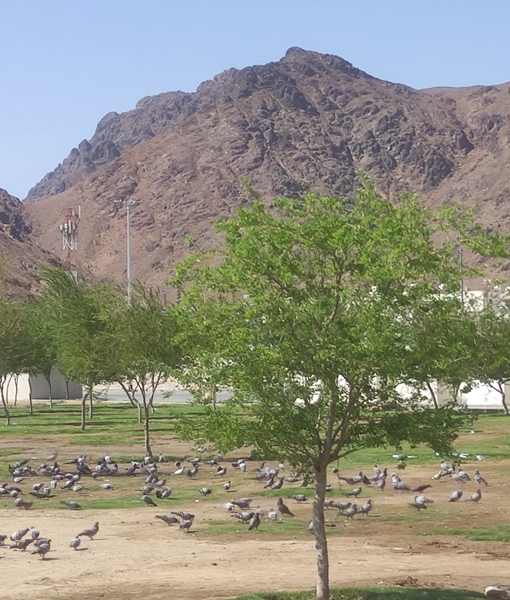
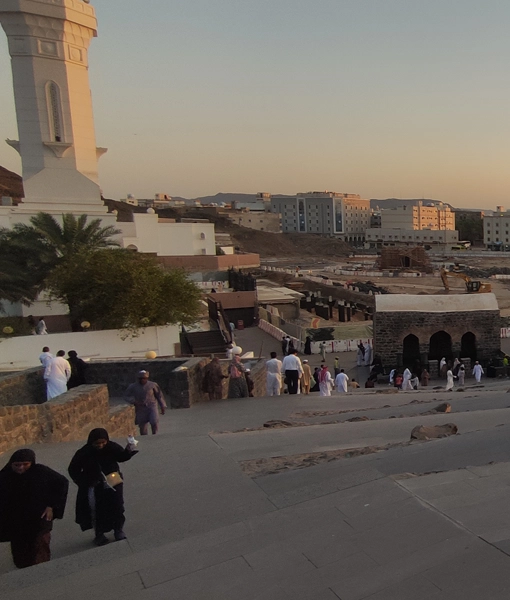
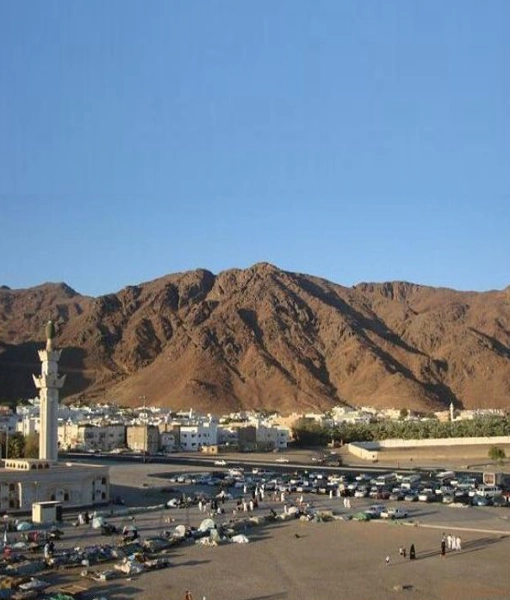
    • Mount Uhud and Jabal al-Rumah: The cave is situated on the main slope of Mount Uhud, overlooking the famous battlefield and the smaller Archers’ Hill. Visiting the area allows a pilgrim to visualize the battle’s strategic layout.
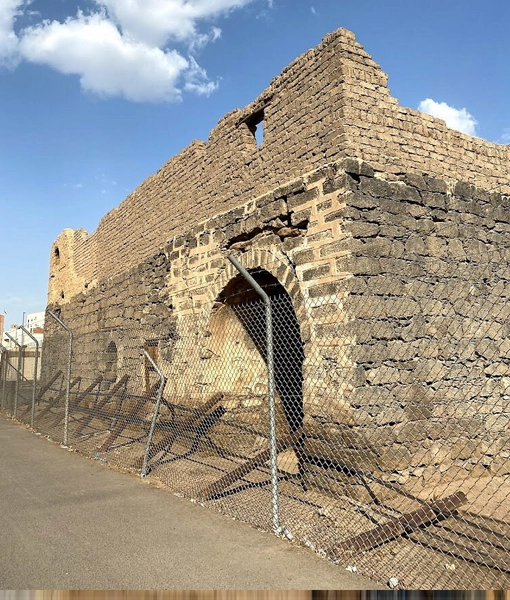
    • The Cave Itself: The cave is a relatively small, dark opening in the rocky slope, usually described as being high up and somewhat difficult to access. Visitors are encouraged to reflect on the Prophet’s (S.A.W.) hardship and perseverance while he took shelter there.
    • Shuhada Uhud Cemetery: The cave is near the vast cemetery at the base of the mountain where seventy Companions were martyred and buried, including the Prophet’s (S.A.W.) uncle, Hamza ibn Abdul-Muttalib (R.A.), who is famously known as the Sayyid al-Shuhadā’ (Master of the Martyrs).

    The Cave of Uhud serves as a physical reminder that even the Messengers of Allah face hardship and struggle, and that faith is often forged through sacrifice and obedience.

Other Ziyarat You Should Know