Masjid E Qiblaten

مسجد القبلتين

Ziart Overview

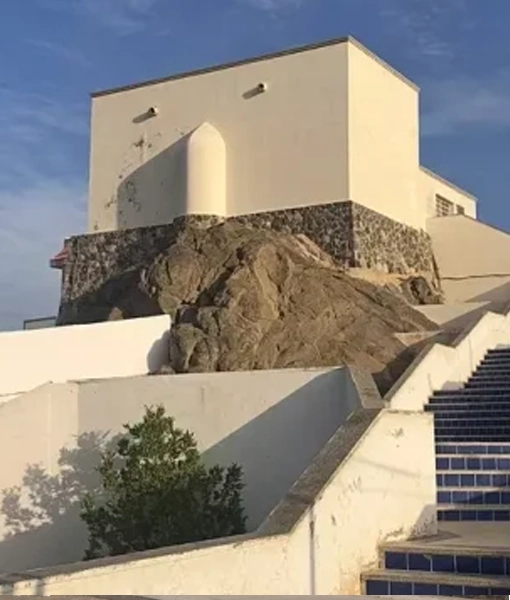
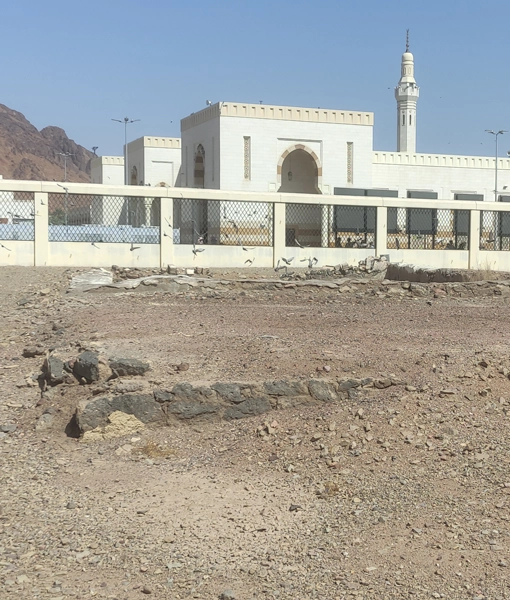
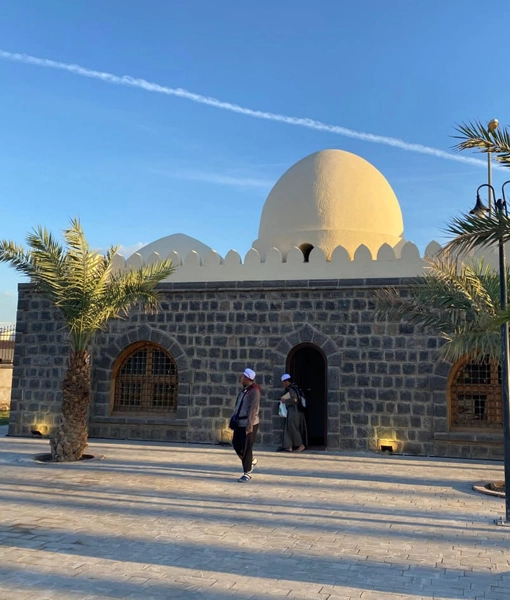
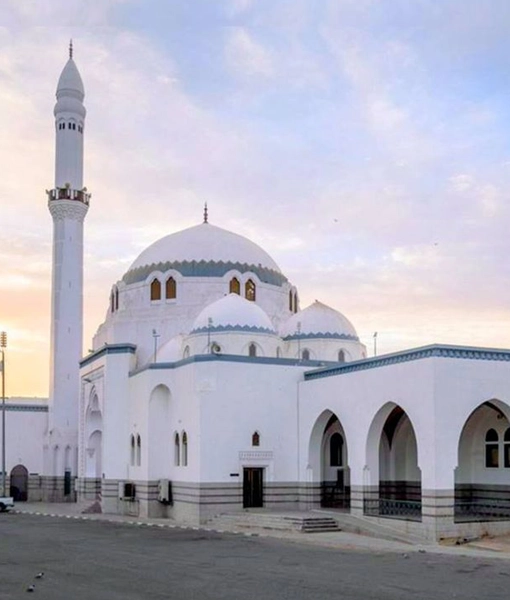
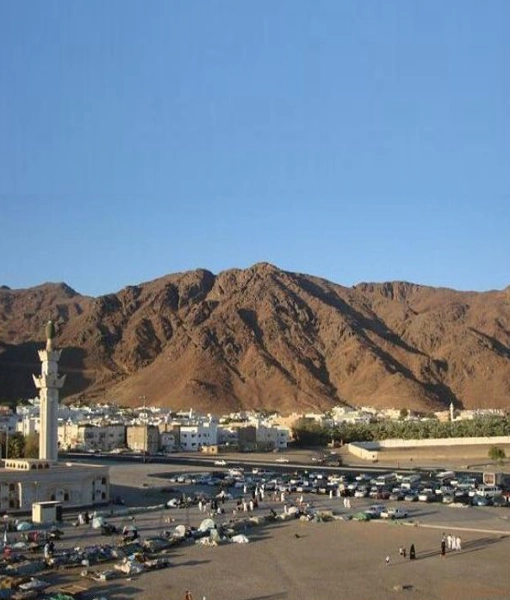
  • Location: Masjid Qiblatain is located in the west of Madinah, on a slight hill known as Jabal Sila’. It is a prominent Ziyarat site.
  • Historical Significance: Its name, “Masjid Qiblatain,” means “The Mosque of the Two Qiblas.” It holds the unique distinction of being the only mosque where the Prophet Muhammad (S.A.W.) led a prayer where the direction of the Qibla was changed mid-prayer by divine command.
  • The Event: For the first 16-18 months after the Hijra, Muslims prayed facing Baitul Maqdis (Jerusalem). The Prophet (S.A.W.) longed for the direction of prayer to be shifted back to the Kaaba in Makkah, the center built by Prophet Ibrahim (A.S.). One day, while leading the Dhuhr or Asr prayer at this mosque, he received a revelation from Allah: “We have certainly seen the turning of your face toward the heaven, and We will surely turn you to a Qibla with which you will be pleased. So turn your face toward al-Masjid al-Haram.” Upon receiving this verse, the Prophet (S.A.W.) immediately turned his direction from Jerusalem to Makkah, and the congregation followed suit in the same prayer.
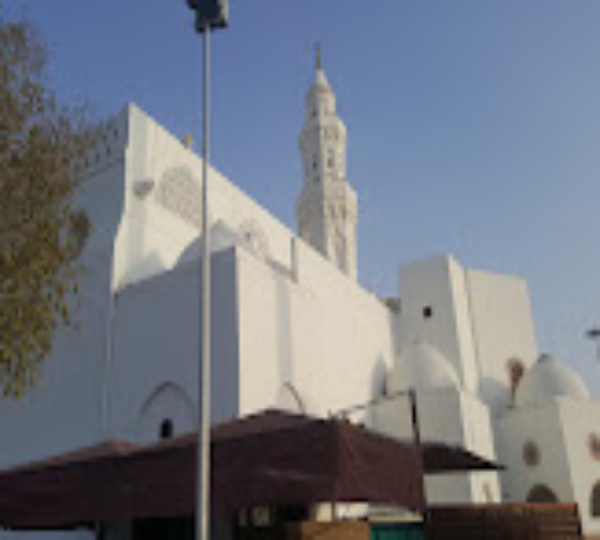
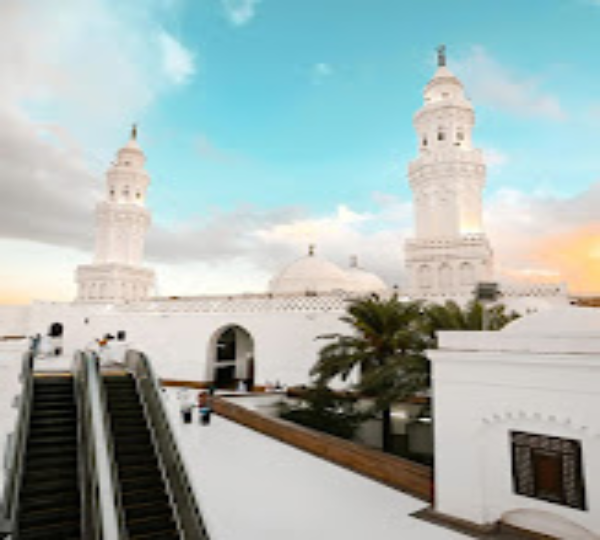
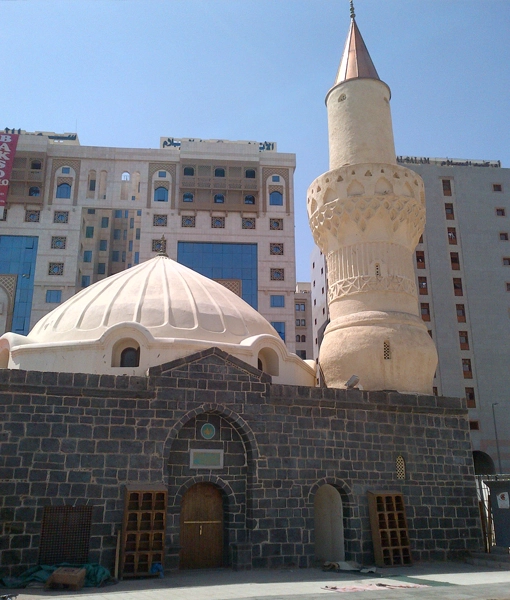
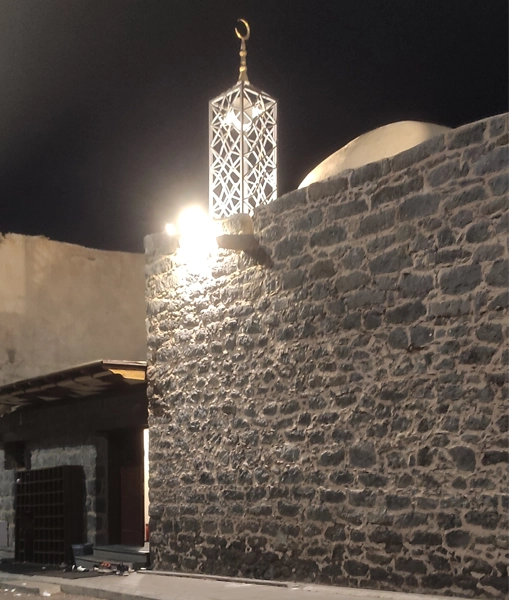
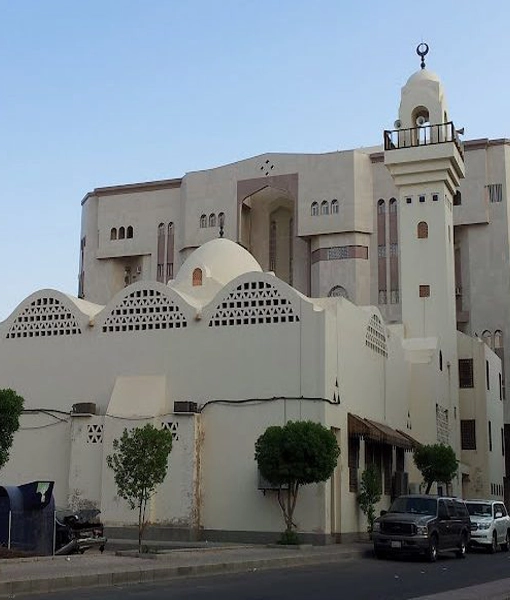
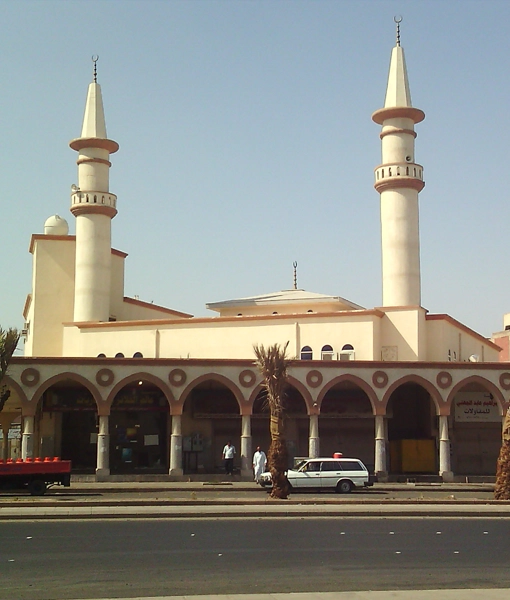
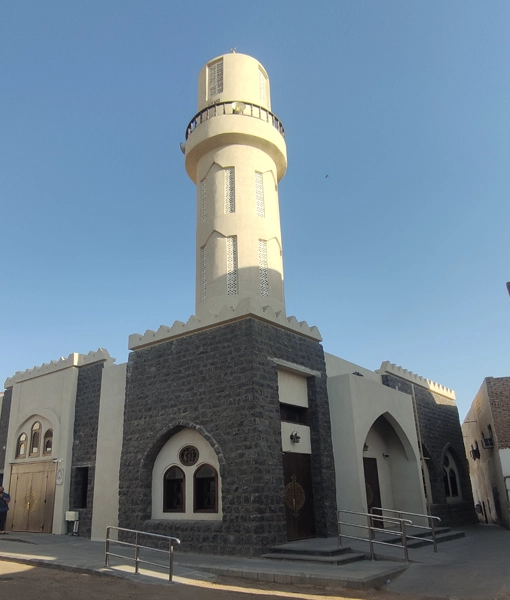
  • Architectural Features & Development: The mosque has undergone significant renovations and expansion. Historically, it featured two mihrabs (prayer niches) to indicate the two directions of prayer. The modern mosque is a large, elegant structure with a distinctive architectural style, though now only the direction towards Makkah is maintained for prayer, with a preserved niche or marker indicating the old Qibla towards Jerusalem.
  • Current Status for Pilgrims: The mosque is an active and highly popular Ziyarat site. Pilgrims visit it to offer two rak’ahs of prayer and reflect on the immense significance of the event—a testament to the Prophet’s (S.A.W.) complete obedience to divine command.

In the serene city of Madinah, there is a mosque that stands as a profound testament to the divine will and the unwavering obedience of the Prophet Muhammad (S.A.W.). This is Masjid Qiblatain, or “The Mosque of the Two Qiblas,” a sanctuary that holds the unique distinction of being the only mosque where the direction of prayer was changed during the performance of the prayer itself. For any pilgrim, visiting this mosque is not just a journey to a historical site; it is a spiritual reconnection to a pivotal moment that established the Kaaba as the eternal spiritual center of the Muslim Ummah.

The Location of a Pivotal Turning Point

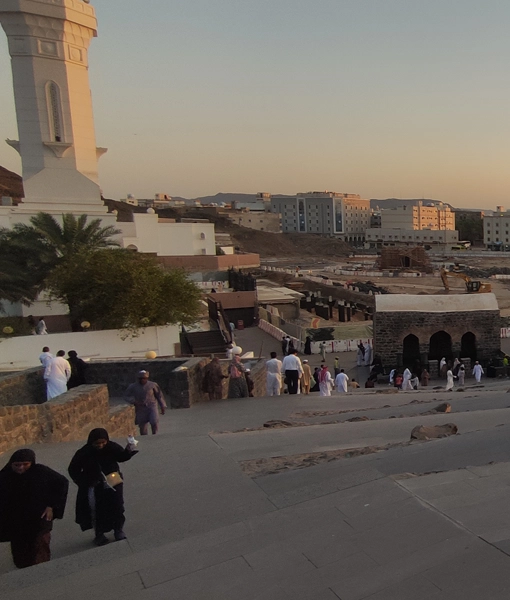
Masjid Qiblatain is located in the western part of Madinah, situated on a slightly elevated area that gives it a prominent presence. Its location is a key stop for pilgrims, who seek to connect with the immense spiritual significance of the event that unfolded here.

The very name of the mosque, Qiblatain, is a narrative in itself. It marks the historical transition that occurred approximately 16 to 18 months after the Prophet’s (S.A.W.) migration (Hijra) to Madinah. For this period, Muslims had been praying facing Baitul Maqdis (The Holy House) in Jerusalem. This direction, while sacred, was a source of emotional and spiritual contemplation for the Prophet (S.A.W.), who longed for the Qibla to be shifted back to the Kaaba in Makkah, the spiritual foundation laid by Prophet Ibrahim (A.S.).

The Divine Command: A Mid-Prayer Revelation

The momentous event took place while the Prophet (S.A.W.) was leading the Dhuhr or Asr prayer in this mosque. His face was turned towards Jerusalem, and the companions stood behind him, following his lead. In the midst of the prayer, a revelation descended upon him from Allah (S.W.T.):

“We have certainly seen the turning of your face toward the heaven, and We will surely turn you to a Qibla with which you will be pleased. So turn your face toward al-Masjid al-Haram.” (Quran 2:144)

The change was immediate and absolute. The Prophet (S.A.W.), upon receiving the command, instantly turned his entire body to face the Kaaba in Makkah. The entire congregation, witnessing the Prophet’s (S.A.W.) change of direction, followed him seamlessly, all turning around in the middle of the prayer. This single act demonstrated the immense faith and complete obedience of the companions, who did not question the shift but instantly followed their leader and the command of Allah.

The mosque was subsequently named Masjid Qiblatain, a permanent reminder of the moment when obedience to Allah’s command took precedence over everything else.

An Architectural Journey of Transformation

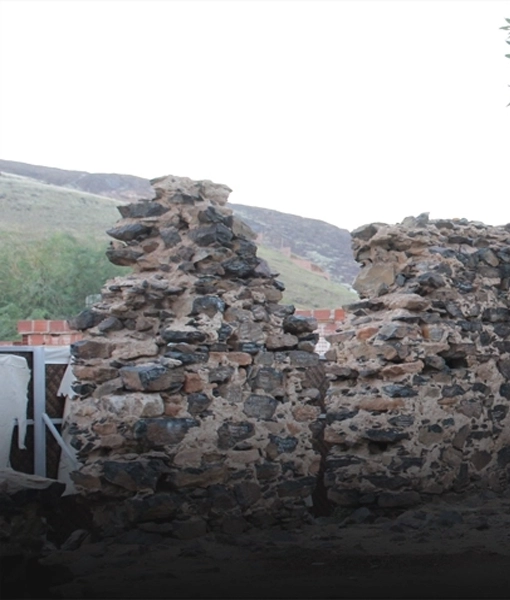
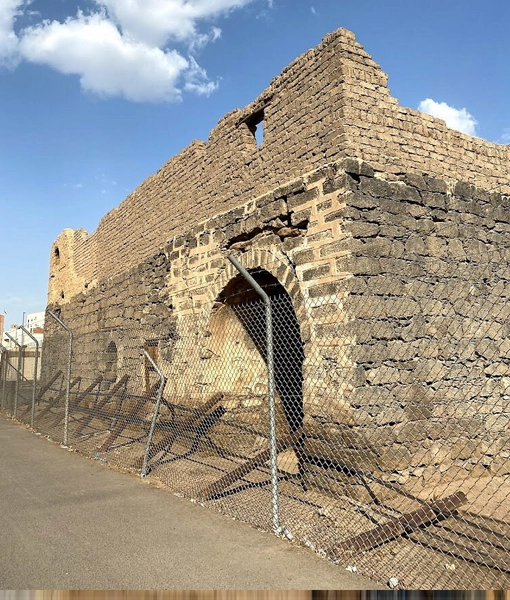
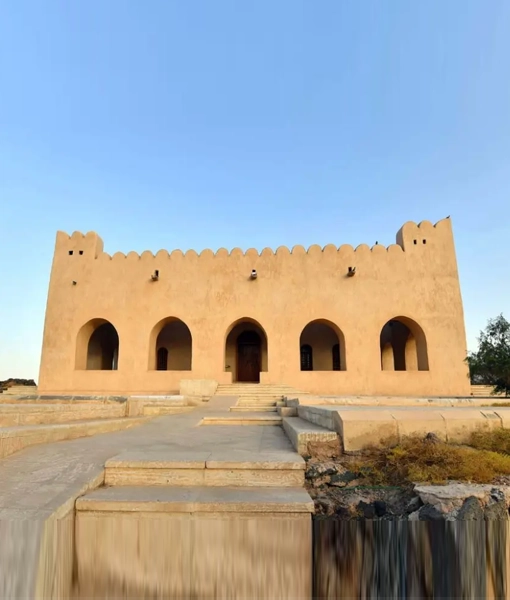
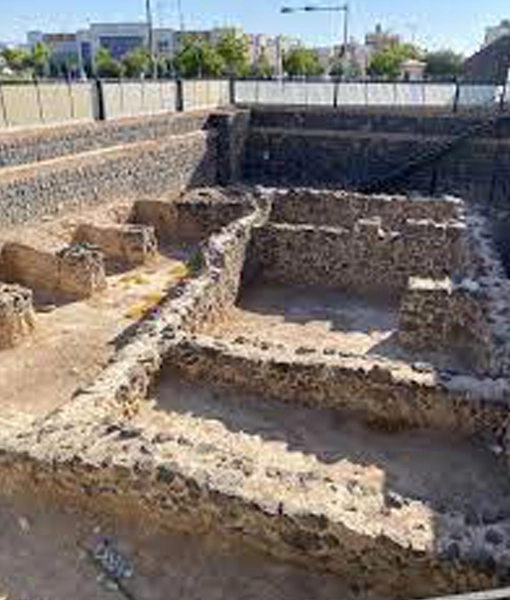
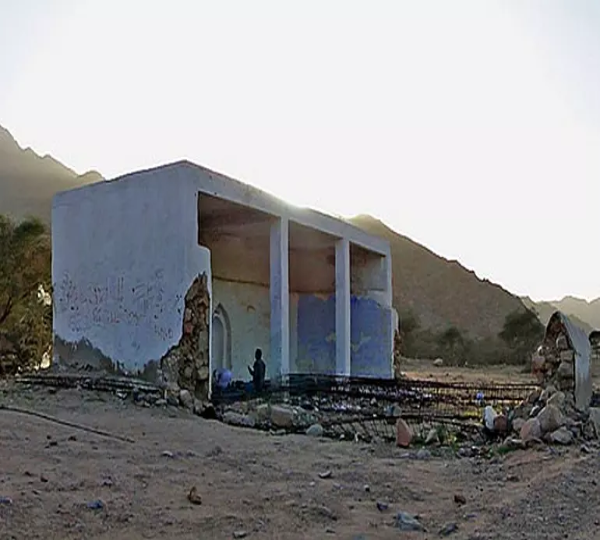
Historically, Masjid Qiblatain was a smaller mosque that featured two distinct mihrabs (prayer niches) to physically mark the two directions of prayer: one towards Jerusalem and one towards Makkah. This unique feature served as a powerful visual reminder of the mosque’s spiritual history.
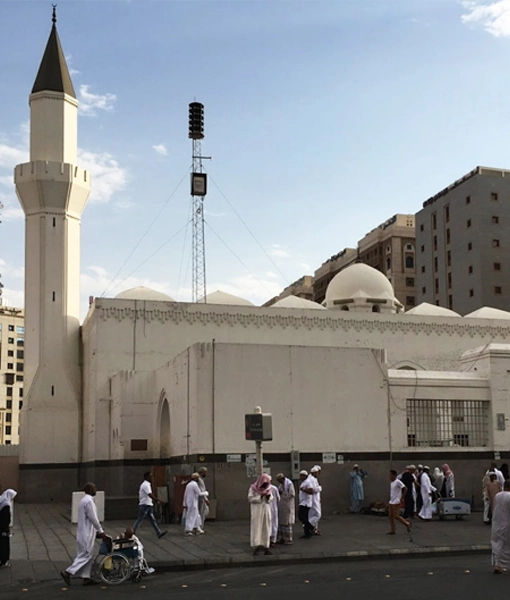
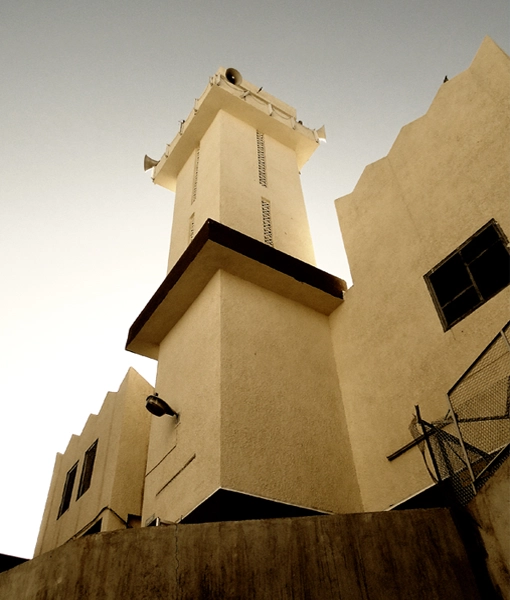
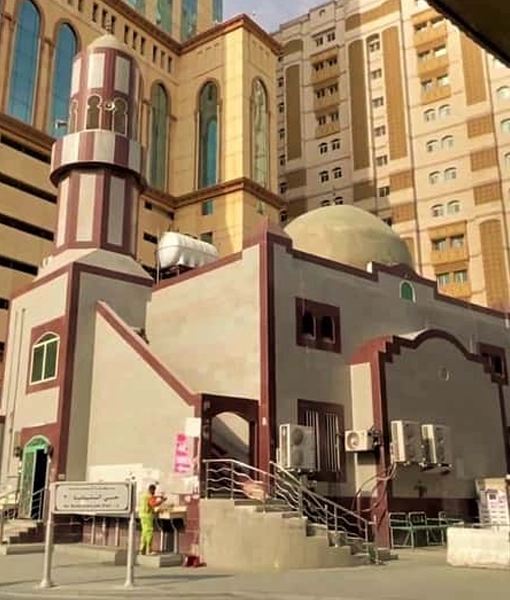
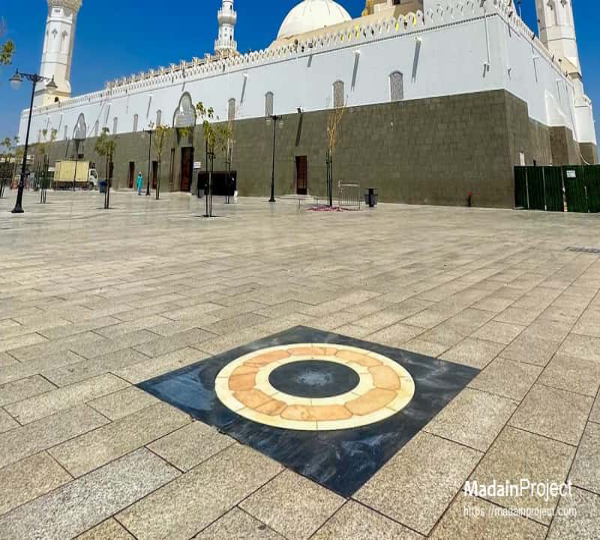
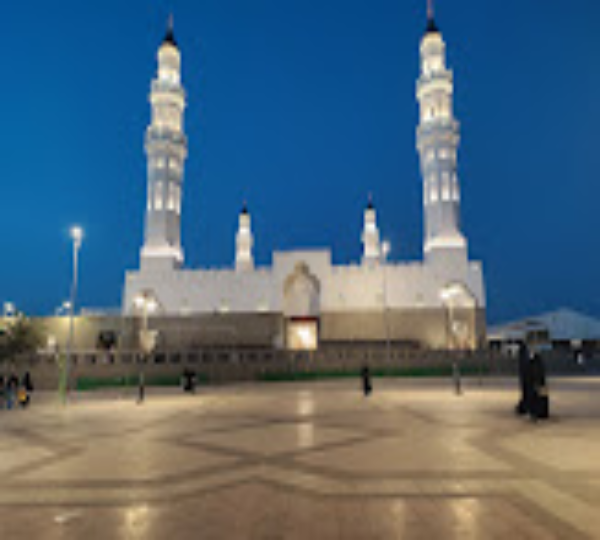
The modern Masjid Qiblatain has undergone significant renovations and expansion. Today, it is a large, elegant structure with a beautiful, contemporary design. While it retains its historical name, the structure now orients all prayers towards the Kaaba in Makkah. However, the sanctity of the old direction is honored, often with a preserved niche or marker to indicate the original Qibla towards Jerusalem. The mosque’s current design ensures that it remains a functional and welcoming place of worship for the immense influx of pilgrims, while its historical narrative is meticulously preserved.

The Pilgrim's Experience: A Call to Obedience

For pilgrims visiting Madinah, a stop at Masjid Qiblatain is considered an essential Ziyarat. It is a moment to physically connect with the site of a miraculous and pivotal revelation. Standing in the prayer hall and offering two rak’ahs is an act of deep reflection.

The mosque calls one to contemplate the absolute nature of obedience in Islam. The companions did not pause or ask for clarification; their immediate submission to the Prophet’s (S.A.W.) change of direction is a timeless lesson in faith and submission. The physical act of turning around in the middle of a prayer is a powerful metaphor for the ease with which a believer must abandon any former ways when a clear command from Allah or His Messenger is revealed.

A Legacy of Unity and Submission

Masjid Qiblatain is more than a historical landmark; it is a timeless symbol of unity, submission, and the powerful role of the Kaaba as the unifying center of the Muslim world. It reminds every believer that the direction of the heart must always follow the direction of divine command. For all who visit, this sacred sanctuary is a beacon of inspiration, a place where a single prayer witnessed a change that would bind the hearts of billions across the globe for all eternity.

Other Ziyarat You Should Know