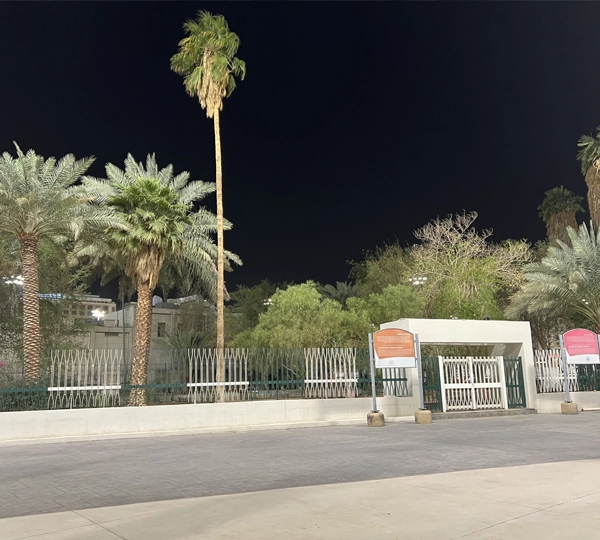
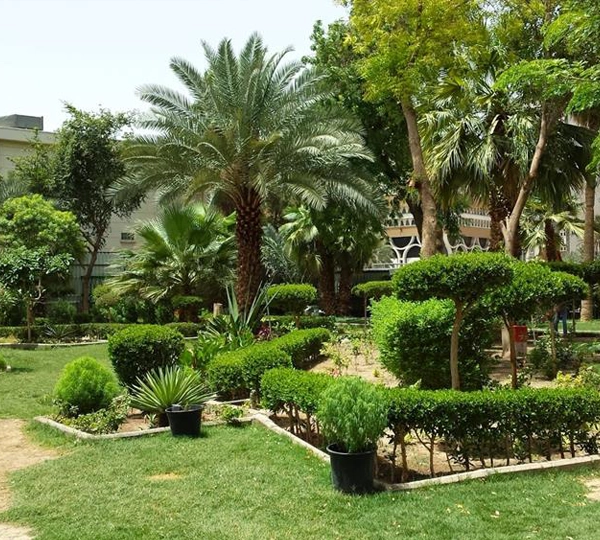
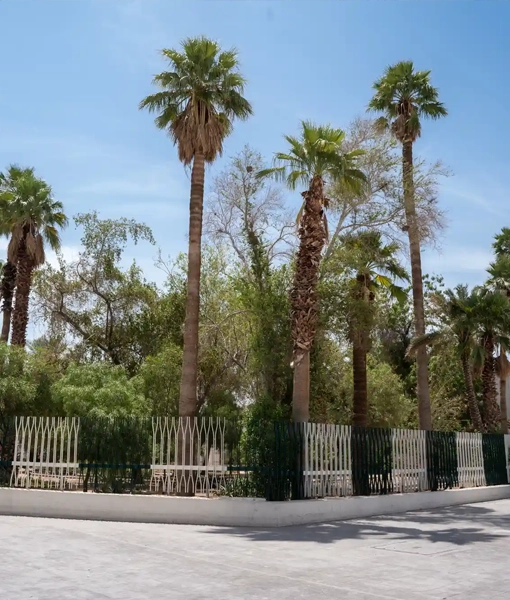
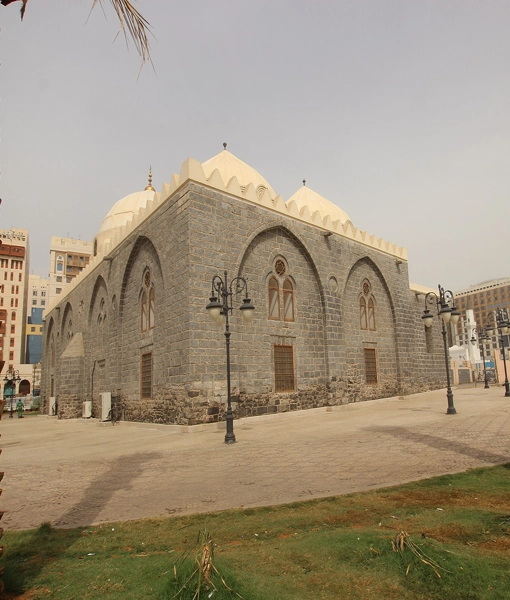
Masjid Bani Haram – House of Jabir (r.a.)

مسجد بني حرام – دار جابر رضي الله عنه

Ziart Overview

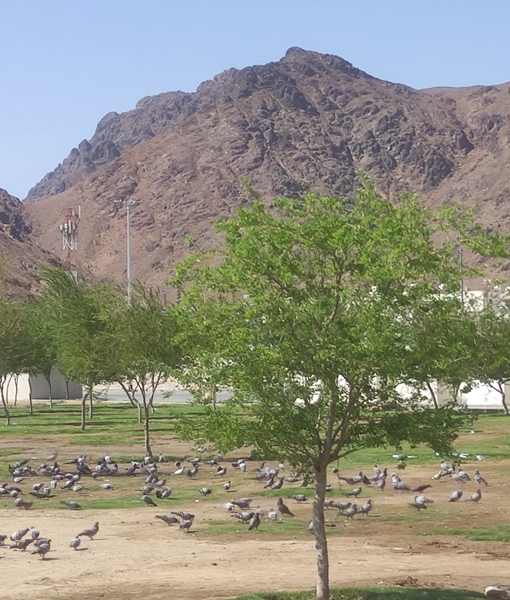
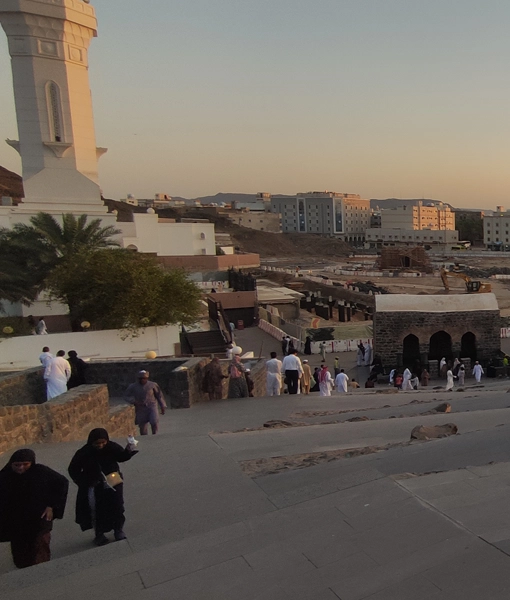
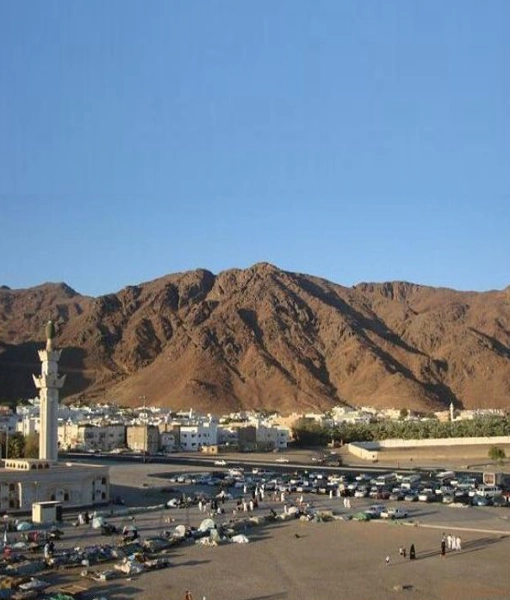
  • Location: The mosque is located on the northwestern side of Madinah, on the slopes of Mount Sila’ and near the historical site of the Battle of the Trench. The entire area belonged to the Bani Haram clan of the Ansar.
  • Historical Significance: The mosque is named after the tribe that resided there. Its spiritual significance stems from two main points:
    1. Prophet’s Prayer Spot: It marks a specific spot where the Prophet Muhammad (S.A.W.) performed a prayer or rested, hallowing the ground.
    2. House of Jabir: The area, and possibly the site of the mosque itself, is where the house of the beloved companion, Jabir ibn Abdullah (r.a.), was located. Jabir (r.a.) was a renowned narrator of Hadith and a devoted companion.
  • The Event: During the Battle of the Trench, the Prophet (S.A.W.) often passed through this area. It is believed that the Prophet (S.A.W.) ate at Jabir’s house during the siege, a famous event where a small amount of food miraculously fed the entire hungry Muslim army digging the trench. While the mosque marks a general prayer spot, the house of Jabir (r.a.) links the location to this powerful miracle of sustenance and blessing during a time of great hardship.
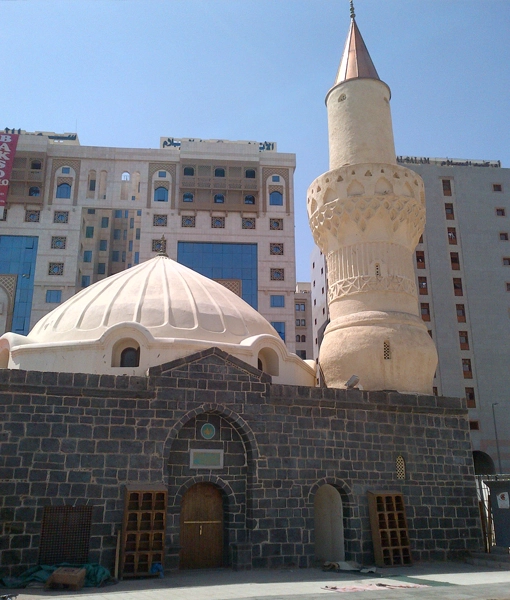
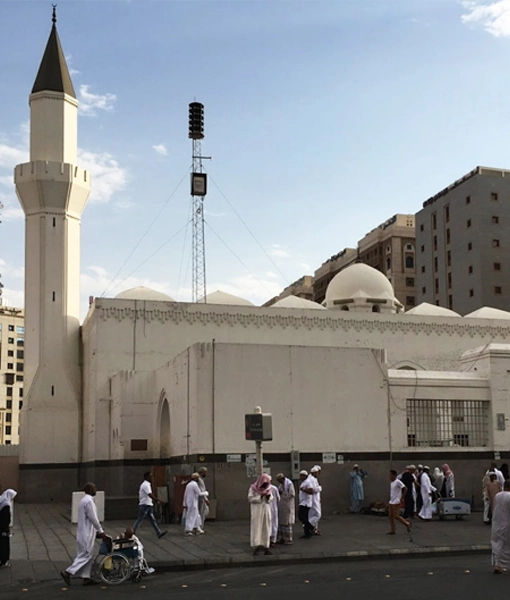
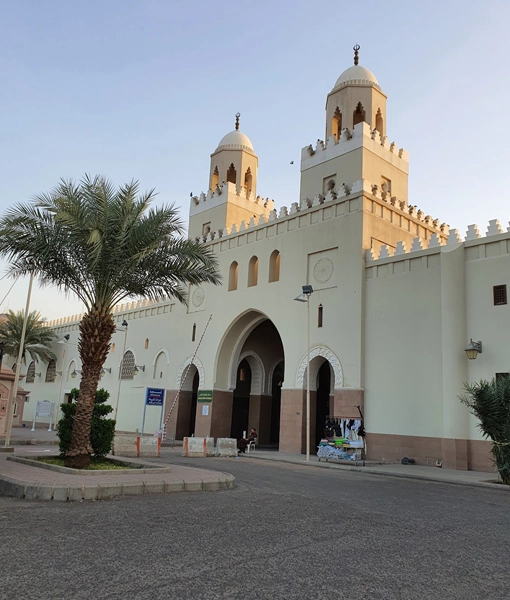
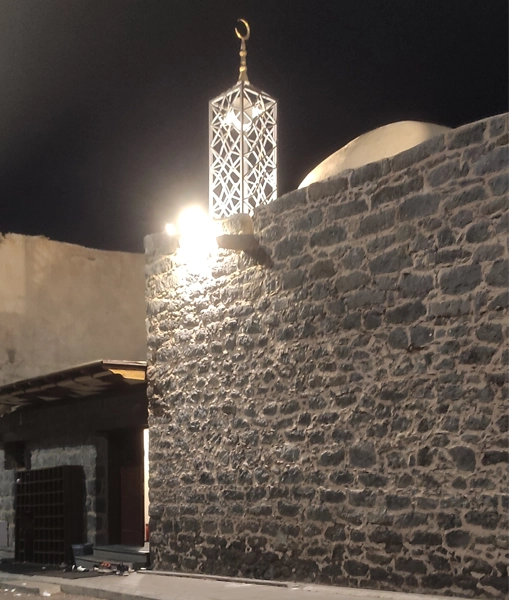
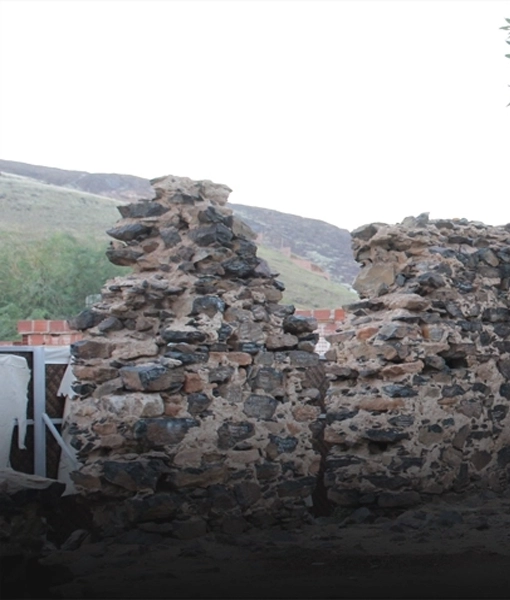
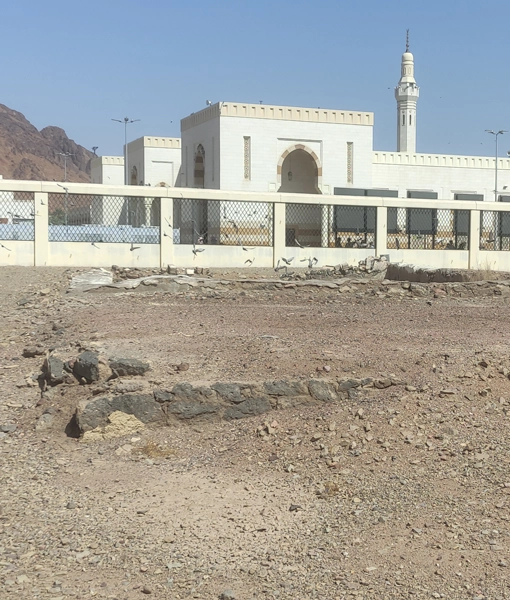
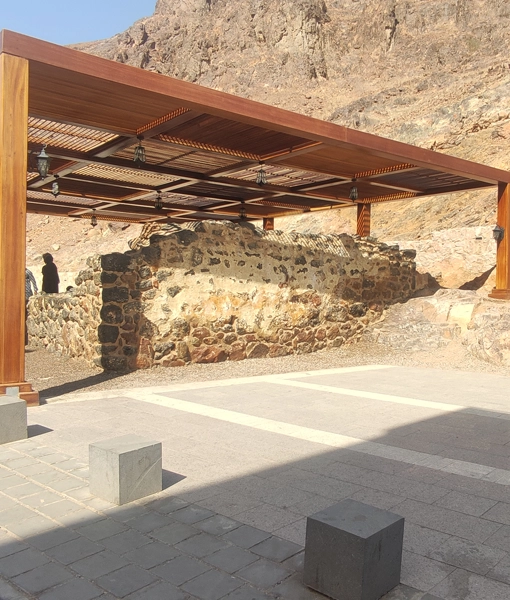
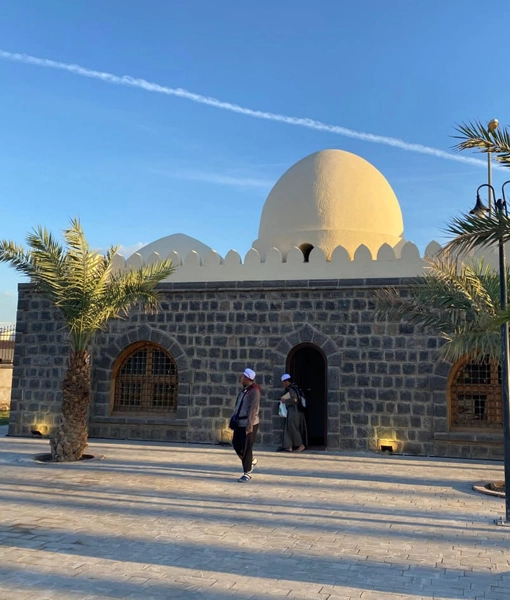
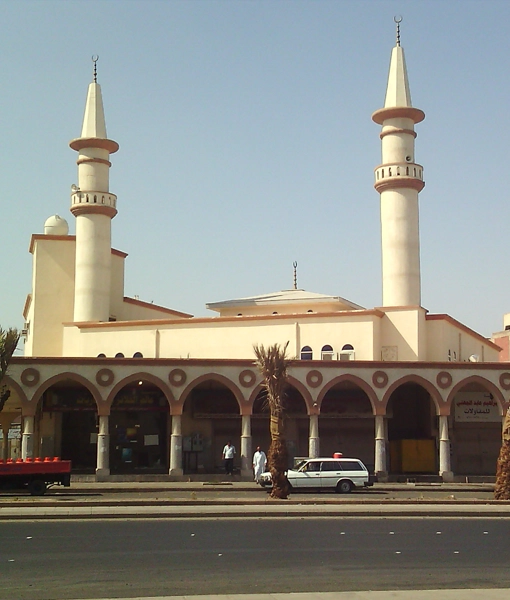
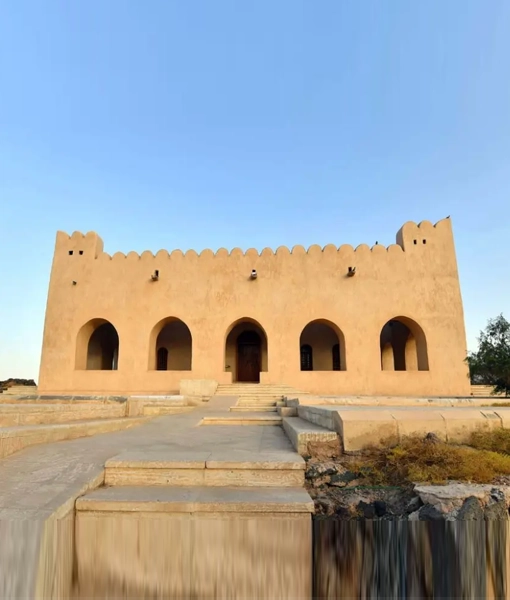
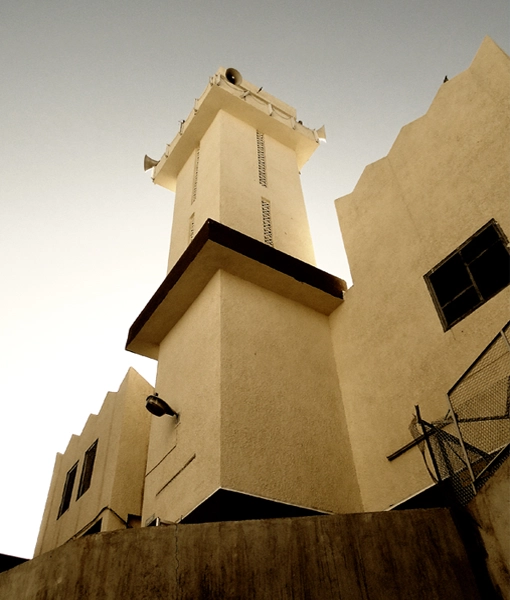
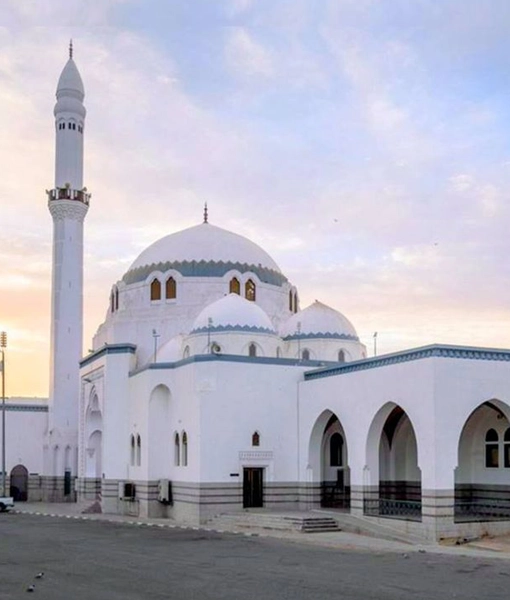
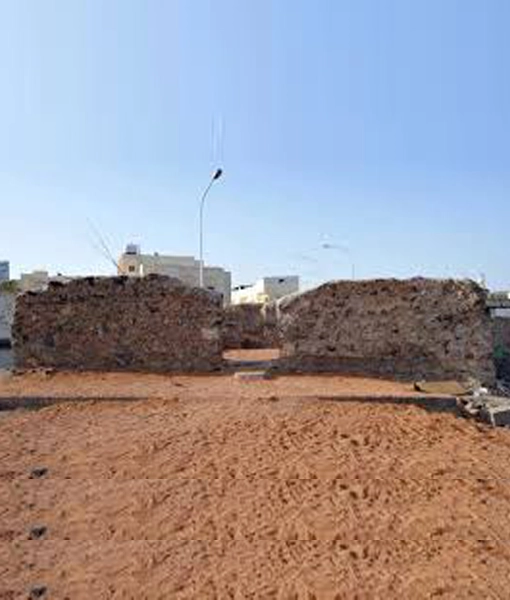
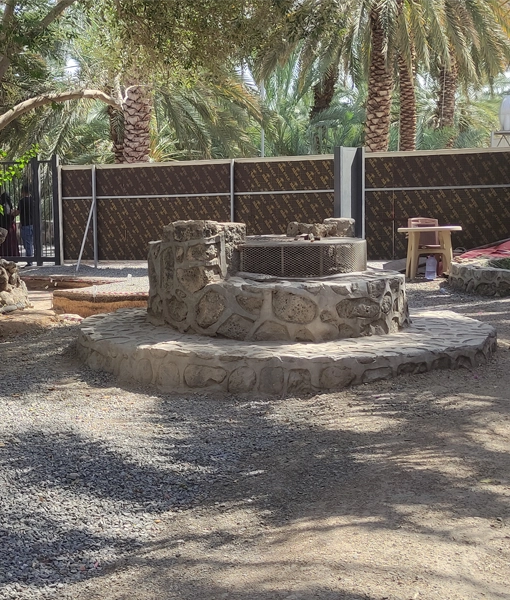
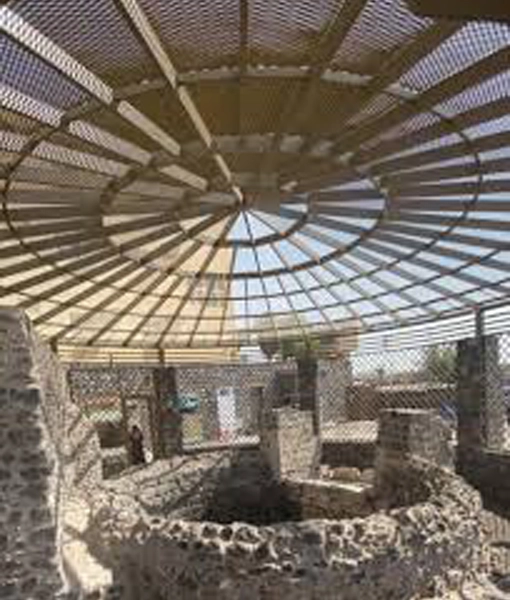
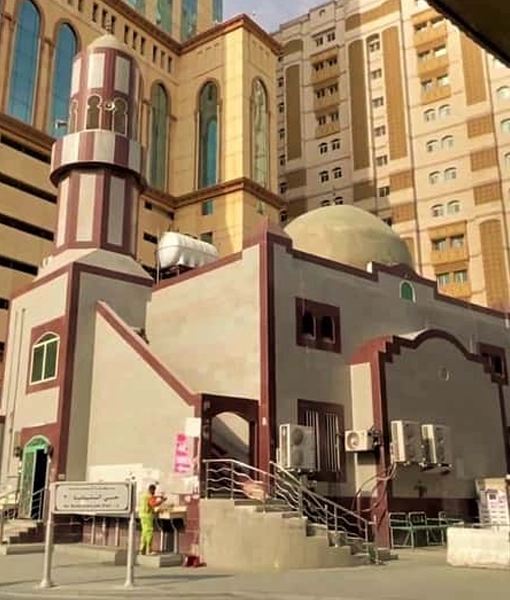
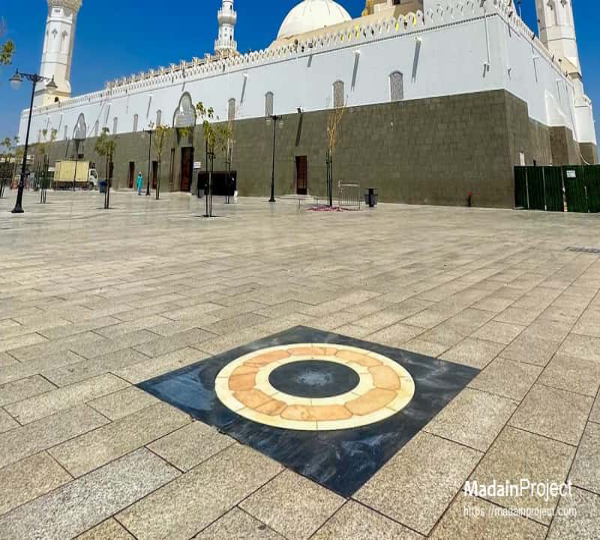
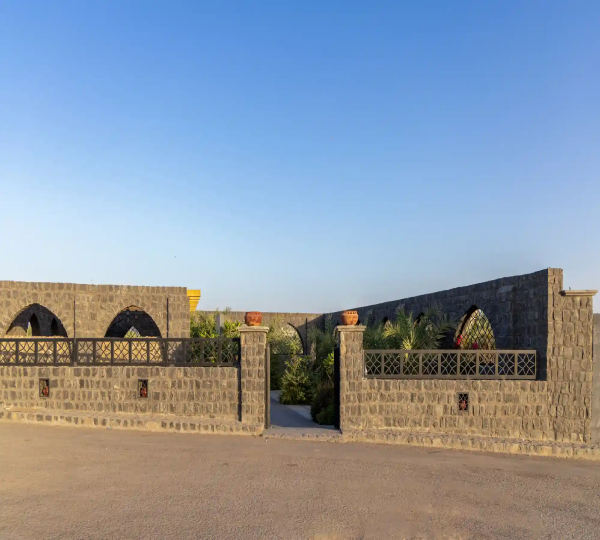
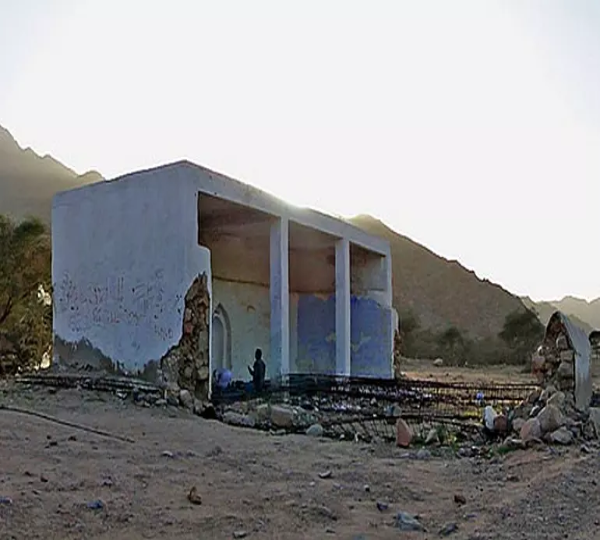
  • Architectural Features & Development: The mosque is a small, historical structure that has been renovated and preserved over the centuries. It is simple in design, reflecting the humility of the early Islamic period.
  • Current Status for Pilgrims: The mosque is an active place of worship. It is a popular Ziyarat site for pilgrims visiting the area of the Battle of the Trench, providing a quiet place for reflection on the struggles of the early Muslims and the Prophet’s (S.A.W.) miracles.

On the slopes of Mount Sila’, overlooking the sacred valley of Madinah, stands a mosque that carries the name of a devoted clan and the memory of a profound miracle. This is Masjid Bani Haram, a sanctuary that marks a spot where the Prophet Muhammad (S.A.W.) prayed, and which is intimately connected to the humble home of the beloved companion, Jabir ibn Abdullah (r.a.). For any pilgrim, visiting this mosque is not just a journey to a historical site; it is a profound connection to the immense hardship of the Battle of the Trench and the divine blessings that sustained the believers through their darkest hour.

The Location of a Generous Tribe

Masjid Bani Haram is situated on the northwestern side of Madinah, in the area historically inhabited by the Bani Haram clan of the Ansar. This location places it close to the line of the trench dug for the Battle of the Trench, a siege that tested the faith and patience of the entire Muslim community. The mosque’s name pays tribute to the hospitality and unwavering loyalty of this tribe.

The mosque’s greater significance is tied to the fact that the house of the revered companion, Jabir ibn Abdullah (r.a.), was located here. Jabir (r.a.) was known for his love of the Prophet (S.A.W.) and his meticulous narration of Hadith. The connection between the mosque and the house of Jabir (r.a.) makes this a site of deep spiritual and historical importance.

The Miracle of the Small Meal

The most powerful story that hallows this ground occurred during the siege of the Battle of the Trench. The companions, including Jabir (r.a.), were digging the massive trench, facing not only the enemy but also extreme hunger and cold. The Prophet (S.A.W.) had tied a stone to his stomach out of hunger. Seeing the Prophet’s (S.A.W.) suffering, Jabir (r.a.) quietly rushed home and told his wife to prepare a small amount of food—a lamb and a measure of barley—barely enough to feed a handful of people.

Jabir (r.a.) invited the Prophet (S.A.W.) and a small group of companions. However, the Prophet (S.A.W.), in an act of prophetic generosity, called the entire community of diggers—over a thousand hungry men—to Jabir’s humble home. It was here, in a miraculous display of divine blessing (Barakah), that the Prophet (S.A.W.) blessed the food. The small meal miraculously multiplied, feeding every single person present, and there was still food left over.

While the mosque itself commemorates a prayer spot of the Prophet (S.A.W.), its proximity to Jabir’s house links it to this extraordinary miracle of sustenance. It stands as a testament to the fact that when a believer offers hospitality with a sincere heart, Allah blesses it immensely.

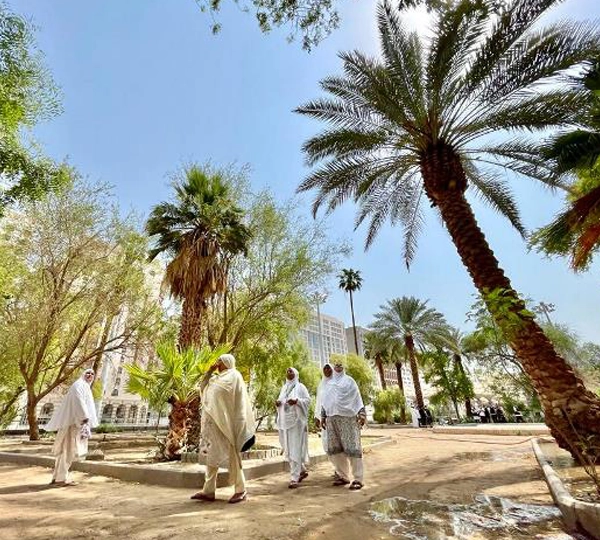
An Architectural Journey of Preservation

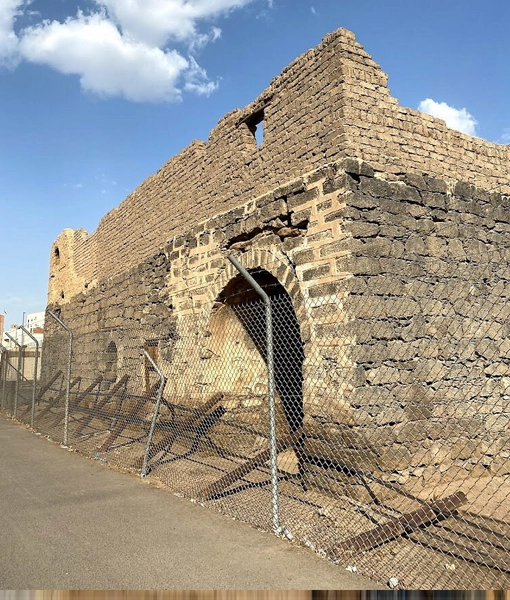
Masjid Bani Haram is a small, traditional mosque that has been preserved and renovated over the centuries. Its simple, unadorned structure reflects the humility of the early Islamic period and the focus on spiritual function rather than architectural grandeur. The continuous maintenance of this mosque is a commitment to honoring the place where the Prophet (S.A.W.) rested and prayed, and the tribe that hosted him.
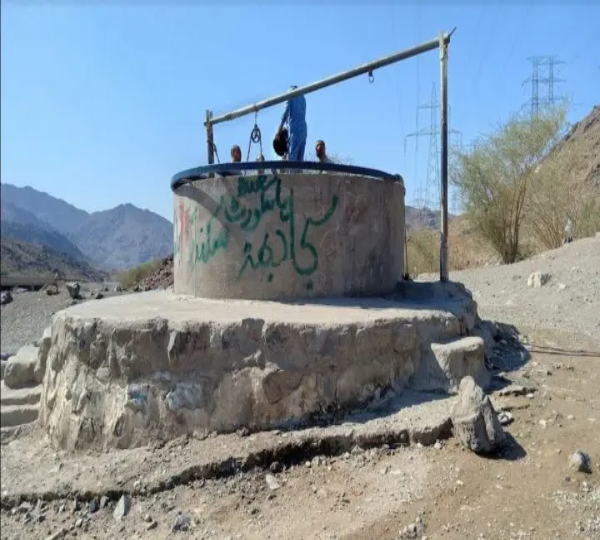
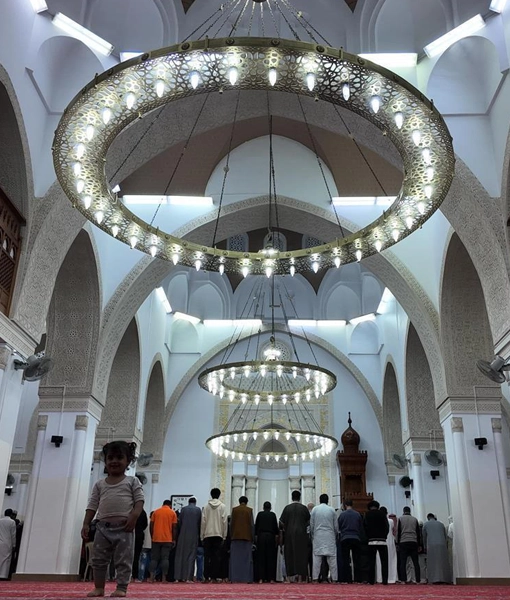
Its modest size today provides a quiet and intimate setting for prayer, allowing pilgrims to connect personally with the powerful events of the past. The mosque is part of the Ziyarat trail of the Battle of the Trench sites, inviting visitors to reflect on the immense sacrifices made on this very ground.

The Pilgrim's Experience: A Call to Generosity and Trust

For pilgrims visiting Madinah, a stop at Masjid Bani Haram is a deeply moving experience. It is a place that calls one to reflect on the immense generosity of Jabir (r.a.) and his wife, who offered everything they had, and the immense power of the Prophet’s (S.A.W.) supplication.

Standing in the prayer hall, you are reminded that true richness is not in the amount of possessions one has, but in the blessing Allah places in them. Offering a prayer here is a beautiful way to honor the legacy of the Bani Haram clan and to seek the divine blessing that transforms the small into the abundant.

A Legacy of Blessing

Masjid Bani Haram is more than a historical landmark; it is a timeless symbol of generosity, brotherhood, and the profound blessings that are bestowed upon those who live a life of sincere faith. It reminds us that even in times of great hardship and hunger, divine sustenance and miraculous help are always near. For all who visit, this sacred sanctuary is a beacon of inspiration, a place where a small meal became a banquet for a thousand, and where the echoes of a Prophet’s prayer fill the hearts of believers with hope and trust.

Other Ziyarat You Should Know