سبع مساجد
Ziart Overview
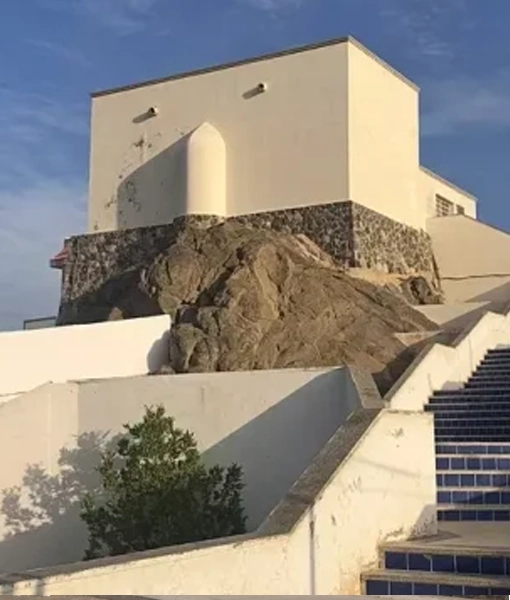
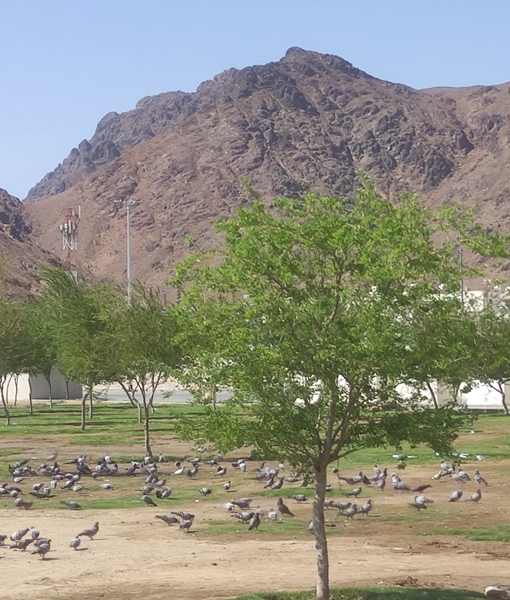
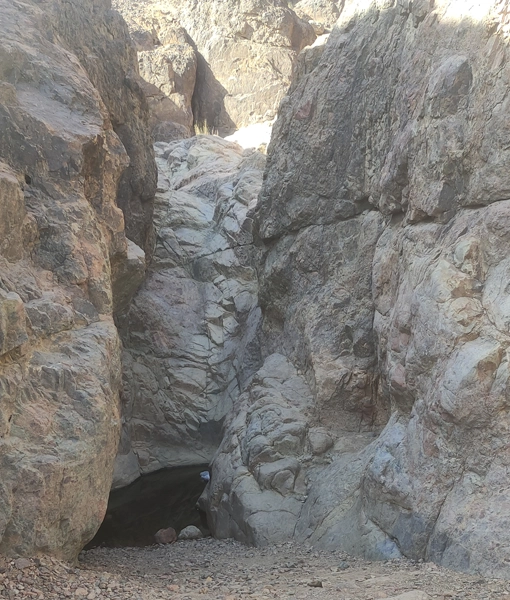
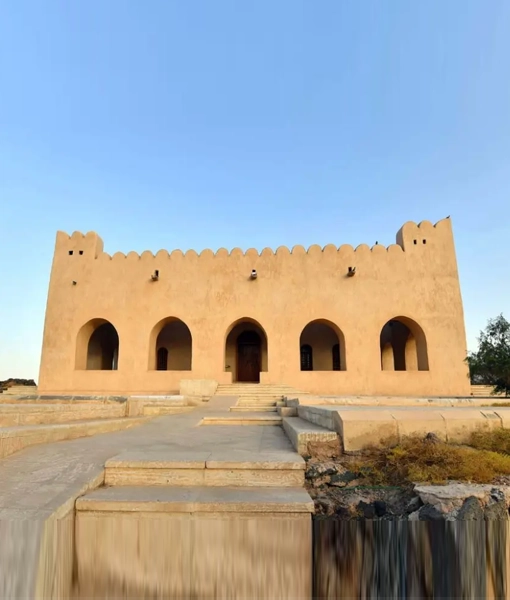
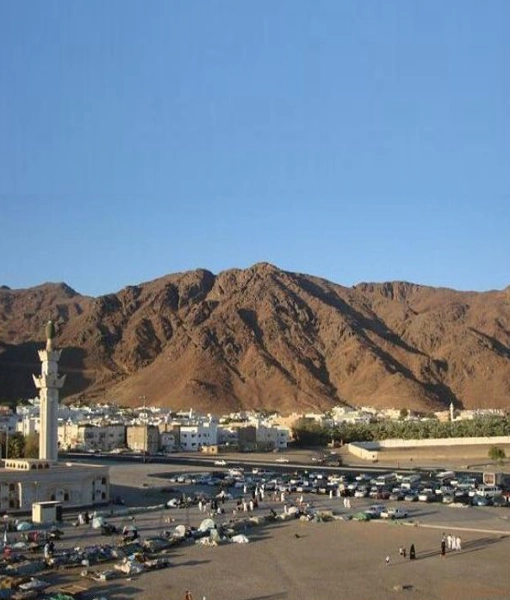
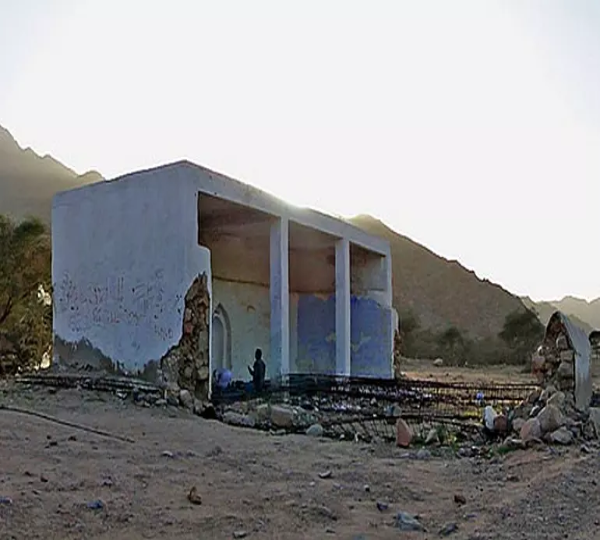
- Location: The Seven Mosques is a historical cluster of small mosques located near Mount Sila’ (Sila’ Mountain) on the northwestern side of Madinah. This area overlooks the site where the trench was dug for the Battle of the Trench.
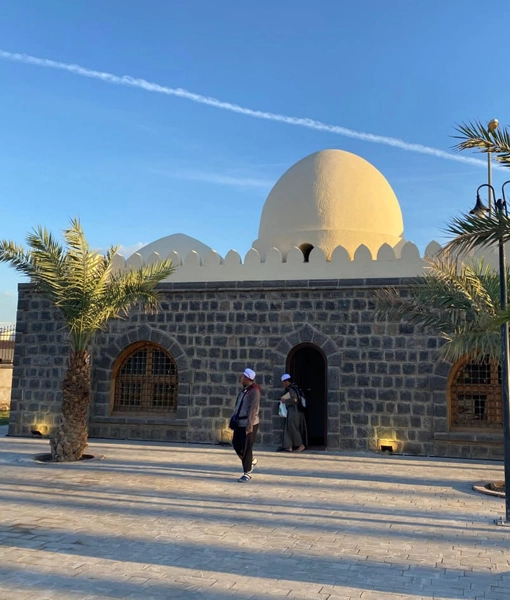
- Historical Significance: The entire complex commemorates the Battle of the Trench (Ghazwat al-Khandaq). Each small mosque is traditionally named after a prominent companion or a member of the Prophet’s (S.A.W.) family who performed prayer at that specific spot during the siege.
- Key Mosques in the Cluster (Traditional Naming): The names often vary, but the most common historical tradition identifies them as:
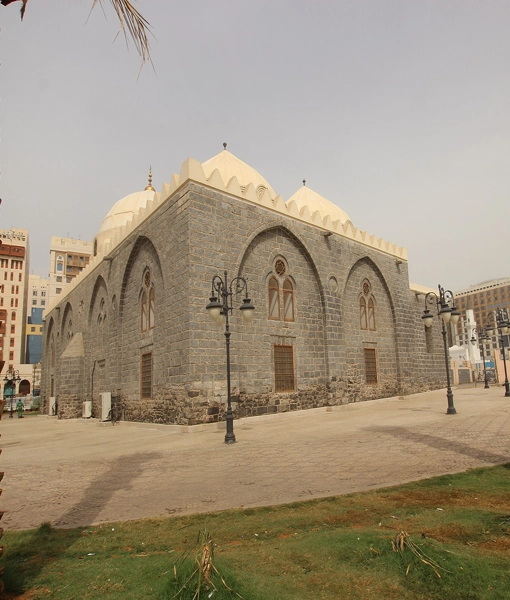
- Masjid Al-Fath (The Victory Mosque): The largest and most prominent, where the Prophet (S.A.W.) prayed during the battle.
- Masjid Salman al-Farsi: Named after the companion who suggested digging the trench.
- Masjid Ali ibn Abi Talib: Named after the cousin of the Prophet (S.A.W.).
- Masjid Abu Bakr al-Siddiq: Named after the first Caliph.
- Masjid Umar ibn al-Khattab: Named after the second Caliph.
- Masjid Fatimah al-Zahra (Masjid Sa’d ibn Mu’adh): A site named after the Prophet’s daughter, or sometimes a companion.
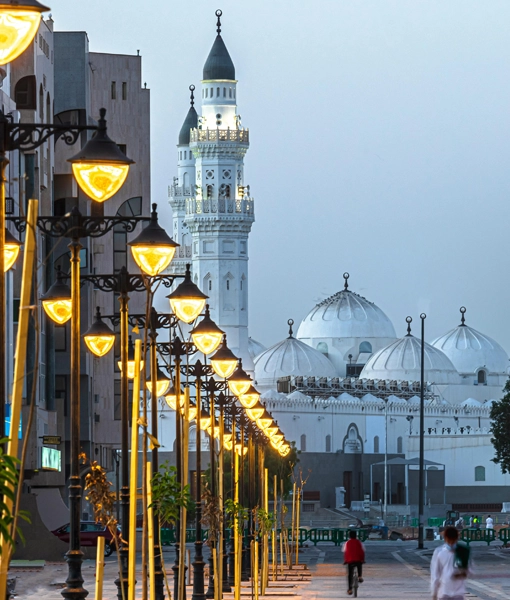
- Masjid Al-Qiblatayn: Sometimes included in the count, or a small seventh mosque is traditionally counted in the areaÂ
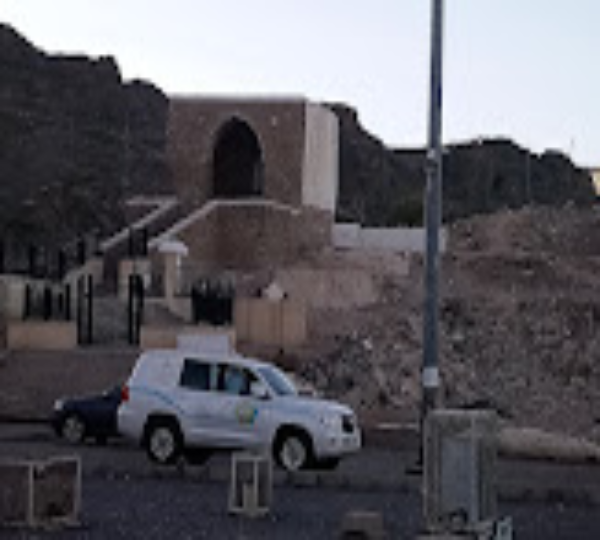
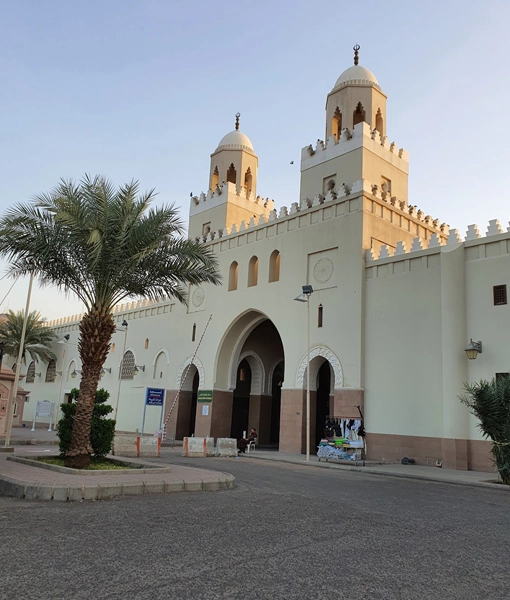
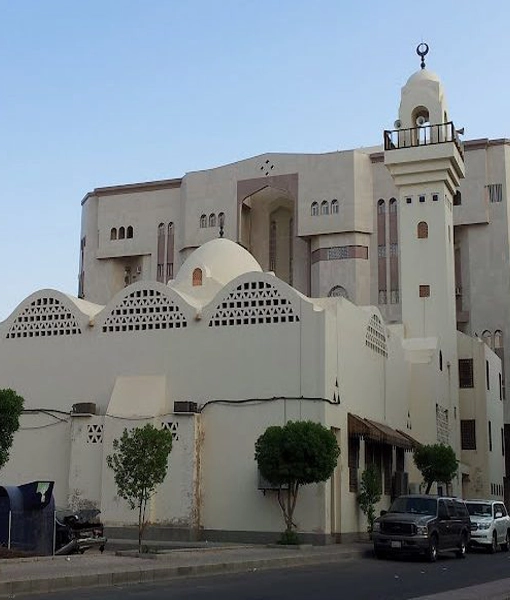
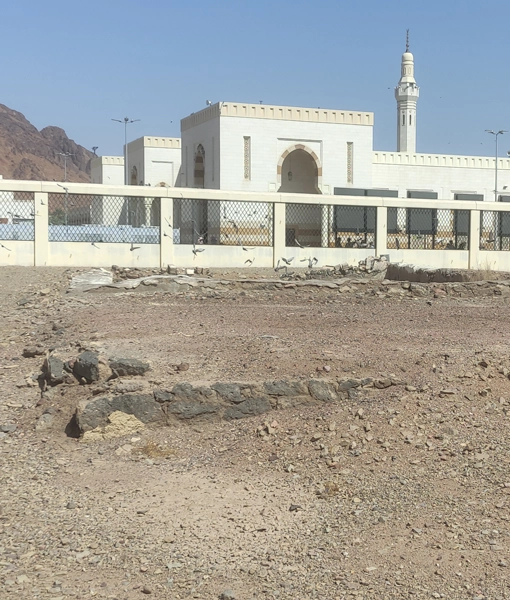
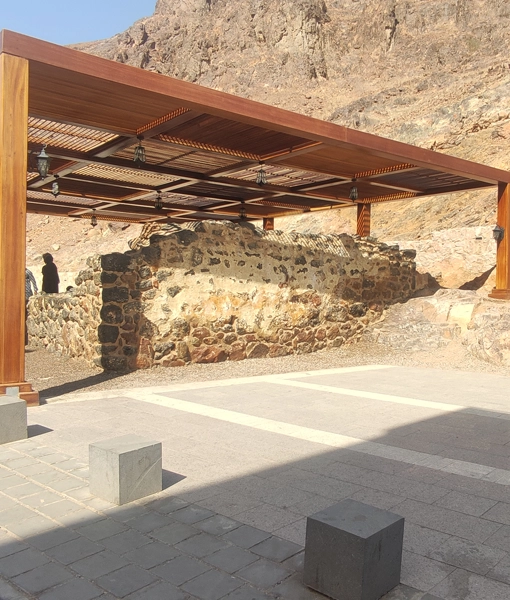
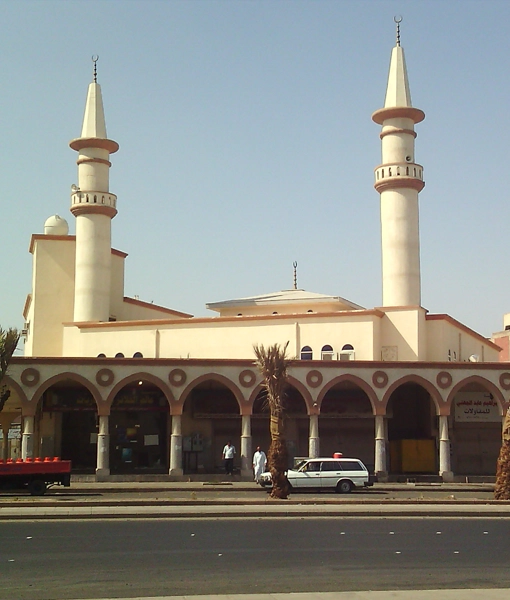
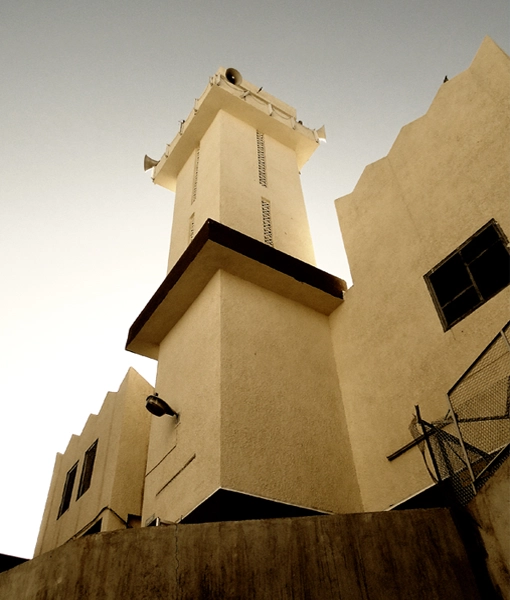
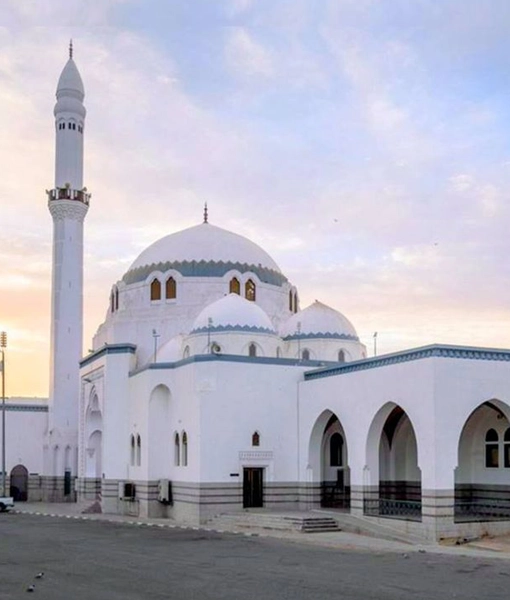
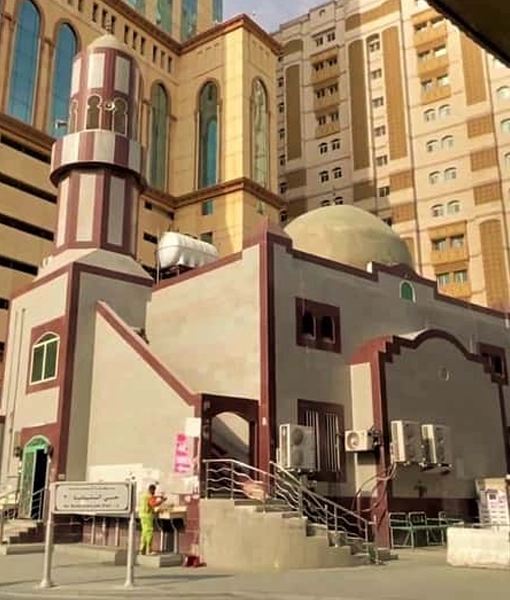
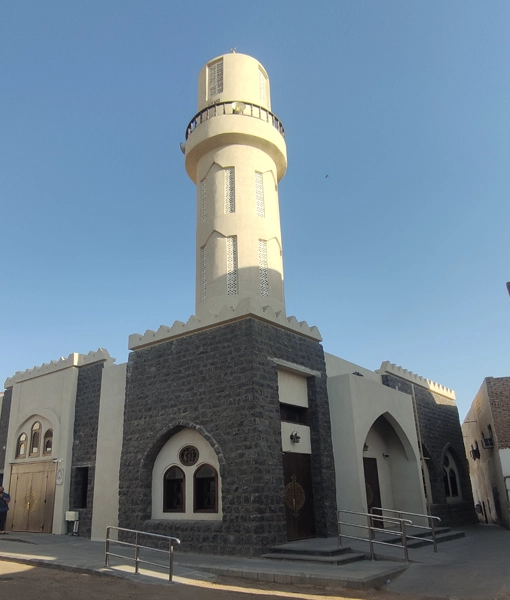
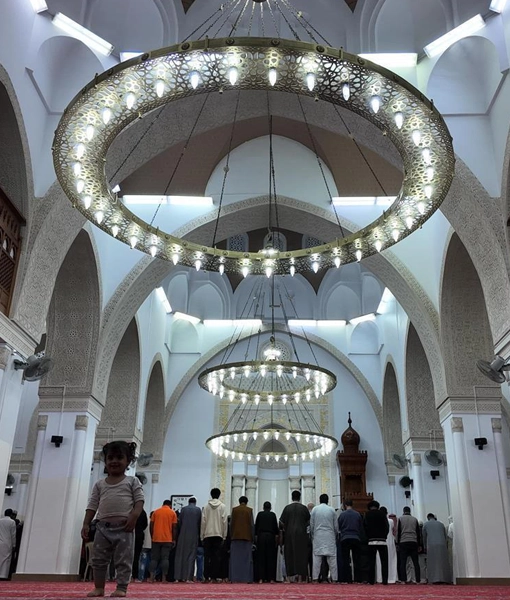
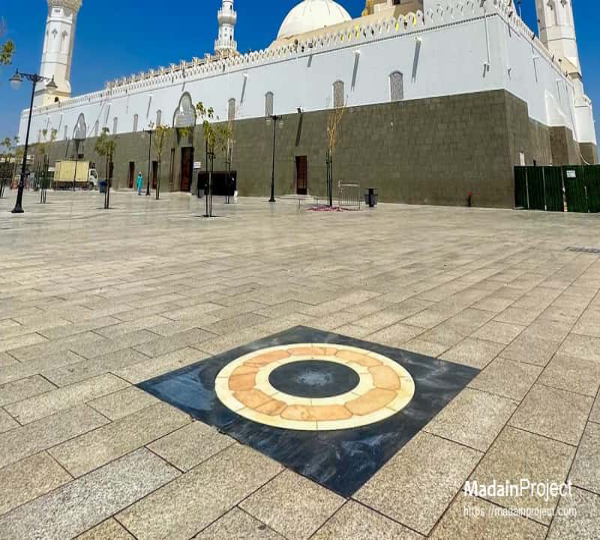
- Current Status and Architecture: The entire complex has undergone major recent renovation and integration. A large, modern mosque has been built to serve as the main place of worship, while the smaller historical structures have been preserved. This ensures the site remains functional and historically accurate for the large number of visiting pilgrims. The area is easily accessible and is a major Ziyarat stop.
On the northwestern outskirts of Madinah, against the backdrop of Mount Sila’, lies a landscape imbued with the profound spirit of struggle, strategy, and spiritual endurance. This is the site of the Sab’a Masajid, or the Seven Mosques, a unique historical cluster that stands as a living monument to the challenges and ultimate triumph of the Battle of the Trench. For any pilgrim, visiting this complex is a comprehensive journey into the collective bravery and deep faith of the companions, a sacred area where the very foundations of the Muslim community were tested and secured.
The Location That Defined a Battle
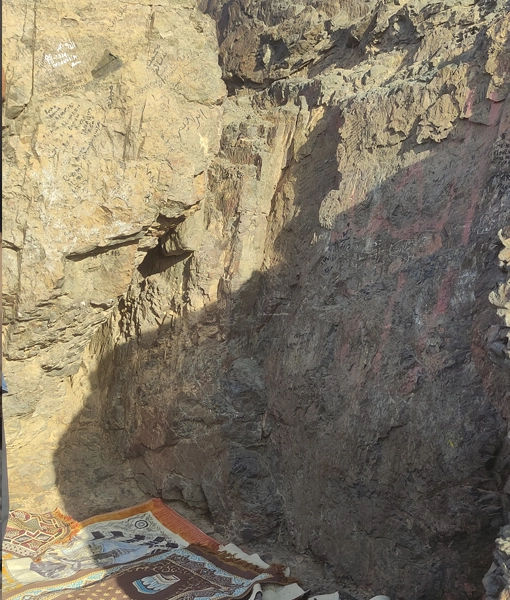
The Seven Mosques are situated at a crucial geographical point in Madinah, overlooking the historical area where the famous Trench (Khandaq) was dug for the defense of the city during the siege by the pagan coalition (Ghazwat al-Ahzab). The entire complex rests on a slope, with the main mosque, Masjid Al-Fath, on the highest point, reflecting its role as the Prophet’s (S.A.W.) central command post.
Each of the smaller mosques in this cluster is traditionally named after a key figure who performed prayers at that specific spot during the arduous 20-day siege. The names serve as a powerful roster of the pioneers of Islam, forever linking the physical location to the spiritual and historical role of:
- Masjid Salman al-Farsi: Commemorating the companion whose strategic vision saved Madinah.
- Masjid Ali ibn Abi Talib: Marking the spot where the heroic cousin of the Prophet (S.A.W.) camped.
- Masjid Umar ibn al-Khattab and Masjid Abu Bakr al-Siddiq: Honoring the two great Caliphs who stood firmly with the Prophet (S.A.W.).
The collective presence of these mosques transforms the area from a simple historical site into a museum of faith, illustrating the unity and dedication of the early Muslim leadership.
The Crucible of the Trench: Prayer and Strategy
The story of the Seven Mosques is the story of the Battle of the Trench itself—a period of intense fear, hunger, and spiritual testing. The Prophet (S.A.W.) and the companions endured immense hardship, digging the massive trench in harsh conditions. Yet, amidst the siege, the focus on worship never wavered.
Masjid Al-Fath, the most prominent of the cluster, is the spiritual heart of the complex. It is believed to be the spot where the Prophet (S.A.W.) prayed continuously for three days for the victory of his community. On the third day, his prayers were answered with the divine intervention that led to the retreat of the Confederate armies. The mosque’s name, “The Victory,” is a direct tribute to this moment of answered supplication.
The entire area serves as a profound lesson in resilience:
- Strategic Discipline: The presence of Masjid Ali and Masjid Salman reminds us that intellectual strategy and military genius were sanctified by faith.
- Spiritual Steadfastness: The prayer spots of the Caliphs highlight that ultimate strength came from spiritual reliance on Allah, not just physical defense.
The complex is a physical embodiment of the Quranic verses revealed during the siege, describing the believers’ resolve: “And when the believers saw the confederates, they said, ‘This is what Allah and His Messenger had promised us, and Allah and His Messenger spoke the truth.’ And it increased them in faith and submission.”

From Historical Marks to Modern Sanctuary
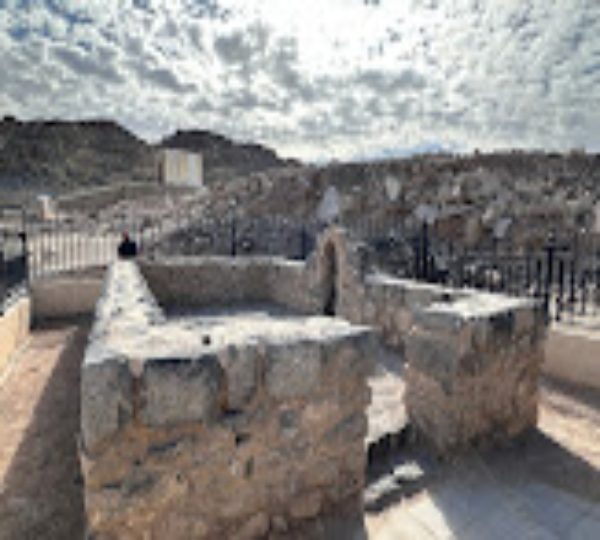
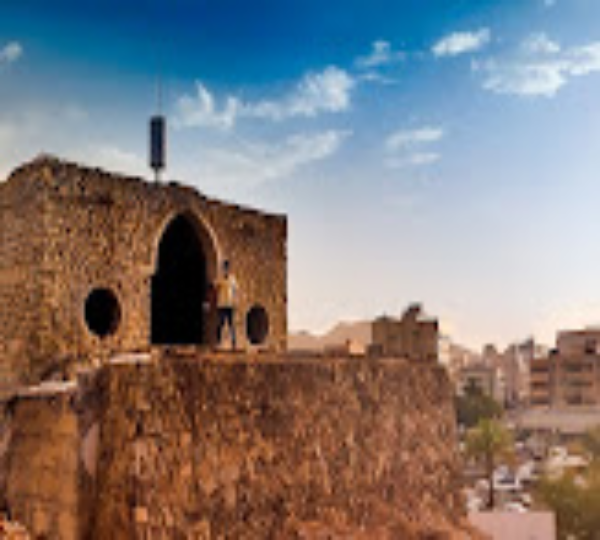
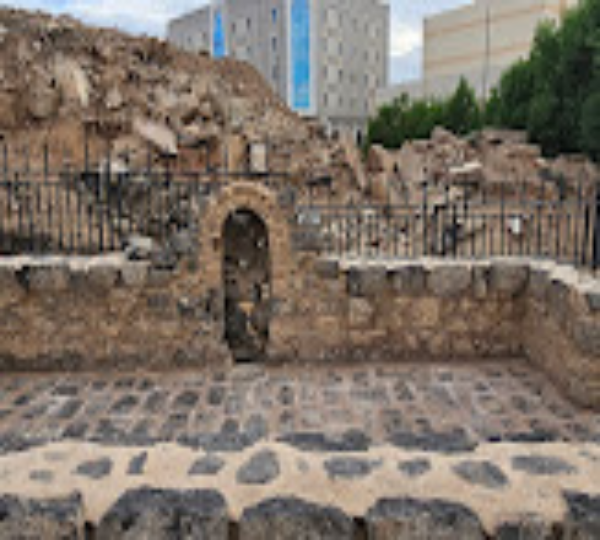
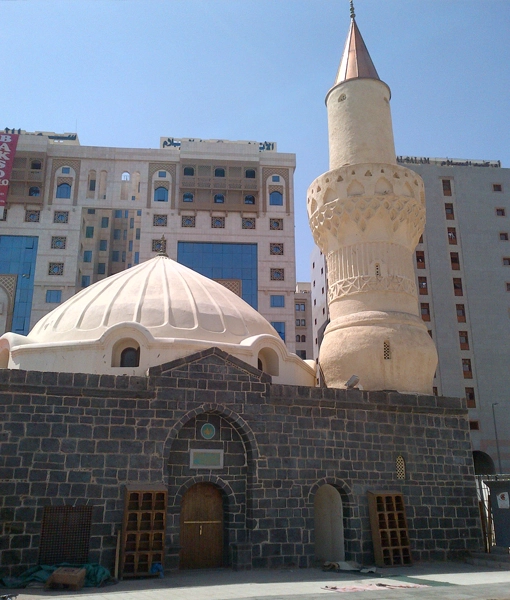
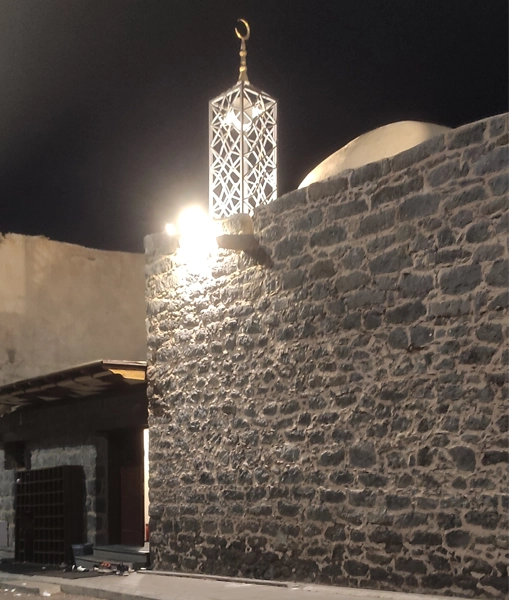
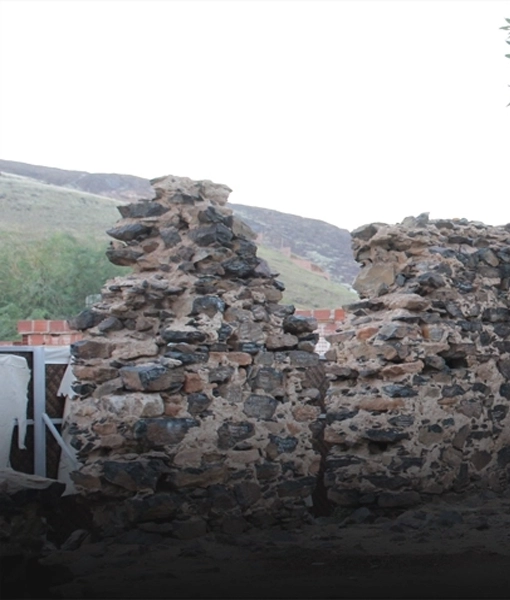
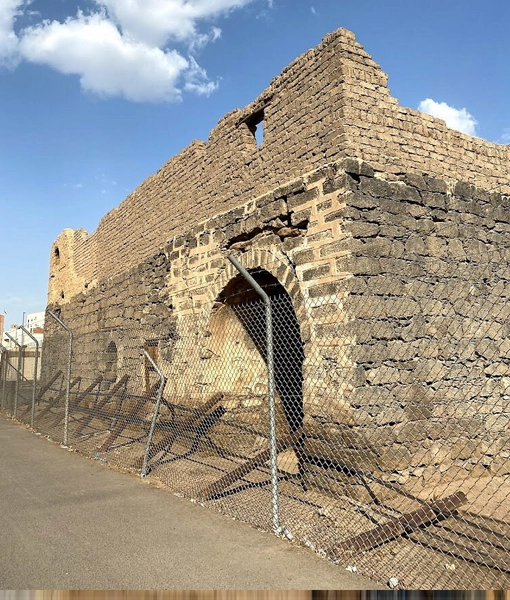
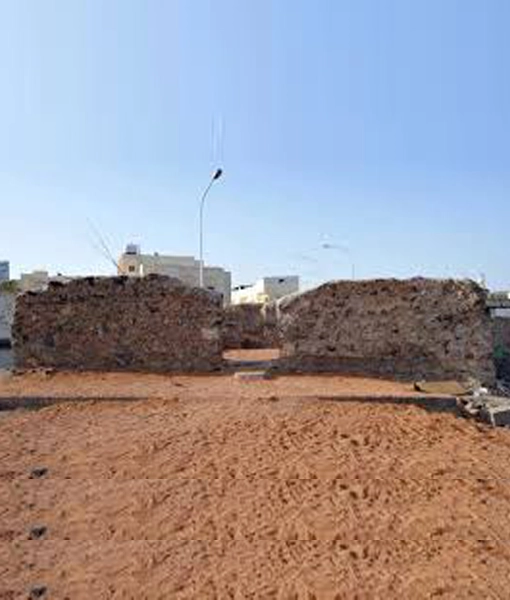
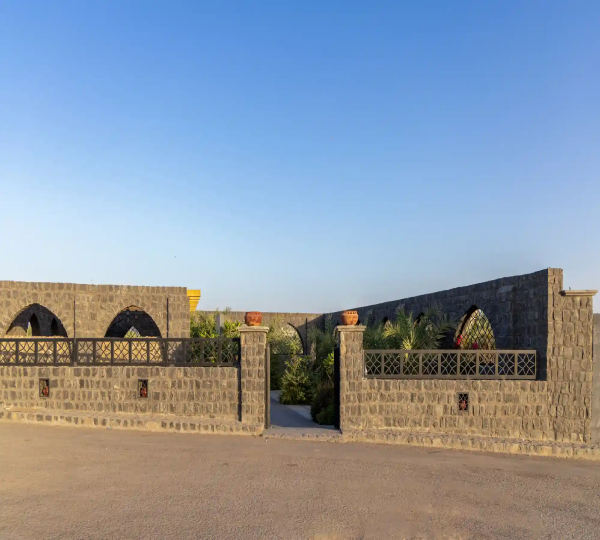
Over the centuries, the Seven Mosques were maintained as individual, small stone structures, revered but often subject to the wear of time. Recognizing their immense historical value, the entire complex has undergone a major and sensitive renovation.
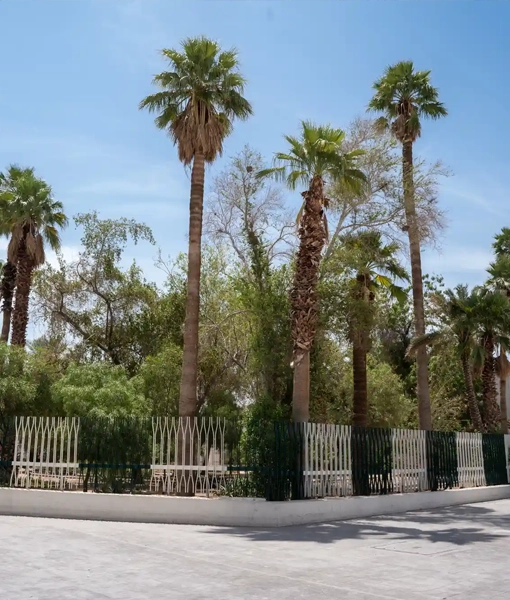
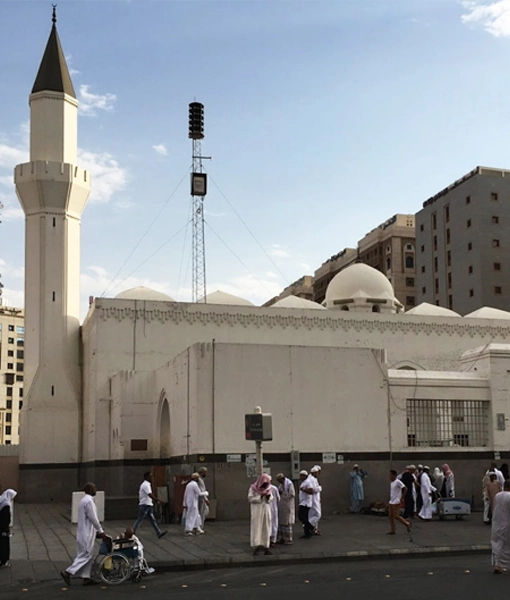
Today, the site is unified by a beautiful, spacious paved area that ensures pilgrims can move between the mosques with ease. While a larger, modern central mosque has been built to accommodate the thousands of visitors, the original small structures—Masjid Ali, Masjid Abu Bakr, Masjid Umar, and others—have been carefully preserved. This architectural approach honors the simplicity of the early Islamic prayer spots while making the site functional for modern pilgrimage. The blend of the ancient and the modern ensures that the memory of the companions who prayed here remains vividly intact.
The Pilgrim's Experience: A Call to Spiritual Strength
For pilgrims visiting Madinah, a stop at the Seven Mosques is one of the most powerful and essential Ziyarats. It is a moment to physically connect with the challenges the community faced and the victory they attained through divine grace.
Standing in the courtyard, you are standing on the ground where the fate of Islam was secured. Offering a prayer inside any of the small mosques is an act of deep reverence, a personal commitment to the values of steadfastness and obedience demonstrated by the companions. It is a spiritual exercise that compels you to contemplate the sacrifices made by the Prophet (S.A.W.) and his followers—facing a monumental enemy with nothing but a trench and an unflinching faith in Allah.
A Legacy of Unity and Triumph
The Seven Mosques (Sab’a Masajid) complex is more than a historical cluster; it is a timeless symbol of unity, unwavering faith, and the triumph of the human spirit when guided by the divine. It reminds every believer that the challenges of life, like the armies of the Confederates, can be overcome with a combination of wisdom, discipline, and, most importantly, sincere prayer. For all who visit, this sacred area is a beacon of inspiration, a place where a community was forged in the crucible of war, emerging stronger and more unified than ever before.