جبل Ø£ØØ¯
Ziart Overview
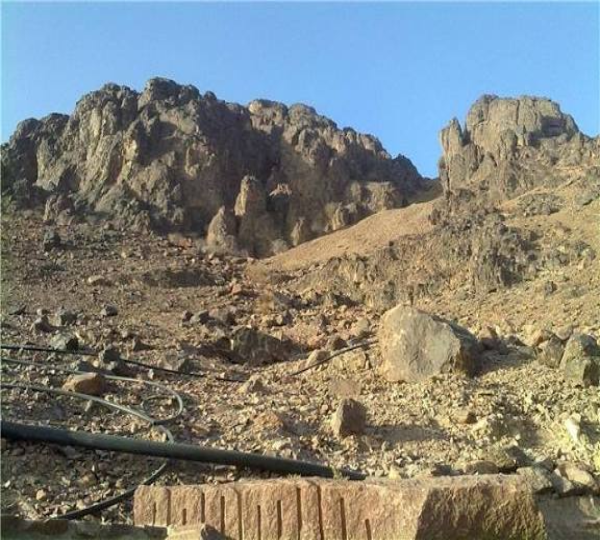
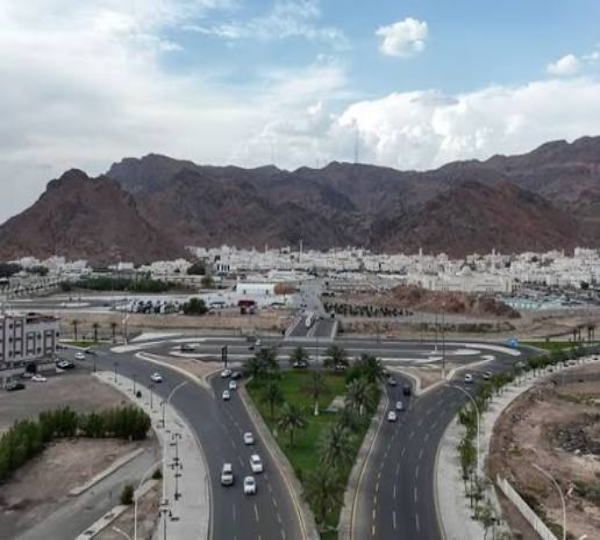
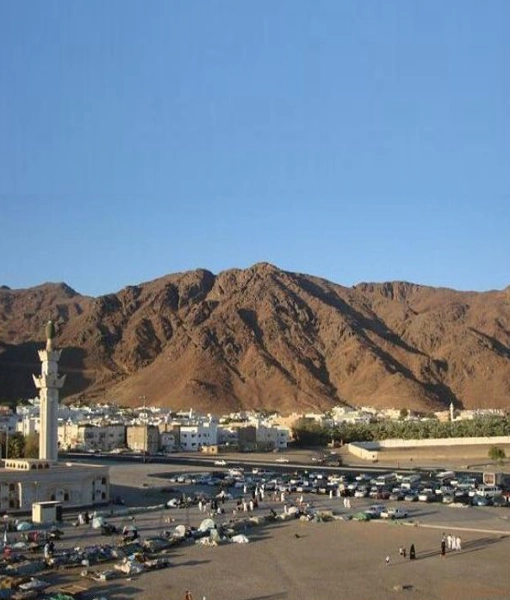
- Location: The cemetery is located at the foot of Mount Uhud, just a short distance from Jabal Rumaah (the Mount of the Archers). It is a sacred burial ground on the outskirts of Madinah.
- Historical Significance: The name “Maqbara Sayyid al-Shuhada” means the “Cemetery of the Master of Martyrs.” It is the final resting place of around 70 of the companions of the Prophet Muhammad (S.A.W.) who were martyred during the Battle of Uhud. The most prominent figure buried there is Hamza ibn Abd al-Muttalib (R.A.), the Prophet’s (S.A.W.) uncle, who is famously known as the “Master of all Martyrs.”
- The Event: The Battle of Uhud was a tragic event for the early Muslim community, resulting in a significant loss of life, particularly that of Hamza (R.A.), who was a revered and beloved figure. The Prophet (S.A.W.) was deeply grieved by his death. The cemetery was established to honor and bury these martyrs, and the Prophet (S.A.W.) himself would often visit it to pray for them.
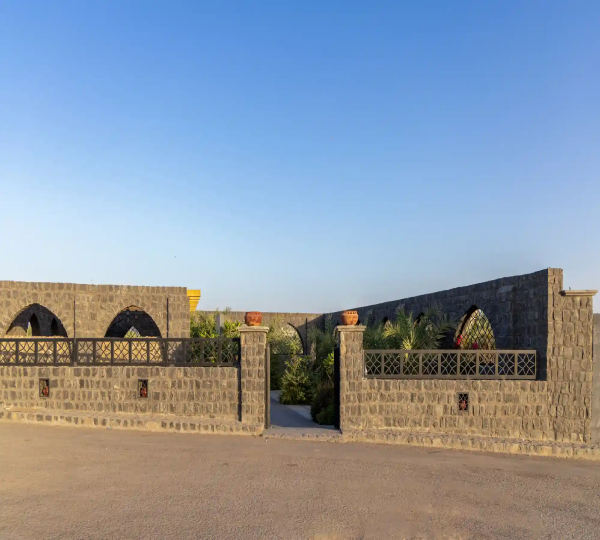
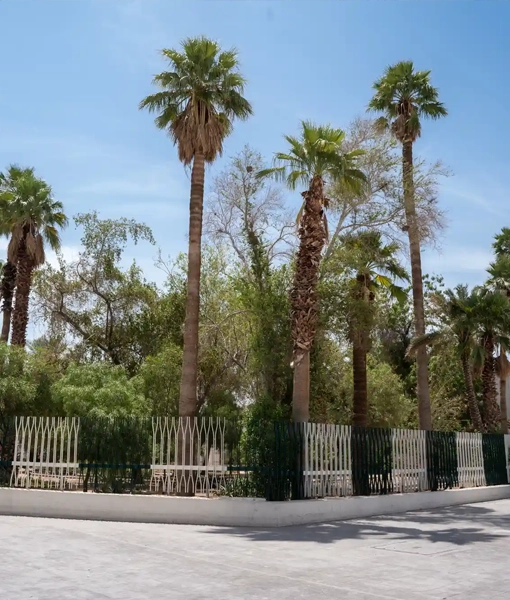
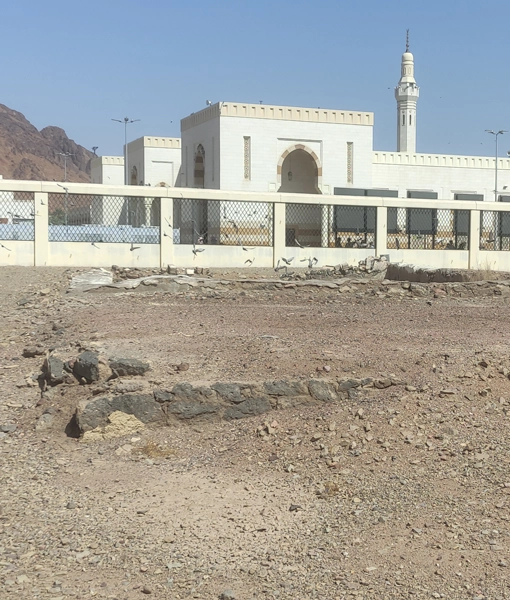
- Current Status for Pilgrims: The cemetery is a key Ziyarat site for pilgrims visiting Mount Uhud. It is a large, well-maintained, and sacred area marked by a simple fence and a stone wall. Visitors are not allowed to enter the cemetery itself but can offer their salutations and prayers from outside the fence. There is a specific area where the graves are located, and a sign marks it as the burial site of Hamza (R.A.).
- The Pilgrim’s Experience: The visit is a deeply emotional and spiritual experience. It is a place of reflection on the immense sacrifices made for the sake of Islam.
I have more than enough information to construct a detailed blog post that follows the requested format. I will now proceed with writing the content, blending the history with the location and the pilgrim’s experience, as I did for the previous topics. The blog post will include an introduction, sections on the cemetery’s name and location, the pivotal historical event, its current state, and a conclusion for pilgrims.# Maqbara Sayyid al-Shuhada: The Sanctuary of Sacrifices
At the foot of the majestic Mount Uhud in Madinah lies a sacred and solemn ground that holds the remains of some of Islam’s most courageous figures. This is Maqbara Sayyid al-Shuhada, the “Cemetery of the Master of Martyrs.” More than just a burial site, it is a living testament to the ultimate sacrifice made by the companions of the Prophet Muhammad (S.A.W.) for the sake of their faith. For any pilgrim, visiting this revered place is a deeply emotional pilgrimage into the heart of loyalty, courage, and unwavering devotion.

A Sacred Location at the Foot of a Mountain
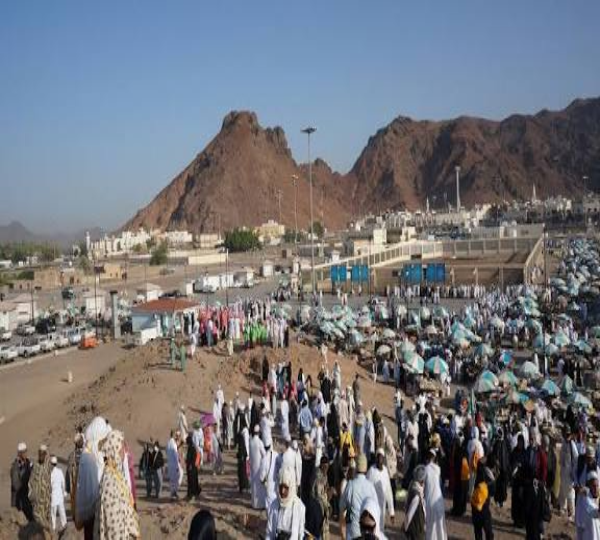
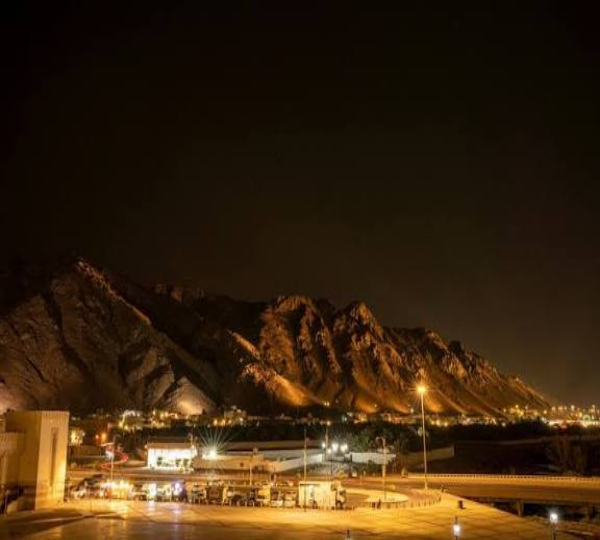
The cemetery is located directly at the base of Mount Uhud, with Jabal Rumaah (the Mount of the Archers) standing proudly nearby. The proximity of these two sites is not a coincidence; it is a powerful reminder of the events of the Battle of Uhud, one of the most significant and emotionally complex battles in Islamic history. The entire area—the mountain, the hill, and this cemetery—is a physical landscape that tells the story of immense courage and profound loss.
The name of the cemetery, Maqbara Sayyid al-Shuhada, honors the most prominent figure buried here: the Prophet’s (S.A.W.) uncle, Hamza ibn Abd al-Muttalib (R.A.). Due to his legendary bravery and the tragic circumstances of his martyrdom, he was given the title “Sayyid al-Shuhada,” the “Master of the Martyrs.” The cemetery is the final resting place of around 70 of the Prophet’s (S.A.W.) companions who were martyred in that battle.
The Profound Sorrow of a Prophetic Heart
The Battle of Uhud was a moment of immense trial for the Muslim community. While the battle began with an early victory, a moment of human error at Jabal Rumaah turned the tide, and the Muslim army suffered heavy losses. The grief was immense, but none was more profound than the sorrow felt by the Prophet (S.A.W.) himself.
His pain was most acute over the martyrdom of his beloved uncle, Hamza (R.A.). The Prophet (S.A.W.) was so moved by Hamza’s (R.A.) bravery and his martyrdom that he wept and was deeply grieved. He personally oversaw the burial of his companions, ensuring they were honored for their sacrifice. It is narrated that the Prophet (S.A.W.) would often visit this cemetery in the years that followed to pray for the martyrs, a practice that established a tradition for all believers to honor those who gave their lives for the cause of Islam.
A Place of Reverence and Reflection
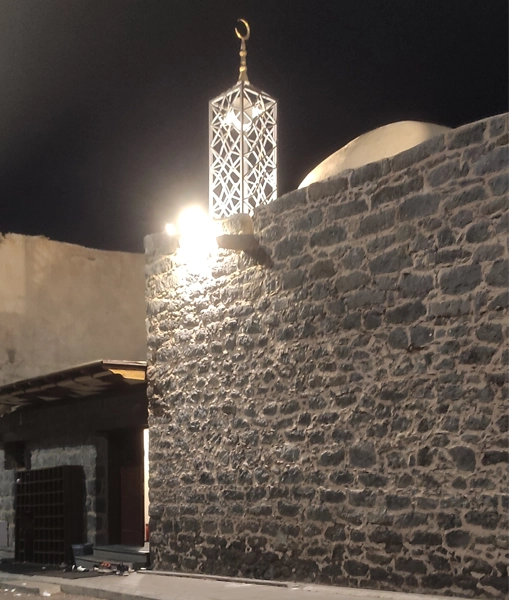
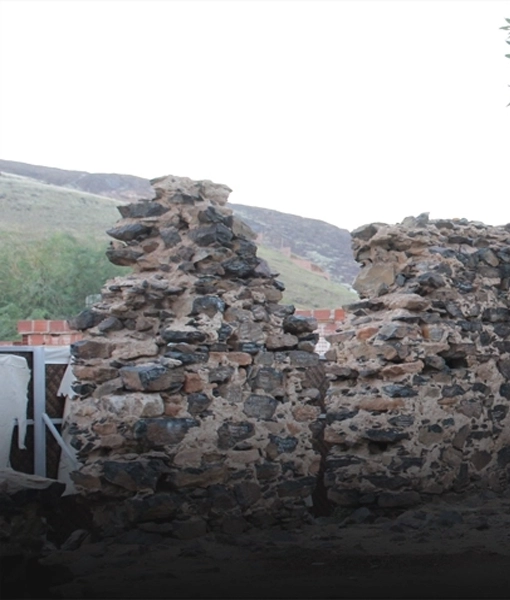
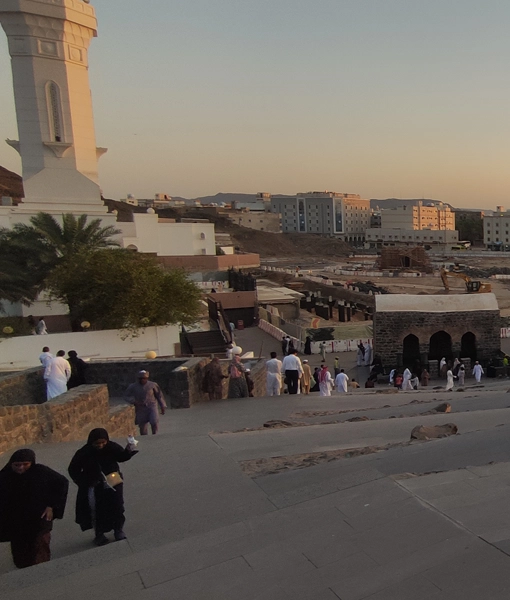
Today, the Maqbara Sayyid al-Shuhada is a large, sacred ground protected by a sturdy fence and a low stone wall. It is meticulously maintained and revered by Muslims worldwide. Pilgrims are not allowed to enter the cemetery itself out of respect for the sanctity of the graves and to maintain the spiritual decorum of the site. However, from the outside, visitors can clearly see the burial area, and a large sign marks the site.
A visit to this cemetery is an act of deep reverence. Pilgrims stand before the fence, raise their hands, and offer salutations and prayers for the souls of the martyrs. The air is filled with a sense of solemnity, and one is compelled to reflect on the immense sacrifices made for the faith. It is a place to contemplate the true meaning of martyrdom, the immense love of the companions for their Prophet (S.A.W.), and the ultimate price of their devotion.
A Legacy of Sacrifice
Maqbara Sayyid al-Shuhada is more than just a burial ground; it is a powerful symbol of the unwavering commitment of the early Muslims. It reminds us that the foundations of Islam were built not just on faith, but on the blood and sacrifice of courageous men and women. It teaches every believer that the journey of faith is a path of trials and tribulations, but that the reward for sincere sacrifice is eternal and divine. For all who visit, this sacred cemetery is a beacon of inspiration, a place where the echoes of courage and the legacy of martyrdom will live on forever.