Well and Garden of Salman al-Farsi

بئر وبستان سلمان الفارسي

Ziart Overview

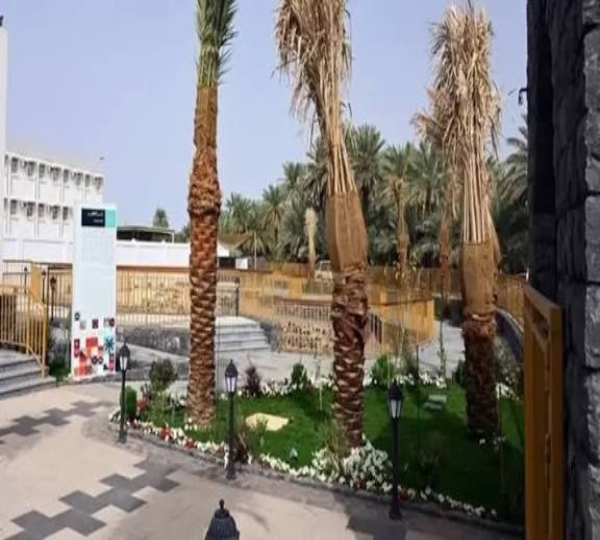
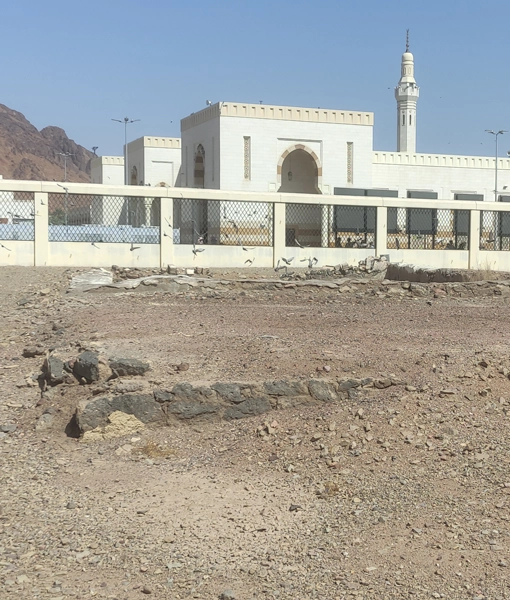
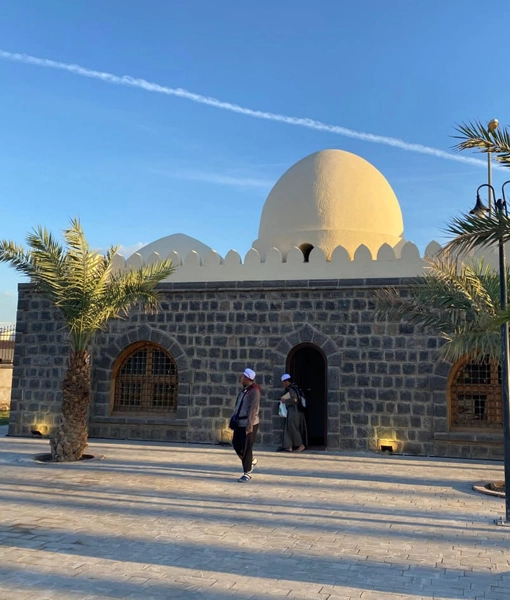
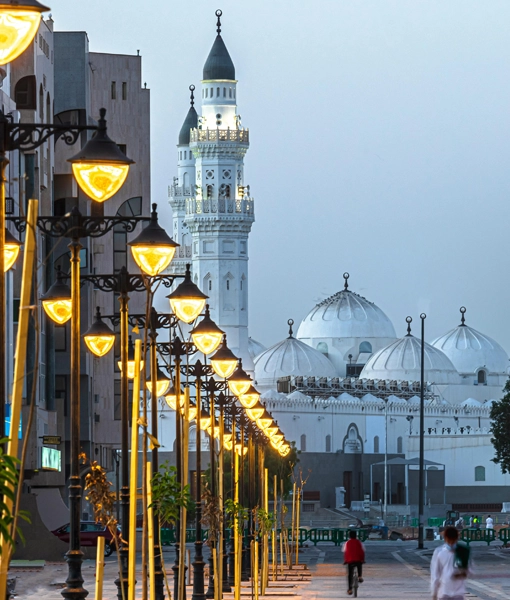
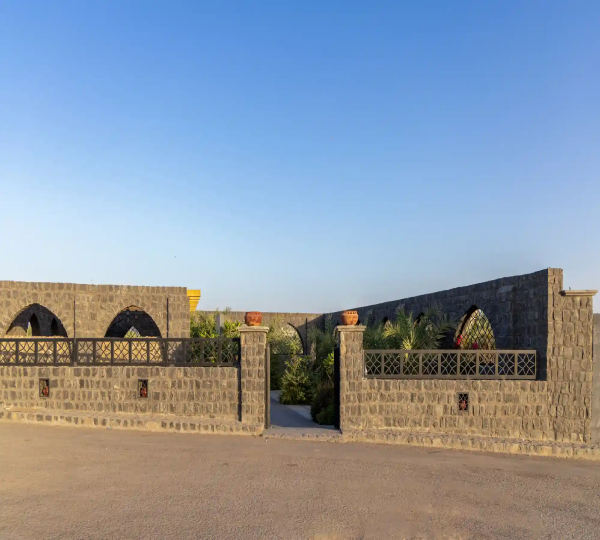
  • Today, the site stands as a beautifully preserved historical Ziyarat, a vibrant date farm located in the Aliya area of Madinah, approximately 3 to 5 kilometers southeast of Masjid Al-Nabawi and in close proximity to Masjid Quba and the Ghars Well (another significant prophetic well). What the Pilgrim Sees Today:
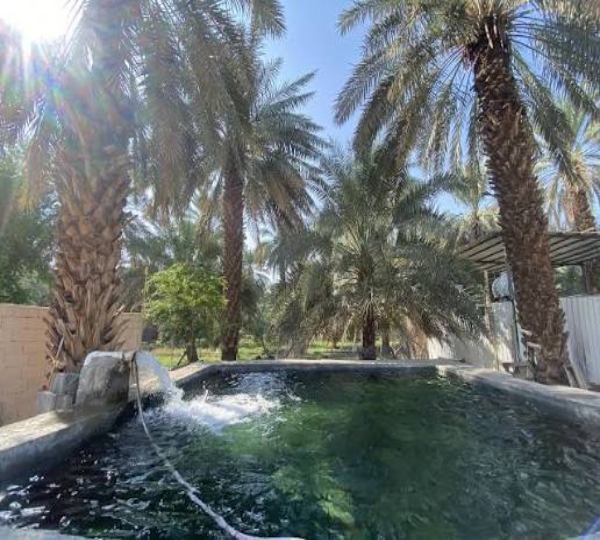
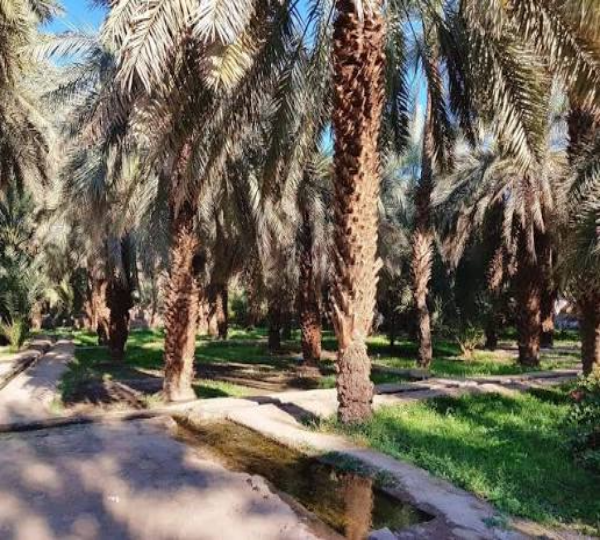
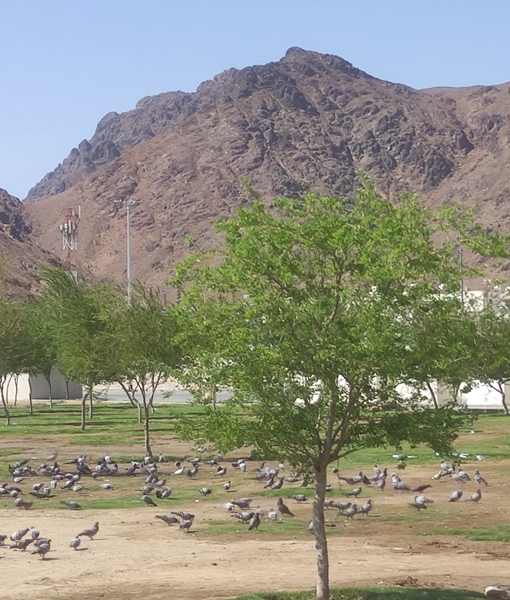
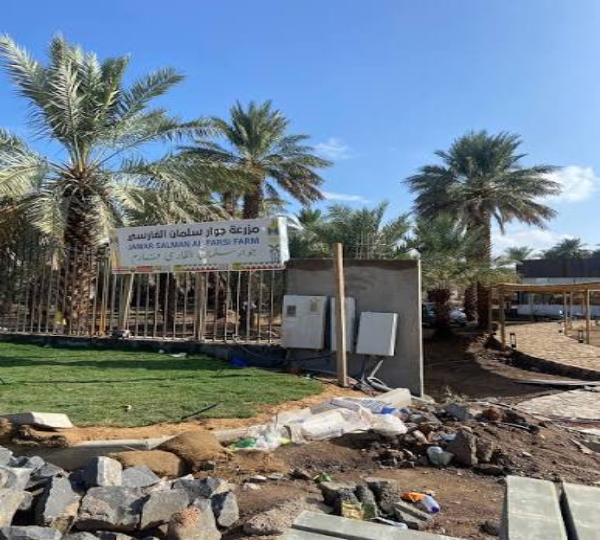
    • A Thriving Orchard: The garden remains an active date farm, with many of its trees being descendants of the original 300 planted by the Prophet (S.A.W.). Visitors can wander the tranquil paths, witness the productivity of the blessed land, and reflect on the miracle.
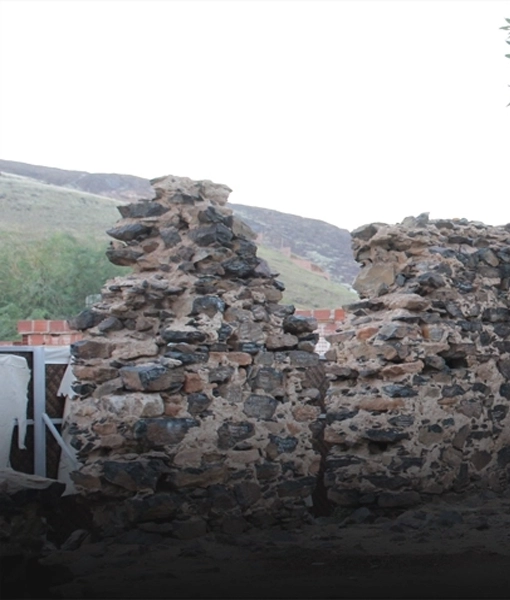
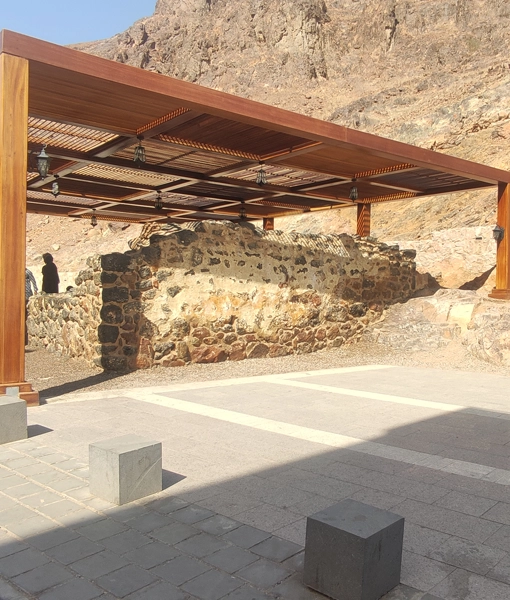
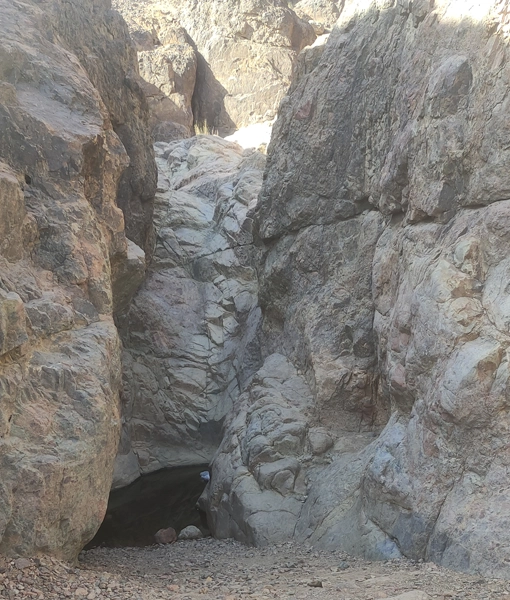
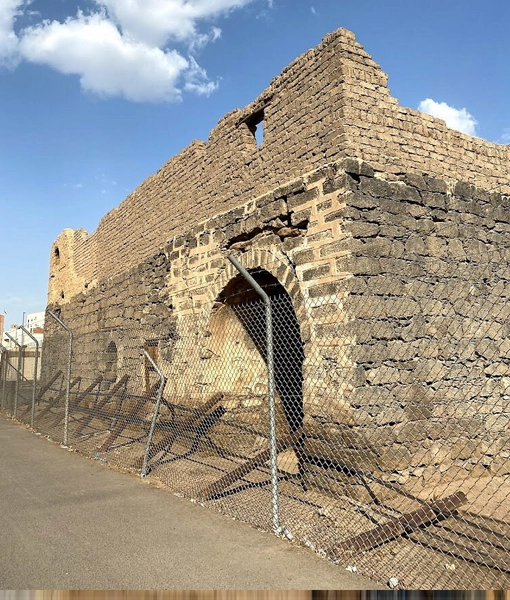
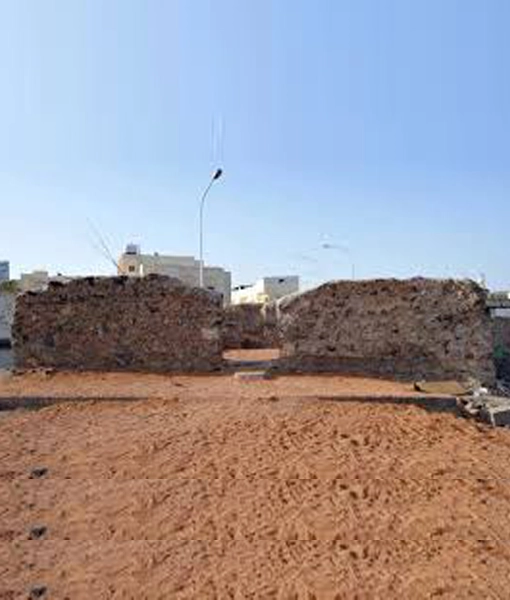
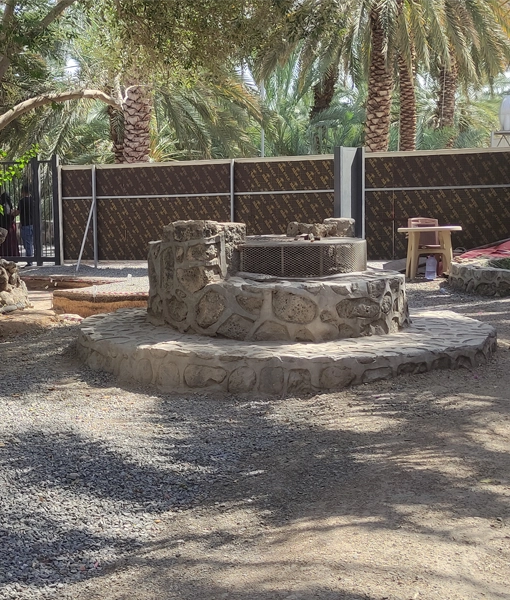
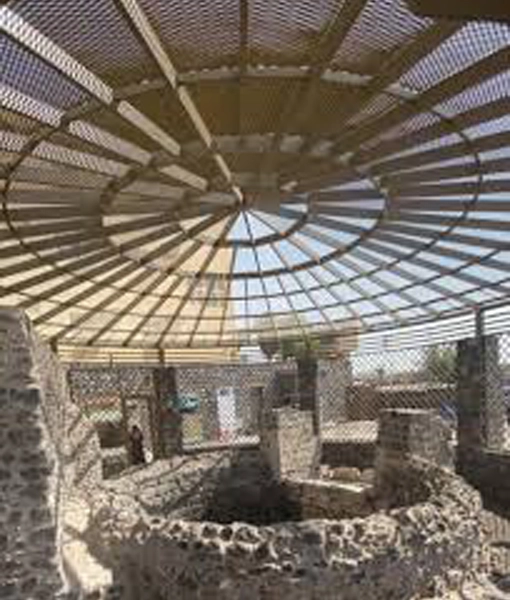
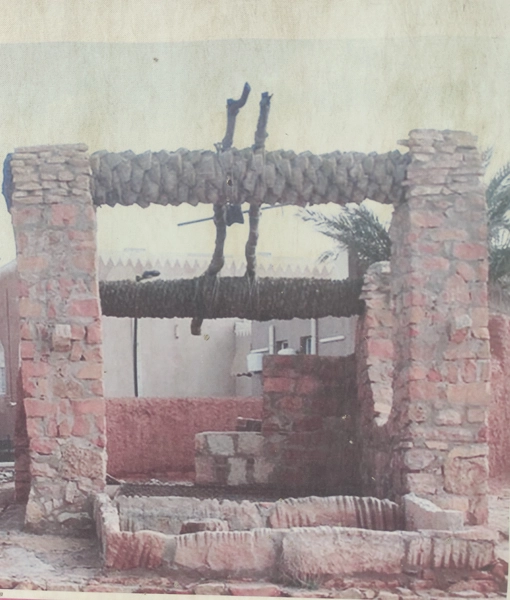
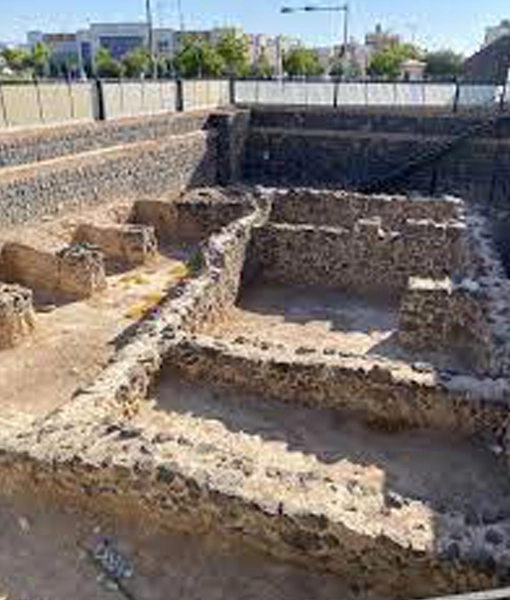
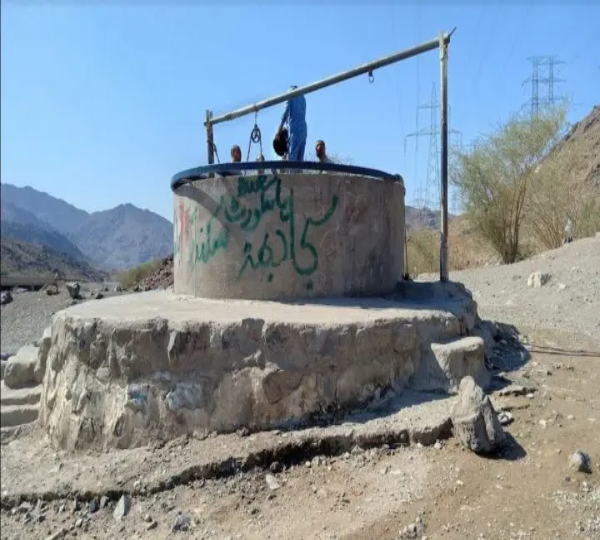
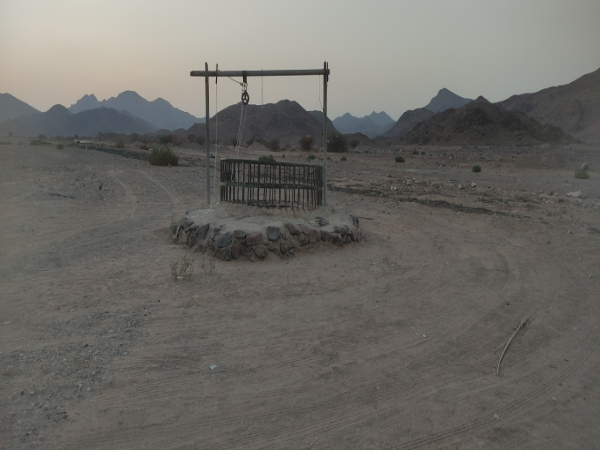
    • The Well of Al-Faqir: The ancient well, which has undergone recent restoration by the Saudi government, is a central feature. Its name, Al-Faqir, is thought to derive from the act of “digging the ground for planting palm saplings” (faqqiru), a word used by the Prophet (S.A.W.) when instructing the Companions to prepare the holes. The well’s sweet, fresh water is often available for visitors to taste.
    • A Symbol of Companionship: The entire location speaks to the deep bond between the Prophet (S.A.W.) and his companions. It was a joint effort, highlighting the community’s role in supporting one another, and emphasizing the value of charity (Sadaqah) used to free a person from servitude. The Spiritual Connection A visit here is not merely a sightseeing tour; it is a profound lesson in Islamic values:
    • Divine Intervention: It reminds the believer that Allah’s help is always near, turning seemingly impossible situations into stunning miracles.
    • Compassion and Justice: It exemplifies the Prophet’s (S.A.W.) deep concern for justice and his active involvement in the welfare of his companions, setting a precedent for freeing slaves and helping the less fortunate.
    • The Power of Salman (R.A.): Having gained his freedom, Salman Al-Farsi (R.A.) became one of the most revered and trusted companions. It was his unique suggestion—a trench—that saved Madinah in the Battle of the Trench (Khandaq), a testament to hisvalue to the Ummah after his freedom was secured in this garden.
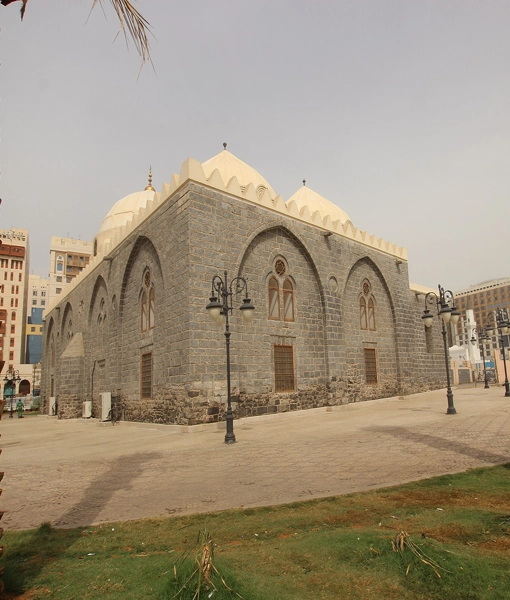
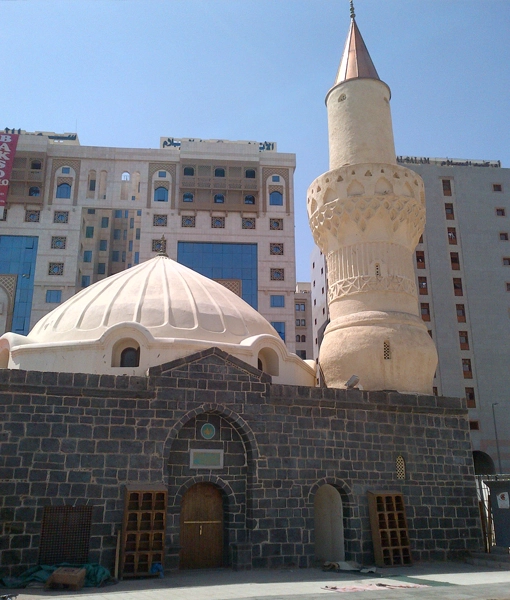
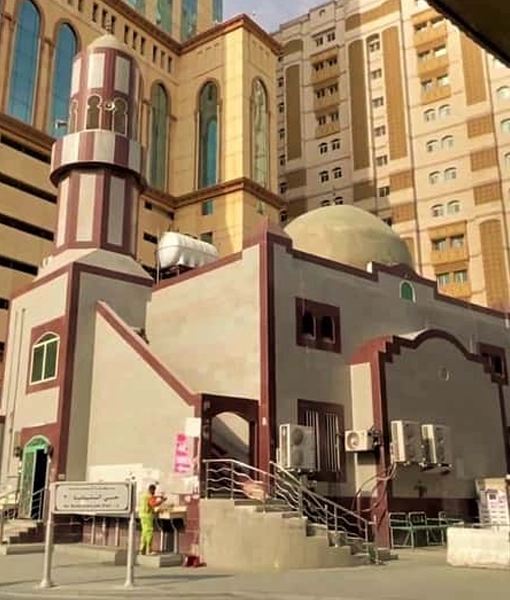
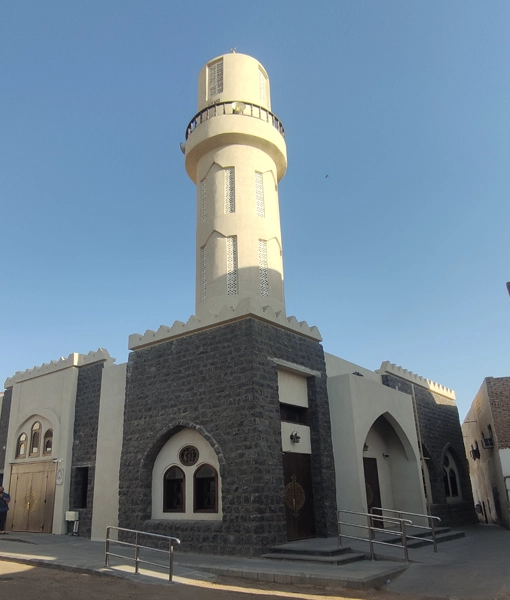
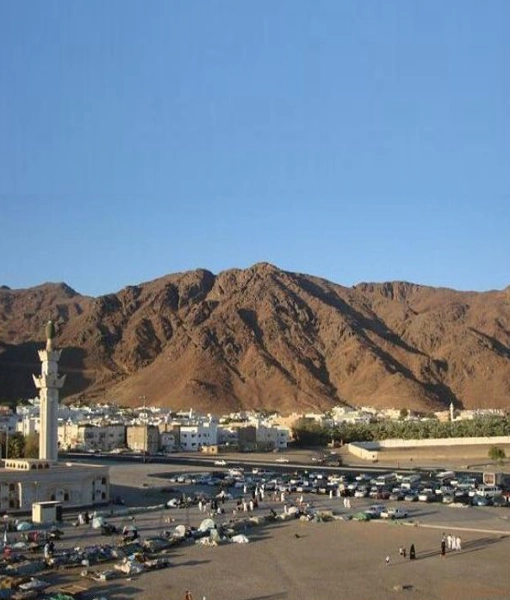
  • Historical Significance: Its name, “Al-Mustrah,” means “place of rest.” The mosque is named after a specific historical event that occurred after the Battle of Uhud. As the Prophet Muhammad (S.A.W.) and his companions were returning to Madinah after the battle, they stopped here to rest. This was a moment of immense physical and emotional fatigue after the challenging battle. It is a site that commemorates the Prophet’s (S.A.W.) resilience and the companions’ exhaustion and devotion.
  • Alternative Name: It is also known as “Masjid Bani Haritha” because it was built on the land of the Banu Haritha clan, a tribe of the Ansar. This name connects the mosque to the people who were instrumental in sheltering and supporting the Prophet (S.A.W.) and the early Muslims.
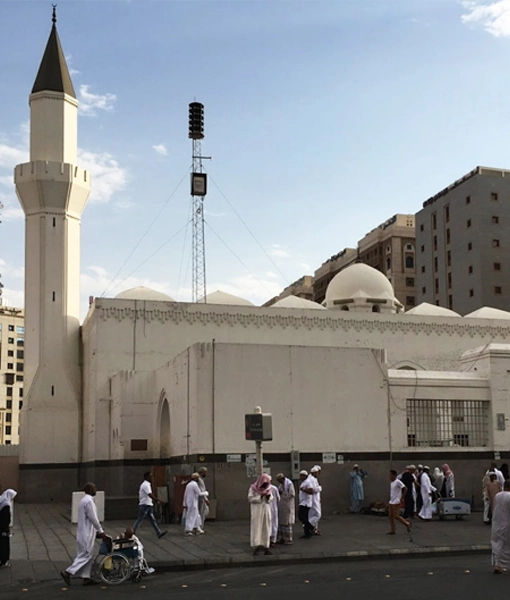
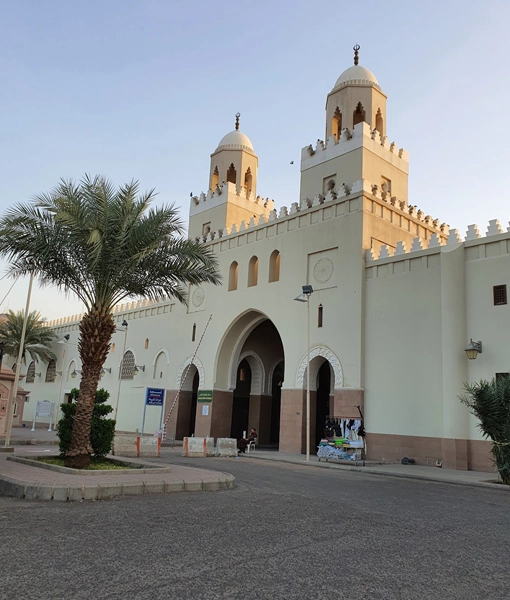
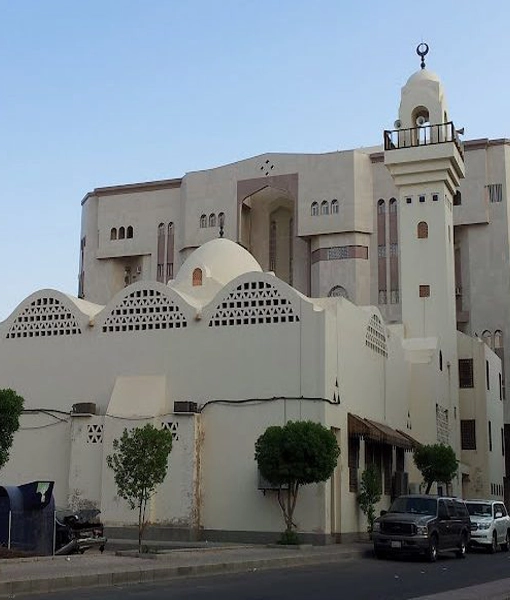
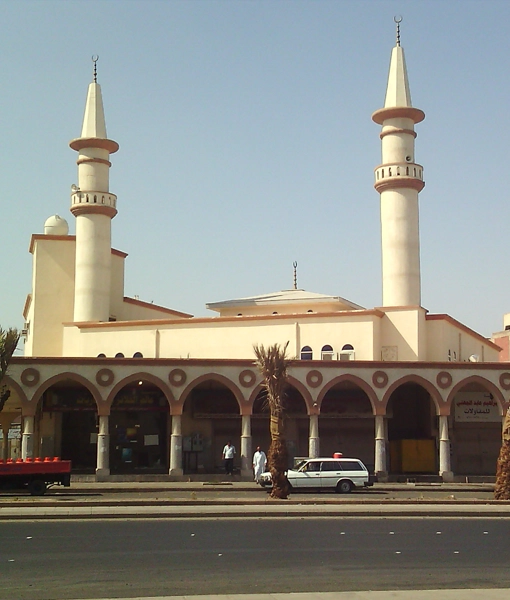
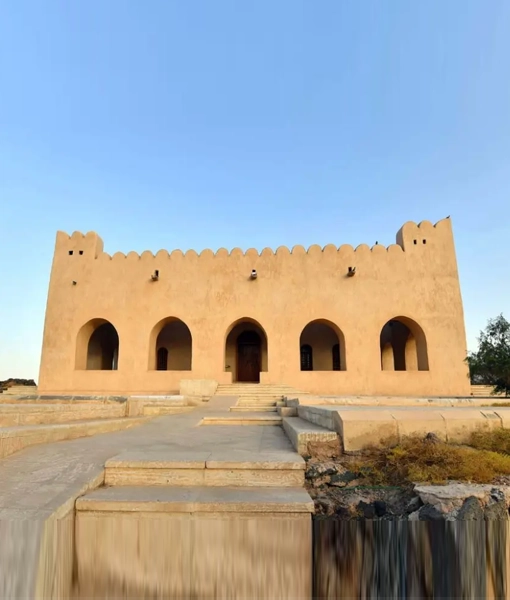
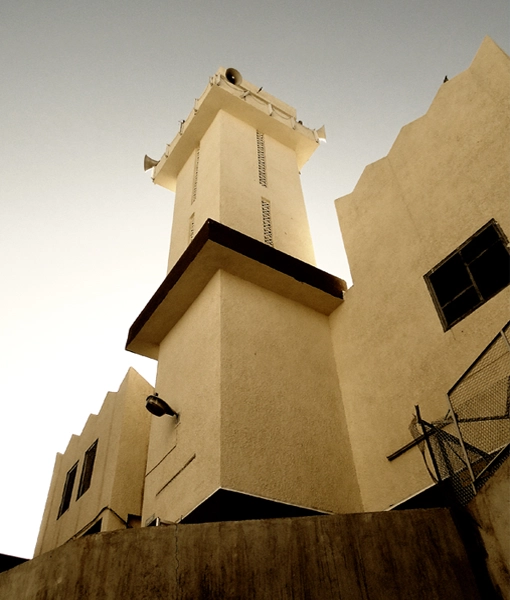
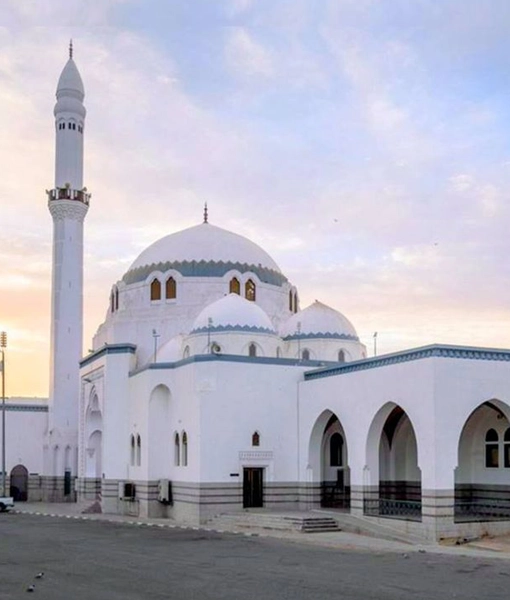
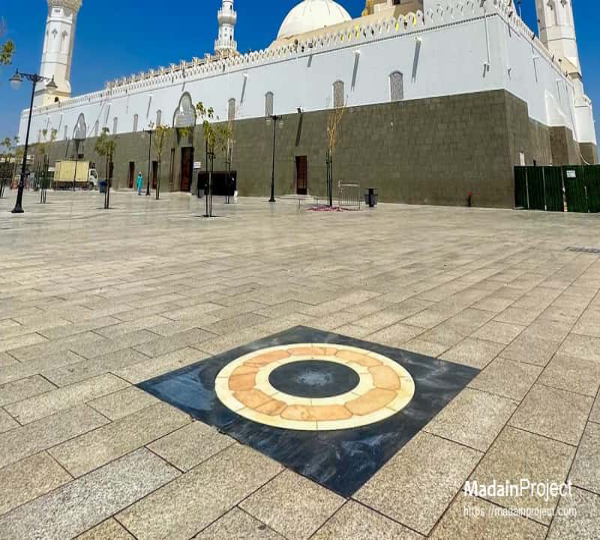
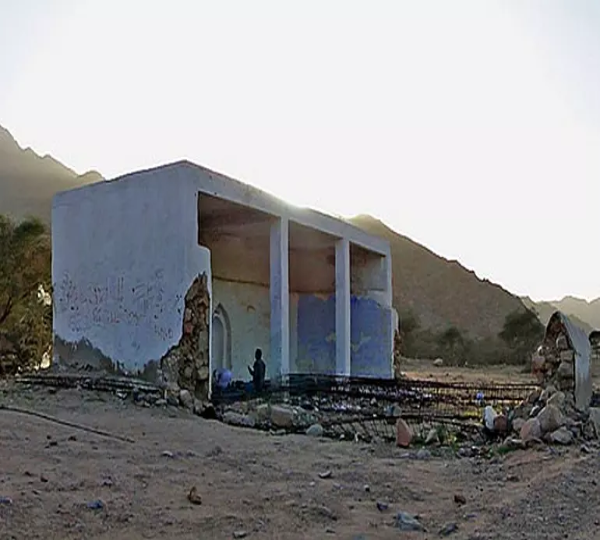
  • Architectural Features & Development: The mosque has been rebuilt and renovated several times over the centuries. The current structure is relatively modern and well-maintained. It is a small, simple mosque that serves as a landmark for pilgrims traveling to the Uhud battlefield. It’s often mistaken for other mosques in the area due to its modest size and location.

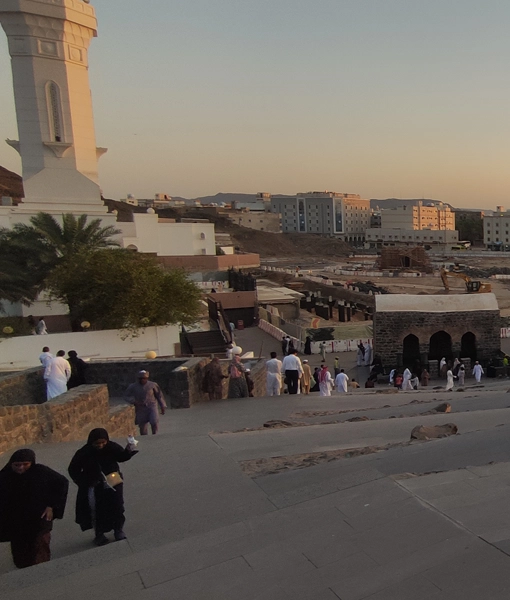
Current Status for Pilgrims: The mosque is an active place of worship. It is a popular, though not always as prominent as others, Ziyarat site for pilgrims visiting Mount Uhud and the cemetery of the martyrs. It provides a quiet place for reflection on the struggles and resilience of the early Muslims.

I have more than enough information to construct a detailed blog post that follows the requested format. I will now proceed with writing the content, blending the history with the location and the pilgrim’s experience, as I did for the previous topics. The blog post will include an introduction, sections on the mosque’s names and location, the historical event, the mosque’s architecture, and a conclusion for pilgrims. # Masjid Al-Mustrah: A Sanctuary of Respite

On the sacred route leading to the battlefield of Uhud in Madinah stands a mosque with a name that speaks of a profound human need: rest. This is Masjid Al-Mustrah, a sanctuary that marks the very spot where Prophet Muhammad (S.A.W.) and his companions paused to find a moment of peace and recuperation after the immense physical and emotional trials of the Battle of Uhud. For any pilgrim, visiting this mosque is not just a journey to a historical site, but a profound connection to the Prophet’s (S.A.W.) resilience, his compassion for his weary followers, and the ultimate victory of steadfastness over adversity.

The Miraculous Garden of Salman Al-Farsi (R.A.)

Amidst the lush palm orchards of Madinah, where the air is sweet with the scent of dates and the whisper of history, lies a remarkable site known as the Well of Al-Faqir (or Bir Al-Faqir). This ancient well and the thriving date garden it sustains are more commonly known today as the Garden of Salman Al-Farsi (R.A.). It is a powerful, living testament to one of the most heartwarming miracles in the early days of Islam—a story of a seeker of truth, the immense price of his freedom, and the compassionate, blessed hand of the Prophet Muhammad (S.A.W.) that ultimately paid it. For every pilgrim visiting Madinah, this garden is a must-see Ziyarat, a physical location that embodies the values of charity, perseverance, and divine assistance.

The Seeker’s Journey: The Story of Salman Al-Farsi

To truly appreciate the significance of this garden, one must first know the extraordinary journey of the man whose name it bears: Salman Al-Farsi (R.A.). Born Ruzbeh in Persia, he was a Zoroastrian who abandoned his privileged life to travel across the Middle East in search of the true religion. He sought out Christian scholars, each one, on his deathbed, pointing him to the next, until his final teacher directed him towards the land of the Arabs, where a prophet of the final dispensation was expected to appear. On his way to the Arabian Peninsula, Salman (R.A.) was tragically betrayed, captured, and sold into slavery to a Jewish master of the Banu Qurayza tribe in Madinah. Trapped in servitude and
working on his master’s land, which included this very well, he had little contact with the nascent Muslim community despite their proximity. When he finally met the Prophet (S.A.W.), he instantly recognized the final signs described by his Christian teachers and embraced Islam

The Price of Freedom and the Three Miracles

When Salman (R.A.) approached his master to purchase his freedom, the price set was astronomical, seemingly impossible for a slave to meet. The master demanded two conditions:
1. A large sum of gold: Specifically, forty ounces of gold.
2. A garden of dates: Salman (R.A.) had to plant three hundred date palm saplings and nurture them until they bore fruit. The Prophet (S.A.W.), moved by Salman’s devotion and the cruelty of the terms, immediately intervened, turning this impossible task into a monumental, community-wide act of faith, charity,
and miracle.
1. The Miracle of the Palm Trees This is the central event that hallowed the garden:
• The Prophet (S.A.W.) asked the Companions to contribute date palm shoots, which they
eagerly did until the number of 300 saplings was reached.
• Salman (R.A.) and the Companions prepared the ground.
• The Prophet Muhammad (S.A.W.) then took the unprecedented step of planting all three hundred palm shoots with his own blessed hands.
• By the grace of Allah, a miracle occurred: every single one of the 300 date palm trees took root and, astonishingly, bore fruit within the very same year, long before a palm tree normally matures. This fulfillment of the impossible condition granted Salman his
freedom from the plantation owner. The well of Al-Faqir supplied the water for this miraculous garden.
2. The Miracle of the Gold Nugget To cover the second condition—the forty ounces of gold—the Prophet (S.A.W.) received a piece
of gold the size of a pigeon’s egg. He took it, placed it in his mouth, rolled his tongue over it, and then told Salman (R.A.), “Take it, and pay them the full price with it.” When Salman (R.A.) weighed the gold, it miraculously amounted to the exact weight of forty ounces required by his master, thus fulfilling both parts of the ransom.

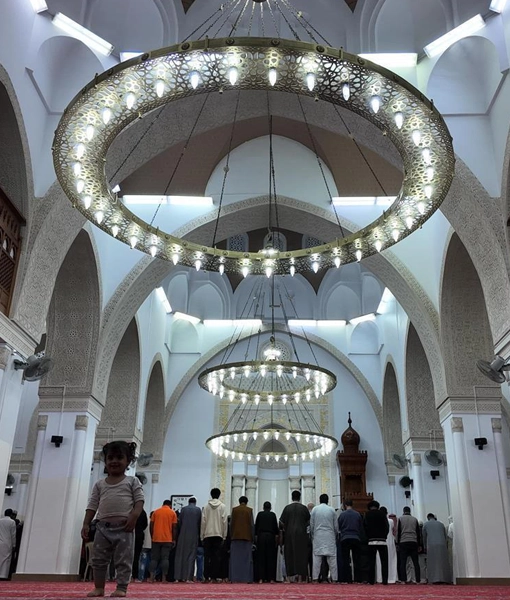
Standing in the prayer hall, you are reminded that even in moments of apparent defeat, there is always hope and the promise of divine support. Offering a prayer here is a beautiful way to honor the Prophet’s (S.A.W.) strength and perseverance and to seek from Allah the patience and steadfastness that will see you through your own life’s challenges. It is a powerful reminder that rest is necessary, but faith is the ultimate source of strength.

The Enduring Fruit of Faith

The Well of Al-Faqir and the Garden of Salman Al-Farsi are more than just a historical landmark; they are a cherished corner of Madinah where faith was literally planted and boreimmediate fruit. The enduring presence of the palm trees, still bearing dates centuries later, is a potent metaphor for the blessings that come from kindness, perseverance, and the direct
intervention of the Prophet of Allah (S.A.W.). For the pilgrim, standing in this tranquil spot is to step into a moment of pure compassion, where a simple act of planting became a defining
miracle of the Islamic faith.
Other Ziyarat You Should Know