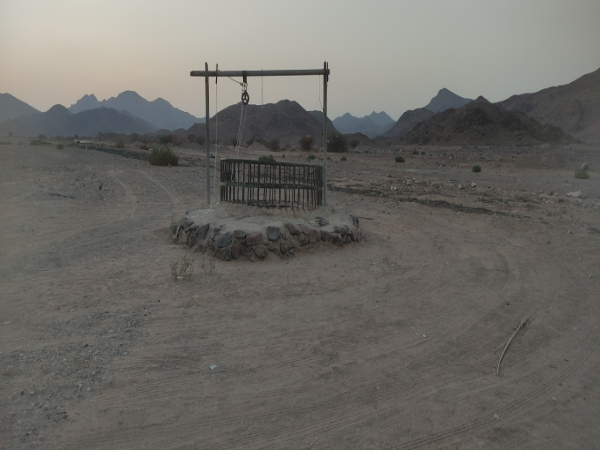
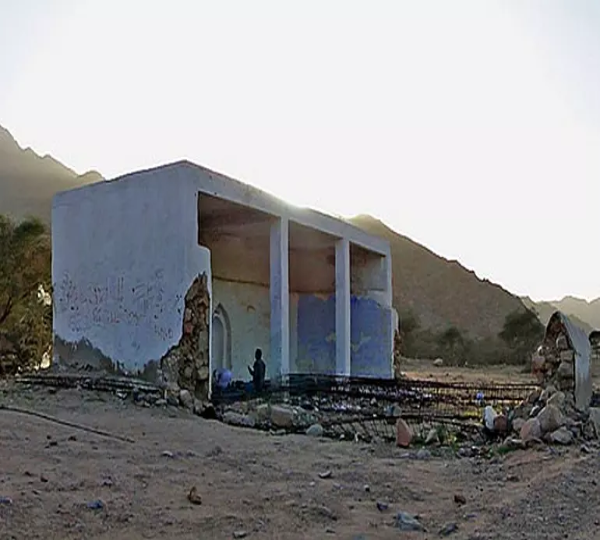
Masjid Shaikhain (Dir’a)

شيخين (درعا)

Ziart Overview

  • Location: The mosque is located on the main road leading to the site of the Battle of Uhud. Its full name is Masjid Shaikhain, and it’s also known as Masjid Daraa. The name “Daraa” refers to the shield, and it is situated near a valley that provided a strategic advantage during the Battle of Uhud. It is a key stop for pilgrims visiting the Uhud battlefield.
  • Historical Significance: The mosque is named after the two “Shaikhs” or elders, Abu Bakr Al-Siddiq and Umar ibn Al-Khattab (R.A.). It is believed that this location was where the Prophet Muhammad (S.A.W.) made his camp on the night before the Battle of Uhud. It was here that he reviewed his army and turned back those who were too young or physically unfit for battle.
  • The Specific Event: A key event that makes this location special is the Prophet’s (S.A.W.) review of his army. It was here that he sent back some young companions, a decision that would later save their lives. It was also here that some hypocrites, led by Abdullah ibn Ubayy, turned back and left the army.
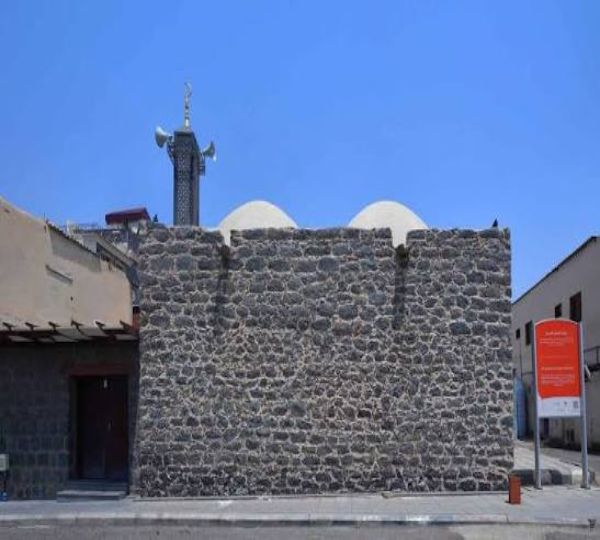
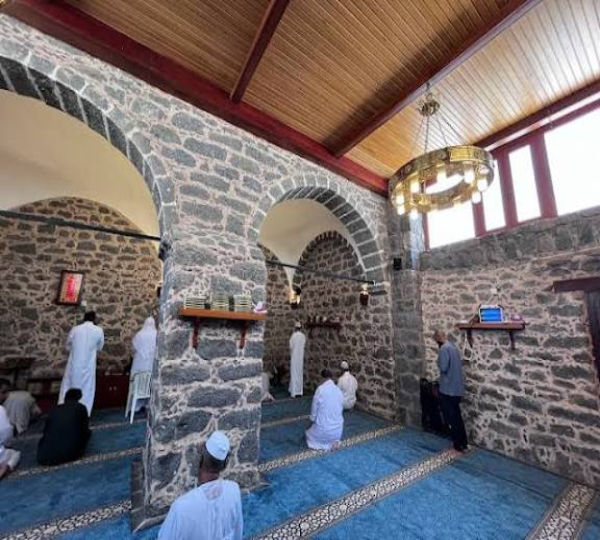
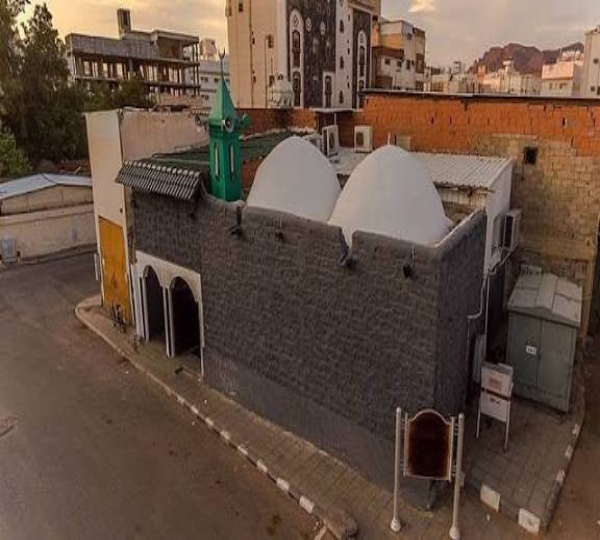
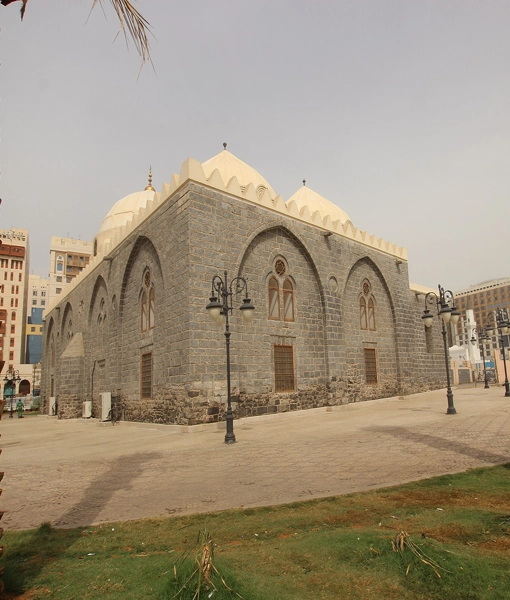
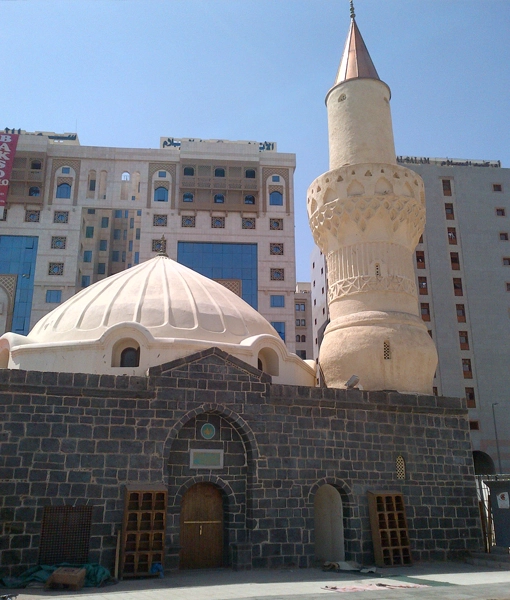
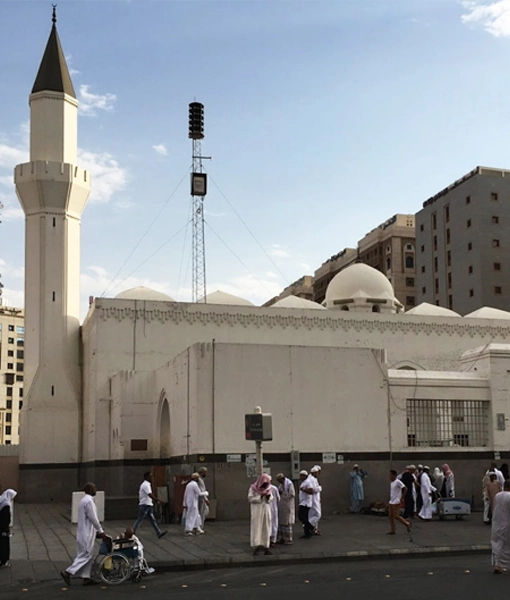
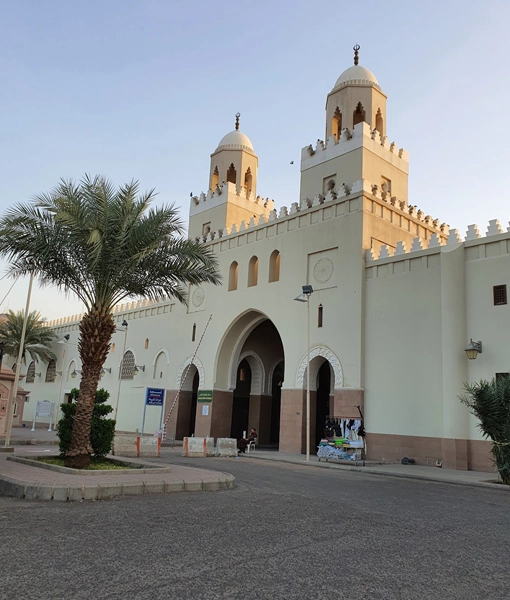
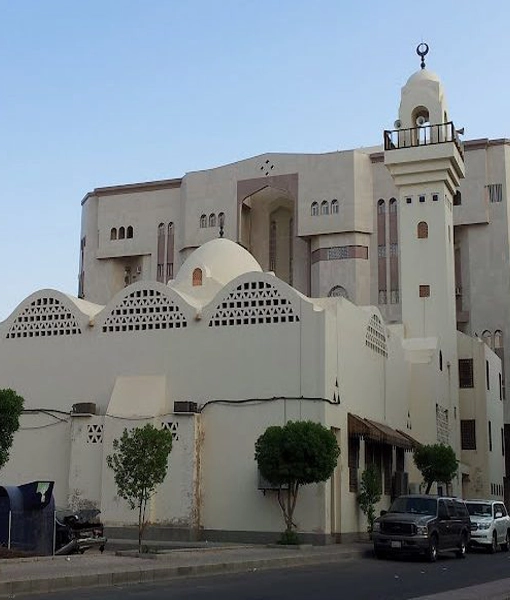
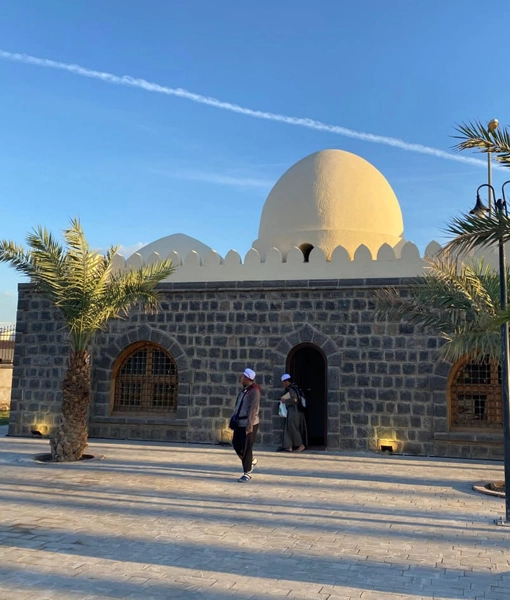
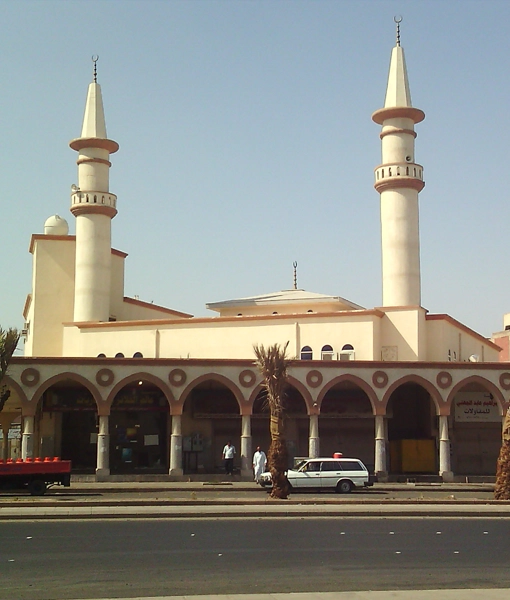
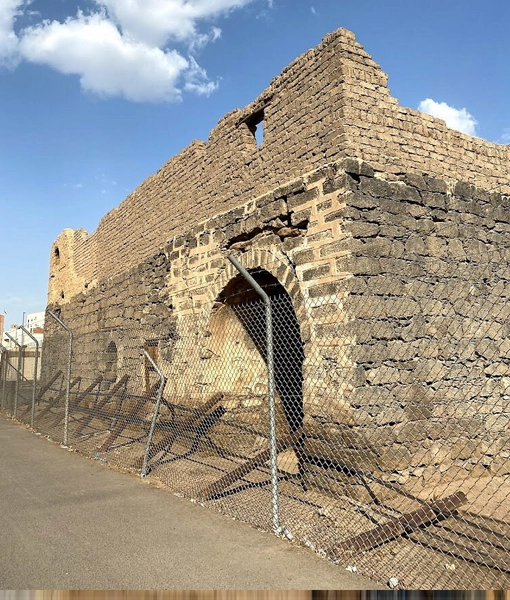
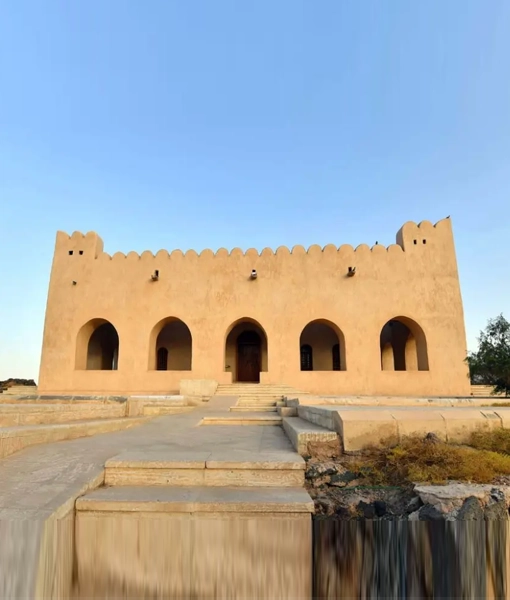
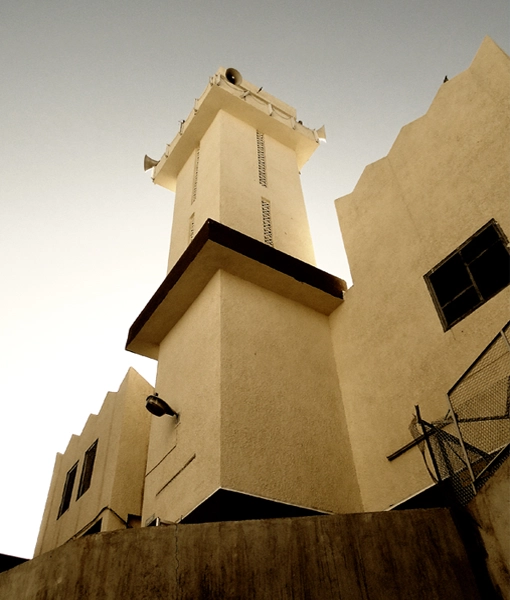
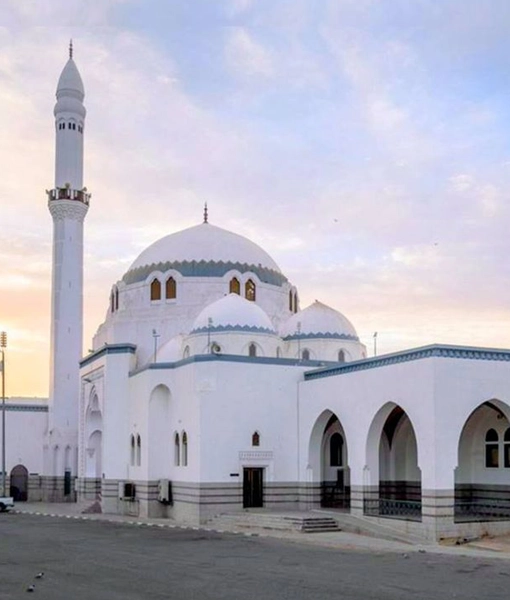
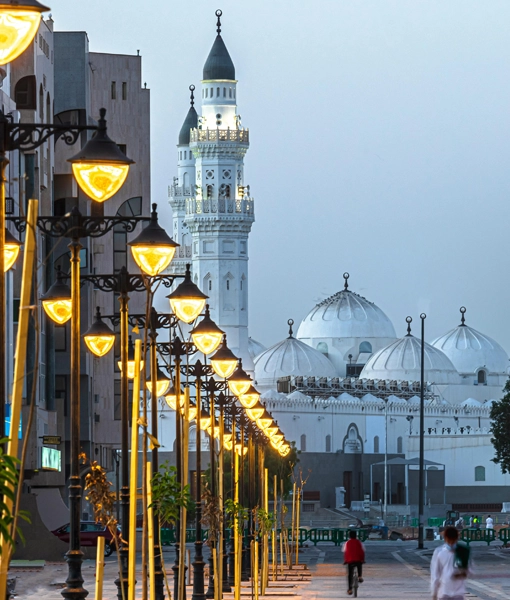
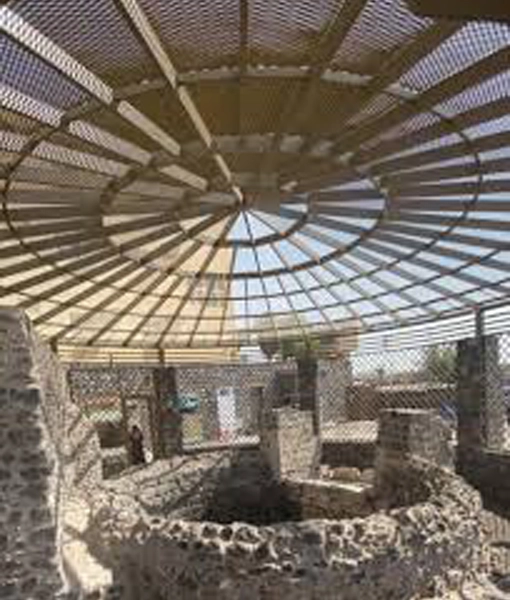
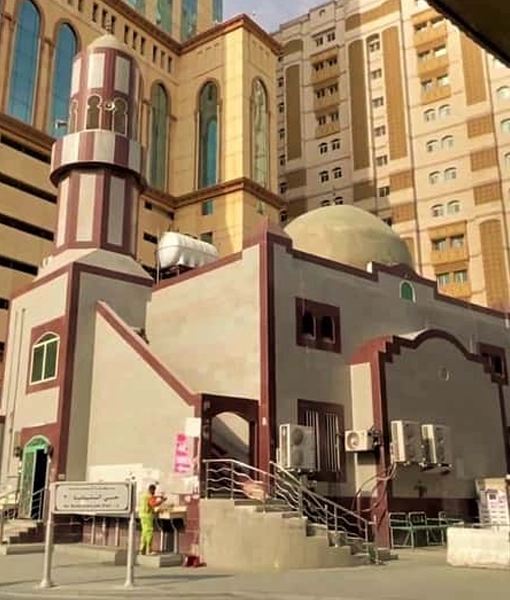
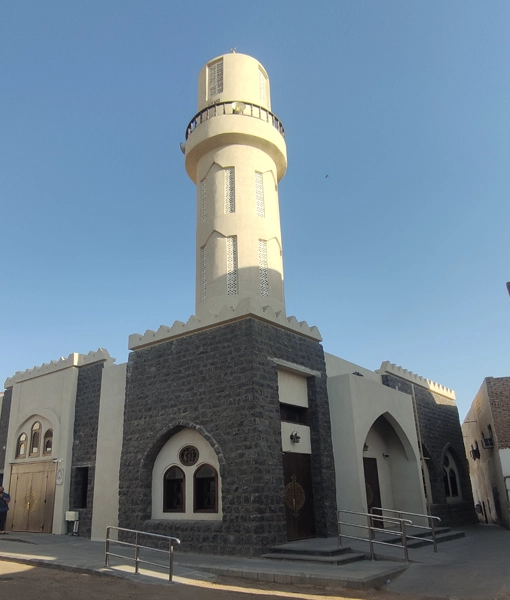
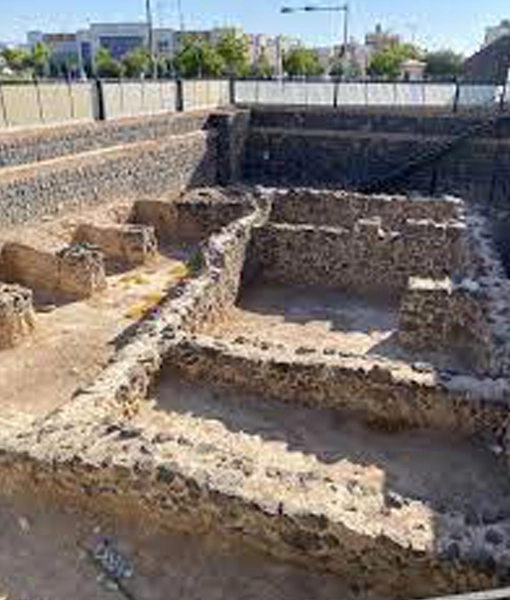
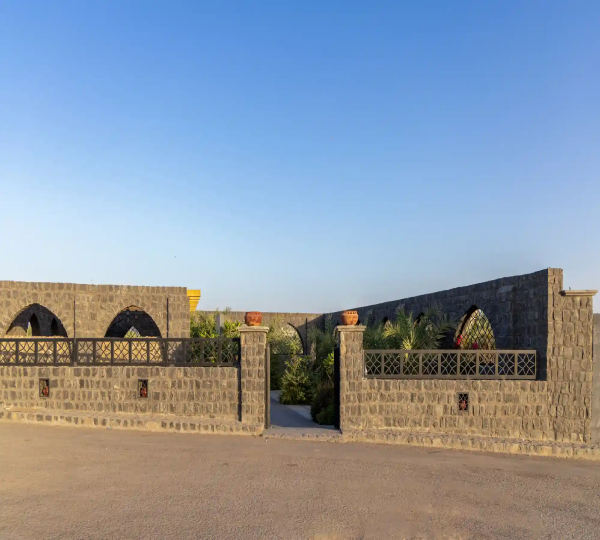
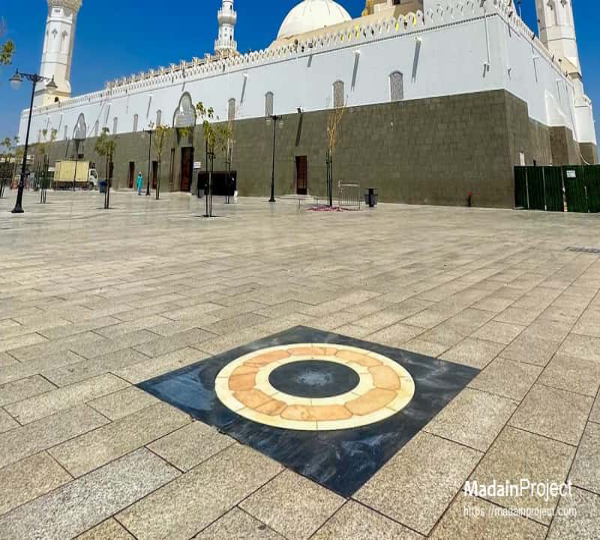
  • Architectural Features & Development: The mosque is a relatively modern structure, but it stands on a hallowed historical site. It has been built and rebuilt over time to accommodate the large number of pilgrims who visit the area. It is a small, simple mosque that serves as a reminder of the strategic and spiritual preparation that preceded the Battle of Uhud.
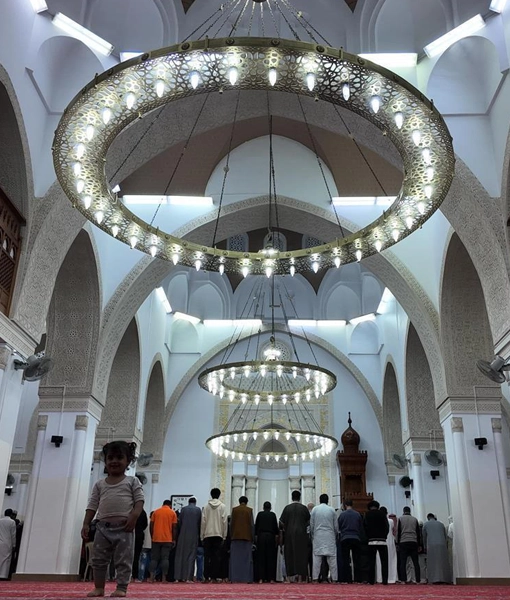
  • Current Status for Pilgrims: The mosque is an active place of worship and a popular Ziyarat site for pilgrims visiting Mount Uhud and the cemetery of the martyrs. It provides a quiet place for reflection and prayer before or after visiting the main battlefield.

I have more than enough information to construct a detailed blog post that follows the requested format. I will now proceed with writing the content, blending the history with the location and the pilgrim’s experience, as I did for the previous topics. The blog post will include an introduction, sections on the mosque’s location and names, the historical events, the mosque’s architecture, and a conclusion for pilgrims.# Masjid Shaikhain (Daraa): The Vanguard of Uhud

In the solemn and sacred landscape leading to the foot of Mount Uhud in Madinah stands a mosque that marks a pivotal moment in Islamic military and spiritual history. This is Masjid Shaikhain, known also as Daraa, a name that evokes the idea of a shield and a line of defense. For any pilgrim, visiting this mosque is not just a journey to a historical site; it is a profound connection to the moment of meticulous preparation and solemn review that preceded one of Islam’s most challenging battles, a testament to the wisdom of the Prophet (S.A.W.) and the courage of his companions.

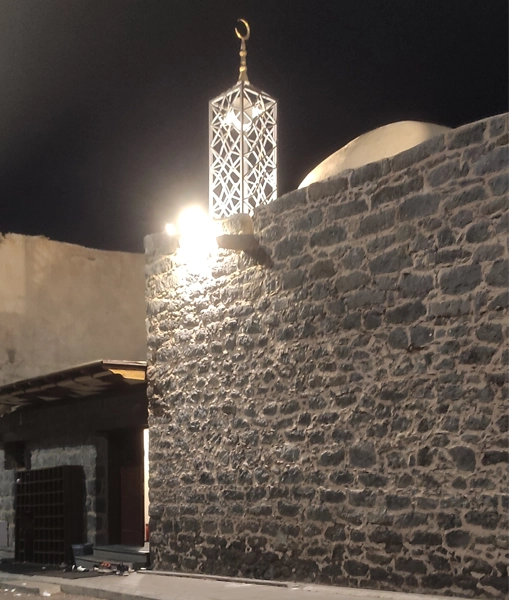
The Location of a Strategic Stand

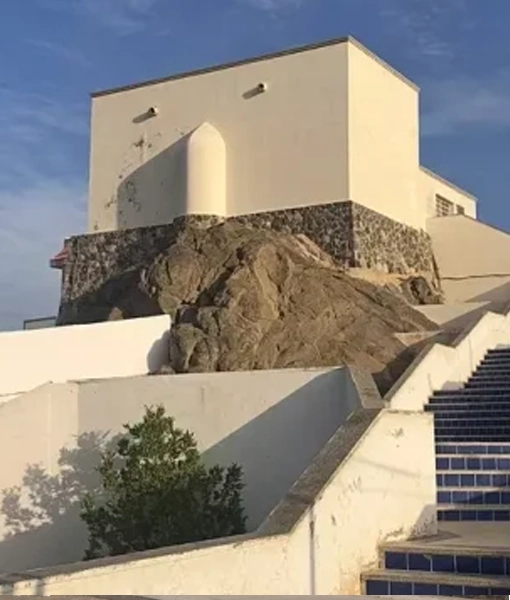
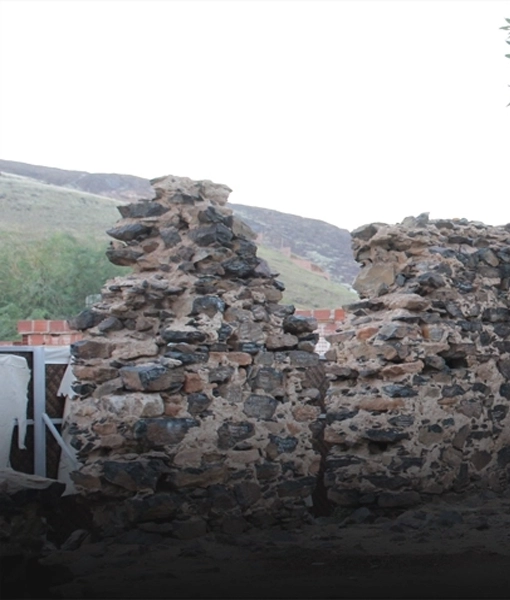
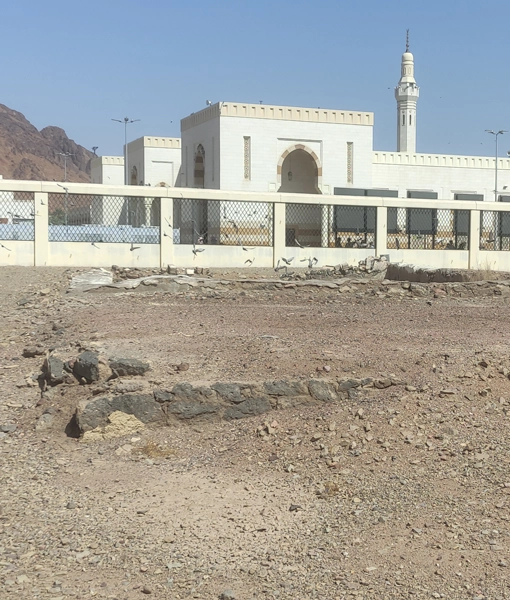
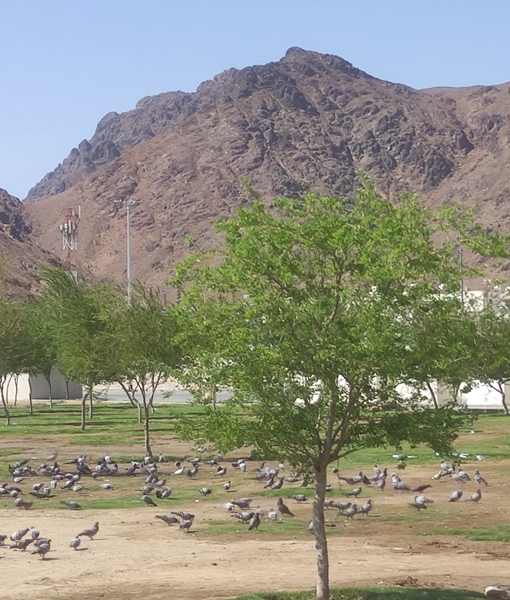
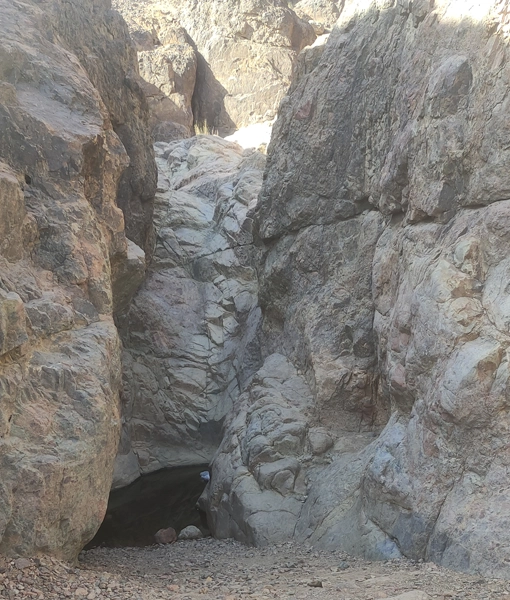
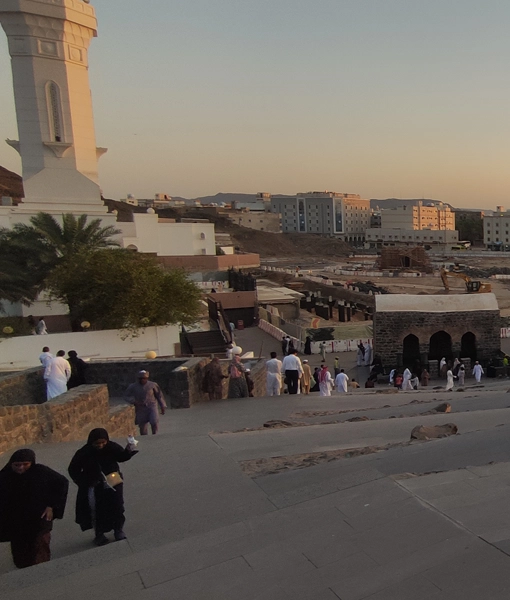
Masjid Shaikhain is strategically situated on the main road leading directly to the battlefield of Uhud. The name “Daraa,” meaning a shield or piece of armor, is fitting for a place that once served as the forward base of the Muslim army. Positioned on elevated ground with the “Valley of the Shields” (Wadi Ad-Daraa) lying behind it, the location offered natural protection and a secure area for assembling troops. This geographical advantage played a vital role in the Prophet’s (S.A.W.) military strategy for the impending battle. The mosque’s name, “Shaikhain,” meaning “The Two Elders,” is a tribute to Abu Bakr Al-Siddiq and Umar ibn Al-Khattab (R.A.), who accompanied the Prophet (S.A.W.) at this site. It is believed that he reviewed his army here, with these two esteemed companions standing beside him as his closest advisors.

The Night Before the Battle: A Commander’s Wisdom

The night before the Battle of Uhud, the Muslim army marched to this location, and the Prophet (S.A.W.) set up his command post and made camp for the night. As the sun rose, a sense of anticipation and destiny filled the air. It was on this very ground that the Prophet (S.A.W.) performed a vital review of his army before marching to meet the pagan forces.

He carefully inspected each soldier, assessing their physical readiness for the upcoming battle. In a display of his compassion and foresight, he sent back those who were too young or physically frail to endure the rigors of combat. This compassionate decision, though difficult at the time, would later save their lives. It was also here that a group of around 300 hypocrites, led by Abdullah ibn Ubayy, abandoned the Muslim army and turned back towards Madinah. The Prophet (S.A.W.) did not pursue them; instead, he continued to prepare his 700 remaining soldiers for battle, their resolve strengthened by the absence of those who lacked true faith.

Masjid Shaikhain is a physical reminder of this strategic and spiritual preparation. It is a place where a commander’s wisdom was on full display and where the true believers were separated from those with wavering faith. For a pilgrim, standing in this place allows one to reflect on the immense trust and faith of the companions who were ready to sacrifice their lives for the cause of Islam.

From a Camp to a Sanctuary

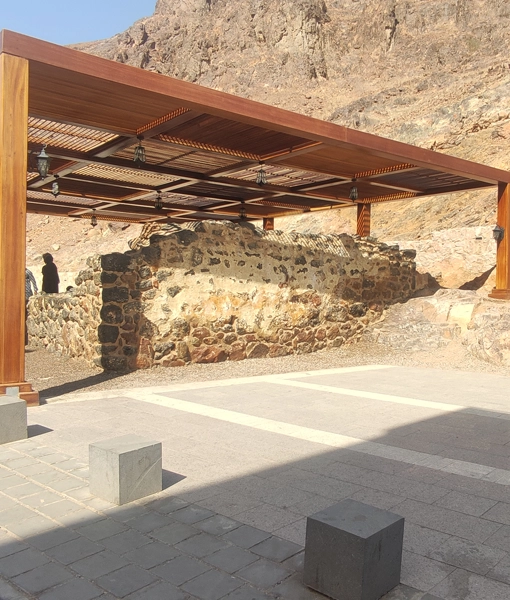
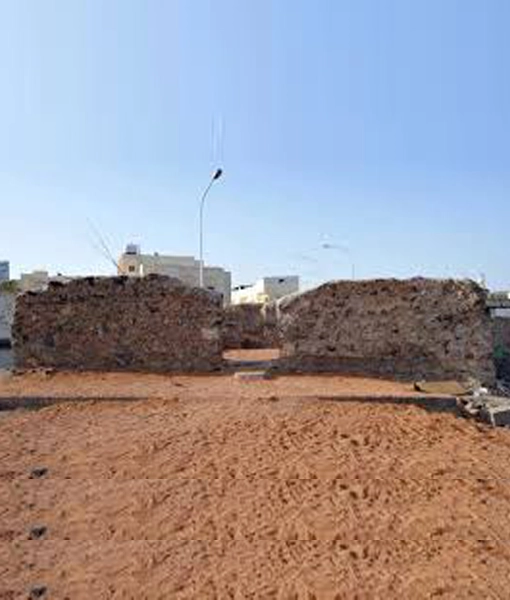
Like many other historical sites in Madinah, Masjid Shaikhain began as a simple, unadorned space for prayer and rest. Over time, it evolved into a permanent structure commemorating the significant events that took place there. The mosque that stands today is a relatively modern construction, part of the Saudi government’s continuous efforts to preserve and maintain these sacred sites. Its design is simple yet elegant, created to serve as a peaceful and functional place of worship for the thousands of pilgrims who visit each year. Strategically located along the Ziyarat route to the Uhud battlefield, the mosque provides a tranquil space for visitors to offer prayers and reflect on the historical and spiritual significance of the area before proceeding to the cemetery of the martyrs and the slopes of Mount Uhud. Its calm and humble atmosphere sets a deeply contemplative tone for the entire visit.

A Legacy of Loyalty

Masjid Shaikhain is more than just a historical landmark; it is a profound symbol of loyalty, strategic wisdom, and steadfast faith. It stands as a lasting testament to the compassion and foresight of the Prophet (S.A.W.) and the unwavering devotion of his companions, particularly Abu Bakr and Umar (R.A.). The mosque reminds believers that true victory is not only achieved on the battlefield but also through careful preparation, sincerity of purpose, and the purification of one’s intentions. For every pilgrim, visiting this sacred site is an invitation to reflect on their own faith and determination, and to honor the courage and devotion of those who laid the firm foundations of Islam with their sacrifices.
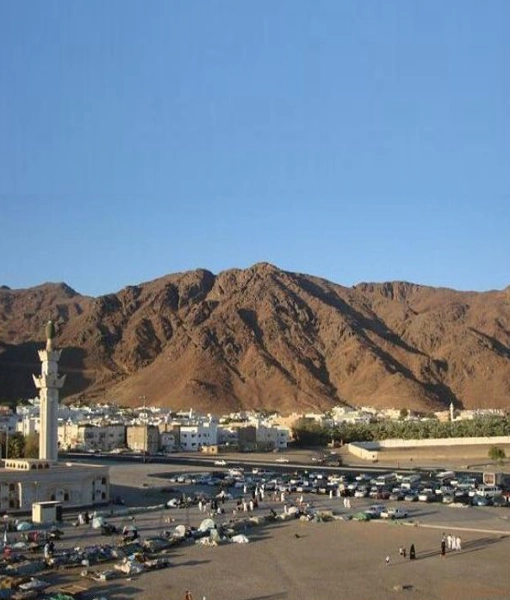
Other Ziyarat You Should Know