الإجابة
Ziart Overview
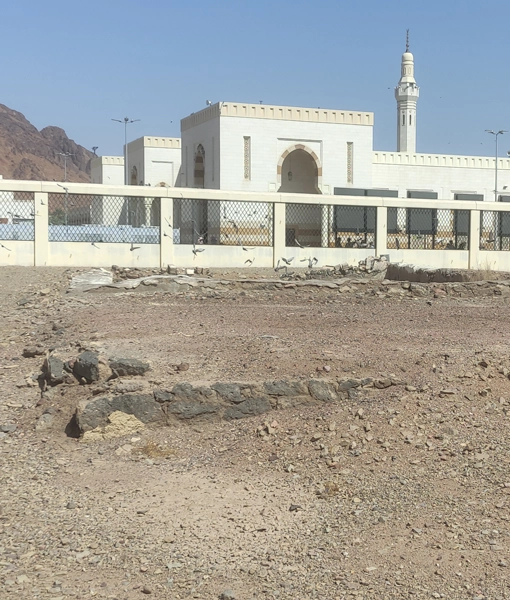
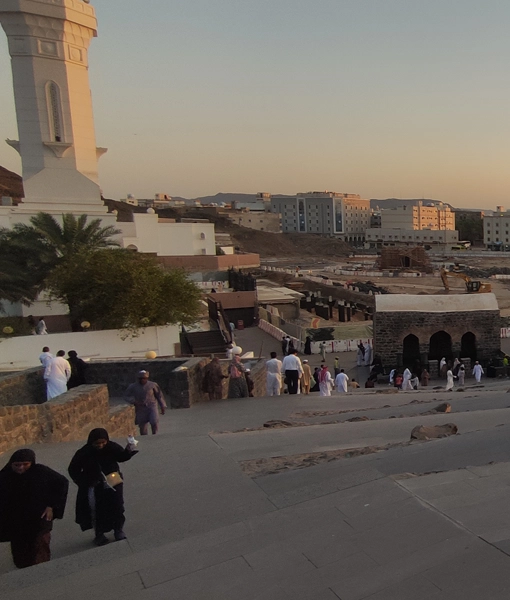
- Location: The mosque is located on the northwestern side of Madinah, about 650 meters away from Masjid Al-Nabawi. It is situated on a street named after it, called Al-Ijaba Street.
- Historical Significance: Its name, “Al-Ijaba,” means “The Answering” or “The Acceptance,” and it is named after a miraculous event. The Prophet (S.A.W.) is said to have prayed to Allah for three things at this location:
- That the Muslim community (Ummah) not be destroyed by famine.
- That they not be drowned by a flood.
- That they not fight and kill one another.
- The Miracle: The Prophet (S.A.W.) received an immediate acceptance of the first two prayers from Allah. However, the third prayer was not granted, and he was informed that his Ummah would indeed fight among themselves until the Day of Judgment. This deeply saddened the Prophet (S.A.W.).
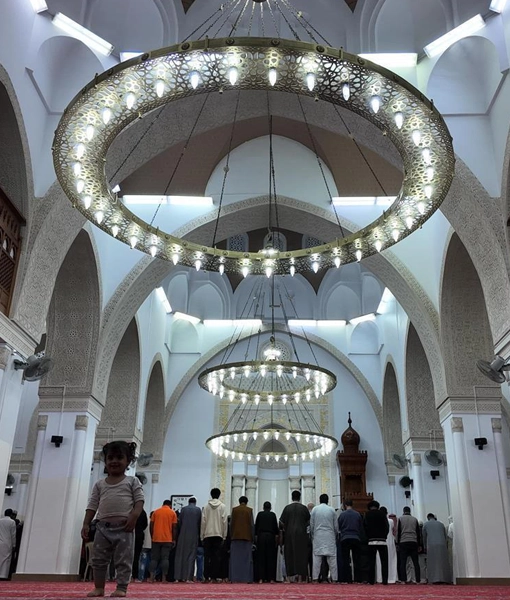
- Current Status for Pilgrims: The mosque is an active place of worship. It is a popular Ziyarat site for pilgrims who wish to connect with this specific moment of the Prophet’s (S.A.W.) life and his deep concern for his community.
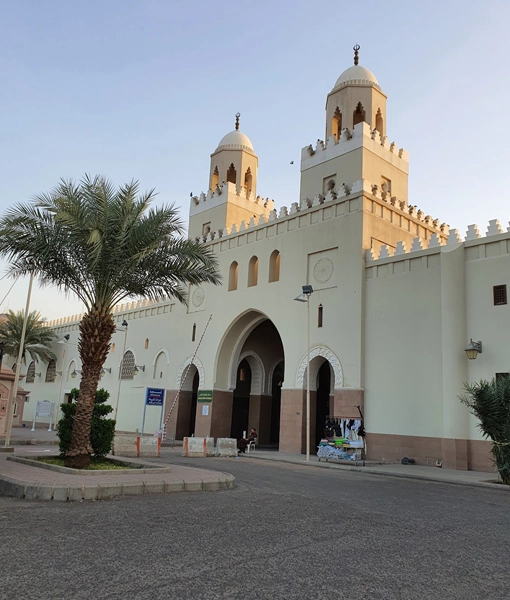
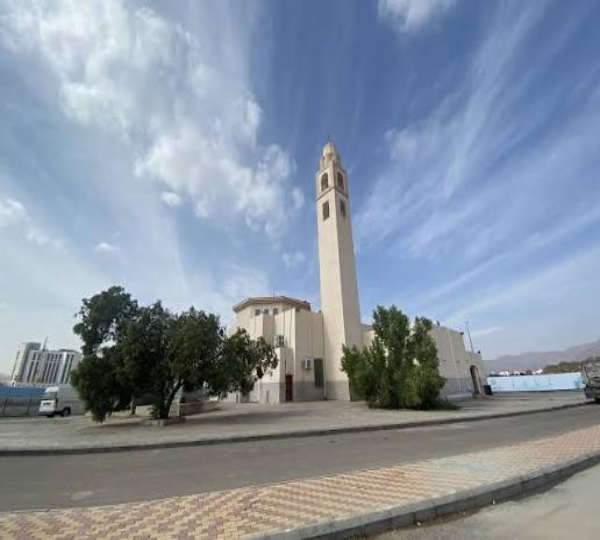
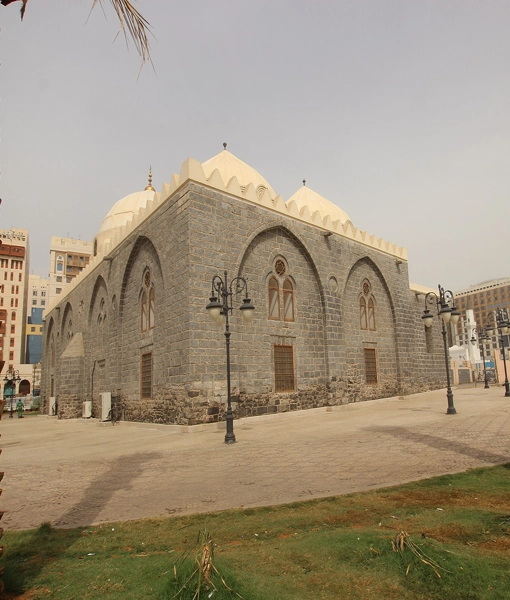
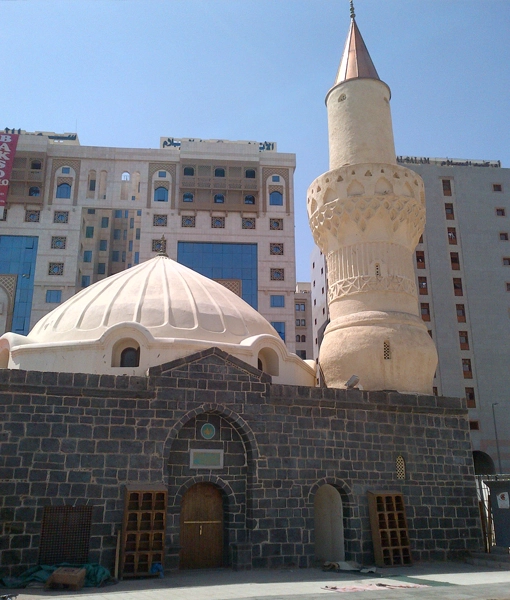
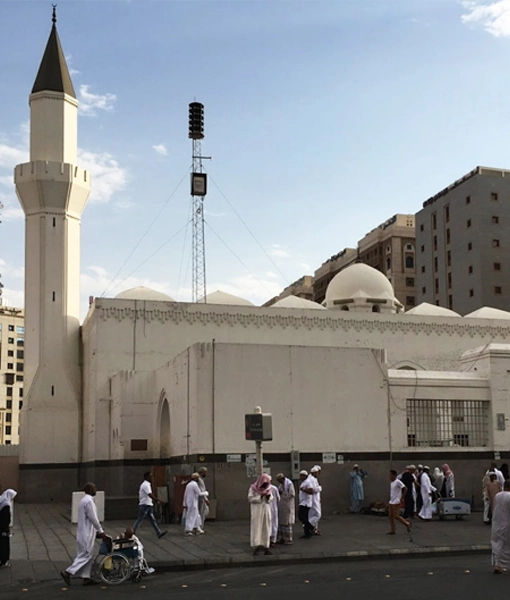
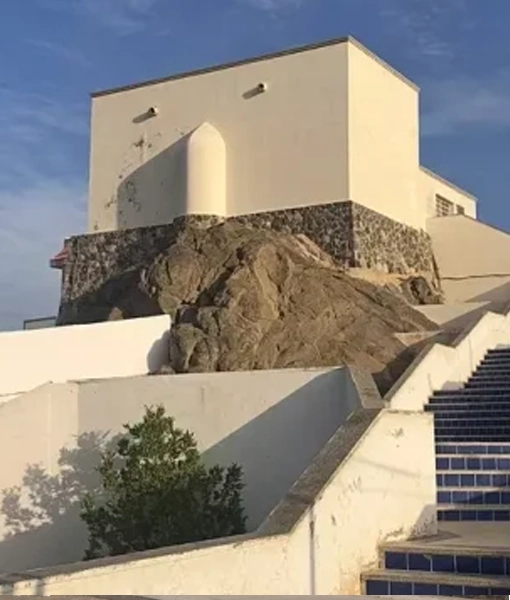
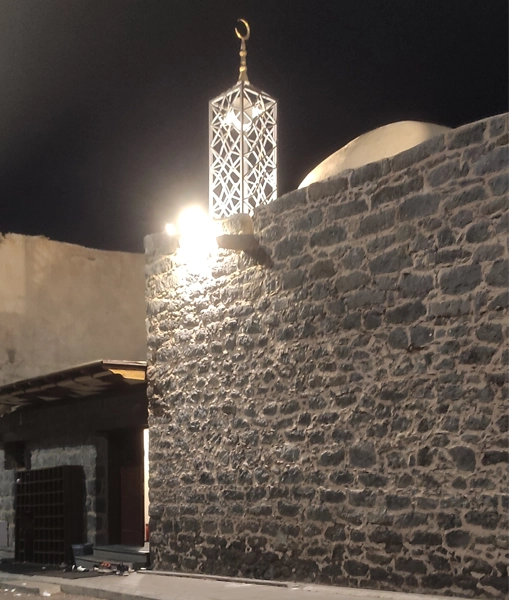
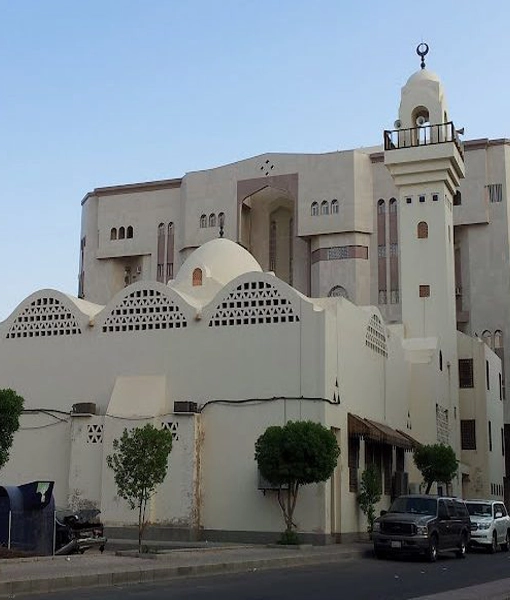
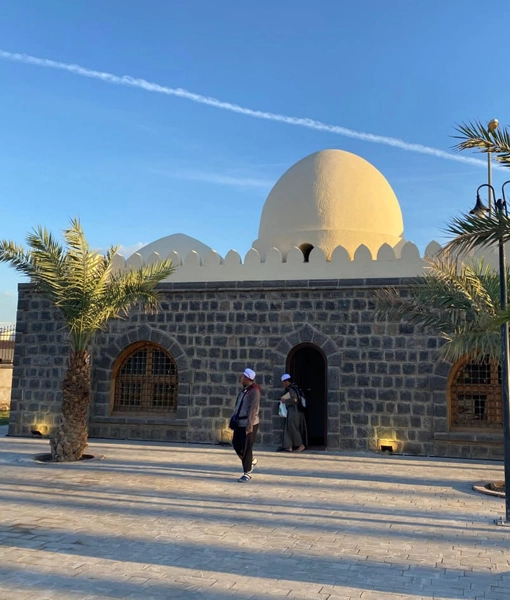
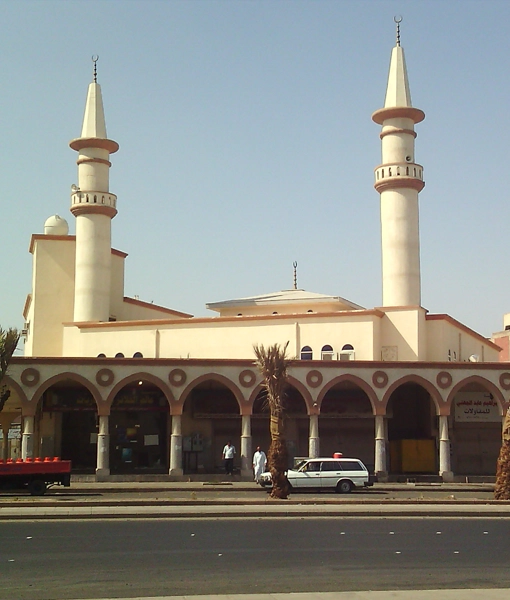
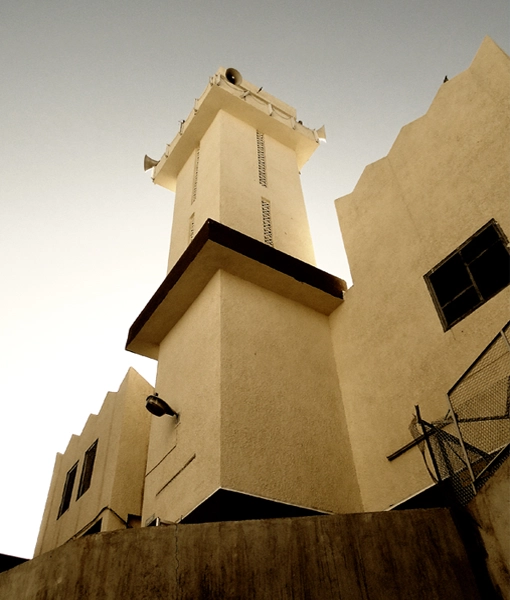
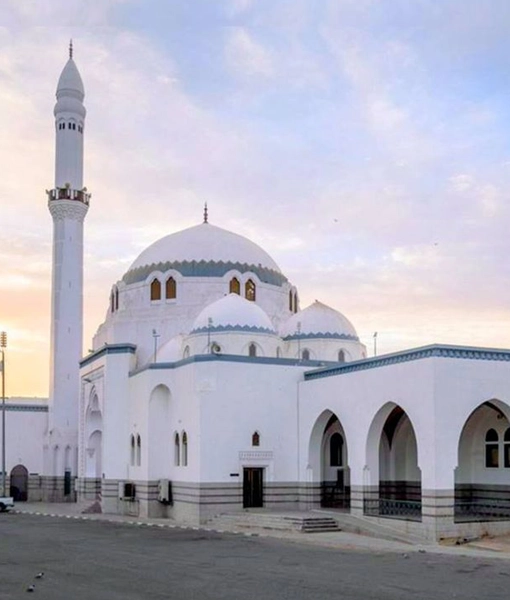
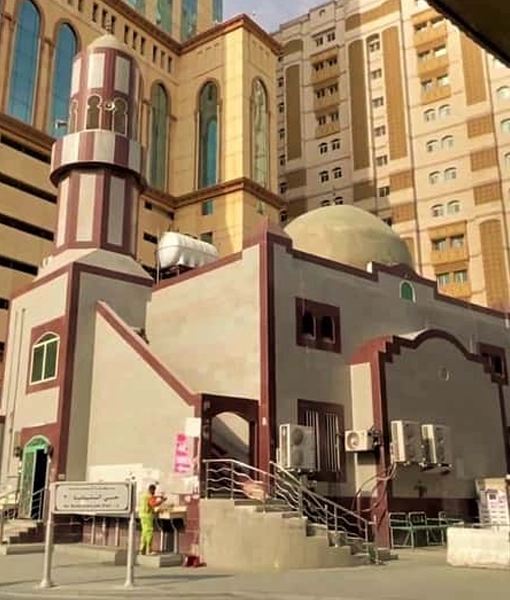
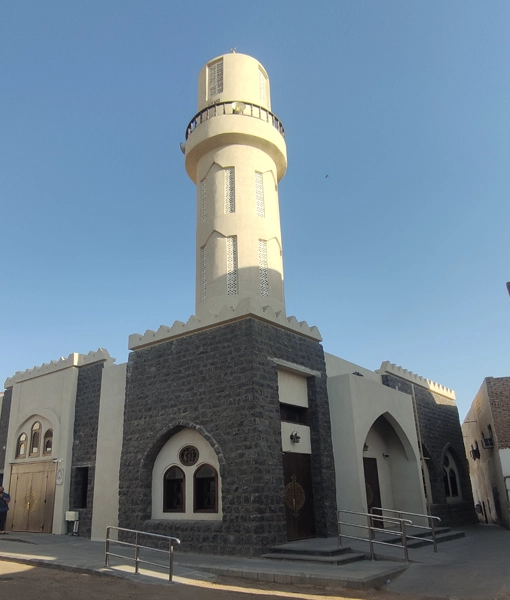
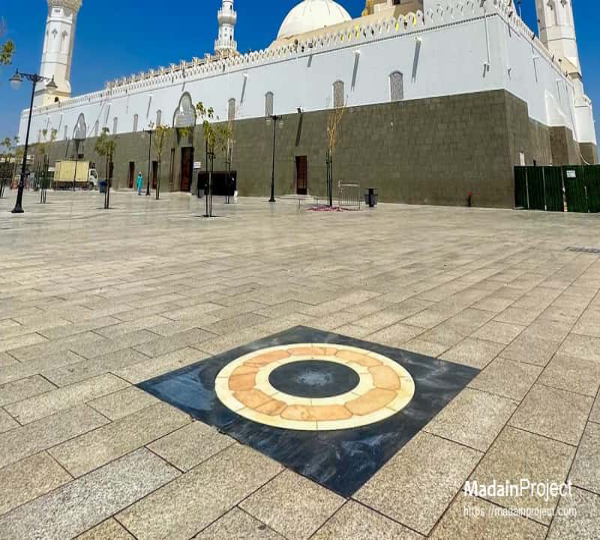
- Architectural Features & Development: The mosque has been rebuilt and renovated several times over the centuries. The current structure is relatively small but is well-preserved. It has a distinctive white dome and a small minaret, with a simple, elegant architectural style.
I have more than enough information to construct a detailed blog post that follows the requested format. I will now proceed with writing the content, blending the history with the location and the pilgrim’s experience, as I did for the previous topics. The blog post will include an introduction, sections on the mosque’s location and its name’s meaning, the historical event, the mosque’s architectural journey, and a conclusion for pilgrims.# Masjid al-Ijaba: The Sanctuary of Answered Prayers
In the city of Madinah, where every street and stone holds a story of prophetic wisdom, stands a mosque of profound spiritual weight and emotional depth. Its name alone—Masjid al-Ijaba—carries a promise, for “Al-Ijaba” means “The Answering” or “The Acceptance.” This mosque is not merely a place of worship; it is a physical monument to a pivotal moment when the Prophet Muhammad (S.A.W.) raised his hands in a heartfelt supplication to his Lord, and two of his three prayers were accepted, while a third was not. For any pilgrim, visiting this sanctuary is a powerful opportunity to contemplate the love of the Prophet for his Ummah and the divine will that shapes history.

The Location of a Prophetic Prayer
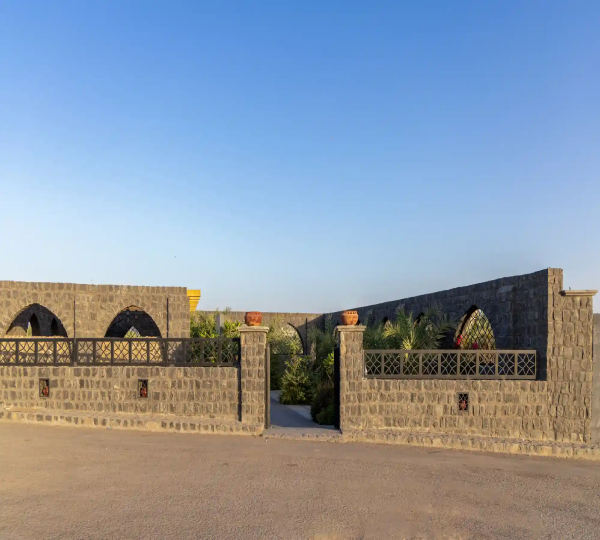
Masjid al-Ijaba is a short, peaceful walk from Masjid Al-Nabawi, situated on a street that now bears its name. Its location, just over half a kilometer from the main mosque, makes it a convenient and essential stop on any pilgrim’s spiritual journey. It is a quiet oasis away from the main thoroughfare, inviting visitors into a state of deep reflection before they even enter its doors. Its modest size and simple elegance stand in beautiful contrast to the grandeur of the Prophet’s Mosque, highlighting that the sanctity of a place is defined not by its scale, but by the events that unfolded there.
The Three Supplications: A Dialogue with the Divine
The most significant event to have occurred at Masjid al-Ijaba is the Prophet’s (S.A.W.) three supplications for his community. It is narrated that one day, he came to this spot accompanied by some of his companions. Here, he spent a long time in prayer and contemplation, a moment of profound intimacy between the Prophet and his Creator.
He made three specific requests from Allah (S.W.T.):
- He asked that his Ummah would not be destroyed by a general famine.
- He asked that they would not be annihilated by a flood.
- He asked that they would not be made to kill one another.
After completing his prayers, the Prophet (S.A.W.) received a message from Allah through the angel Jibril (A.S.). His first two supplications—that his Ummah would not be destroyed by famine or drowned by flood—were accepted at once, filling his heart with joy at this divine promise of mercy and protection. However, the response to his third prayer was different. Allah informed him that it could not be granted, and that his Ummah would indeed fight and kill one another until the Day of Judgment. The Prophet (S.A.W.) was deeply grieved by this revelation, as he had longed for his followers to remain united in peace and brotherhood. The knowledge of their future discord weighed heavily upon his heart. This poignant part of the story gives Masjid al-Ijaba profound emotional and spiritual significance—a place that stands as a reminder of the Prophet’s (S.A.W.) deep love, compassion, and sorrow for his Ummah’s future disunity.
An Architectural Journey of Preservation
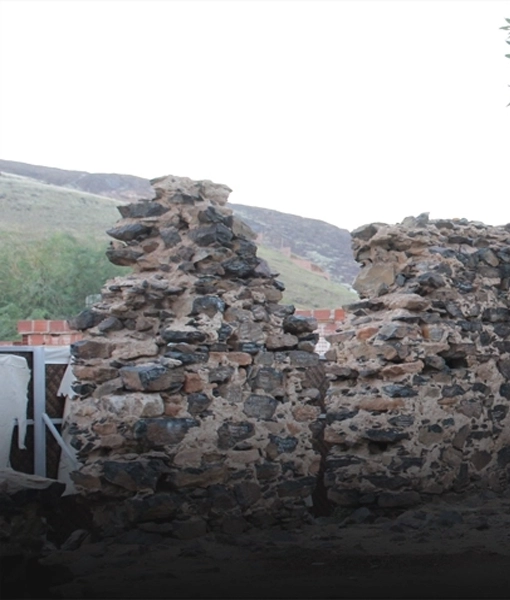
The history of Masjid al-Ijaba as a physical structure reflects its continuous spiritual importance. The original site was likely an open area used for prayer. The first mosque was built here in the earliest days of Islam to commemorate the Prophet’s (S.A.W.) supplications. Over the centuries, it has been rebuilt and renovated numerous times. The current structure is an elegant, relatively small mosque with a distinct white dome and a modest minaret. Its simple and classic design aligns with the historical and spiritual reverence for the site. The mosque has been well-maintained and restored to ensure it remains a place of worship and reflection for all generations.
The Pilgrim's Experience: A Call to Unity
lesson on the acceptance of Allah’s will and the limits of even a prophet’s supplication. Standing in the prayer hall, you are compelled to reflect on the Prophet’s (S.A.W.) deep concern for unity and to contemplate the sad reality of disunity in the Muslim world today.
For pilgrims, the mosque is not just a place to offer prayers; it is a place to renew a pledge of brotherhood and to supplicate to Allah to grant the unity that the Prophet (S.A.W.) so dearly wished for. It is a call to action, reminding every believer of their responsibility to work for peace and harmony within the Ummah.
A Legacy of Love and Prayer
Masjid al-Ijaba is more than a historical landmark; it is a spiritual anchor. It is a testament to the immeasurable mercy of Allah, who saved the Ummah from famine and flood, and a poignant reminder of the Prophet’s (S.A.W.) love, which was so deep that he grieved for the conflicts that would plague his followers long after his time. This mosque stands as an enduring legacy of his answered prayers and a timeless lesson on the virtues of unity and brotherhood. For all who visit, it is a call to carry on the prophetic legacy of love and compassion for the entire Muslim community.
Other Ziyarat You May Like

Masjid al-Sajdah / Abu Dharr al-Ghifari

Well and Garden of Salman al-Farsi