Masjid Ali bin Abi Talib r.a

مسجد علي بن أبي طالب

Ziart Overview

  • Location: The mosque is located on the northwestern side of Madinah, on the western side of a historical area known as the “Seven Mosques” or “Sab’a Masajid.” 
  • Historical Significance: The mosque is named after Ali ibn Abi Talib (R.A.) because it is believed to be the site where he camped during the Battle of the Trench (Ghazwat al-Khandaq). It is also said to be the location where he heroically killed the famous polytheist warrior, Amr ibn Abd Wud, during the siege.
  • Sensitivity: The battle itself and Ali’s role are unifying themes in Islamic history, revered by all schools of thought. I will be sure to maintain a tone that respects this shared reverence.
  • Current Status for Pilgrims: The mosque is an active place of worship. Pilgrims visit it as part of a tour of the sites related to the Battle of the Trench. It is a key Ziyarat stop, along with the nearby Masjid Al-Fatah, and is a popular site for contemplation on the bravery of the early Muslims.
  • Architectural Features & Development:
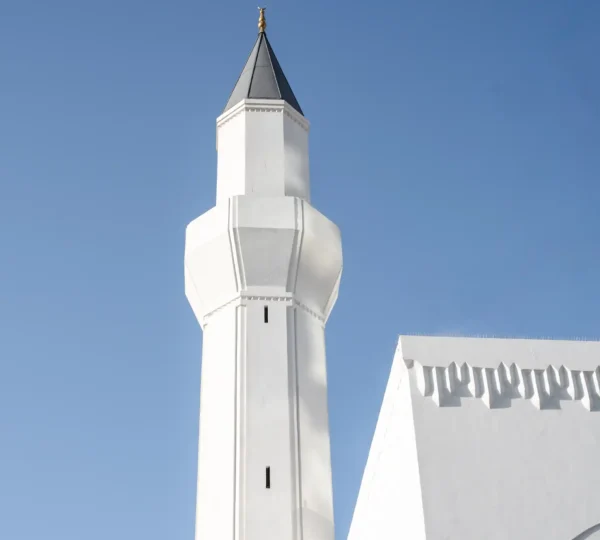
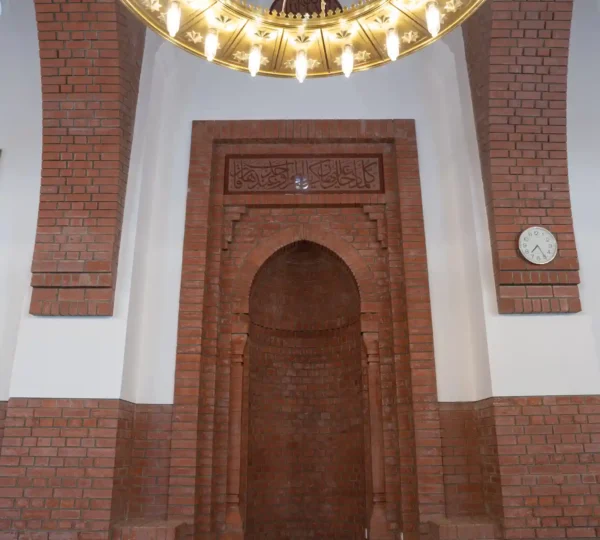
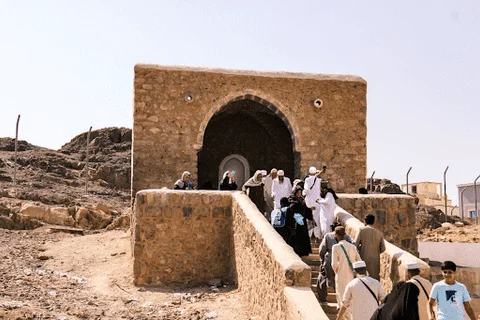
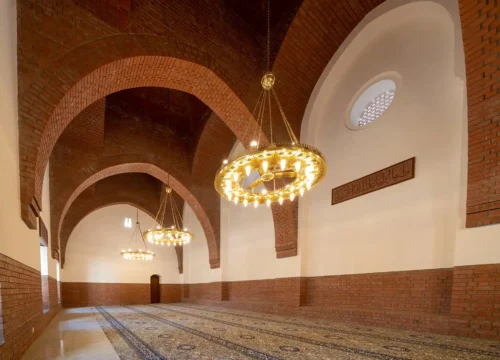
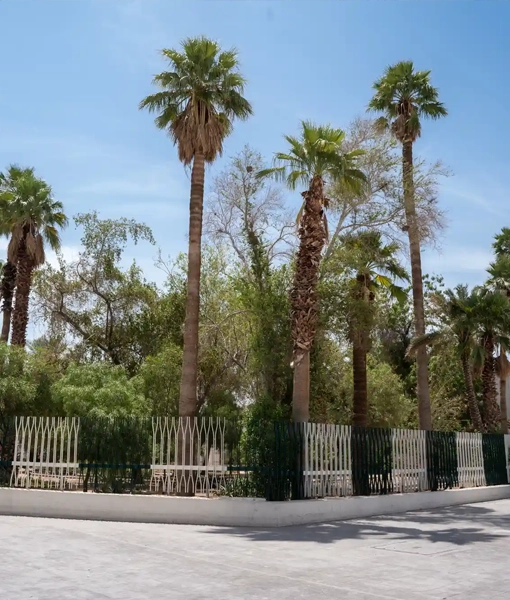
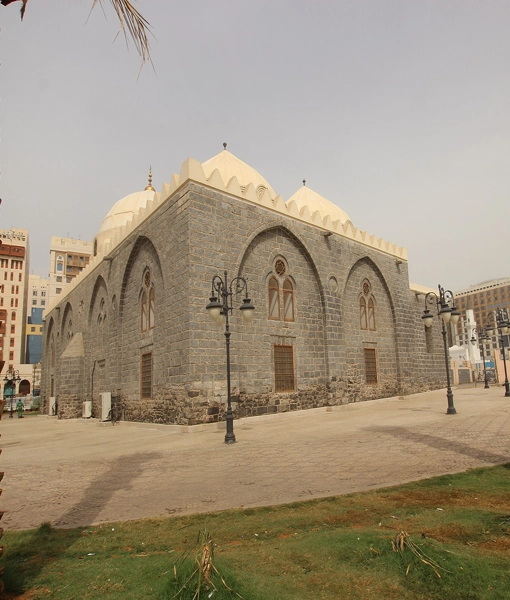
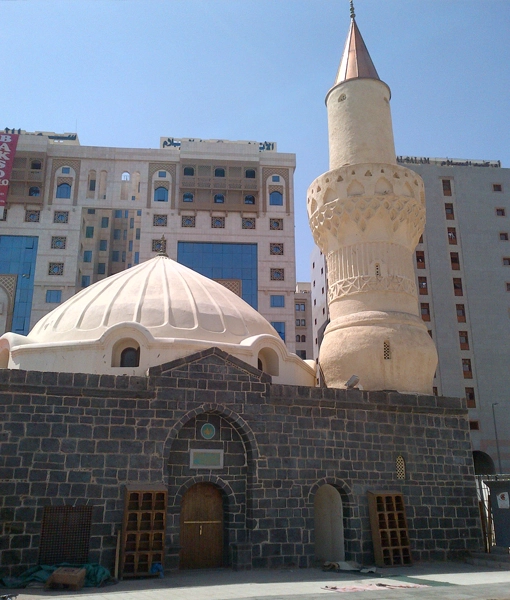
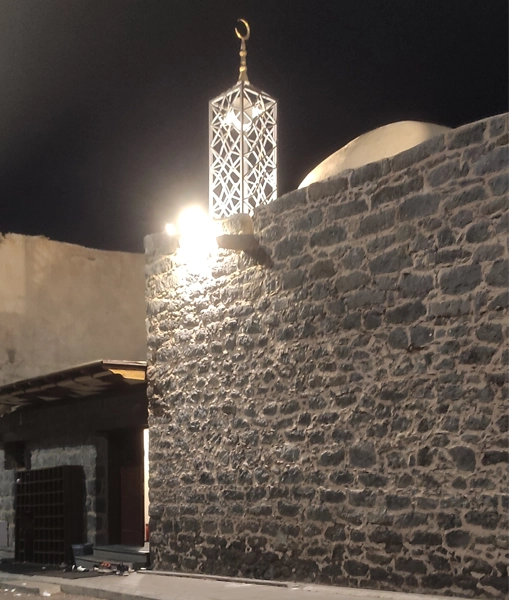
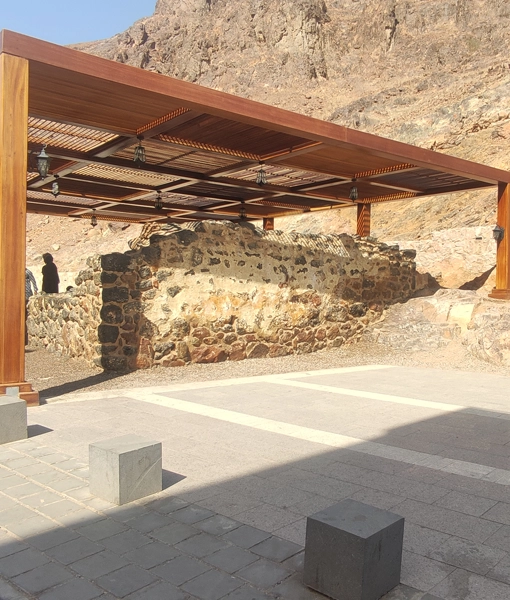
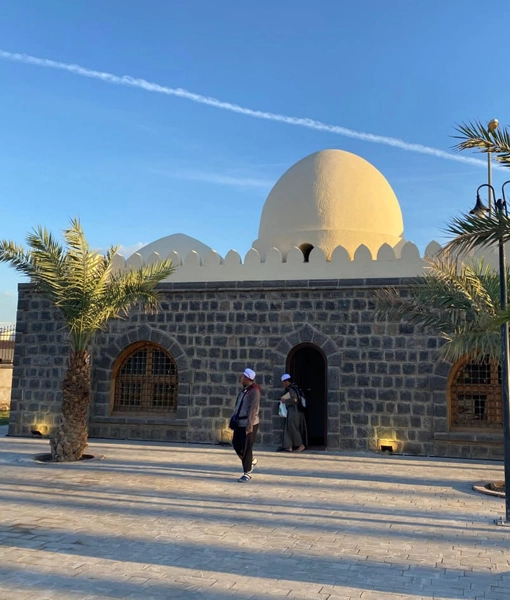
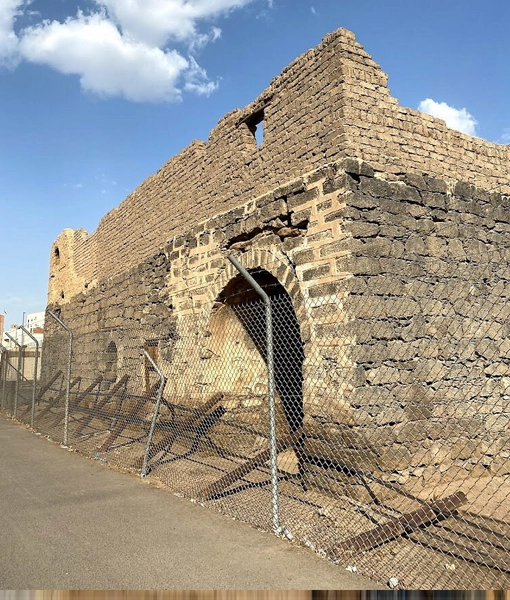
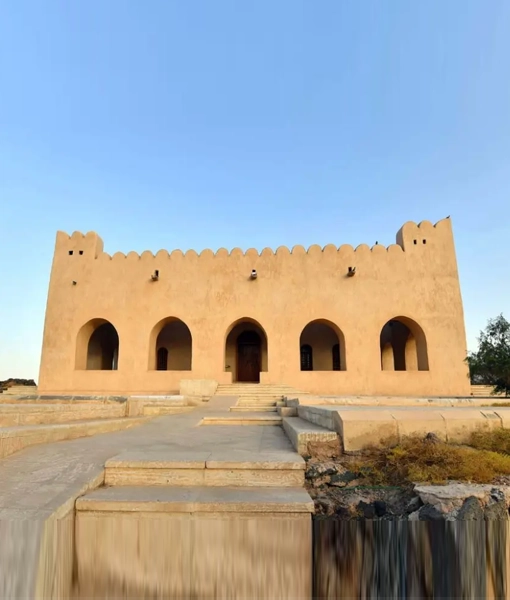
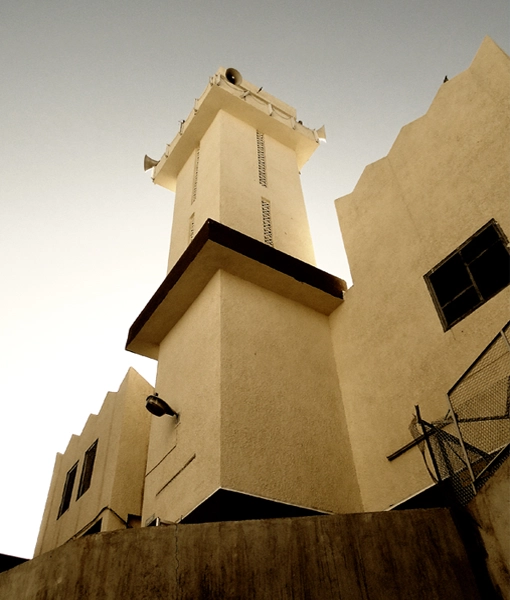
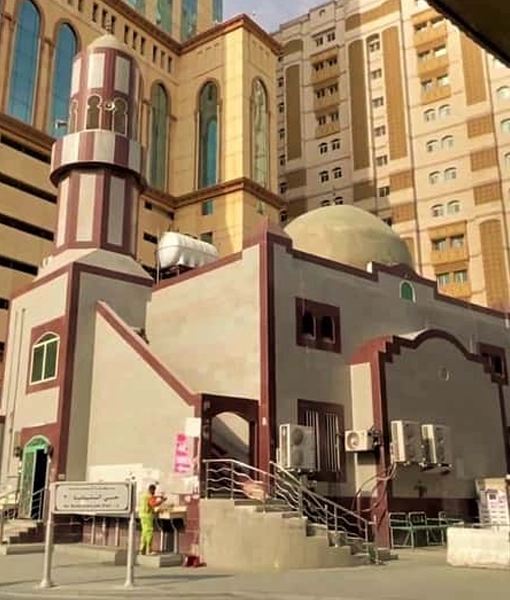
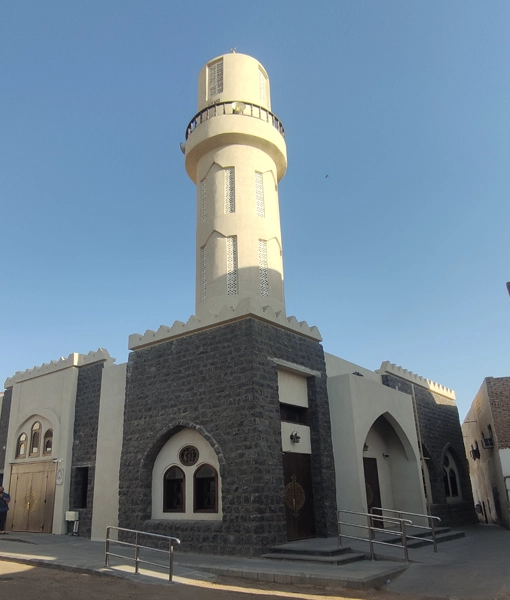
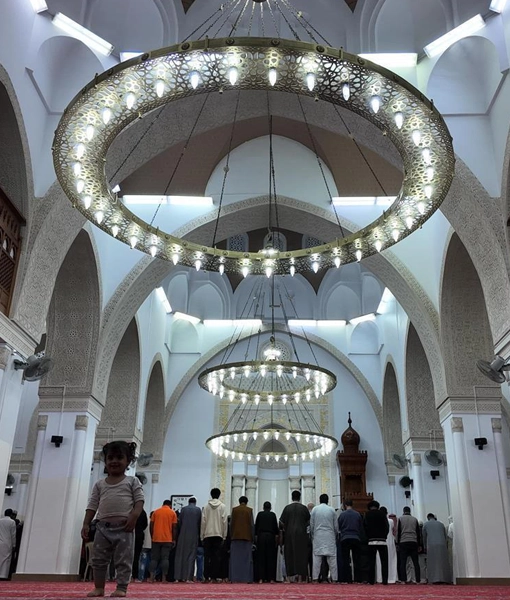
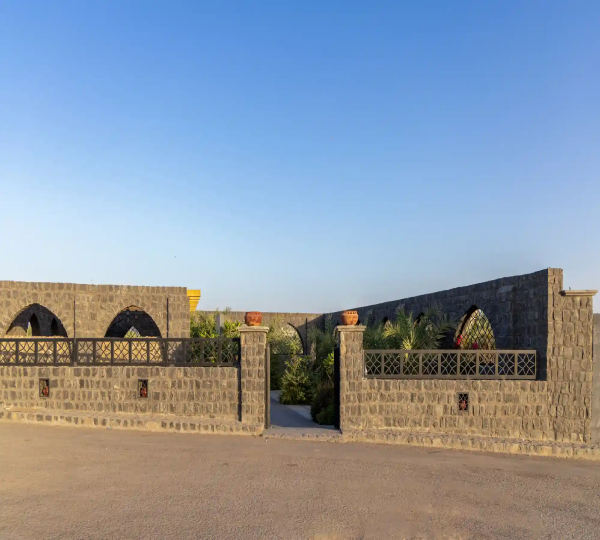
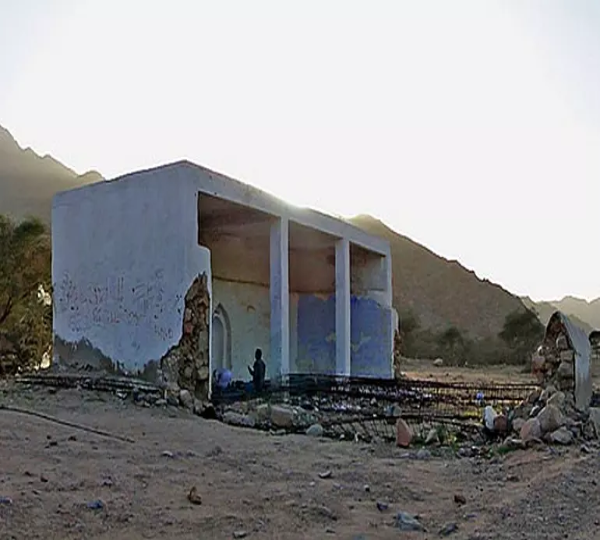
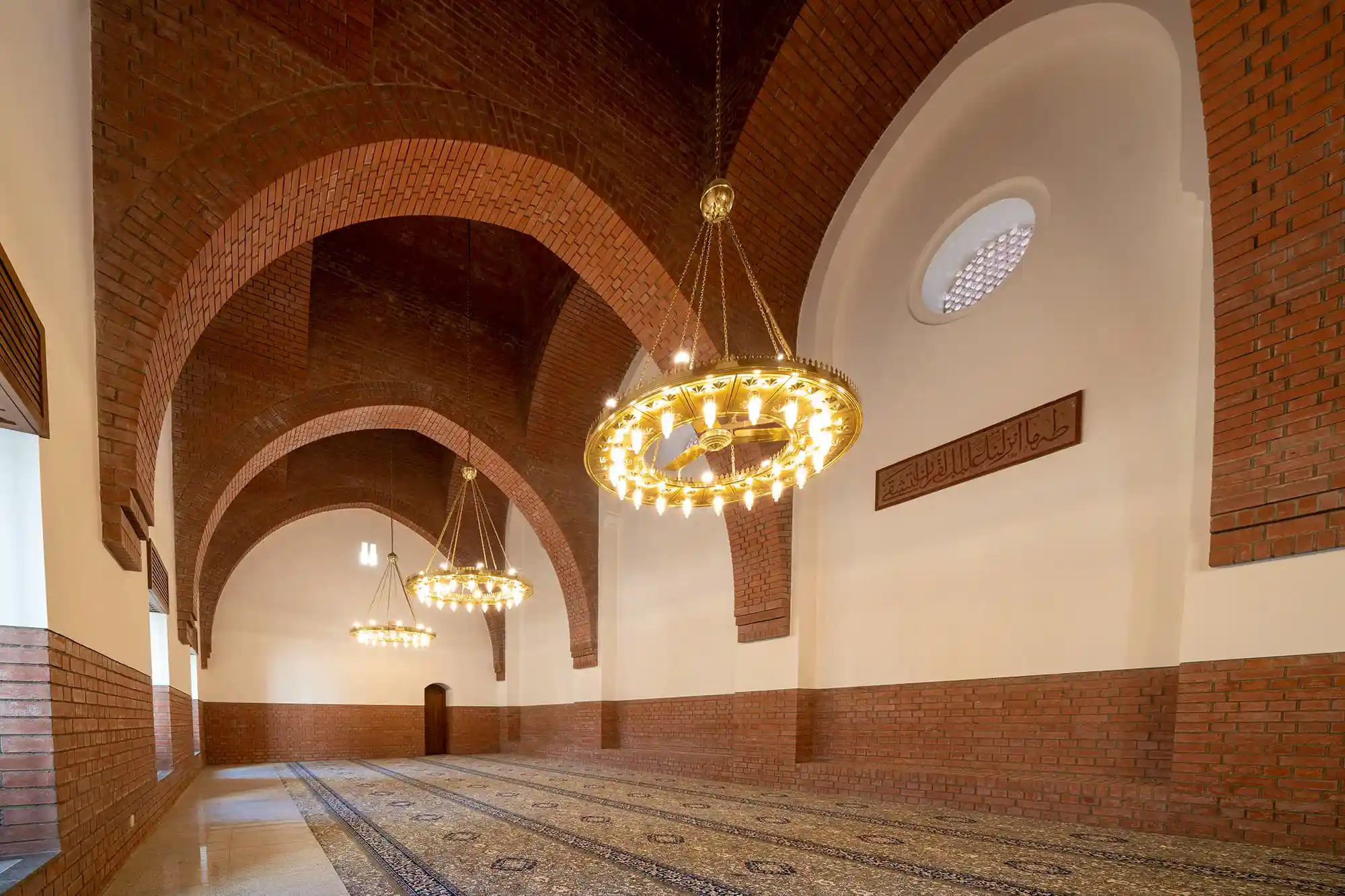
    • The current structure is a small, rectangular mosque.
    • It has been reconstructed and expanded over time.
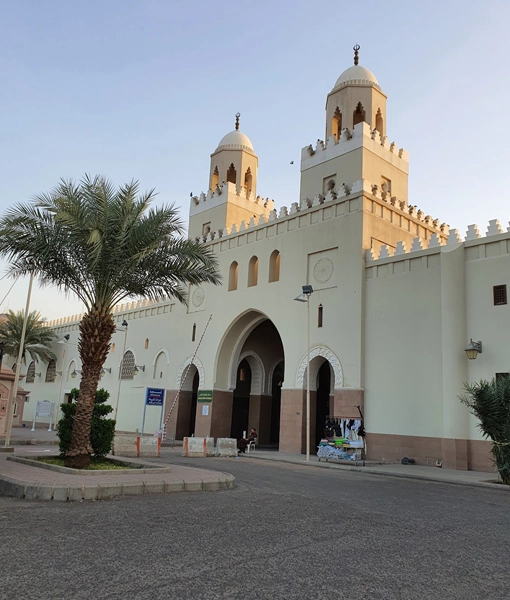
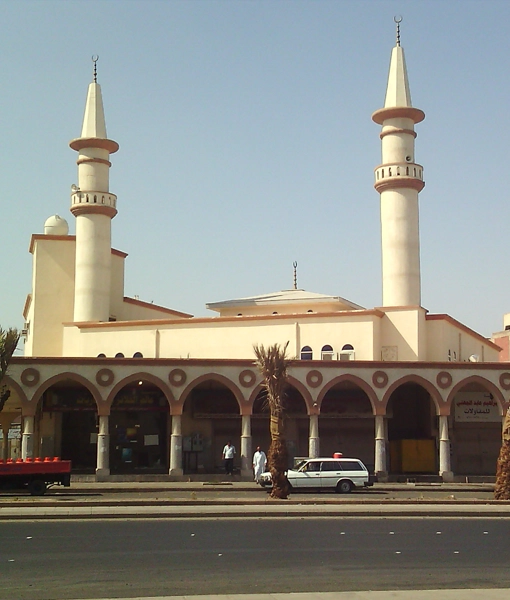
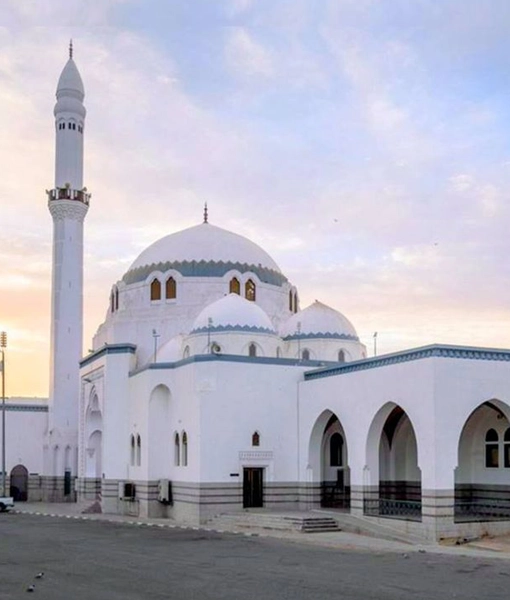
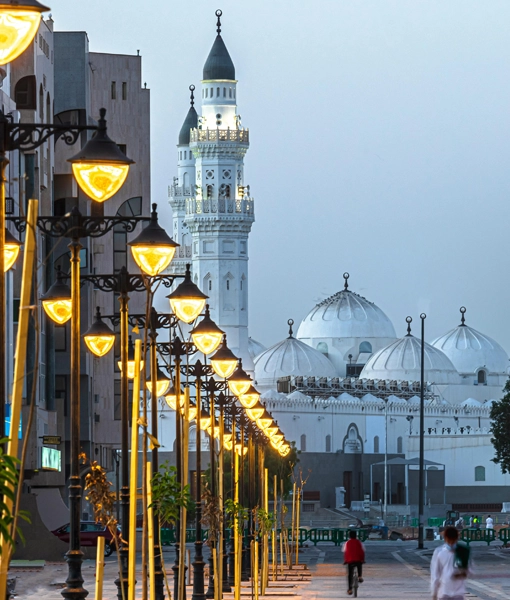
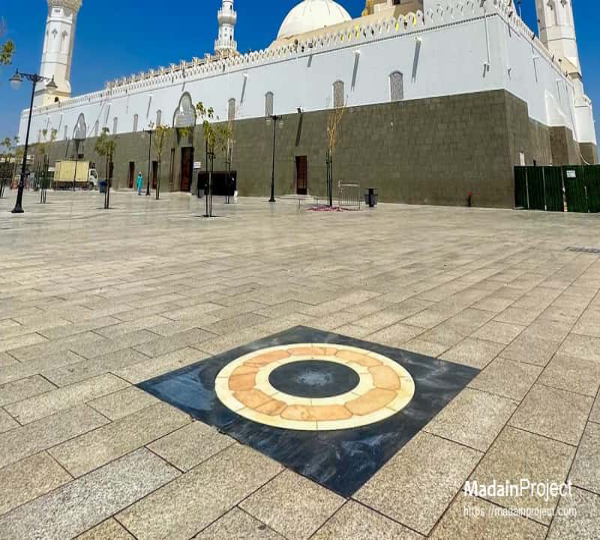
    • It is one of the oldest mosques in the area and is part of a complex of historical mosques that have been recently renovated. The “Seven Mosques” were consolidated into a single complex with a larger central mosque.

The Scene of an Epic Siege

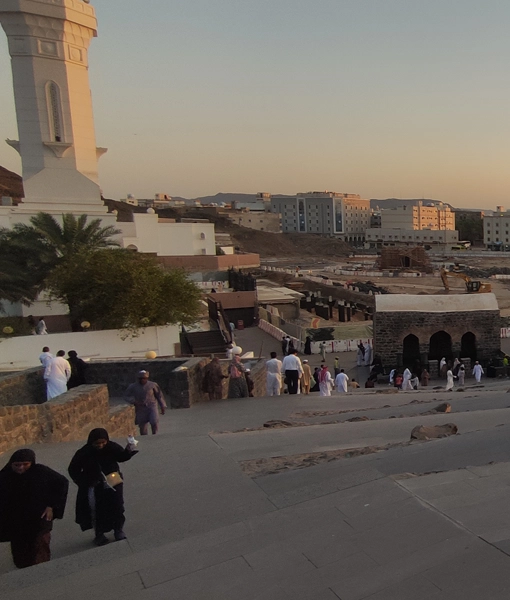
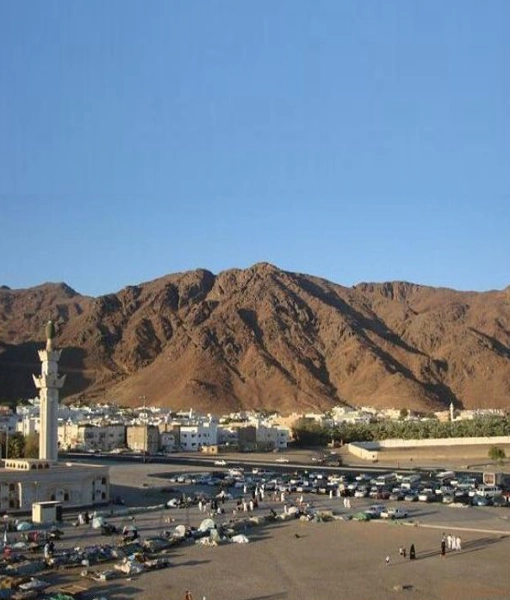
Masjid Ali ibn Abi Talib is part of a cluster of small, historic mosques often referred to as the “Seven Mosques,” all situated near the site of the Battle of the Trench, known in Arabic as Ghazwat al-Khandaq. This area, on the northwestern side of Madinah, was where the Muslim community faced a massive coalition of pagan armies. To defend the city, Prophet Muhammad (S.A.W.) adopted a brilliant strategy suggested by his companion, Salman al-Farsi: a deep trench was dug on the open side of the city to prevent the enemy’s cavalry from advancing.
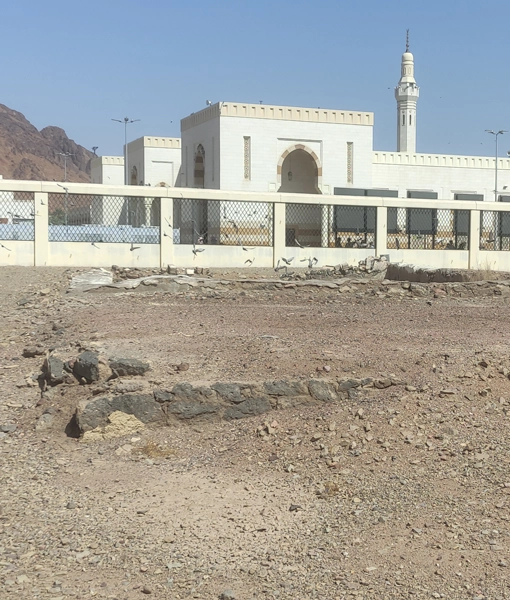
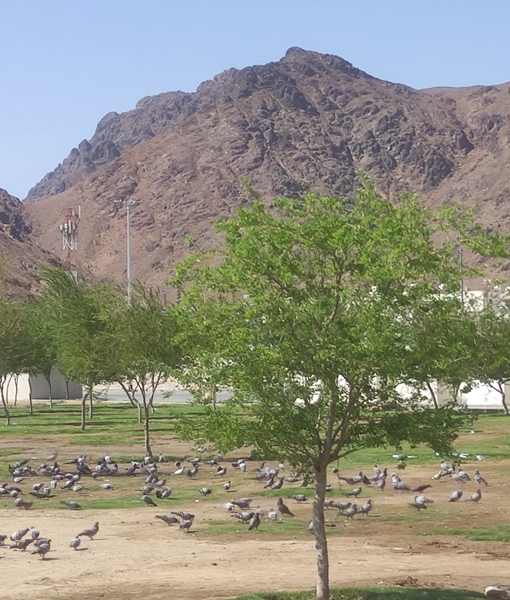
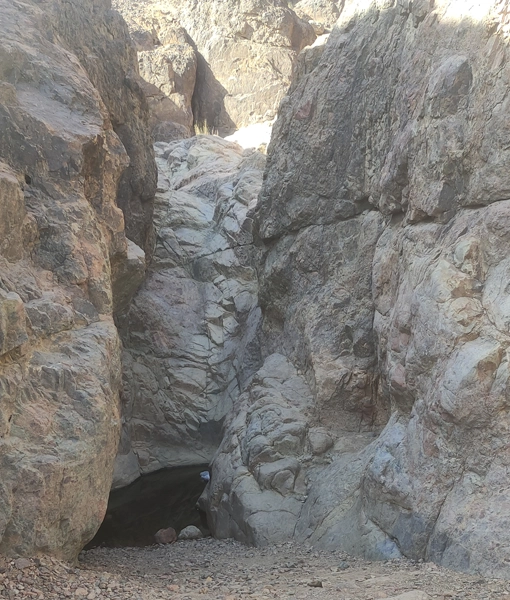
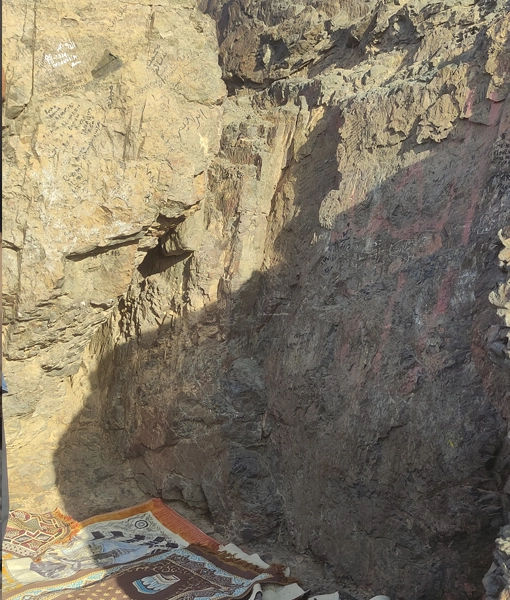
This mosque is believed to be the specific location where Imam Ali ibn Abi Talib (R.A.) and his company camped during the siege. It was from this vantage point that he stood watch, protecting a crucial part of the trench, and where he would later perform an act of unparalleled bravery that would turn the tide of the battle. The ground itself, with its rocky and hilly terrain, tells the story of the hardship and constant vigilance the early Muslims endured during the 20-day siege.

The Heroic Act of a Lion

While the Battle of the Trench was primarily a defensive siege, it was a moment of singular combat that cemented the fame of this location. The pagan leader Amr ibn Abd Wud, a legendary warrior feared by many, managed to cross a narrow point of the trench and challenge the Muslims to a duel. No one dared to face him until the young Ali ibn Abi Talib (R.A.) bravely volunteered, with the Prophet (S.A.W.) himself giving him permission.
This mosque is the physical representation of that courage. It is said that the duel between Ali (R.A.) and Amr ibn Abd Wud took place nearby, with Ali (R.A.) emerging victorious and beheading his opponent. This single act of heroism not only boosted the morale of the Muslims but also struck fear into the hearts of their enemies. The significance of this victory cannot be overstated; it was a psychological turning point that led to the eventual retreat of the pagan armies. The mosque, therefore, stands as a permanent tribute to that defining moment of faith, bravery, and victory.
From a Tent to a Mosque

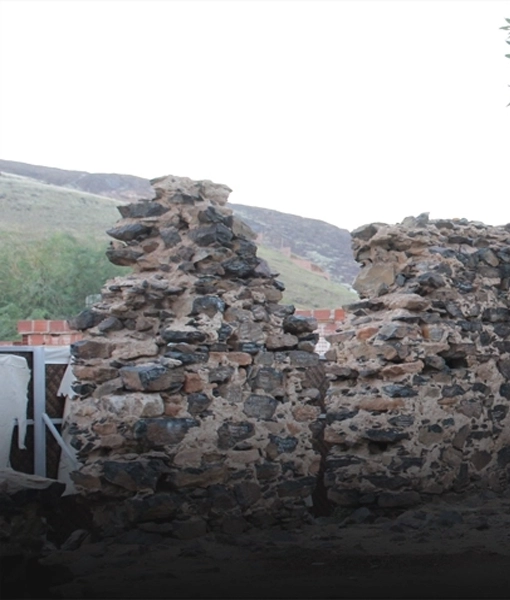
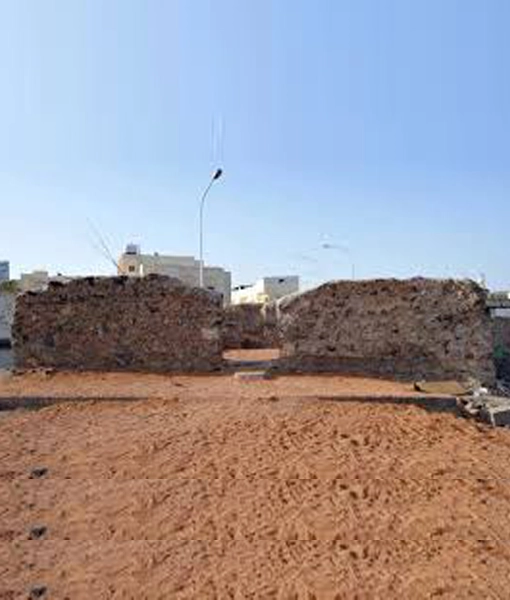
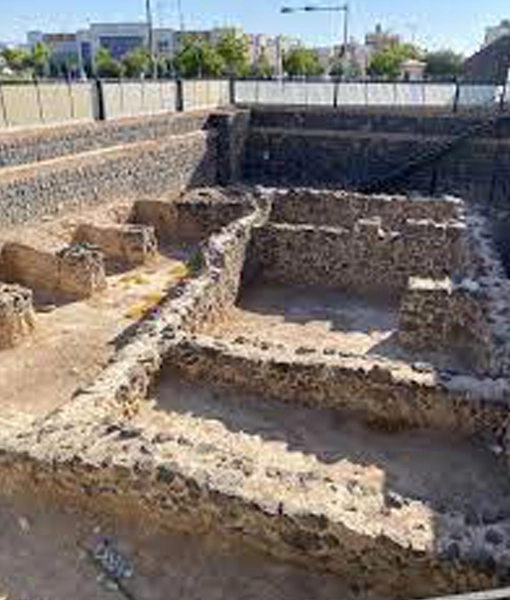
In the immediate aftermath of the battle, the spot where Ali (R.A.) camped and prayed was likely marked by a simple tent. Later, a small mosque was built on the site to honor the location. Over the centuries, the mosque, like the others in the “Seven Mosques” cluster, has been rebuilt and renovated multiple times by various rulers. Its small, simple design reflects the reverence for its historical origin rather than a need for grandeur. The mosque is rectangular in shape, built in a traditional style that has been carefully preserved over time. In recent years, the entire area of the “Seven Mosques” has been renovated and expanded, with a larger, modern mosque being built to serve as the main place of worship. This has been done to accommodate the large number of pilgrims who visit the site while preserving the historical sanctity of the original, smaller mosques. Masjid Ali ibn Abi Talib and the other historical mosques remain intact as distinct places of prayer and Ziyarat.
A Pilgrimage of Reflection and Awe

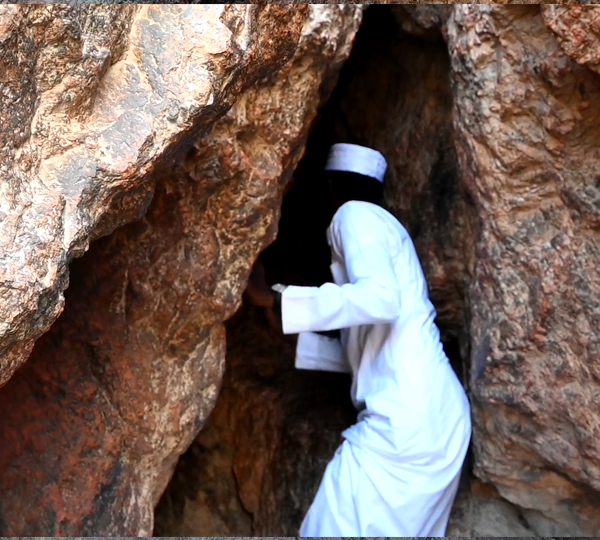
For any pilgrim in Madinah, a visit to Masjid Ali ibn Abi Talib is a deeply moving experience. The site is a key stop on the Ziyarat tour of the Battle of the Trench, which also includes the mosque believed to be the Prophet’s (S.A.W.) prayer spot (Masjid Al-Fatah). As you stand in the area, you can feel the gravity of the events that took place here. You can imagine the soldiers huddled against the cold wind, the fear, and the ultimate faith that led them to victory. The mosque itself provides a quiet, introspective space to contemplate the extraordinary character of Ali ibn Abi Talib (R.A.)—his courage, his devotion, and his loyalty to the Prophet (S.A.W.). Offering a prayer here is an act of connecting with a history that is not just a story, but a source of inspiration for Muslims everywhere.

A Legacy of Courage

Masjid Ali ibn Abi Talib is more than just a place of worship; it is a monument to heroism and the triumph of faith over fear. It reminds every believer that the challenges faced by the early Muslim community were overcome not by sheer force, but by a combination of strategic wisdom and personal bravery rooted in unwavering faith. This mosque stands as a powerful legacy of Ali’s (R.A.) courage and the ultimate lesson of the Battle of the Trench: that with faith and steadfastness, the light of Islam will always prevail.

Other Ziyarat You Should Know