مسجد ابوبکر الصدیق
A Symbol of Devotion and Succession
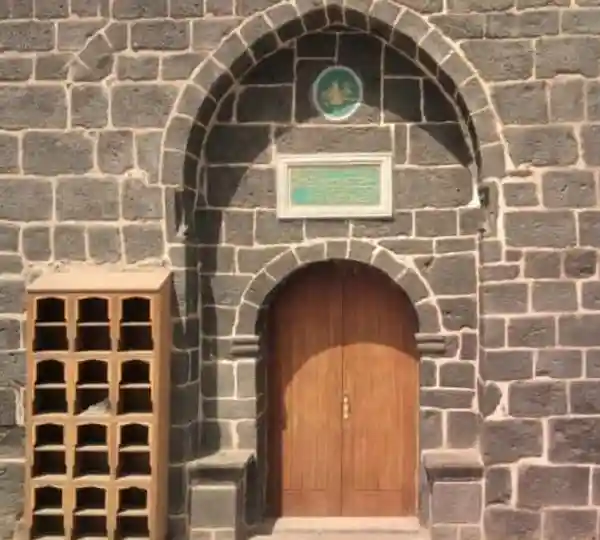
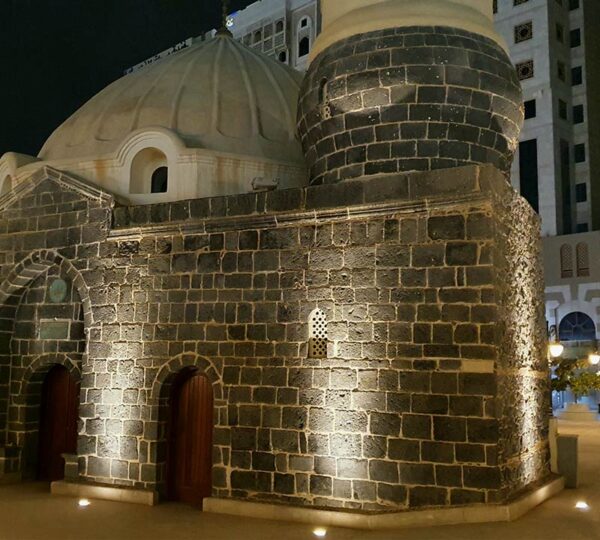
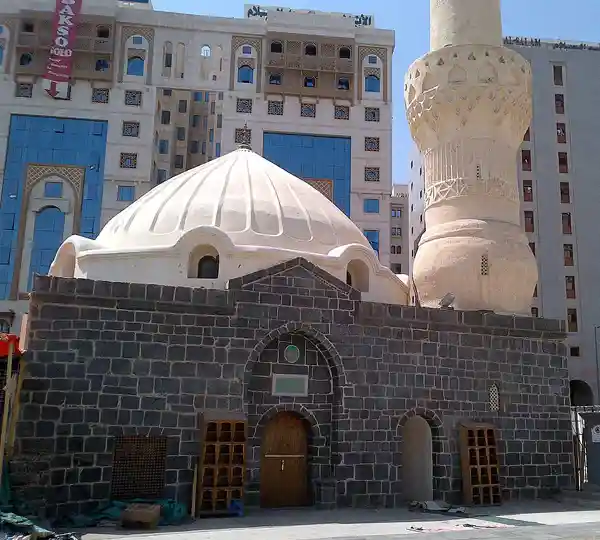
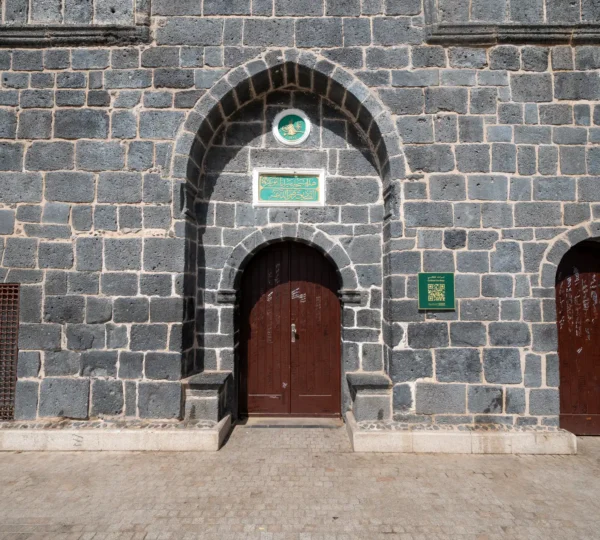
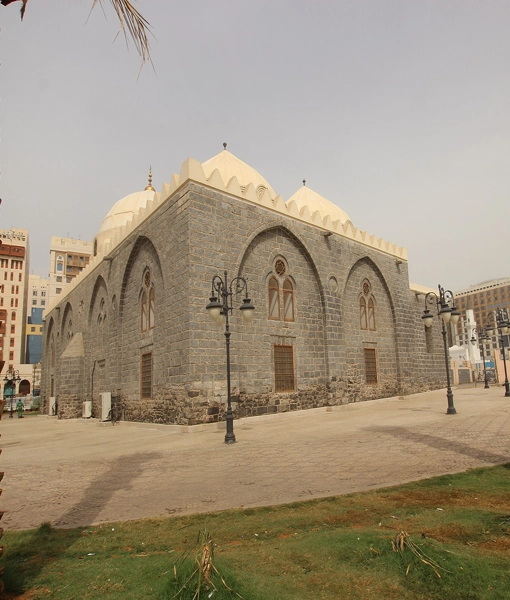
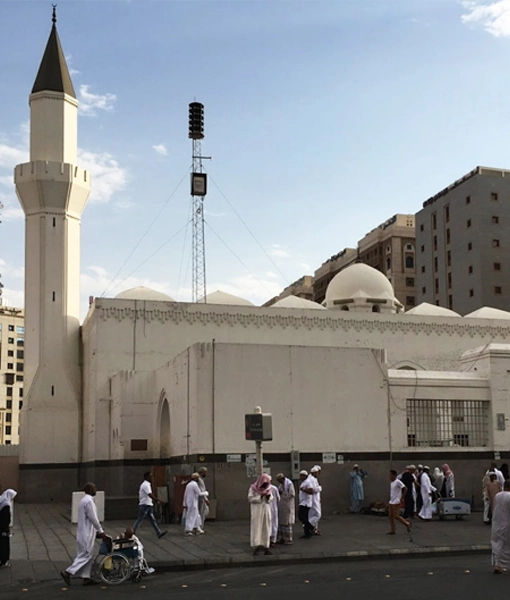
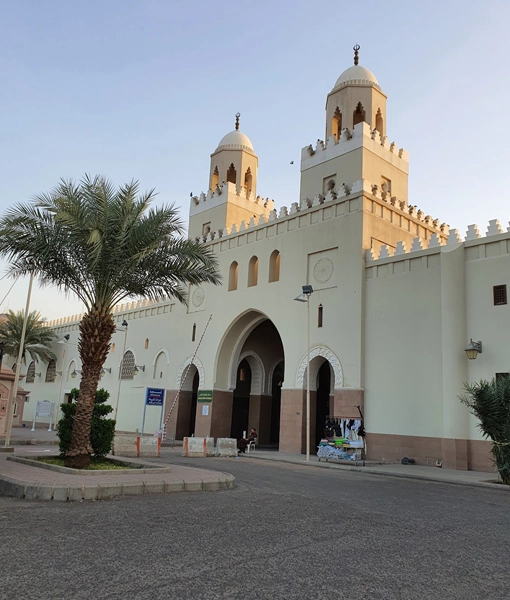
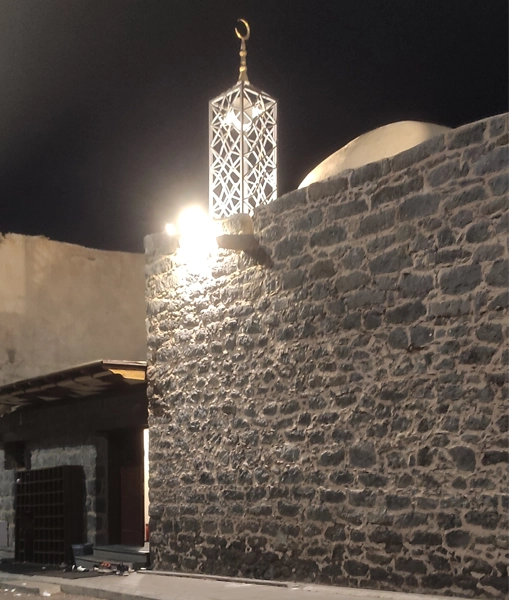
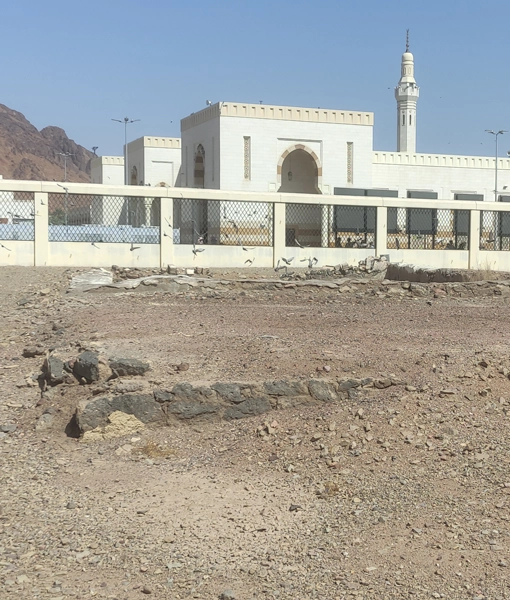
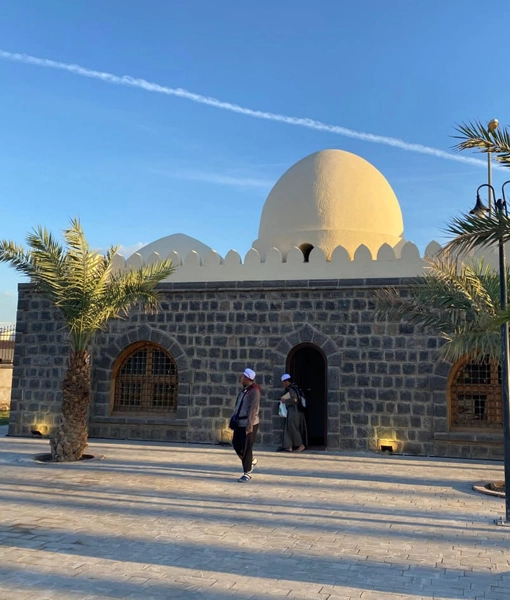
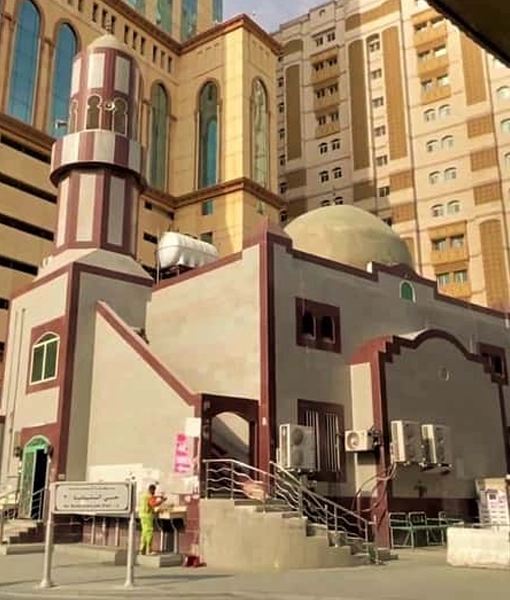
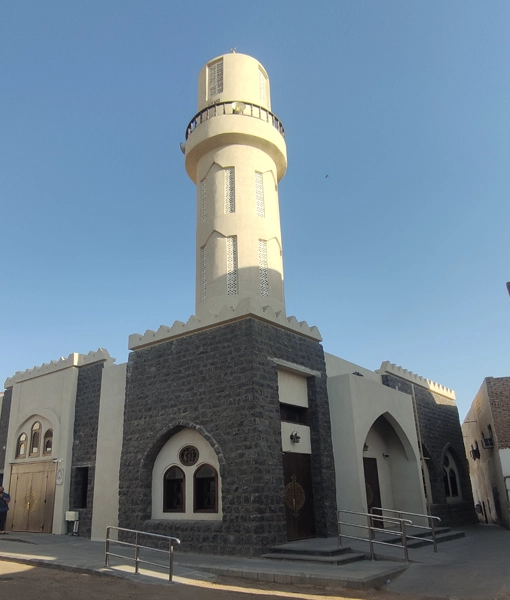
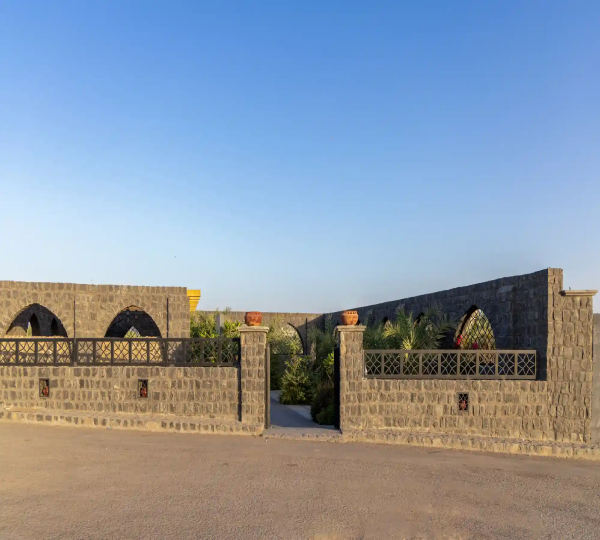
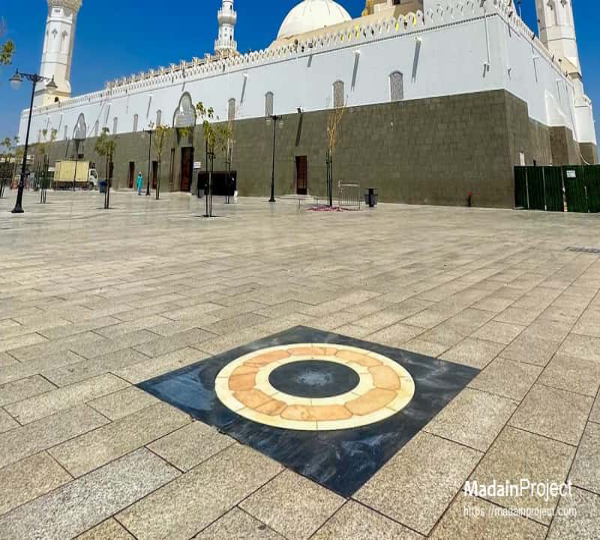
Tucked away in the serene southwest corner of Masjid Al-Nabawi’s grand plaza in Madinah stands a small but profoundly significant mosque. Its elegant structure, with an exterior of contrasting black basalt stone and crisp white finish, is a beacon of serenity. This is Masjid Abu Bakr Al-Siddiq, a monument not just to the first Caliph of Islam, but to the deep-seated legacy of faith and obedience he carried. Visiting this mosque offers a direct connection to a place where the Prophet’s tradition was faithfully continued, a sacred ground that became a symbol of rightful succession and unwavering devotion.
The Place Where a Tradition Continued
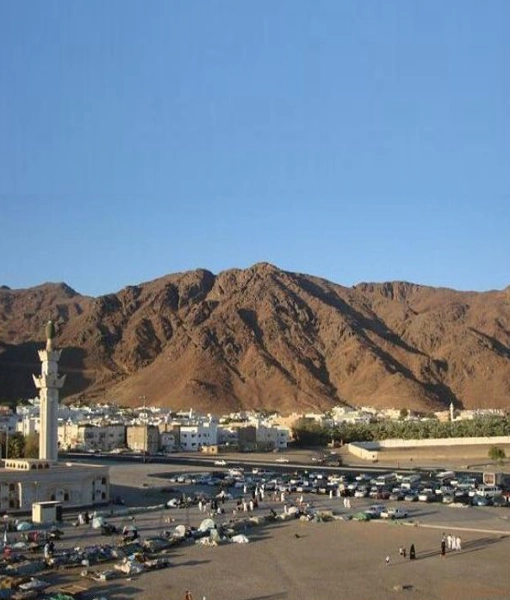
The story of this mosque begins long before its walls were ever raised. The area was a vast, open ground known as Al-Manakhah, and it was here, in this humble space, that Prophet Muhammad (S.A.W.) used to perform his final Eid prayers. He led his followers in worship, commemorating the joyous occasions of Eid al-Fitr and Eid al-Adha under the open sky. It was a tradition that established a sense of community and devotion, and it was a tradition that needed to continue after his passing.
Following the Prophet’s (S.A.W.) death, his closest companion and first Caliph, Abu Bakr Al-Siddiq (R.A.), faithfully carried on this sacred practice. During his Caliphate, he continued to lead the Eid prayers on the exact spot where the Prophet (S.A.W.) had prayed. His unwavering commitment to following the Prophet’s (S.A.W.) example led the Muslim community to forever associate this place with his name. It was a physical testament to his loyalty and his role as the true inheritor of the Prophet’s (S.A.W.) legacy. The mosque that was later built on this site was thus named in his honor.
An Architectural Journey of Simplicity
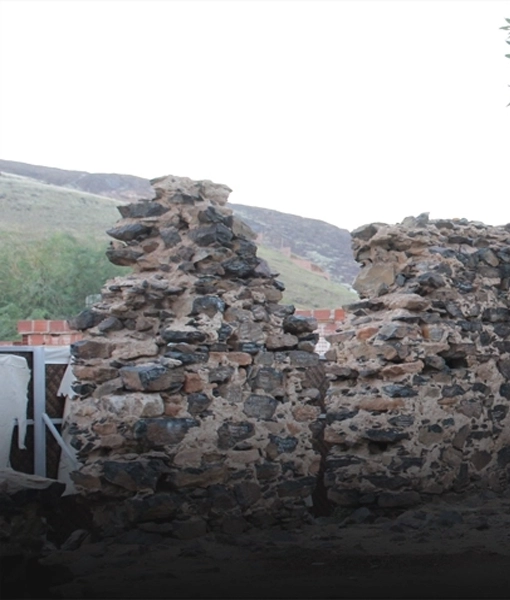
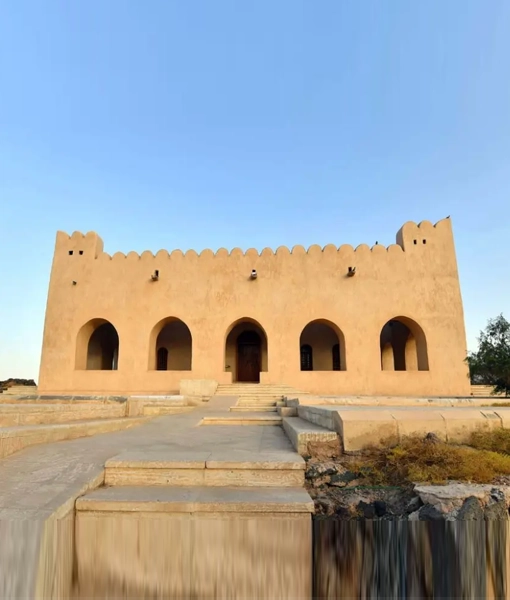
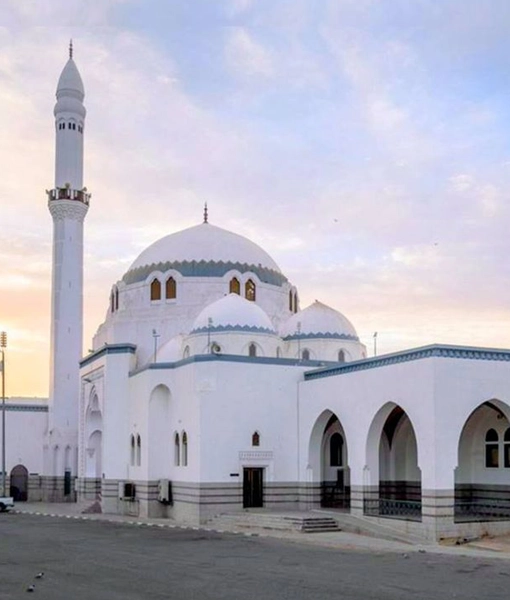
The first structure on this holy ground was likely a very simple one, constructed by the pious Umayyad Caliph Umar ibn Abdulaziz during his governorship of Madinah. He sought to preserve the sacred places where the Prophet (S.A.W.) had performed acts of worship. Over the centuries, the mosque was renovated and maintained by various rulers and governments, each ensuring its survival while preserving its spiritual identity.The current structure you see today is a masterpiece of timeless Islamic architecture, carefully restored to maintain its original aesthetic. It is a small mosque, with a square floor plan and a single dome and minaret. What makes it particularly striking is its architectural style, which is almost identical to that of the nearby Masjid Al Ghammah. The two mosques stand in close proximity—separated by only about 50 meters—creating a stunningly symmetrical view that seems to symbolize the inseparable bond between the Prophet (S.A.W.) and his beloved companion. The beautiful contrast of the black basalt stone against the crisp white plaster evokes a sense of both the rugged, ancient land and the pure, refined faith that took root here.
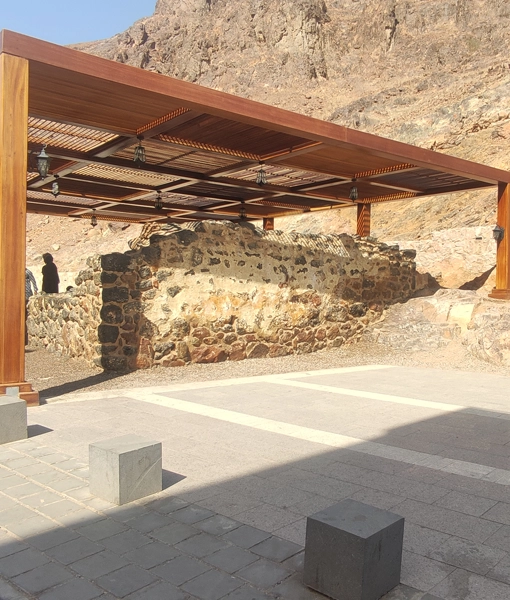
Now, picture those three men standing here, their faces etched with sorrow and determination. It was here that Umar ibn al-Khattab spoke, followed by Abu Bakr (R.A.), who delivered a speech that would become a beacon of political wisdom. He did not dismiss the Ansar’s immense sacrifices but instead praised them, calling them the “Helpers of Allah and his Messenger.” Yet, he also gently but firmly explained that the leadership of the Ummah must remain with the Quraysh, the Prophet’s own tribe, for they held the authority and recognition necessary to prevent internal strife. He offered to step aside, suggesting Umar or Abu Ubaidah take the lead. It was in this very space—where you may now sit on a bench in quiet contemplation—that Umar ibn al-Khattab, in a moment of emotional and decisive clarity, stepped forward and became the first to give his allegiance, or Bay’ah, to Abu Bakr (R.A.). He recognized Abu Bakr’s (R.A.) unique position, and with his pledge, the others followed suit. It was a powerful, spontaneous act of unity that settled the question of succession and solidified the foundations of the nascent Islamic state.

A Place of Inner Peace For Pilgrims
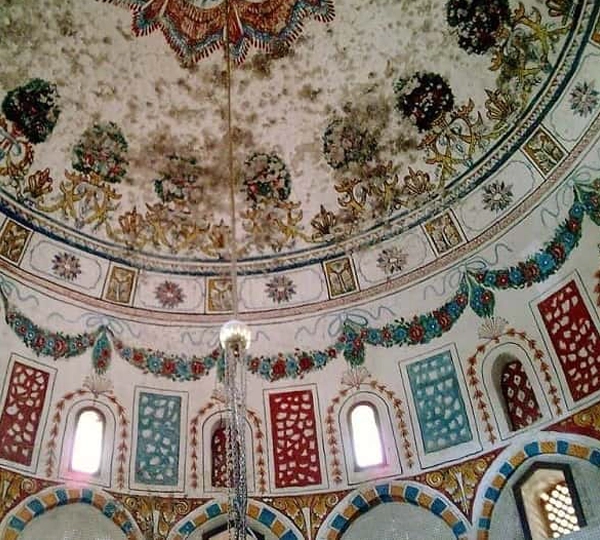
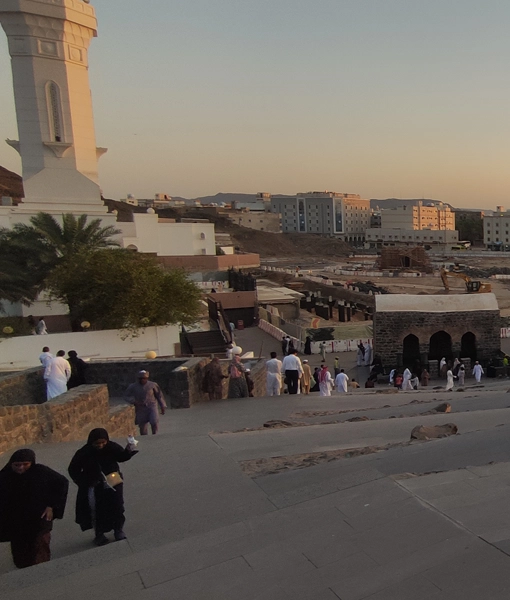
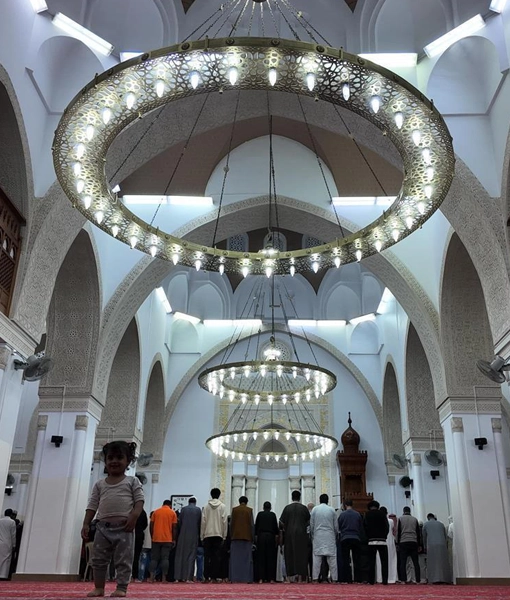
For pilgrims visiting Madinah, Masjid Abu Bakr is a must-see Ziyarat. Its location makes it incredibly accessible, just a short walk from the Prophet’s Mosque. As you approach it, you feel a sense of tranquility. The air seems to carry the echoes of prayers offered by the first and most devoted followers of Islam. Many pilgrims choose to offer two rak’ahs of voluntary prayer here, connecting with the history and the spiritual essence of the place. The mosque’s serene and unadorned interior allows for deep, personal reflection. Unlike the grand and bustling Masjid Al-Nabawi, Masjid Abu Bakr offers an intimate space to contemplate the legacy of the first Caliph. It is a place to think about the unwavering faith of Abu Bakr, who stood by the Prophet (S.A.W.) in every moment of trial, and who carried the mantle of leadership with humility and integrity after his passing.
A Legacy of Loyalty
Masjid Abu Bakr Al-Siddiq is more than just a historical landmark. It is a living symbol of loyalty, devotion, and steadfastness in faith. Its presence in Madinah reminds every believer of the importance of continuing the righteous path of the Prophet (S.A.W.) and of honoring the legacy of the companions who carried the light of Islam forward. For any pilgrim, visiting this mosque is not just a journey to a physical location, but a journey into the heart of early Islamic history and the profound bond of brotherhood and devotion that shaped it.