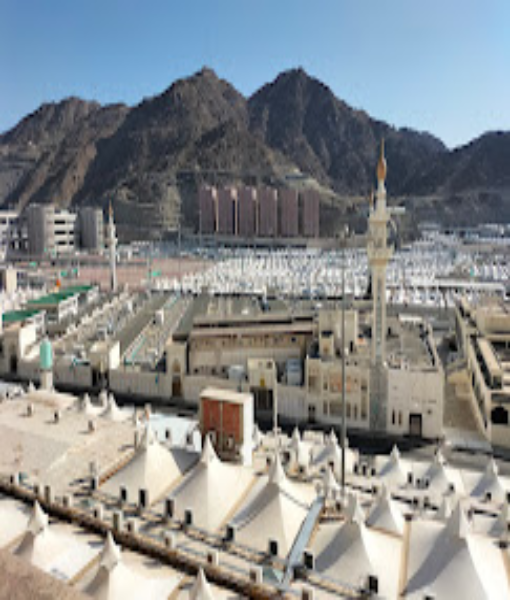
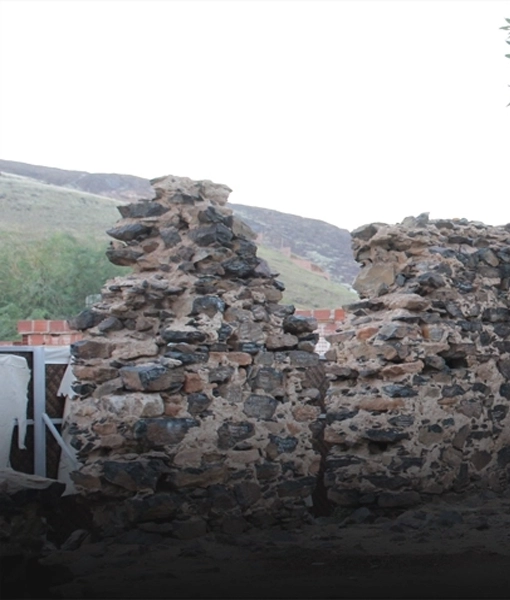
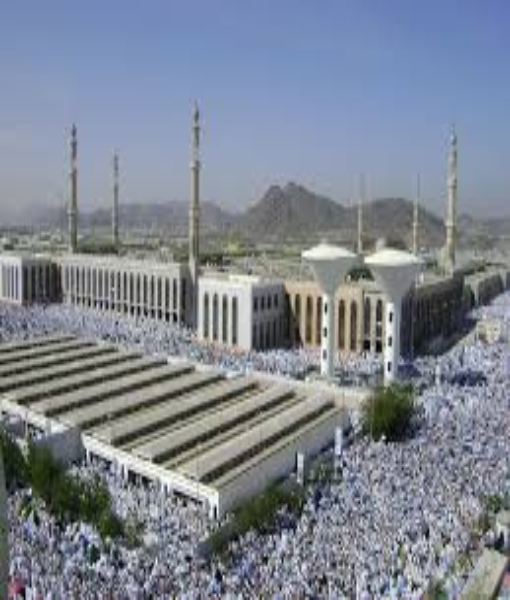
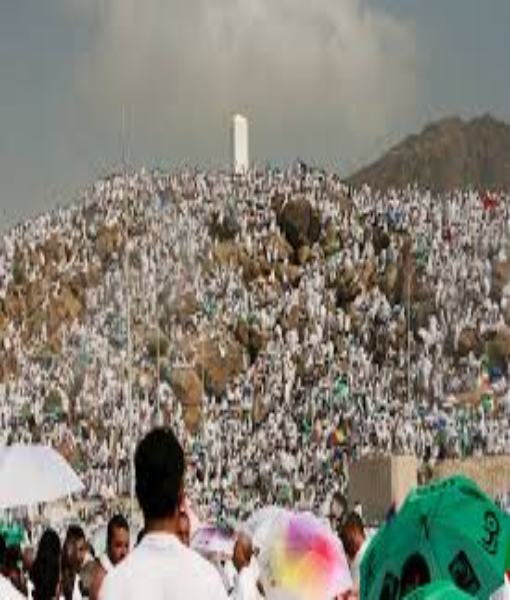
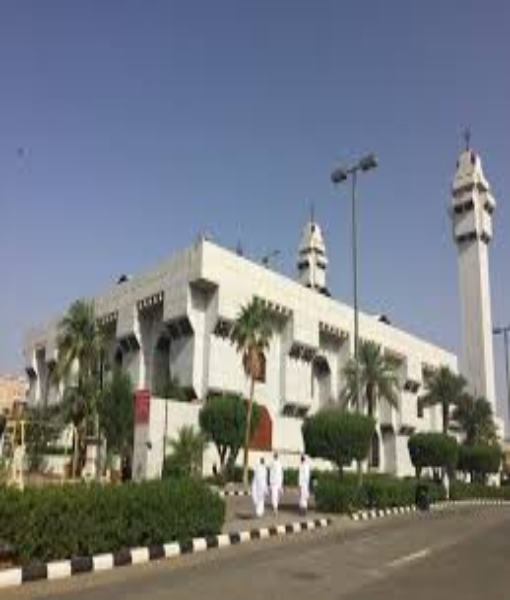
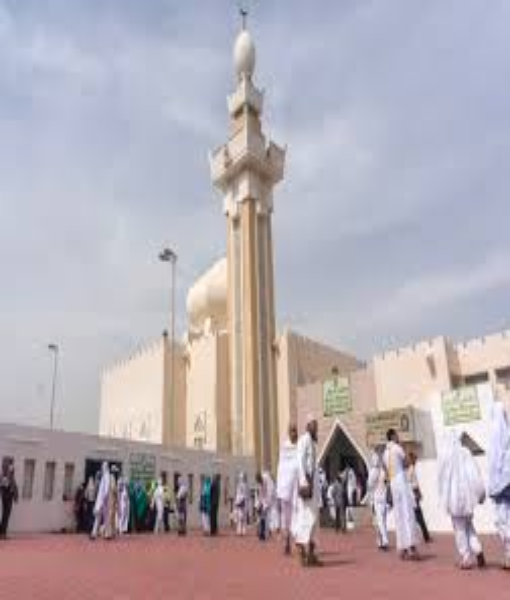
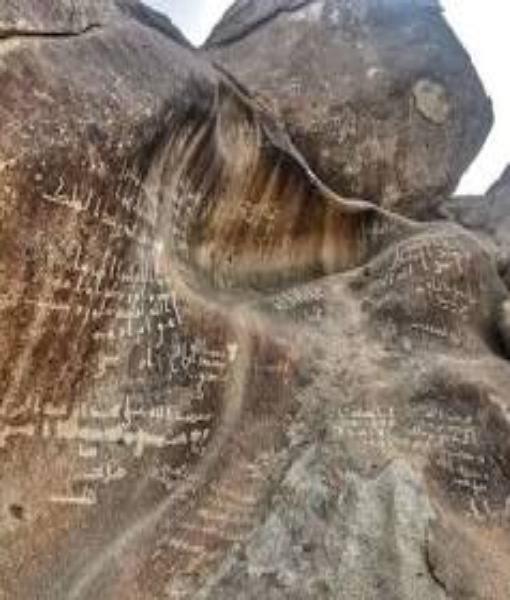
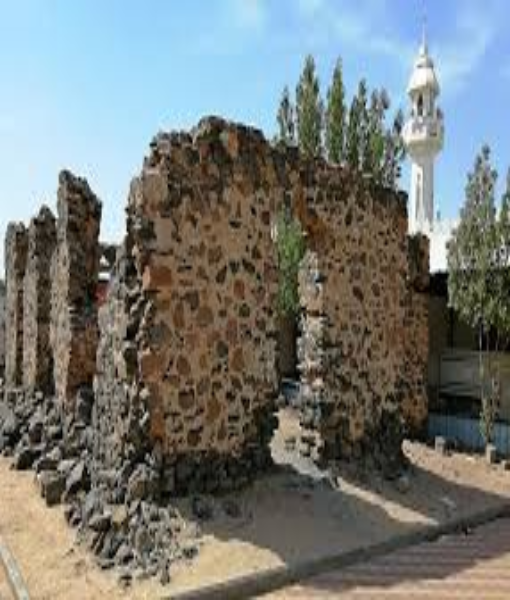
Souq al-Majaz holds profound significance as one of the three great pre-Islamic seasonal markets that dominated the Arabian Peninsula, alongside Okaz and Majannah. Its history is tightly interwoven with the most sacred of Islamic rituals, and its eventual role confirmed the final triumph of the monotheistic message over the commercialism of pagan Makkah.
Geography and Timing
Souq al-Majaz was geographically and chronologically the final major gathering before the tribes proceeded to Mina, Muzdalifah, and Arafat for the Hajj rituals.
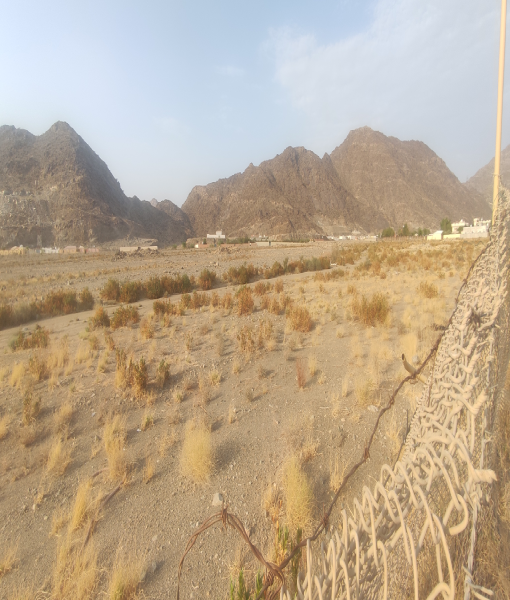
Location: It was situated near Mount Arafat, placing it extremely close to the ultimate spiritual center of the pilgrimage. This location naturally drew all tribes and pilgrims arriving for Hajj.
Timing: The market opened immediately after Souq Majannah concluded and operated for eight days, leading right up to the 8th of Dhu al-Hijjah (Yawm al-Tarwiyah), the day pilgrims proceed to Mina.
This strategic timing ensured that every major leader, merchant, and poet who had traveled to the Hijaz would be present at Souq al-Majaz, making it the most concentrated gathering of the Arabian Peninsula’s elite just days before the Hajj began.
The Prophet’s (S.A.W.) Unwavering Da’wah
Just as he used Souq Okaz, the Prophet Muhammad (S.A.W.) continued his practice of public preaching at Souq al-Majaz, especially during the difficult years when the Quraysh intensified their persecution and opposition in Makkah.
The Final Attempt: The market provided one of the last and largest opportunities for the Prophet (S.A.W.) to present the truth of Islam to the assembled tribes, many of whom were seeking a new faith or were disillusioned with the polytheism of the time. This was a critical stage in the Dawah, targeting those influential figures whose conversion would later lay the groundwork for the migration to Madinah and the formation of the Ummah.
Facing Opposition: The Prophet (S.A.W.) did this despite knowing his uncle, Abu Lahab, or other Makkans would follow him, mocking him and trying to warn the tribes away. His presence at Majaz, however, underscored the reality that the message of Allah (S.W.T.) could not be confined to the walls of a single city.
The perseverance of the Prophet (S.A.W.) at Majaz, where he focused on delivering the divine message rather than engaging in trade or literary contests, is a powerful lesson in dedication to mission over personal safety.
The Quranic Link
Souq al-Majaz is historically significant because it is directly linked to a specific verse in the Holy Quran that validates the pursuit of sustenance during pilgrimage.
In the early years of Islam, the newly converted Muslims, having spent their lives avoiding the greed and vanity of the Jahiliyyah markets, felt hesitant about engaging in trade during the pilgrimage season, believing it might diminish the spiritual reward.
It was in this context, mentioning the old marketplace names including Majaz, that the following verse was revealed:
“There is no blame upon you for seeking bounty from your Lord (by trading) during Hajj.” (Quran, Surah Al-Baqarah 2:198)
The Barakah of Livelihood: This verse, affirmed by Abdullah ibn Abbas (R.A.H.), provided crucial guidance, establishing the Barakah of a lawful livelihood (Halal) and clarifying that the pursuit of sustenance through trade is permissible, even while performing the most sacred rites.
Integration of Din and Dunya: Souq al-Majaz is therefore a monumental reminder that Islam does not separate the spiritual life (Din) from the economic life (Dunya). One can fulfill their religious duties while also providing for their families, so long as honesty and piety guide their transactions.
The Legacy of the Final Market
The historical significance of Souq al-Majaz declined rapidly after the advent of Islam. With the establishment of the Islamic state in Madinah and the clarity of the Shari’ah, permanent markets replaced the old seasonal gatherings. The Souq was eventually destroyed by Kharijites in the 8th century, marking the end of the ancient era of Arabian commerce.
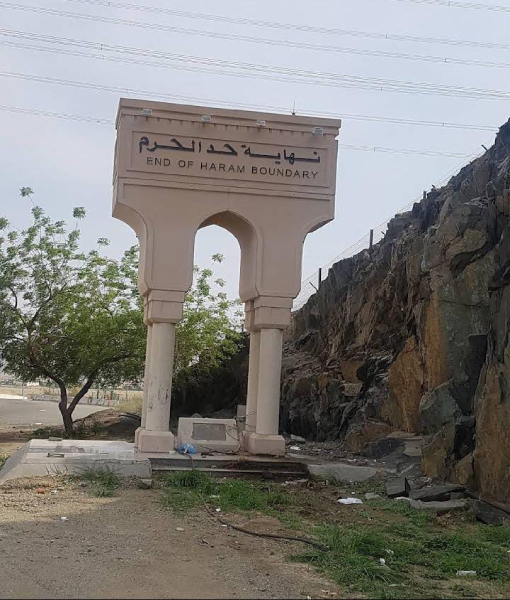
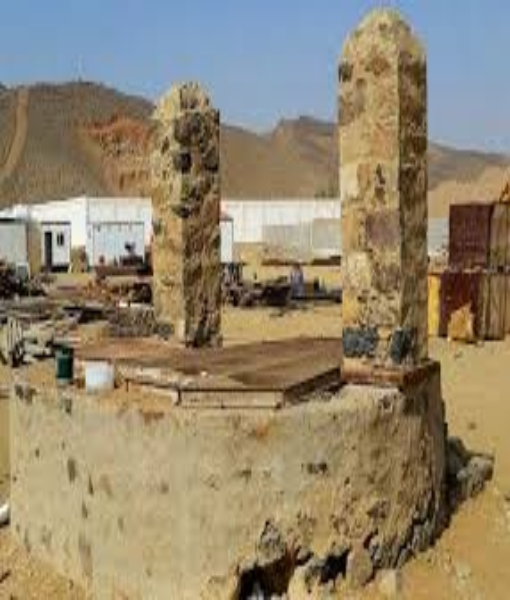
Today, the site stands as a subtle but important marker near the sacred perimeter of Makkah.
A Lesson in Ethics: Visiting the area of Souq al-Majaz is a call for the modern pilgrim, who lives in a world dominated by commerce, to remember the high standard of business ethics set by the Prophet (S.A.W.). It is a reminder to seek the ‘bounty of your Lord’ with honesty and integrity.
The Final Preparation: The timing of the ancient market—right before the pilgrims moved to Arafat—symbolizes the final preparation of the heart. Having engaged in the world (trade), the pilgrim must now cleanse their intention and enter the heightened spiritual focus necessary for Hajj.
Souq al-Majaz remains an enduring Ziyarat, commemorating the point where the concerns of the marketplace met the covenant of the Almighty, and where the Quran provided guidance to sanctify both our worship and our work.
Other Ziyarat You Should Know
MAK - 02
Ansab Al-Haram
MAK - 03
Souq al-Majaz
MAK - 04
Maqbara al-Shubaikah, Makkah
MAK - 05
Makkah Al-Mukarramah Library
MAK - 06
Masjid al-Shajarah
MAK - 07
Masjid al-Jinn
MAK - 08
Grave of Sayyeda Khadija (r.a.)
MAK - 09
Masjid al-Ijabah
MAK - 10
Bir Tuwaa
MAK - 11
Masjid al-Bayah or Masjid al-Uqbah
MAK - 12
Masjid al-Kheif - Mina
MAK - 13
Masjid al-Kabasha
MAK - 14
Masjid al-Namirah
MAK - 15
Jabal al-Rahmah Arafat
MAK - 16
Masjid Taneem (Masjid Sayyeda Aisha)
MAK - 17
Masjid al-Jiranah
MAK - 18
Inscriptions in Wadi al Usaylah
MAK - 19
Masjid Hudaybiah
MAK - 20
Well of Hudaybiah
MAK - 21
Exhibition of the Two Holy Masjid Architecture
MAK - 22
Grave of Umm al-Mumineen Sayyeda Maymunah (R.A)
MAK - 23
Masjid al-Fath - Al-Jumum
When nothing prevents our to we like best, every pleasure to be.