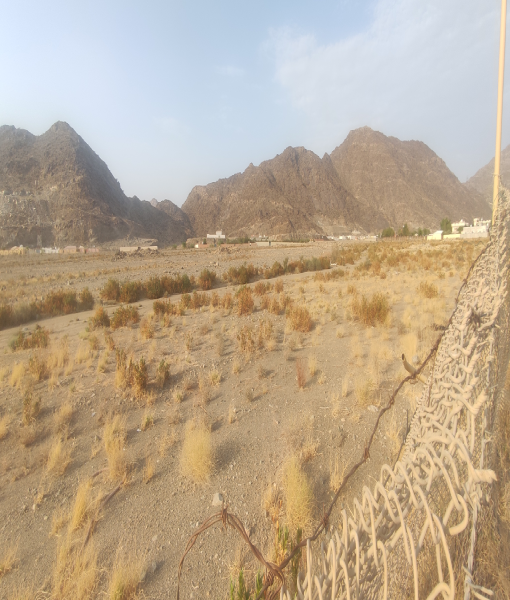
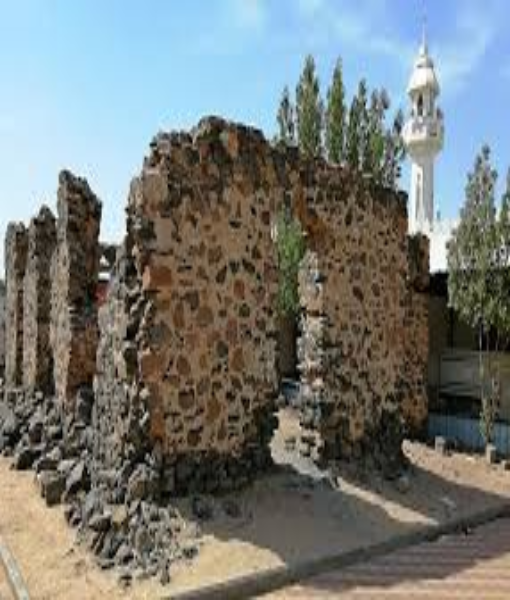
Wadi al-Usaylah (وادي العسيلة) Wadi al-Usaylah stands as a quiet, powerful contrast to the grand mosque designs of later eras. It is the original, raw proof of the commitment to Islam, where the message received in the House of Khadijah (R.A.) was immediately inscribed onto the stone landscape surrounding the sacred city.
The Dawn of Islamic Epigraphy
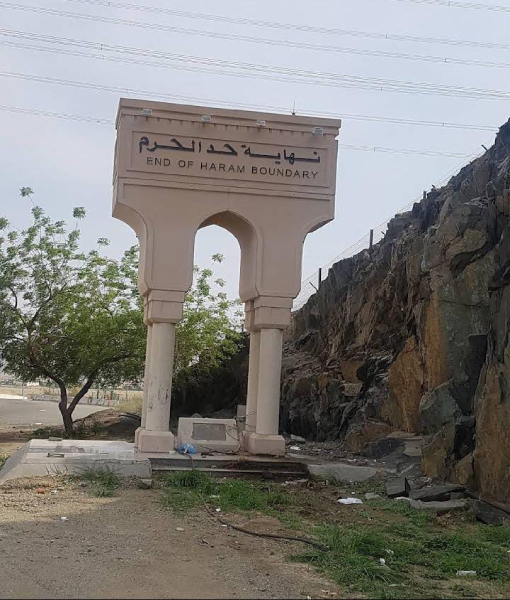
Wadi al-Usaylah (وادي العسيلة), located northeast of Makkah near the road to Al-Ji’ranah, was historically situated along a key pilgrimage and trade route, particularly the path used by caravans coming from Iraq.
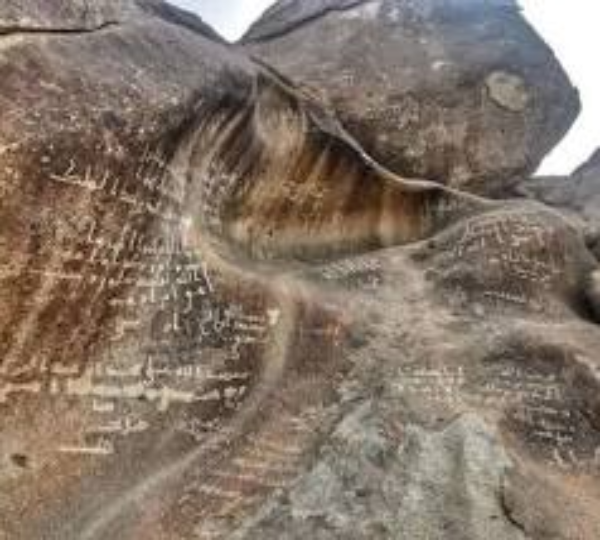
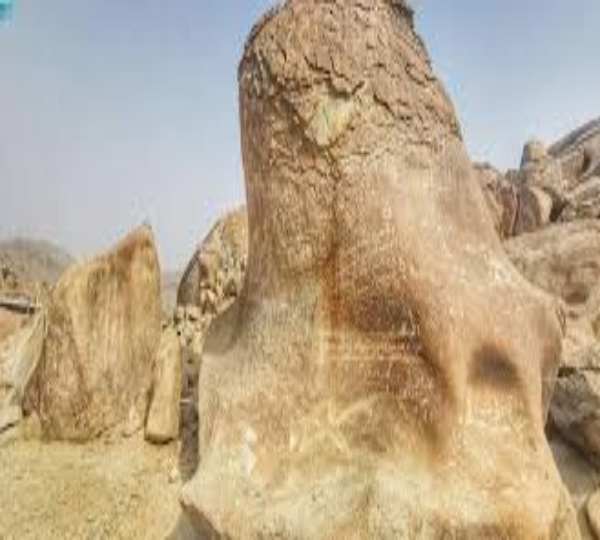
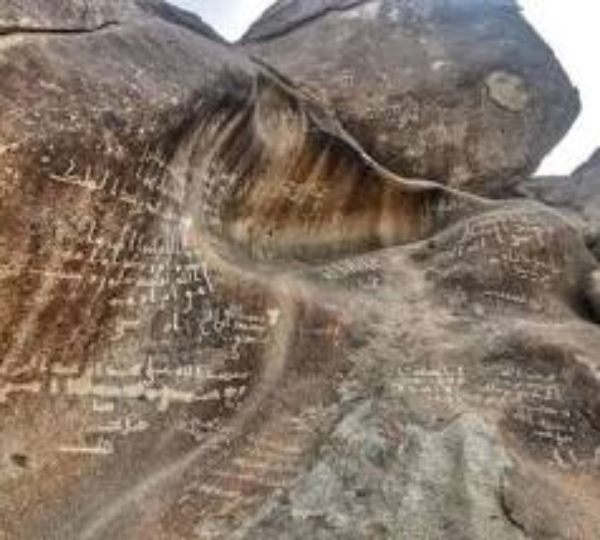
Early Islamic Writing: This valley and the surrounding mountains, like the Al-Wajrah Mountains, are rich in early Arabic inscriptions dating back to the first and second centuries of the Hijri calendar (7th and 8th centuries CE). These writings are crucial to understanding the rapid spread of Islamic piety and the evolution of the Arabic script.
The Content of Conviction: Unlike the pre-Islamic rock art (which often depicted animals or tribal symbols), the inscriptions in Wadi al-Usaylah contain simple, powerful statements of faith: the Shahada (testimony of faith), short Quranic verses, supplications asking for forgiveness and paradise, and the names of the individuals who carved them.
Direct Proof of Faith: These inscriptions provide compelling historical evidence of how deep and immediate the conversion to Islam was. The common people—travelers, pilgrims, and residents—were so committed to their new faith that they felt compelled to leave a permanent, personal declaration of their belief on the rugged landscape.
The Barakah of Trust and Testimony
The inscriptions found in Wadi al-Usaylah often contain verses from the Quran that speak directly to trust and reliance upon Allah (S.W.T.), such as: “Whomsoever places their trust in God, He will suffice them.” (Quran 65:3).
The Personal Covenant: These were not monumental, state-sponsored inscriptions like the one found on Muawiyah Dam; rather, they were personal acts of devotion. They are the individual, heartfelt testimonies of people who witnessed the rise of Islam—people who knew the Prophet (S.A.W.) or were taught by his immediate companions.
Tracing the First Generation: Research has uncovered inscriptions bearing the names of early Muslim figures or those of the first century, providing a tangible link to the successors who continued the mission. This silent valley is a repository of the names of those who carried the message from Makkah to the wider world.
A Reminder to the Traveler: Given its location on a pilgrimage route, the inscriptions served as spiritual waymarkers. They were prayers for safety and reminders for travelers to maintain their faith and purity while enduring the physical hardships of the journey. The landscape itself preached the message of Islam.
The Lesson of Sincerity
Wadi al-Usaylah offers a profound Ziyarat experience that shifts the focus from grand buildings to individual sincerity:
Simplicity of Devotion: The Ziyarat encourages the pilgrim to reflect on the simple yet profound sincerity of the early Muslims. They carved their faith into stone, not for fame, but as a permanent, honest witness between themselves and their Creator.
The Barakah of the Word: This site reminds us that the words of the Quran, which the Prophet (S.A.W.) brought forth, hold such powerful Barakah that they transform both the human heart and the physical world. The inscriptions are the direct literary fruit of the revelation.
Personalizing the Faith: Visiting Wadi al-Usaylah is a call for the modern pilgrim to personalize their own faith journey, making a silent, sincere commitment to their creator that is as enduring as the stone they stand on.
Wadi al-Usaylah is Makkah’s unique historical library—a valley where the very mountains bear witness to the foundational sincerity and unshakeable conviction of the first generations of Islam.
Other Ziyarat You Should Know
MAK - 02
Ansab Al-Haram
MAK - 03
Souq al-Majaz
MAK - 04
Maqbara al-Shubaikah, Makkah
MAK - 05
Makkah Al-Mukarramah Library
MAK - 06
Masjid al-Shajarah
MAK - 07
Masjid al-Jinn
MAK - 08
Grave of Sayyeda Khadija (r.a.)
MAK - 09
Masjid al-Ijabah
MAK - 10
Bir Tuwaa
MAK - 11
Masjid al-Bayah or Masjid al-Uqbah
MAK - 12
Masjid al-Kheif - Mina
MAK - 13
Masjid al-Kabasha
MAK - 14
Masjid al-Namirah
MAK - 15
Jabal al-Rahmah Arafat
MAK - 16
Masjid Taneem (Masjid Sayyeda Aisha)
MAK - 17
Masjid al-Jiranah
MAK - 19
Masjid Hudaybiah
MAK - 20
Well of Hudaybiah
MAK - 21
Exhibition of the Two Holy Masjid Architecture
MAK - 22
Grave of Umm al-Mumineen Sayyeda Maymunah (R.A)
MAK - 23
Masjid al-Fath - Al-Jumum
When nothing prevents our to we like best, every pleasure to be.