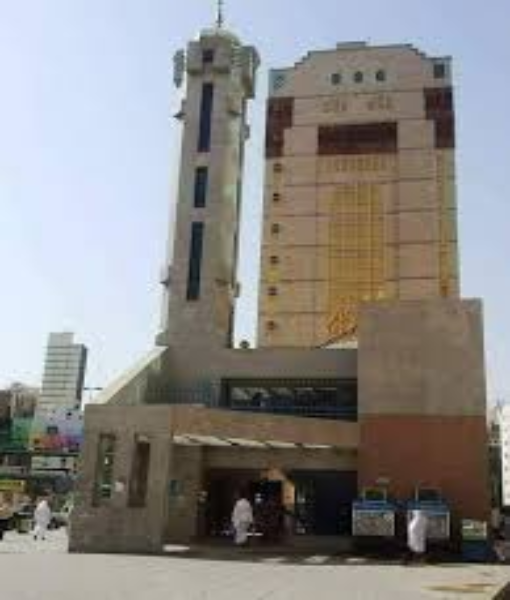
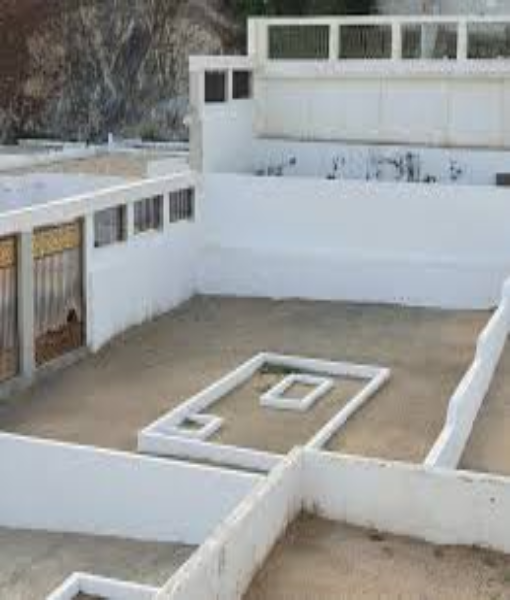
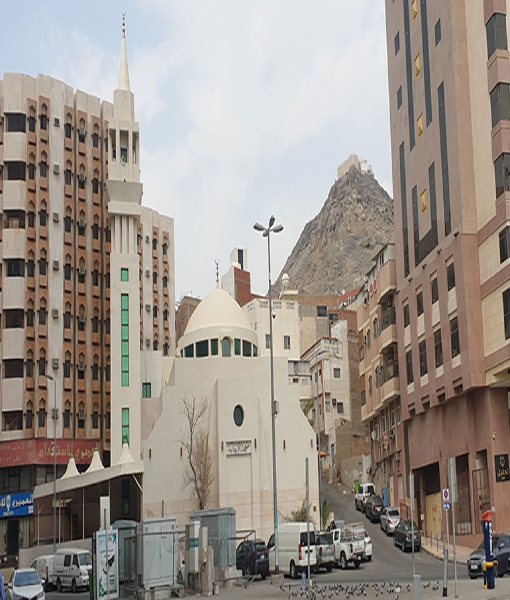
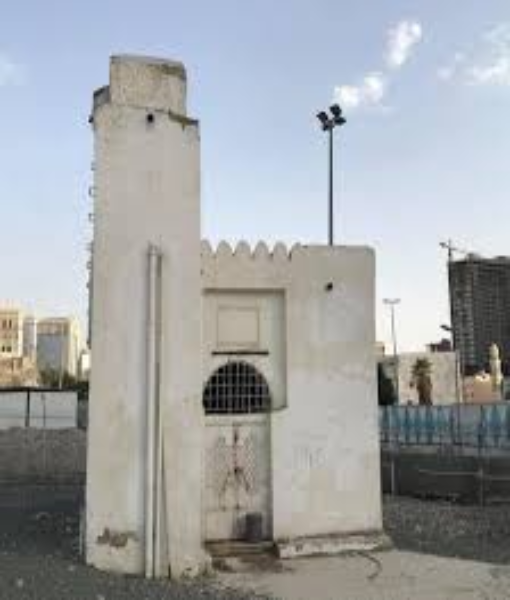
Sayyidah Maymunah (R.A.) was the last woman the Prophet (S.A.W.) married and is revered by the Ummah as a Mother of the Believers, known for her piety, kindness, and devotion. Visiting her grave is a pilgrimage to honor her legacy of sincere worship and simplicity.
Marriage and Martyrdom
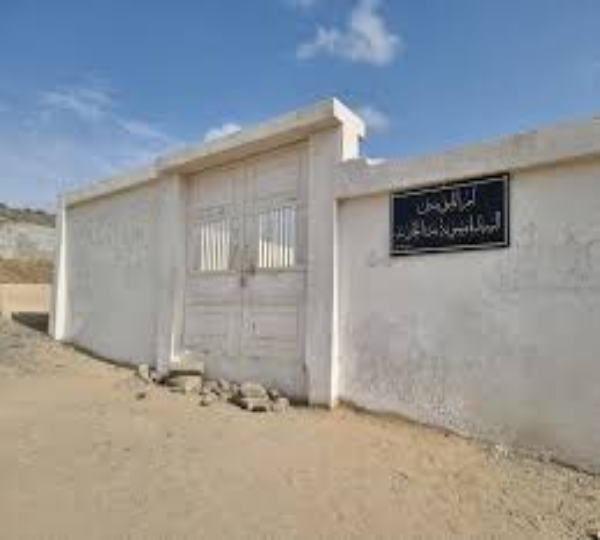
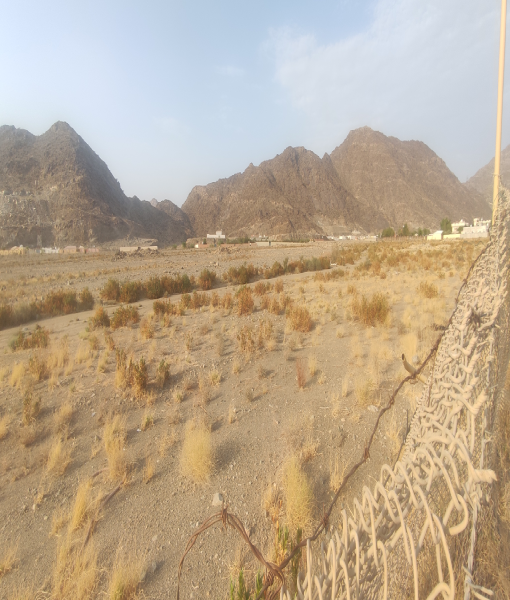
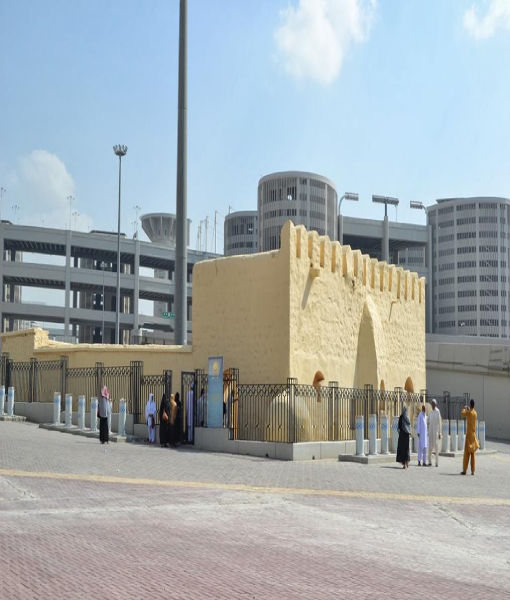
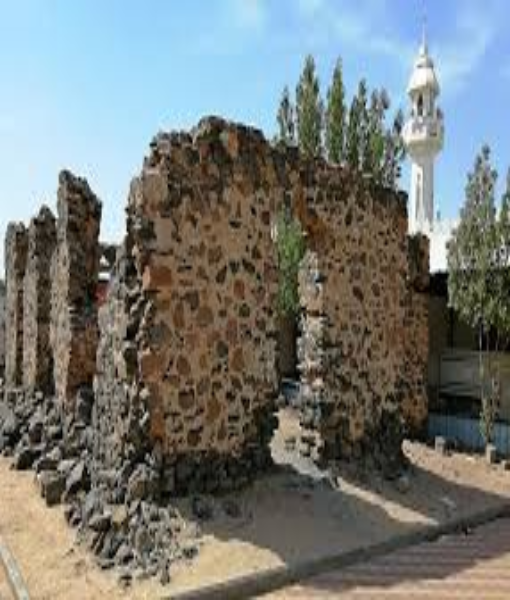
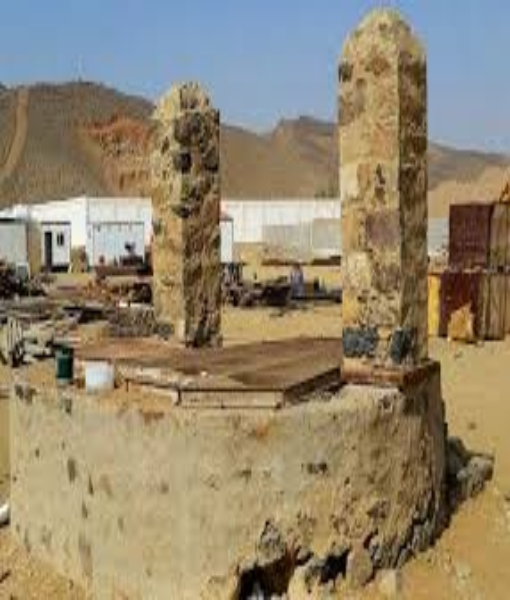
The grave of Sayyidah Maymunah (R.A.) is situated in Sarif, a small town approximately 20 kilometers from Makkah on the old road leading towards Madinah. The history of this location is deeply tied to her life:
The Blessed Wedding (7 AH)
The marriage of the Prophet (S.A.W.) to Sayyidah Maymunah (R.A.) took place during a very significant time—the year of the Umrah al-Qada (The Fulfilled Umrah), which followed the Treaty of Hudaybiyah.
A Strategic and Spiritual Union: The marriage was solemnized at Sarif, just after the Prophet (S.A.W.) and his companions had exited the state of Ihram. This union was important for Islam as it strengthened ties with several influential Makkan families and tribes who were Maymunah’s relatives, contributing to the eventual peaceful opening of Makkah.
A Name of Barakah: Her original name was Barrah, which the Prophet (S.A.W.) graciously changed to Maymunah, meaning “The Blessed One” or “Good Tidings,” recognizing the blessing that she and this marriage brought to the Muslim community.
The Final Farewell
Decades later, after the Prophet (S.A.W.) had passed away, Maymunah (R.A.) continued to live a life devoted to worship, known for her piety and commitment to kinship.
A Final Wish: She outlived all of the Prophet’s (S.A.W.) other wives and, sensing her death was near, she requested to be taken to Sarif—the exact place where she had entered her sacred union with the Prophet (S.A.W.).
The Final Resting Place: She passed away in Sarif in 51 AH (or 61 AH, according to other reports) and was buried there. This extraordinary coincidence—being married and later buried in the same location—underscores the spiritual destiny attached to this ground. Her grave was located beneath the shade of the very tree (or near it) where the marriage had been solemnized.
The Barakah of Humility and Devotion
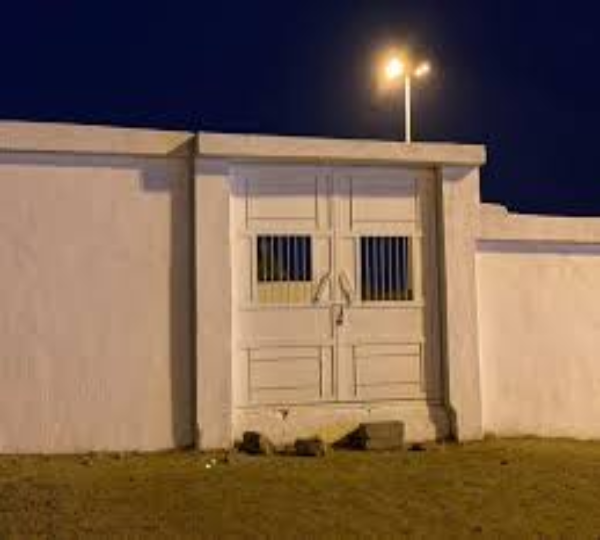
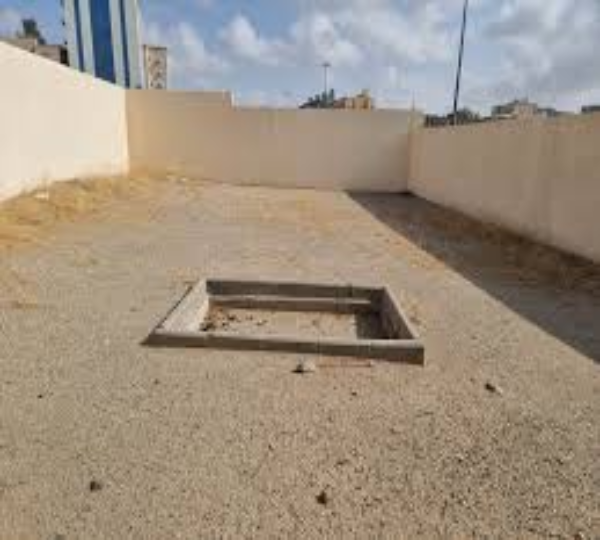
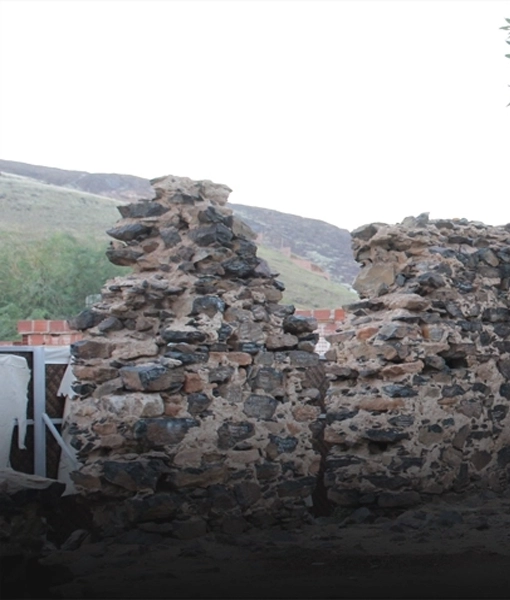
Like the grave of Sayyidah Khadijah (R.A.) in Jannat al-Mu’alla, the grave of Sayyidah Maymunah (R.A.) is simple, stripped of the adornments that existed in previous centuries. This stark simplicity reinforces the core values of her life and the faith:
Piety and Charity: Sayyidah Maymunah (R.A.) was known for being exceptionally charitable and pious, earning the praise of the Mother of the Believers, Aisha (R.A.), who said, “Maymunah was the most pious, and the most mindful of her kith and kin, among the Prophet’s wives.”
A Life of Worship: She spent much of her life fasting and standing in prayer (Salah). Her legacy, preserved at Sarif, teaches the Ummah about the Barakah of consistent, humble devotion, regardless of one’s external status.
Seeking the Blessed End
Visiting the grave of Sayyidah Maymunah (R.A.) is a Ziyarat that connects the pilgrim to the continuous tradition of piety established in the Prophet’s (S.A.W.) household.
A Lesson in Acceptance: The unique story of her grave encourages reflection on acceptance of Allah’s (S.W.T.) will. Her decision to return to Sarif for her final moments demonstrates her contentment and her desire to return to Allah (S.W.T.) from the very place where her life of spiritual distinction began.
The Sunnah of Ziyarat: Pilgrims visit to offer Salām and Dua for her soul, following the Sunnah of honoring the deceased. It is a moment to pray for a blessed end and for the strength to maintain devotion throughout life, just as Sayyidah Maymunah (R.A.) exemplified.
The Grave of Sayyidah Maymunah (R.A.) in Sarif is a deeply moving sanctuary that honors the last wife of the Prophet (S.A.W.) and serves as an eternal testament to the quiet dignity and profound devotion of the Mothers of the Believers.
Other Ziyarat You Should Know
MAK - 02
Ansab Al-Haram
MAK - 03
Souq al-Majaz
MAK - 04
Maqbara al-Shubaikah, Makkah
MAK - 05
Makkah Al-Mukarramah Library
MAK - 06
Masjid al-Shajarah
MAK - 07
Masjid al-Jinn
MAK - 08
Grave of Sayyeda Khadija (r.a.)
MAK - 09
Masjid al-Ijabah
MAK - 10
Bir Tuwaa
MAK - 11
Masjid al-Bayah or Masjid al-Uqbah
MAK - 12
Masjid al-Kheif - Mina
MAK - 13
Masjid al-Kabasha
MAK - 14
Masjid al-Namirah
MAK - 15
Jabal al-Rahmah Arafat
MAK - 16
Masjid Taneem (Masjid Sayyeda Aisha)
MAK - 17
Masjid al-Jiranah
MAK - 18
Inscriptions in Wadi al Usaylah
MAK - 19
Masjid Hudaybiah
MAK - 20
Well of Hudaybiah
MAK - 21
Exhibition of the Two Holy Masjid Architecture
MAK - 23
Masjid al-Fath - Al-Jumum
When nothing prevents our to we like best, every pleasure to be.