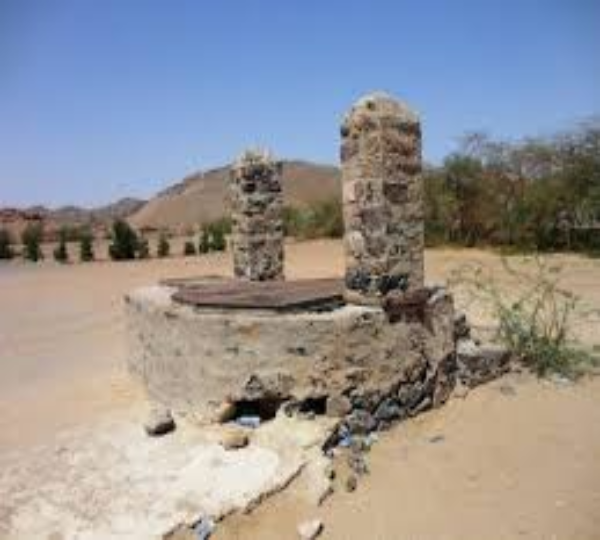
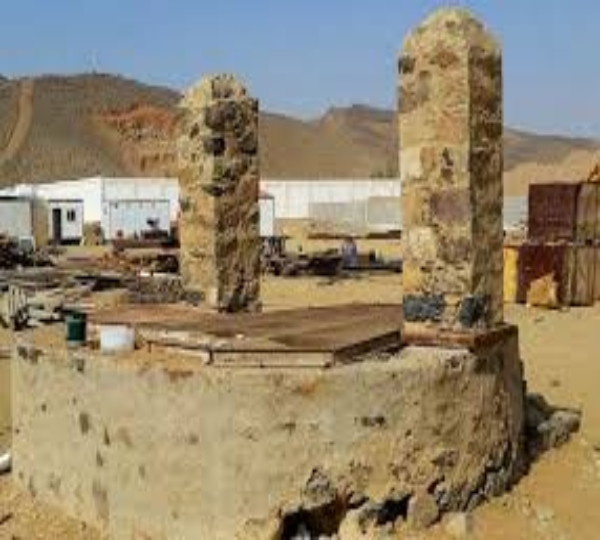
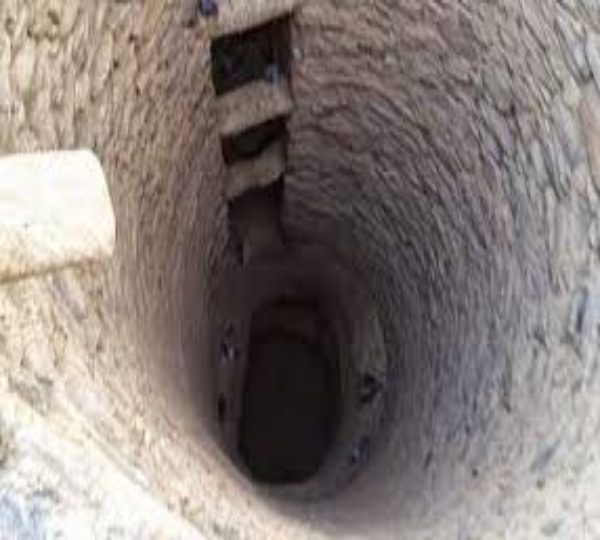
Well of Hudaybiyah (بئر الحديبية) he story of the well is deeply intertwined with the signing of the Treaty of Hudaybiyah, an event that taught the Ummah the value of patience and peace. However, before the pen could meet the parchment, the sheer survival of the Muslim army depended on water—a necessity that only a Prophet’s miracle could supply.
The Crisis of Thirst and Depletion
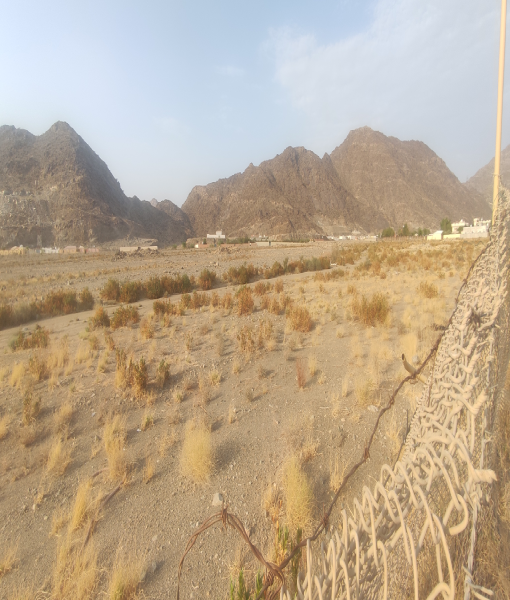
In 6 AH (628 CE), the Prophet Muhammad (S.A.W.) and a large contingent of companions—numbering around 1,400 to 1,500—set out from Madinah to perform Umrah. They were stopped by the Quraysh near Hudaybiyah, forcing them to encamp in an area that was dry and ill-equipped to support such a large gathering of people and animals.
The Scarcity: The only available well at the site, which also bore the name Hudaybiyah, was shallow and had little water to begin with. With hundreds of men and their mounts relying on it, the well quickly ran dry, leaving the entire army facing the imminent threat of thirst and dehydration—a crisis that could have forced them to surrender or retreat.
The Appeal: The Companions, desperate for water for ablution (Wudu) and drinking, approached the Prophet (S.A.W.) to inform him that they had nothing left.
The Miracle: Two Sources of Gushing Water
The desperation of the Companions was met by two separate, well-documented miracles, showing the immense Barakah inherent in the Prophet’s (S.A.W.) blessed hands:
The Blessing of the Vessel
The most widely narrated miracle of water at Hudaybiyah occurred when the Prophet (S.A.W.) had a small amount of water remaining in a bucket or pot.
The Prophetic Hand: He placed his blessed hand inside the small container.
The Divine Fountain: The Companion Jabir ibn Abdullah (R.A.) narrated that water immediately began to gush forth from the Prophet’s (S.A.W.) fingers like bubbling springs.
Sufficiency for Thousands: Jabir (R.A.) was later asked how many people drank and performed Wudu from that small container. He replied: “We were fifteen hundred, and had we been a hundred thousand, it would have been sufficient for us.”
This miracle affirmed Allah’s (S.W.T.) immediate provision, ensuring the physical and ritual purity of the entire army.
The Revived Well
In another narration, when the well itself was dry, the Prophet (S.A.W.) came to the edge of it. He asked for some water from the small container he had, rinsed his mouth with it, and then threw the water back into the dry well. Immediately after this act, the water level in the well began to rise and gush forth, providing an abundant supply that lasted for the remainder of their stay.
The Barakah of Sustenance and Certainty
The Well of Hudaybiyah is a core Ziyarat that stands as a tangible lesson in divine provision, connecting the themes of water we observed in Madinah (like Bir Tuwa and Bir Rawha) to the critical political events of Makkah.
Assurance of Prophethood: The miracle confirmed to the Muslims—who were disheartened by the treaty’s difficult terms—that they were under the protection of a true Messenger (S.A.W.). This divine intervention was a prerequisite for their courageous oath (Bay’at al-Ridwan) to remain loyal.
Divine Provision: It teaches the Ummah that in times of scarcity, crisis, and political duress, sustenance is entirely in the hands of Allah (S.W.T.). The physical water sustained their bodies, and the miracle sustained their faith.
The Source of Peace: By providing water, Allah (S.W.T.) removed the single most pressing need that could have forced the Muslims into a desperate fight or retreat, allowing the Prophet (S.A.W.) the space and calm necessary to negotiate the complex peace treaty that eventually led to the Conquest of Makkah.
Trust in Allah
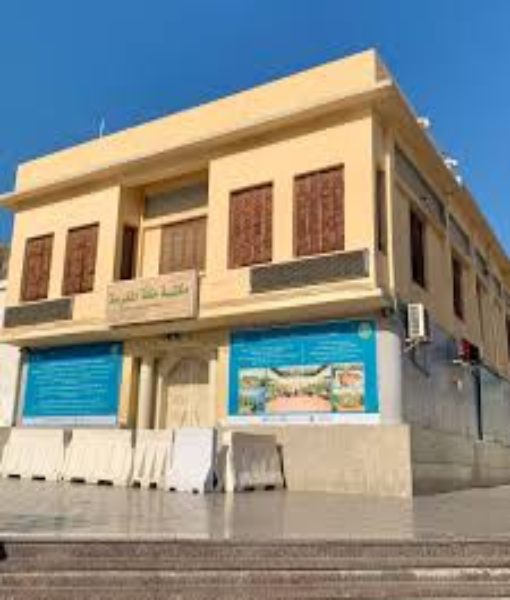
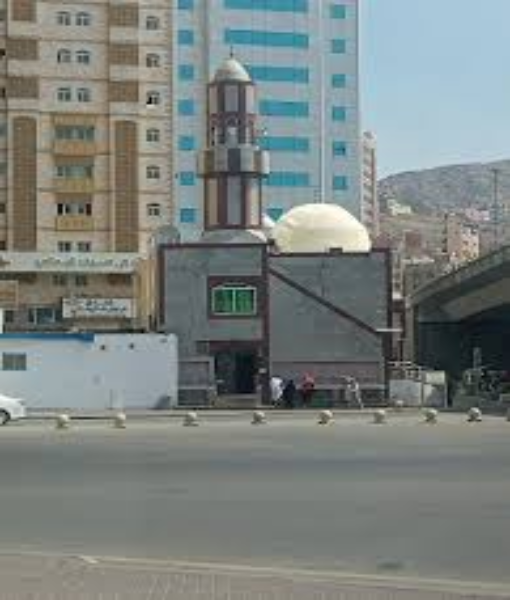
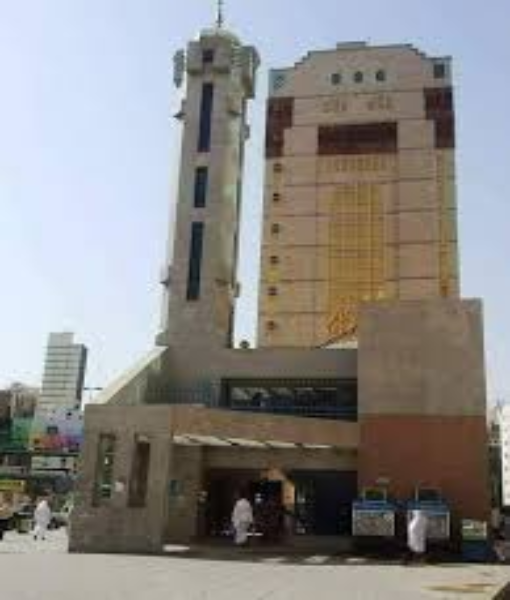
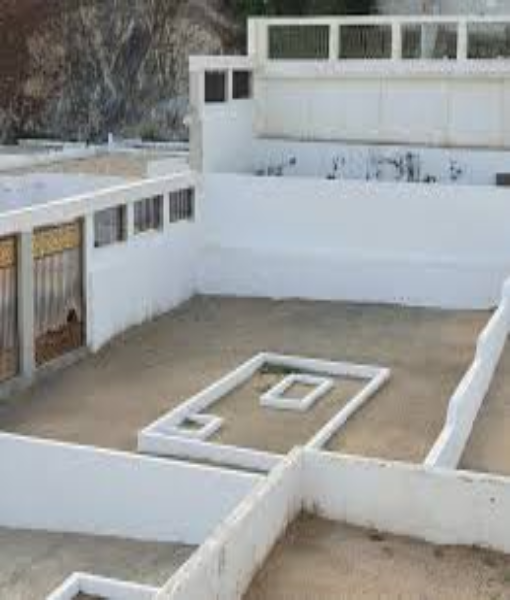
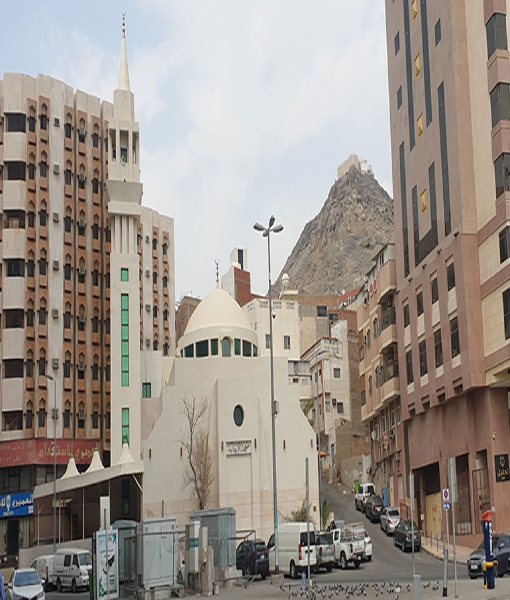
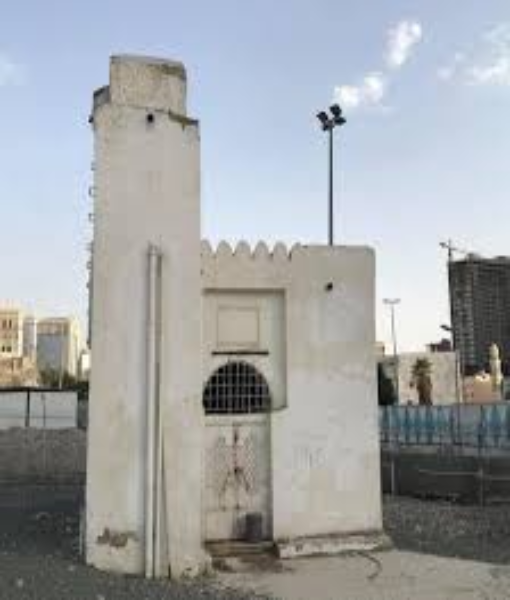
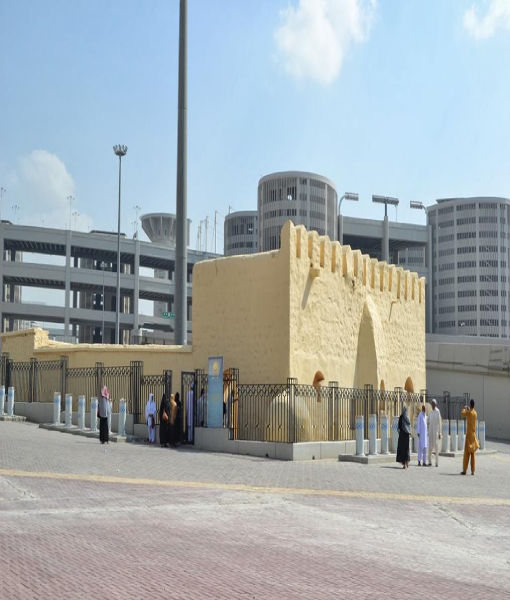
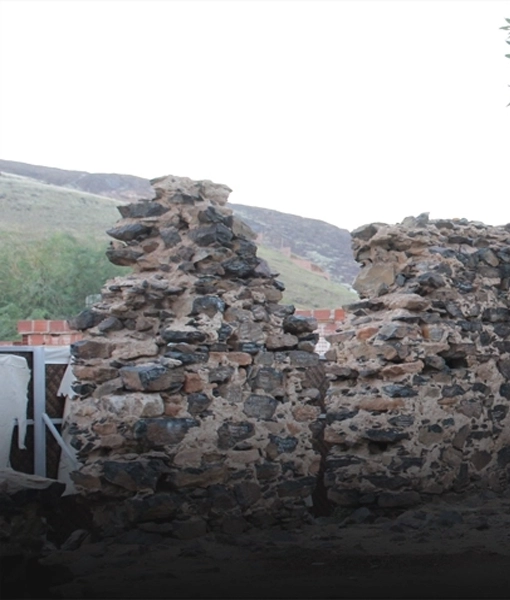
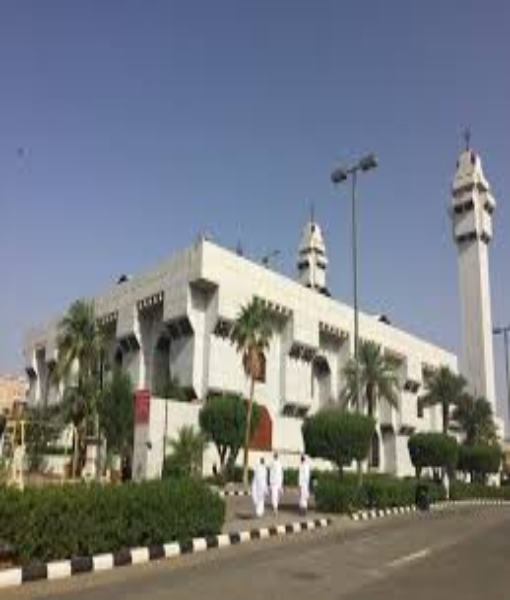
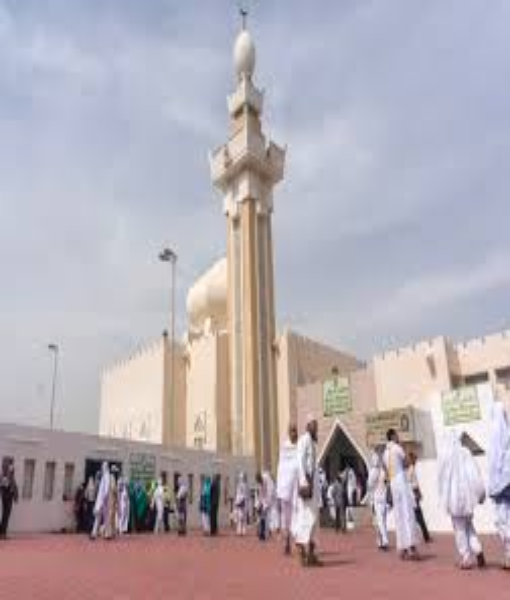
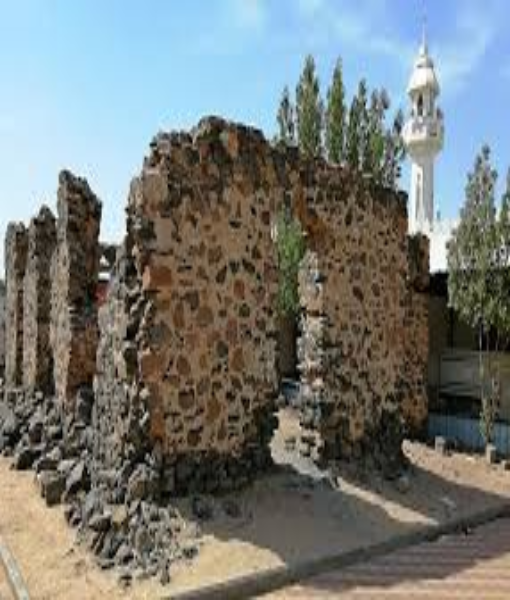
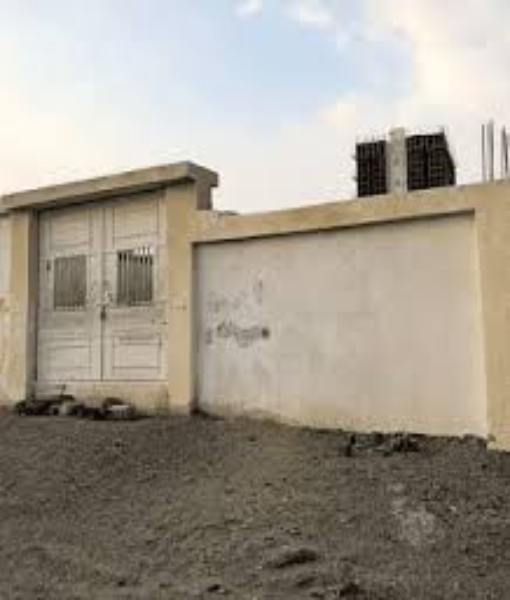
Today, the Well of Hudaybiyah is enclosed, its historical significance carefully marked and maintained near the modern Miqat mosque (Masjid al-Hudaybiyah / Shumaisi).
A Place of Reliance: A Ziyarat here is a powerful call to Tawakkul (complete reliance on Allah). The pilgrim is reminded that no matter how difficult their circumstances, provision and protection will flow from Allah (S.W.T.) when the heart is pure and the intention is sincere.
Honoring the Past: This site preserves the memory of the immense logistical challenge faced by the first generation, allowing the pilgrim to honor the Prophet’s (S.A.W.) Barakah and the resilience of the Companions who drank from the water gushing between his fingers.
The Well of Hudaybiyah remains Makkah’s everlasting spring of testimony—a silent, powerful witness to the Barakah that accompanies truth, peace, and unwavering trust in Allah (S.W.T.).
Other Ziyarat You Should Know
MAK - 02
Ansab Al-Haram
MAK - 03
Souq al-Majaz
MAK - 04
Maqbara al-Shubaikah, Makkah
MAK - 05
Makkah Al-Mukarramah Library
MAK - 06
Masjid al-Shajarah
MAK - 07
Masjid al-Jinn
MAK - 08
Grave of Sayyeda Khadija (r.a.)
MAK - 09
Masjid al-Ijabah
MAK - 10
Bir Tuwaa
MAK - 11
Masjid al-Bayah or Masjid al-Uqbah
MAK - 12
Masjid al-Kheif - Mina
MAK - 13
Masjid al-Kabasha
MAK - 14
Masjid al-Namirah
MAK - 15
Jabal al-Rahmah Arafat
MAK - 16
Masjid Taneem (Masjid Sayyeda Aisha)
MAK - 17
Masjid al-Jiranah
MAK - 18
Inscriptions in Wadi al Usaylah
MAK - 19
Masjid Hudaybiah
MAK - 21
Exhibition of the Two Holy Masjid Architecture
MAK - 22
Grave of Umm al-Mumineen Sayyeda Maymunah (R.A)
MAK - 23
Masjid al-Fath - Al-Jumum
When nothing prevents our to we like best, every pleasure to be.