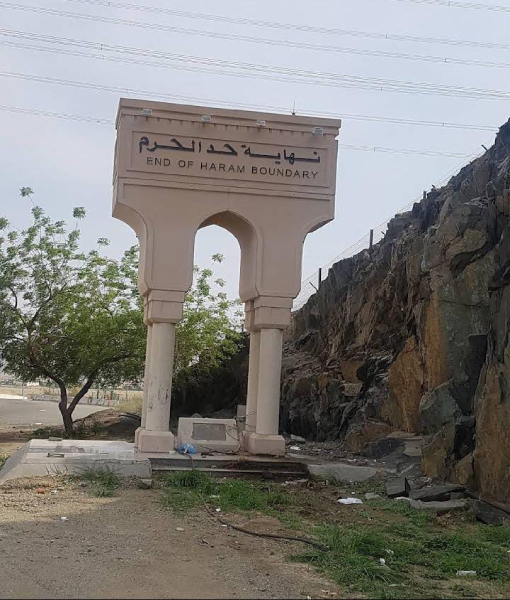
Ansab al-Haram are not ancient ruins to be visited, but living, permanent boundary markers that delineate the limits of the Haram—the Sacred Sanctuary—a consecrated zone around Makkah that predates Islam and holds specific divine laws. For every pilgrim, understanding these pillars is foundational to performing the rites of Hajj and Umrah correctly and maintaining the heightened state of reverence required in this blessed land.
A Boundary Set by Ibrahim (A.S.) and Affirmed by the Prophet (S.A.W.)
The sanctity of the Haram area is one of the deepest truths of the Islamic faith, rooted in the legacy of Prophet Ibrahim (A.S.):
Divine Designation: The area was designated a Sanctuary by Allah (S.W.T.) long ago. It is narrated that Prophet Ibrahim (A.S.), with the guidance of the Angel Jibril (A.S.), was the first to physically mark the boundaries of the Haram around the Ka’bah.
Prophetic Affirmation: The Prophet Muhammad (S.A.W.), upon the Conquest of Makkah, affirmed and renewed these ancient boundaries. He commissioned companions, such as Tamim ibn Usayd al-Khuzā’ī (R.A.), to restore and clarify the Ansab (markers), ensuring the integrity of the sacred perimeter was preserved for the Ummah.
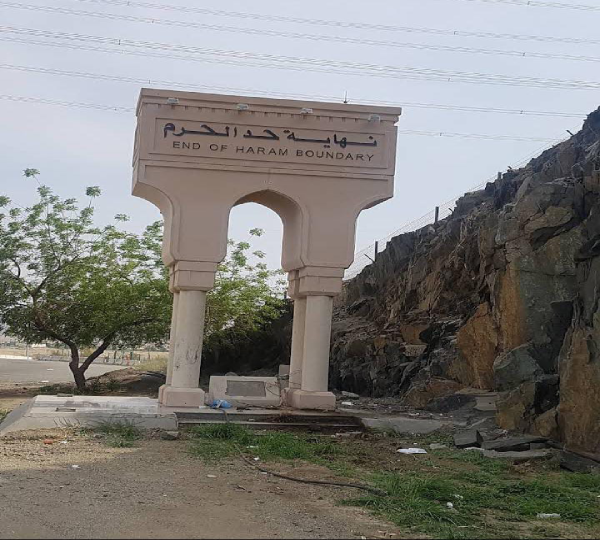
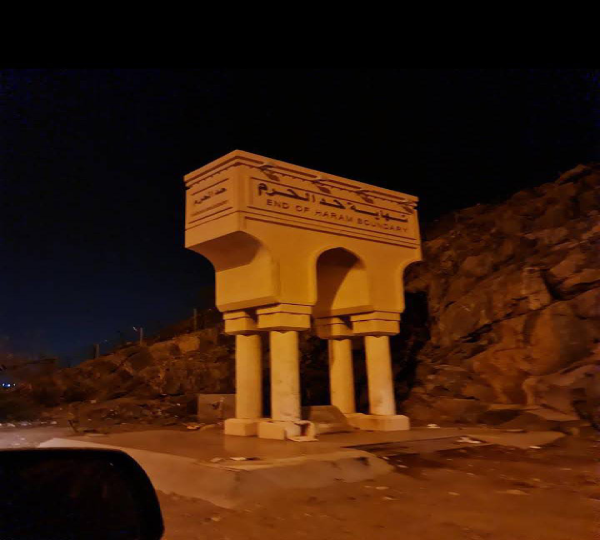
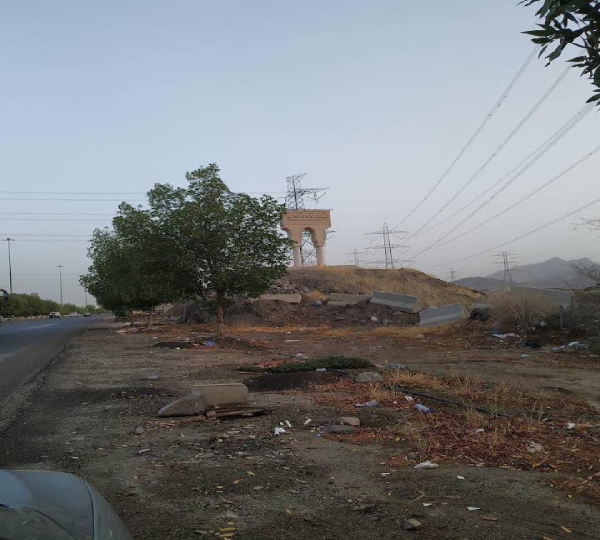
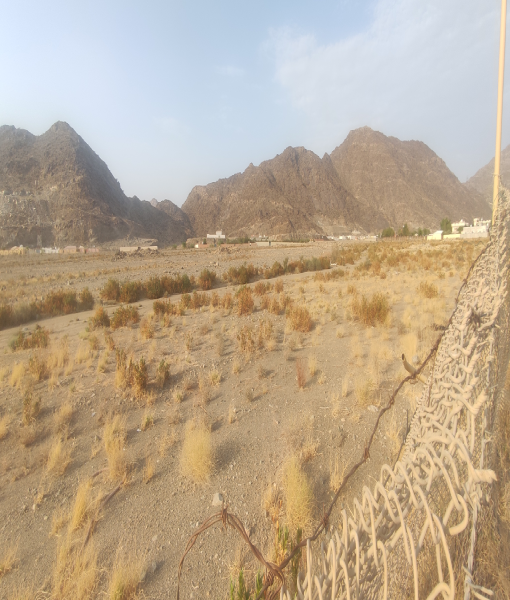
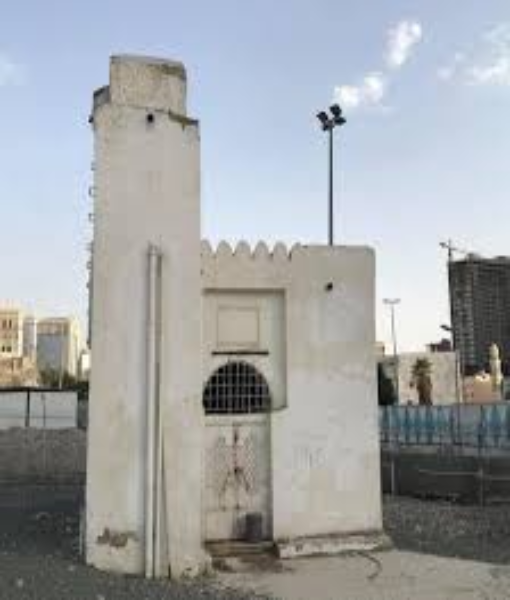
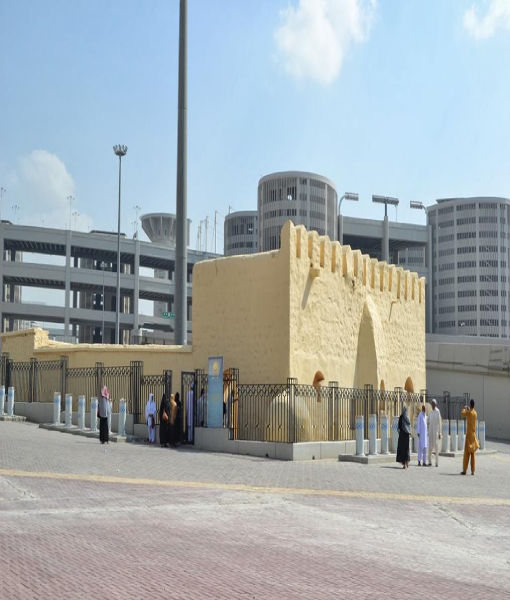
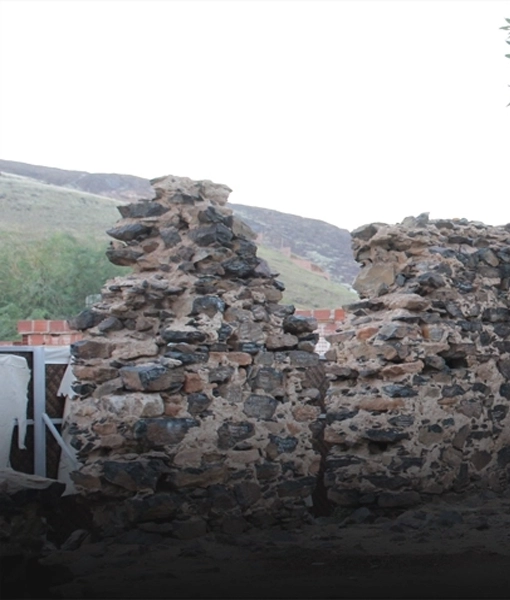
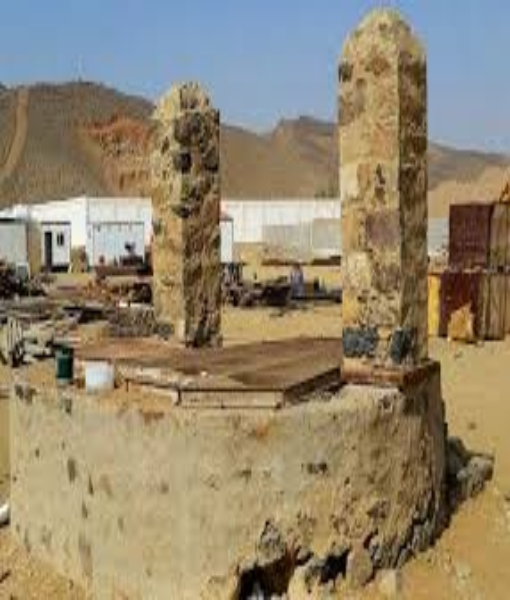
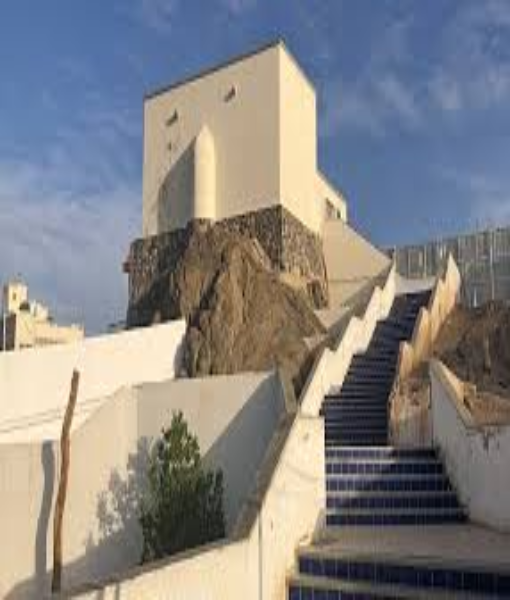
The Pillars (Ansab): The Ansab al-Haram are the thousands of stone pillars, arches, and signs that today mark the boundary of this zone on every major road leading into Makkah. They are typically placed on mountains and high points so that they can be clearly seen.
The distances of the Haram boundary vary in different directions, ranging from approximately 3 to 18 kilometers from the Ka’bah, making it distinct from the city’s municipal limits
The Law of the Sanctuary
The entire zone contained within the Ansab al-Haram is subject to unique Shari’ah rulings that reinforce its status as a place of absolute peace and reverence:
Prohibition and Protection
The laws within the Haram area emphasize non-violence, purity, and environmental protection, a practice that highlights the Barakah of safety and sanctity:
Hunting is forbidden: It is unlawful to hunt wild animals, disturb nests, or frighten any creature within this zone.
Vegetation is protected: Cutting down or damaging trees, shrubs, or plants is strictly prohibited (with minor exceptions for certain types of dry grass).
Violence is prohibited: Carrying weapons or initiating fights is completely forbidden, making the Haram the ultimate sanctuary where all life and property are safe.
The Barakah of Reward
The Haram area is blessed with an immense spiritual multiplier. The Prophet (S.A.W.) said:
“Prayer in my Masjid (in Madinah) is better than a thousand prayers offered anywhere else, except the Masjid al-Ḥaram (in Makkah), and prayer in the Masjid al-Ḥaram is better than one hundred thousand prayers offered anywhere else.” (Narrated by Ibn Majah)
This astronomical multiplication of reward applies not just to the Ka’bah area, but to the entire zone contained within the Ansab al-Haram. Every act of worship, charity, or remembrance performed inside this boundary receives this incredible divine blessing.
Ihram and Veneration
For the pilgrim, the Ansab al-Haram are practical markers of immense consequence:
The Second Umrah: While the main Miqat points (like Dhul Hulayfah or Qarn al-Manāzil) are the outer boundaries for pilgrims entering for the first time, the Ansab al-Haram markers are crucial for those already residing in Makkah who wish to perform an extra Umrah. They must exit the Haram boundary to enter the state of Ihram (usually at Masjid ‘Aishah at At-Tan’eem, one of the boundary points) before reentering to perform the rites.
The Veneration: Seeing the towering columns and arches that mark the Ansab al-Haram is a moment of deep spiritual recognition. The pilgrim recognizes that they are now entering a sacred covenant with Allah (S.W.T.), moving from the ordinary world into a divinely consecrated zone of heightened accountability and amplified reward.
The Ansab al-Haram stand today as powerful, visible symbols of the Barakah and laws established since the time of Prophet Ibrahim (A.S.). They remind the Umrah Plus pilgrim that the journey to Makkah is a passage into a unique, sacred territory where every breath, every glance, and every intention is counted manifold by Allah (S.W.T.), making the adherence to its sacred laws the highest form of worship.
Other Ziyarat You Should Know
MAK - 02
Ansab Al-Haram
MAK - 03
Souq al-Majaz
MAK - 04
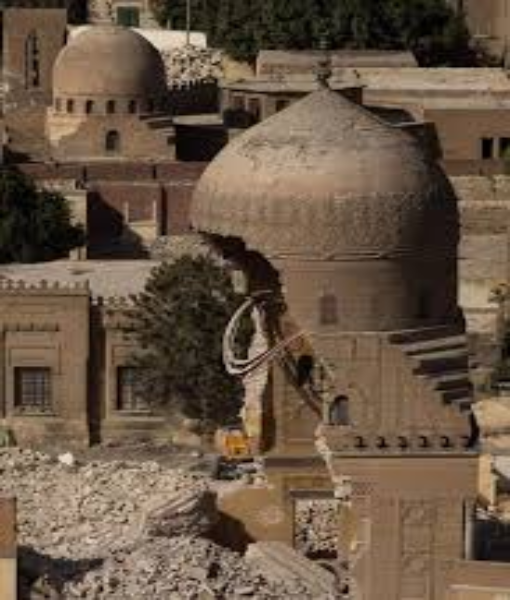
Maqbara al-Shubaikah, Makkah
MAK - 05
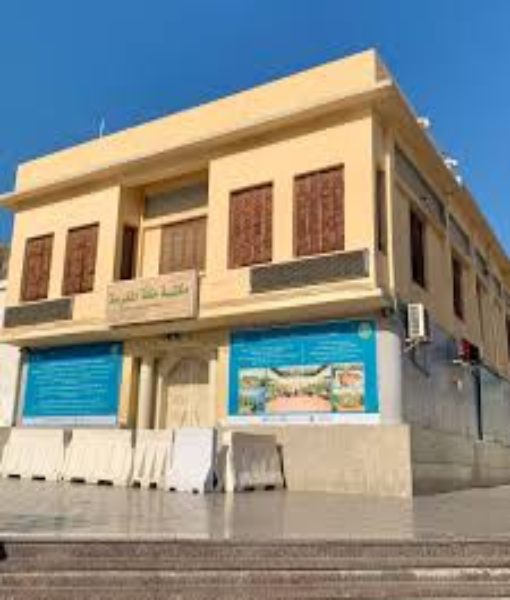
Makkah Al-Mukarramah Library
MAK - 06
Masjid al-Shajarah
MAK - 07
Masjid al-Jinn
MAK - 08
Grave of Sayyeda Khadija (r.a.)
MAK - 09
Masjid al-Ijabah
MAK - 10
Bir Tuwaa
MAK - 11
Masjid al-Bayah or Masjid al-Uqbah
MAK - 12
Masjid al-Kheif - Mina
MAK - 13
Masjid al-Kabasha
MAK - 14
Masjid al-Namirah
MAK - 15
Jabal al-Rahmah Arafat
MAK - 16
Masjid Taneem (Masjid Sayyeda Aisha)
MAK - 17
Masjid al-Jiranah
MAK - 18
Inscriptions in Wadi al Usaylah
MAK - 19
Masjid Hudaybiah
MAK - 20
Well of Hudaybiah
MAK - 21
Exhibition of the Two Holy Masjid Architecture
MAK - 22
Grave of Umm al-Mumineen Sayyeda Maymunah (R.A)
MAK - 23
Masjid al-Fath - Al-Jumum
When nothing prevents our to we like best, every pleasure to be.