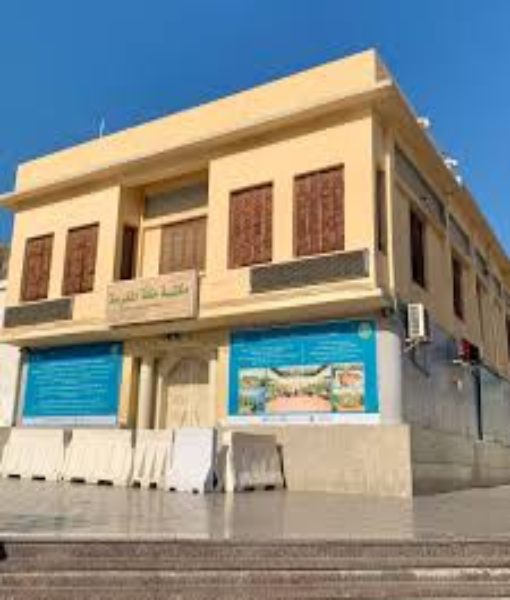
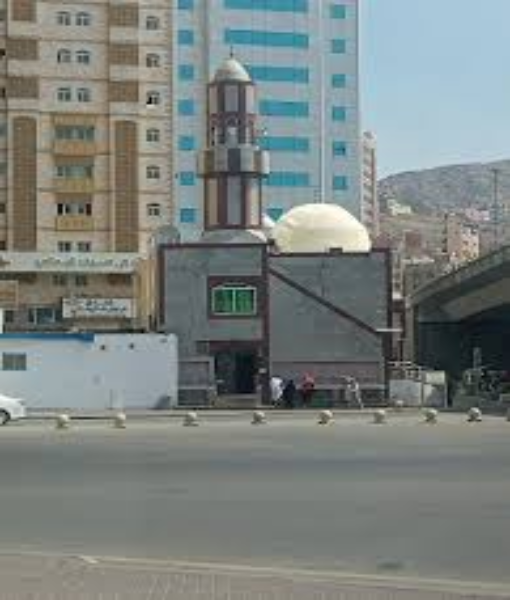
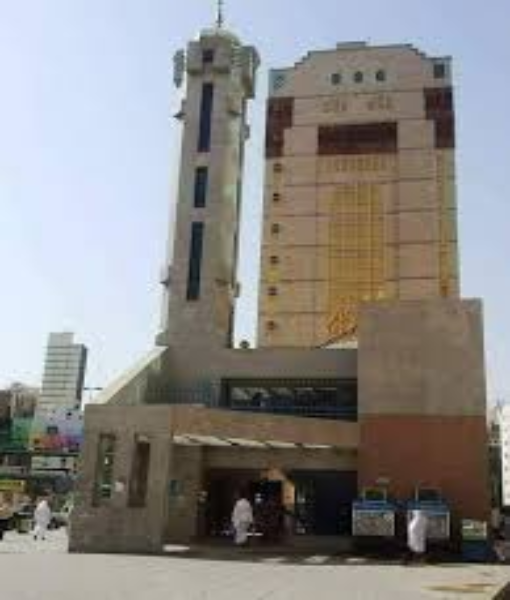
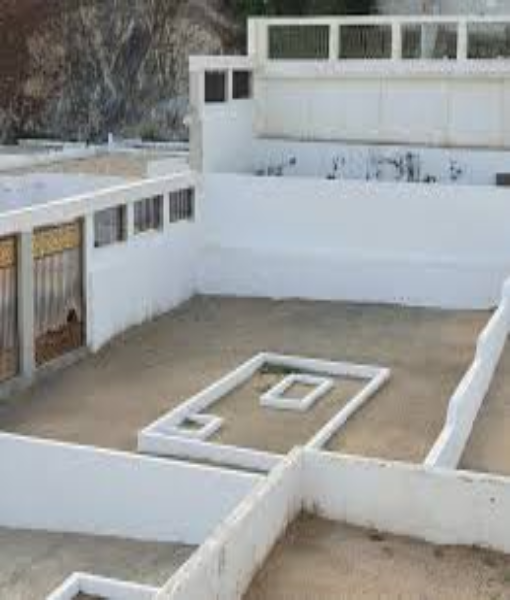
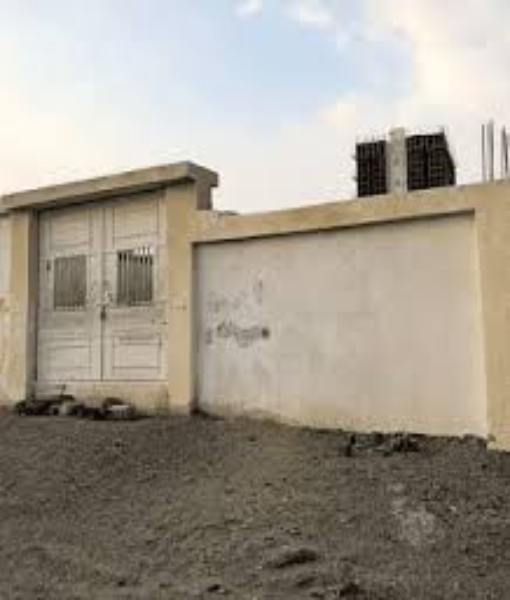
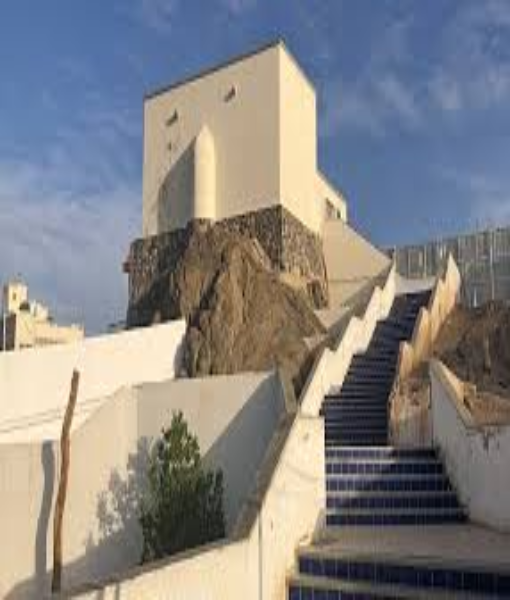
Masjid al-Bayah or Masjid al-Uqbah write in arabic

مسجد البيعة أو مسجد العقبة

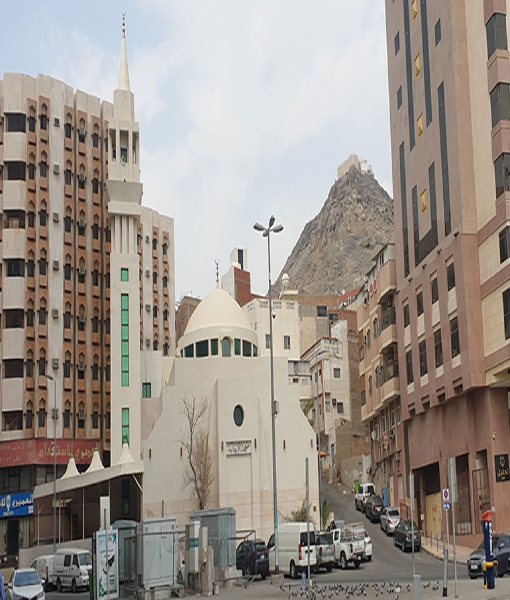
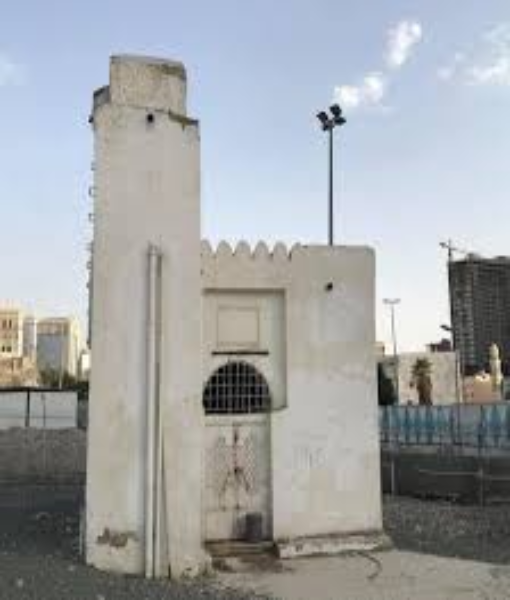
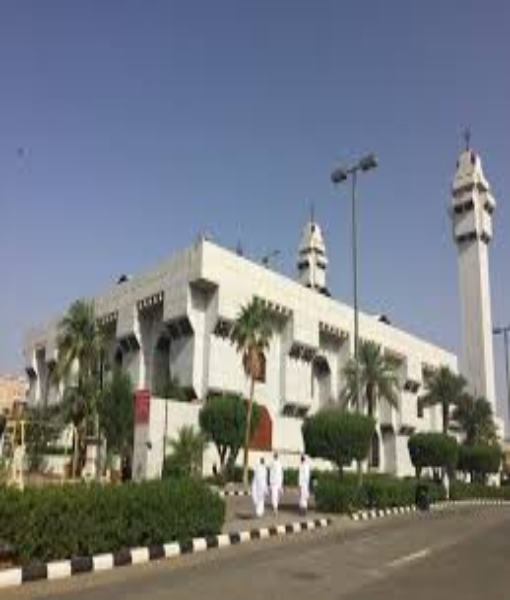
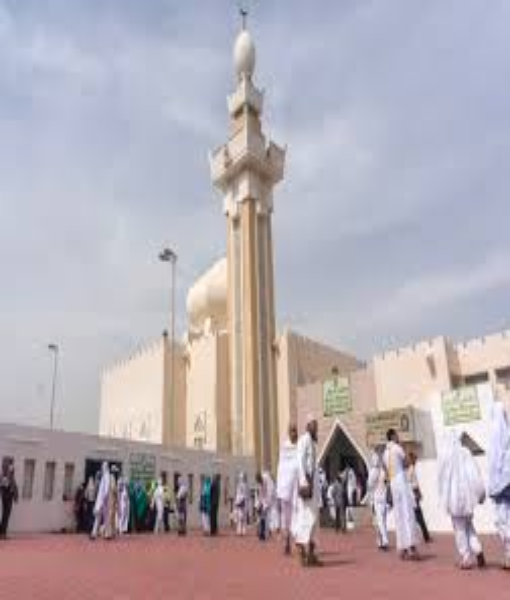
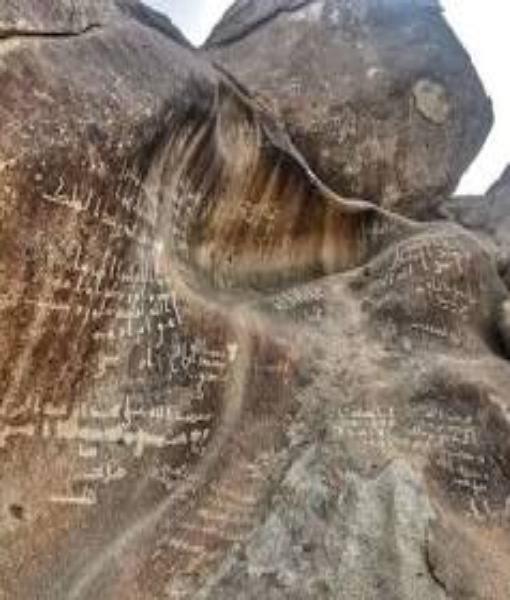
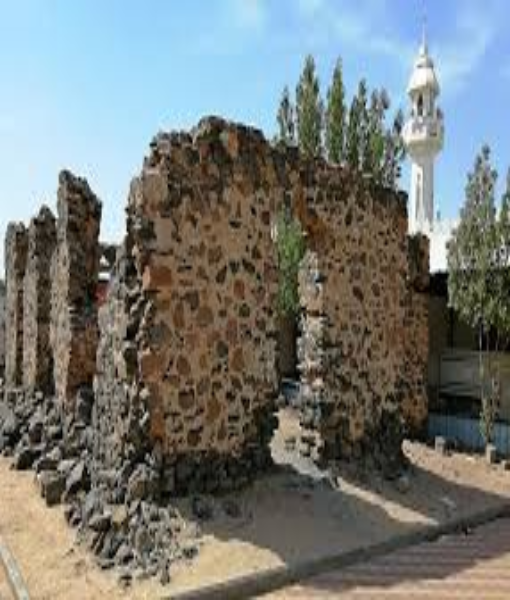
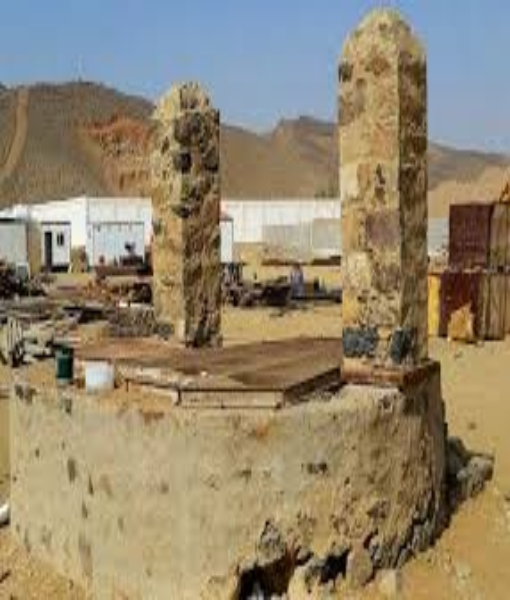
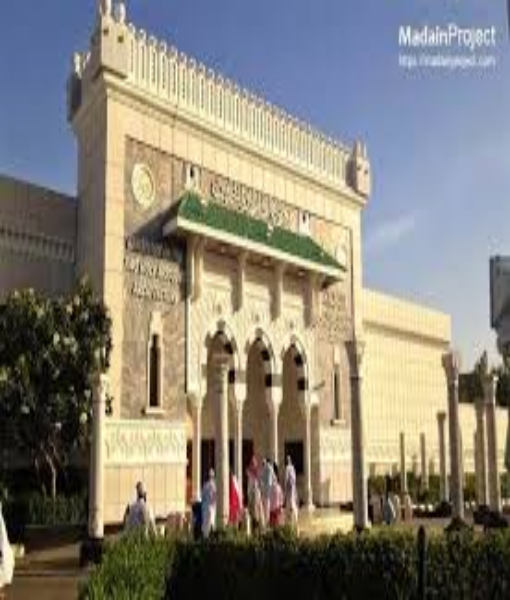
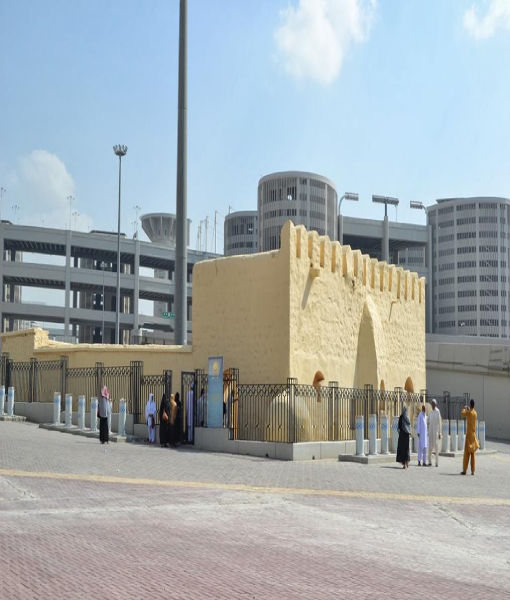
Masjid al-Bayah (مسجد البيعة), also known as Masjid al-Uqbah (The Mosque of the Hill Pass).

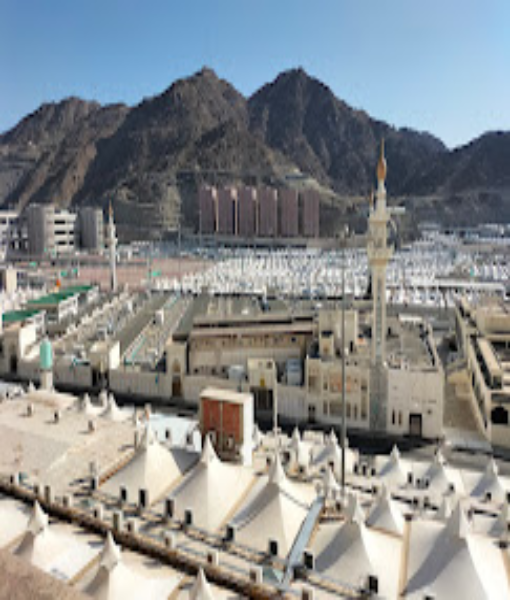
Located in Mina, just beyond the Jamarat al-Aqabah (the pillar where pilgrims stone the Devil), this mosque is a monument to the Pledges of Aqabah—the secret meetings between the Prophet Muhammad (S.A.W.) and the people of Yathrib (later Madinah) that directly paved the way for the Hijrah and the founding of the first Islamic state. Visiting this site is to stand at the spiritual birthplace of the Ummah’s sovereignty.

The Desperate Need for a New Home

For over a decade in Makkah, the Prophet Muhammad (S.A.W.) and the small Muslim community endured intense persecution. With the deaths of his two greatest protectors (Khadijah R.A. and Abu Talib), the mission was at its most vulnerable. The Prophet (S.A.W.) used the Hajj season, when tribal hostilities were suspended, to seek support from outside Makkah, knowing that the strength of his message required a new, secure base.

The high ground of Aqabah, a narrow mountain pass in Mina, became the secret meeting place.

The First Pledge of Aqabah (621 CE)

The initial breakthrough occurred in the 12th year of Prophethood when the Prophet (S.A.W.) met secretly with twelve men from Yathrib (Madinah)—ten from the Khazraj tribe and two from the Aws tribe.

  • A Moral Covenant: This first pledge was primarily spiritual and moral. The men vowed to: worship only Allah (S.W.T.), abstain from theft and fornication, avoid infanticide (a practice condemned at Maqbara al-Shubaikah), and obey the Prophet (S.A.W.) in all good matters.
  • The Seeds of Da’wah: Following this pledge, the Prophet (S.A.W.) sent the Companion Mus’ab ibn ‘Umayr (R.A.) back to Yathrib with them to teach the Quran. Mus’ab’s success was so profound that Islam spread rapidly through the city, setting the stage for the next, critical meeting.

The Second Pledge of Aqabah (622 CE)

The following year, the group returned with a massive delegation: seventy-three men and two women. This second meeting was a formal, explicit political and military treaty.

  • The Pledge of War: This oath went far beyond morality. The people of Yathrib pledged to protect the Prophet (S.A.W.) and his Companions as they would protect their own wives and children, and to fight in defense of Islam.
  • The Decision for Hijrah: This commitment was the green light for the Prophet (S.A.W.) to begin the migration (Hijrah) to Yathrib, renaming it Al-Madinah al-Munawwarah. Masjid al-Bayah thus marks the actual moment the first organized Muslim government was born.

The Barakah of Covenant and Foundation

The entire area of the mosque carries the Barakah of founding covenant and unwavering loyalty.

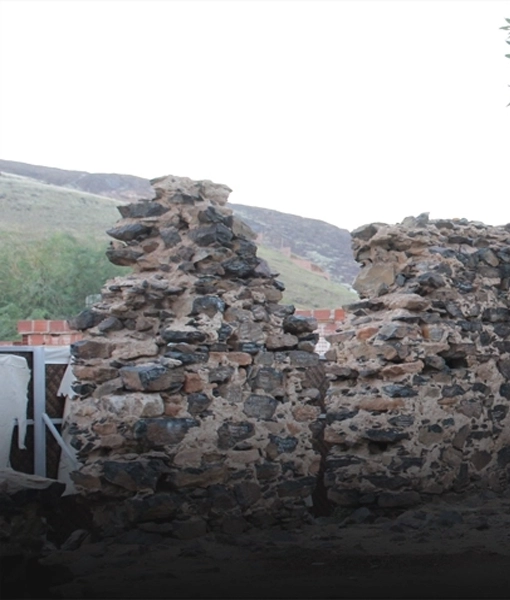
  • The Spiritual Architect: The mosque itself was built much later (Caliph al-Mansur in 144 AH / 762 CE) to preserve the exact spot of the pledge. Its architecture is simple, emphasizing the historical weight of the event over physical decoration.
  • Contrast with Souq Okaz: This site stands as a triumphant spiritual contrast to Souq Okaz. While the Prophet (S.A.W.) faced rejection from the powerful trading chiefs in the marketplace, he found complete, revolutionary acceptance from the political and military leaders gathered at this quiet hill pass in Mina. The Pledge of Aqabah was the true financial and political solution to the Makkah problem.
  • The Unity of the Ummah: The pledge sealed the bond between the Emigrants (Muhajirun) and the Helpers (Ansar), establishing the principle that all Muslims are one cohesive body—a lesson in unity and solidarity that remains central to the Muslim faith.

Renewing the Vow

Visiting Masjid al-Bayah is a solemn and inspiring moment for the modern pilgrim:

  • Location during Hajj: The mosque is located close to the Jamarat (the site of the stoning ritual), making it an easy and meaningful stop during the days spent in Mina for Hajj.
  • The Act of Reflection: Pilgrims visit to reflect on the immense courage of the Ansar, who risked the destruction of their city by inviting the Prophet (S.A.W.). It is a powerful place to renew one’s own commitment to the Sunnah and to sacrifice personal comfort for the sake of the Ummah.

Masjid al-Bayah is Makkah’s historical cornerstone of sovereignty—a testament that when the hearts of believers are unified in faith and committed to sacrifice, Allah (S.W.T.) grants them a new beginning and establishes their dominion on Earth.

The Barakah of Covenant and Foundation

The entire area of the mosque carries the Barakah of founding covenant and unwavering loyalty.

  • The Spiritual Architect: The mosque itself was built much later (Caliph al-Mansur in 144 AH / 762 CE) to preserve the exact spot of the pledge. Its architecture is simple, emphasizing the historical weight of the event over physical decoration.
  • Contrast with Souq Okaz: This site stands as a triumphant spiritual contrast to Souq Okaz. While the Prophet (S.A.W.) faced rejection from the powerful trading chiefs in the marketplace, he found complete, revolutionary acceptance from the political and military leaders gathered at this quiet hill pass in Mina. The Pledge of Aqabah was the true financial and political solution to the Makkah problem.
  • The Unity of the Ummah: The pledge sealed the bond between the Emigrants (Muhajirun) and the Helpers (Ansar), establishing the principle that all Muslims are one cohesive body—a lesson in unity and solidarity that remains central to the Muslim faith.

Renewing the Vow

Visiting Masjid al-Bayah is a solemn and inspiring moment for the modern pilgrim:

  • Location during Hajj: The mosque is located close to the Jamarat (the site of the stoning ritual), making it an easy and meaningful stop during the days spent in Mina for Hajj.
  • The Act of Reflection: Pilgrims visit to reflect on the immense courage of the Ansar, who risked the destruction of their city by inviting the Prophet (S.A.W.). It is a powerful place to renew one’s own commitment to the Sunnah and to sacrifice personal comfort for the sake of the Ummah.

Masjid al-Bayah is Makkah’s historical cornerstone of sovereignty—a testament that when the hearts of believers are unified in faith and committed to sacrifice, Allah (S.W.T.) grants them a new beginning and establishes their dominion on Earth.

Other Ziyarat You Should Know