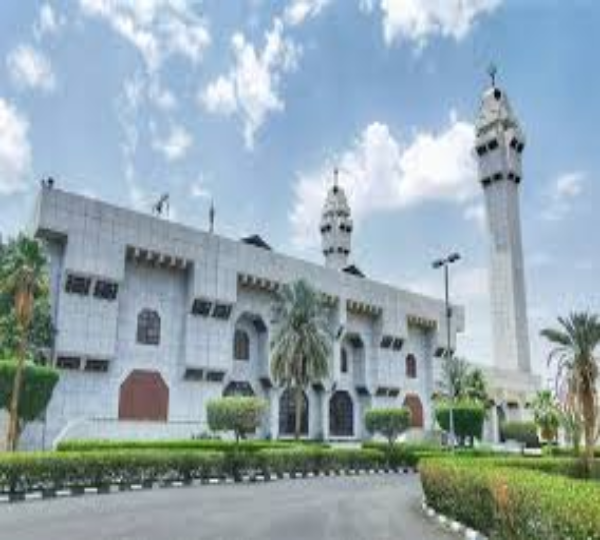
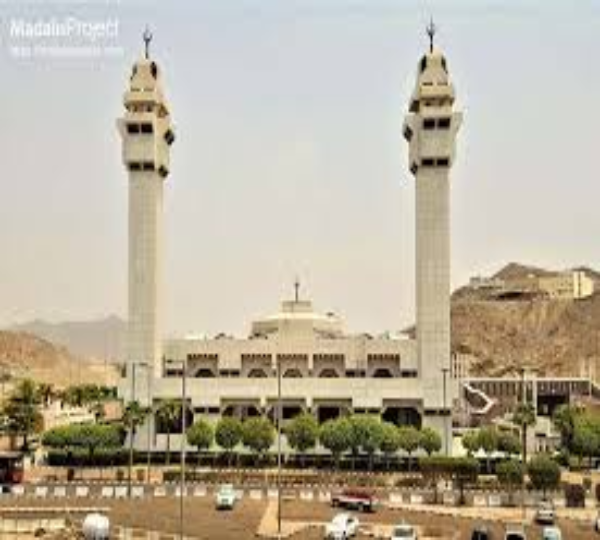
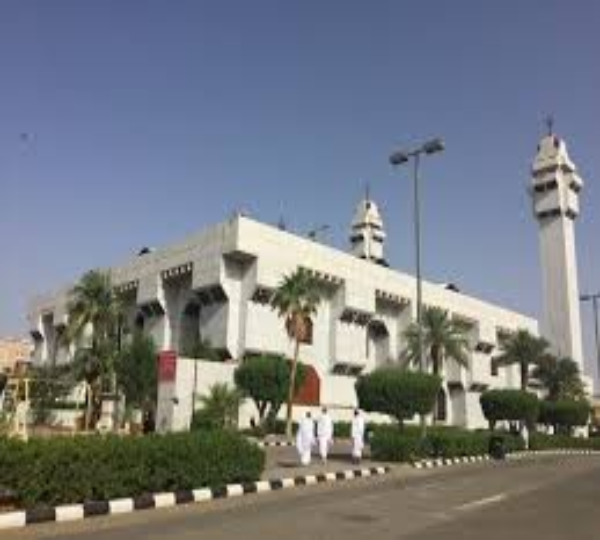
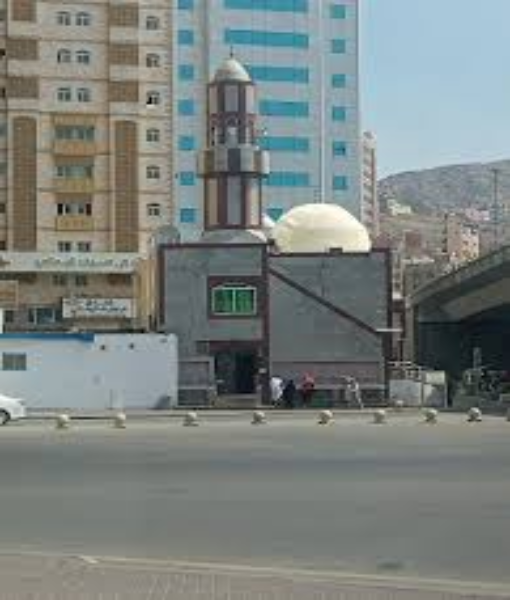
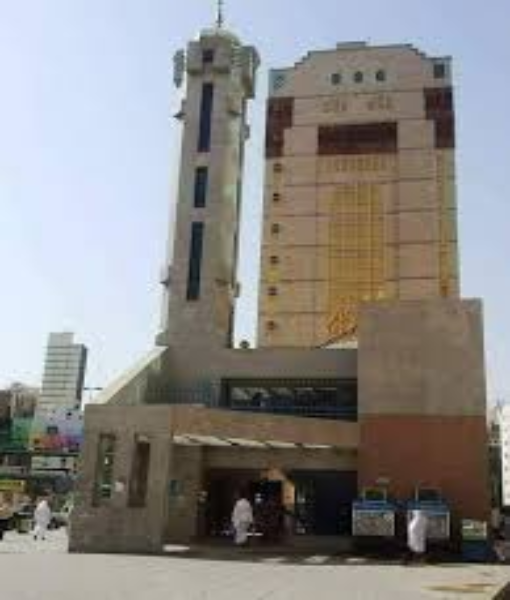
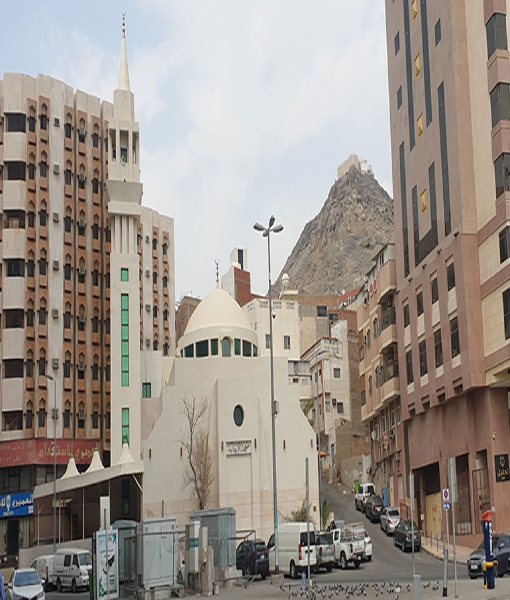
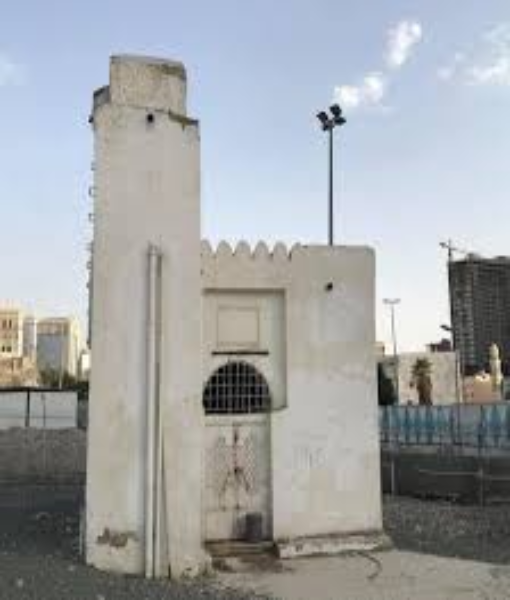
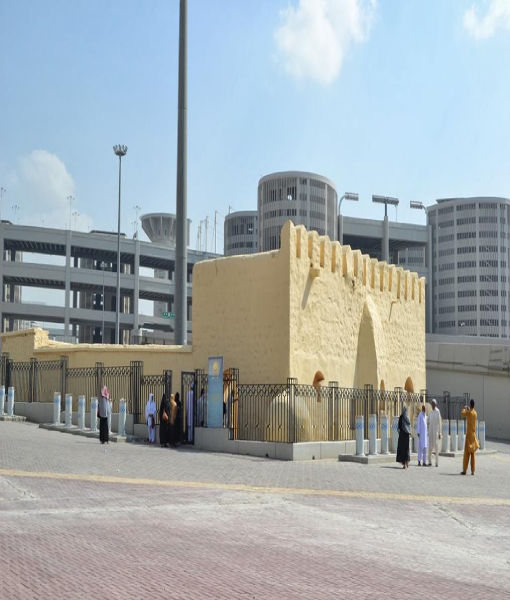
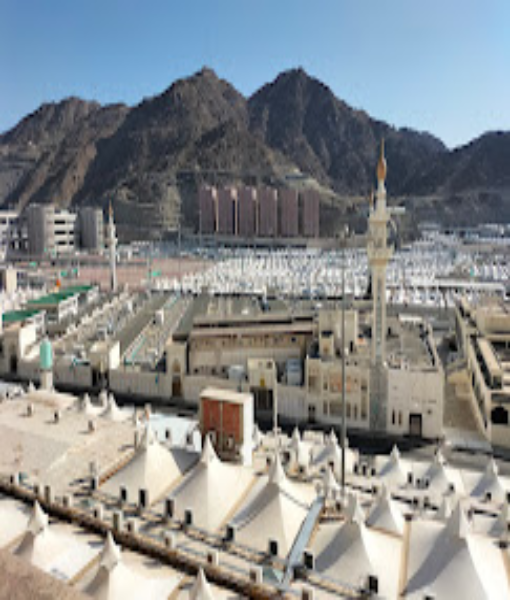
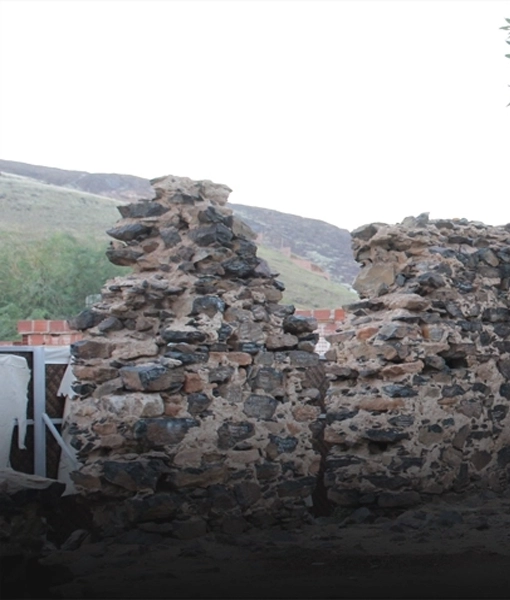
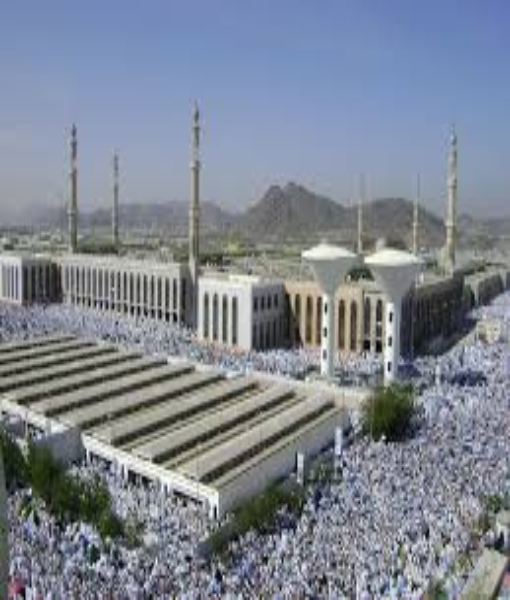
Masjid al-Taneem defines the continuous cycle of Umrah and the beautiful Sunnah of purification and renewal. Its entire history is rooted in the Prophet Muhammad’s (S.A.W.) immense kindness to his wife, Sayyidah Aisha (R.A.).
A Mother's Desire
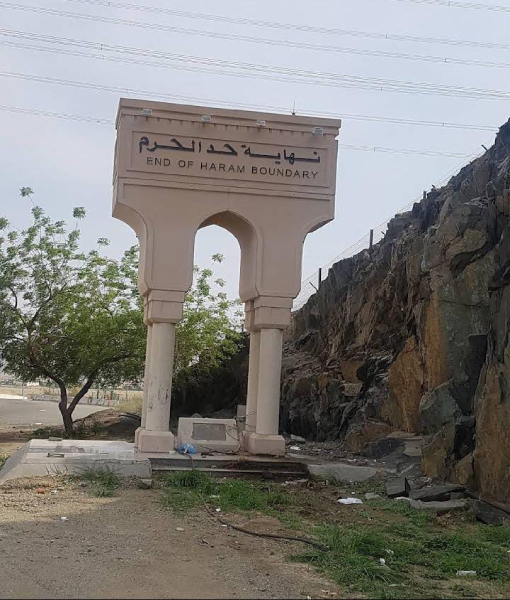
Masjid al-Taneem is located approximately 7.5 kilometers north of the Masjid al-Haram, on the road to Madinah. Its special designation stems from a moving incident during the Farewell Hajj (Hijjāh al-Wadāʿ) in 10 AH:
Aisha’s Dilemma: Sayyidah Aisha (R.A.), the Mother of the Believers, had intended to perform Hajj and Umrah (Hajj al-Qirān), but she entered her menstrual cycle before performing the Umrah rituals. While she was able to complete the rites of Hajj, she was deeply distressed that she could not perform a separate Umrah like the other Companions.
The Prophet’s (S.A.W.) Mercy: Moved by her sorrow, the Prophet (S.A.W.) instructed her brother, Abdur-Rahman ibn Abi Bakr (R.A.), to take her out of the sacred boundary (Haram) to Taneem, the nearest point outside the boundary. There, she assumed the state of Ihram and returned to Makkah to perform a valid Umrah.
The Mosque was subsequently built on this blessed spot and named in her honor, forever connecting the place to her sincere devotion and the Prophet’s (S.A.W.) compassion.
The Miqat for Renewal
Masjid Sayyidah Aisha serves a unique and perpetual role in Makkah, making it a critical Ziyarat for pilgrims:
Fulfilling the Condition of Travel
The primary Miqat for those coming from outside Makkah (like Madinah or Yemen) fulfills the Quranic condition of undertaking a journey for pilgrimage. For those already in Makkah—whether residents or pilgrims who want to perform a second or third Umrah—the journey must be initiated from outside the sacred boundaries (Ansab al-Haram).
The Gateway of the Locals: Masjid al-Taneem is the most convenient and nearest point to exit the Haram. Pilgrims travel here, perform Ghusl (ritual bath) in the excellent modern facilities provided, put on their Ihram, make the sincere intention (Niyyah) for Umrah, and begin the Talbiyah before journeying back to the Ka’bah.
The Barakah of Travel: The Prophet’s (S.A.W.) instruction to Aisha (R.A.) emphasized that even a short journey outside the Haram is required to validate the Umrah for those already in Makkah, fulfilling the spiritual symbolism of effort and travel inherent in the pilgrimage.
A Symbol of Dedication and Purity
The mosque stands as a powerful tribute to one of the most beloved and knowledgeable women in Islam. The act of entering Ihram here becomes an emulation of her dedication:
Submission in All States: Aisha’s (R.A.) determination to perform the worship, despite her physical challenge, teaches the Ummah about submitting to Allah’s (S.W.T.) decree while still striving to perform acts of devotion within His permissible limits.
The Continuous Cycle: Masjid al-Taneem represents the continuous nature of spiritual renewal. It is a place that facilitates the repeated performance of Umrah, allowing millions of pilgrims to seek the amplified reward and Barakah of Makkah throughout the year.
Preparation and Intention
For pilgrims, Masjid Sayyidah Aisha is more than just a historical building; it is a functioning hub that facilitates one of the most critical spiritual transitions.
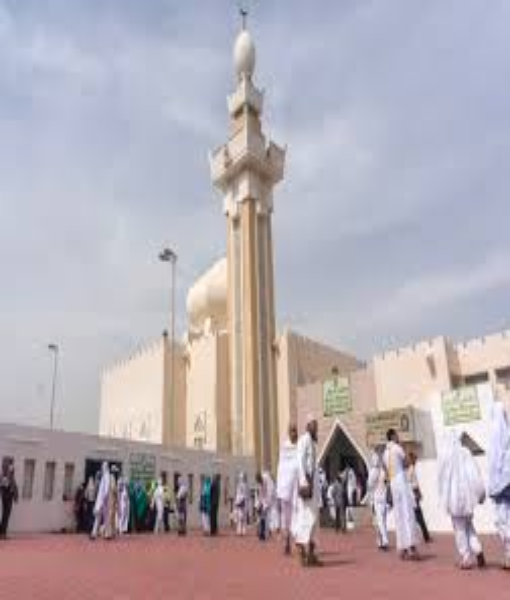
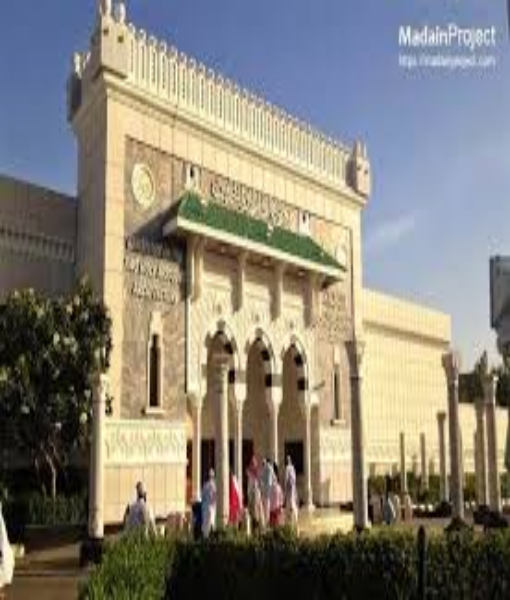
Practical Facilities: The modern mosque is a large, beautifully maintained complex with extensive washrooms, changing rooms, and prayer areas, specifically designed to aid pilgrims in performing the necessary pre-Ihram rituals with ease and dignity.
Spiritual Readiness: Visiting the mosque is a moment to ensure that the intention for Umrah is pure. Just as the Prophet (S.A.W.) purified his body at Bir Tuwa before entering Makkah, the pilgrim purifies their body and strips away worldly concerns here before entering the sacred city for their spiritual rites.
Masjid al-Taneem, the Mosque of Sayyidah Aisha (R.A.), is an indispensable Ziyarat of Makkah. It stands as a beacon of Islamic law, mercy, and renewal, guiding the believer through the critical transition from the ordinary world into the sacred state of Ihram.
Other Ziyarat You Should Know
MAK - 02
Ansab Al-Haram
MAK - 03
Souq al-Majaz
MAK - 04
Maqbara al-Shubaikah, Makkah
MAK - 05
Makkah Al-Mukarramah Library
MAK - 06
Masjid al-Shajarah
MAK - 07
Masjid al-Jinn
MAK - 08
Grave of Sayyeda Khadija (r.a.)
MAK - 09
Masjid al-Ijabah
MAK - 10
Bir Tuwaa
MAK - 11
Masjid al-Bayah or Masjid al-Uqbah
MAK - 12
Masjid al-Kheif - Mina
MAK - 13
Masjid al-Kabasha
MAK - 14
Masjid al-Namirah
MAK - 15
Jabal al-Rahmah Arafat
MAK - 17
Masjid al-Jiranah
MAK - 18
Inscriptions in Wadi al Usaylah
MAK - 19
Masjid Hudaybiah
MAK - 20
Well of Hudaybiah
MAK - 21
Exhibition of the Two Holy Masjid Architecture
MAK - 22
Grave of Umm al-Mumineen Sayyeda Maymunah (R.A)
MAK - 23
Masjid al-Fath - Al-Jumum
When nothing prevents our to we like best, every pleasure to be.