Masjid Hudaybiah
- Home
- Ziyarat
- Makkah Ziyarat
- Masjid Hudaybiah
دار السيدة خديجة رضي الله عنها
- Home
- Ziyarat
- Makkah Ziyarat
- Masjid Hudaybiah
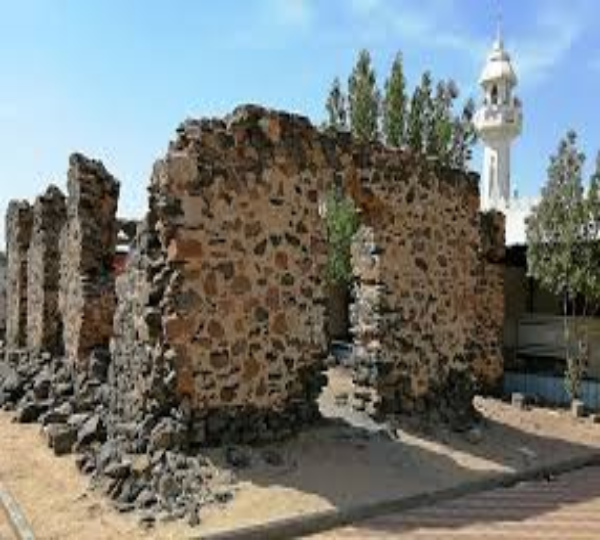
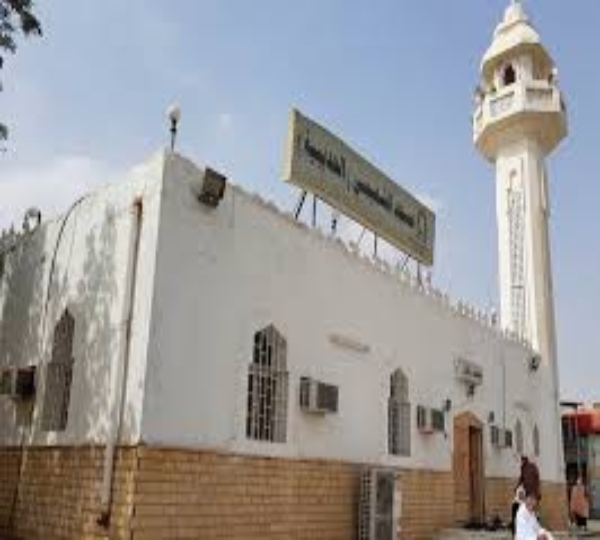
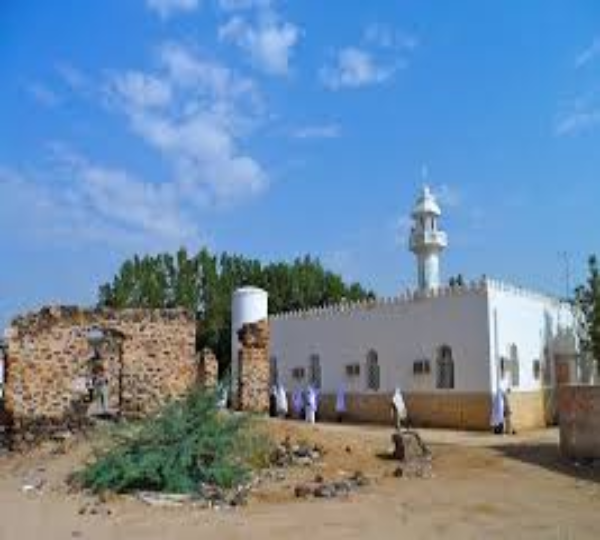
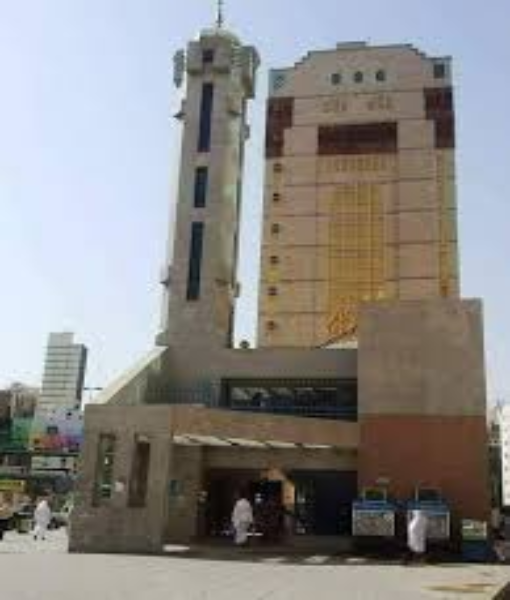
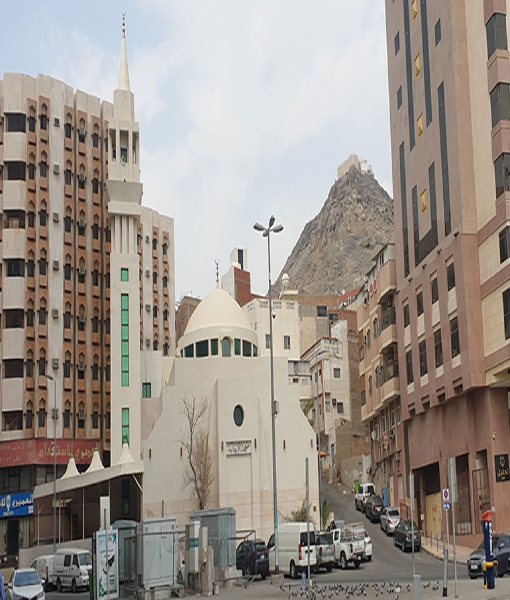
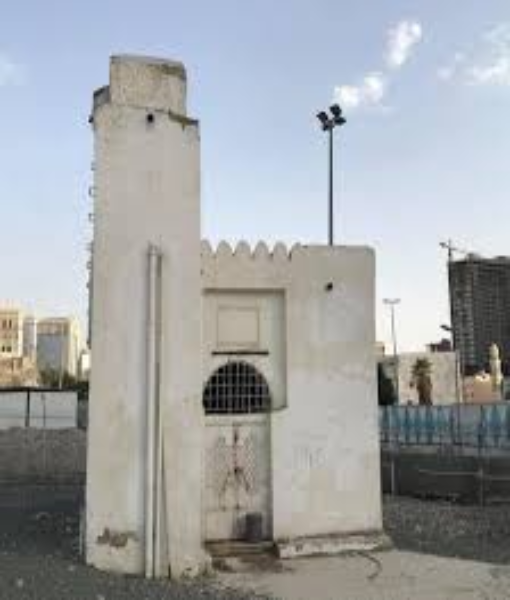
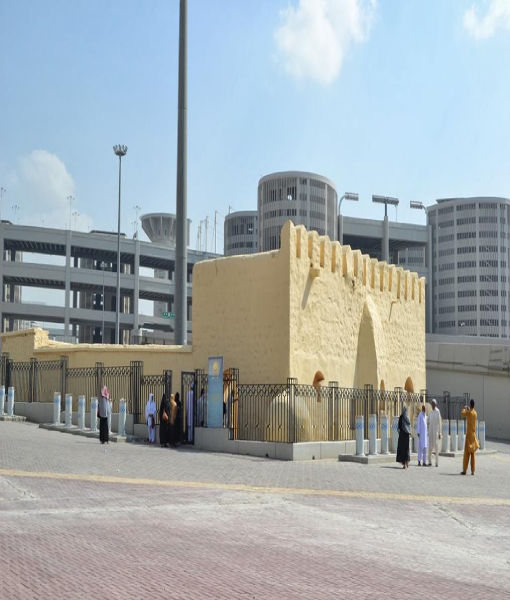
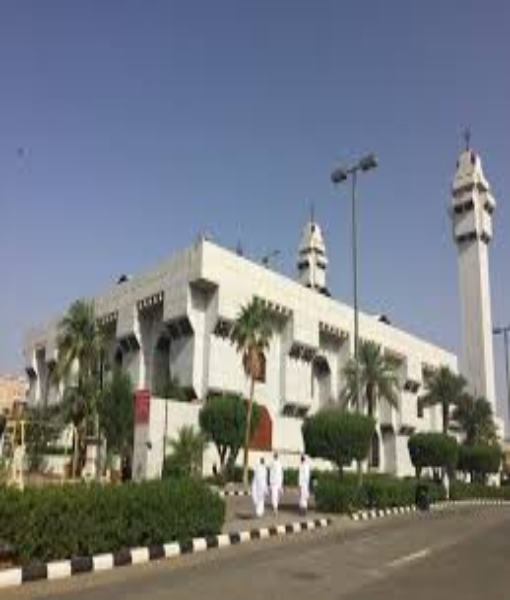
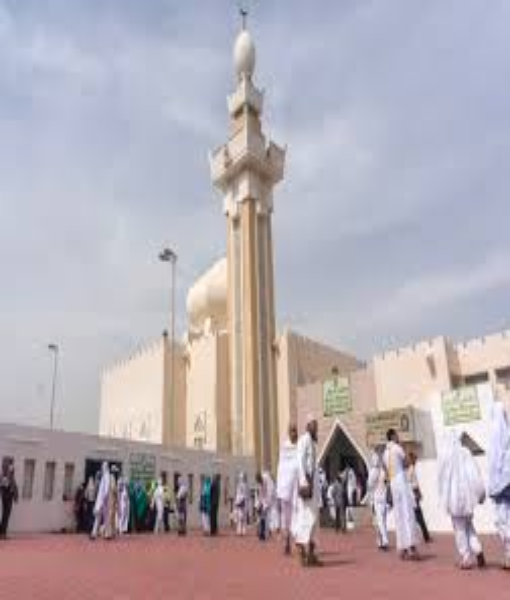
This mosque marks the site where the Prophet Muhammad (S.A.W.) and his companions camped in 6 AH (628 CE), leading to the pivotal Treaty of Hudaybiyah. This treaty, initially viewed by many Muslims as a humiliating setback, was immediately declared by Allah (S.W.T.) in the Quran as “a manifest victory (Fath Mubin).” Visiting this site is to understand the true value of vision, patience, and peace over armed conflict.
The Scene of Negotiation (6 AH)
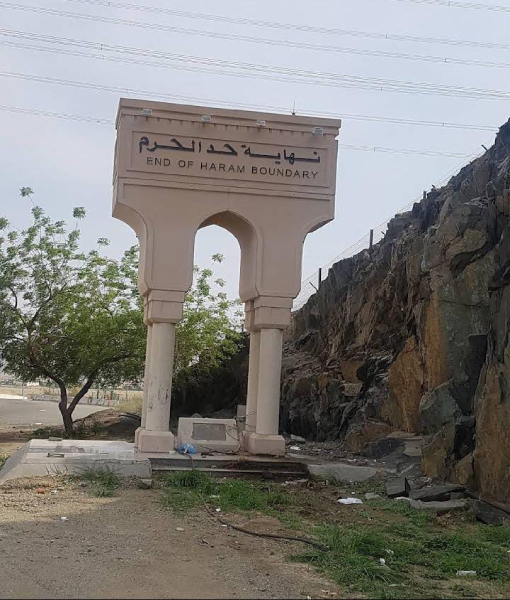
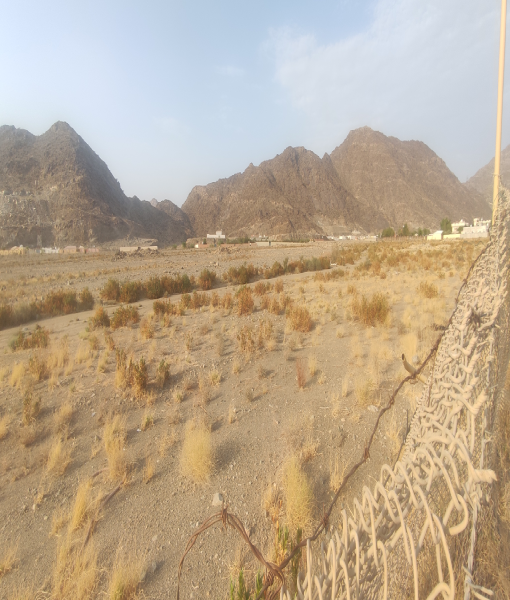
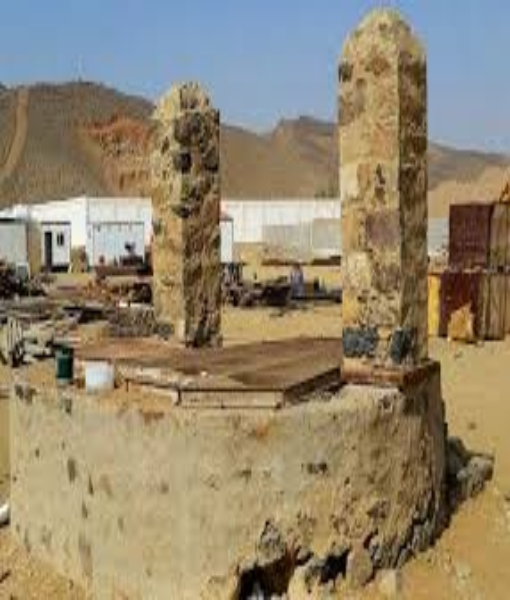
The Prophet Muhammad (S.A.W.) set out from Madinah with approximately 1,400 unarmed Companions, all dressed in the pure white garments of Ihram, intending only to perform Umrah. The Meccan Quraysh, mistaking the pilgrimage for an invasion, mobilized and blocked the Muslim path near a well and a small settlement called Al-Hudaybiyah, located just outside the Ansab al-Haram.
- The Decision for Peace
The entire Muslim army was stuck, unable to proceed to the Ka’bah. Despite having the strength to fight, the Prophet (S.A.W.) insisted on diplomacy and peace, honoring the sanctity of the sacred months and the state of Ihram (which we examined at Masjid al-Taneem).
The subsequent negotiations with the Quraysh, led by their emissary Suhayl ibn Amr, resulted in a treaty with terms that appeared heavily weighted against the Muslims:
- Return This Year: The Muslims must return to Madinah without performing Umrah.
- Return of Converts: Any Makkan convert who fled to Madinah would be returned to the Quraysh, but any Muslim defecting to Makkah would not be returned.
- A Ten-Year Truce: A ten-year ceasefire would be instituted.
The Companions, especially Umar ibn al-Khattab (R.A.), were distraught, seeing the terms as a betrayal of their divine right to visit the Ka’bah.
- The Pledge of the Tree (Bay’at al-Ridwān)
During the tense negotiations, a rumor spread that the Quraysh had killed the Muslim envoy, Uthman ibn Affan (R.A.). In response, the Prophet (S.A.W.) summoned his Companions and called for a pledge of allegiance under a nearby acacia tree, where they vowed to fight to the death to avenge Uthman (R.A.).
Divine Approval: This solemn, courageous oath of loyalty became known as Bay’at al-Ridwān (The Covenant of Pleasure), as Allah (S.W.T.) affirmed His pleasure with those believers in the Quran: “Indeed, Allah was pleased with the believers when they pledged allegiance to you, [O Muhammad], under the tree…” (Quran 48:18).

The Barakah of Vision and Strategy
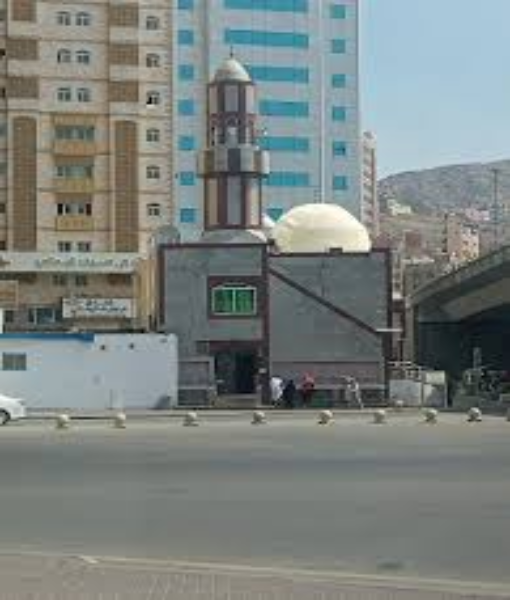
Masjid al-Hudaybiyah marks the location of this spiritual and diplomatic turning point. The blessing (Barakah) of this place is one of long-term vision and profound obedience:
- The Fath Mubin: On the journey back to Madinah, the Prophet (S.A.W.) received the revelation of Surah al-Fath (The Victory), which opened with the declaration: “Indeed, We have granted you a manifest victory.” Allah (S.W.T.) revealed that the treaty itself was the victory. By securing peace, the Prophet (S.A.W.) gained:
- Legitimacy: The Quraysh recognized the Muslim state of Madinah as an equal political entity.
- Freedom to Preach: The ten-year truce allowed Islam to spread rapidly throughout Arabia unhindered by Makkah’s interference.
- Precursor to Conquest: The Quraysh broke the treaty in just two years, providing the Muslims with the righteous justification to march on Makkah and conquer it peacefully.
- The Miracle of the Water (Brief Mention): Although the separate well is the next Ziyarat, it is important to note here that during the tense negotiations, water became scarce. The Prophet (S.A.W.) performed a miracle that caused water to gush from his fingers, sustaining the entire army and proving the divine presence.
The Miqat of Peace
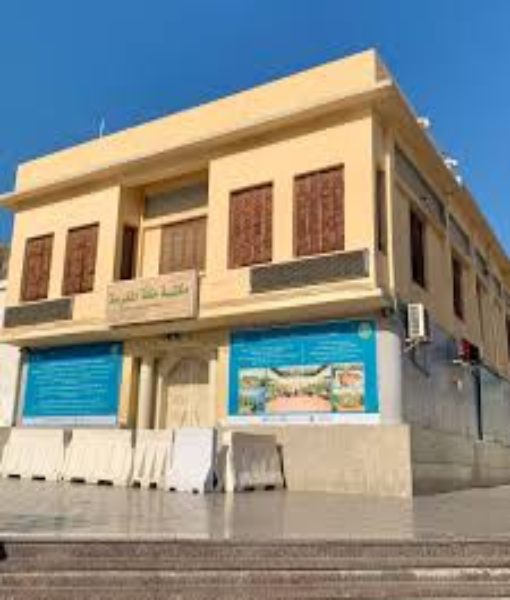
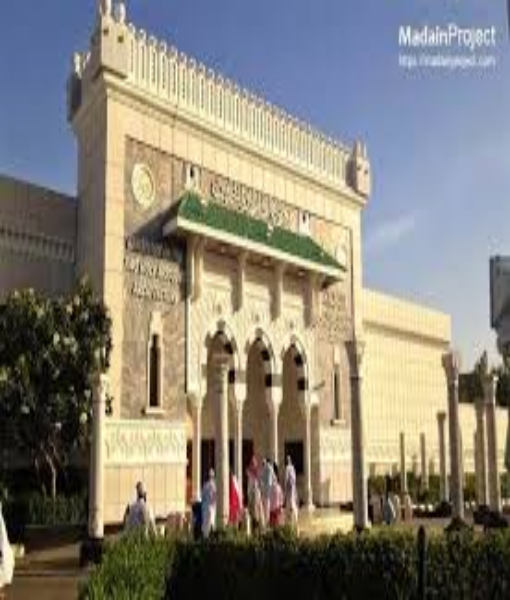
Today, Masjid al-Hudaybiyah (often identified as Masjid al-Shumaisi) serves a functional and spiritual role:
- A Miqat Point: The site is one of the designated Miqat points for those residing in the area, offering an entry point for Ihram, similar to Masjid al-Taneem.
- A Lesson in Trust: A Ziyarat here is a profound act of reflection on the Prophet’s (S.A.W.) deep patience and trust in Allah (S.W.T.). It teaches us that what appears to be a setback in the short term may be a profound victory in Allah’s (S.W.T.) grand plan. It encourages the pilgrim to submit fully to the divine decree, even when the path is unclear.
Masjid al-Hudaybiyah stands as a monument to diplomatic triumph, confirming that the spiritual power of Islam is rooted not in force, but in the manifest patience, obedience, and ultimate foresight of the Messenger of Allah (S.A.W.).
Other Ziyarat You Should Know