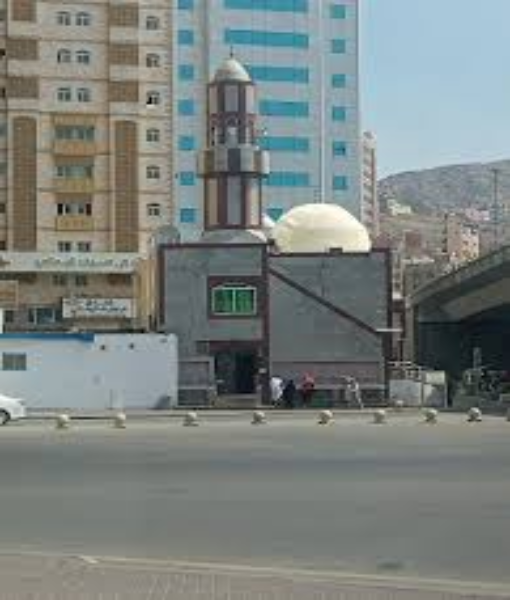
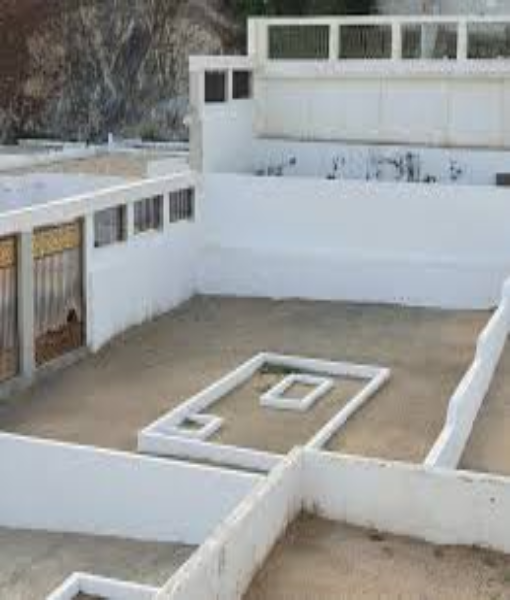
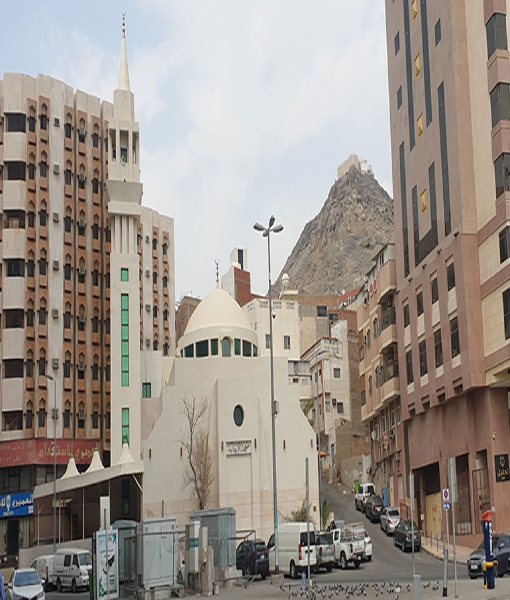
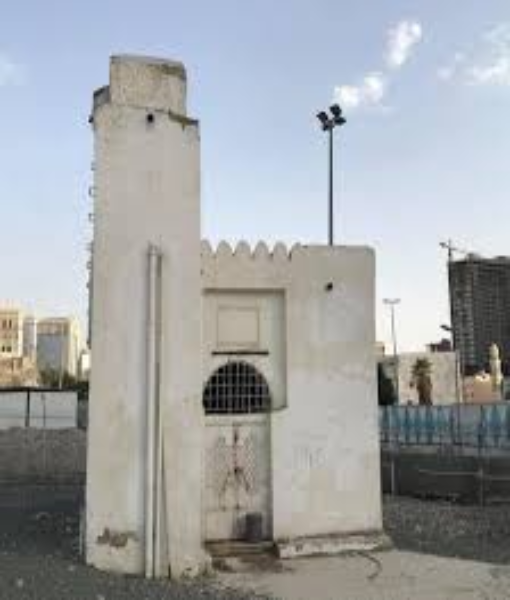
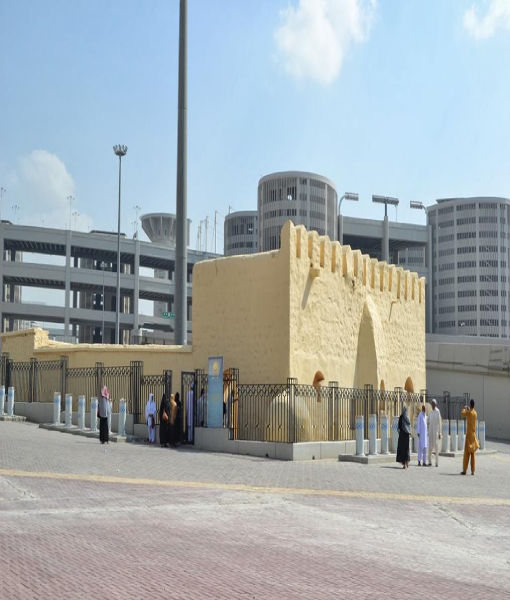
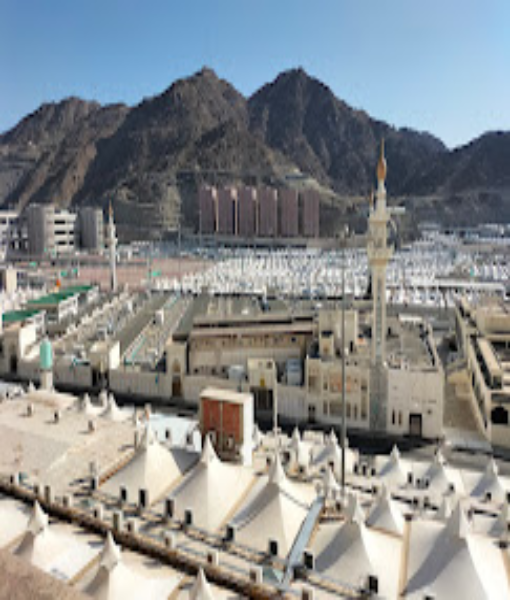
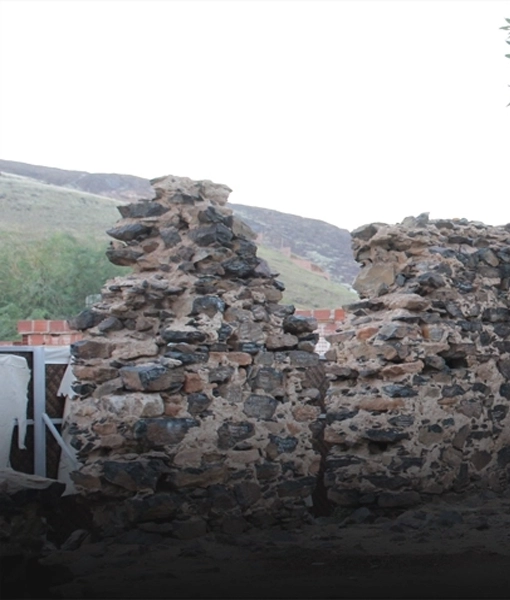
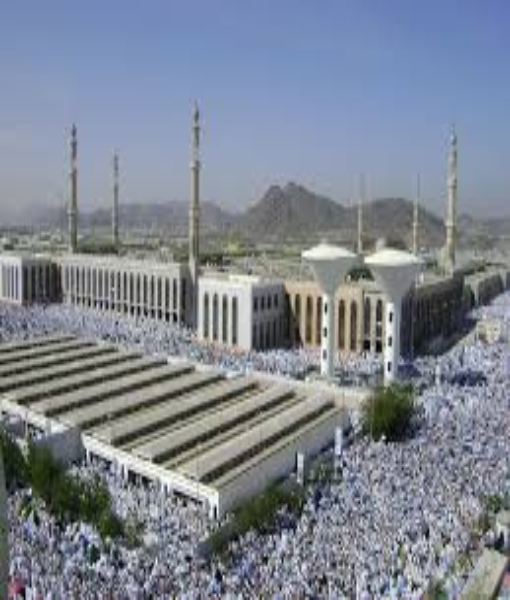
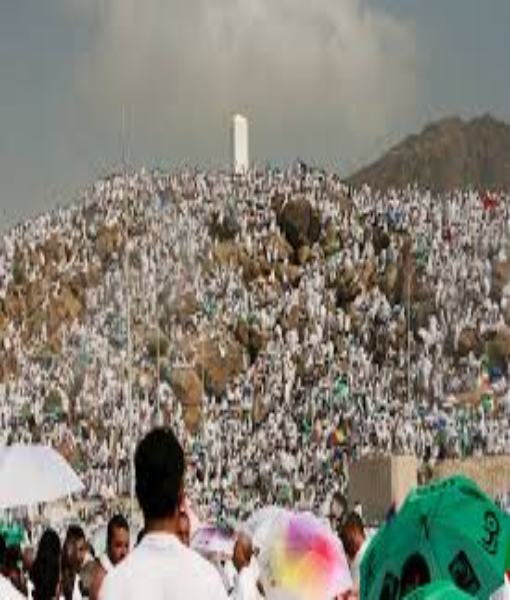
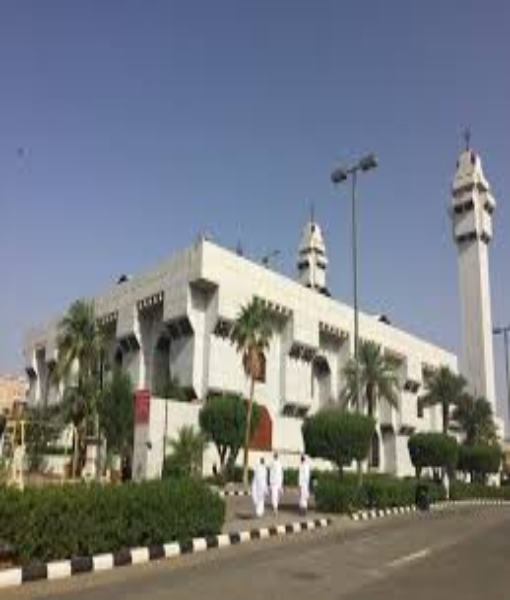
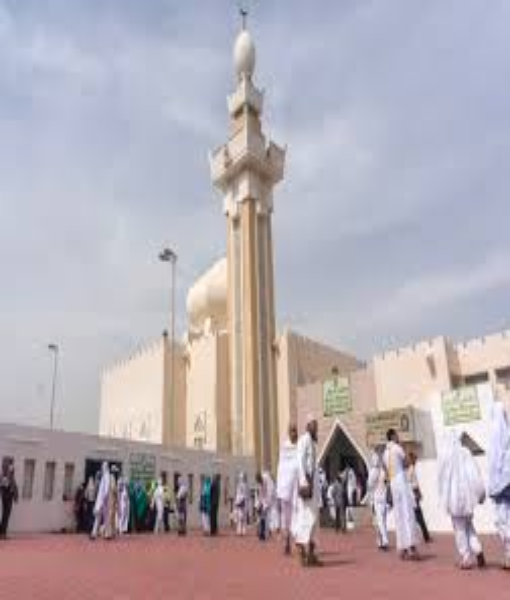
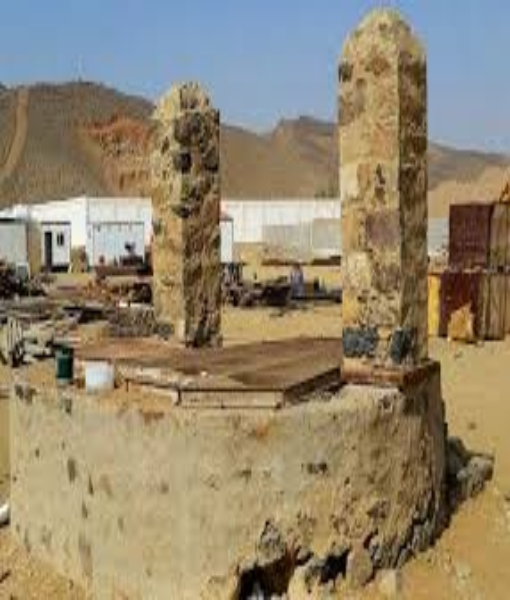
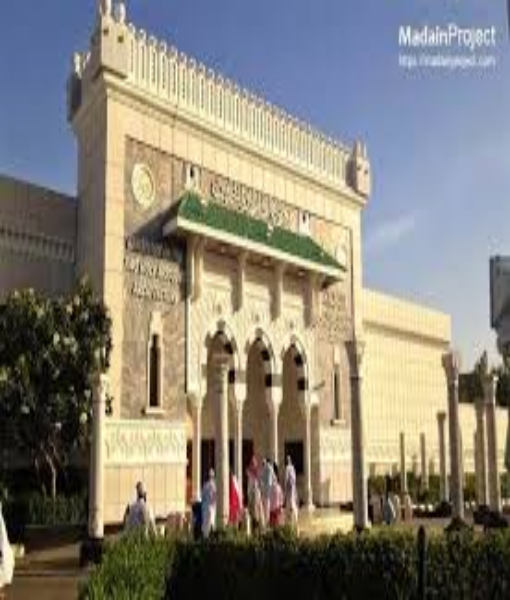
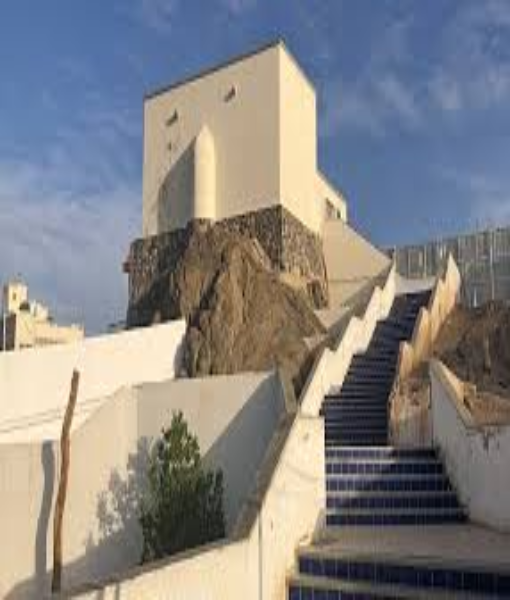
Masjid al-Kabasha (مسجد الكبشة). Masjid al-Kabasha is a place that grounds the Umrah pilgrim in the timeless legacy of sacrifice, linking the faith of the early Muslims—like Khadijah (R.A.) and the martyrs of Maqbara al-Shubaikah—to the covenant established thousands of years ago.
The Sacred Ram
The name al-Kabasha (or al-Kabsah) literally means “The Ram” or “the place of the ram.” This immediately directs the pilgrim’s heart to the most profound covenant between Allah (S.W.T.) and Prophet Ibrahim (A.S.):
The Trial of Obedience: The site is traditionally identified with the location where Prophet Ibrahim (A.S.) was commanded in a dream to sacrifice his son, Prophet Ismail (A.S.).
The Divine Substitution: At the moment of ultimate obedience, when Ibrahim (A.S.) was ready to fulfill the command, Allah (S.W.T.) intervened, substituting Ismail (A.S.) with a mighty ram (al-Kabsh) sent from Heaven.
While the primary ritual of sacrifice takes place in Mina, Masjid al-Kabasha marks a location of immense spiritual focus related to the test itself or the subsequent thanks-offering. The mosque thus stands as a permanent memorial to the supreme concepts of submission (Islam) and divine mercy (Rahmah).
A Lesson in Submission and Acceptance
Masjid al-Kabasha provides a unique spiritual angle on the Makkah journey, distinct from the other major Ziyarat:
Foundational Faith: This site affirms that the rites of Hajj and Umrah are not arbitrary; they are rooted in the acts of Prophet Ibrahim (A.S.). The submission of the patriarch of monotheism is the historical and spiritual foundation upon which the Prophet Muhammad (S.A.W.) rebuilt the Ka’bah and the subsequent Ummah.
The Barakah of Sacrifice: The Barakah associated with this place is that of accepted sacrifice. It teaches the pilgrim that sincere intention and absolute readiness to obey Allah (S.W.T.), even at great personal cost, will be rewarded with a clear path and immense mercy. This lesson is fundamental to understanding the spirit of sacrifice during Eid al-Adha and the stoning ritual at the Jamarat.
From Trial to Triumph: The location, though not marked by the Prophet’s (S.A.W.) personal presence in the same way as the House of Khadijah (R.A.) or Masjid al-Jinn, is central to the history he revered. It represents the successful navigation of the ultimate test, setting the spiritual standard for all believers.
Reaffirming the Covenant
The contemporary Masjid al-Kabasha is a small, quiet place of prayer. Visiting this mosque, which is located in the proximity of the Holy Sites, offers a chance for the pilgrim to pause and connect with the timeless covenant of sacrifice:
Sincerity of Intention: The proximity of the mosque to the spiritual events of sacrifice urges the pilgrim to check their own intention, ensuring that their Hajj or Umrah is being performed with the same absolute sincerity as Prophet Ibrahim (A.S.) demonstrated.
Personal Dedication: It is a suitable spot to offer two rakats of voluntary prayer and resolve to dedicate one’s own “ram”—the most beloved thing in one’s life, be it time, wealth, or attachment—to the service of Allah (S.W.T.).
Masjid al-Kabasha stands as Makkah’s silent, powerful reminder that the path to Paradise is paved with submission. It is a monument to the eternal truth that obedience to the Divine command, even when incomprehensible, is the highest form of worship, and that Allah’s (S.W.T.) mercy will always provide the way out of trial.
The Lesson of the Foundation
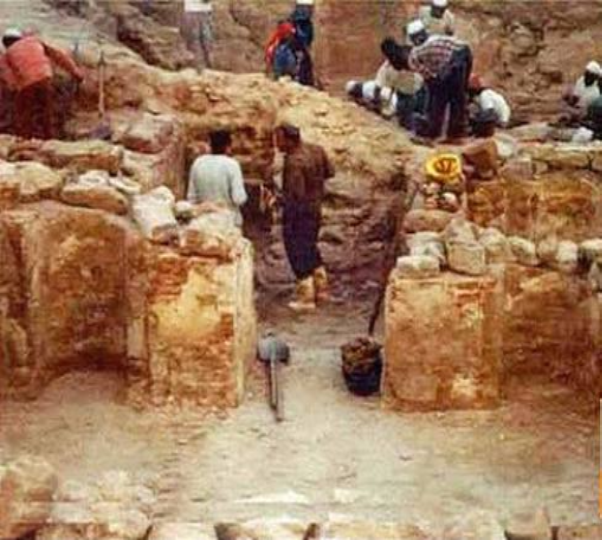
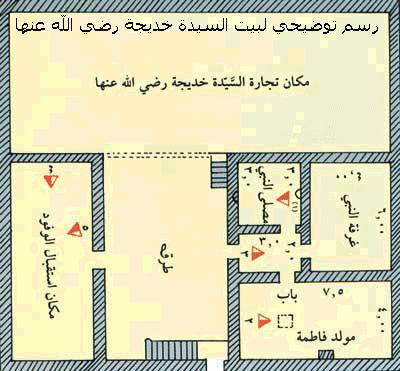
The Ziyarat to the site of the House of Khadijah (R.A.) is a visit to the spiritual wellspring of the Ummah.
The Barakah of Partnership: It teaches the paramount importance of a supportive spouse and home life in the spiritual mission. Khadijah’s (R.A.) trust gave the Prophet (S.A.W.) the emotional stability to face the persecution of the entire city.
The Power of Sincerity: The house is a reminder that the greatest acts of faith begin in humility and sincerity—the first believer was a woman who used her wealth and status entirely for the sake of Allah (S.W.T.).
Standing near the location of this house, the pilgrim should feel the warmth of that early faith, remembering the strength, love, and protection that emanated from the cradle of Prophethood.
Other Ziyarat You Should Know
MAK - 02
Ansab Al-Haram
MAK - 03
Souq al-Majaz
MAK - 04
Maqbara al-Shubaikah, Makkah
MAK - 05
Makkah Al-Mukarramah Library
MAK - 06
Masjid al-Shajarah
MAK - 07
Masjid al-Jinn
MAK - 08
Grave of Sayyeda Khadija (r.a.)
MAK - 09
Masjid al-Ijabah
MAK - 10
Bir Tuwaa
MAK - 11
Masjid al-Bayah or Masjid al-Uqbah
MAK - 12
Masjid al-Kheif - Mina
MAK - 13
Masjid al-Kabasha
MAK - 14
Masjid al-Namirah
MAK - 15
Jabal al-Rahmah Arafat
MAK - 16
Masjid Taneem (Masjid Sayyeda Aisha)
MAK - 17
Masjid al-Jiranah
MAK - 18
Inscriptions in Wadi al Usaylah
MAK - 19
Masjid Hudaybiah
MAK - 20
Well of Hudaybiah
MAK - 21
Exhibition of the Two Holy Masjid Architecture
MAK - 22
Grave of Umm al-Mumineen Sayyeda Maymunah (R.A)
MAK - 23
Masjid al-Fath - Al-Jumum
When nothing prevents our to we like best, every pleasure to be.