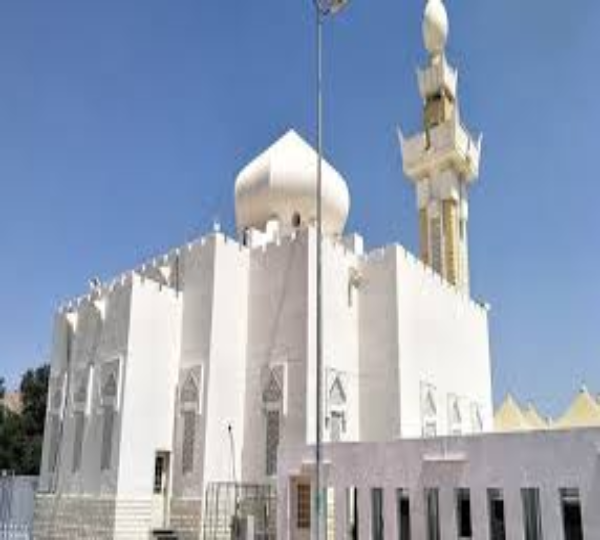
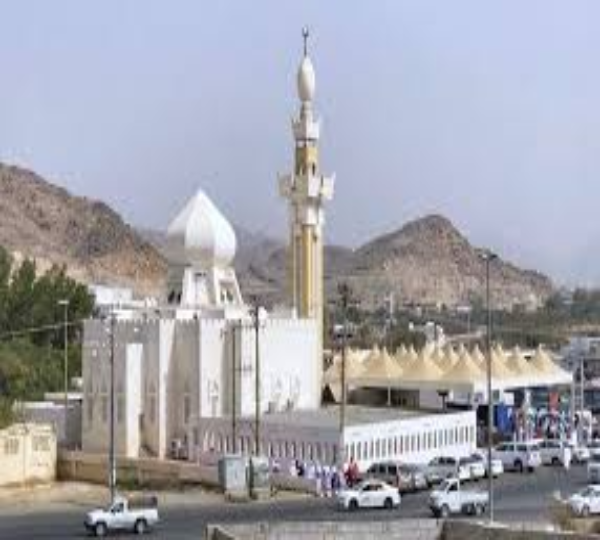
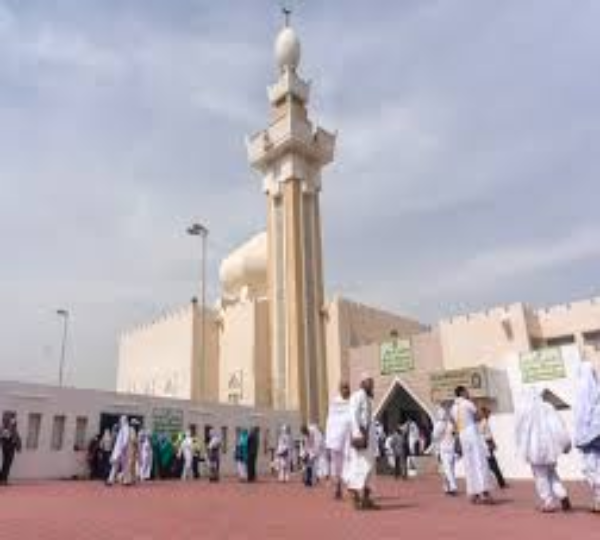
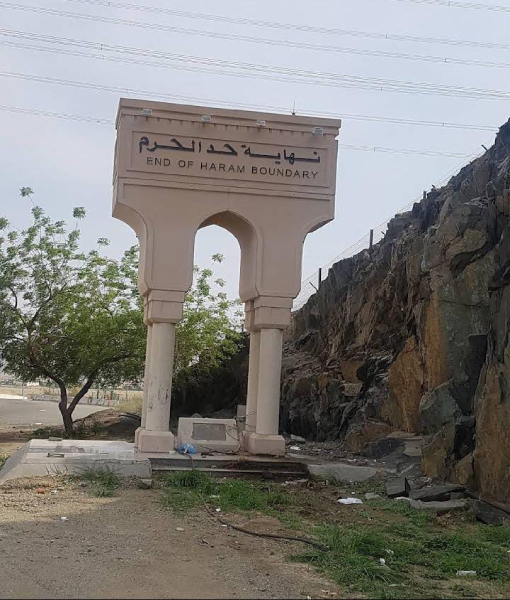
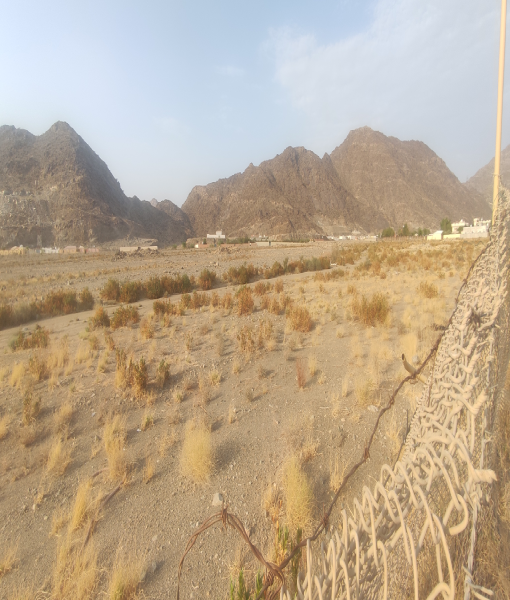
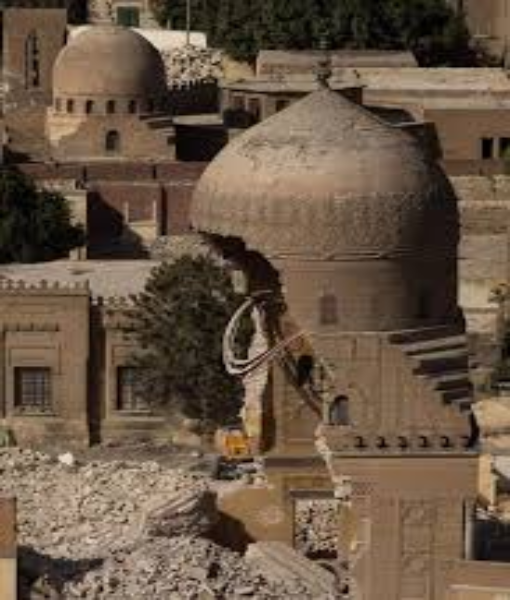
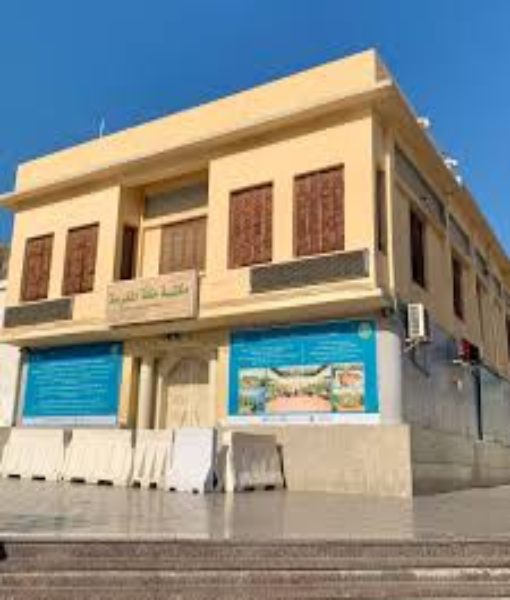
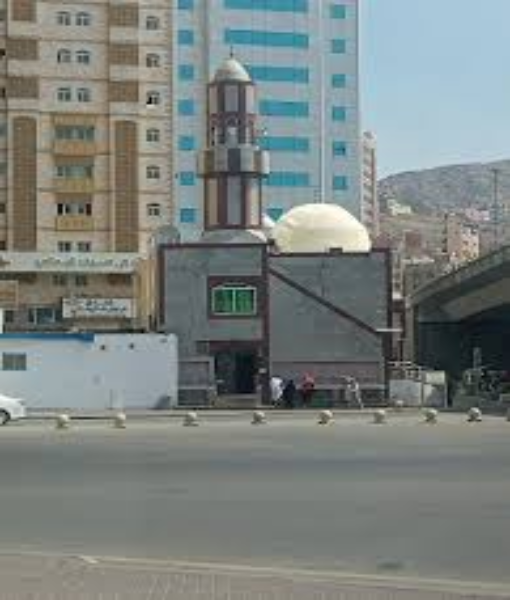
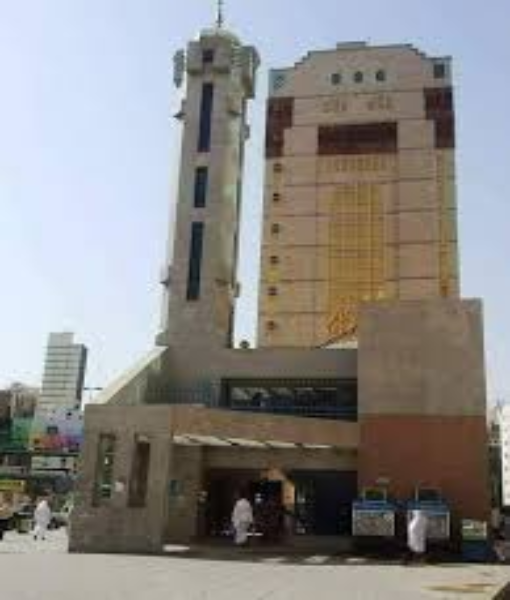
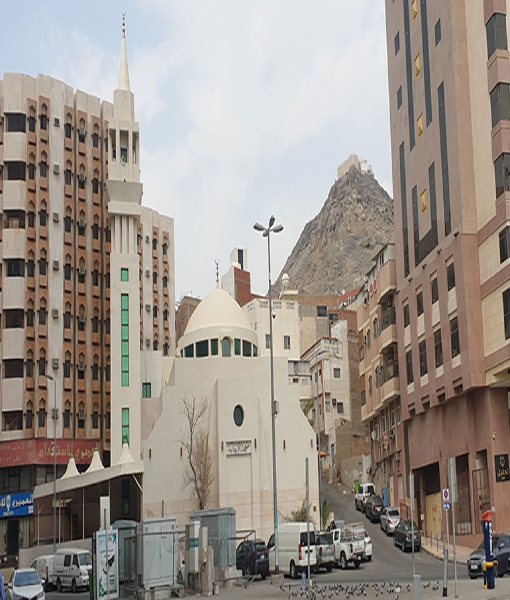
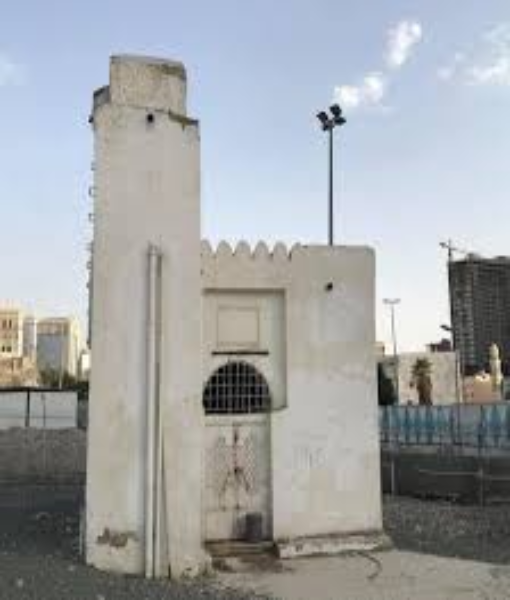
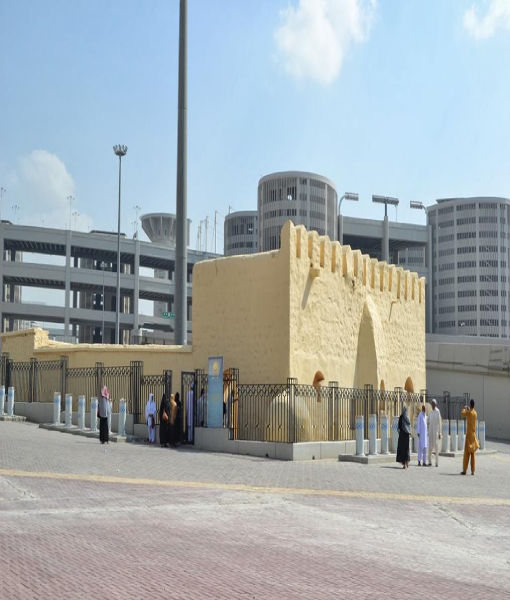
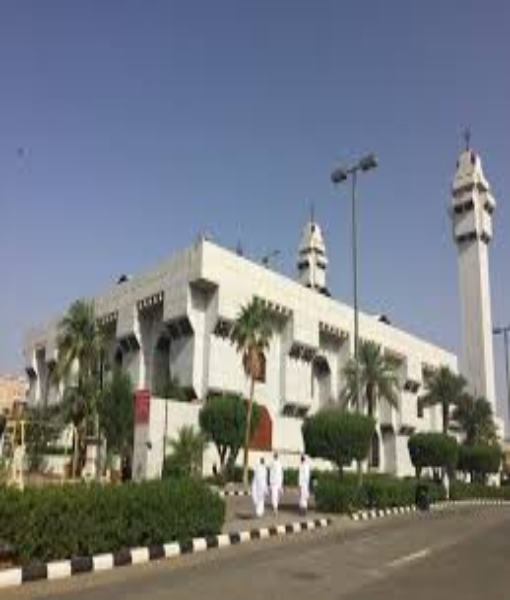
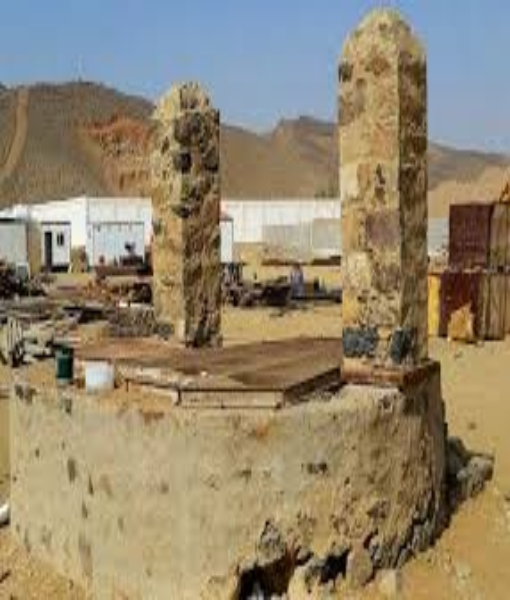
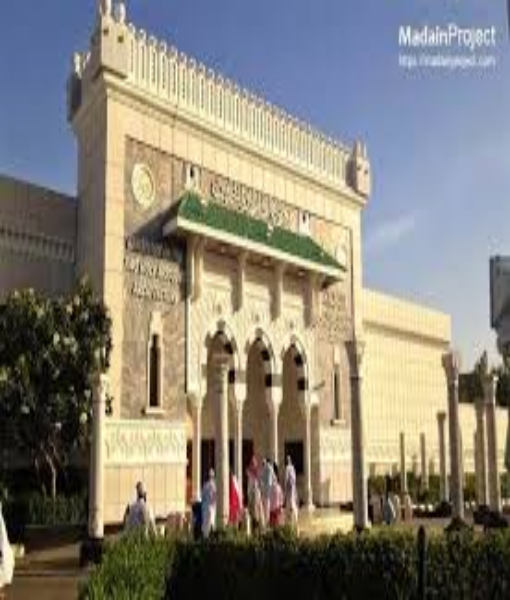
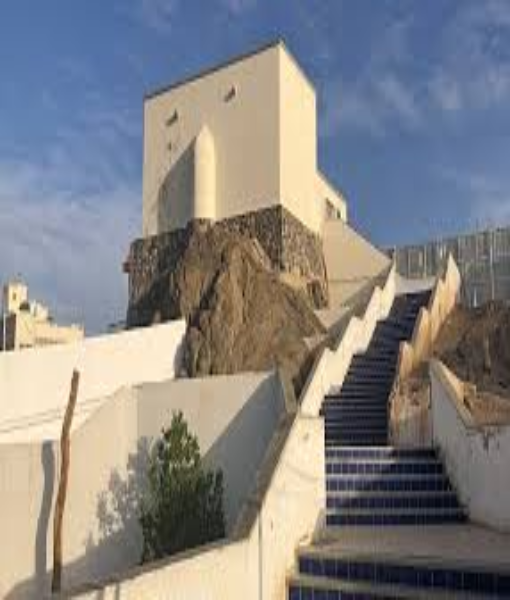
Masjid al-Ji’ranah (مسجد الجعرانة) Masjid al-Ji’ranah is situated in the valley of the same name, approximately 24 kilometers northeast of the Masjid al-Haram, on the road between Makkah and Taif. Its significance lies in its unique dual history as a site of military victory and a gateway to spiritual submission.
Victory and Distribution (8 AH)
The Prophet Muhammad (S.A.W.) arrived at Ji’ranah in the 8th year after the Hijrah (630 CE), immediately following the Battle of Hunayn and the subsequent siege of Taif. The Muslim army had secured a decisive victory over the Hawazin and Thaqif tribes, leading to the acquisition of massive amounts of war booty and prisoners.
Distribution of Spoils: The Prophet (S.A.W.) camped at Ji’ranah for several days to organize and distribute the extensive spoils of war. This included thousands of camels, sheep, and prisoners. This logistical operation highlighted the Prophet’s (S.A.W.) administrative fairness and his deep concern for strengthening the faith of the newly converted Muslims, to whom he gave generous shares.
The Ansar’s Loyalty: A touching incident occurred here where some of the younger Ansar (Helpers of Madinah) expressed momentary sadness because the Prophet (S.A.W.) had given large gifts to the new Meccan converts to solidify their hearts. When the Prophet (S.A.W.) heard of this, he gathered the Ansar, addressed them with immense love and tenderness, and affirmed that while the new converts received worldly goods, the Ansar received something far greater: the Prophet (S.A.W.) himself to return with them to Madinah. This affirmation of spiritual loyalty over worldly gain is a cornerstone lesson of Ji’ranah.
The Umrah of Ji’ranah
After completing the immense task of distributing the wealth and healing the internal emotions of his community, the Prophet (S.A.W.) turned to the ultimate act of purification—the Umrah.
The Final Umrah: Masjid al-Ji’ranah marks the location where the Prophet (S.A.W.) entered the state of Ihram to perform an Umrah. This Umrah is traditionally considered the last Umrah performed by the Prophet (S.A.W.) in his lifetime, separate from the Umrah performed during the Hajj al-Wadāʿ (Farewell Hajj).
The Night of Purity: It is narrated that the Prophet (S.A.W.) entered Ihram at Ji’ranah at night, went to Makkah, performed the Tawaf and Sa’i, and returned to Ji’ranah and departed for Madinah all in the same night. This swiftness emphasizes the spiritual focus and the non-attachment to the city after fulfilling the sacred rites.
Miqat Designation: Because the Prophet (S.A.W.) purposefully entered Ihram here, the area of Al-Ji’ranah is officially designated as a Miqat for those residing within the Haram boundary who wish to perform an extra Umrah, offering a spiritually blessed alternative to the Miqat of Masjid Sayyidah Aisha (R.A.).
The Lesson of Closure
Masjid al-Ji’ranah stands as a monumental Ziyarat, synthesizing the themes of your pilgrimage:
Purity Before Worship: Like Bir Tuwa, Ji’ranah reinforces the need for ritual purification (Ghusl) before assuming Ihram. The mosque provides excellent facilities for pilgrims to make this crucial spiritual transition.
The Barakah of Giving: The distribution of spoils here teaches the ultimate lesson in sacrifice and generosity. The true wealth gained from victory was not the material booty, but the strengthening of hearts and the securing of the faith.
A Cycle of Completion: Visiting Ji’ranah allows the pilgrim to connect with the final cycle of the Prophet’s (S.A.W.) worship before his death. It is a perfect place to reflect on the entirety of the Umrah, renew one’s intentions, and pray for the strength to prioritize the spiritual over the material, mirroring the Prophet’s (S.A.W.) devotion.
Masjid al-Ji’ranah is a sacred intersection of military triumph and spiritual submission—a profound location where the Prophet Muhammad (S.A.W.) closed the chapter of warfare with an act of pure worship, leaving behind the Barakah of his last Umrah for the Ummah.
Other Ziyarat You Should Know
MAK - 02
Ansab Al-Haram
MAK - 03
Souq al-Majaz
MAK - 04
Maqbara al-Shubaikah, Makkah
MAK - 05
Makkah Al-Mukarramah Library
MAK - 06
Masjid al-Shajarah
MAK - 07
Masjid al-Jinn
MAK - 08
Grave of Sayyeda Khadija (r.a.)
MAK - 09
Masjid al-Ijabah
MAK - 10
Bir Tuwaa
MAK - 11
Masjid al-Bayah or Masjid al-Uqbah
MAK - 12
Masjid al-Kheif - Mina
MAK - 13
Masjid al-Kabasha
MAK - 14
Masjid al-Namirah
MAK - 15
Jabal al-Rahmah Arafat
MAK - 16
Masjid Taneem (Masjid Sayyeda Aisha)
MAK - 18
Inscriptions in Wadi al Usaylah
MAK - 19
Masjid Hudaybiah
MAK - 20
Well of Hudaybiah
MAK - 21
Exhibition of the Two Holy Masjid Architecture
MAK - 22
Grave of Umm al-Mumineen Sayyeda Maymunah (R.A)
MAK - 23
Masjid al-Fath - Al-Jumum
When nothing prevents our to we like best, every pleasure to be.