Masjid al-Fath - Al-Jumum

مسجد الفتح - الجموم

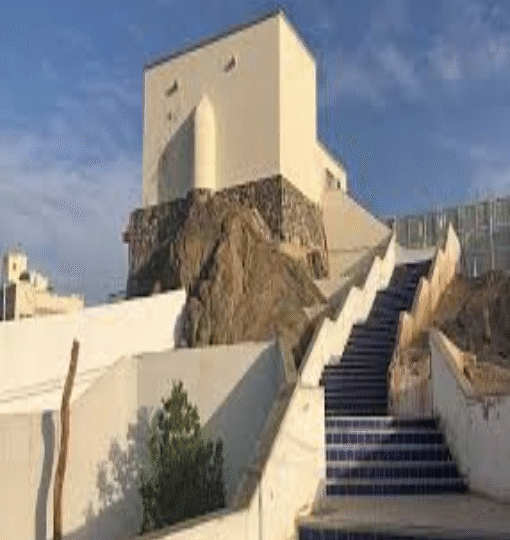
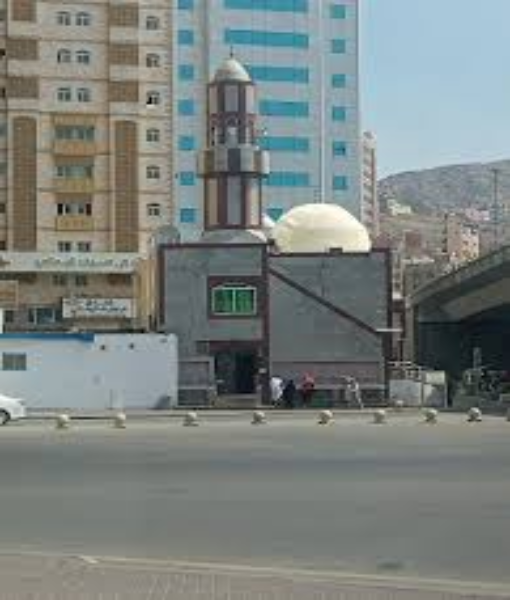
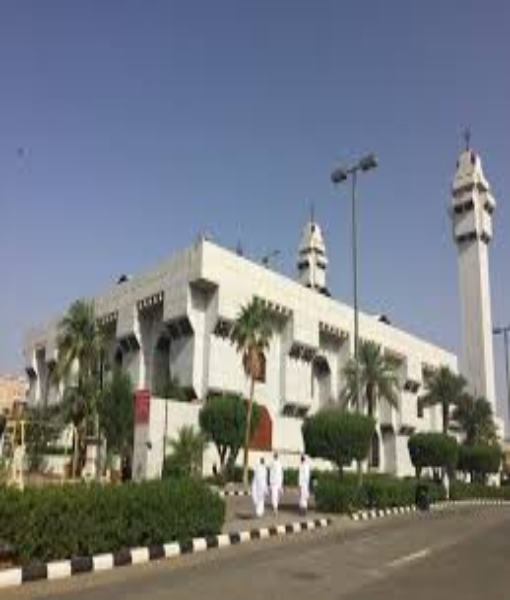
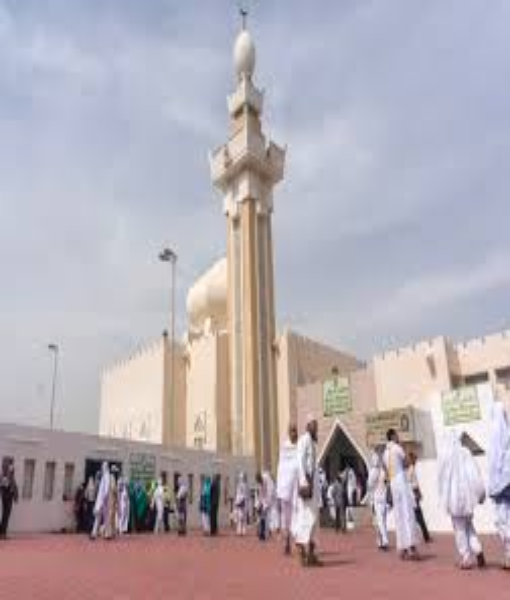
Masjid al-Fath in Al-Jumum is distinct from the well-known Fath Mosque in Madinah (related to the Battle of the Trench). The Makkah region Fath Mosque is located on the old road between Makkah and Madinah, near the valley of Al-Jumum. It stands as an enduring tribute to the Prophet’s (S.A.W.) strategy, resolve, and humility as he prepared to reclaim his blessed birthplace.

Before Makkah’s Entry (8 AH)

The Prophet Muhammad (S.A.W.) set out from Madinah in the month of Ramadan, 8 AH (630 CE), leading the largest Muslim force ever assembled up to that time—an army of 10,000. His goal was not bloodshed but a peaceful conquest (Fath Makkah), brought about by the Meccans’ violation of the Treaty of Hudaybiyah.

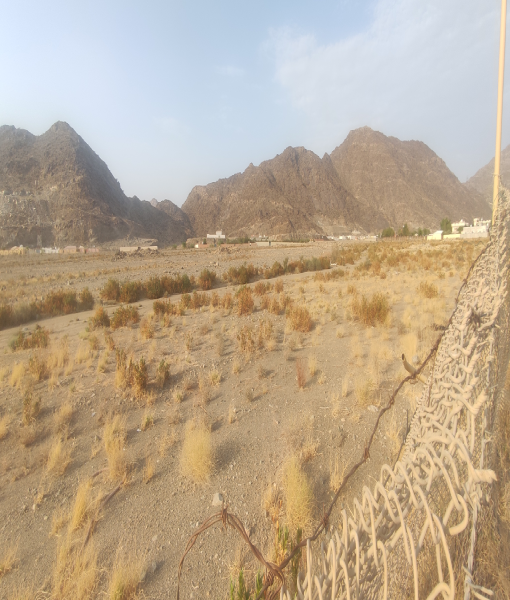
  • Al-Jumum Encampment: The army paused and encamped in the valley of Al-Jumum, a strategic location just outside Makkah’s protective valleys. This massive, coordinated movement was intended to surprise the Quraysh, prompting them to surrender and thus avoiding conflict in the Sacred Sanctuary (Haram).
  • The Prayer of the Commander: It is recorded that the Prophet (S.A.W.) performed prayer (Salah) at this location before the final march. The simple act of prayer here, amidst a massive, silent army, speaks of profound leadership. It was a commander’s ultimate reliance on divine aid, fulfilling the spiritual requirement before executing the worldly plan.

The mosque was built to honor the exact spot where this prayer of intention and reliance was offered, establishing the critical link between preparation and divine assistance.

The Barakah of Mercy and Resolution

Masjid al-Fath in Al-Jumum symbolizes the Barakah of Resolved Mercy. The mosque is a monument to the strategy that sought peace even when war was justified.

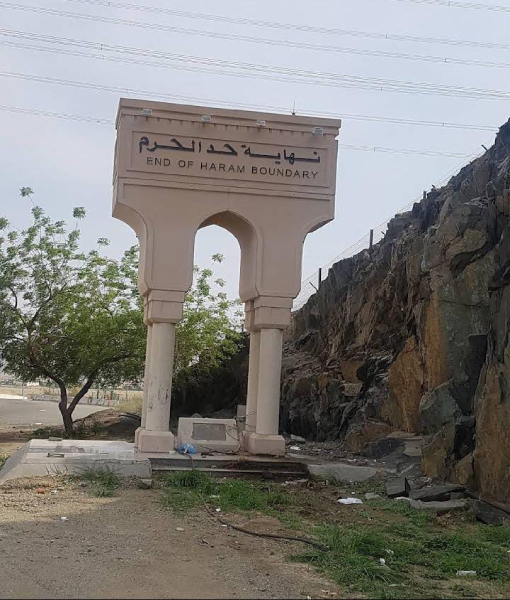
  • Conquest Without Bloodshed: The Prophet’s (S.A.W.) greatest concern was to enter Makkah peacefully and avoid bloodshed in the Haram—an area protected by the laws affirmed by the Ansab al-Haram. His prayer at Al-Jumum was essentially a plea to Allah (S.W.T.) to grant the conquest without the need for fighting. The largely bloodless entry into Makkah the next day was a direct answer to this supplication.
  • The Symbol of Triumph: Although the Prophet (S.A.W.) entered Makkah via a different route (from the high side of Kudā), the prayer made at Al-Jumum sealed the victory. The mosque’s name, “Al-Fath” (The Conquest), perpetually reminds the believer that the mission’s ultimate success came through the Prophet’s (S.A.W.) profound faith and strategic planning.

Architecture and Modern Preservation

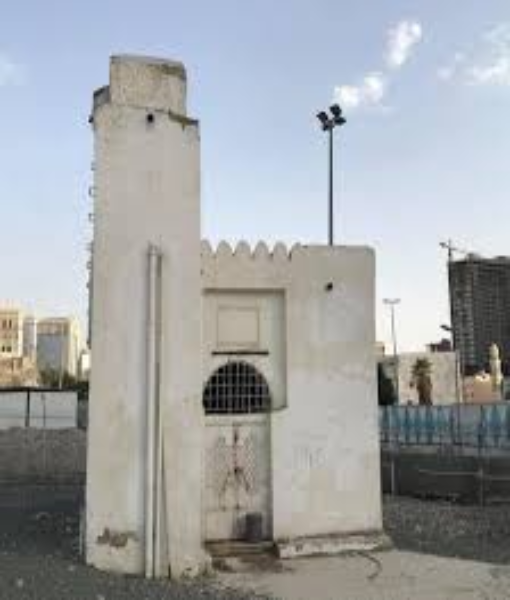
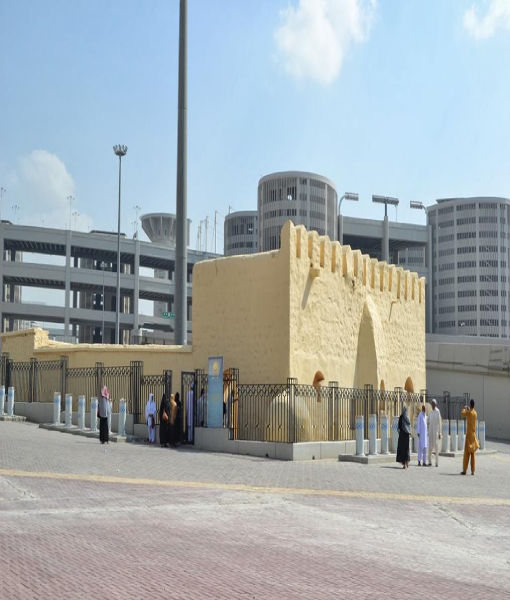
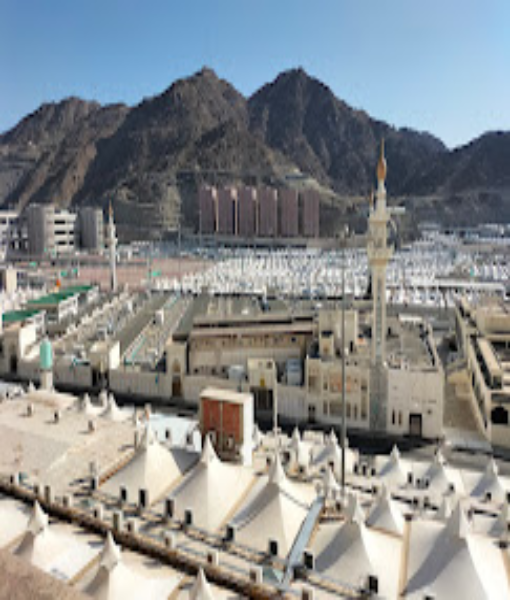
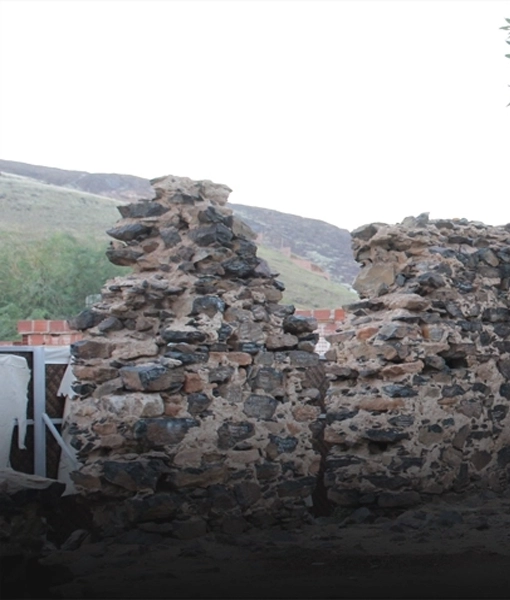
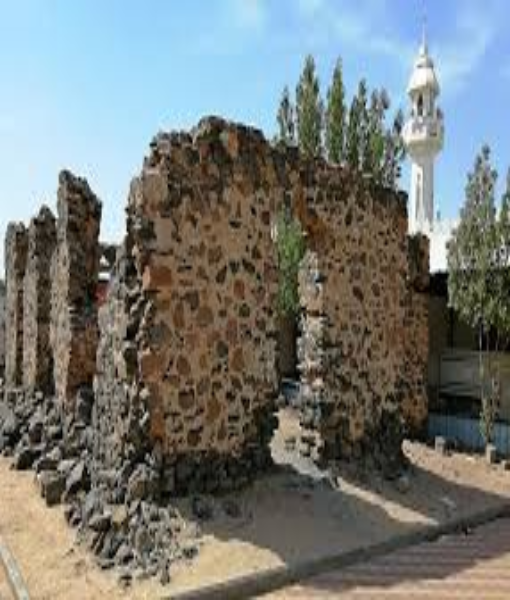
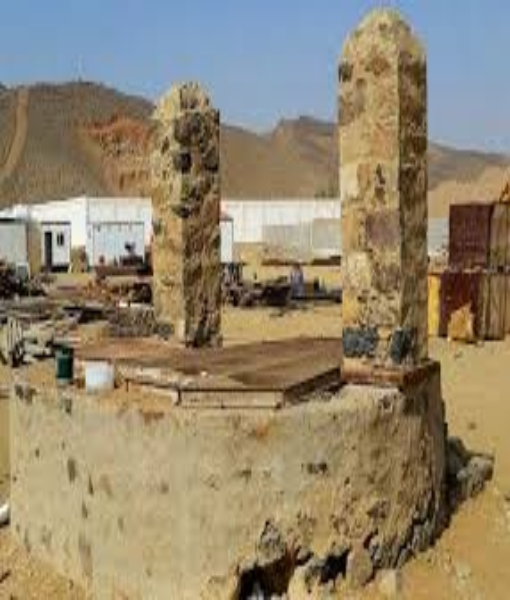
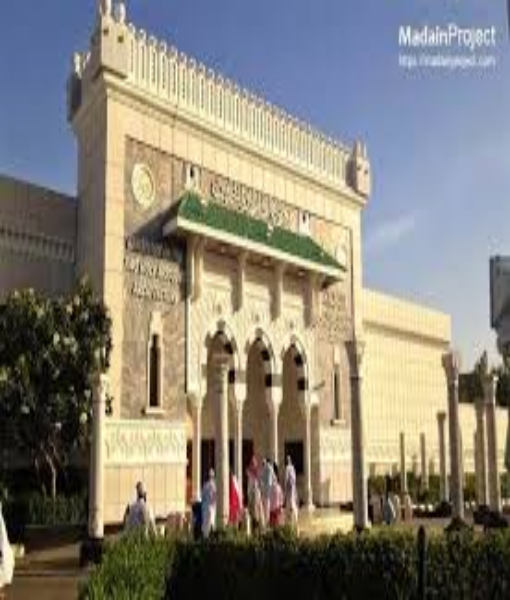
The mosque has undergone several renovations since the early Islamic era. Today, it remains a smaller, preserved structure that reflects the traditional architecture of the Western Region, often featuring mashrabiyas and locally sourced stone and gypsum.

  • A Reminder for Travelers: Situated on a major highway connecting Makkah to the northern cities, Masjid al-Fath serves as a convenient and spiritually significant stop for travelers. It is a peaceful place for pilgrims to stop, reflect, and offer prayers in congregation.
  • Connecting the Narrative: For the Umrah Plus visitor, Masjid al-Fath forms the final strategic piece of the Makkah journey. It closes the chapter of military necessity (begun at sites like Masjid al-Bayah) and opens the chapter of eternal Islamic rule in the Holy City.

Masjid al-Fath in Al-Jumum is a crucial Ziyarat—a monument to the Prophet Muhammad’s (S.A.W.) ultimate triumph, reminding the Ummah that even the most complex political victories are, at their heart, profound demonstrations of spiritual submission and prayer.

The Lesson of the Foundation

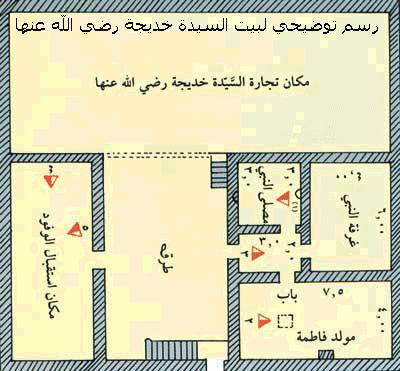
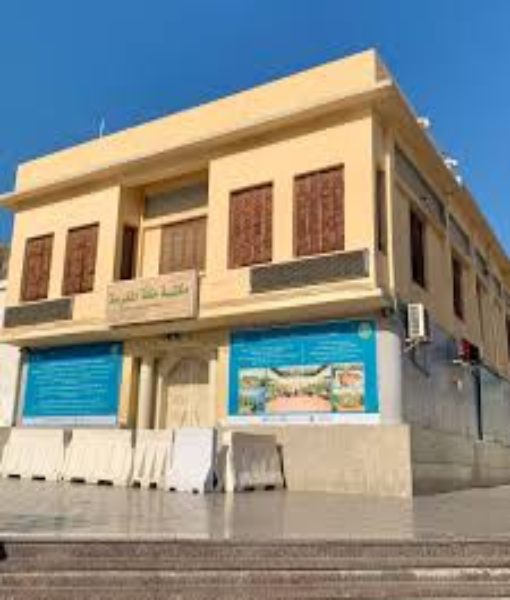
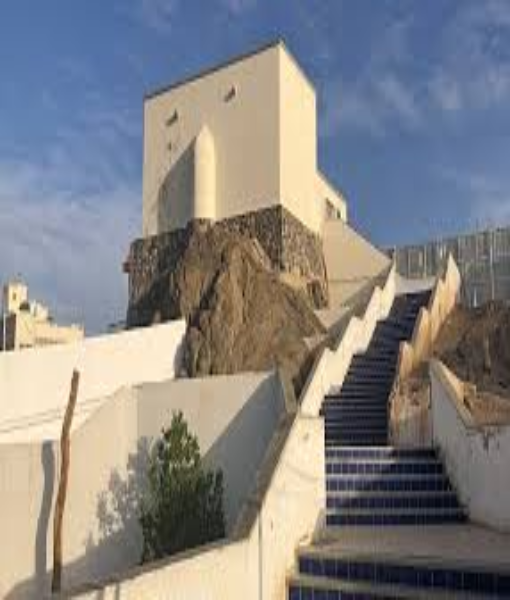
The Ziyarat to the site of the House of Khadijah (R.A.) is a visit to the spiritual wellspring of the Ummah.

  • The Barakah of Partnership: It teaches the paramount importance of a supportive spouse and home life in the spiritual mission. Khadijah’s (R.A.) trust gave the Prophet (S.A.W.) the emotional stability to face the persecution of the entire city.
  • The Power of Sincerity: The house is a reminder that the greatest acts of faith begin in humility and sincerity—the first believer was a woman who used her wealth and status entirely for the sake of Allah (S.W.T.).

Standing near the location of this house, the pilgrim should feel the warmth of that early faith, remembering the strength, love, and protection that emanated from the cradle of Prophethood.

Other Ziyarat You Should Know