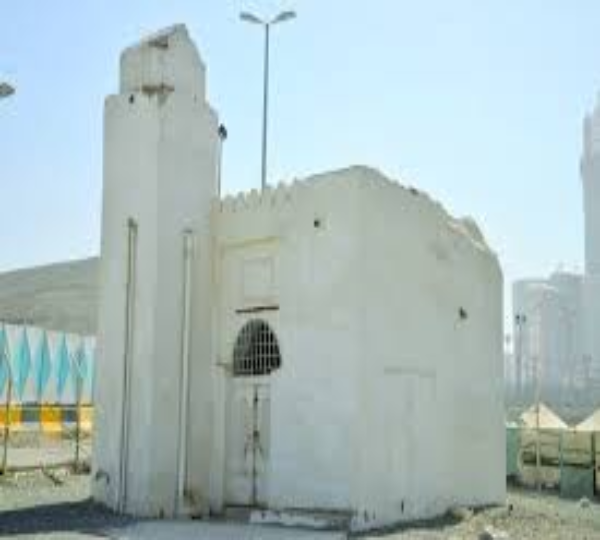
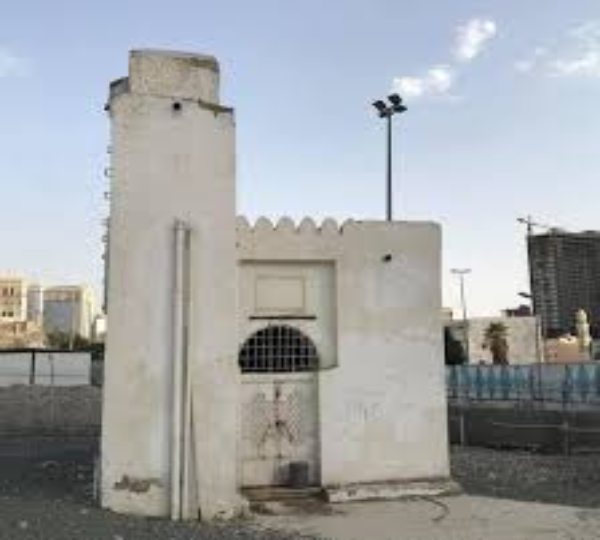
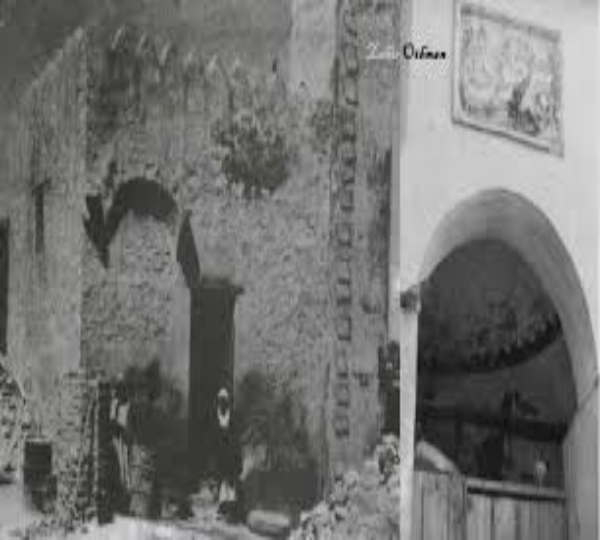
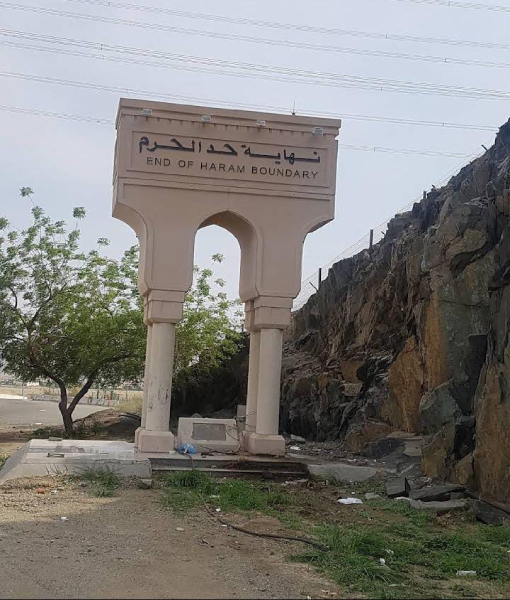
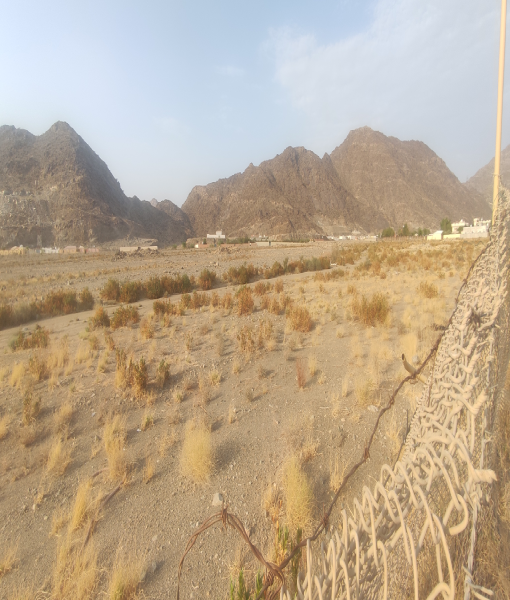
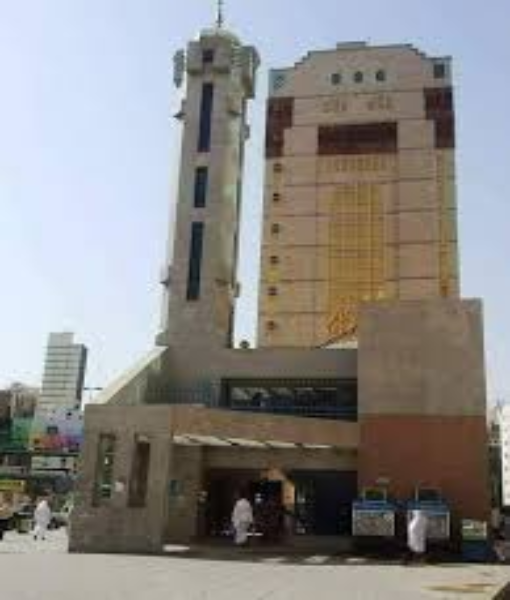
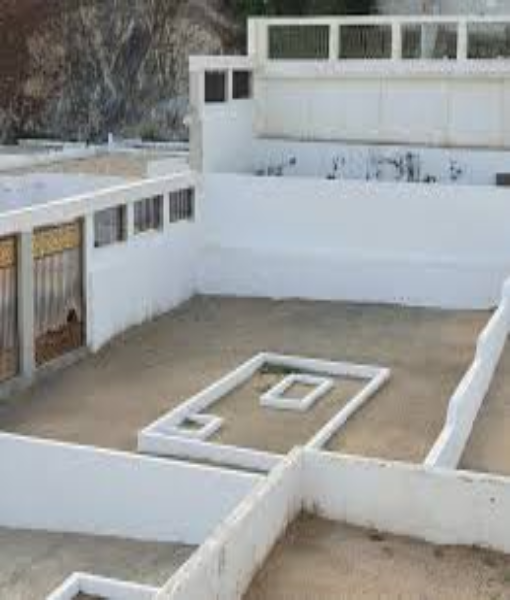
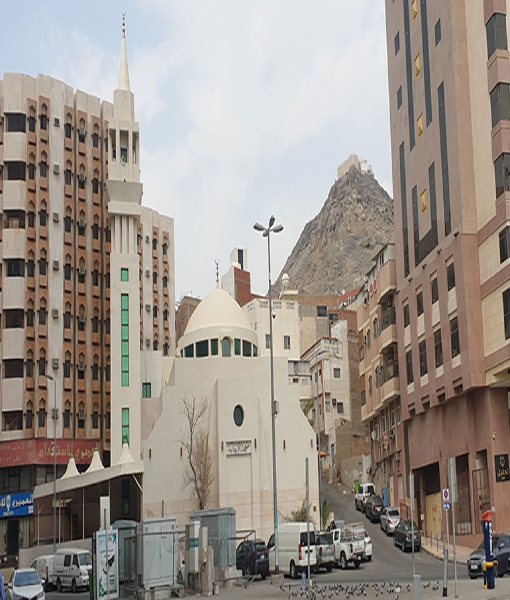
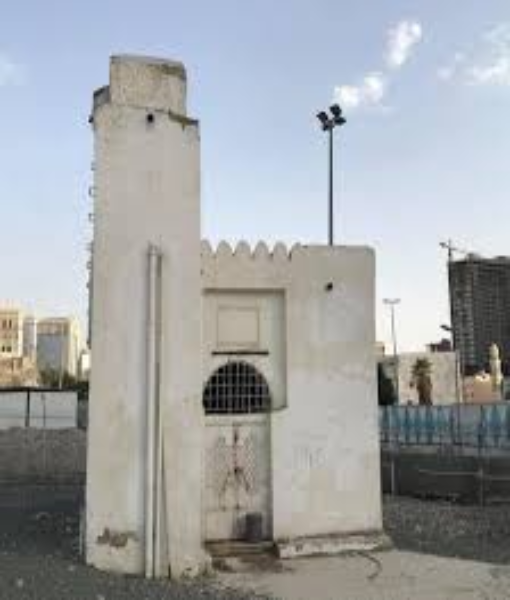
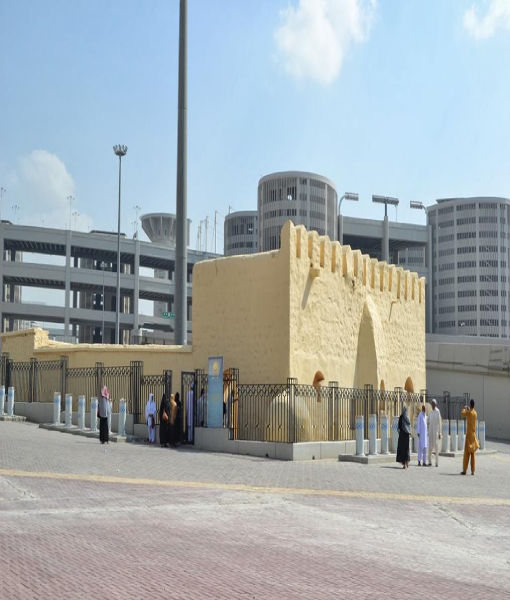
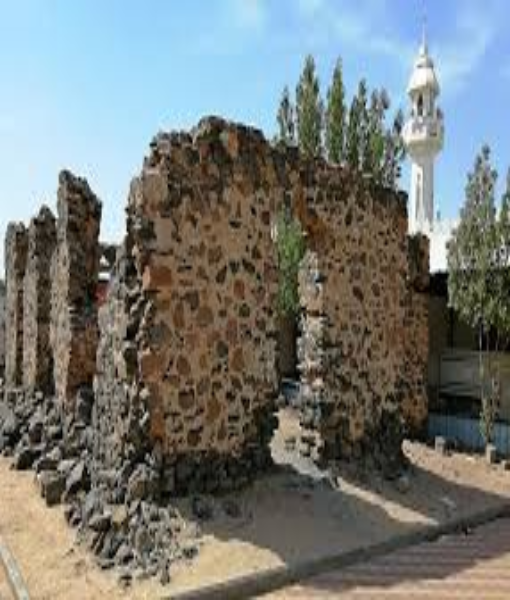
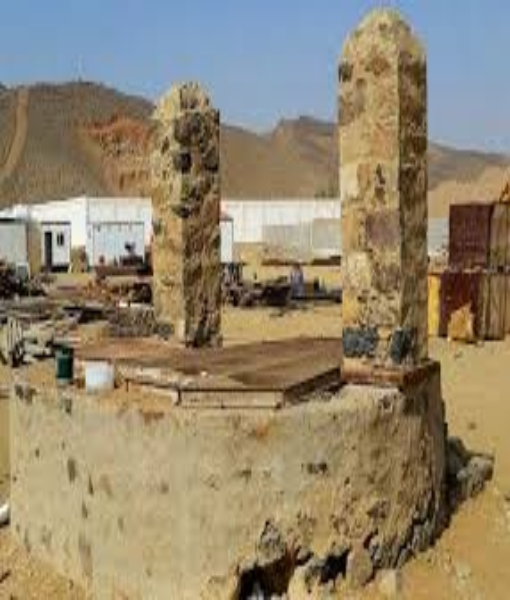
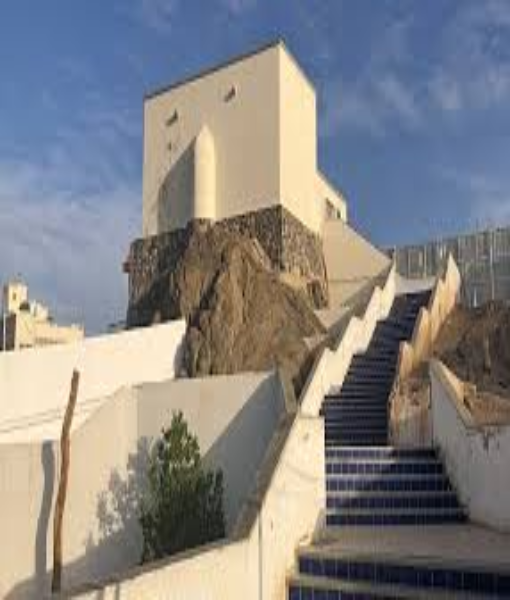
Bir Tuwa, located in the Valley of Dhi Tuwa (now part of the Jarwal district), is much more than an ancient water source. It is a historical marker that symbolizes humility, preparation, and devotion—qualities essential for anyone approaching the Ka’bah.
The Sanctity of the Stop
The historical importance of Bir Tuwa is explicitly linked to two monumental moments in the Prophet’s (S.A.W.) life: the Conquest of Makkah (8 AH) and his final Farewell Hajj (10 AH).
Humility and Strategy
During the Conquest of Makkah, the Muslim army marched from Madinah to liberate the Holy City. The Prophet (S.A.W.) chose to make his final military encampment at Dhi Tuwa, just outside the city walls.
The Night of Humility: The Prophet (S.A.W.) spent the night here, not in celebration, but in prayer and vigilance. This was the moment before the triumphant entry into Makkah, and the Prophet (S.A.W.) used it as a pause for submission and gratitude.
The Act of Purification: On the morning of the entry, before proceeding, the Prophet (S.A.W.) performed a Ghusl (ritual bath) using the water of Bir Tuwa and performed $\text{Salah}$ nearby. This act taught the Ummah that before approaching the Sacred House—even in victory—purification must be the first step.
The Division of Forces: It was also here that the Muslim army was strategically divided into columns to enter Makkah peacefully, demonstrating that preparation, purification, and strategy work hand-in-hand.
The Sunnah for Entry
The practice established by the Prophet (S.A.W.) at Bir Tuwa was meticulously maintained by his companions.
Abdullah ibn Umar’s Practice: It is recorded in authentic Hadith that the great Companion Abdullah ibn Umar (R.A.) would consistently follow the Prophet’s (S.A.W.) Sunnah: he would spend the night at Dhi Tuwa, perform Ghusl with its water at dawn, and then enter Makkah for Fajr prayer. This practice underscores the importance of seeking maximum purity before beholding the Ka’bah.
The Barakah of the Sanctified Valley
Bir Tuwa gains its spiritual distinction not only from the Prophet (S.A.W.) but also from its connection to other holy history. The valley of Tuwa (Dhi Tuwa) is often linked by scholars to the very Wadi Muqaddas (Sacred Valley) mentioned in the Quran, where Allah (S.W.T.) addressed Prophet Musa (A.S.) with the command: “Verily I am thy Lord! Therefore (in My presence) put off thy shoes: thou art in the sacred valley Tuwa.” (Surah Taha 20:12).
A Place of Prophetic Footsteps: This connection suggests that Bir Tuwa and its valley were recognized as consecrated ground throughout history, a fitting place for the Seal of the Prophets (S.A.W.) to pause and purify himself.
The Continuity of Purity: Just as the sweet waters of Madinah’s wells received Barakah, the water of Bir Tuwa was sanctified by the Prophet’s (S.A.W.) physical use, making it a well of spiritual preparation for millions who followed.
The Lesson of Humility
Though the well itself is currently sealed due to urban development and hygiene concerns, the area of Bir Tuwa remains a crucial Ziyarat site. It offers three profound lessons for the contemporary pilgrim:
The Priority of Purity: The site is a powerful reminder that spiritual journeys must always begin with purification, both physical (Ghusl/Wudu) and intentional (cleansing the heart of worldly attachment).
Humility in Victory: The Prophet (S.A.W.) did not rush into Makkah on the day of conquest. He paused, purified himself, and entered with profound humility. Visiting Bir Tuwa teaches us that success and blessings are found not in arrogance, but in gratitude and submission to Allah (S.W.T.).
The Sunnah of Preparation: Bir Tuwa symbolizes the spiritual necessity of setting aside time for contemplation and readiness before engaging in a major act of worship.
Bir Tuwa is a quiet, powerful monument to the Prophetic Sunnah of intentional entry. It marks the last earthly stop where the Prophet (S.A.W.) prepared his body and soul for the highest form of Ibadah, guiding every pilgrim to seek purity before entering the Sacred Sanctuary.
Other Ziyarat You Should Know
MAK - 02
Ansab Al-Haram
MAK - 03
Souq al-Majaz
MAK - 04
Maqbara al-Shubaikah, Makkah
MAK - 05
Makkah Al-Mukarramah Library
MAK - 06
Masjid al-Shajarah
MAK - 07
Masjid al-Jinn
MAK - 08
Grave of Sayyeda Khadija (r.a.)
MAK - 09
Masjid al-Ijabah
MAK - 10
Bir Tuwaa
MAK - 11
Masjid al-Bayah or Masjid al-Uqbah
MAK - 12
Masjid al-Kheif - Mina
MAK - 13
Masjid al-Kabasha
MAK - 14
Masjid al-Namirah
MAK - 15
Jabal al-Rahmah Arafat
MAK - 16
Masjid Taneem (Masjid Sayyeda Aisha)
MAK - 17
Masjid al-Jiranah
MAK - 18
Inscriptions in Wadi al Usaylah
MAK - 19
Masjid Hudaybiah
MAK - 20
Well of Hudaybiah
MAK - 21
Exhibition of the Two Holy Masjid Architecture
MAK - 22
Grave of Umm al-Mumineen Sayyeda Maymunah (R.A)
MAK - 23
Masjid al-Fath - Al-Jumum
When nothing prevents our to we like best, every pleasure to be.