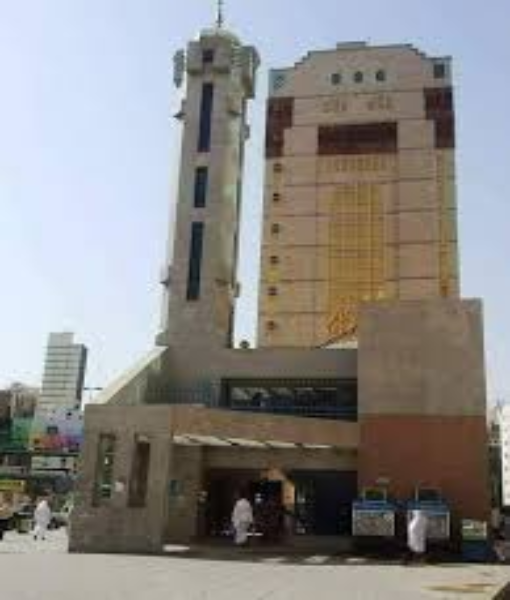
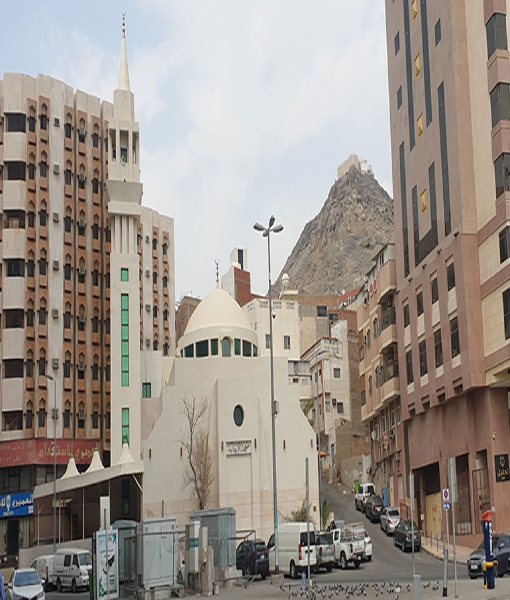
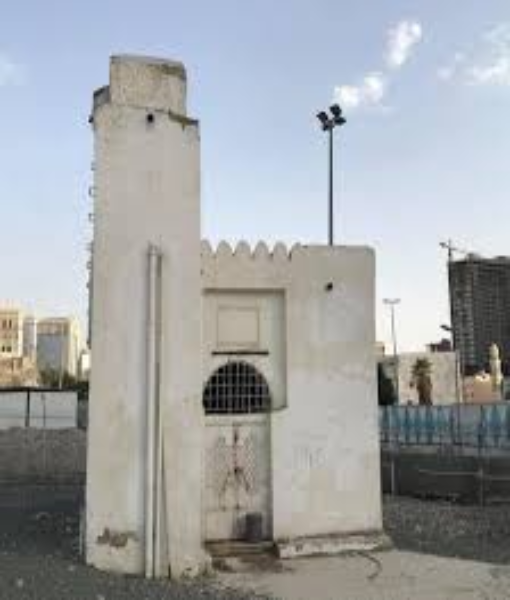
Sayyidah Khadijah (R.A.) passed away in the tenth year of Prophethood (619 CE), shortly after the lifting of the debilitating three-year boycott in Shi’b Abi Talib and shortly before the great trial in Taif (which we covered at Masjid Addas). The Prophet (S.A.W.) named this period the ‘Am al-Ḥuzn (Year of Sorrow), marking the depth of his loss.
- The Epitome of Support
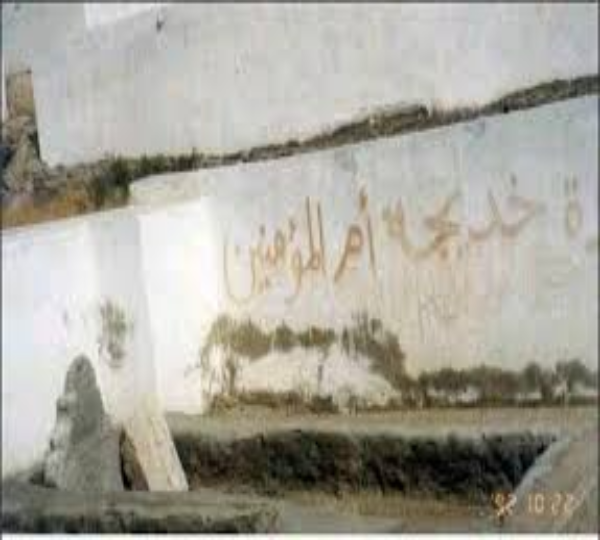
Khadijah (R.A.) was buried in Jannat al-Mu’alla, leaving a void that the Prophet (S.A.W.) felt for the rest of his life. Her legacy, enshrined at this site, teaches the highest forms of sacrifice and loyalty:
- The First Muslim: She was the first person to believe in him, transforming her house into the first sanctuary of Islam.
- The Financial Pillar: She dedicated her immense wealth entirely to the cause of Allah (S.W.T.), ensuring that the early, impoverished Muslim community survived economic warfare.
- The Emotional Anchor: The Prophet (S.A.W.) said of her: “She believed in me when none else did. She affirmed my truthfulness when others denied it. She supported me with her wealth when others withheld their wealth from me.”
Standing near her grave is a powerful reminder of the foundational role she played—a woman of unparalleled stature and unwavering conviction whose support made the Prophet’s (S.A.W.) mission possible.
- The Simplicity of Eternity
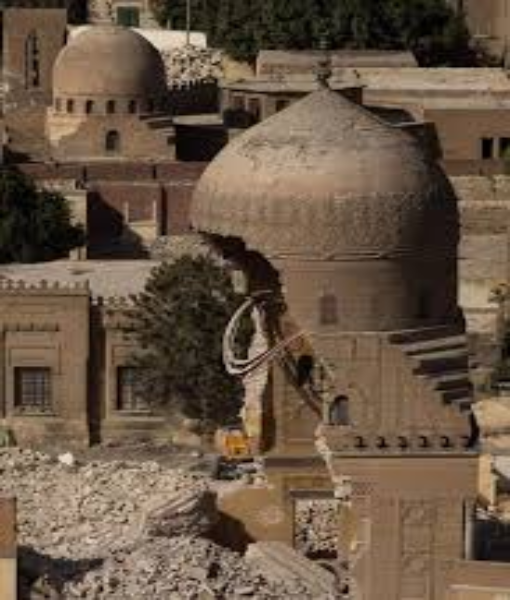
Over the centuries, the graves of Khadijah (R.A.) and other revered figures were marked by mausoleums and domes, reflecting the devotion of later generations. However, during the $20^{\text{th}}$ century, in line with religious reforms prohibiting the building of structures over graves to prevent exaggerated veneration, these monuments were removed.
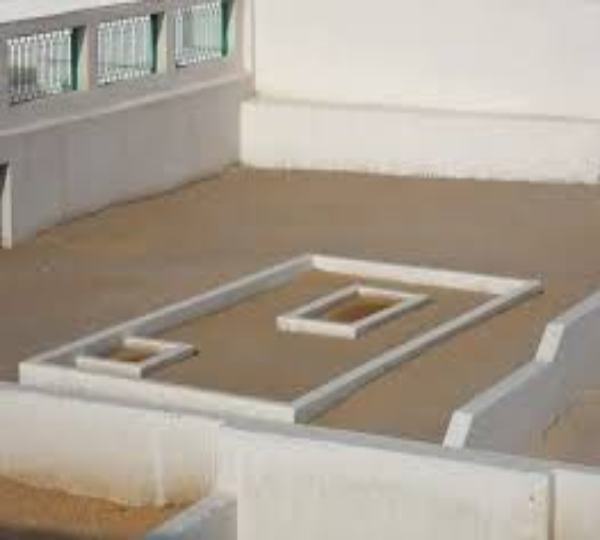
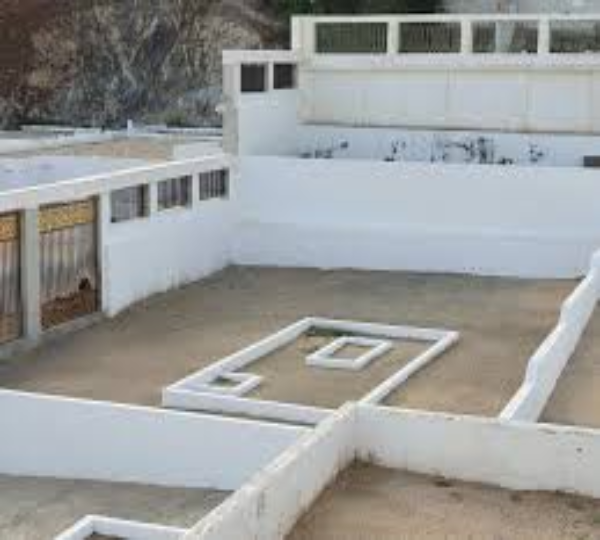
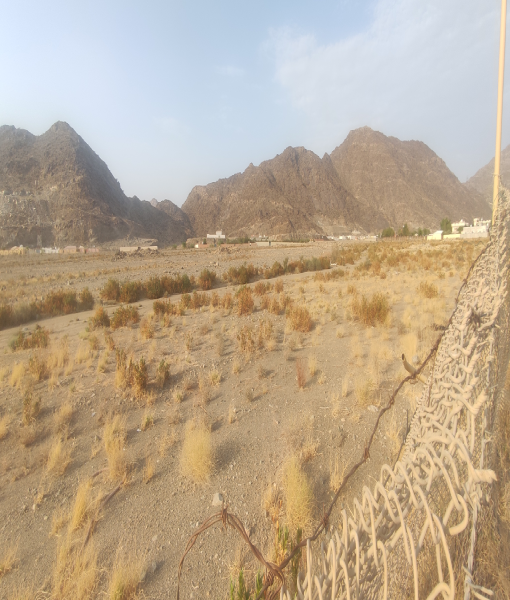
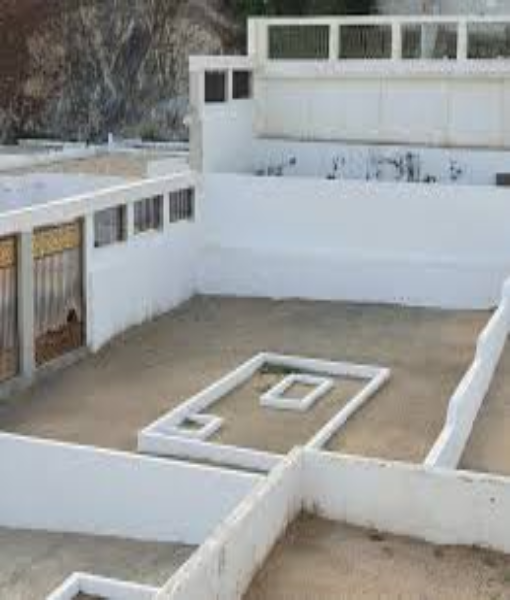
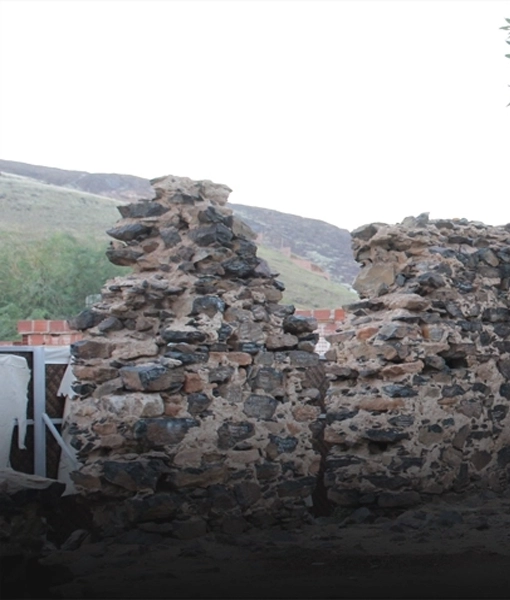
Today, like the graves of the companions in Jannat al-Baqi in Madinah, Khadijah’s grave is unmarked save for a simple pile of stones or a generalized marker, leveled with the earth. This physical simplicity is a profound spiritual teaching in itself:
- Equality in Death: It emphasizes the Islamic principle of equality and humility in death. The Mother of the Believers, whose status is guaranteed in Paradise, rests in the simplest manner, reminding the wealthy and the humble that true honor lies only in piety.
- Focus on Legacy: The lack of grand structure forces the pilgrim’s focus away from stone and towards the spiritual legacy. The true monument to Khadijah (R.A.) is not a building, but the preserved Quran, the established Sunnah, and the Ummah she helped nurture.