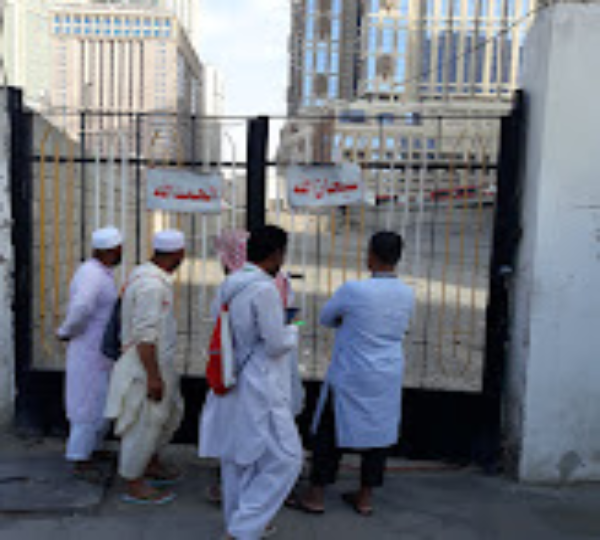
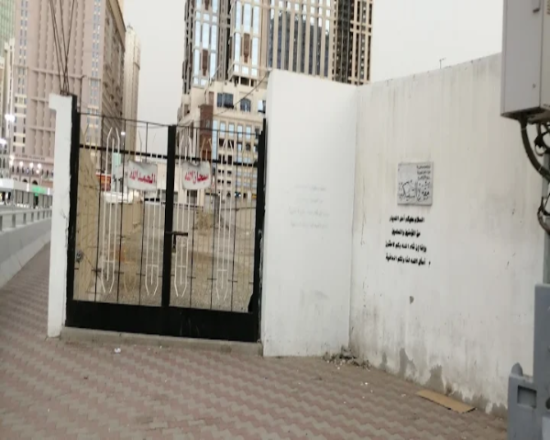
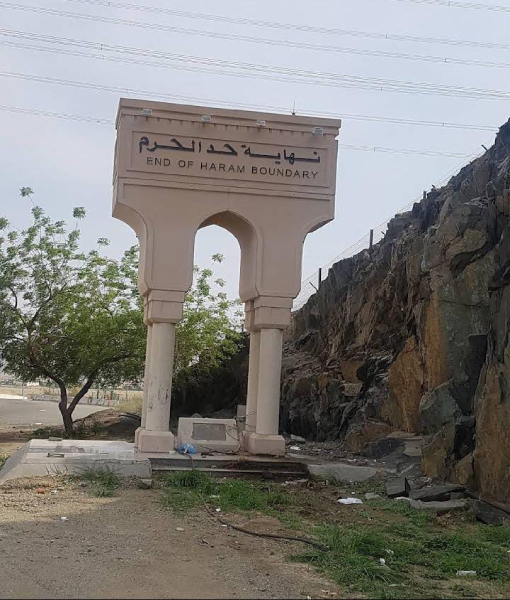
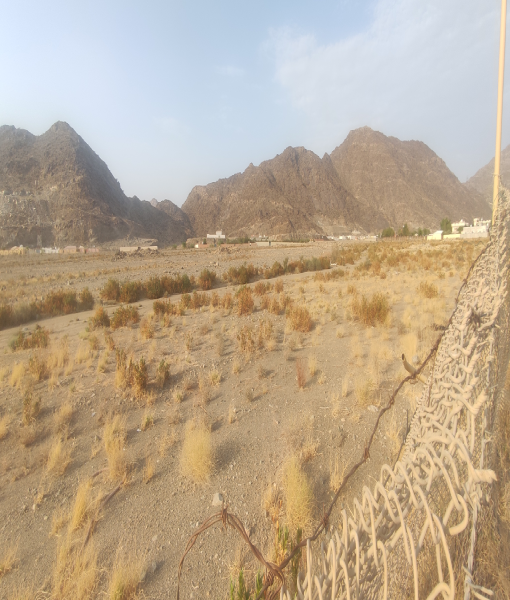
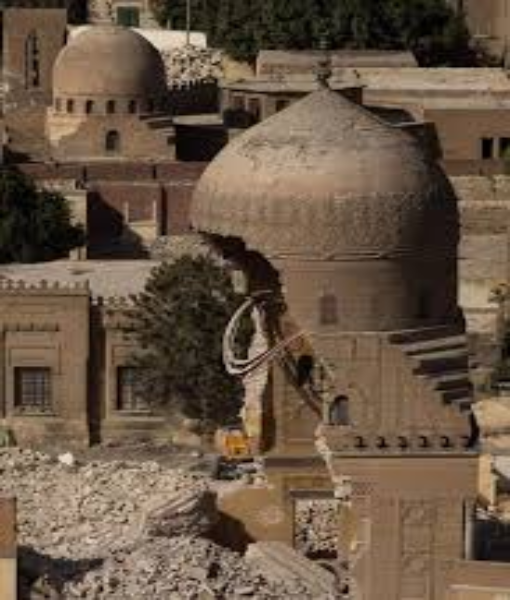
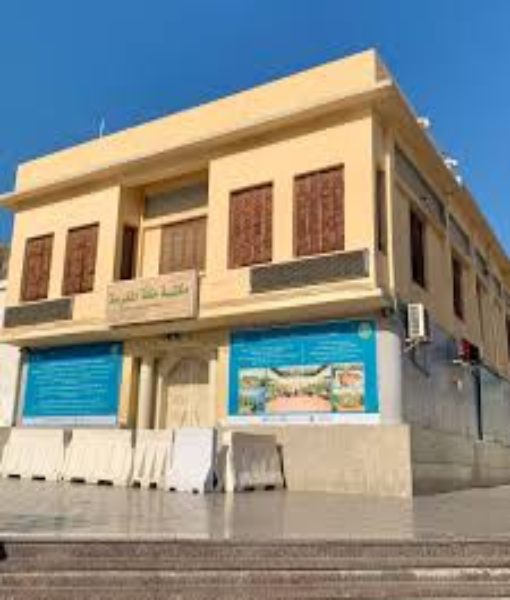
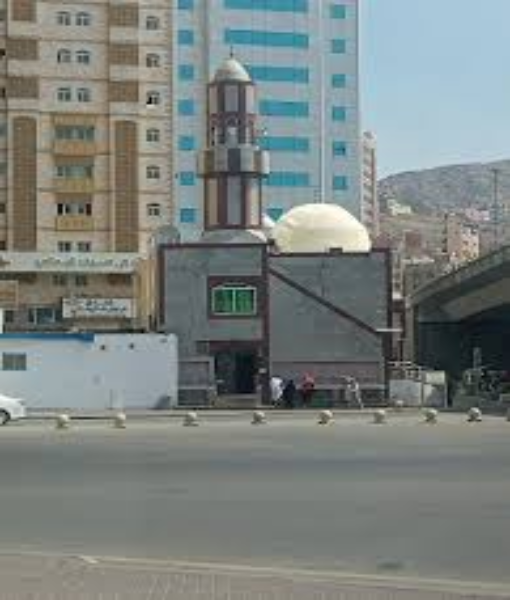
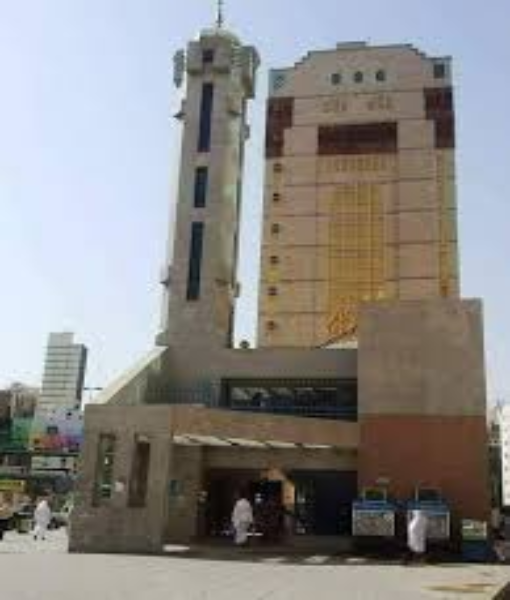
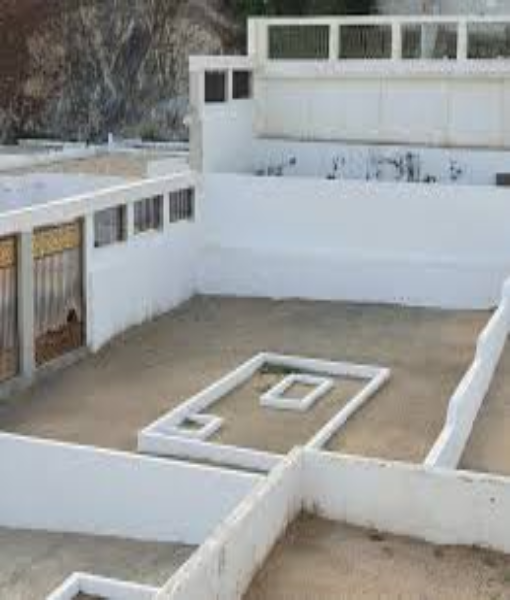
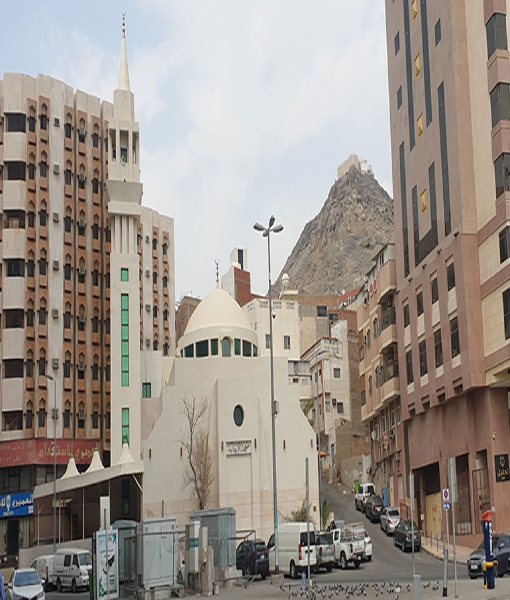
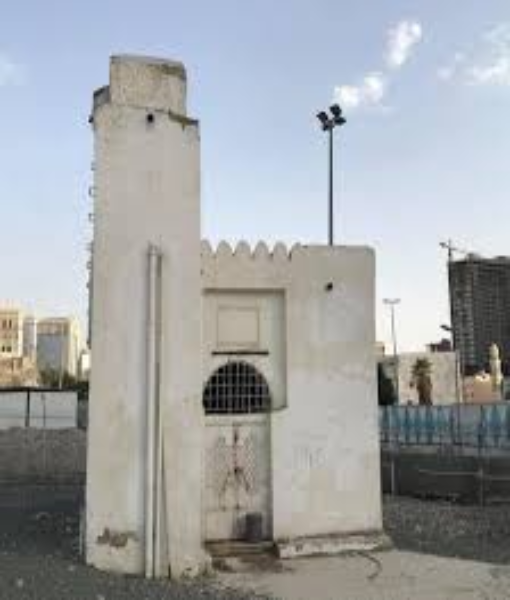
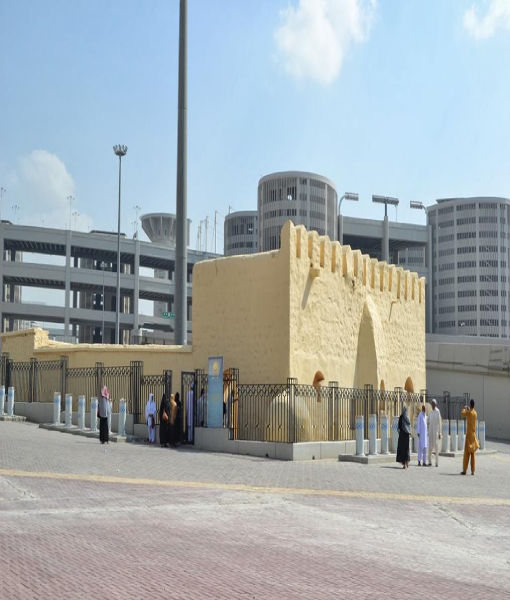
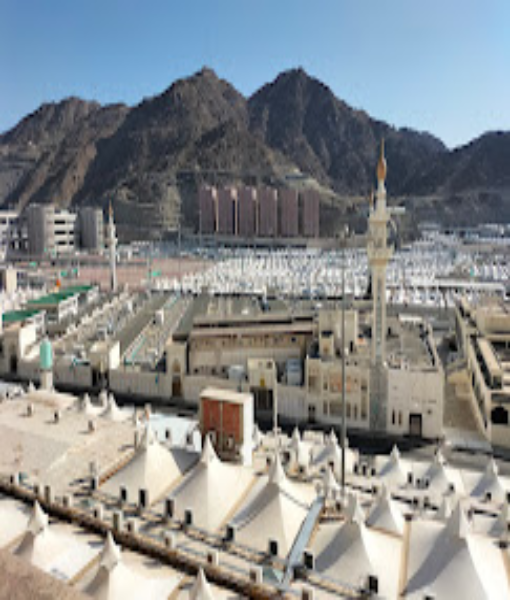
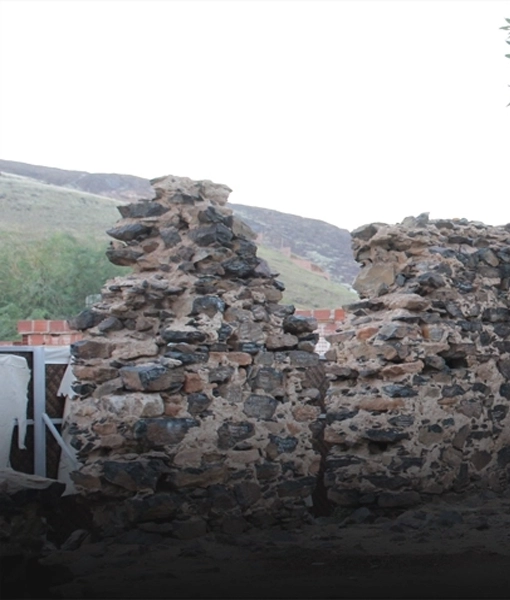
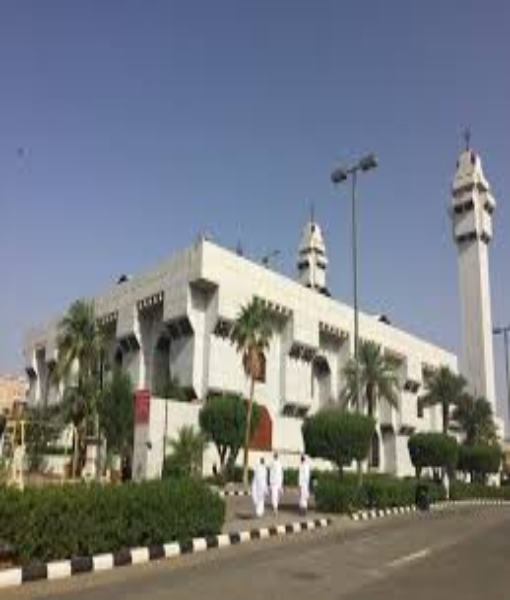
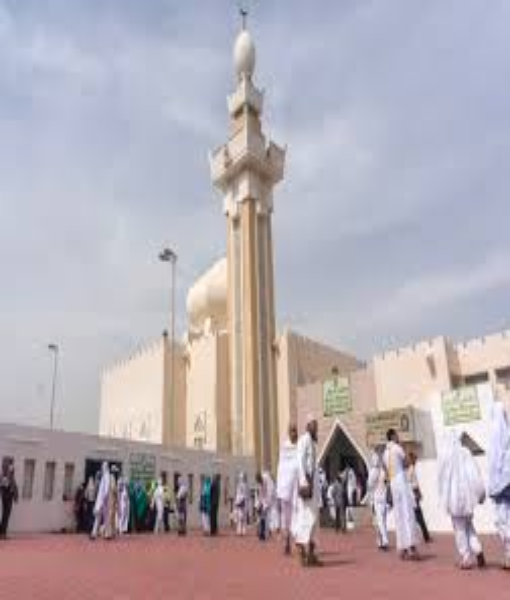
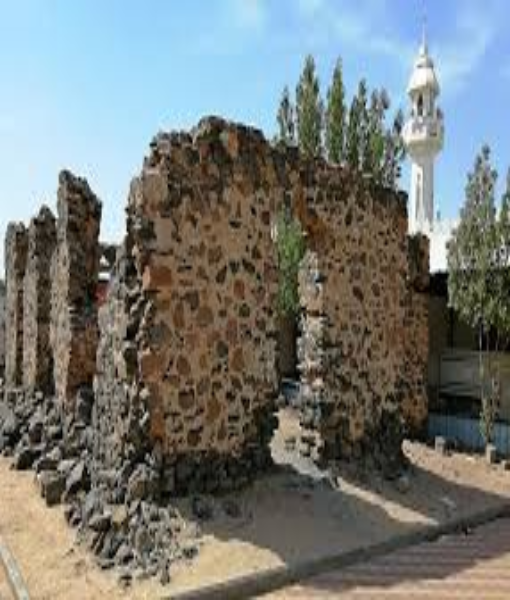
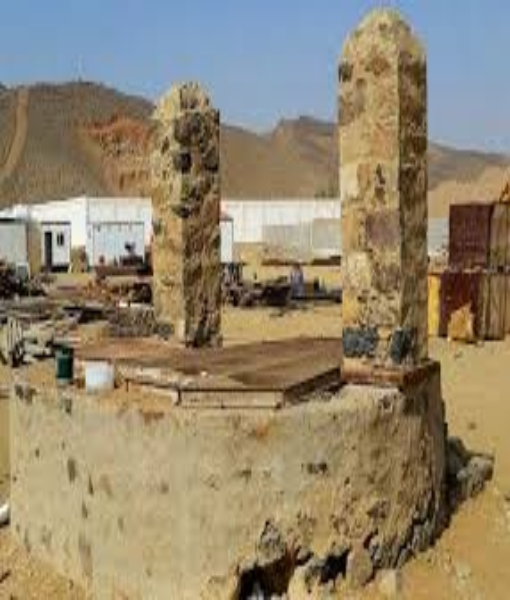
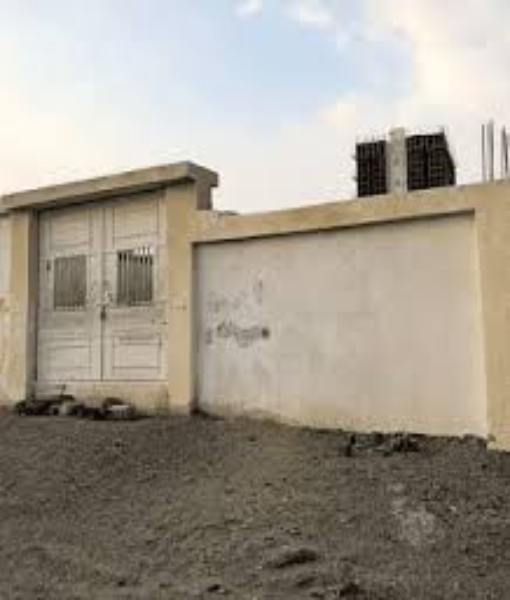
Located in the historic Al-Shubaikah district, southwest of the Masjid al-Haram, this ground is not primarily famous for grand figures but for the ultimate spiritual struggles and social brutality that defined Makkah before the light of Islam shone fully. A visit here is a solemn act of remembrance and a profound contemplation on the sacrifices required to establish human dignity and justice.
The Dark Scars of the Jahiliyyah
Maqbara al-Shubaikah, also known historically as Al-Ahlaf Cemetery, holds a grim significance due to the practices that took place here in the years immediately preceding the rise of Islam.
The Burial of the Daughters (Wa’d al-Banāt): The most devastating historical association of this site is the practice of female infanticide (wa’d al-banāt). Prior to the Prophet Muhammad’s (S.A.W.) mission, many pagan Arabs, driven by poverty or fear of dishonor, would bury their newborn daughters alive. Maqbara al-Shubaikah is traditionally identified as one of the ancient cemeteries where this horrific, inhumane practice was carried out.
The End of Brutality: The revelation of the Quran brought an immediate, powerful condemnation of this practice, making the preservation of female life a sacred duty. The mere memory of this site reinforces the immense moral transformation Islam brought to the Arabian Peninsula, valuing every soul equally, regardless of gender.
The cemetery itself, though subject to modern urban development, remains a silent testament to the darkness of the past and the illumination of the Islamic message that ended such profound cruelty.
TThe Footsteps of the First Martyrs
Beyond the victims of the Jahiliyyah, Maqbara al-Shubaikah is strongly believed to be the resting place of figures whose struggles marked the beginning of Islam’s triumph over persecution.
Sumayyah bint Khayyat (R.A.): Local tradition suggests that Sumayyah (R.A.), the mother of Ammar ibn Yasir (R.A.) and the first person martyred in the cause of Islam, is buried in or near this cemetery. She and her family were among the earliest converts and endured brutal torture under the Quraysh until she was killed by Abu Jahl.
Yasir ibn Amir (R.A.): Her husband, Yasir (R.A.), also suffered martyrdom for his faith. Their sacrifice stands as the foundational testament to the ultimate price paid for the truth of Islam.
The presence of the martyrs here provides the spiritual context for the site’s painful past. The place where the lives of innocent girls were unjustly ended later housed the bodies of heroes and heroines who willingly gave their lives for the defense of human dignity. It signifies the powerful replacement of brutal ignorance with unwavering faith
A Lesson in Justice and Value
A Ziyarat to the area of Maqbara al-Shubaikah is a profound opportunity for the Umrah Plus pilgrim to internalize the core tenets of the faith. It is not a place for seeking blessings on the scale of the Ka’bah, but a location for deep, personal contemplation:
The Value of the Soul: It forces a remembrance of the sacredness of every human life. The Prophet’s (S.A.W.) mission centered on stopping oppression and establishing a society where no one, regardless of power or weakness, could be unjustly harmed.
The Cost of Faith: Standing near the resting place of Sumayyah (R.A.) reminds us that the ease and safety of our worship today—a stark contrast to the challenges faced in the early House of Khadijah (R.A.)—were purchased with the blood and sacrifice of the first believers.
A Prayer for the Oppressed: The atmosphere here calls for prayer, urging the believer to supplicate for all the oppressed throughout history and to commit to upholding justice (Adl) in their own lives.
Maqbara al-Shubaikah stands today as a somber yet vital historical marker in Makkah. It is a place that holds the weight of the Jahiliyyah, but ultimately celebrates the spiritual revolution brought by the Prophet Muhammad (S.A.W.), transforming a place of historical cruelty into a place of poignant remembrance and eternal honor for Islam’s first heroes.
Other Ziyarat You Should Know
MAK - 02
Ansab Al-Haram
MAK - 03
Souq al-Majaz
MAK - 04
Maqbara al-Shubaikah, Makkah
MAK - 05
Makkah Al-Mukarramah Library
MAK - 06
Masjid al-Shajarah
MAK - 07
Masjid al-Jinn
MAK - 08
Grave of Sayyeda Khadija (r.a.)
MAK - 09
Masjid al-Ijabah
MAK - 10
Bir Tuwaa
MAK - 11
Masjid al-Bayah or Masjid al-Uqbah
MAK - 12
Masjid al-Kheif - Mina
MAK - 13
Masjid al-Kabasha
MAK - 14
Masjid al-Namirah
MAK - 15
Jabal al-Rahmah Arafat
MAK - 16
Masjid Taneem (Masjid Sayyeda Aisha)
MAK - 17
Masjid al-Jiranah
MAK - 18
Inscriptions in Wadi al Usaylah
MAK - 19
Masjid Hudaybiah
MAK - 20
Well of Hudaybiah
MAK - 21
Exhibition of the Two Holy Masjid Architecture
MAK - 22
Grave of Umm al-Mumineen Sayyeda Maymunah (R.A)
MAK - 23
Masjid al-Fath - Al-Jumum
When nothing prevents our to we like best, every pleasure to be.