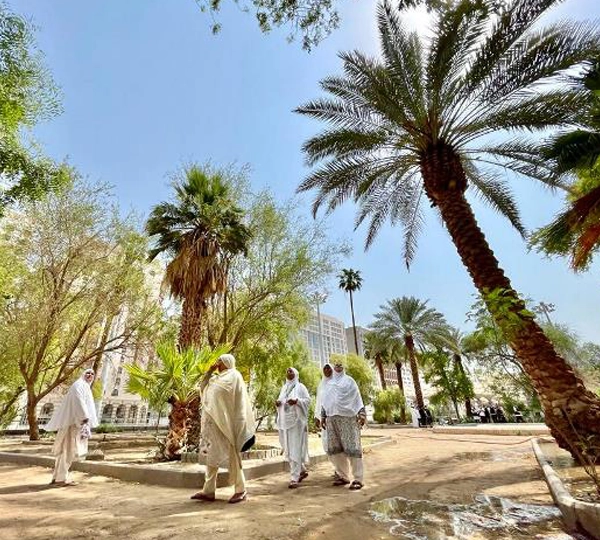
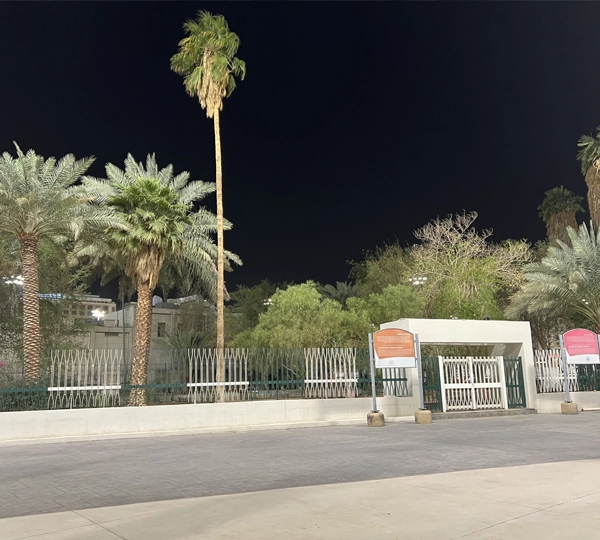
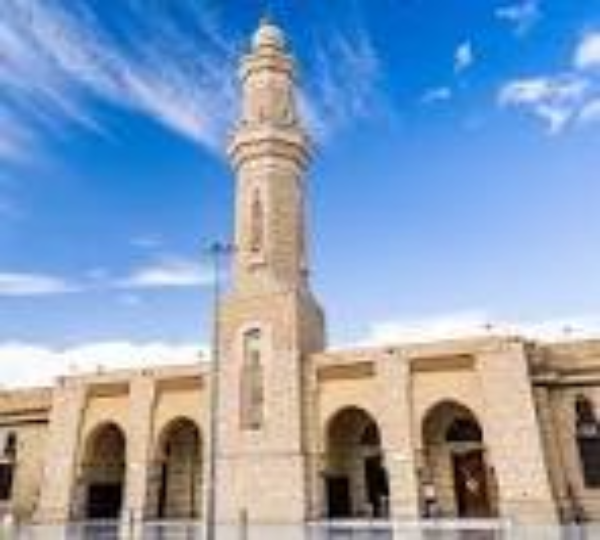
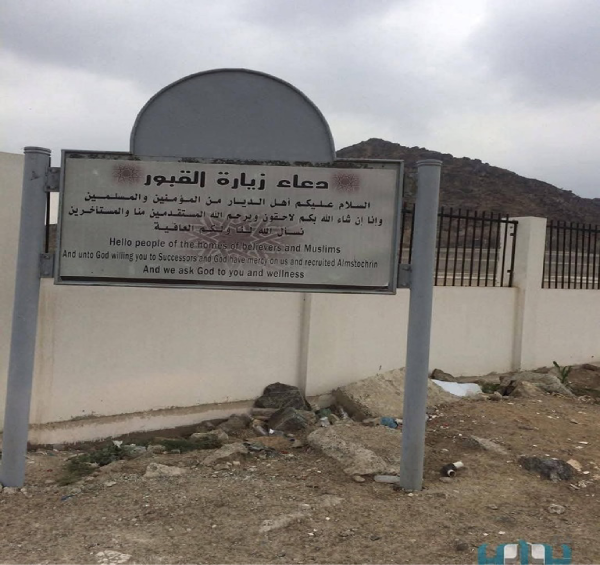
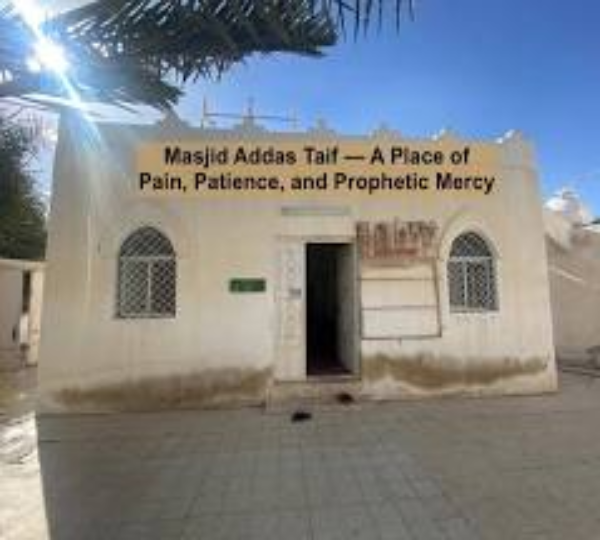
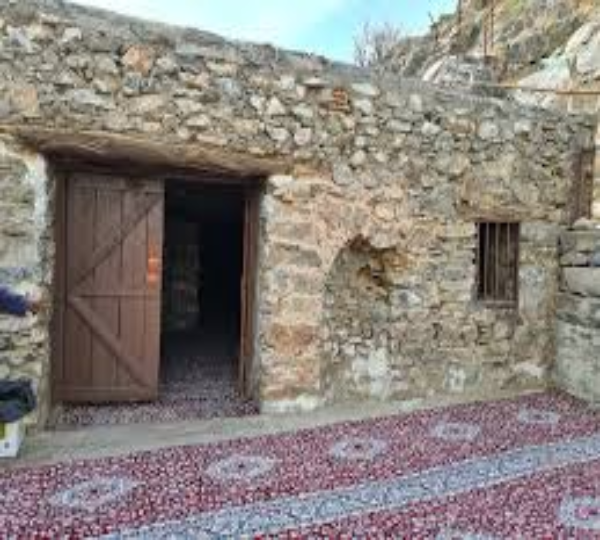
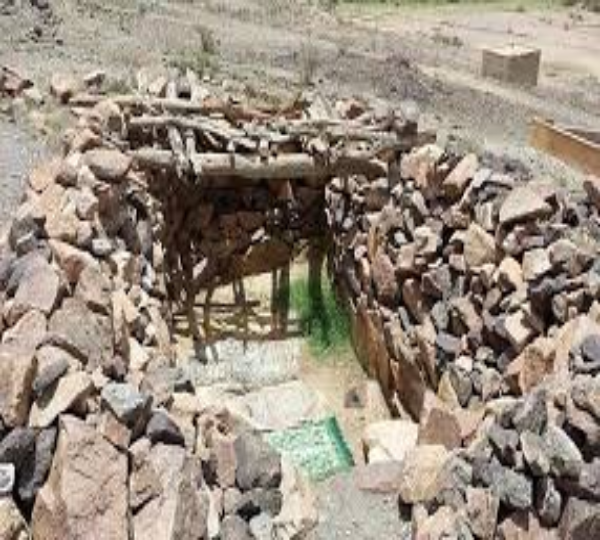
This mosque, like others in the Taif region, holds a special place in the hearts of pilgrims as a monument to the Prophet’s (S.A.W.) personal actions. Masjid Sidra is traditionally identified with the Sunnah of ritual washing and purification, a practice deeply revered by the Prophet (S.A.W.) and his companions, and a theme that beautifully connects the life-giving water of the wells we explored in Madinah (like Bir Rawha) to the high desert of Taif.
The Name and the Act of Purity
The name Masjid Sidra is significant. It is derived from the Sidr tree (or lote tree), a tree native to the Arabian Peninsula. While a tree of immense symbolic value (the highest point in Jannah, Sidrat al-Muntahā, is named after it), its use here points to a more practical, yet spiritual, tradition:
Washing and Purification: The leaves of the Sidr tree were traditionally used in Arabia as a natural cleansing agent, often replacing soap. They were frequently used for ritual washing, including the cleansing of the deceased before burial.
The Prophetic Stop: Masjid Sidra is traditionally believed to mark the location where the Prophet Muhammad (S.A.W.) performed a ritual washing ($\text{Ghusl}$) or ablution ($\text{Wudu}$), likely using water infused with Sidr leaves. This act of purification would have occurred during one of his travels or upon returning from a journey or campaign.
In a desert environment where clean water was a premium, the Prophet’s (S.A.W.) ritual washing at this spot imbues it with the spiritual Barakah of Purity. The mosque thus stands as a reminder of the Prophet’s (S.A.W.) constant attention to physical and spiritual cleanliness, which he called “half of faith.”
A Junction of Spiritual Journeys
While the specific historical event that led to the mosque’s founding is a matter of local tradition, its location places it on the axis of pivotal Islamic history:
The Route of Return (Taif to Makkah)
Following the ordeal in Taif, the Prophet (S.A.W.) and Zayd ibn Harithah (R.A.H.) needed to recover and purify themselves before attempting to return to Makkah. The act of washing at a location like Sidra would have been a crucial step in this process:
Physical and Spiritual Cleansing: The wash would have cleansed the Prophet’s (S.A.W.) body of the dust and blood from the stoning, marking a physical cleansing, but it also symbolized a spiritual preparation before he made his famous Dua outside Taif (near Masjid Al Kou).
The Barakah of Recovery: This site is a testament to the Barakah of recovery and resilience. It is where the physical process of healing and spiritual regrouping took place before the next, successful phase of the Da’wah could begin.
The Link to Heavenly Ascent
The symbolic link to the celestial Sidrat al-Muntahā (the Lote Tree of the Utmost Boundary) gives the mosque an elevated spiritual resonance. The Prophet’s (S.A.W.) spiritual journey (the Mi’raj) took him to this very tree. While the mosque is an earthly structure, its name connects it to the peak of the Prophet’s (S.A.W.) spiritual experience. It quietly affirms that even the mundane acts of cleansing are linked to the highest heavenly realities in Islam.
This mosque, like others in the Taif region, holds a special place in the hearts of pilgrims as a monument to the Prophet’s (S.A.W.) personal actions. Masjid Sidra is traditionally identified with the Sunnah of ritual washing and purification, a practice deeply revered by the Prophet (S.A.W.) and his companions, and a theme that beautifully connects the life-giving water of the wells we explored in Madinah (like Bir Rawha) to the high desert of Taif.