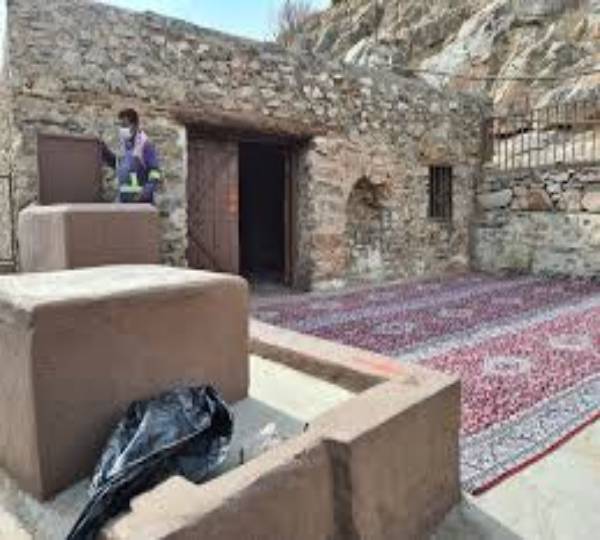
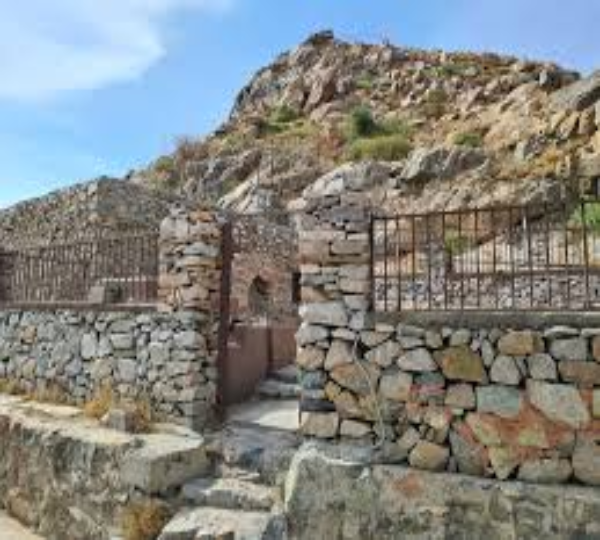
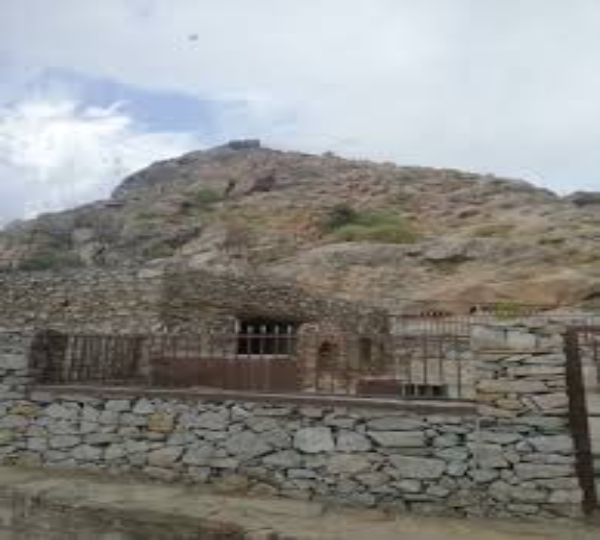
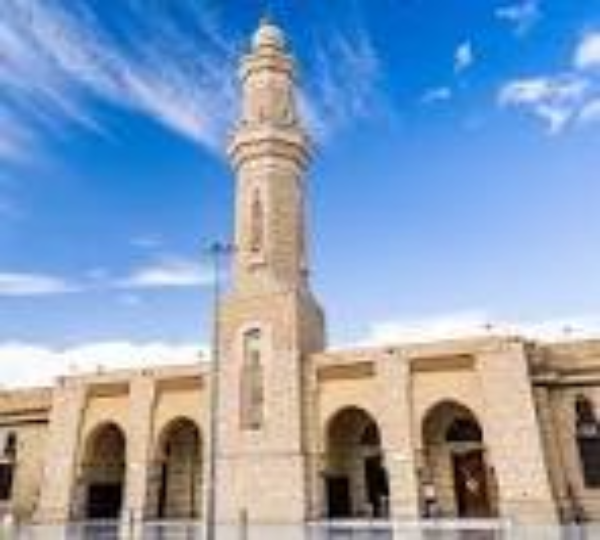
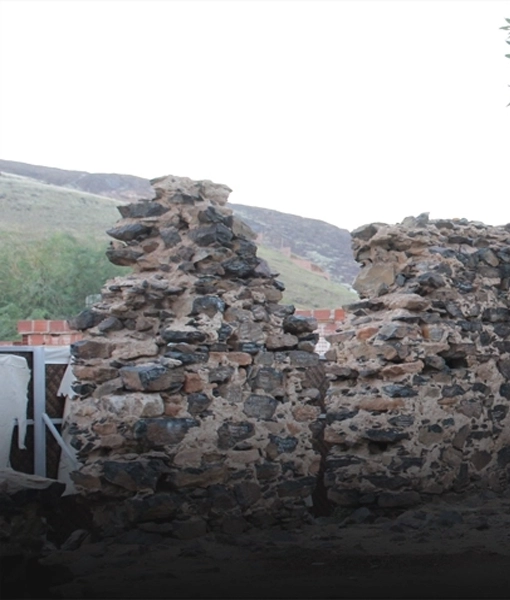
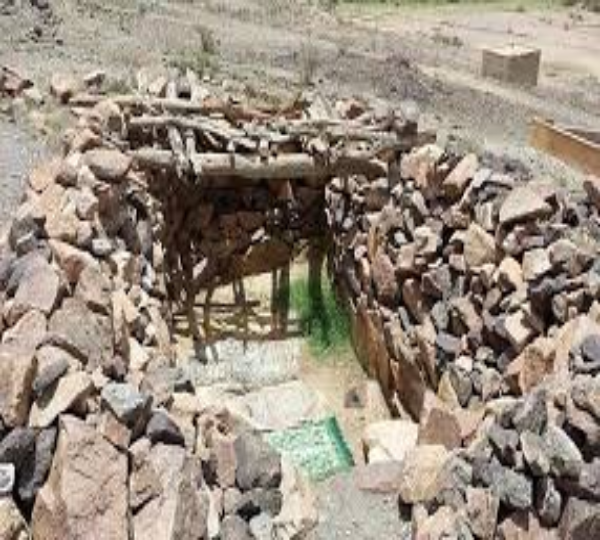
The name “Al Kou’a” is derived from the Arabic word meaning “the elbow”. This name is central to the local tradition surrounding the mosque, which holds that this site marks the location where the Prophet Muhammad (S.A.W.), exhausted and gravely wounded after the attack by the people of Taif, sought refuge and rest.
The Moment of Exhaustion: After the severe persecution and stoning in 619 CE, the Prophet (S.A.W.) and Zayd ibn Harithah (R.A.H.) fled the city. The Prophet (S.A.W.) was so exhausted that he is said to have collapsed or rested near this spot.
The Legend of the Elbow Print: According to a widespread local belief, the name Al Kou’a refers to a legend that the Prophet (S.A.W.) rested by leaning his elbow on a stone or rock at this location. While historical scholars caution against confirming such legends, the immense popular reverence for the mosque highlights the community’s deep emotional need to commemorate the exact spot of the Prophet’s (S.A.W.) suffering and rest. It transforms the mosque into a sanctuary dedicated to the Prophet’s (S.A.W.) human vulnerability and divine resilience.
Masjid Al Kou, therefore, stands as a quiet, powerful counterpoint to the battlefield sites of Madinah. It commemorates a battle fought not with swords, but with endurance, patience, and submission
The Spiritual Geography: Al Kou and the Orchard
Masjid Al Kou is strategically located in the Al-Mathnah area of Taif, often situated near or opposite the famous grape orchard where the Prophet (S.A.W.) took shelter. This physical proximity ties it directly to the most tender moment of the trial:
A Symbol of Transition: The sanctuary is the physical space that followed the ordeal. It marks the transition from the city’s hostility to the quietude of the garden, where the Prophet (S.A.W.) found the strength to make his famous, powerful Du’a for forgiveness rather than revenge.
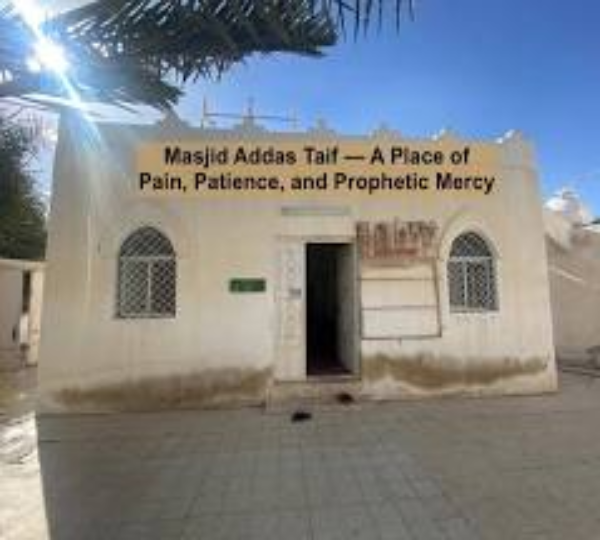
The Place of Addas’s Faith: The mosque’s neighbor is the garden where Addas (R.A.H.) (as detailed in our previous blog) offered the grapes and subsequently embraced Islam. This closeness emphasizes a powerful spiritual truth: the moment of deepest human injury and despair (marked by Al Kou) was immediately followed by the miraculous dawn of hope and faith (marked by Masjid Addas). The two mosques are spiritual companions.
The architectural styles of the area, often reflecting later Ottoman and Abbasid influences, underscore the enduring importance of this entire historical corridor. Even centuries later, the faith of the community demanded that this very spot be marked and consecrated with a mosque.
The Barakah of Patience and Forgiveness
The primary spiritual lesson of Masjid Al Kou is the Barakah of Steadfastness and Mercy. The Prophet’s (S.A.W.) response to persecution at this very location defines his character as the “Mercy to the worlds” (Rahmatul-lil-‘Alamin).
Endurance of the Messenger: This site is a physical reminder that the journey of Prophethood was not easy. The wounds and exhaustion felt here highlight the immense physical and emotional price paid by the Prophet (S.A.W.) for the message of Islam. Visiting Al Kou inspires pilgrims to contemplate their own sacrifices for their faith.
Rejection of Revenge: It was at this spot, just after seeking rest, that the Prophet (S.A.W.) was visited by the Angel Jibril (A.S.) and the Angel of the Mountains, who offered to crush the people of Taif. The Prophet’s (S.A.W.) refusal—his choice to pray for their future guidance—is the supreme act of mercy. The Masjid Al Kou stands as a monument to that refusal, celebrating the triumph of compassion over retribution.
For the Umrah Plus Pilgrim: Seeking Solace and Strength
For the pilgrim, visiting Masjid Al Kou is an opportunity for quiet devotion. It is a place to:
Seek Strength: To offer two rakats of voluntary prayer in the sanctuary (following the example of Masjid Abdullah ibn Abbas) and seek the strength to bear one’s own trials, remembering the endurance shown here.
Make Du’a for Guidance: To emulate the Prophet’s (S.A.W.) merciful spirit by praying for the guidance of those who cause distress, reflecting his timeless supplication offered nearby.
Connect the Story: To understand how the physical rest sought at Al Kou was necessary before the spiritual triumph of Addas’s conversion and the eventual establishment of knowledge through the legacy of Ibn Abbas (R.A.H.).
Masjid Al Kou is a humble but profound stop, transforming a moment of human weakness into a powerful symbol of spiritual fortitude, and ensuring that the eternal $\text{Barakah}$ of the Prophet’s (S.A.W.) mercy continues to inspire every visitor to Taif.