The Ruins of Halima Saadia’s Home (R.A.H.): The Oasis of Barakah in Bani Sa’d
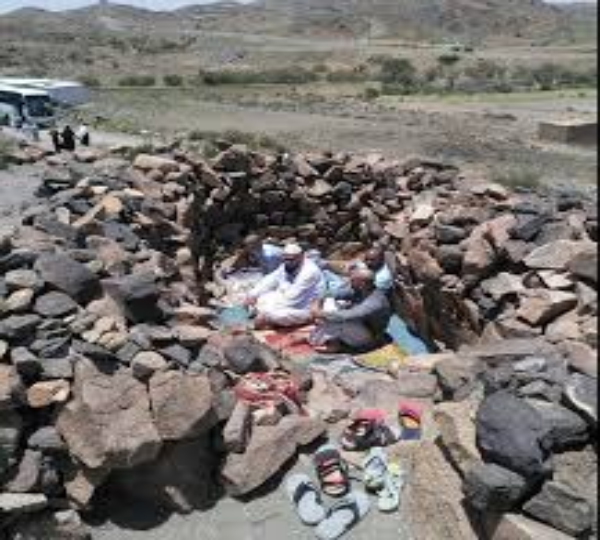
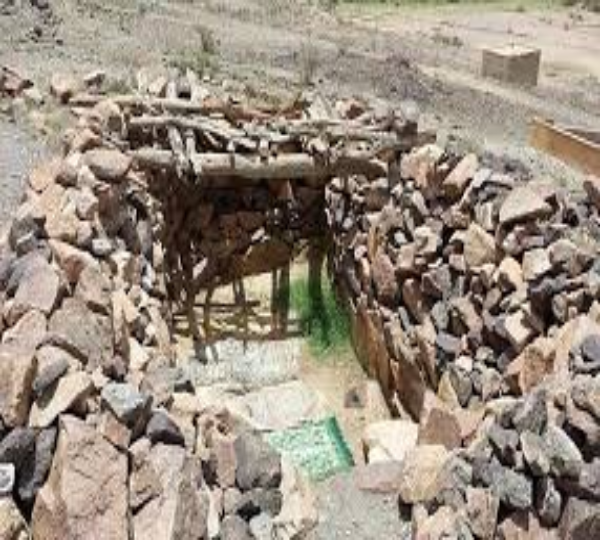
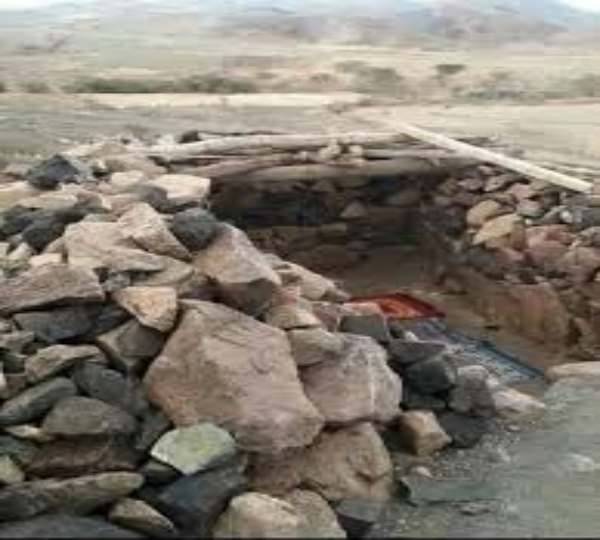
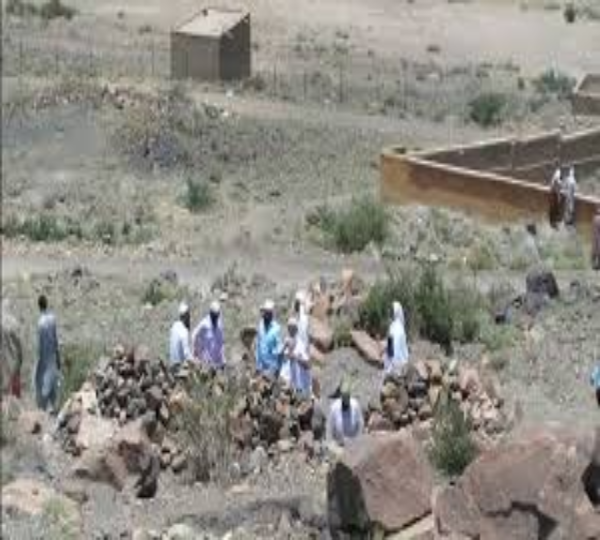
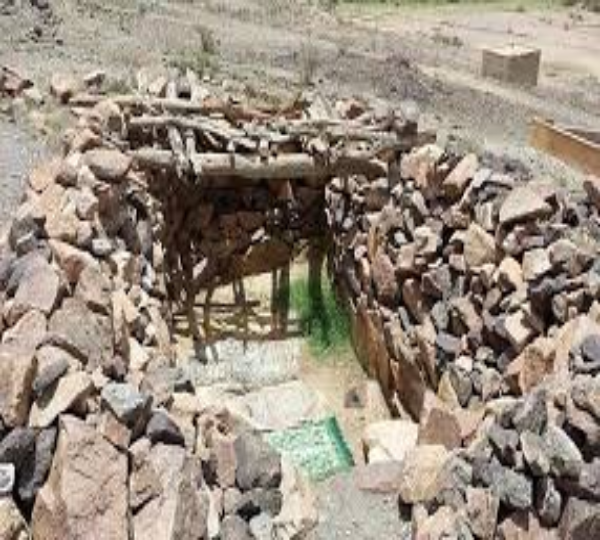
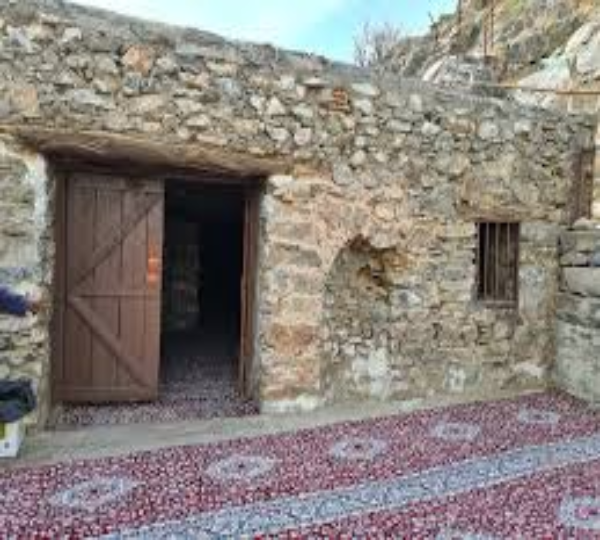
Our spiritual pilgrimage with Umrah Plus takes us back in time, far beyond the trials of the Da’wah in Taif and the battles of Madinah. This Ziyarat transports us to the most tender chapter of the Prophet Muhammad’s (S.A.W.) life: his sacred infancy and childhood. We travel now to the peaceful valleys near Taif, to the historical site believed to be the residence of the Prophet’s (S.A.W.) beloved foster mother, Halima Saadia (R.A.H.), in the home of the Banu Sa’d tribe.
Visiting the ruins of this ancestral home is not merely an historical inquiry; it is an emotional and spiritual experience, providing a profound lesson in reliance upon Allah (S.W.T.) and the concept of Barakah (blessing) instantly granted to those who show compassion to the vulnerable. This site perfectly complements the theme of divine provision that we saw at the wells of Madinah and the fertile ground of Wadi al-Khadra’.
The Custom and the Compassion: The Banu Sa’d Tribe
The setting for this part of the Prophet’s (S.A.W.) life is the Banu Sa’d valley, located approximately 75 kilometers south of Taif. It was a custom among the noble families of Makkah to send their infants to be nursed by Bedouin women in the open desert. This practice was intended to ensure the child grew up strong, healthy, and fluent in the purest dialect of Arabic.
The Famine and the Orphan: Halima Saadia (R.A.H.) and the women of her tribe, Banu Sa’d, travelled to Makkah during a severe drought and famine. Halima (R.A.H.) and her husband were desperately poor, their animals weak, and Halima (R.A.H.) herself struggled to feed her own child. While the other foster mothers rushed to take babies from rich families, they all rejected the orphan Muhammad (S.A.W.), fearing his guardianship, Abdul Muttalib, could not pay well.
The Decision of Faith: Halima (R.A.H.) was the only one left without a child. Rather than return empty-handed, she turned to her husband and said: “By Allah, I do not like that I should be the only woman of our clan to return without a baby; I will go and take that orphan.” Her husband replied with a prophetic hope: “Perhaps it will be that Allah will bless us because of him.” This act of compassion, despite their extreme need, unlocked a door of divine Barakah.
The Instant Barakah: A Home Transformed
The moment Halima (R.A.H.) accepted the infant Muhammad (S.A.W.) into her care, her life, and the life of her entire tribe, changed forever. This instantaneous and visible manifestation of Barakah is the core spiritual lesson of this Ziyarat:
The Miracle of Milk
Halima’s Breasts: Immediately after taking the child, Halima’s (R.A.H.) breasts overflowed with milk, enough to satisfy both the infant Muhammad (S.A.W.) and her own son, Abdullah. The intense hunger and sleepless nights of the previous journey were instantly replaced with satisfaction and rest.
The She-Camel: Her old, frail she-camel, which had been dry, suddenly yielded milk, providing sustenance for Halima (R.A.H.) and her husband.
Prosperity in the Valley
The blessings extended far beyond their tent. While the rest of the Banu Sa’d valley continued to suffer under the drought, Halima’s (R.A.H.) small flock of sheep and goats returned each evening with full udders, giving rich milk where others’ animals were starving. The Prophet (S.A.W.) literally became the source of sustenance for his foster family and was treated by the tribe as a source of healing for their sick.
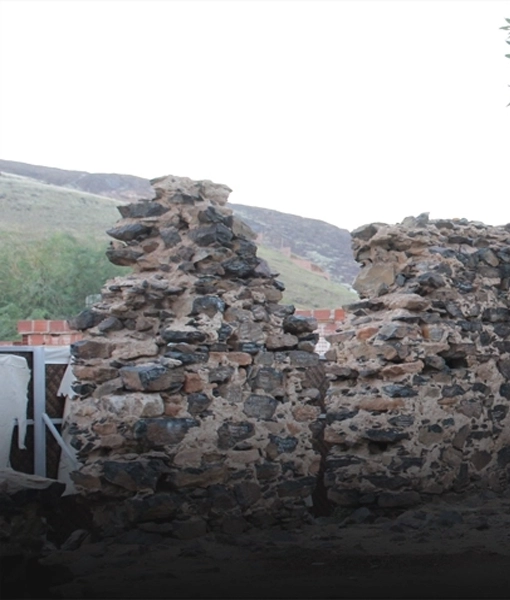
The ruins of her home, or the village site, are therefore a monument to the Quranic lesson: “Charity does not decrease wealth” (Muslim). Halima (R.A.H.) took an orphan out of compassion, and Allah (S.W.T.) repaid her generosity by raising her status and enriching her life beyond measure.
The Spiritual Legacy: Purity of Language and Heart
The Prophet (S.A.W.) spent his first four to five years in the tranquility of the Banu Sa’d desert environment, learning the purest classical Arabic dialect. This time was crucial to his development:
Purity of Language: The purity of the Arabic learned in the desert provided the perfect linguistic foundation for receiving and conveying the unblemished words of the Quran.
Purity of Heart (Shaqq as-Sadr): It was during his stay in the Banu Sa’d valley that the famous incident of the Splitting of the Chest (Shaqq as-Sadr) is believed to have occurred. While playing, two men in white are reported to have laid him down, split his chest, removed a portion of his heart, and purified it, sewing it back together. This event confirmed the divine protection and purification of his heart from the moment of his early childhood.
For the Umrah Plus Pilgrim: The Lesson of Compassion
The Ziyarat to the ruins of Halima Saadia’s home (R.A.H.) is an incredibly moving experience for the pilgrim.
The Power of Caring: It teaches the most fundamental lesson of Islam: the spiritual reward found in caring for the orphan and the vulnerable. It reminds us that blessings often come disguised as burdens.
A Continuous $\text{Barakah}$: Just as the sweet water flowed continuously at Bi’r Rawha, the Barakah brought by the Prophet (S.A.W.) flowed continuously in Halima’s home. The ruins are a silent testament to the lasting blessings earned through a simple act of human kindness and reliance upon Allah (S.W.T.).
The humble site of Halima Saadia’s home is a powerful spiritual marker—a place where the greatest personality in human history was nourished, and where the eternal Barakah of compassion first sprang forth.