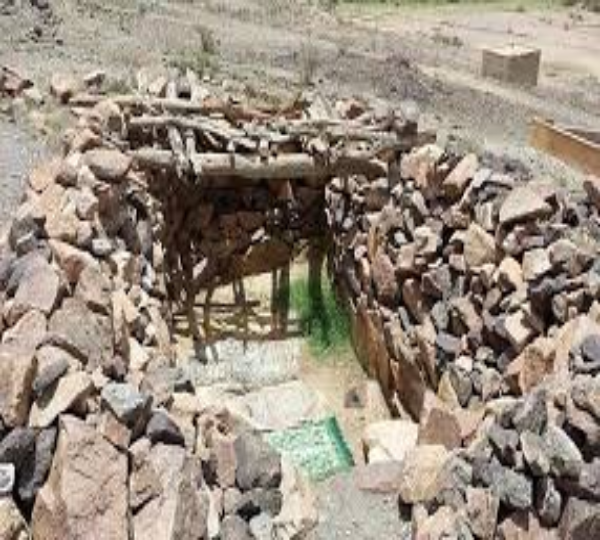
Souq Okaz was the largest and most famous of the seasonal markets in the Arabian Peninsula, dating back to before the 6th century CE. It operated for nearly three weeks each year during the sacred months (Dhu al-Qa’dah), when fighting was strictly forbidden, ensuring safe travel for merchants and participants.
A Nexus of Commerce and Diplomacy
Okaz was far more than a flea market. It functioned as a central hub for the Arabian tribes, performing several crucial roles:
Economic Center: Merchants brought goods from Syria, Persia, Yemen, and the entire Peninsula, conducting vast trade that defined the regional economy.
Political Arena: Tribal chiefs and dignitaries met to settle disputes, announce treaties, form alliances, and exchange prisoners. It was the unofficial parliament of the Arabs.
Sporting Ground: The market also hosted grand competitions, including horse racing and fencing duels.
The Supreme Court of Poetry
The primary fame of Souq Okaz rested on its function as the annual literary festival. Arab culture placed immense value on rhetoric, eloquence, and poetry.
Platform for Eloquence: Poets from every tribe gathered to recite their finest works, often boasting of their tribes’ honor and heritage. These poetic contests were taken seriously, judged by revered literary figures, and the winning poems (the Mu’allaqāt, or ‘hanging poems’) were often written in gold and hung on the Ka’bah.
Preservation of Arabic: This gathering standardized the Arabic language and preserved its rules of grammar and verse, ensuring that the language was at its peak of expressive power when the Quran was revealed.
The market represented the height of human language, intellect, and culture available in Arabia.
The Prophet’s (S.A.W.) Platform: Calling for Tawhid
The life of the Prophet Muhammad (S.A.W.) was one of persistent struggle against the overwhelming cultural and economic power structures of Makkah and the surrounding tribes. After facing persecution and before the eventual success of the Hijrah, the Prophet (S.A.W.) frequently sought out public venues to deliver his message of Tawhid (Monotheism). Souq Okaz was the most significant of these venues.
The Seven Seasons: It is recorded that the Prophet (S.A.W.) visited Souq Okaz for several seasons, standing amidst the throng of poets and merchants to convey the message of Islam.
Clash of Eloquence: He challenged the poets and rhetoricians of the time not with ordinary verse, but with the divine, unparalleled eloquence of the Quran. The literary giants of Okaz were left speechless and unable to match its perfection, recognizing a quality that transcended human capability. This intellectual and linguistic supremacy was a key proof of his Prophethood.
Facing Hostility: This was not a safe mission. The Prophet (S.A.W.) often faced ridicule and aggression from enemies like Abu Lahab, who would follow him, attempting to shout him down and warn people against his message.
The Prophet’s (S.A.W.) perseverance in utilizing this hostile, highly influential platform—the heart of the Jāhiliyyah (Age of Ignorance)—showcases his unwavering commitment to Da’wah (preaching), regardless of personal danger or apparent lack of immediate success.
The Barakah of the Word and the Legacy Today
The spiritual lesson of Souq Okaz is the Supremacy of the Divine Word and the Barakah of Persistence.
The Unbreakable Word: The market, which celebrated the most powerful human words, ultimately gave way to the Word of Allah (S.W.T.). The market’s influence declined and it was eventually sacked and abandoned, while the message delivered upon its grounds endured.
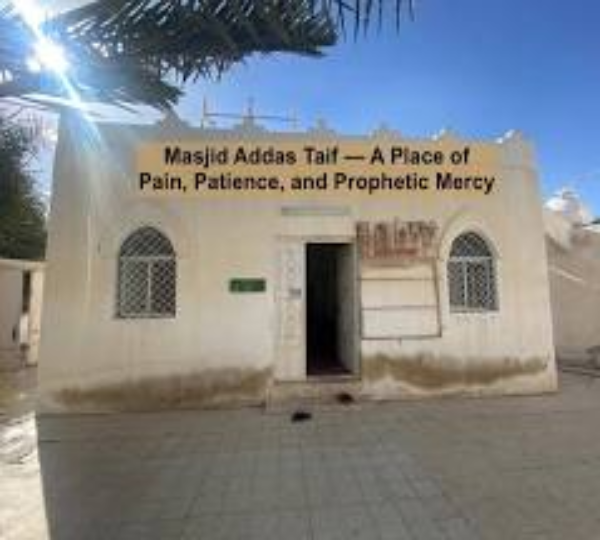
A Lesson in Da’wah: Following the compassion learned from Masjid Addas (R.A.H.), Okaz teaches the necessity of facing powerful opposition with both courage and wisdom. The Prophet (S.A.W.) spoke the truth to the largest gathering of influential Arabs, knowing the immense risk.
The Modern Ziyarah
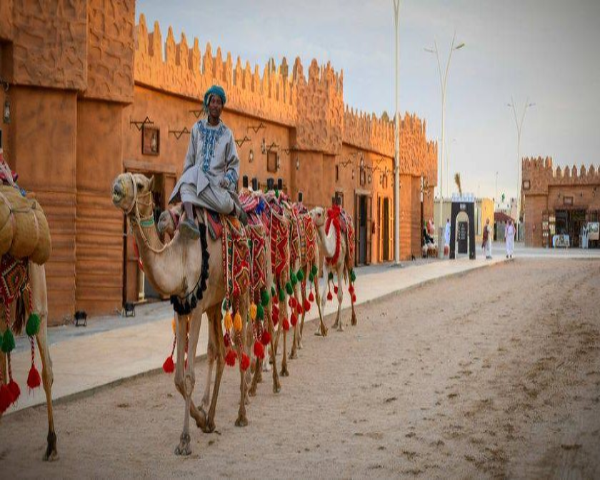
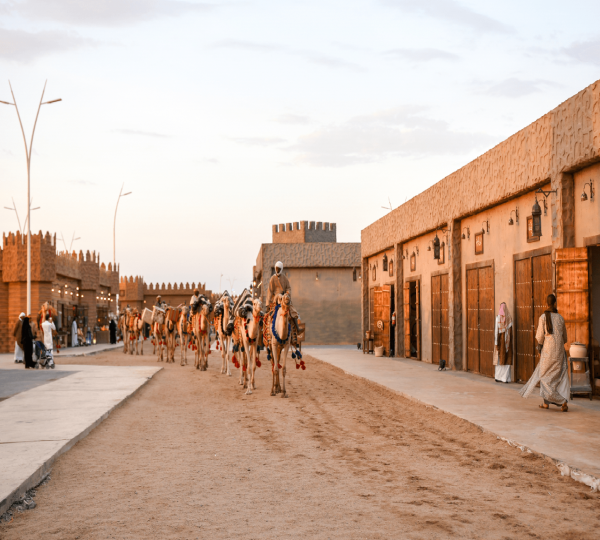
Today, Souq Okaz has been revived by the Saudi government as a spectacular annual cultural festival near Taif. This revival provides a unique Ziyarah experience:
Cultural Immersion: Visitors can witness dramatic historical reenactments, calligraphy, and poetry contests that recreate the atmosphere of the ancient market.
Spiritual Reflection: Pilgrims are encouraged to stand on these vast grounds and remember the Prophet (S.A.W.) facing down the entire weight of pre-Islamic Arabia. It is a powerful place to reflect on the initial hardship of the Da’wah and to pray for the strength to uphold the message today.
Souq Okaz is a monument to the power of the Word—a reminder that no matter how sophisticated the opposition, the truth, once spoken, will always endure and ultimately triumph.