Muawiyah Dam

سدّ معاوية

This ancient dam is a vital monument that links the spiritual blessings of the Seerah era to the practical, civilizational genius of the early Caliphates. It stands as a timeless reminder that Islam aims not just to purify the soul, but also to build, sustain, and manage the prosperity of the community.

The Civilizational Legacy of the Umayyad Era

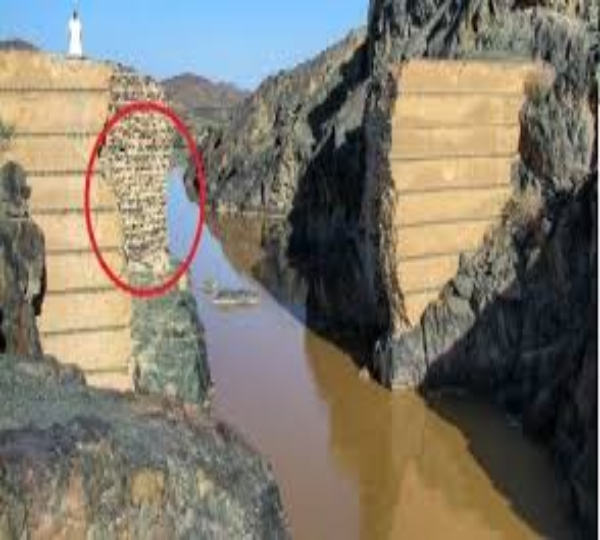
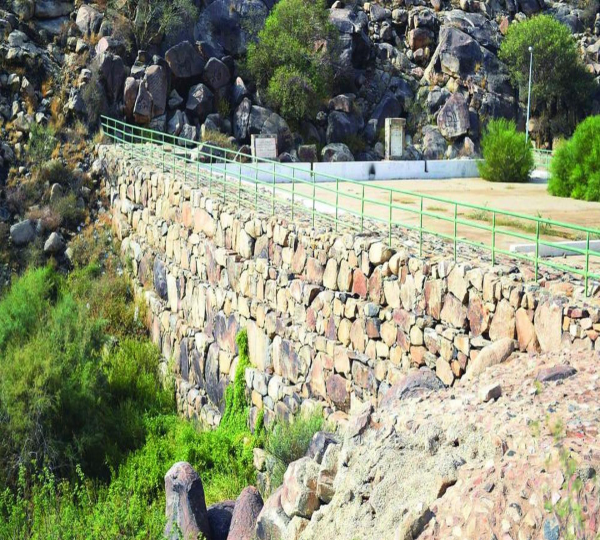
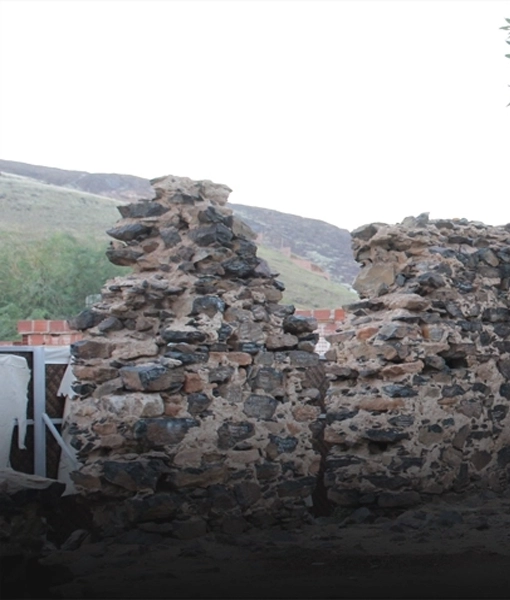
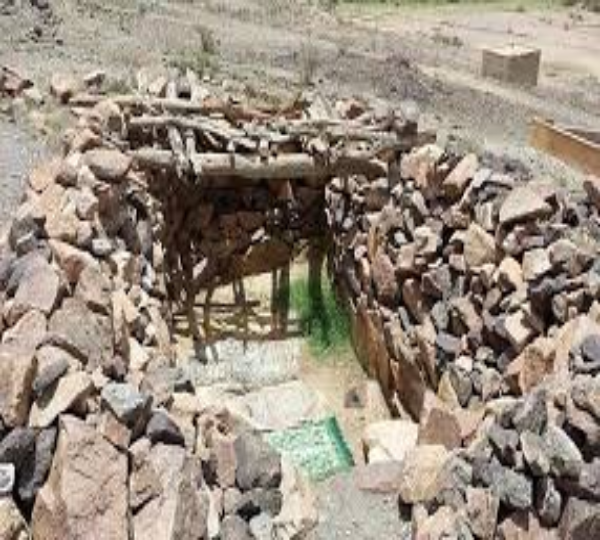
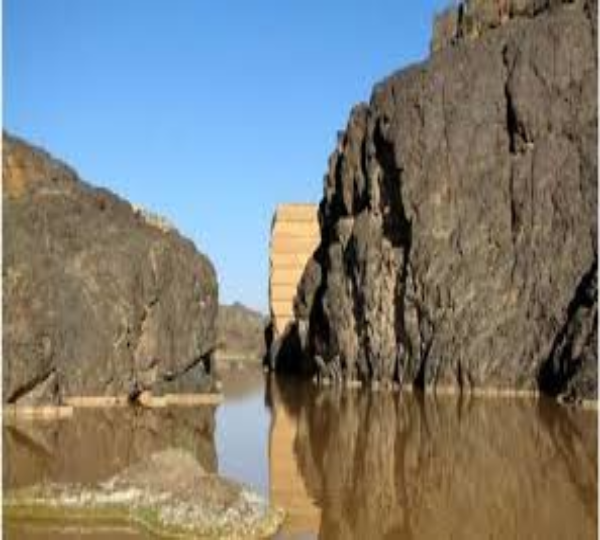
The Muawiyah Dam, situated approximately 12 kilometers southeast of Taif in the rocky Saiysad Valley, is one of the most famous and best-preserved ancient dams in the entire Arabian Peninsula.

  • Builder and Date: The dam was constructed during the reign of the Umayyad Caliph, Muawiyah ibn Abi Sufyan (R.A.H.), in the 58th year after the Hijrah (678 CE). It was built by Abdullah ibn Sakhr, a governor or administrator under the Caliph.
  • Purpose: Taif, known as the “Garden City” due to its elevated, cool climate and seasonal rains, required sophisticated water management to sustain its extensive farms of grapes, pomegranates, and roses. The Muawiyah Dam was a massive engineering project designed to control and conserve the torrents of seasonal rainwater flowing down the mountains, channeling the precious resource for irrigation and agriculture.
  • Construction: Built with large, skillfully cut granite or basalt blocks, the rectangular structure measures around 58 meters in length and 8.5 meters in height, a remarkable feat of hydraulic engineering for its time.

The dam, therefore, is a physical testimony to the early Muslim state’s priority: using collective effort and advanced knowledge to fulfill the spiritual duty of providing sustenance to the land and its people.

The Inscribed Stone: A Prayer in Granite

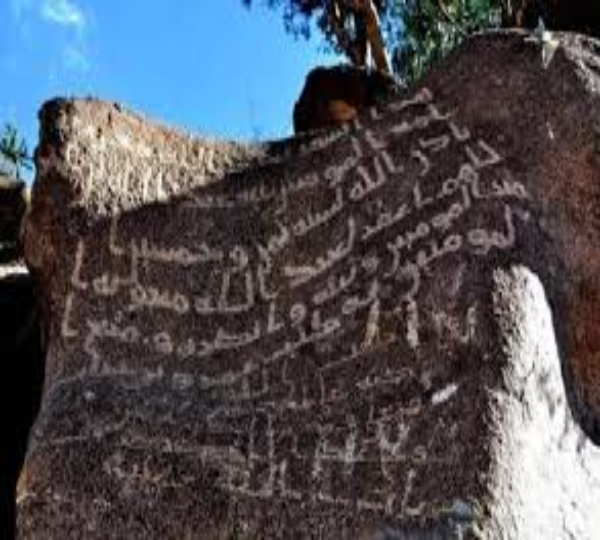
What elevates the Muawiyah Dam from a mere civil engineering project to a site of spiritual significance is the famous inscription found engraved on a large granite rock at the base of the dam. This inscription serves as a foundational stone, recording the construction details and, more importantly, the spiritual intention behind the work.

The Kufic script inscription, which is one of the earliest examples of official Islamic epigraphy in the region, contains a powerful prayer:

“This dam [belongs] to servant of God Muawiyah, Commander of the believers. Abdullah b. Sakhr built it with the permission of Allah, in the year fifty eight. O Allah, pardon servant of God Muawiyah, commander of the believers, and strengthen him, and benefit the believers by him…

The Barakah of Sincere Intention

This inscription is a profound lesson in Islamic governance and Barakah:

  • Sustenance Anchored by Din: The Caliph, despite his immense political power, publicly declared himself a “servant of God” and sought forgiveness, ensuring that this massive infrastructure project was anchored not in personal pride, but in humility and piety.
  • Prayer for the People: The central purpose of the inscription is not self-glorification but a dual Dua: for the Caliph’s pardon, and for the project to “benefit the believers.” This reflects the Prophet’s (S.A.W.) core teaching that the best form of charity is that which provides continuous benefit (Sadaqah Jariyah) to the community.
  • The Link to Prophetic Dua: This dam is the physical fulfillment of the Prophet’s (S.A.W.) prayer for Barakah in the livelihood of Madinah and its surrounding region (as seen in our blog on Wadi al-Khadra’). The dam ensures the realization of that blessing by providing reliable water for the gardens that make Taif flourish.

A Contrast to the Prophetic Trial

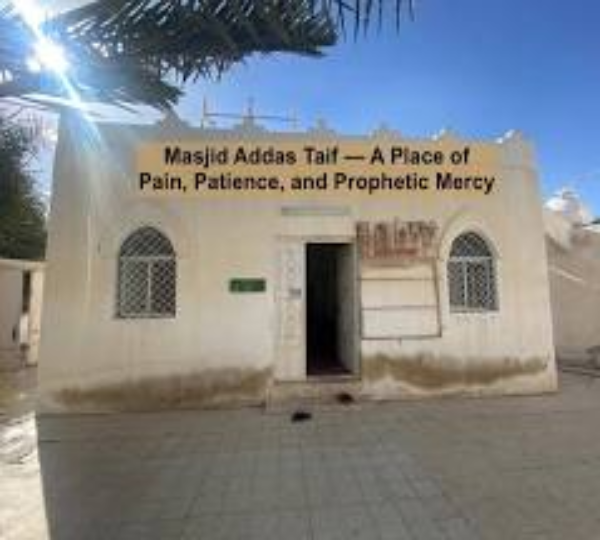
The Muawiyah Dam stands in stark contrast to the period of trial commemorated at Masjid Addas (R.A.H.).

  • From Rejection to Riches: The dam’s prosperity symbolizes the complete transformation of Taif. The city that once turned away the Prophet (S.A.W.) became, by Allah’s will, a source of incredible bounty under Muslim rule, validating the Prophet’s (S.A.W.) eventual prayer for the guidance of its people.
  • From Despair to Development: Where the Prophet (S.A.W.) and Zayd ibn Harithah (R.A.H.) found refuge in a simple, desperate grape orchard, the Caliphate later managed entire valleys, ensuring that water—the source of life, central to the miracle of Bir Rawha—was controlled and distributed for the good of all.

For the Umrah Plus Pilgrim: The Lesson of Stewardship

The Muawiyah Dam is a critical Ziyarah site that urges the modern pilgrim to look beyond the prayer rug and consider the comprehensive nature of Islam:

  • Stewardship of the Earth: It is a powerful lesson in Islamic environmental stewardship (Khilāfah). The dam shows the dedication of the early state to managing natural resources—a duty that remains essential for global sustainability today.
  • The Power of Infrastructure: It reminds us that civilizational power in Islam is defined by the ability to provide fundamental services—water, food, and security—anchored by faith.

In the serene valleys of Taif, the Muawiyah Dam stands not merely as an ancient wall of stone, but as a perpetual monument to the Barakah that comes from linking worldly effort to a sincere, God-centered intention, benefitting the believers for over fourteen centuries.

Other Ziyarat You Should Know