مسجد عدّاس رضي الله عنه
The Hour of Trial: The Prophet’s (S.A.W.) Asylum
The year was the ‘Am al-Huzn (Year of Sorrow), circa 619 CE. Having lost his two greatest protectors—his uncle and guardian, Abu Talib, and his devoted wife, Khadijah (R.A.H.)—the Prophet Muhammad (S.A.W.) journeyed to Taif, seeking support and refuge from the prominent Thaqif tribe.
The reception he received was devastating. The tribal leaders not only scornfully refused his call to Islam but incited the city’s children and mob to chase him out, pelting him with stones. The Prophet (S.A.W.), accompanied only by his freed slave, Zayd ibn Harithah (R.A.H.), was severely wounded, his blessed sandals filling with blood.
Exhausted, wounded, and emotionally drained, he finally found refuge outside the city walls in a tranquil grape orchard owned by two Quraysh chiefs, ‘Utbah and Shaybah ibn Rabi’ah (both were staunch opponents of Islam). It was here, beneath the shade of the vines, that the Prophet (S.A.W.) offered his famous, heartbreaking Dua to Allah (S.W.T.), submitting his weakness to the Lord of the worlds.

The Miracle of Compassion: The Story of Addas (R.A.H.)
The owners of the orchard, despite their enmity, felt a degree of sympathy for the wounded Prophet (S.A.W.) and instructed their young, Christian slave, Addas (R.A.H.), to take a bunch of grapes and offer them to the man resting under the wall.
This simple act of service led to one of the most poignant spiritual encounters in the Seerah:
- The Blessed Word: As the Prophet (S.A.W.) reached for the grapes, he pronounced: “Bismillah” (In the Name of Allah) before beginning to eat.
- The Recognition: Addas (R.A.H.) was immediately struck by the phrase. He was a foreign slave, a Christian originally from Nineveh (in modern-day Iraq), and he confessed that he had never heard such noble words spoken by the people of the Arabian Peninsula.
- The Prophetic Kinship: The Prophet (S.A.W.), sensing the young man’s sincerity, asked him where he was from. When Addas replied “Nineveh,” the Prophet (S.A.W.) responded, “From the town of the righteous man, Yunus ibn Matta.” Addas was astonished that this wounded stranger knew of his Prophet, Yunus (A.S.). The Prophet (S.A.W.) then simply stated: “He is my brother; he was a Prophet of Allah, and I am a Prophet of Allah.”
In that moment of shared Prophetic heritage, the truth was illuminated for Addas (R.A.H.). He immediately knelt, kissed the Prophet’s (S.A.W.) head, hands, and feet (still bleeding from the stones), and declared his faith in Islam.
Addas (R.A.H.) became the only person from Taif, and the only human convert, whose acceptance of Islam is recorded on that dark day, a shining testament to the fact that divine light finds its way even in the darkest circumstances.
The Sanctuary of Resilience: Masjid Addas Today
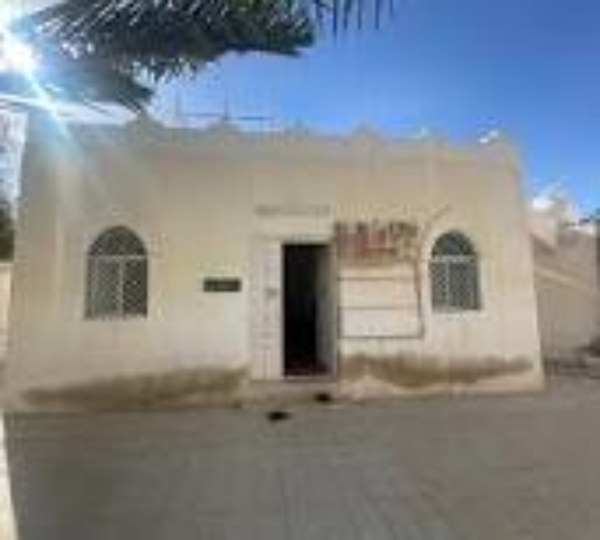
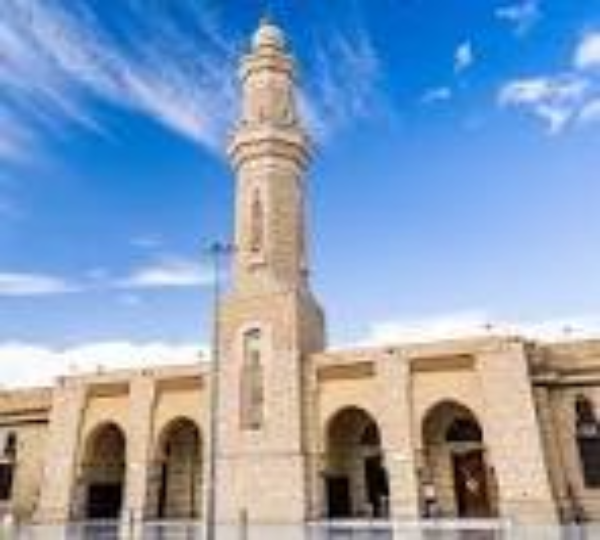
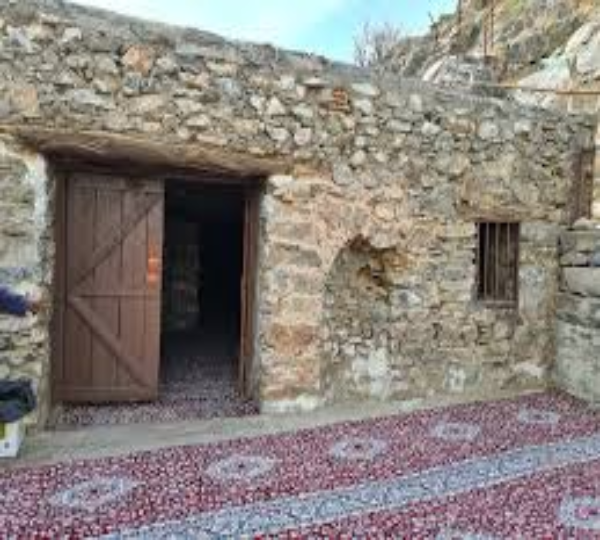
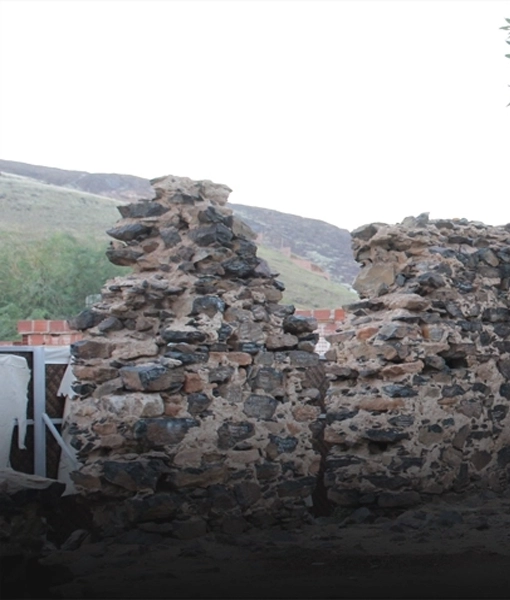
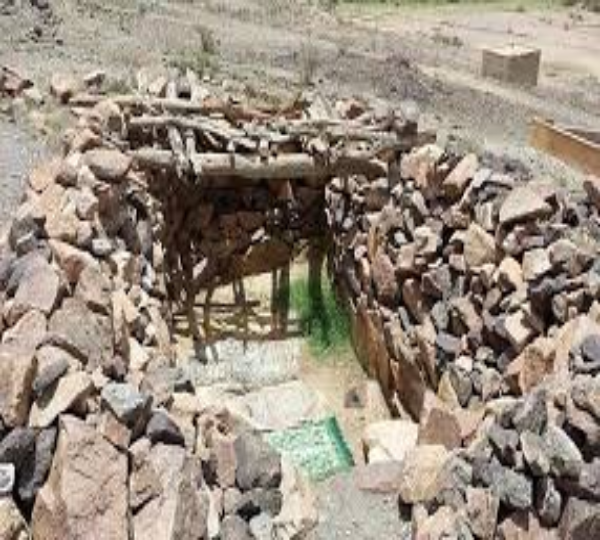
The site where this profound conversation and conversion took place is now marked by the small, revered Masjid Addas (R.A.H.). It is often situated within the tranquil greenery of the Taif region, reminding visitors of the grape orchard that provided refuge.
- A Monument to Universal Truth: Masjid Addas stands as a powerful symbol of the universal message of Islam, confirming the lineage of Prophethood that extended from Yunus (A.S.) to Muhammad (S.A.W.). It teaches us that truth is recognizable to any sincere heart, regardless of tribal affiliation or previous creed.
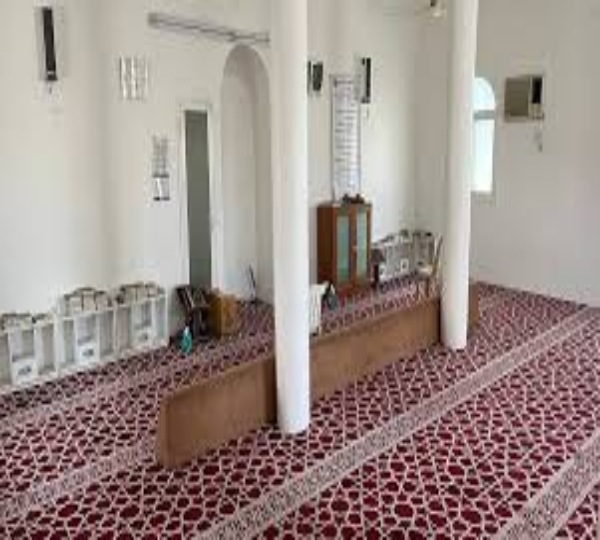
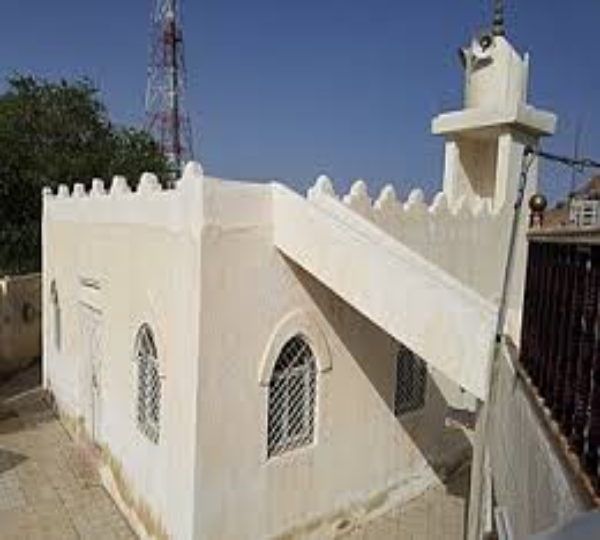
- Architecture of Commemoration: The mosque, though modest in size, is built to honor the exact place of the encounter. Its simplicity reflects the raw, profound nature of the moment—no grand ceremonies, just a sincere conversation between a Prophet and a seeker of truth.
- The Barakah of Mercy: The Barakah associated with Masjid Addas is the blessing of mercy and forgiveness. After the ordeal, the Prophet (S.A.W.) was offered divine revenge—an angel was sent, ready to crush the people of Taif with the mountains if commanded. Yet, the Prophet (S.A.W.) refused, praying instead: “Nay, I hope that Allah will bring forth from their loins children who will worship Allah alone, and associate no partners with Him.”
The existence of Masjid Addas (R.A.H.) and the subsequent flourishing of Islam in Taif, attested to by the presence of Masjid Abdullah ibn Abbas (R.A.H.) and his grave, proves that the Prophet’s (S.A.W.) prayer for guidance was ultimately answered.
For the Umrah Plus Pilgrim: The Lesson of Patience
The Ziyārah to Masjid Addas (R.A.H.) offers a pivotal lesson that guides the contemporary pilgrim:
- Enduring Hope: When you stand here, remember that even in the most painful trials, Allah (S.W.T.) never abandons His Messenger (S.A.W.). The sole acceptance of Addas (R.A.H.) was the divine sign that the message would endure.
- The Power of the Dua for Others: The Prophet’s (S.A.W.) decision to pray for the future generations of Taif, rather than seek revenge, serves as the highest ideal of mercy and ethical conduct.
Masjid Addas (R.A.H.) is not just a reminder of suffering; it is a spiritual anchor of hope, a sanctuary that embodies the enduring promise that sincerity and compassion will always triumph over hostility and despair.