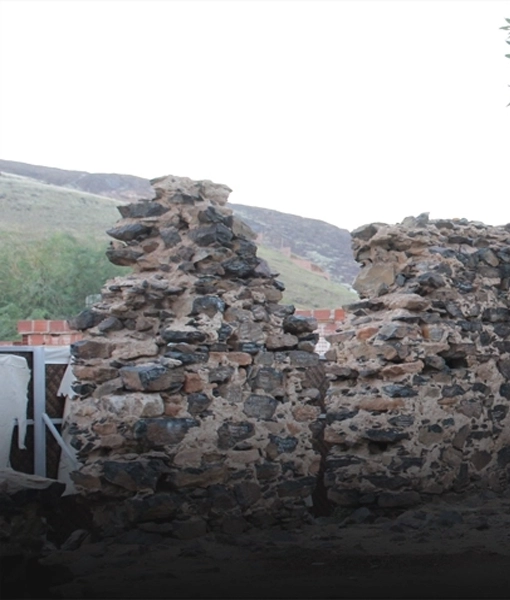
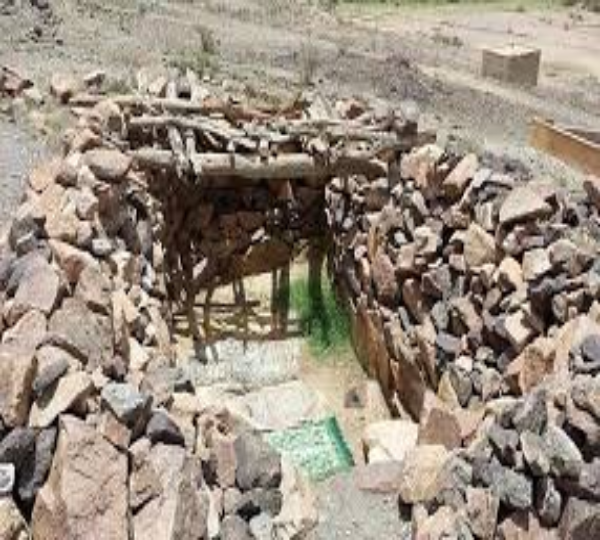
The heart of Masjid Abdullah ibn Abbas is the legacy of its namesake, a paternal cousin of the Prophet’s (S.A.W.). Born just three years before the Hijrah, Abdullah ibn Abbas (R.A.H.) was privileged to spend his formative years in the constant, intimate company of the Messenger of Allah (S.A.W.).
The Barakah of the Prophetic Touch
The Prophet’s (S.A.W.) concern for his cousin’s spiritual and intellectual development was immediate and profound. As an infant, his mother brought him to the Prophet (S.A.W.) who blessed him with his saliva—a prophetic Barakah that was believed to have initiated his immense capacity for learning. This was followed by a powerful, specific Du’ā that charted the course of his life:
“O Allah! Grant him understanding in the religion and teach him the interpretation (of the Qur’an).” (Narrated by Al-Bukhārī)
This Du’ā was answered in spectacular fashion. Ibn Abbas (R.A.H.) went on to earn the title Tarjumān al-Qur’ān (The Interpreter of the Qur’an) and was respected even by the elder Companions, such as ’Umar ibn al-Khaṭṭāb (R.A.H.), who consulted him on complex matters of faith and jurisprudence.
His relentless quest for knowledge, even after the Prophet’s (S.A.W.) passing—humbling himself to learn from older Companions, often waiting patiently outside their doors, letting the dust settle on him—demonstrates a profound commitment to learning. His entire life was a testament to the idea that the greatest treasure of the Ummah is its knowledge of the Divine Book and the Sunnah.
The Mosque: Final Abode and Beacon of Taif
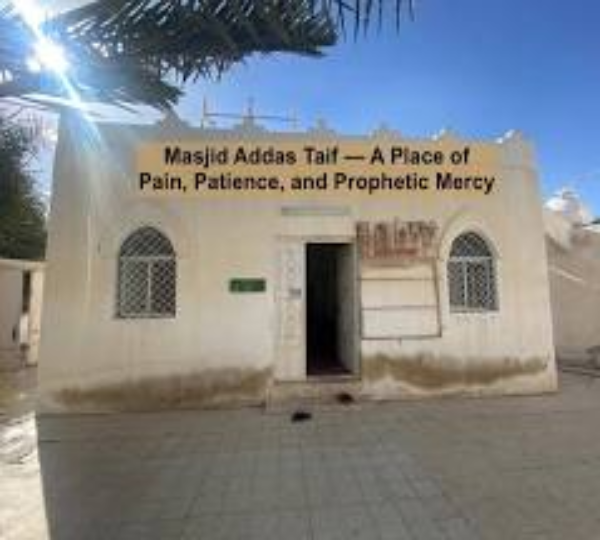
The location of Masjid Abdullah ibn Abbas (R.A.H.) is inseparable from his final journey. After a life dedicated to service, scholarship, and political duty (including serving as the Governor of Basra), he settled in the cool climate of Taif.
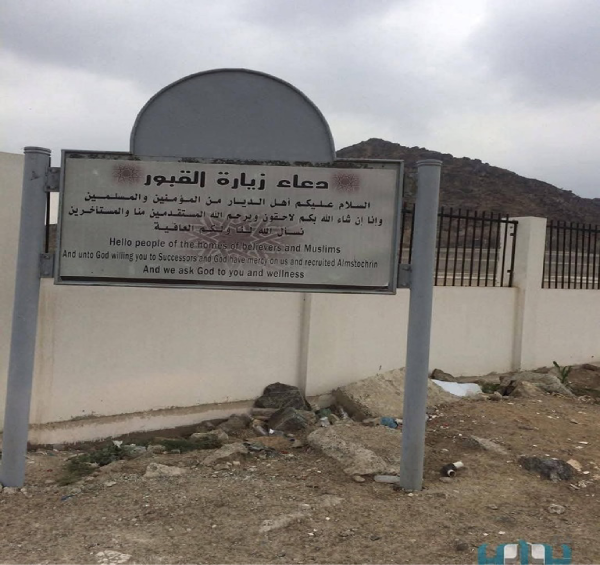
The Burial Site: He passed away in 68 AH in Taif and is traditionally interred in a cemetery adjacent to the mosque. The Masjid was built near or over his resting place to honor his unparalleled contribution to Islam. The act of Ziyārah here is a chance to send Salām and reflect on the tremendous effort he made to preserve the Prophet’s (S.A.W.) teachings.
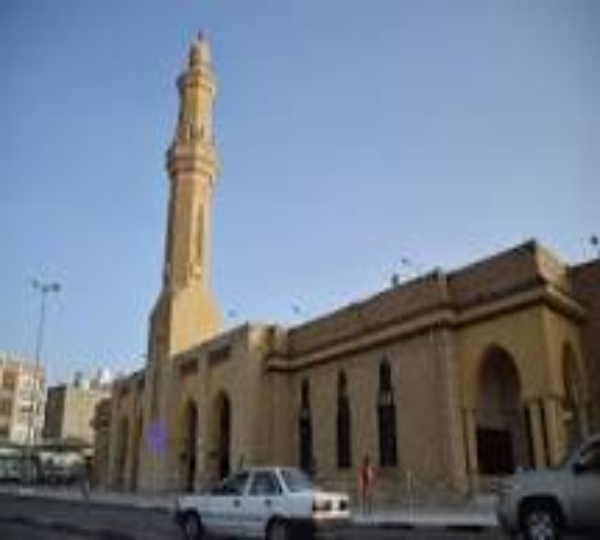
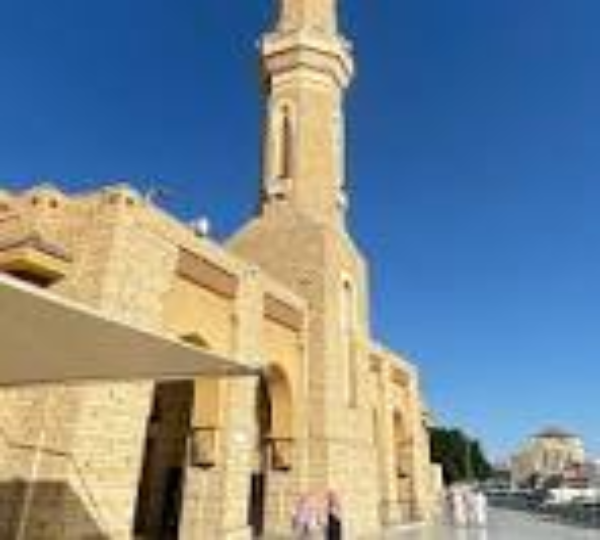
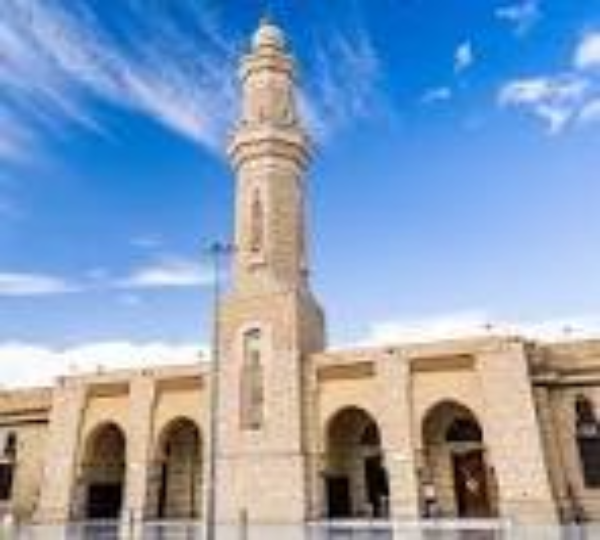
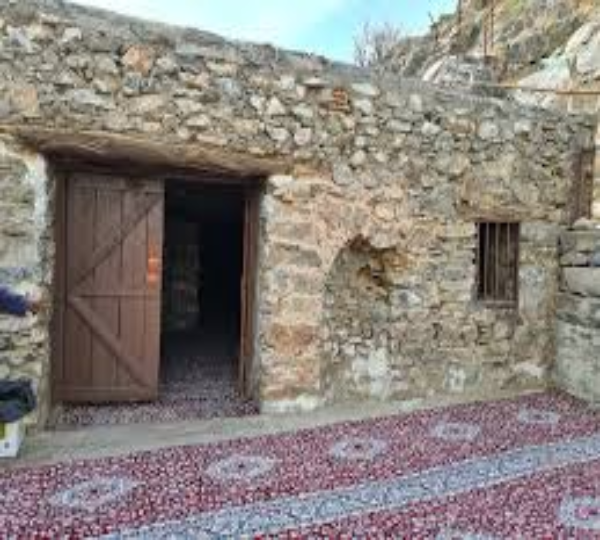
Architecture and Resilience: The mosque’s original structure dates back to the early Islamic period, symbolizing the swift establishment of Muslim presence in Taif. It was significantly rebuilt and enlarged during the ’Abbāsid era—a dynasty descended from his father, ’Abbās ibn Abd al-Muttalib (R.A.H.)—who honored his legacy by transforming the site into a grand center for worship and scholarship. The current expansive structure reflects the enduring importance of this historical Masjid to the region.
Spiritual Connection: From Testing to Triumph
The Ziyārah to Masjid Abdullah ibn Abbas (R.A.H.) provides the most crucial spiritual anchor for any visit to Taif, connecting the city’s challenging past with its blessed present:
The Triumph of Du’ā: The mosque stands near the very routes where the Prophet (S.A.W.) was once severely persecuted. Yet, the presence of his cousin, the Scholar of the Nation, whose knowledge was a direct result of the Prophet’s (S.A.W.) earnest Du’ā, confirms that the prayers made amidst the greatest hardship are the most profoundly answered. Taif, the place of trial, became a center of light and knowledge.
The Barakah of Knowledge: Just as the transformation of Bi’r Rawhā was a physical Barakah of water, this Masjid is the spiritual proof of the Barakah of ‘Ilm. Ibn Abbas (R.A.H.) took the divine words and the Prophet’s (S.A.W.) explanations and turned them into a lasting legacy that guides the Ummah to this day. His knowledge is the perennial, sweet spring that flows from this high mountain city.
A Call to Humility: The life of Ibn Abbas (R.A.H.) reminds us that regardless of one’s lineage or status, the path to true greatness is paved with humility. He, the cousin of the Prophet (S.A.W.), sat outside a Companion’s door waiting for knowledge. Visiting his mosque is a powerful call to adopt this humility in our own pursuit of Dīn and Dunyā.
For the Umrah Plus pilgrim, Masjid Abdullah ibn Abbas (R.A.H.) is the first and most essential spiritual stop in Taif. It provides the lens through which the city’s historical persecution is viewed: a necessary trial that preceded the ultimate divine success, ‘Ilm and Barakah for all time.